• About

Brandon Ray Kirk

~ This site is dedicated to the collection, preservation, and promotion of history and culture in my section of Appalachia.

Brandon Ray Kirk

Tag Archives: coal

Recollections of Bert Curry about Timbering on Pigeon Creek, WV (1978)

10 Saturday Aug 2019

Posted by Brandon Ray Kirk in Coal, Holden, Timber

≈ Leave a comment

Tags

Appalachia, Bert Curry, Catlettsburg, coal, Cole and Crane Company, Delbarton, Elk Creek, Henry Ferrell, history, Holden, Island Creek, Island Creek Coal Company, Lando Mines, Lenore, logging, Louisa, Mingo County, Mud Fork, Pigeon Creek, rafting, Rock House, splash dams, timber, timbering, Trace Fork, Tug Fork, Wallace Curry, West Virginia

The following interview excerpt of Bert Curry (born c.1901) was conducted at Lenore in Mingo County, WV, on December 5, 1978.

***

How much money was around back then?

The first public works to come into the Pigeon Creek areas was when Cole and Crane come in to cut all of this virgin timber. All of Pigeon Creek. They built a splash dam at Delbarton, one on Elk Creek, and one on Rock House. They come in here in 1910 and they paid seventy-five cents a day and board for a man to work and he worked from daylight til dark and along later some of their best men, their team drivers… Team drivers had to work extra hours. They’d put them on by the month. I remember my brother-in-law got $35 a month, but he’d have to get up at 4 o’clock in the morning and then after supper he’d have to go out and clean the stable and curry his team and doctor ‘em, anything that had to be doctored and feed ‘em and bed ‘em down of the night.

Where did people get most of their income in those days?

If you had a job it was usually helping somebody cut timber. My first job was fifty cents a day carrying water for seventeen men and I was about twelve or thirteen years old.

Was that for loggers?

Well, these was loggers but my brother Wallace had a big field of corn. He had to grow corn to feed his cattle. He had six yokes of cattle and he used cattle in logging and he’d take a big flour barrel full of corn and them cattle would get around and he’d feed that corn to ‘em. They’d eat a barrel of corn each night and they’d let ‘em… Maybe a little fodder, or once in a while in bad weather they’d give ‘em a little hay. But them cattle, they worked ‘em six days a week haulin’ logs. They was trained to work and them six yokes of cattle was worth more than you could get for… You could buy a beef for $25 at that time but if you bought a good oxen that was broke you’d have to give about $50 for him.

What do you remember about the logging operations?

They was very primitive. They had nothin’ like a chain saw. They had a cross cut saw and they had axes and they had cane hooks and they had their teams of oxen and then some had teams of mules and horses. When Cole and Crane come in here they contracted all the cuttin’ of this timber. All the haulin’ it and puttin’ it into the creeks where the waters from the dams would take care of it. They had several contractors. They’d contract a whole boundary, maybe 500 or 1000 acres of timber to cut, and it was all virgin timber. It took six yoke of oxen or two to three big span of mules or horses to pull a tree. They didn’t cut it up into logs like they do now. They cut the whole tree and they didn’t take anything less than 16 inches up to the top. They’d be from 5 to 7 feet down where they cut them off and some of them would be 100 feet long and I’ve seen gorges of logs in Pigeon Creek they claimed had 5,000 trees in it. For a mile it’d be piled up bank to bank as high as they could pile. They’d work sometimes with all the teams they could get around them for three weeks a breaking one gorge. And when they got it to the Tug, they’d raft it. Sometimes they’d raft them and sometimes they would drift them down to the locks at Louisa before they’d raft them and they never went past there. They’d raft them there and then take tug boats and haul them from there to Cincinnati.

How did you raft them? I’m not familiar with that.

They had what you call chain dogs, a little chain about that long (indicates about 12 inches) with a spike on each end. They’d drive a spike in this log here and in this log (indicates two logs laying side by side) to hold it together, one at the front and one at the back, and they’d be oh maybe they’d be 50 feet wide and two or three hundred feet long, the rafts would. Maybe they’d have two or three rafts. One steamboat would be pullin’ maybe two or three rafts.

The logs wouldn’t drift apart?

They’d drive them spikes. Them spikes was about that long (indicating about six inches) and they’d drive them in there and it took a whole lot to pull ‘em out.

Did they work in the winter time, too?

Oh yes! I’ve seen fellers wade Pigeon Creek when they mush ice was a floatin’ and when they’d have to get back in the water to thaw before they could walk.

Was the creek deeper then or about like it is now?

It was more even. They had water all the time but they didn’t have as many severe floods as they have now because this was all covered with timbers, all of everything. See, this mulch in these forests held the water and let it leak out. It didn’t run off like it does now.

The water flow was more evened out this year around?

More evened out. But when they’d have a splash dam at Delbarton, one on Rockhouse up at Lando Mines and one in the head of Elk Creek, they’d time these. They’d know how long it took the water to run from Elk Creek, and they knowed how long it took the water to run from Rock House, and they knowed how long it took the water to meet. They’d try to have them all three come out at once so that they’d have a vast big sudden increase in water. You could look up the creek when they’d splash and you could see a wall floatin’ and a turnin’ in and everything.

And that was to wash the logs out?

Yes, well they washed them out to Tug River that way. That’s the way they got them out of Pigeon Creek.

Do you remember when Island Creek first came into the area?

No. Island Creek first come in about 1901. That was over there. They started when two young fellows come from New York in there looking for oil, to prospect for oil, so they could invest some money. And some old man had a mine open right where No. 1 Island Creek mine is and he was a haulin’ coal with a mule—a mule and a sled. He’d go back in there and he’d haul coal out—a big seam of coal six foot high and good and clean. So they decided that there was where they could make their money. So they got to talkin’ with these fellows and they went and got lawyers and they bought around Holden and Trace Fork and up Mud Fork and a vast area. I don’t know how much: 79,000 acres for 470,000 dollars. And fellows like Henry Ferrell, he counted timber so long. To count timber you have men a goin’ through and selecting the trees and one man a tallying. They’d make a mark on a tree when they’d count it, and the fellow with the tally sheet, he kept the numbers. He said they’d count timber a while and said then they had more money than they had brains. To spend that much money for that much land—470,000 dollars—and he said they put up a band mill and cut the timber and sold the timber and built their camps and sold enough lumber to pay for all of it. They got their coal and their land free. Just cut the timber and sold it and got their money back. People thought they were foolish for paying that kind of prices. Buying some of them farms out with all that timber for thousand dollars—that sounded like an awful lot of money. They didn’t have any money. They weren’t used to money. You worked for fifty cents a day. $1000 seemed like a whole lot.

Big Coal Deals for Logan County, WV (1917)

11 Tuesday Jun 2019

Posted by Brandon Ray Kirk in Boone County, Coal, Huntington, Logan

≈ Leave a comment

Tags

A.H. Land, Al Litz, attorney, B.L. Holland, Bengal Coal Company, Billy Aldredge, Boone County, Cleveland and Western Coal and Coke Company, coal, coal operators, Cora Mining Company, E.H. Butts, Ethel, Ethel Coal Company, Flynn-Haislip Coal Company, Fred Haislip, George Aldredge, H.T. Proctor, history, Hotel Frederick, Huntington, Island Creek Colliery Company, J.J. Ross, Jack Dalton, Logan County, Logan Democrat, Loma Mining Company, Norfolk and Western Railroad, Riley Lilly, Tom Wilson, Washington D.C., West Virginia

From the Logan Democrat of Logan, WV, comes this bit of information relating to coal companies in Logan County, printed on May 17, 1917:

BIG DEALS FOR COAL IN LOGAN ARE BEING MADE

Public Service Corporation Buying Huge Prices for Local Properties

Public service corporations which must have coal whether school keeps or not are becoming big investors in Logan county coal and many big deals are about to be made. Most of the business is being done at the Frederick hotel, Huntington, which at this time is swarming with Logan county operators and representatives of big interests.

So far, the following companies are as good as sold.

Loma Mining Company.

Cora Mining Company.

Island Creek Colliery Company.

The following companies have been optioned and are regarded as good as sold:

Ethel Coal Company.

Flynn-Haislip Coal Company.

Bengal Coal Company.

The Loma Mining Company and the Cora Mining Co., are reported to have been sold to Cleveland and Western Coal and Coke Company for $250,000 apiece. The Loma Mining company was capitalized at $100,000 while the Cora Mining company was capitalized at $50,000 so the investors in both corporations will clear up a handsome profit on their investment.

Deposit $100,000

In the case of the Loma Mining company $100,000 already has been deposited in a Huntington bank to insure the deal so there is no chance of it falling through. The final papers in the Cora Mining company may not be signed for a few days yet but it is regarded as good as sold as it is a valuable property for any public service to own. Both companies have well developed seams of coal and are capable of great productivity. Island Creek Colliery sold for $475,000.

The Ethel Coal Mining company at Ethel, W.Va., is working on three operations. It is reported to have been optioned at $1,250,000 and the company notified by those holding the option that they intend to exercise their rights in the near future. It was not possible to get the amount of the proposed sale of the Flynn-Haislip company.

A.H. Land, the well known coal operator of Logan county, at present is in Washington, D.C. It is said that he is there on a big deal but it is not possible to give details.

Among the operators from this county who have been in the throng at the hotel Frederick during the last few days are Jack Dalton, H.T. Proctor, Fred Haislip, Al Litz, E.H. Butts, attorney for several Logan county operators, Riley Lilly, attorney for several Logan county interests, B.L. Holland, George Aldredge, Billy Aldredge, Tom Wilson, J.J. Ross and others.

Make Vast Sums

Logan county operators are now in a position, according to reports, to clean up vast sums of money on their investments. The public service corporations who have been depending on the open market have found that it is absolutely necessary for them to go into the coal mining business on their own hook in order to insure their supply and they are doing so.

At the hotel Frederick, many big deals have been pulled off for mines in Boone, the N. & W. territory as well as for Logan. A number of deals affecting Logan county interests are anticipated in near future.

The buyers of Logan mines intend to operate them on a bigger scale than ever before. They have the money to do so and intend to employ for it that purpose so that the general prosperity of the county is on a more solid foundation than ever before.

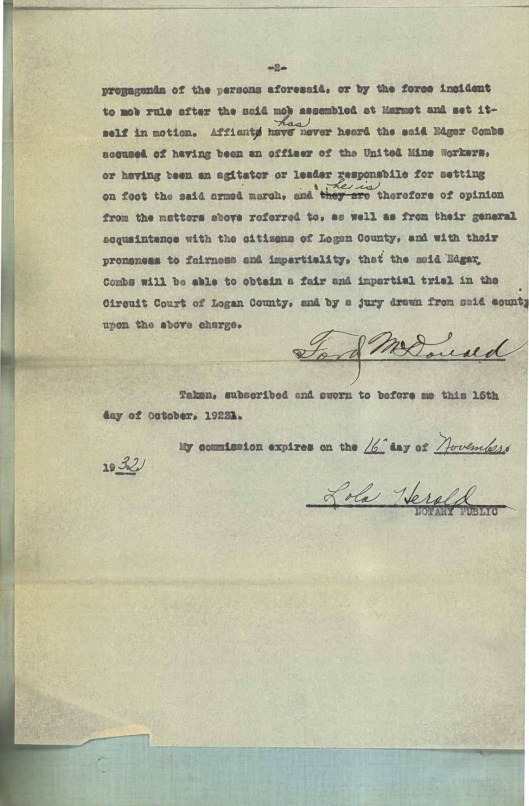
State v. Edgar Combs (1923): Statement of Ford McDonald, No. 14

11 Tuesday Jun 2019

Posted by Brandon Ray Kirk in Battle of Blair Mountain, Coal

≈ Leave a comment

Tags

Appalachia, Blair Mountain, coal, Edgar Combs, Ford McDonald, history, Logan, Logan County, Lola Herald, United Mine Workers of America, West Virginia

Document 14-1Document 14-2

Coal Items in the Big Sandy Heritage Center Museum (2019)

25 Saturday May 2019

Posted by Brandon Ray Kirk in Coal, Pikeville

≈ Leave a comment

Tags

Appalachia, Big Sandy Heritage Center Museum, coal, history, Kentucky, photos, Pike County, Pikeville

IMG_6898

Coal miner’s lamp, Pikeville, KY. 15 May 2019

CCPJ7786

Checking tag, Pikeville, KY. 15 May 2019

IMG_6899

Miner’s cap with light, Pikeville, KY. 15 May 2019

Queens Ridge News 03.02.1923

14 Tuesday May 2019

Posted by Brandon Ray Kirk in Big Creek, Coal, Queens Ridge

≈ 2 Comments

Tags

Albert Queen, Appalachia, Arnold Workman, Big Creek, Charlie Tomblin, coal, Elmer Frazier, Emery Bryant, Eva Workman, farming, Francis Fork, Frank Mann, Garland Spry, genealogy, history, hunting, Jinks Mann, Kiahs Creek, Lincoln County, Logan Banner, Minnie Workman, Monroe Workman, Nancy Shepherd, Ocie Spry, Ora Mann, Queens Ridge, Silas Spry, Victoria Maynard, Virgie Mann, W.H. Tomblin, Wayne, Wayne County, Wayne Maynard, West Virginia, Wiley Queen, Woodrow Workman

A correspondent named “Mike and Ike” from Queen’s Ridge at Lincoln-Wayne counties, West Virginia, offered the following items, which the Logan Banner printed on March 2, 1923:

Minnie and Eva Workman took dinner with Ora Mann Monday.

Garland Spry was rabbit hunting Sunday.

Minnie and Eva Workman made a flying trip to Francis Creek Sunday and back home Monday. They reported a good time.

Ora Mann and Eva Workman are going to the commencement exercise of Mrs. Victoria Maynard’s school next Wednesday.

W.H. Tomlin is grieving about his son Charlie, who is about to get married. He says if Charlie marries he is broke up.

Nancy Shepherd, who was reported sick a few weeks ago, is some better.

Virgie Mann was visiting friends on Francis Creek Sunday.

Minnie Workman is going to school every day. She says her school will soon close and she will go to Wayne to go to school.

A few weeks ago the farmers were thinking of planting corn. Now they are better satisfied sitting by the fire.

I wonder when Wayne Maynard is coming back home.

Arnold Workman has built a new chicken house. He says he can’t feed his poultry and chickens together.

Woodrow Workman got his fine coon dog caught in a trap. He says he will soon recover.

Frank Mann made a business trip to Big Creek Monday.

Wiley and Albert Queen were on our streets hauling coal last week.

Wonder where Silas Spry was Sunday? Guess he ran into a stump and bumped his nose and stumped his toes.

Elmer Frazier and his hat are getting along fine.

Emery Bryant was calling on Sallie Mann Sunday.

Jinks Mann is still going to see Ocie Spry every Sunday.

Little Monroe Workman is drawing a pension. He had his dog’s life insured and killed the dog to get the insurance.

NOTE: Geographically, Queens Ridge is located entirely in Wayne County but the post office area included a section of Lincoln (and Logan) County for a certain number of years.

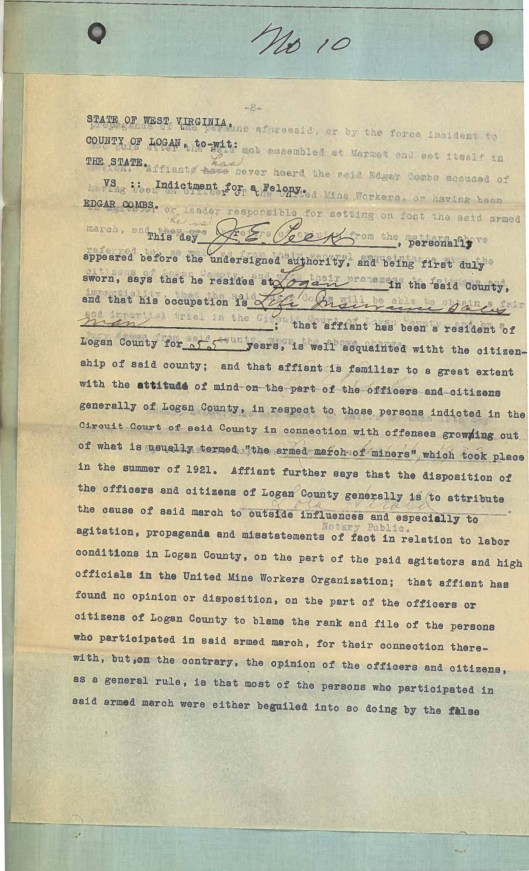
State v. Edgar Combs (1923): Statement of J.E. Peck, No. 10

29 Monday Apr 2019

Posted by Brandon Ray Kirk in Battle of Blair Mountain, Coal, Logan

≈ Leave a comment

Tags

Appalachia, Battle of Blair Mountain, Blair Mountain, coal, Edgar Combs, history, insurance salesman, J.E. Peck, Logan, Logan County, Lola Herald, notary public, United Mine Workers of America, West Virginia

Document 10-1Document 10-2

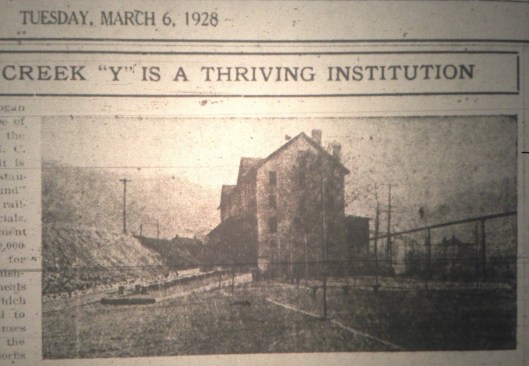
Peach Creek YMCA is Thriving (1928)

20 Wednesday Mar 2019

Posted by Brandon Ray Kirk in Coal

≈ Leave a comment

Tags

Appalachia, C&O Railroad, coal, history, Logan Banner, Logan County, Peach Creek, photos, West Virginia

Peach Creek Y is Thriving LB 03.06.1928 1.JPG

Logan Banner, 6 March 1928

Garrett, Floyd County, KY (2019)

04 Monday Mar 2019

Posted by Brandon Ray Kirk in Coal

≈ Leave a comment

Tags

Appalachia, Ballard, coal, Elkhorn Coal Company, Floyd County, Garrett, history, Kentucky, photos, Prestonsburg

IMG_4283

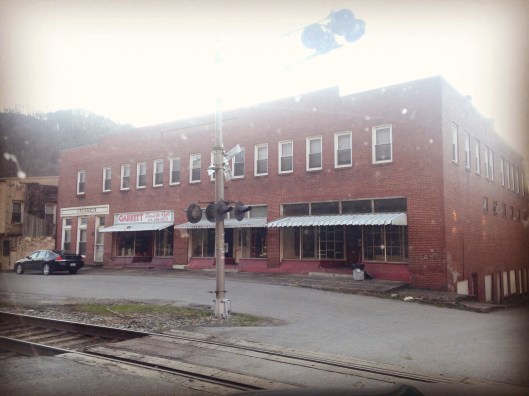
Located 13 miles south of Prestonsburg, Ballard Post Office was established here in 1910. 27 February 2019

IMG_4286

The Elkhorn Coal Company established a town on the site about 1914 and named it Garrett after John and Robert Garrett, two Baltimore bankers and coal company financiers.  27 February 2019

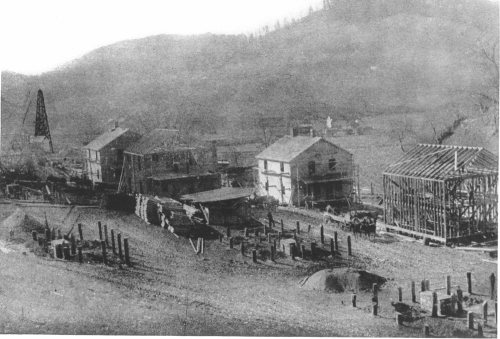
Garrett KY c1915

Garrett, Floyd County, KY. c.1915 Photo credit unknown.

IMG_4287

Garrett, Floyd County, KY. 27 February 2019

IMG_4288

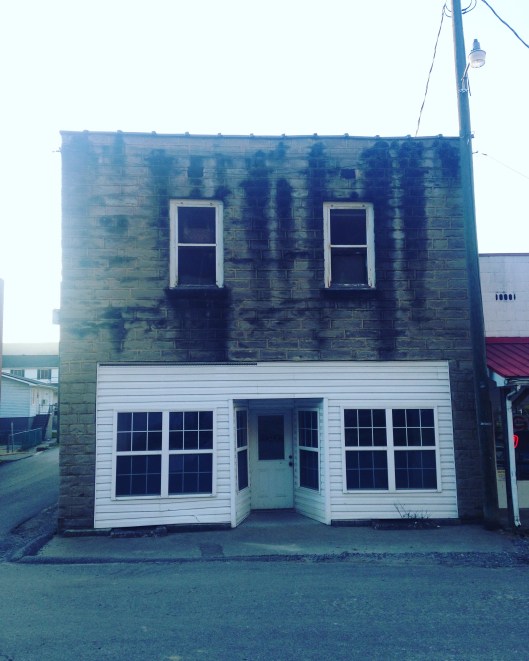
Garrett, Floyd County, KY. 27 February 2019

IMG_4285

Garrett, Floyd County, KY. 27 February 2019

IMG_4284

Garrett, Floyd County, KY. 27 February 2019

Chapmanville News 10.06.1922

23 Saturday Feb 2019

Posted by Brandon Ray Kirk in Big Harts Creek, Chapmanville, Coal

≈ Leave a comment

Tags

Andrew Fowler, Appalachia, Chapmanville, Chilton Chapman, coal, Ed Turner, Elliott Bryant, Eva Barker, genealogy, Harriet Hill, Harts Creek, Henlawson, history, Kimball, L.T. Hicks, Logan Banner, Logan County, Maud McCloud, Millard Brown, Pete Ferrell, Seamon mines, Susie Hill, Ula Barker, Washington DC, Wayne Brown, West Virginia

A correspondent named “Mutt & Jeff” from Chapmanville in Logan County, West Virginia, offered the following items, which the Logan Banner printed on October 6, 1922:

We are having some cool nights. Soon be time for Jack Frost.

Mrs. Dingess returned Monday after a few days visiting on Harts Creek.

We understand that Mr. Ula Barker is the proud owner of a gray mule.

Mr. Pete Ferrell is tipple boss at the Seamon mines.

Mr. and Mrs. L.T. Hicks are spending their honeymoon in Washington, D.C. We all wish them a happy life.

We see there is another new house going up in town.

Chapmanville is getting more like New York every day.

Miss Maud McCloud gets more letters than anyone else. Who is it that thinks so much of you, Maud?

Andrew Fowler wears a fifty cent smile these days. What is up, boys?

All of our boys have gone to work after a long vacation during the strike.

Mrs. Wayne Brown, Miss Harriet Hill, Chilton Chapman, and Susie Hill were out car riding Sunday. All reported a good time.

Millard Brown and his best girl were out walking Sunday.

Ed Turner and Miss Havner were seen out walking Sunday.

Eva Barker seems to get letters from Kimball real often.

Quite a number of the boys and girls of Henlawson visited Chapmanville Sunday. Come again. We are glad to have visitors.

Elliott Bryant was wearing a seventy-five cent smile Sunday. Who is she, Elliott?

Fanny, where was Cecil Sunday?

If this escapes the waste basket, will call again.

Dehue, Logan County, WV

23 Saturday Feb 2019

Posted by Brandon Ray Kirk in Coal

≈ Leave a comment

Tags

Appalachia, coal, Dehue, history, Logan County, photos, Rum Creek, West Virginia

IMG_0476

Dehue, Rum Creek, Logan County, WV. Date and copyright unknown.

Phenol Taints Logan’s Water Supply (1927)

07 Thursday Feb 2019

Posted by Brandon Ray Kirk in Coal, Guyandotte River, Logan

≈ Leave a comment

Tags

Appalachia, coal, genealogy, Guyandotte River, Guyandotte Valley, history, Logan, Logan Banner, Logan County, Logan County Health Department, West Virginia

From the Logan Banner of Logan, WV, comes this bit of history relating to coal and the Guyandotte River, dated 1927:

UNPLEASANT AND HARMLESS TASTE NOTED IN CITY WATER—IS CAUSED BY PHENOL WASHED INTO RIVER

The local water company has lately been flooded with telephone calls relative to a strange taste and odor in the city water supply. At the request of the water company the County Health Department has made an investigation. It has been found that the queer taste and odor is not due to excessive use of chlorine disinfectant, as most people seem to believe. A great many people have remarked that the odor especially resembles that of carbolic acid. As a matter of fact, the compound causing it does not belong to the same family. The taste is caused by a phenol compound which is a coal tar product found in coal mine wastes. The heavy rains this week have washed some of this deposit from the upper Guyan Valley coal fields into the river. There is no known satisfactory method to remove phenol from water, so it goes through the water paint; part of it combining with the chlorine used for disinfecting and producing the taste so prevalent for the last few days.

The water is entirely safe and it is not injurious to health. It will probably last only a few days, until the flood waters in the rivers subside.

The situation is not a new one; various towns over the state, using stream water from coal field drainage districts, report “chloro-phenol” taste from time to time. The only remedy is to keep the coal waste from draining into the streams. Some work has been done in Pennsylvania along this line but so far little has been accomplished in West Virginia.

Logan County Health Department

Source: Logan (WV) Banner, 21 October 1927

Image

State v. Edgar Combs (1923): Statement of Thomas West, No. 11

29 Tuesday Jan 2019

Tags

Appalachia, Blair Mountain, Cabell County, coal, crime, deputy sheriff, Edgar Combs, H.W. Houston, history, Huntington, lawyer, Logan County, Mine Wars, Thomas West, United Mine Workers of America, West Virginia

document 11-1

Posted by Brandon Ray Kirk | Filed under Battle of Blair Mountain, Coal, Huntington, Logan

≈ Leave a comment

Image

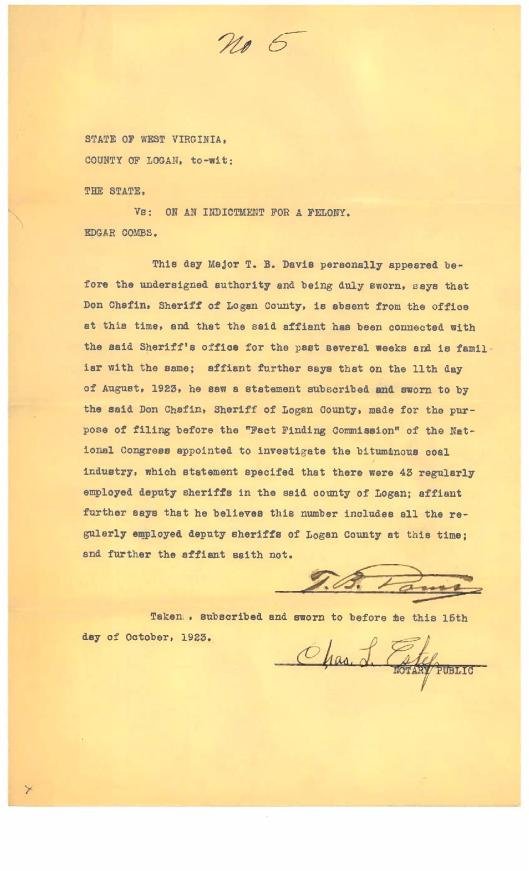
State v. Edgar Combs (1923): Statement of Major T.B. Davis, No. 5

23 Wednesday Jan 2019

Tags

Appalachia, Blair Mountain, Charles L. Estep, coal, Don Chafin, Edgar Combs, genealogy, history, Logan County, sheriff, T.B. Davis, West Virginia

document 5-1

Posted by Brandon Ray Kirk | Filed under Battle of Blair Mountain, Coal, Logan

≈ Leave a comment

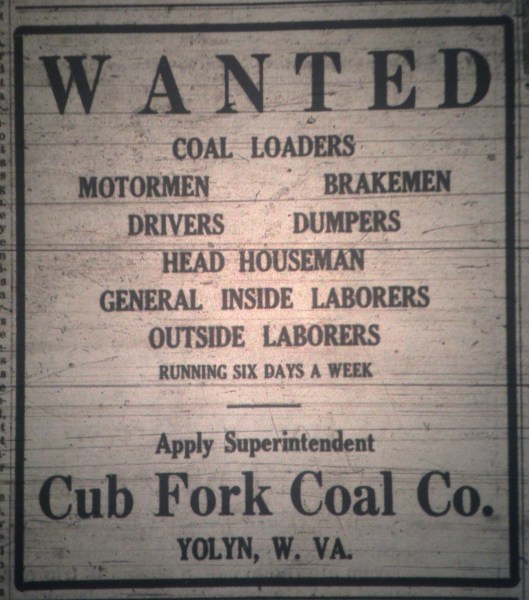
Cub Fork Coal Company at Yolyn, WV (1923)

23 Sunday Dec 2018

Posted by Brandon Ray Kirk in Coal

≈ Leave a comment

Tags

Appalachia, coal, history, Logan Banner, Logan County, West Virginia, Yolyn

Cub Fork Coal Company at Yolyn Ad LB 06.08.1923.JPG

Logan (WV) Banner, 8 June 1923.

Big Creek News 02.17.1922

15 Saturday Dec 2018

Posted by Brandon Ray Kirk in Big Creek, Huntington, Stone Branch

≈ Leave a comment

Tags

Appalachia, Big Creek, Charleston, coal, Daisy, Daisy Coal Company, David Crockett, Gordon Lilly, H.J. Markham, history, Huntington, James B. Toney, Logan Banner, Logan County, Peter M. Toney, pneumonia, Stone Branch, W.H. McKinney, West Virginia

An unknown correspondent from Big Creek in Logan County, West Virginia, offered the following items, which the Logan Banner printed on February 17, 1922:

In the last few days Daisy Coal mines started up after being shut down for about four months.

Mr. West, mining engineer of Charleston, has been in Big Creek looking after business matters the last few days.

Mr. P.M. Toney, member of the County Court, has been to Charleston and other places pertaining to business matters for the last few days.

Mrs. J.B. Toney and family of Huntington have been visiting relatives in Big Creek for several days.

Mr. and Mrs. H.J. Markham have been visiting relatives here for the last few days.

There has been a lot of sickness here in the last two weeks and a number of cases of pneumonia.

Mr. and Mrs. W.H. McKinney, who have been visiting relatives, have gone to house keeping and decided to stay here. Mr. McKinney is employed as electrician for the Daisy Coal Co.

A new baby was born to Mr. and Mrs. Millard Sanders.

Mr. and Mrs. J.W. Stone of Peach Creek are visiting Mr. Stone’s mother at Big Creek.

A bad cough and cold is interfering with Uncle Gord Lilly’s matrimonial arrangements as announced by him. But Uncle Gord tells us that this matter will be attended to promptly.

Dr. Crockett has been away attending to business matters in Charleston.

A great protracted meeting has been going on at Stone Branch for the past two weeks. There were sixteen conversions. A number will be baptized Sunday.

Boardwalk and 700 Hill at Omar in Logan County, WV

15 Saturday Dec 2018

Posted by Brandon Ray Kirk in Coal

≈ Leave a comment

Tags

700 Hill, Appalachia, coal, history, Logan County, Omar, photos, West Virginia

Boardwalk and 700 Hill 2.JPG

Boardwalk and 700 Hill, Logan County, WV. Photo credit unknown.

History for Jenkins, KY (1928)

04 Tuesday Dec 2018

Posted by Brandon Ray Kirk in Big Sandy Valley, Coal

≈ Leave a comment

Tags

Appalachia, Big Sandy River, C&O Railroad, coal, Consolidation Coal Company, Cumberland Mountains, Devil John Wright, Devil Judd Tolliver, Hazard Herald, history, James A Garfield, Jenkins, John Fox Jr., John W. Wright, Kentucky, Kentucky River, Letcher County, Little Elkhorn Creek, Little Shepherd Amphitheatre, Logan Banner, Nick Dann, photos, Pound Gap, Rocky Branch, Shelby, The Trail of the Lonesome Pine, Virginia, West Virginia

Here is a bit of history for Jenkins, Kentucky, based on a newspaper account provided in 1928:

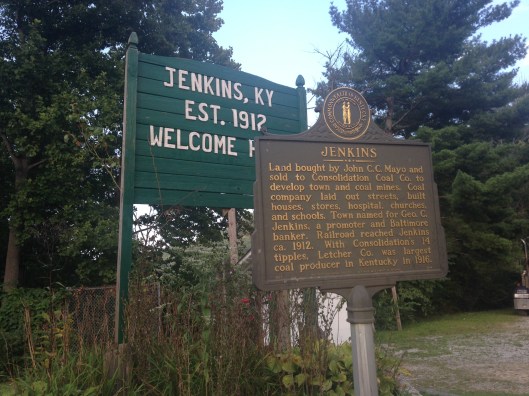
IMG_7109.JPG

Welcome to Jenkins! 26 August 2018.

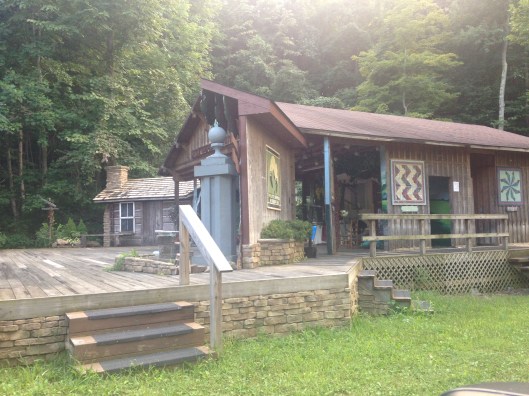
Nestling in the valley of the Little Elkhorn, within “a stone’s throw” of the famous Pound Gap, is Jenkins, one of the few great mining towns of the world. The term “mining camp” cannot rightly be used when speaking of Jenkins, because it is not a “camp” in any sense of the word, but rather a city built by the great Consolidation Coal Company for the accommodation of its thousands of employees.

IMG_7106.JPG

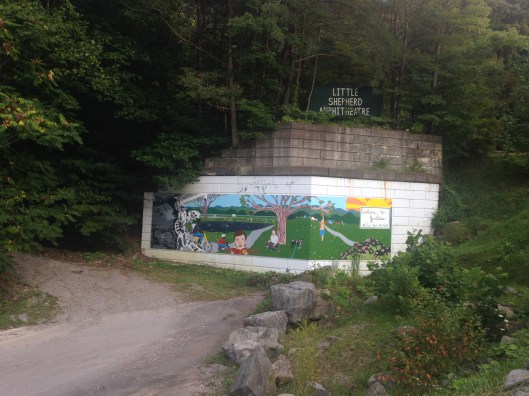
Little Shepherd Amphitheatre. 26 August 2018.

Never was a city planned more carefully, says the Hazard (Ky.) Herald. The men in charge of the construction work were chosen from the top of their respective professions, and the building of the plant was carried out to a plan with the health, safety, education, sanitation, convenience and enjoyment of life by the miners, as its chief object cost was a very secondary consideration.

IMG_5964.JPG

Devil John Wright, dubbed Devil Judd Tolliver by John Fox, Jr. in The Trail of the Lonesome Pine. Photo credit unknown.

Twenty years ago this spot was a wild mountain farm, owned by that famous mountaineer, John W. Wright. His home, a hewn log affair, stood near where the Methodist church has since been erected. For miles in every direction the unbroken forest swept away over hill and down valley, some of which had slept undisturbed since the beginning of time.

IMG_7121.JPG

St. George Catholic Church. 26 August 2018.

The mountaineers, on their seldom made visits to this wild region, would look up at the rugged mountains, like giant sentinels guarding the gates of another world, and wonder, what good could ever come of such a land. At night, the few settlers were lulled to sleep by the hoot owl’s call and awakened in the morning by the yelp of the fox.

IMG_7108.JPG

This way to Little Shepherd Amphitheatre. 26 August 2018.

Then one day news spread over the hills that Wright had disposed of his lands and that a great town was about to be built by some men from “away off yonder.” Surveying parties were camped on the Kentucky river, and along Elkhorn. Railroads were pushing into the hills from the east and west. Farmers, on their way to mill or meeting, would stop and ask questions of the engineers, learn all they could of the town that “they had heard was going to be” and then hurry home to toll the news to their neighbors, adding to the story until it becomes a fanciful fairy tale.

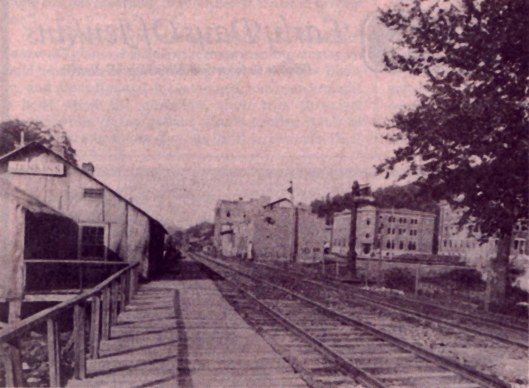
Jenkins KY

Jenkins. Photo credit unknown.

The roars of explosives soon were heard for many miles, children at first would run screaming to their mother [illegible line] skirts asking to be told what it was they had heard “away over yonder,” while old women smoked their pipes and wondered if “Garfield was coming up the Sandy again.”

IMG_7123.JPG

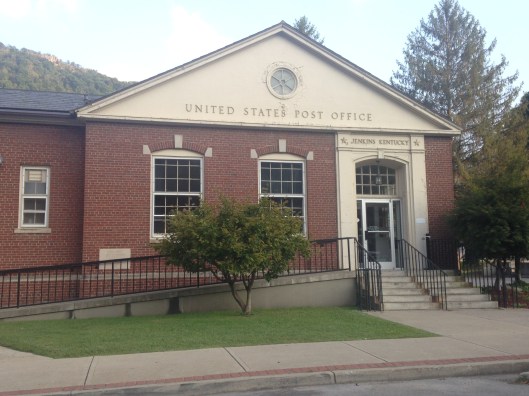
Jenkins Post Office. 26 August 2018.

Coming into wild, rugged country like the head of Elkhorn, and laying off and building a city was a feat worthy of the greatest engineering skill, and that was the sort employed by the Consolidation Company.

The nearest railroad was still miles away. Everything needed in construction must be freighted across the Cumberlands, over roads almost impassable by wagon. For 12 months preparation for this gigantic plant went on before the actual construction work began. Roads were graded across the mountain by Pound Gap and a lumbering concern was induced to build their narrow gauge railroad from Glomorgan to Rocky Branch, leaving only about five miles that supplies must be transported by wagon freight. The Pound Gap country was a beehive of activity. Freighters were so numerous on the road that it took the best part of a day to make the trip from Jenkins to Rocky Branch and return. Every few yards the driver would be forced to turn out so that another could pass.

IMG_9322.JPG

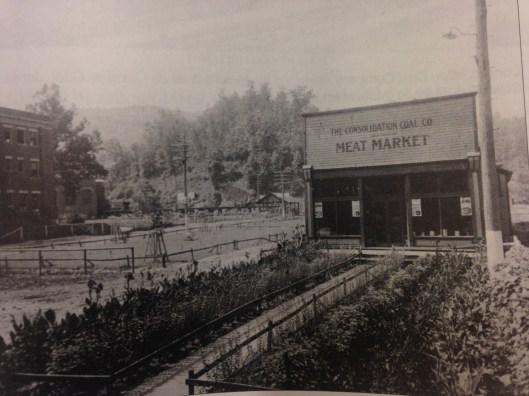
Consolidation Coal Company Meat Market. Photo credit unknown.

Hundreds of carpenters, masons and helpers were at work building houses. The houses they constructed were of a type foreign to the coal fields across the mountains in Virginia. A giant power plant was built, the water of Elkhorn were harnesses to create the power to run the greatest mining plant in the south. The dam built across the stream has formed one of the most beautiful lakes in America, it has been stocked with fish and lined with row boats for the recreation of the coal miners and their families.

IMG_7122.JPG

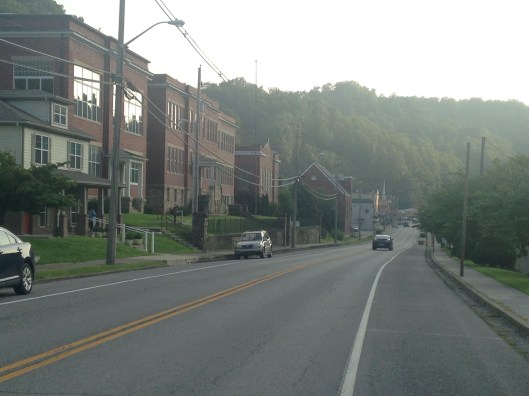
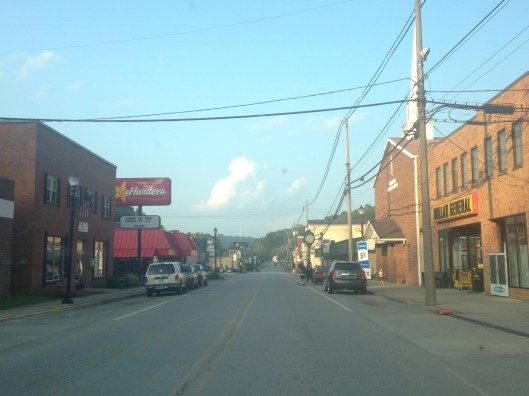
Jenkins. 26 August 2018.

Every home was built for convenience and comfort. Sanitation was provided and each house was wired for electricity. Word went out into the mining camps close by in Virginia that the “Jenkins company” would not tolerate kerosene lamps in their houses and required that their employees use electricity for illumination. These “other camps” were forced to remodel their plants in keeping with the pattern on which the great Consolidation plant was built, until today, the old order has been replaced with the new throughout Virginia, West Virginia and Kentucky: thanks to the lead of the Consolidation Coal Company.

IMG_7112.JPG

Jenkins. 26 August 2018.

Jenkins is well lighted; has an excellent water system; fire department and paved streets in the business section. Many beautiful homes line the handsome drive, skirting the lake. These, unlike the ordinary mining town houses, are set well back from the driveway in park like lawns, well shaded with grand old oaks and other native trees.

Some of the most substantial business buildings to be found in the Cumberland region are here in Jenkins. Among these are the recreation building, housing a drug store, hotel, post office, Western Union office, barber shop, pool room, printing office, and drink stand. The First national Bank building is the most beautiful building in Letcher county; vine-clad with clinging ivy gives it the appearance of having grown there.

IMG_7114

Jenkins Dept. 26 August 2018.

The most widely known business institutions in Jenkins are the Consolidation Coal Company store, the First National bank, the Jenkins Steam Laundry, the Modern Pressing Shop, Nick Dann’s Auto Sales and Repair Shop, and the numerous businesses housed under the roof of the mammoth recreation building. The town is on the Kentucky state highway and is served by the C. & O. railroad system from Shelby junction.

Source: Logan (WV) Banner, 2 October 1928.

Jake Kinser of Logan County, WV (1936-1937)

20 Saturday Oct 2018

Posted by Brandon Ray Kirk in Big Creek, Big Harts Creek, Boone County, Civil War, Coal, Logan

≈ Leave a comment

Tags

Appalachia, Aracoma, Big Creek, Boone County, Brooke McNeely, Camp Chase, Chapmanville District, Charles Williams, civil war, Claude Ellis, coal, Confederate Army, crime, Dave Kinser, Democratic Party, Douglas Kinser, Elbert Kinser, Ethel, Fort Branch, French River, genealogy, ginseng, Harts Creek, Hetzel, history, J. Green McNeely, Jake Kinser, Jane Mullins, Jefferson Davis, Jim Aldridge, John Carter, John Kinser, Logan, Logan Banner, Logan County, logging, Malinda Kinser, Malinda Newman, Mary Ann Ellis, Mud Fork, Otis Kinser, rafting, Scott Ellis, Smyth County, Stonewall Jackson, timbering, tobacco, Virginia, Washington Township, West Virginia, Wythe County

Jake Kinser Visits LB 06.20.1936 1

Logan (WV) Banner, 20 June 1936. Note: Jacob was not born in 1850, so he does not appear with his family in the 1850 Census for Wythe County, Virginia. He was nine years old in the 1860 Census for Smyth County, Virginia.

Jake Kinser Recollections LB 11.12.1936 2

Logan (WV) Banner, 12 November 1936. Note: Jake Kinser appears as a seventeen-year-old fellow in the 1870 Census for Boone County, West Virginia (Washington Township).

Jake Kinser and Jane Mullins LB 07.07.1937 2

Jake Kinser and his sister Jane Mullins, Logan (WV) Banner, 7 July 1937. 

Jake Kinser and Jane Mullins LB 07.07.1937 3

Jake Kinser and his sister Jane Mullins, Logan (WV) Banner, 7 July 1937. Note: Mary Jane (Kinser) Mullins was eleven years old in the 1860 Census for Smyth County, Virginia. Mr. Kinser died in 1944; his death record can be found here: http://www.wvculture.org/vrr/va_view2.aspx?FilmNumber=571280&ImageNumber=349


Peach Creek YMCA (1928)

16 Tuesday Oct 2018

Posted by Brandon Ray Kirk in Coal

≈ Leave a comment

Tags

Appalachia, C&O Railroad, coal, history, Logan Banner, Logan County, Peach Creek, photos, West Virginia, YMCA

Peach Creek Y is Thriving LB 03.06.1928 1

Logan (WV) Banner, 6 March 1928.

Origin of Place Names in Logan County, WV (1937)

12 Friday Oct 2018

Posted by Brandon Ray Kirk in Chapmanville, Coal, Gilbert, Guyandotte River, Logan, Man, Native American History

≈ Leave a comment

Tags

Appalachia, Aracoma, Barnabus, Barnabus Curry, Boling Baker, Buffalo Creek, Cham, Chapmanville, Chauncey, Chauncey Browning, coal, Crystal Block, Curry, D.E. Hue, Dehue, Dingess Run, Edward O'Toole, Gilbert Creek, Guyandotte River, history, Horse Pen Mountain, Huff Creek, Island Creek, Jim Gilbert, Litz-Smith Coal Company, Logan Banner, Logan County, Main Island Creek Coal Company, Mallory, Micco, Mountain View Inn, Native American History, Native Americans, Omar, Omar Cole, Peter Huff, Rum Creek, Sarah Ann, Sarah Ann O'Toole, Stirrat, Twisted Gun Lick, West Virginia, William Dingess, William S. Madison

From the Logan Banner of Logan, WV, comes this bit of history about Logan County place names:

Naming of Logan County Towns and Creeks Related By Logan Banner Reporter

While the first white settlers who entered the county near the middle of the 18th century had to have names for the creeks and runs in order to locate their homes, the children of these first settlers had to have names for each large settlement in order to have their mail delivered to them. Both groups used interesting methods of naming the landmarks.

Early Indian fighters who had contact with Boling Baker and his horse-thieving found little trouble naming the mountain which rises behind Mountain View Inn at the head of Island Creek. Because of the renegade’s custom of using one of the steep hollows for a corral, Captain William S. Madison, an early pioneer, named the mountain Horse Pen. Likewise, Gilbert Creek was named for Jim Gilbert, an Indian scout, who was killed in an Indian skirmish on that tributary of the Guyandotte. Near the place where he was killed there is an old salt lick which is named “Twisted Gun Lick.” The story is told that Gilbert, before he died, hit his gun barrel against a tree to keep the Indians from using it on his comrades. His friends, coming to the lick several hours later, found Gilbert scalped and the twisted firearm lying nearby.

Huff Creek was similarly named for a Peter Huff, whose scouting party was ambushed by a roving band of redskins and Huff was killed in the ensuing battle. They buried Huff on the banks of the creek near the present town of Mallory.

Buffalo Creek, however, received its name in an entirely different manner. The first settlers who hunted in the valley of the Guyandotte found buffalo herds so plentiful on this creek that they called it Buffalo Creek.

Dingess Run was named for a pioneer family of Dingesses which settled in its broad bottoms. William Dingess was the patriarchal head of the family and his children named the run in memory of him.

Island Creek received its name from the Indians who were awed by the beauty of a large creek flowing into the Guyandotte with such force as to cut an entirely separate bed, thus forming an island in the middle of the river. Old timers say that in the early days of the county Island Creek entered the Guyan river at the upper limits of Aracoma. Only during flood time did the creek meet the river at its present point.

As for the towns which have sprung up in the county since coal became king, many were named for prominent people living in them at one time or another or for pioneer families who lived in the towns when the coal companies first came in.

A unique method was used, however, in naming Micco. It received its name from the first letters of the Main Island Creek Coal Co., which formerly operated the mines there.

Omar was named for Omar Cole who was closely associated with the development of the town. The Cole family held, and still holds, extensive mining leases in the vicinity of that mining town.

Sarah Ann acquired its name from the wife of Colonel Edward O’Toole, who was manager of the coal company when the town applied to the government for a post office. The town is generally known as Crystal Block.

Barnabus received its name from Barnabus Curry, a pioneer settler whose home was near the town.

Stirrat was named for Colonel Stirrat, who was manager of the Main Island Creek Coal Company at one time.

Chauncey was named for Chauncey Browning, well-known son of a pioneer family who owned much of the land near that town. For many years the town of Chauncey was not large enough to be made a post office, but after the Litz-Smith Coal Company opened its mines there the town grew to proportions large enough to warrant a post office.

Dehue was given its name in honor of D.E. Hue, the first superintendent who operated the mines there.

Cham, a small place about two and one-half miles above Dehue, got its name from a Chambers family who lived on Rum Creek.

Chapmanville was named for the Chapmans, Curry for the Curry family and Aracoma for the famous Indian princess.

Source: Logan (WV) Banner, 25 March 1937

← Older posts
Newer posts →

Feud Poll 1

If you had lived in the Harts Creek community during the 1880s, to which faction of feudists might you have given your loyalty?

Categories

  • Adkins Mill
  • African American History
  • American Revolutionary War
  • Ashland
  • Atenville
  • Banco
  • Barboursville
  • Battle of Blair Mountain
  • Beech Creek
  • Big Creek
  • Big Harts Creek
  • Big Sandy Valley
  • Big Ugly Creek
  • Boone County
  • Breeden
  • Calhoun County
  • Cemeteries
  • Chapmanville
  • Civil War
  • Clay County
  • Clothier
  • Coal
  • Cove Gap
  • Crawley Creek
  • Culture of Honor
  • Dingess
  • Dollie
  • Dunlow
  • East Lynn
  • Ed Haley
  • Eden Park
  • Enslow
  • Estep
  • Ethel
  • Ferrellsburg
  • Fourteen
  • French-Eversole Feud
  • Gilbert
  • Giles County
  • Gill
  • Green Shoal
  • Guyandotte River
  • Halcyon
  • Hamlin
  • Harts
  • Hatfield-McCoy Feud
  • Holden
  • Hungarian-American History
  • Huntington
  • Inez
  • Irish-Americans
  • Italian American History
  • Jamboree
  • Jewish History
  • John Hartford
  • Kermit
  • Kiahsville
  • Kitchen
  • Leet
  • Lincoln County Feud
  • Little Harts Creek
  • Logan
  • Man
  • Matewan
  • Meador
  • Midkiff
  • Monroe County
  • Montgomery County
  • Music
  • Native American History
  • Peach Creek
  • Pearl Adkins Diary
  • Pecks Mill
  • Peter Creek
  • Pikeville
  • Pilgrim
  • Poetry
  • Queens Ridge
  • Ranger
  • Rector
  • Roane County
  • Rowan County Feud
  • Salt Rock
  • Sand Creek
  • Shively
  • Spears
  • Sports
  • Spottswood
  • Spurlockville
  • Stiltner
  • Stone Branch
  • Tazewell County
  • Timber
  • Tom Dula
  • Toney
  • Turner-Howard Feud
  • Twelve Pole Creek
  • Uncategorized
  • Warren
  • Wayne
  • West Hamlin
  • Wewanta
  • Wharncliffe
  • Whirlwind
  • Williamson
  • Women's History
  • World War I
  • Wyoming County
  • Yantus

Feud Poll 2

Do you think Milt Haley and Green McCoy committed the ambush on Al and Hollene Brumfield in 1889?

Blogroll

  • Ancestry.com
  • Ashland (KY) Daily Independent News Article
  • Author FB page
  • Beckley (WV) Register-Herald News Article
  • Big Sandy News (KY) News Article
  • Blood in West Virginia FB
  • Blood in West Virginia order
  • Chapters TV Program
  • Facebook
  • Ghosts of Guyan
  • Herald-Dispatch News Article 1
  • Herald-Dispatch News Article 2
  • In Search of Ed Haley
  • Instagram
  • Lincoln (WV) Journal News Article
  • Lincoln (WV) Journal Thumbs Up
  • Lincoln County
  • Lincoln County Feud
  • Lincoln County Feud Lecture
  • LinkedIn
  • Logan (WV) Banner News Article
  • Lunch With Books
  • Our Overmountain Men: The Revolutionary War in Western Virginia (1775-1783)
  • Pinterest
  • Scarborough Society's Art and Lecture Series
  • Smithsonian Article
  • Spirit of Jefferson News Article
  • The Friendly Neighbor Radio Show 1
  • The Friendly Neighbor Radio Show 2
  • The Friendly Neighbor Radio Show 3
  • The Friendly Neighbor Radio Show 4
  • The New Yorker
  • The State Journal's 55 Good Things About WV
  • tumblr.
  • Twitter
  • Website
  • Weirton (WV) Daily Times Article
  • Wheeling (WV) Intelligencer News Article 1
  • Wheeling (WV) Intelligencer News Article 2
  • WOWK TV
  • Writers Can Read Open Mic Night

Feud Poll 3

Who do you think organized the ambush of Al and Hollene Brumfield in 1889?

Recent Posts

  • Logan County Jail in Logan, WV
  • Absentee Landowners of Magnolia District (1890, 1892, 1894)
  • Charles Spurlock Survey at Fourteen Mile Creek, Lincoln County, WV (1815)

Ed Haley Poll 1

What do you think caused Ed Haley to lose his sight when he was three years old?

Top Posts & Pages

  • Painting: Hatfield-McCoy Feud (2021)
  • Sliger Lumber Company (1895)
  • Stone Mountain Coal Company Headhouse is Burned in Matewan, WV (1921)
  • In Search of Ed Haley 114
  • Alice Adams

Copyright

© Brandon Ray Kirk and brandonraykirk.wordpress.com, 1987-2023. Unauthorized use and/or duplication of this material without express and written permission from this blog’s author and/or owner is strictly prohibited. Excerpts and links may be used, provided that full and clear credit is given to Brandon Ray Kirk and brandonraykirk.wordpress.com with appropriate and specific direction to the original content.

Archives

  • February 2025
  • January 2025
  • October 2023
  • September 2023
  • December 2022
  • November 2022
  • May 2022
  • April 2022
  • February 2022
  • November 2021
  • October 2021
  • September 2021
  • June 2021
  • May 2021
  • April 2021
  • March 2021
  • February 2021
  • January 2021
  • December 2020
  • November 2020
  • October 2020
  • July 2020
  • June 2020
  • May 2020
  • April 2020
  • March 2020
  • February 2020
  • January 2020
  • December 2019
  • November 2019
  • October 2019
  • September 2019
  • August 2019
  • July 2019
  • June 2019
  • May 2019
  • April 2019
  • March 2019
  • February 2019
  • January 2019
  • December 2018
  • November 2018
  • October 2018
  • September 2018
  • August 2018
  • July 2018
  • June 2018
  • May 2018
  • April 2018
  • March 2018
  • February 2018
  • January 2018
  • December 2017
  • November 2017
  • October 2017
  • September 2017
  • August 2017
  • July 2017
  • June 2017
  • May 2017
  • April 2017
  • March 2017
  • February 2017
  • January 2017
  • December 2016
  • November 2016
  • October 2016
  • September 2016
  • August 2016
  • July 2016
  • June 2016
  • May 2016
  • April 2016
  • March 2016
  • February 2016
  • January 2016
  • December 2015
  • November 2015
  • October 2015
  • September 2015
  • August 2015
  • July 2015
  • June 2015
  • May 2015
  • April 2015
  • March 2015
  • February 2015
  • January 2015
  • December 2014
  • October 2014
  • September 2014
  • August 2014
  • July 2014
  • June 2014
  • May 2014
  • April 2014
  • March 2014
  • February 2014
  • January 2014
  • December 2013
  • November 2013
  • October 2013
  • September 2013
  • August 2013
  • July 2013
  • June 2013
  • May 2013
  • April 2013
  • March 2013
  • February 2013
  • January 2013
  • December 2012
  • November 2012

Enter your email address to follow this blog and receive notifications of new posts by email.

Join 2,925 other subscribers

Tags

Appalachia Ashland Big Creek Big Ugly Creek Blood in West Virginia Brandon Kirk Cabell County cemeteries Chapmanville Charleston civil war coal Confederate Army crime culture Ed Haley Ella Haley Ferrellsburg feud fiddler fiddling genealogy Green McCoy Guyandotte River Harts Harts Creek Hatfield-McCoy Feud history Huntington John Hartford Kentucky Lawrence Haley life Lincoln County Lincoln County Feud Logan Logan Banner Logan County Milt Haley Mingo County music Ohio photos timbering U.S. South Virginia Wayne County West Virginia Whirlwind writing

Blogs I Follow

  • OtterTales
  • Our Appalachia: A Blog Created by Students of Brandon Kirk
  • Piedmont Trails
  • Truman Capote
  • Appalachian Diaspora

BLOOD IN WEST VIRGINIA is now available for order at Amazon!

Blog at WordPress.com.

OtterTales

Writings from my travels and experiences. High and fine literature is wine, and mine is only water; but everybody likes water. Mark Twain

Our Appalachia: A Blog Created by Students of Brandon Kirk

This site is dedicated to the collection, preservation, and promotion of history and culture in Appalachia.

Piedmont Trails

Genealogy and History in North Carolina and Beyond

Truman Capote

A site about one of the most beautiful, interesting, tallented, outrageous and colorful personalities of the 20th Century

Appalachian Diaspora

  • Subscribe Subscribed
    • Brandon Ray Kirk
    • Join 787 other subscribers
    • Already have a WordPress.com account? Log in now.
    • Brandon Ray Kirk
    • Subscribe Subscribed
    • Sign up
    • Log in
    • Report this content
    • View site in Reader
    • Manage subscriptions
    • Collapse this bar
 

Loading Comments...