• About

Brandon Ray Kirk

~ This site is dedicated to the collection, preservation, and promotion of history and culture in my section of Appalachia.

Brandon Ray Kirk

Tag Archives: civil war

Jacob D. Cox Letter (1861)

18 Sunday Sep 2016

Posted by Brandon Ray Kirk in Chapmanville, Civil War

≈ Leave a comment

Tags

Appalachia, Chapmanville, Charleston, civil war, George W. Workman, H.J. Samuels, history, Jacob D. Cox, Union Army, Virginia, West Virginia, Wheeling

The following letter from Jacob D. Cox dated December 11, 1861 at Charleston, Virginia, to Adjutant General H.J. Samuels in Wheeling, Virginia, offers insight into war conditions in Chapmanville, Logan County.

Charleston, Va. 11 Dec 1861

Sir:

Geo. W. Workman, residing at Chapmansville, Logan Co. is represented to me by reliable parties as a reliable loyal man, & I have confidence in the representation. He desires authority to raise a company of home guards to protect that vicinity when marauding bands are doing mischief from time to time. Will you please give such authority as may be needed to enable him to organize a company & get it armed etc.

Very truly,

Your obedient servant,

J.D. Cox

Source: Adjutant Generals’ Papers, Union Militia 1861-1865, Ar 373, Letters, Logan County. West Virginia State Archives, The Culture Center, Charleston, WV.

A Civil War Bear Story (1899)

13 Tuesday Sep 2016

Posted by Brandon Ray Kirk in Civil War, Huntington

≈ Leave a comment

Tags

Appalachia, civil war, history, hunting, Huntington, Huntington Advertiser, West Virginia, whisky

“The cold weather of a few days ago reminded me of a little adventure that I had while soldiering,” said a well known business man. “It was on New Years day 1863, and we camped at the foot of a West Virginia mountain. The snow was several inches deep and the cold was intense. There wasn’t much discipline, and as we were allowed to hunt some, I took my gun and started up the mountain side. I had gone half a mile probably, when I stopped at the foot of a tree. My hands were nearly frozen and I leaned my gun against the tree and commenced rubbing my hands together to warm them, when suddenly I heard the brush cracking and turning I beheld a huge bear coming in my direction. It was on its hind legs with its huge paws outstretched and its jaws open and I could almost feel its warm breath on my cheek. Recovering from my fright I sprang up and caught a limb of a tree, drawing myself up out of the way just in time to avoid the embrace of the huge beast. My heart thumped so it shook my whole body. The bear cantered around the tree, sniffling at my gun, which still stood leaning against it. I shouted until I was hoarse, hoping to attract some of the soldiers in camp, but to no avail. I fixed myself as comfortably as possible in the branches of the tree, and watched the bear, believing that he would soon tire and leave. The cold was terrific. My whole body was benumbed, and I wondered how much longer I could endure the cold before I would tumble out of the tree to be devoured by the bear. Suddenly a bright thought struck me, and descending to the lower branch I took a bottle of whisky from my pocket and began pouring a thin stream down into the barrel of my gun. The whisky striking the cold gun barrel froze and in a few moments there was a solid streak of frozen whisky reaching from the gun clear up to the bottle that I held in my hand. Taking hold of the whisky icicle, I carefully drew the gun up, hand over hand, until it was in my grasp. Then taking careful aim, I sent a bullet crashing into a vital spot of the bear, and it rolled down the mountain side dead. I hurriedly descended and found my way back to camp nearly frozen. Some people may tell you that whisky won’t freeze, but then it did in this instance, for it was the coldest day I ever experienced. Get a pension? Why certainly for I have never fully thawed out since that terrible freezing I got while clinging to that tree.”

Source: “Get A Pension Now,” Huntington (WV) Advertiser, 16 February 1899.

Recollections of the Civil War in Cabell County, WV (1862)

13 Tuesday Sep 2016

Posted by Brandon Ray Kirk in Barboursville, Civil War, Hamlin

≈ 1 Comment

Tags

1st Regiment Virginia State Line, Abbs Valley, Ball Gap, Barboursville, Big Sandy River, Cabell County, civil war, Clint Lovette, Coal River, Confederate Army, G.W. Hackworth, Guyandotte, Guyandotte River, Hamlin, history, J.C. Reynolds, John B. Floyd, Kanawha River, Levisa Fork, Mud River, Mud River Bridge, Ohio, Proctorville, Thomas H. Perry, Tug Fork, Tylers Creek, Van Sanford, Virginia, West Virginia

About 1910, Rev. Thomas H. Perry reflected on his long life, most of which was spent in the vicinity of Tylers Creek in Cabell County, West Virginia. In this excerpt from his autobiography, Mr. Perry recalled the early years of the Civil War in his locale:

Immediately after our first defeat we began to plan for another exit to Dixie, as so few of our men made their escape to Dixie after being fired into at the falls of Guyan, for we knew now for a certainty that we must go south and be a soldier or go north a prisoner; for the Federals were going through the country picking up men and sending them away as far as they could. This last plan was for us to meet at Ball Gap, on Mud river, early in the morning, and a company of armed men would meet us there to guard us out to Dixie. Early that morning I met thirty or forty young men at the Ball Gap. We appointed G.W. Hackworth as our leader, and we moved on Mud river, and the young men came to us all along the way, and when we arrived six miles above Hamlin, we had from one to two hundred men in our company. From there we crossed the mountain to the Guyan valley, and then up the river and over the mountains and through the woods for ten days and nights, and we found ourselves in Aps [sic] valley, Virginia. Here we organized a military company* by electing G.W. Hackworth, captain; Van Sanford, J.C. Reynolds and Clint Lovette, lieutenants. No one knows but myself the feelings I had the day I took the oath to support the constitution of the Southern Confederate States of America and to discharge my duty as a soldier. As they swore me they handed me a bible. I remembered that this is the book that I had been preparing myself to preach, and it says: “Thou shalt not kill,” and it gave me trouble as long as I was a soldier.

We drilled at this place two or three weeks, and had eighty-four men in our company, and they generally used us as scouts, operating from the Kanawha river westward, down into Kentucky and eastern Tennessee. There would be times that we would not see our regiment for two months, and then again we would be with them every day for two months. The Federals were trying to make their way up Coal river, Guyan river, Tug river, and the Levisa fork of Big Sandy river, in Kentucky. Their idea was to destroy the New river bridge and the King salt works. General Floyd had a brigade of soldiers somewhere about the headwaters of these rivers; sometimes he would send large scouting parties down these rivers and drive out everything before them. Sometimes when we would be driving them down one river they would be moving up some other river. I have crossed the mountains between these rivers so many times and was shot at by men in the brush and suffered from hunger and cold so many times that it makes me think of war as the darkest days of my life. At one time I went three days and nights without one bite to eat; in many places we had to live on the country that we were in, and the soldiers in front would get all the citizens had to eat, and the rear guard suffered for food; we did not have battles like Lee and Grant, but to many of our poor boys the battle to them was as great as that of Gettysburg or Cold Harbor was to some of them.

At one time my company and some other company was ordered to Cabell county, and we came to Mud river bridge and went into camp for eight or ten days at this place. During our stay in this camp we had no trouble in getting food for our horses and soldiers for the Reeces and Morris and Guinns and Kilgores and others who lived in this neighborhood had an abundance of this world’s goods at that time. One morning our captain said he wanted eight volunteers who would go afoot for three or four days; he had no trouble in getting the eight men; I was one of that number; Lieutenant Lovette was in command, and at noon that day we ate dinner near Barboursville, and at night we were in Guyandotte. Several times the next day we would stand along the river front and see the Federal soldiers in Proctorville. In the middle of that afternoon we started back for Mud river bridge, and the next day our command broke camp, and we started for Dixie. Why these eight men were sent to Guyandotte I never knew, and why General Floyd sent such large scouting parties to Mason, Cabell and Wayne counties, as he did at this time, I never knew, unless it was to give protection to those who were desirous of going south with their families and chattels, which a great many did, and stayed until after the war.

Source: From Youth to Old Age by T.H. Perry, Chapter 6, p. 16-18. Note: As of 1862, Cabell County remained a part of Virginia and Lincoln County did not exist.

*Company F, 1st Regiment Virginia State Line

Thomas Buchanan Letter (1865)

11 Sunday Sep 2016

Posted by Brandon Ray Kirk in Boone County, Logan

≈ Leave a comment

Tags

Arthur I. Boreman, Boone County, civil war, Confederate Army, John A. Barker, justice of the peace, Logan, Logan County, Richmond, Thomas Buchanan, Union Army, Virginia, West Virginia

The following letter from Thomas Buchanan dated July 14, 1865 at Brownstown, WV to Governor Arthur I. Boreman offers insight into immediate postwar conditions in Logan and Boone counties, WV. The letter was titled “Enclosed account for services in recruiting a Co. of Scouts for Logan & Boone Counties.”

Brownstown

July 14, 1865

His Excellency A.I. Boreman (Governor)

Sir: I Rec’d an order dated March 2nd 1865 authorizing me to organize a company of State Guards for the counties of Logan and Boone to consist of not less than 25 men. At first I thought I could recruit 25 men in a short time, but I was much deceived. Men remaining in those counties at that time had bin [sic] conscripted in to the Confederate service (or what they called State line Service under the Confederate authorities) and had bin [sic] disbanded and they seemed to have taken up the idea (or a portion of them at least) that neutral ground was saftest for them, as the country was infested with bushwhackers, and sixty or seventy miles outside of federal lines I could get no assistance from federal troops and consequently had to scout alone and sometimes [with] one man for company. Finally I succeeded in recruiting 32 or 33 men, made off my muster Roll, called my men together, the required oath was administered to them by John A. Barker, a Justice of the Peace, and his certificate with the Roll and form of oaths was directed to the adjutant Gen’l of the State and I have not heard from it since tho when Richmond fell I did not expect my men would be armed and equipped tho I shall expect to be enumerated for my services to the State for recruiting the company.

Yours respectfully,

Thomas Buchanan

P.S. My address is Logan C.H., W.Va. I did not expect an answer to my muster Roll.

Source: West Virginia Adjutant Generals’ Papers, Union Militia 1861-1865, Militia Box 12, Logan County, Folder 2. WV State Archives and History, Charleston, WV.

Note: To see Mr. Buchanan’s account, follow this link: http://www.wvculture.org/history/wvmemory/militia/logan/logan02-01.html

Recollections of the Civil War in Cabell and Lincoln Counties, WV

10 Saturday Sep 2016

Posted by Brandon Ray Kirk in Barboursville, Civil War, Salt Rock, West Hamlin

≈ Leave a comment

Tags

Appalachia, Barboursville, Bear Creek, Cabell County, civil war, Confederate Army, Enon Church, Falls of Guyan, genealogy, George Rogers, Guyandotte River, history, Lincoln County, Mud River, Salt Rock, South Carolina, Thomas H. Perry, Tylers Creek, Union Army, Virginia, West Virginia, William R. Brumfield

About 1910, Rev. Thomas H. Perry reflected on his long life, most of which was spent in the vicinity of Tylers Creek in Cabell County, West Virginia. In this excerpt from his autobiography, Mr. Perry recalled the early years of the Civil War in his locale:

In November, 1860, South Carolina seceded from the Union. That was more than a sign of war; it was a declaration of war. Soon afterwards six other southern states seceded, and a little later three other states followed suit, and last of all, in May, 1861, Virginia seceded.

My father said he had worked, prayed, voted for the Union, but he thought he owed his allegiance first to the state and then to the general government. However, he advised us boys to stay at home, as there are many things involved in this war and its hard to say what the outcome will be. One Sunday, in 1861, many of our young people were at Enon church, and at that time the union army was at Barboursville, ten miles away. While we were at church a man came on horseback in great speed with his hat off, and when he got to the church he cried out: “Get to the mountains; the Federals are on their way to Tyler’s creek, and are destroying everything before them.”

We all ran to the woods in great haste, and remained there until the next day, except the women and the children, who returned home that evening; the old men advised the women and children to stay at home, as they did not believe the soldiers would do them any harm. But several young men from this first scare, joined the Confederate army, but I stayed at home and dodged the soldiers until the spring of 1862. During this time I thought of going north and going to school, and then I would think if I went north they would force me to join the army and I would have to fight my own people, and I could not do that. I thought if I was in the south I could not go to school; they would force me in the army and I knew I could not stay at home. So I decided as there was no neutral ground for me I would go to Dixie. At this time the Federals were scouting the country in every direction which made it difficult to go, but we set a time to meet in a low gap east of Joseph Johnson’s, a half-way place between Guyan and Mud rivers. That night we filled that gap more than full of men and horses. It was a dark night and we never knew how many men we had present, but think there were two or three hundred. We were suspicious of traitors among us that night. We did our work quickly, appointed a captain and mapped out our way for that night’s march. The way was down Tyler’s creek to the Salt Rock and then up the Guyan river. About midnight our captain said: “Gentlemen, follow me,” and as we slowly moved out of that gap it was whispered, “we do not know whose hands we are in , as there are so many more here tonight than we expected, and so many strangers.”

When we came to where my father lived on Tyler’s creek, I asked George Rogers, a man of our company to wait with me until I could go to the barn and get my horse, for I had left my horse in the barn until we were ready to march. This delayed me about twenty minutes. Mr. Rogers and I thought we would soon overtake our men, but when we came to a bridle path that led to the mouth of Bear Creek, much nearer than by way of Salt Rock, it was so dark we could not see the track of a horse, and as we did not know which way our men had gone we were much perplexed and lost some time at this point, but decided to go the nearer way, and when we came within one mile and a-half of the falls of Guyan, we heard considerable shooting in our direction, and as our men were twenty-five or thirty minutes in the advance of us, the shooting must have been at our men, and as our men were not armed the shooting was all from one side and it may be that half of our men are killed. we stopped and decided that we would wait for daylight. We hitched our horses about fifty yards from the road and lay down under a beech tree that stood about twenty-five yards from the road, and we went into a doze. Suddenly, in front of us, there was a moving army and we could not tell whether they were going up or down the road until the rear guard passed, and then we knew they were going down the road. While they were passing, I said: “George, these are our  men.” George said: “Be still, say nothing.”

When morning came, Mr. Lucas, a man living in that neighborhood, said to us: “The men that have just passed down the road killed Mr. Brumfield and had fired into a body of unarmed men at the falls just before day, this morning.” We understood the rest and at noon that day we were back again at my father’s house.

Source: From Youth to Old Age by T.H. Perry, Chapter 5, p. 14-16. Note: As of 1862, Cabell County remained a part of Virginia and Lincoln County did not exist.

Logan County, WV, Political Commentary and Voting Trends (1824-1900)

05 Monday Sep 2016

Posted by Brandon Ray Kirk in Chapmanville, Civil War, Logan

≈ Leave a comment

Tags

Abraham Lincoln, Andrew Jackson, Arthur I. Boreman, Battle of Kanawha Gap, Boone County, Boone Democrat, Chapmanville District, Charleston Daily Star, Chesapeake and Ohio Railroad Company, civil war, Confederacy, Democratic Party, First Wheeling Convention, Franklin Pierce, Grover Cleveland, Guyandotte Valley Railroad Company, Hardee District, Henry Clay Ragland, history, Horace Greeley, Horatio Seymour, Isaac E. McDonald, James A. Nighbert, James Buchanan, James K. Polk, James Lawson, John Bell, John Breckenridge, Lewis Cass, Logan Banner, Logan County, Logan County Banner, Logan District, Magnolia District, Martin Van Buren, Parkersburg Sentinel, Parkersburg State Journal, politics, Samuel J. Tilden, Second Wheeling Convention, slavery, Stephen Douglas, Triadelphia District, Virginia Ordinance of Secession, West Virginia, West Virginia Statehood Referendum, William H. Crawford, William Jennings Bryan, William Straton, Winfield Scott Hancock, Wyoming County

Democrats who lived in Logan County, West Virginia, prior to 1896 may best be thought of as Democrats of the Jeffersonian and particularly the Jacksonian variety. The earliest settlers and their immediate progeny likely carried popular political viewpoints across the mountains from Virginia. Logan County Democrats appear to have believed in states’ rights, although few residents owned slaves. The old Democrats of the Civil War generation guided Logan County’s political scene until the 1890s, when the national political climate shifted toward issues relating to gold/silver, imperialism, etc. Still, the Confederate veterans of the county continued activity until the 1910s, even raising the Confederate flag over the courthouse as late as 1911. The Logan County Banner (later the Logan Banner), a Democratic organ since its inception in 1889, remained silent about issues that divided the Democratic Party in the 1890s. Based on its editorials, the Banner—operated by men of the Civil War era—was more concerned about industrial progress, particularly the development of a railroad in the Guyandotte Valley, than the national political issues that emerged in the 1890s. Examination of the active participants in the railroad effort include both Democrats and Republicans, locals and outsiders…

Logan County was organized in 1824. Voting trends from 1824 until 1856 reveal a strong preference for Democratic candidates:

1824: William H. Crawford (Democratic-Republican)
1828: Andrew Jackson (Democrat, 90+ percent)
1832: Andrew Jackson (Democrat, 90+ percent)
1836: Martin Van Buren (Democrat)
1840: Martin Van Buren (Democrat)
1844: James K. Polk (Democrat)
1848: Lewis Cass (Democrat)
1852: Franklin Pierce (Democrat)
1856: James Buchanan (Democrat, 80-90 percent)

We know, based on the above presidential tallies, the county was heavily Democratic. Because the Democratic Party was closely linked to slavery during this era, it is useful to consider local slave statistics.

1850 Logan County Slave Census:  26 slave owners in Logan County; 84 slaves (largest slave owner had 10)

1860 Logan County Slave Census:  27 slave owners in Logan County; 80 slaves (largest slave owner had 7)

We know the county voted heavily for John Breckenridge in the 1860 presidential election. What is remarkable to modern residents is this: Logan Countians gave no votes to Abraham Lincoln (see below):

Logan County Presidential Election Results (1860):
John Breckenridge (Southern Democratic), 271
John Bell (Constitutional Union), 100
Stephen Douglas (Democratic), 6
Abraham Lincoln (Republican), 0

We know Logan County’s delegate to the Virginia Secession Convention favored secession. James Lawson, the delegate to the Secession Convention for Logan, Boone, and Wyoming counties, voted in favor of the Ordinance of Secession on 17 April 1861.

We know the county did not favor anti-secession political developments in Wheeling. Logan declined to send delegates to the First Wheeling Convention (May 13-15, 1861).

We know the voters of Logan County favored secession. Here are results for Logan County regarding the Secession Ordinance in Virginia (23 May 1861):
For: 518
Against: 63

We know Logan County did not support the political gatherings in Wheeling. Logan County sent no delegates to the Second Wheeling Convention, First Session (June 11-25, 1861). Likewise, it sent no delegates to the General Assembly of the Reorganized Government of Virginia (July 1-26, 1861) or to the Second Wheeling Convention, Second Session (August 6-21, 1861).

In the mind of local people, Logan County was invaded in 1861. On 25 September 1861, Union soldiers attacked Confederates at the Battle of Kanawha Gap (Chapmanville). The battle was a Confederate loss.

Due to the absence of its men and election irregularities, Logan County did not vote heavily on the question of “West Virginia.” This was true for many counties in western Virginia: West Virginia Statehood Referendum (24 October 1861): 34 percent turnout statewide; 18,408 for statehood and only 781 opposed! We can be sure that Logan did not favor “West Virginia.” Logan County sent no delegate to the West Virginia Constitutional Convention (26 November 1861).

Logan Countians overwhelmingly enlisted to fight for the Confederacy (60-90%). According to one estimate, Logan County contributed over 780 soldiers to the Confederacy. Contributions to the Union Army were less than 60. Based on the 1890 census, the following number of Union veterans lived in Logan County:
Chapmansville District: 7
Hardee District (later Mingo County): 16
Logan District: 13
Magnolia District (later Mingo County): 9
Triadelphia District: 11

During the war, Logan sent delegates to participate in the Confederate government in Richmond. Isaac E. McDonald represented Logan, Boone, and Wyoming counties at the Confederate General Assembly from 1861 to 1863. James A. Nighbert represented Logan, Boone, and Wyoming counties at the Confederate General Assembly from 1863 to 1865.

Because Logan was known as a Confederate stronghold and recruiting station, the town was invaded in 1862. Union troops burned the Logan Courthouse (15 January 1862).

Logan County was one of 15 counties in WV that did NOT vote in the 1864 U.S. presidential election (most were south of the Kanawha River).

After the war, Logan Countians refused to recognize West Virginia as a legitimate state and refused to pay taxes to the new state. Guerillas and gangs were active in the county. Governor Arthur I. Boreman sent troops into the county in order to collect taxes and maintain order.

Ex-Confederate disenfranchisement was common after the war. In 1868, of 888 voters in Logan County, only 125 voted for president. In 1870, 220 voted for the Democratic candidate for governor while 70 voted for the Republican (total 290). In Logan County, it was difficult to find any men who had NOT served in the Confederacy who could hold political office (or practice law, or teach).

Maj. William Straton (namesake of Stratton Street) typified Logan County political leadership during this time.

After the war, Democrats and Republicans largely chose/maintained party identification based on their views of the war. Logan had been heavily Democratic before the war; Logan was pro-Confederate during the war; Logan was strongly Democratic after the war

Logan County in Presidential Elections After the War:
1868: Horatio Seymour (Democrat)
1872: Horace Greeley (Democrat)
1876: Samuel J. Tilden (Democrat, by 90+ percent)
1880: Winfield Scott Hancock (Democrat, by 90+ percent)
1884: Grover Cleveland (Democrat, by 90+ percent)
Winfield Scott Hancock’s victory in Logan County is somewhat noteworthy considering that he was a former Union general.

On 30 October 1886, the Parkersburg Sentinel reported: “Logan county is so intensely democratic that there are thirteen democratic candidates running for the legislature and only one republican. Nevertheless one of the thirteen democrats will be elected.”

In 1888, Logan Countians voted for Grover Cleveland (Democrat).

The Logan County Banner was established on 7 March 1889 by Henry Clay Ragland (editor) and J.A. Nighbert (business manager). On 28 March 1889, it stated:

The paper will be devoted to the best interests of the people of Logan county. To the improvement of the education and morals of its people, and to the development of its great material resources. Politically, the Banner will be Democratic. Every one connected with it is a Democrat, but at the same time it will be fair to the opposition, and will heartily accord to the Republican party due credit for any good work which it may do. In addressing the questions which may arise in the Democratic party, as to its management and its leaders, the Banner will be Independent and will acknowledge no faction or factions, but will labor earnestly and zealously for the success of the party, and not for any individual.

In 1892, it reported: “Three years ago in order to furnish the people of Logan county with a home paper, we unfurled the Banner. We expected neither money nor glory, and our expectations have been fully realized.” On 3 January 1895, Ragland stated: “When I first went into the newspaper business I had no idea of continuing on for any length of time. My only desire was to see a newspaper in Logan county which would truly reflect the character of its people and be able to defend them from the many slanders which have been heaped upon them by the outside world…”

The Banner‘s reputation as a Democratic organ was well-known. In April 1889, the Parkersburg State Journal referred to it as “Democratic to the core.” On 11 July 1889, the Charleston Daily Star said: “The Logan County Banner is being made one of the best country weeklies in the State. As long as it continues as it has begun Logan may be depended upon for her customary Democratic majority.” On 13 January 1898, the Boone Democrat said of the Banner: “We cheerfully hail it, and hope that it may long continue to wave in the vanguard of Logan Democracy.”

The Banner never failed to applaud Democratic gains. On 6 November 1890, it stated: “Glorious old Chapmansville always does her fully duty. The Democratic vote increased from 205 in 1888 to 210, and the Republican vote decreased from 28 in 1888 to 14.”

This editorial, from 15 September 1892, is one example of Banner political commentary:

We have heard that there are several so-called Democrats born and reared in the mountain fastnesses of old Logan who have avowed their intention of ‘scratching’ one or another of the nominees of our party when they ides of November shall roll around, but we hope for the credit of Logan’s ‘rock-ribbed, copper-bottomed’ democracy that such reports are false. It is but natural that bitter feelings should be engendered by the clashing of the claims of rival candidates before our conventions but the conventions have done their work now, well and conscientiously, and every true Democrat in hearty and earnest response to the bugle call of freedom must face about with his brethren and forgetting all private feuds and grievances join in the charge upon our friends the enemy. That Democrat who falters in his duty in this the crisis of our party’s need betrays the trust reposed in him by the party of the people, forfeits his claim upon the confidence and good will of his compeers and deserves to be incarcerated in the bottom-most pit of damnation. You cannot afford to let a petty desire for revenge prevent you from casting a straight Democratic ticket on the 8th day of November. If you have ever harbored such a thought, exorcise the evil spirit that has taken possession of you and come back to the fold on bended knee and ask forgiveness for the wicked thoughts of your heart. The people have spoken and ‘the voice of the people is the voice of God.’ We feel sorry for that Democrat who, when the glorious news flashes over the wires next November that Cleveland, MacCorkle, Alderson and Mahood are elected can’t forget one or more of them was scratched on his ticket. Verily, like the Judas of old, he will feel like sneaking off with down cast eyes and hanging himself to the nearest tree. Logan expects every Democrat to do his whole duty during this campaign. The eyes of friend and foe alike are turned towards the mountains of old Logan whence cometh our help. Every Republican in the county is alert, active and zealous in the support of his whole ticket, and it behooves every Democrat to see to it that he does not prove a traitor in the camp of his friends. Stop a minute, friend, and think of the issues involved in the fight that is now upon us. Do you want the robber tariff barons to keep on heaping up their multiplied millions from your hard-earned dollars? Do you want your polls to be manned by Federal soldiers or maybe negroes from Virginia or North Carolina?

In 1892, Logan Countians voted for Grover Cleveland (Democrat).

During the mid-1890s, the Banner offered more brief political commentary. Here are some examples. On 21 June 1894, it stated: “The Logan Republican club was organized last Saturday night, with 20 members.” On 9 September 1896: “There is a meeting of the W.J. Bryan club at Chapmansville next Saturday evening. Everybody is invited to attend.”

Logan Countians voted for William Jennings Bryan (Democrat) in 1896 and 1900.

Election of 1892 LCB 11.10.1892

Logan County Banner, 10 November 1892.

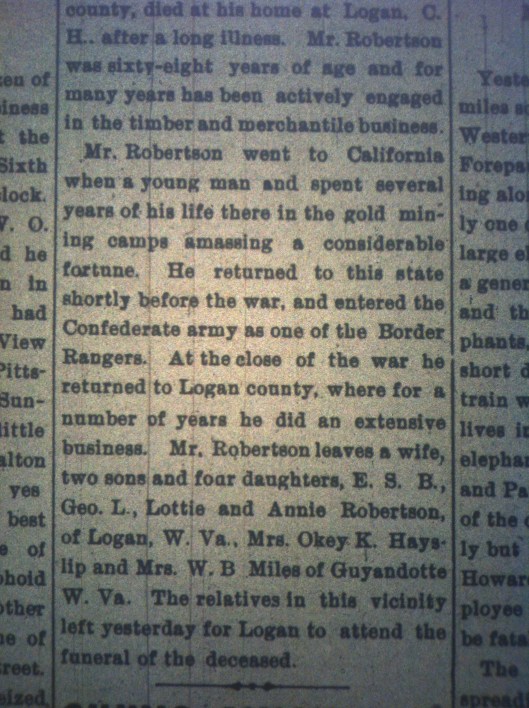
John Edwin Robertson (1898)

31 Sunday Jul 2016

Posted by Brandon Ray Kirk in Civil War, Logan

≈ Leave a comment

Tags

Annie Robertson, Appalachia, Border Rangers, Cabell County, California, civil war, Confederate Army, E.S.B. Robertson, George L. Robertson, gold rush, Guyandotte, history, John Edwin Robertson, Logan, Logan County, Lottie Robertson, merchant, Okey K. Hayslip, timber, W.B. Miles, West Virginia

J.E. Robertson of Logan Dead HuA 09.26.1898 1

J.E. Robertson of Logan Dead HuA 09.26.1898 2

Huntington Advertiser, 26 September 1898.

James Wilson Sias Family Cemetery (2016)

26 Tuesday Apr 2016

Posted by Brandon Ray Kirk in Cemeteries, Civil War, Fourteen, Wewanta

≈ Leave a comment

Tags

Appalachia, Benjamin Harrison Adkins, cemeteries, civil war, Fourteen, Fourteen Mile Creek, genealogy, history, James Wilson Sias, James Wilson Sias Family Cemetery, John P. Frye Hollow, Lincoln County, Louisa Sias, Nillie Gartin, Sulphur Spring Fork, Union Army, West Virginia, Wewanta

The James Wilson Sias Family Cemetery, which I visited on 23 April 2016, is located in the head of John P. Frye Hollow of Sulphur Spring Fork of Fourteen Mile Creek in Lincoln County, West Virginia.

Row 1

J.W. Sias (30 September 1838-07 March 1905); named “James Wilson Sias;” s/o James and Rebecca (Adkins) Sias; Union Army veteran; lived on Mud River of Lincoln County in 1870; settled on Fourteen Mile Creek during the 1870s; postmaster at Fourteen, WV

Louisa Sias (01 April 1845-14 February 1935); d/o Thomas and Elizabeth (McDelda) Hunter; m. James Wilson Sias

(large gap)

rock headstone fallen over and rock footstone (child)

small rock headstone and tiny rock footstone (child)

skinny tall rock headstone (with rock footstone*?)

rock headstone and small rock footstone

Harrison Adkins (29 November 1910-10 June 1978); s/o Tilmon and Octavia (Sias) Adkins

Row 2

rock headstone and rock footstone (child)

rock headstone and rock footstone (child)

rock headstone and rock footstone (child)

small rock headstone and large pointy footstone

rock headstone and rock footstone

large rock headstone and sharp rock footstone

rock headstone and tall pointy rock footstone

rock headstone or footstone for (*)

small rock headstone and tall pointy rock footstone

Nillie Gartin (12 May 1901-30 June 1978); d/o Tilmon and Octavia (Sias) Adkins; m. David L. Cross; m. Frank Watts; m. Henderson “Hint” Lambert; m. Frank Logan; m. Robert Gartin

Row 3

small pointy headstone

large rock headstone

small point rock footstone

small rock headstone?

NOTE: I will continue my research to determine who is buried in this cemetery.

James Wilson Sias grave (2016)

24 Sunday Apr 2016

Posted by Brandon Ray Kirk in Cemeteries, Civil War, Fourteen, Wewanta

≈ 4 Comments

Tags

Brandon Ray Kirk, civil war, Fourteen, Fourteen Mile Creek, James Wilson Sias, John P. Frye Hollow, Lincoln County, Phyllis Kirk, Sulphur Spring Fork, Union Army, West Virginia, Wewanta

bk at sias cemetery

I recently visited the grave of James Wilson Sias, my great-great-great-grandfather, who was buried in the head of John P. Frye Hollow on Sulphur Spring Fork of Fourteen Mile Creek in Lincoln County, WV. 23 April 2016


IMG_1311

James Wilson Sias served in the U.S. Army during the Civil War. Photo by Mom, his great-great-granddaughter. 23 April 2016

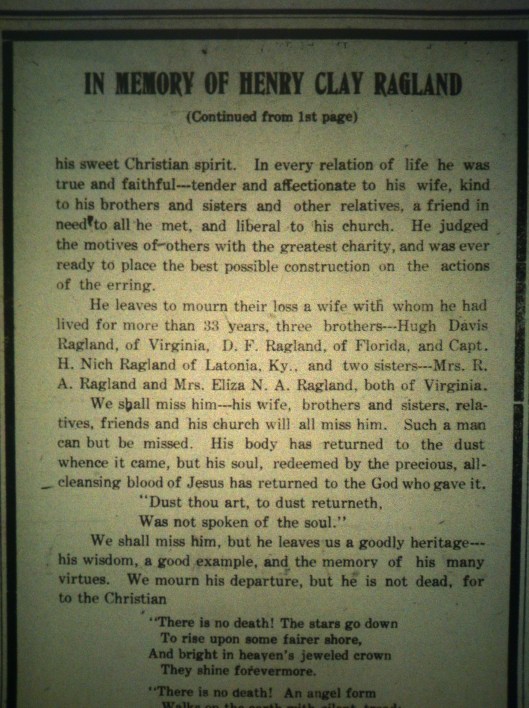
Henry Clay Ragland obituary (1911)

27 Saturday Feb 2016

Posted by Brandon Ray Kirk in Civil War, Logan

≈ 5 Comments

Tags

5th Virginia Cavalry, Aracoma Baptist Church, civil war, D.F. Ragland, E.H. Greene, E.T. England, Eliza N.A. Ragland, Eliza Ragland, Goochland County, Grover Cleveland, H. Nich Ragland, Hadensville, Henry Clay Ragland, history, Hugh Davis Ragland, Hugh N. Ragland, J.B. ellison, laywer, Logan, Logan Banner, Logan County, Logan County Banner, Logan County Democratic Executive Committee, Logan Democrat, Louise Ragland, Maryland, Point Lookout, R.A. Ragland, Ragland & Ellison, Ragland & England, Ragland & Greene, teacher, United States Commissioner, Virginia, Wayne County, West Virginia

Henry Clay Ragland LD 06.29.1911 1

Logan (WV) Democrat, 29 June 1911.

Henry Clay Ragland LD 06.29.1911 2

Logan (WV) Democrat, 29 June 1911.

Henry Clay Ragland LD 06.29.1911 3

Logan (WV) Democrat, 29 June 1911.

Henry Clay Ragland LD 06.29.1911 4

Logan (WV) Democrat, 29 June 1911.

Henry Clay Ragland LD 06.29.1911 5

Logan (WV) Democrat, 29 June 1911.

Henry Clay Ragland LD 06.29.1911 7

Logan (WV) Democrat, 29 June 1911.

Henry Clay Ragland LD 06.29.1911 8

Logan (WV) Democrat, 29 June 1911.

Samuel R. Wilson

18 Wednesday Nov 2015

Posted by Brandon Ray Kirk in Civil War, Wyoming County

≈ Leave a comment

Tags

Barbara Wilson, civil war, Francis A. Wilson, Henry H. Hardesty, Jesse Davis, Jesse E. Wilson, Josephine M. Wilson, Nancy Wilson, North Spring, R.A. Brock, Samuel R. Wilson, Simon Justice, Thomas A. Wilson, Thomas M. Wilson, Virginia and Virginians

From “Virginia and Virginians, 1606-1888,” published by H.H. Hardesty, we find this entry for Samuel R. Wilson, who resided at North Spring in Wyoming County, West Virginia:

Son of Thomas M. and Barbara (McCaulley) Wilson, was born Oct. 15, 1842, in Pike county, Ky. His father was born March 6, 1820, in Botetourt county, Va., and died June 20, 1840. His mother was born in Pike county, Ky., and is now the wife of Simon Justice. S.M. Wilson, subject of this sketch, was married Oct. 5, 1865, to Nancy, daughter of Jesse and Margaret (Godfrey) Davis, both natives of Giles county, Va., and both now deceased. Mrs. Wilson was born Aug. 26, 1846, in Mercer county, W.Va., and they were married in Wyoming county. The offspring of this union has been: Josephine M., born Dec. 18, 1866; Thomas A., born Nov. 21, 1867; Jesse E., born Sept. 2, 1868; and Francis A., born Sept. 8, 1871. Mr. Wilson enlisted in the Confederate States army on July 2, 1862, discharged Oct. 5, 1864. Since the war, and at the present, he has been engaged in the timber business and that of farming. Post office address: North Spring, West Va.

Source: Dr. R.A. Brock, Virginia and Virginians, 1606-1888 (Richmond, VA: H.H. Hardesty, Publisher, 1888), p. 847.

Thomas C. Whited

17 Saturday Oct 2015

Posted by Brandon Ray Kirk in Civil War, Logan

≈ 3 Comments

Tags

Addie B. Whited, Anna Whited, Appalachia, Celia Whited, Chautauqua County, circuit clerk, civil war, Confederate Army, education, Effie Whited, genealogy, Greenbrier County, Hattie P. Whited, Henry H. Hardesty, history, Ireland, John A. Totten, Juditha Totten, Kansas, Logan, Logan County, Lynchburg, Maryland, Methodist Episcopal Church, Oakland, R.A. Brock, Randolph County, Richmond, Robert Whited, Russell County, Superintendent of Schools, Thomas C. Whited, U.S. South, Virginia, Virginia and Virginians, West Virginia, Willie G. Whited

From “Virginia and Virginians, 1606-1888,” published by H.H. Hardesty, we find this entry for Thomas C. Whited, who resided at Logan Court House in Logan County, West Virginia:

Of Logan C.H., was born in Russell county, Va., Nov. 25, 1854, and resided there till 1870, when he sent several years traveling in the western part of the United States; in 1877 he located at Logan C.H., and was engaged in teaching; was appointed in 1880 a member of the board of examiners for that county; this position he held until 1885, when he was elected county superintendent of public schools, which position he filled with much credit, and resigned in 1886, having been elected clerk of Circuit Court. He was married March 4, 1880, to Celia Totten. They have been blessed with the following offspring, born in order here given: Effie, born Feb. 20, 1882; Willie G., born Aug. 17, 1884; Hattie P., born Nov. 16, 1886; Addie B., born April 25, 1889. Mrs. Thomas C. Whited was born at Logan C.H., W.Va., Sept. 22, 1861. Her father, Rev. John A. Totten, a minister of the M.E. Church, was born in Oakland, Md., was married to Juditha Bonnifield in Randolph county, W.Va., and died in Greenbrier county, W.Va., in the Confederate camp, in 1861. His widow lives at Logan C.H. The subject of this sketch is a son of Robert and Anna (Meadows) Whited. The father, born near Lynchburg, Va., March 7, 1819, is now residing in Chautauqua county, Kan., where he owns extensive and valuable property, and is one of the largest stock raisers in that State. His wife, and the mother of Thomas C. Whited, was born near Lynchburg, Va., in 1821, and died in Russell county, Va., April 3, 1869. The Whited or Whitehead family came originally from Ireland to Virginia, and were among the first settlers of that State. Its branches are scattered in almost every State of the Union, and particularly in the Western States. They have always been people of influence and position, and noted for honor, industry and energy.

Source: Dr. R.A. Brock, Virginia and Virginians, 1606-1888 (Richmond, VA: H.H. Hardesty, Publisher, 1888), p. 845-846.

Battle of Boone Court House (1861)

08 Thursday Oct 2015

Posted by Brandon Ray Kirk in Boone County, Civil War

≈ 1 Comment

Tags

129th Regiment Virginia Militia, 187th Regiment Virginia Militia, Battle of Boone Court House, Black-Striped Company, Boone County, civil war, Confederate Army, David Enyart, Ezekiel Miller, Knob Hill, Little Coal River, Madison, Union Army, West Virginia

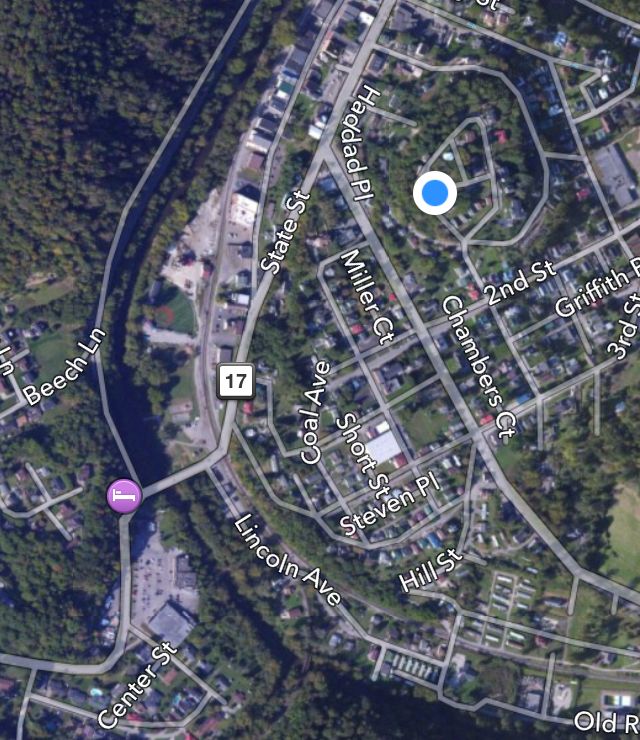
Modern-day view of the Battle of Boone Court House (1 September 1861). The blue dot notes the approximate location of Boone Court House (Madison), which was guarded by Confederates under Col. Ezekiel Miller. Miller commanded about 250 men from the 187th Regiment Virginia Militia, 129th Regiment Virginia Militia, and the Black-Striped Company.

Modern-day view of the Battle of Boone Court House (1 September 1861). The blue dot notes the approximate location of Boone Court House (Madison), which was guarded by Confederates under Col. Ezekiel Miller. Miller commanded about 250 men from the 187th Regiment Virginia Militia, 129th Regiment Virginia Militia, and the Black-Striped Company.

Modern-day view of the Battle of Boone Court House (1 September 1861). The blue dot notes the approximate location of Col. Enyart's Union force (three companies of Kentucky and Ohio men), as well as Union artillery, placed on Knob Hill. Col. Enyart commanded about 750 men.

Modern-day view of the Battle of Boone Court House (1 September 1861). The blue dot notes the approximate location of Lt. Col. David Enyart’s Union force (three companies of Kentucky and Ohio men), as well as Union artillery, placed on Knob Hill. Col. Enyart commanded about 750 men.

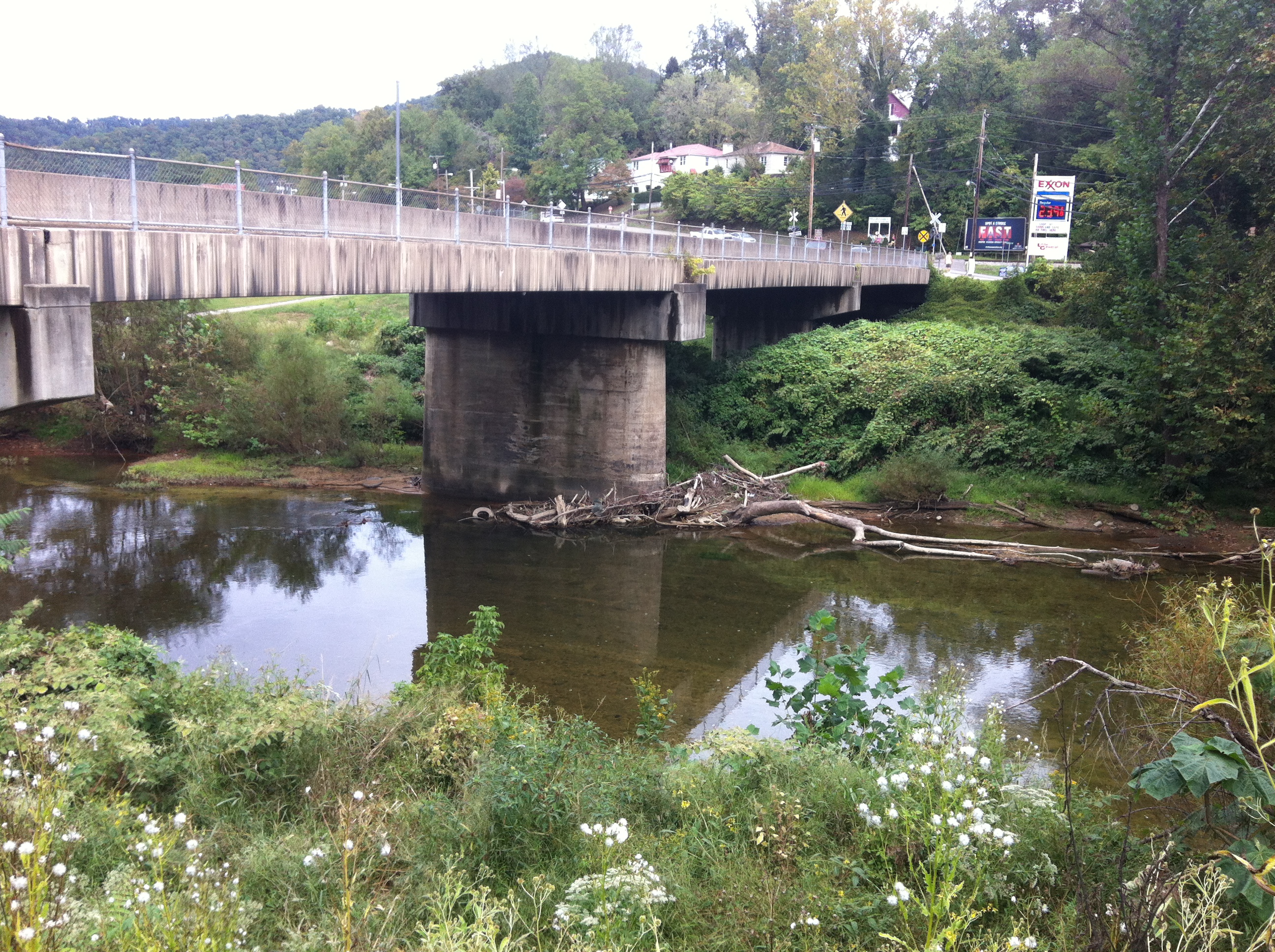
Modern-day view from the Confederate position toward Knob Hill in Madison, WV.

Modern-day view from the Confederate position looking toward Knob Hill in Madison, WV.

Union troops charged across the Little Coal River and dislodged Confederates from their positions at Boone Court House.

Union troops charged across the Little Coal River and dislodged Confederates from their positions at Boone Court House.

Francis M. White

08 Thursday Oct 2015

Posted by Brandon Ray Kirk in Civil War, Logan

≈ Leave a comment

Tags

7th West Virginia Cavalry, Bertha White, Bilton White, Carlos B. White, civil war, deputy sheriff, Francis M. White, genealogy, Henry H. Hardesty, history, James White, Janette White, Logan, Logan County, Mary M. White, Mary White, merchant, Millard White, R.A. Brock, Richmond, Sarah White, Union Army, Virginia, Virginia and Virginians, West Virginia, Wheeling

From “Virginia and Virginians, 1606-1888,” published by H.H. Hardesty, we find this entry for Francis M. White, who resided at Logan Court House in Logan County, West Virginia:

Is now engaged in merchandising and farming in Logan county, owning a large store and residence at Logan C.H., and a valuable farm in the neighborhood. He has held several important offices of trust, among them that of deputy sheriff of Logan county for three terms; was postmaster at Logan C.H. for eight years, besides many others, all of which he filled honorably and with an efficiency that proves how fully he merits the confidence of his fellow citizens. At the age of 18 he enlisted as sergeant of Co. I, 7th W.Va. Cav., U.S.A., and served most gallantly from 1862, the date of his enlistment, until 1865, when he was honorably discharged and mustered out at Wheeling, W.Va. After the close of the war of the rebellion, against which his service had been rendered, he returned to his native county, and was there married to Miss Mary Riffe, July 25, 1866. Of this union the following are the issue: Sarah, born July 23, 1867, died Oct. 14, 1875; Mary M., born Oct. 4, 1868, died March 23, 1869; Carlos B., born Jan. 3, 1870, resides with his parents; Bilton, born Sept. 17, 1871, died Oct. 11, 1875; Cora, born July 12, 1875, resides with her parents; Janette, born Nov. 20, 1877, resides with her parents; Bertha, born Aril 13, 1879, resides with her parents; Millard, born Sept. 23, 1882, resides with his parents; James, born Set. 3, 1885. The father was born July 26, 1844; the mother Nov. 15, 1841. Mr. White is a descendant of an old and honorable family that has for many years been looked up to as leaders on account of their sterling worth and strong influence. The subject of this sketch is one of the most popular citizens of Logan co. Besides the business above spoken of, he is engaged in the management of his other valuable estate.

Source: Dr. R.A. Brock, Virginia and Virginians, 1606-1888 (Richmond, VA: H.H. Hardesty, Publisher, 1888), p. 845.

129th Regiment Virginia Militia (Carter’s Company)

08 Thursday Oct 2015

Posted by Brandon Ray Kirk in Big Harts Creek, Chapmanville, Civil War, Crawley Creek, Green Shoal, Harts, Little Harts Creek

≈ 9 Comments

Tags

129th Regiment Virginia Militia, 34th Battalion Virginia Cavalry, Aaron Adkins, Abbotts Branch, Abijah Workman, Abner Vance, Addison Vance, Admiral S. Fry, Albert Abbott, Alexander Bryant, Alford Tomblin, Allen B. Brumfield, Anderson Barker, Andrew D. Robinson, Andrew Jackson Browning, Andrew Jackson Vance, Arnold Perry, Barnett Carter, Battle of Boone Court House, Battle of Kanawha Gap, Benjamin Adams, Benjamin Barker, Big Branch, Burbus C. Toney, Calahill McCloud, Canaan Adkins, Carter's Company, Charles McCloud, Christian T. Fry, civil war, Crawley Creek, Daniel Bill Nester, David Workman, Douglas Branch, Edward Garrett, Enos "Jake" Adkins, Evermont Ward Brumfield, Fleming Fry, Fulton D. Ferrell, Garland Conley, genealogy, George Bryant, George Godby, Griffin Stollings, Guy Conley, Harts, Harts Creek, Harvey S. Dingess, Henderson Dingess, Henderson Lambert, Henry Conley, history, Hoover Fork, Ira Lucas, Isaac Adkins, Isaac G. Griffith, Jackson McCloud, James Bryant, James Dalton, James Dingess, James Mullins, James P. Ferrell, James Tomblin, Jefferson Thompson, Jeremiah Perry, Jesse W. Carter, John C. Chapman, John DeJarnett, John Dingess, John H. Adkins, John McCloud, John Quincy Adams, John R. Robinson, John W. Workman, Josiah Browning, Lewis Baisden, Lewis Jupiter Fry, Lewis Vance, Logan County, Martin Dalton, Martin Van Buren Mullins, Mastin Conley, Mathias Elkins, Moses Tomblin, Moses Workman, Obediah Workman, Oliver Conley, Peter C. Dingess, Peter Fry, Reuben Conley, Riland Baisden, Robert Bob Mullins, Robert Fry, Rufus Bryant, Russell Fry, Shade Estep, Smokehouse Fork, Spencer A. Mullins, Squire Toney, Thomas Conley, Thompson Perry, Tolbert S. Godby, Weddington Mullins, West Virginia, William A. Dingess, William C. Lambert, William D. Elkins, William S. Dingess, William T. Fowler, William Workman

The 129th Regiment Virginia Militia, commanded by Colonel John DeJarnett, consisted of men primarily from Logan County, (West) Virginia. The 129th existed to protect Logan County. Carter’s Company, captained by Barnett “Barney” Carter, consisted of many Harts Creek men, all of whom enlisted on 27 August 1861 at Logan Court House, Logan County, (West) Virginia. The 129th, including Carter’s Company, participated in the Battle of Boone Court House on 1 September 1861 and the Battle of Kanawha Gap on 25 September 1861. In 1862, Carter’s Company essentially became Company D, 34th Battalion Virginia Cavalry. (This list will be updated periodically.)

Albert Abbott*, Abbotts Branch

Benjamin Adams, Crawley Creek

John Quincy Adams, Harts Creek

Aaron Adkins

Canaan Adkins, West Fork of Harts Creek [Lincoln County Feud]

Enos “Jake” Adkins, 1st Lieutenant, Douglas Branch (Ferrellsburg)

Isaac Adkins, Jr., Harts Creek (Big Branch area)

Isaac Adkins, 2nd Sergeant, Harts Creek (Big Branch area)

John H. Adkins

Lewis Baisden

Riland Baisden

Anderson Barker

Benjamin Barker

James M. Berry

Jacob Browning

Josiah Browning, 4th Sergeant

Andrew Jackson Browning, Harts Creek

Allen B. Brumfield, Big Ugly Creek

Evermont Ward Brumfield, Big Ugly Creek

Alexander Bryant, Harts Creek

George Bryant, Harts Creek

James Bryant, Harts Creek

Rufus Bryant, Harts Creek

Ed Burchett

William F. B_____

Jesse W. Carter

Barnett Carter, Captain, Hoover Fork of Harts Creek

John C. Chapman, 1st Corporal

Garland Conley, Smokehouse Fork of Harts Creek

Guy Conley, Conley Branch (Chapmanville)

Henry Conley, Conley Branch (Chapmanville)

Maston Conley, Chapmanville

Oliver Conley, Crawley Creek

Reuben Conley

Thomas Conley, Conley Branch (Chapmanville)

James Dalton, Harts Creek

Martin Dalton, Harts Creek

Harvey S. Dingess*, Crawley Creek

Henderson Dingess, Smokehouse Fork of Harts Creek [Lincoln County Feud]

James Dingess, 3rd Corporal

John Dingess

Peter C. Dingess, Crawley Creek

William A. Dingess

William S. Dingess

Mathias Elkins

William D. Elkins*, 2nd Corporal

D.J. Estep

Shade Estep, 4th Corporal

Fulton D. Ferrell, 3rd Sergeant

James P. Ferrell, Big Ugly Creek

Samuel Ferrell

Isaac Fleming

William T. Fowler, West Fork/Marsh Fork of Harts Creek

Admiral S. Fry, Green Shoal

Christian T. “Jack” Fry*, Abbotts Branch

Fleming Fry

Lewis “Jupiter” Fry, Big Ugly Creek (Gill)

Peter Fry

Robert Fry

Russell Fry

Edward Garrett, 2nd Lieutenant

Isaac G. Gartin, 2nd Lieutenant, Little Harts Creek

George Godby

Tolbert S. Godby, 1st Sergeant

Isaac O. Jeffrey

Henderson Lambert, Bend of the River

William C. Lambert, Bend of the River area

Ira Lucas

Calahill McCloud, Harts Creek or Twelve Pole Creek

Charles McCloud

Jackson McCloud

John McCloud

B. McNeely

James Mullins

Martin Van Buren Mullins, Harts Creek

Robert “Bob” Mullins, Harts Creek

Spencer A. Mullins, Bridge Branch area (Atenville)

Weddington Mullins, Harts Creek

Daniel “Bill” Nester, Browns Branch

William Owens

Arnold Perry

D.H. Perry

Jeremiah Perry

Thompson Perry

Andrew Robinson, Harts Creek

John R. Robinson

Griffin Stollings

Jefferson Thompson, Thompson Branch of Harts Creek

Alford Tomblin, Sr., Harts Creek

Alford Tomblin, Jr., Harts Creek

James Tomblin

Moses Tomblin

Burbus C. Toney, Green Shoal area (Toney)

Squire Toney, Big Ugly Creek

Andrew Jackson Vance

Abner Vance, West Fork of Harts Creek

Addison Vance

Lewis Vance

James Wills

Abijah “Bige” Workman

David Workman

John W. Workman

Moses Workman

Obediah Workman

William Workman

(*) denotes my direct ancestors

Major William Straton

04 Sunday Oct 2015

Posted by Brandon Ray Kirk in Civil War, Logan

≈ Leave a comment

Tags

34th Battalion Virginia Cavalry, Allen B. Straton, Battle of Beech Creek, circuit clerk, civil war, Confederate Army, county clerk, David Straton, genealogy, Guadalupe County, Henry H. Hardesty, history, House of Delegates, Ireland, Joseph Straton, lawyer, Logan County, Logan Court House, Mary A. Straton, Mary B. Straton, Minnie Straton, Polly Straton, R.A. Brock, Richmond, Sequin, Texas, U.S. South, Vicie Straton, Victoria Straton, Virginia, Virginia and Virginians, West Virginia, William Straton

From “Virginia and Virginians, 1606-1888,” published by H.H. Hardesty, we find this entry for Major William Straton, who resided at Logan Court House in Logan County, West Virginia:

Was born in Logan county, W.Va., April 14, 1821. His wife, Mary A. Perry, was born in the same county June 1, 1831, and there they were united in marriage Sept. 13, 1849. Of the offspring of this marriage the following is the record: David, born Jan. 4, 1853, married, died May 15, 1890; Victoria, born Dec. 23, 1857, died April 23, 1858; Minnie, born June 12, 1859, married, died Sept. 17, 1886; Allen B., born June 7, 1855, married; Vicie, born Dec. 9, 1861, married; Mary B., born Mar. 20, 1864, married. The subject of this sketch was elected clerk of the county court in March, 1845, and was elected clerk of circuit court in Logan county in 1849, and served until 1852; was re-elected county and circuit clerk in 1852 and 1858, which office he retained until 1865. In the civil war he supported the Southern cause, in which he volunteered in 1861, and was commissioned major of the 34th Va. V.C.; In this regiment he served nobly until the close of the struggle. At the battle of Beech Creek, Logan county, W.Va., Aug. 7, 1862, he was severely wounded in the arm and breast; the last was almost a mortal wound, but recovering he again entered the Confederate army, and was one of its most gallant and efficient officers. When the war ended he came back to his family, and in his native county since has held many offices of trust and honor, esteemed and respected by all who have ever known him. His father, Joseph Straton, was born in Ireland March 4, 1794, emigrated to America in 1800, and died in Logan county, W.Va., Jan. 3, 1846; his wife, Polly Henderson, mother of Major William Straton, was born in Monroe county, Va., March 27, 1803, and died in Sequin, Guadalupe county, Texas, April 22, 1890. Major William Straton now practices law at Logan Court House, W.Va.; he was a member of the House of Delegates from 1871 to 1877.

Source: Dr. R.A. Brock, Virginia and Virginians, 1606-1888 (Richmond, VA: H.H. Hardesty, Publisher, 1888), p. 842.

John W. Stafford

03 Saturday Oct 2015

Posted by Brandon Ray Kirk in Gilbert

≈ Leave a comment

Tags

10th Virginia Volunteer Infantry, Appalachia, civil war, Confederate Army, farming, Fort Delaware, genealogy, Gilbert Creek, Henry H. Hardesty, history, John Stafford, John W. Stafford, Levisa Stafford, Logan County, Ohio, R.A. Brock, Richmond, Superintendent of Schools, U.S. South, Virginia, Virginia and Virginians, West Virginia, Zanesville

From “Virginia and Virginians, 1606-1888,” published by H.H. Hardesty, we find this entry for John W. Stafford, who resided at Gilbert Creek in Logan County, West Virginia:

Son of John and Levisa (Spratt) Stafford, was born Oct. 27, 1833, in Logan county, W.Va. His father was born Feb. 10, 1810, in Tazewell county, Va., and died in Logan county on March 12, 1862, and his mother was born in Zanesville, O., on Dec. 6, 1811, dying in Logan county also on Aug. 25, 1886. John W., the subject of this sketch, enlisted in the Confederate States army in July, 1861; commissioned lieutenant of Co. H, 10th Va. V.I., serving until the close of the struggle; discharged in 1865 at Ft. Delaware prison. Mr. Stafford is now engaged in farming and merchandising, and was elected county superintendent of schools in Logan county in 1875, serving until 1877; post office address, Gilbert Creek, W.Va.

Source: Dr. R.A. Brock, Virginia and Virginians, 1606-1888 (Richmond, VA: H.H. Hardesty, Publisher, 1888), p. 841.

Floyd S. Stafford

05 Saturday Sep 2015

Posted by Brandon Ray Kirk in Civil War, Man

≈ Leave a comment

Tags

36th Virginia Volunteer Infantry Regiment, Appalachia, Appomattox, Battle of Fayetteville, Christian, civil war, Confederate Army, Fayetteville, Floyd S. Stafford, genealogy, Guyandotte River, Henry H. Hardesty, history, Lewisburg, Logan County, miller, R.A. Brock, Richmond, Robert E. Lee, U.S. South, Virginia, Virginia and Virginians, West Virginia

From “Virginia and Virginians, 1606-1888,” published by H.H. Hardesty, we find this entry for Floyd S. Stafford, who resided at Christian in Logan County, West Virginia:

Was born in Logan county Dec. 15, 1838, in what is now the State of West Virginia, but was then a part of Virginia. In the war between the States his sympathies were with his native State, and he volunteered early in the struggle, serving till the surrender of General Lee at Appomattox, having enlisted in 1861 in Co. D, 36th Va. V.I. At the battle of Fayetteville, W.Va., Sept. 10, 1862, he was severely wounded, but after recovering he returned to services, and engaged in many more hard fought battles, till honorably paroled May 1, 1865, at Lewisburg, Va. Since the war he has resided on his farm in Logan county, in the cultivation of which and the management of a valuable grist mill that he also owns, he has been and is now engaged. His estate is situated on Guyandotte River and is one of the most valuable in the county, consisting of mineral and timber lands. As a citizen he is honored and beloved by all who know him; his post office address is Christian, Logan county, W.Va.

Source: Dr. R.A. Brock, Virginia and Virginians, 1606-1888 (Richmond, VA: H.H. Hardesty, Publisher, 1888), p. 840-841.

Joseph Short

30 Sunday Aug 2015

Posted by Brandon Ray Kirk in Civil War, Wyoming County

≈ Leave a comment

Tags

Appalachia, Ashe County, Baileysville, Charles Short, civil war, Confederate Army, Edward Short, Elizabeth Short, Evaline Short, farming, genealogy, Henry H. Hardesty, history, John A. Short, Joseph Short, Martha Short, Mazy I. Short, merchant, Minnie R. Short, Noah Short, North Carolina, Powell S. Short, R.A. Brock, Rebecca Short, Richmond, road commissioner, Sarah Short, Tazewell County, U.S. South, Virginia, Virginia and Virginians, West Virginia, Wyoming County

From “Virginia and Virginians, 1606-1888,” published by H.H. Hardesty, we find this entry for Joseph Short, who resided at Baileysville in Wyoming County, West Virginia:

Was born Feb. 24, 1848, in Tazewell county, Va., and when a lad of 15 enlisted in the Confederate States army, serving a short time, when he was severely wounded in the face. On Nov. 9, 1865, he was united in marriage with Evaline Hill, who was born April 5, 1848, in Ashe county, N.C., the marriage being solemnized in Wyoming county, W.Va. The record of Mr. and Mrs. Short’s children is as follows: Mazy I., born Oct. 17, 1866, and died March 27, 1889, married; Sarah, born June 10, 1867, and died Sept. 27, 1888, married; Noah, born March 29, 1869; Edward, born June 2, 1871; Rebecca, born Aug. 1, 1873; John A., born Dec. 1, 1875; Martha, born Jan. 1, 1878; Powell S., born Feb. 2, 1880; Elizabeth, born July 23, 1882; Minnie R., born Oct. 2, 1884; and Charles, born April 18, 1887. Mr. Short was elected road commissioner in Wyoming county in 1888, by a very large majority, which office he is still ably filling. He is a farmer and merchant, residing near Baileysville, W.Va., which is his address.

Source: Dr. R.A. Brock, Virginia and Virginians, 1606-1888 (Richmond, VA: H.H. Hardesty, Publisher, 1888), p. 839-840.

Wyatt B. Shannon

26 Wednesday Aug 2015

Posted by Brandon Ray Kirk in Wyoming County

≈ Leave a comment

Tags

Appalachia, civil war, Franklin County, genealogy, Haven R.C. Shannon, Henry H. Hardesty, history, James Gadd, Jasper J. Shannon, justice of the peace, Laura Ann Shannon, Lightburn L. Shannon, Oceana, R.A. Brock, Renee Shannon, Rhoda Gadd, Richard A. Shannon, Richmond, Sarah A. Shannon, sheriff, Tennessee, U.S. South, Ulysses G. Shannon, Union Army, Vanlinden B.H. Shannon, Vida B. Shannon, Virginia, Virginia and Virginians, West Virginia, Wyatt A. Shannon, Wyatt B. Shannon, Wyoming County, Wyoming News

From “Virginia and Virginians, 1606-1888,” published by H.H. Hardesty, we find this entry for Wyatt B. Shannon, who resided at Oceana in Wyoming County, West Virginia:

Editor of the Wyoming weekly News, was born in Wyoming county, W.Va., Dec. 16, 1831; his parents were married in that county in 1830; his father, James H. Shannon, was born in what is now Wyoming county, Dec. 31, 1808, and died there June 14, 1890; his wife, Renee Gore, and mother of the subject of this record, was born in Logan county, W.Va., Jun 1810, and died in Wyoming county June 14, 1888. The father is of Irish lineage, the mother of German. Their first born, the subject of this sketch, was married in Wyoming county, W.Va., May 19, 1853, to Sarah A. Gadd, who was born March 9, 1837; their children’s record is as follows: Jasper J., born Feb. 24, 1854, is now married; Vanlinden B.H., born Sept. 3, 1856, died Aug. 27, 1860; Haven R.C., born May 2, 1858, died Sept. 20, 1860; Wyatt A., born May 28, 1860, died June 24, 1864; Lightburn L., born Feb. 21, 1863, now married; Richard A., born Feb 12, 1866, now married; Ulysses G., born May 16, 1868, now married; Laura Ann, born Oct. 14, 1870; Vida B., born March 14, 1873; May, born May 1, 1877; a babe, unnamed, stillborn. The parents of Mrs. Wyatt B. Shannon, James and Rhoda Thornton Gadd, were married in Franklin county, Va., in 1826; the father was born in that county in 1808 and died June 29, 1888; the mother, born in the same county in 1804, now resides in Tennessee; the former was of Irish descent, the latter is of Scotch. Wyatt B. Shannon enlisted in 1863 in the U.S. army and served until honorably discharged and mustered out at the close of the war of the Rebellion. In 1860 he was elected justice of the peace, and at the close of the war was appointed to the same position by Government; after serving some time, he resigned, and in 1876 was elected to the same office and held it until elected sheriff in 1884, which office he held a full term of four years. In 1887 he began the publication of the Wyoming weekly News, which he has since successfully edited. He is an able and efficient officer, a useful and highly esteemed citizen, always read to aid any enterprise that tends to advance the mental, moral and financial interests of the people. His address is Oceana, Wyoming county, W.Va.

Source: Dr. R.A. Brock, Virginia and Virginians, 1606-1888 (Richmond, VA: H.H. Hardesty, Publisher, 1888), p. 839.

← Older posts
Newer posts →

Feud Poll 1

If you had lived in the Harts Creek community during the 1880s, to which faction of feudists might you have given your loyalty?

Categories

  • Adkins Mill
  • African American History
  • American Revolutionary War
  • Ashland
  • Atenville
  • Banco
  • Barboursville
  • Battle of Blair Mountain
  • Beech Creek
  • Big Creek
  • Big Harts Creek
  • Big Sandy Valley
  • Big Ugly Creek
  • Boone County
  • Breeden
  • Calhoun County
  • Cemeteries
  • Chapmanville
  • Civil War
  • Clay County
  • Clothier
  • Coal
  • Cove Gap
  • Crawley Creek
  • Culture of Honor
  • Dingess
  • Dollie
  • Dunlow
  • East Lynn
  • Ed Haley
  • Eden Park
  • Enslow
  • Estep
  • Ethel
  • Ferrellsburg
  • Fourteen
  • French-Eversole Feud
  • Gilbert
  • Giles County
  • Gill
  • Green Shoal
  • Guyandotte River
  • Halcyon
  • Hamlin
  • Harts
  • Hatfield-McCoy Feud
  • Holden
  • Hungarian-American History
  • Huntington
  • Inez
  • Irish-Americans
  • Italian American History
  • Jamboree
  • Jewish History
  • John Hartford
  • Kermit
  • Kiahsville
  • Kitchen
  • Leet
  • Lincoln County Feud
  • Little Harts Creek
  • Logan
  • Man
  • Matewan
  • Meador
  • Midkiff
  • Monroe County
  • Montgomery County
  • Music
  • Native American History
  • Peach Creek
  • Pearl Adkins Diary
  • Pecks Mill
  • Peter Creek
  • Pikeville
  • Pilgrim
  • Poetry
  • Queens Ridge
  • Ranger
  • Rector
  • Roane County
  • Rowan County Feud
  • Salt Rock
  • Sand Creek
  • Shively
  • Spears
  • Sports
  • Spottswood
  • Spurlockville
  • Stiltner
  • Stone Branch
  • Tazewell County
  • Timber
  • Tom Dula
  • Toney
  • Turner-Howard Feud
  • Twelve Pole Creek
  • Uncategorized
  • Warren
  • Wayne
  • West Hamlin
  • Wewanta
  • Wharncliffe
  • Whirlwind
  • Williamson
  • Women's History
  • World War I
  • Wyoming County
  • Yantus

Feud Poll 2

Do you think Milt Haley and Green McCoy committed the ambush on Al and Hollene Brumfield in 1889?

Blogroll

  • Ancestry.com
  • Ashland (KY) Daily Independent News Article
  • Author FB page
  • Beckley (WV) Register-Herald News Article
  • Big Sandy News (KY) News Article
  • Blood in West Virginia FB
  • Blood in West Virginia order
  • Chapters TV Program
  • Facebook
  • Ghosts of Guyan
  • Herald-Dispatch News Article 1
  • Herald-Dispatch News Article 2
  • In Search of Ed Haley
  • Instagram
  • Lincoln (WV) Journal News Article
  • Lincoln (WV) Journal Thumbs Up
  • Lincoln County
  • Lincoln County Feud
  • Lincoln County Feud Lecture
  • LinkedIn
  • Logan (WV) Banner News Article
  • Lunch With Books
  • Our Overmountain Men: The Revolutionary War in Western Virginia (1775-1783)
  • Pinterest
  • Scarborough Society's Art and Lecture Series
  • Smithsonian Article
  • Spirit of Jefferson News Article
  • The Friendly Neighbor Radio Show 1
  • The Friendly Neighbor Radio Show 2
  • The Friendly Neighbor Radio Show 3
  • The Friendly Neighbor Radio Show 4
  • The New Yorker
  • The State Journal's 55 Good Things About WV
  • tumblr.
  • Twitter
  • Website
  • Weirton (WV) Daily Times Article
  • Wheeling (WV) Intelligencer News Article 1
  • Wheeling (WV) Intelligencer News Article 2
  • WOWK TV
  • Writers Can Read Open Mic Night

Feud Poll 3

Who do you think organized the ambush of Al and Hollene Brumfield in 1889?

Recent Posts

  • Logan County Jail in Logan, WV
  • Absentee Landowners of Magnolia District (1890, 1892, 1894)
  • Charles Spurlock Survey at Fourteen Mile Creek, Lincoln County, WV (1815)

Ed Haley Poll 1

What do you think caused Ed Haley to lose his sight when he was three years old?

Top Posts & Pages

  • Anthony Lawson founds Lawsonville
  • Old-Timey Children's Games in Appalachia (1900)
  • Logan Memorial Park in McConnell, WV (1928, 2020)
  • Ben France: Confederate Soldier and Fiddler from Cabell County, WV
  • Banco News 06.04.1926

Copyright

© Brandon Ray Kirk and brandonraykirk.wordpress.com, 1987-2023. Unauthorized use and/or duplication of this material without express and written permission from this blog’s author and/or owner is strictly prohibited. Excerpts and links may be used, provided that full and clear credit is given to Brandon Ray Kirk and brandonraykirk.wordpress.com with appropriate and specific direction to the original content.

Archives

  • February 2025
  • January 2025
  • October 2023
  • September 2023
  • December 2022
  • November 2022
  • May 2022
  • April 2022
  • February 2022
  • November 2021
  • October 2021
  • September 2021
  • June 2021
  • May 2021
  • April 2021
  • March 2021
  • February 2021
  • January 2021
  • December 2020
  • November 2020
  • October 2020
  • July 2020
  • June 2020
  • May 2020
  • April 2020
  • March 2020
  • February 2020
  • January 2020
  • December 2019
  • November 2019
  • October 2019
  • September 2019
  • August 2019
  • July 2019
  • June 2019
  • May 2019
  • April 2019
  • March 2019
  • February 2019
  • January 2019
  • December 2018
  • November 2018
  • October 2018
  • September 2018
  • August 2018
  • July 2018
  • June 2018
  • May 2018
  • April 2018
  • March 2018
  • February 2018
  • January 2018
  • December 2017
  • November 2017
  • October 2017
  • September 2017
  • August 2017
  • July 2017
  • June 2017
  • May 2017
  • April 2017
  • March 2017
  • February 2017
  • January 2017
  • December 2016
  • November 2016
  • October 2016
  • September 2016
  • August 2016
  • July 2016
  • June 2016
  • May 2016
  • April 2016
  • March 2016
  • February 2016
  • January 2016
  • December 2015
  • November 2015
  • October 2015
  • September 2015
  • August 2015
  • July 2015
  • June 2015
  • May 2015
  • April 2015
  • March 2015
  • February 2015
  • January 2015
  • December 2014
  • October 2014
  • September 2014
  • August 2014
  • July 2014
  • June 2014
  • May 2014
  • April 2014
  • March 2014
  • February 2014
  • January 2014
  • December 2013
  • November 2013
  • October 2013
  • September 2013
  • August 2013
  • July 2013
  • June 2013
  • May 2013
  • April 2013
  • March 2013
  • February 2013
  • January 2013
  • December 2012
  • November 2012

Enter your email address to follow this blog and receive notifications of new posts by email.

Join 2,927 other subscribers

Tags

Appalachia Ashland Big Creek Big Ugly Creek Blood in West Virginia Brandon Kirk Cabell County cemeteries Chapmanville Charleston civil war coal Confederate Army crime culture Ed Haley Ella Haley Ferrellsburg feud fiddler fiddling genealogy Green McCoy Guyandotte River Harts Harts Creek Hatfield-McCoy Feud history Huntington John Hartford Kentucky Lawrence Haley life Lincoln County Lincoln County Feud Logan Logan Banner Logan County Milt Haley Mingo County music Ohio photos timbering U.S. South Virginia Wayne County West Virginia Whirlwind writing

Blogs I Follow

  • OtterTales
  • Our Appalachia: A Blog Created by Students of Brandon Kirk
  • Piedmont Trails
  • Truman Capote
  • Appalachian Diaspora

BLOOD IN WEST VIRGINIA is now available for order at Amazon!

Blog at WordPress.com.

OtterTales

Writings from my travels and experiences. High and fine literature is wine, and mine is only water; but everybody likes water. Mark Twain

Our Appalachia: A Blog Created by Students of Brandon Kirk

This site is dedicated to the collection, preservation, and promotion of history and culture in Appalachia.

Piedmont Trails

Genealogy and History in North Carolina and Beyond

Truman Capote

A site about one of the most beautiful, interesting, tallented, outrageous and colorful personalities of the 20th Century

Appalachian Diaspora

  • Subscribe Subscribed
    • Brandon Ray Kirk
    • Join 789 other subscribers
    • Already have a WordPress.com account? Log in now.
    • Brandon Ray Kirk
    • Subscribe Subscribed
    • Sign up
    • Log in
    • Report this content
    • View site in Reader
    • Manage subscriptions
    • Collapse this bar
 

Loading Comments...