• About

Brandon Ray Kirk

~ This site is dedicated to the collection, preservation, and promotion of history and culture in my section of Appalachia.

Brandon Ray Kirk

Tag Archives: Blood in West Virginia

Cain Adkins

01 Friday Aug 2014

Posted by Brandon Ray Kirk in Big Harts Creek, Lincoln County Feud

≈ Leave a comment

Tags

Blood in West Virginia, Cain Adkins, doctor, Harts Creek, history, Lincoln County Feud, Logan County, photos, preacher, teacher, West Fork, West Virginia

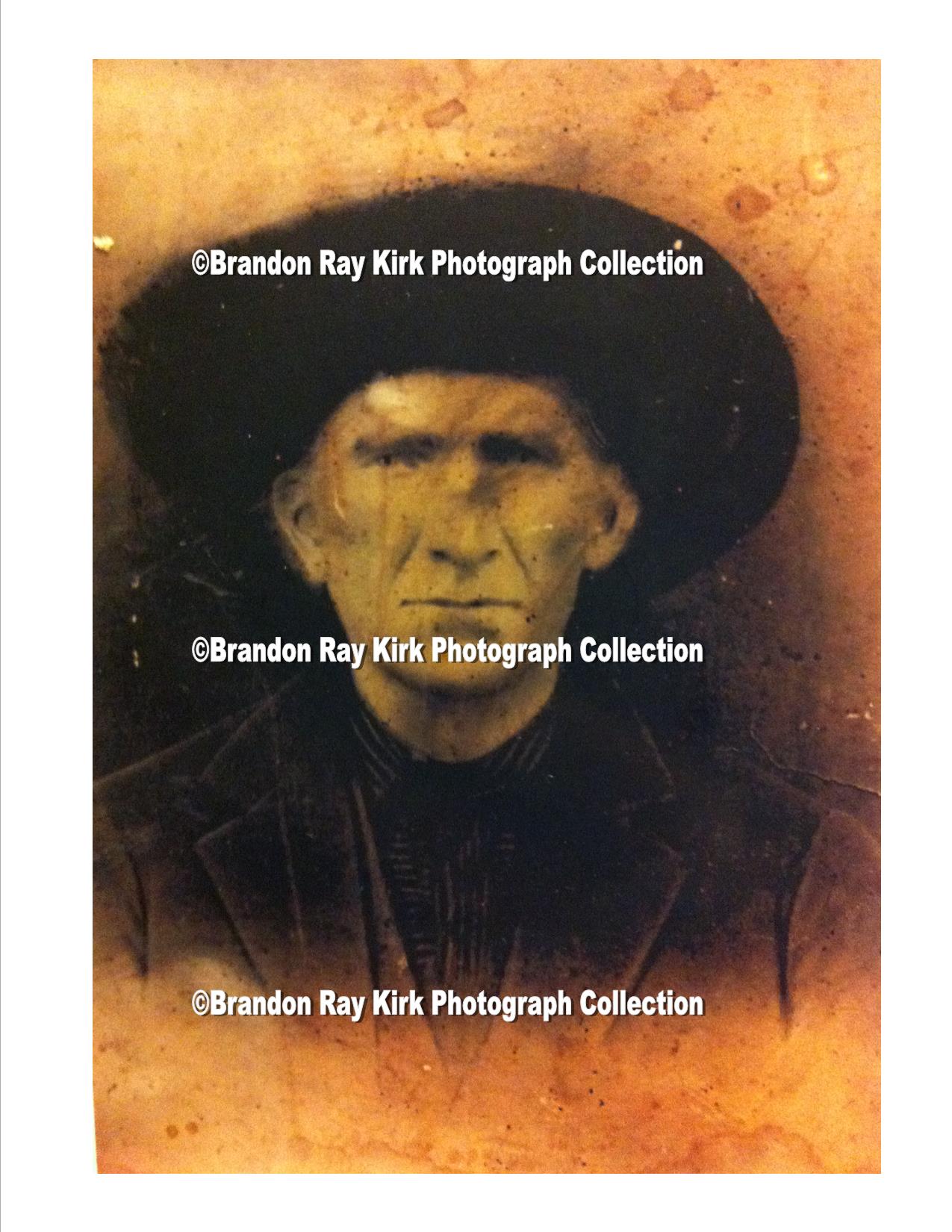
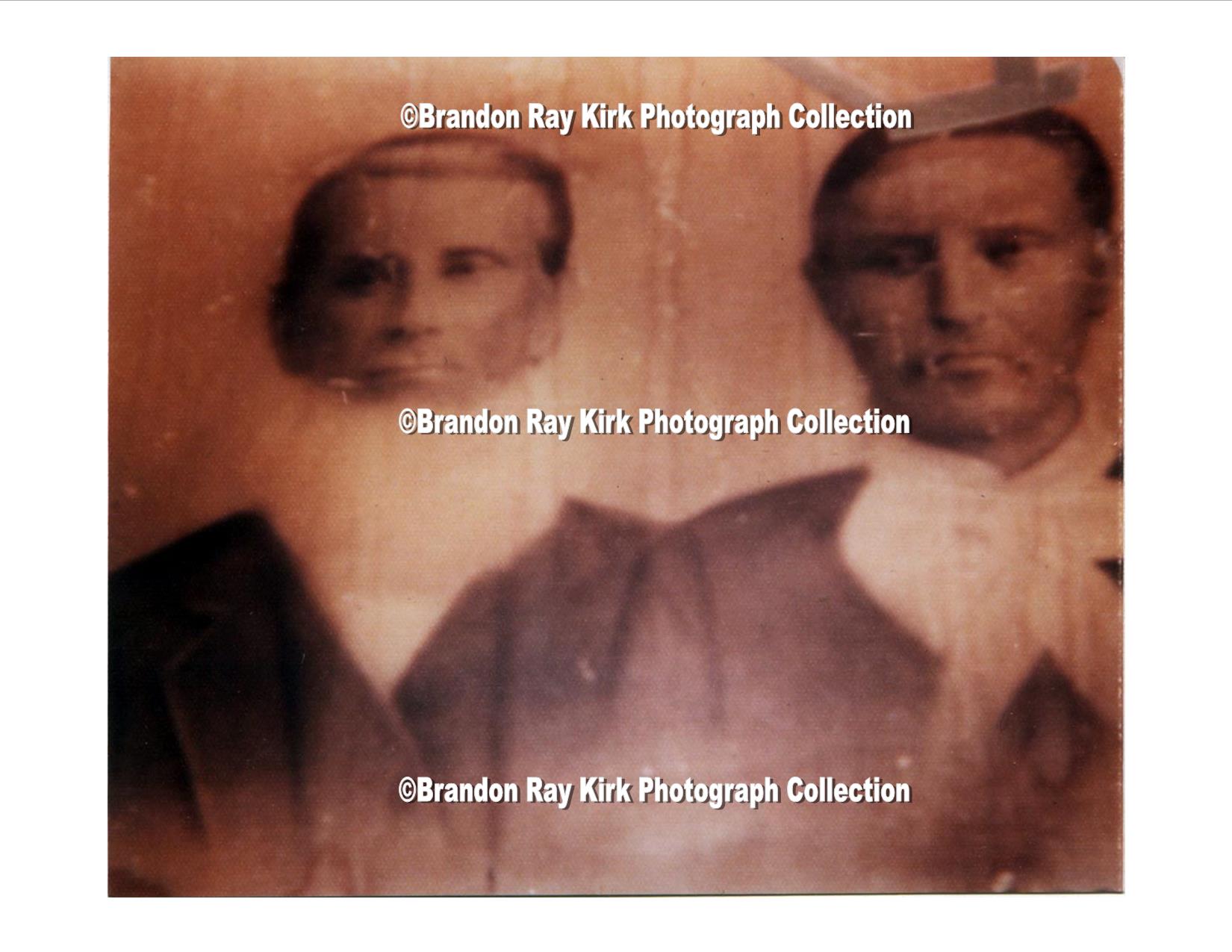
Cain Adkins, resident of the West Fork of Harts Creek, Lincoln County, and participant in the Lincoln County Feud

Cain Adkins, resident of the West Fork of Harts Creek, Lincoln County, and participant in the Lincoln County Feud

Anthony Adams

01 Friday Aug 2014

Posted by Brandon Ray Kirk in Big Harts Creek, Lincoln County Feud, Spottswood

≈ Leave a comment

Tags

Anthony Adams, Appalachia, Blood in West Virginia, genealogy, Harts Creek, history, Lincoln County Feud, Logan County, photos, West Virginia

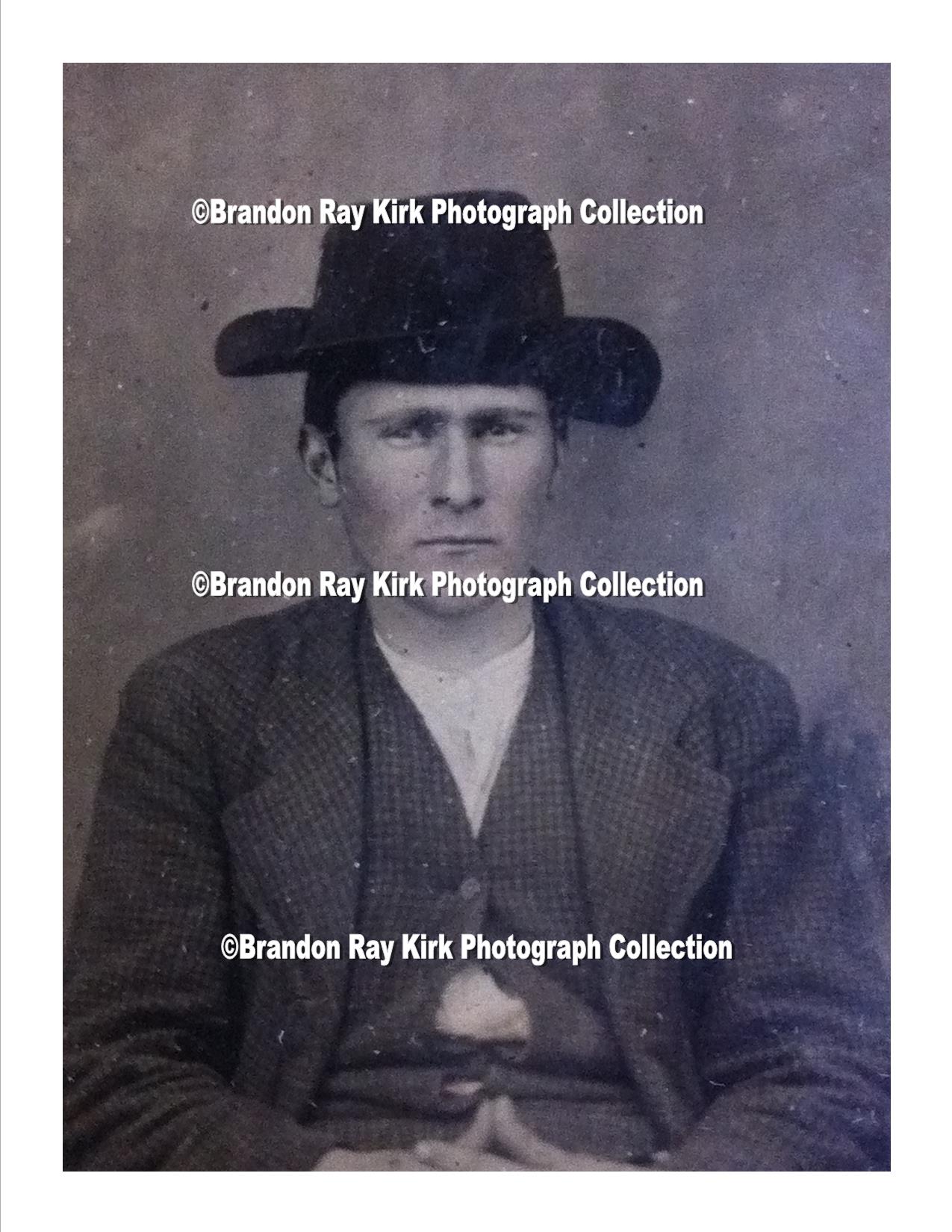
Anthony Adams, resident of Harts Creek, Logan County, and participant in the Lincoln County Feud

Anthony Adams, resident of Harts Creek, Logan County, and participant in the Lincoln County Feud

G.W. “Will” Adkins

31 Thursday Jul 2014

Posted by Brandon Ray Kirk in Harts, Lincoln County Feud, Timber

≈ Leave a comment

Tags

Appalachia, Blood in West Virginia, crime, Harts, history, Lincoln County, Lincoln County Feud, photos, U.S. South, West Virginia, Will Adkins

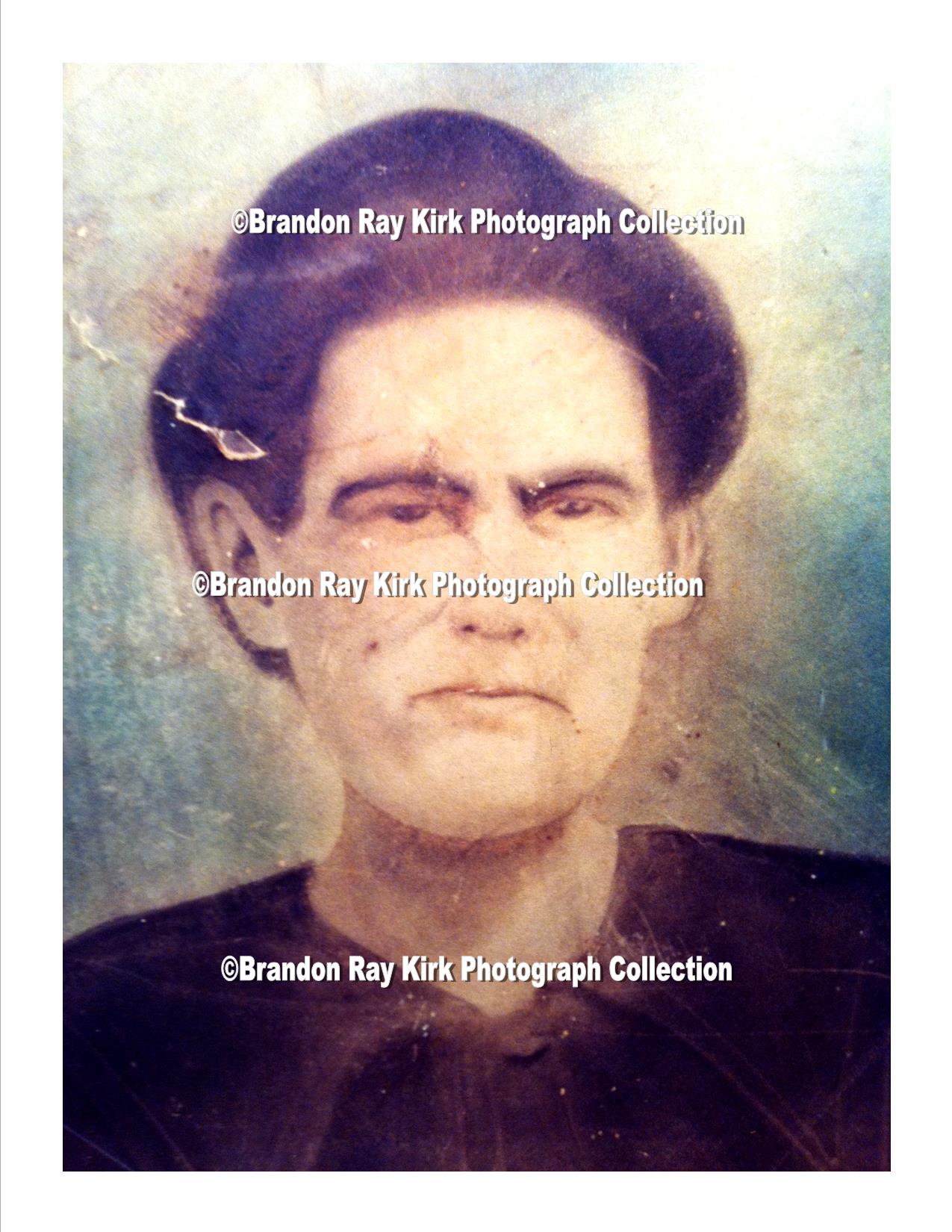
G.W. "Will" Adkins, member of the 1889 mob

G.W. “Will” Adkins, member of the 1889 mob, resident of Harts, Lincoln County, WV

In Search of Ed Haley 346

31 Thursday Jul 2014

Posted by Brandon Ray Kirk in Big Harts Creek, Ed Haley, Lincoln County Feud, Shively

≈ Leave a comment

Tags

Alton Conley, Big Creek, blind, Blood in West Virginia, Brown's Run, Burl Farley, Charles Conley Jr., Charlie Conley, Clifford Belcher, Conley Branch, crime, Ed Belcher, Ed Haley, Ella Haley, fiddler, fiddling, Green McCoy, Green Shoal, Guyandotte River, Harts Creek, history, John Brumfield, Lincoln County Feud, Logan, Logan County, Milt Haley, Mona Haley, music, Robert Martin, Smokehouse Fork, Warfield, West Virginia, Wirt Adams, writing

From Clifton’s, we went to see Charlie Conley, Jr., a fiddler who lived on the Conley Branch of Smokehouse Fork of Harts Creek. Wirt Adams had mentioned his name to us the previous summer. We found Charlie sitting on his porch and quickly surrounded him with a fiddle, tape recorder, and camera.

When I told him about my interest in Ed Haley’s life, he said Ed played so easy it was “like a fox trotting through dry leaves.”

Charlie said Ed was a regular at Clifford Belcher’s tavern.

“Right there, that’s where we played at on the weekends,” he said. “He used to play there a lot, the old man Ed Haley did. Me and another boy, Alton Conley — he’s my brother-in-law, just a kid… I bought him a guitar and he learned how to play pretty good. He could second pretty good to me, but he couldn’t keep up with that old man. He knowed too many notes and everything for him. The old man realized he was just a kid.”

Charlie told us an interesting story about how Ed came to be blind.

“Milt and Burl Farley, they was drinking where Burl lived down at the mouth of Browns Run. And Ed was just a little baby — been born about a week. Old man Burl said to Milt, ‘Take him out here and baptize him in this creek. It’ll make him tough.’ And it was ice water. He just went out and put him in that creek and baptized the kid and the kid took the measles and he lost his eyes. That’s how come him to be blind.”

That was an interesting picture: Milt and Burl hanging out on Browns Run. We had never really thought about it, but there was a great chance that all the men connected up in the 1889 troubles knew each other pretty well and maybe even drank and played cards together on occasion. For all we knew, Milt may have worked timber for Farley.

Brandon asked Charlie if he knew what happened to Milt Haley.

“They said the Brumfields killed him,” Charlie said. “Him and his uncle was killed over at a place called Green Shoal over on the river somewhere around Big Creek. They were together when they got killed. That was way back. I never knew much about it.”

Obviously Green McCoy wasn’t Ed’s uncle, but I had to ask Charlie more about him.

“All I can tell you is he was old man Ed’s uncle,” he said. “They lived over there on the river, around Green Shoal.”

So Ed was raised on the river?

“No, he lived down here on the creek, right where that old man baptized him in that cold water at the mouth of Browns Run,” Charlie said. “That’s where he was born and raised at, the old man was.”

I guess Charlie meant that Green lived “over there on the river,” which was sorta true.

He didn’t know why Milt Haley was killed, but said, “Back then, you didn’t have much of a reason to kill a man. People’d get mad at you and they wouldn’t argue — they’d start shooting. Somebody’d die. I know the Conleys and the Brumfields had a run in over there on the river way back. Oh, it’s been, I guess, ninety year ago. Man, they had a shoot-out over there and right to this day they got grudges against the Conley people. I’ve had run-ins with them several times. I say, ‘Look man, this happened before my time. Why you wanna fool with me for?’ But they just had a grudge and they wouldn’t let go of it.”

When we asked Charlie about local fiddlers, he spoke firstly about Robert Martin.

“They said Robert was a wonderful fiddler,” he said. “I had a half-brother that used to play a guitar with him when he played the fiddle named Mason Conley. I used to play with his brothers over there on Trace and with Wirt and Joe Adams. Bernie Adams — he was my first cousin. They said Robert was a wonderful fiddler.”

What about Ed Belcher?

“Yeah, Ed was pretty good, but he couldn’t hold old man Ed Haley a light to fiddle by. Belcher was more of a classical fiddler. Now, he could make a piano talk, that old guy could. I knowed him a long time ago. I noticed he’d go up around old man Ed and every oncest in a while he’d call out a tune for him to play. Ed’d look around and say, ‘Is that you, Belcher?’ Said, ‘Yeah,’ and he’d set in a fiddling for him. Maybe he’d throw a half a dollar in his cup and walk on down the street.”

Brandon said to Charlie, “Ed Belcher lived up at Logan, didn’t he?” and Charlie blew us away with answer: “Well now, old man Ed Haley lived up there then at that time. They lived out there in an apartment somewhere. The little girl was about that high the last time I seen her.”

Well, that was the first I heard of Ed living in Logan — maybe it was during his separation from Ella, or maybe there was an earlier separation, when Mona was a little girl.

I asked about a tune called “Warfield” and Charlie said, “That ‘Warfield’ is out of my vocabulary, buddy. I’ve done forgot them old tunes, now.”

Stella Abbott

28 Monday Jul 2014

Posted by Brandon Ray Kirk in Ferrellsburg, Lincoln County Feud, Women's History

≈ Leave a comment

Tags

Abbotts Branch, Blood in West Virginia, culture, George Fry, Green McCoy, history, life, Lincoln County, Lincoln County Feud, Milt Haley, photos, Stella Abbott, West Virginia

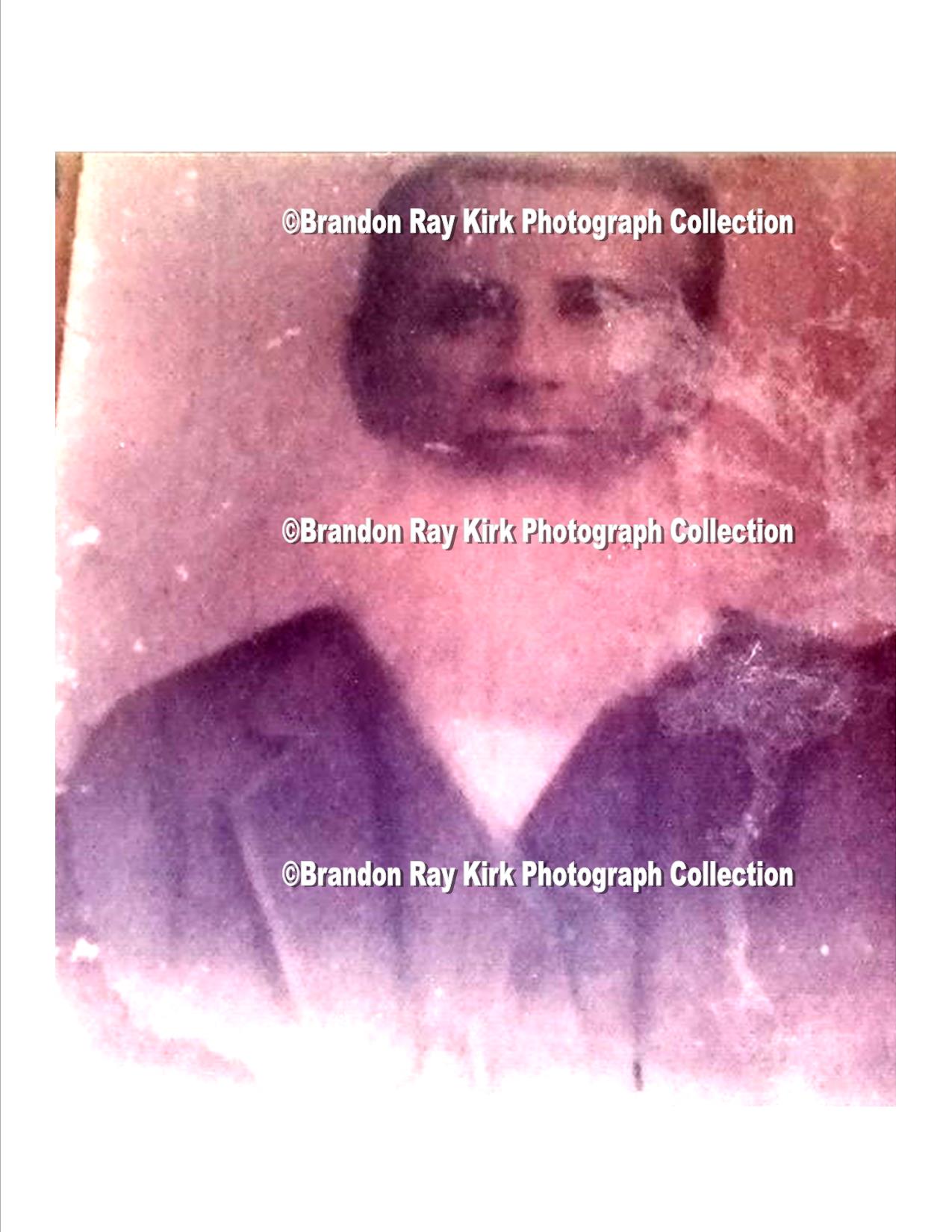
Stella Abbott, who helped to cook Haley and McCoy's meal at the Fry home

Stella Abbott, my great-great-grandmother, who helped to cook Haley’s and McCoy’s meal at the Fry home

Tamarack: The Best of West Virginia at Beckley, WV

28 Monday Jul 2014

Posted by Brandon Ray Kirk in Lincoln County Feud

≈ Leave a comment

Tags

Beckley, Blood in West Virginia, book, books, Brandon Kirk, history, Lincoln County Feud, Tamarack, West Virginia, writing

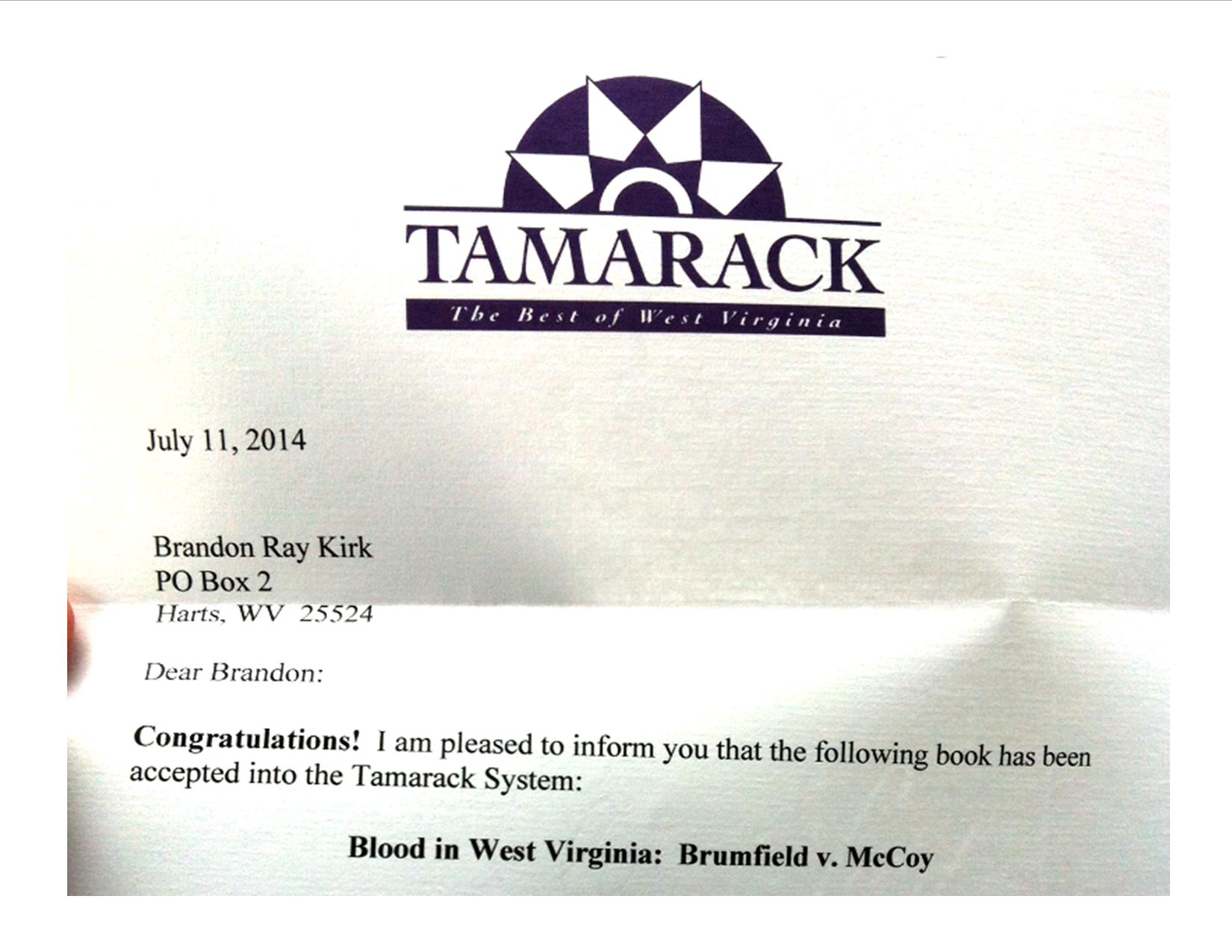
"Blood in West Virginia" is available for purchase at Tamarack, our state's premiere showcase for native art

“Blood in West Virginia” is available for purchase at Tamarack, our state’s premiere showcase for native art

Spicie (Adkins) McCoy

25 Friday Jul 2014

Posted by Brandon Ray Kirk in Big Harts Creek, Harts, Lincoln County Feud, Stiltner, Women's History

≈ Leave a comment

Tags

Blood in West Virginia, Cain Adkins, Green McCoy, Harts Creek, history, Lincoln County, Lincoln County Feud, Mariah Adkins, photos, Spicie McCoy, West Fork, West Virginia

Spicie (Adkins) McCoy, wife of Green McCoy, resident of West Fork of Harts Creek, Lincoln County, WV

Spicie (Adkins) McCoy, wife of Green McCoy, resident of West Fork of Harts Creek, Lincoln County, WV

Green McCoy letter (1889)

24 Thursday Jul 2014

Posted by Brandon Ray Kirk in Big Harts Creek, Big Sandy Valley, Harts, Jamboree, Lincoln County Feud, Peter Creek

≈ Leave a comment

Tags

Blood in West Virginia, Green McCoy, Harrison McCoy, Harts Creek, history, Kentucky, life, Lincoln County, Lincoln County Feud, Pike County, West Fork, West Virginia, writing

Green McCoy letter

Green McCoy’s letter to his brother, Harrison, who lived in Pike County, KY, 1889

Hugh Dingess

14 Monday Jul 2014

Posted by Brandon Ray Kirk in Big Harts Creek, Lincoln County Feud, Shively, Spottswood, Warren

≈ Leave a comment

Tags

Blood in West Virginia, Harts Creek, Henderson Dingess, history, Hugh Dingess, Lincoln County Feud, Logan County, photos, Sallie Dingess, Smokehouse Fork, West Virginia

Hugh Dingess, son of Henderson and Sarah (Adams) Dingess, participant of the Lincoln County Feud

Hugh Dingess, son of Henderson and Sarah (Adams) Dingess, participant in the Lincoln County Feud

Dr. Robert Maslowski endorses “Blood in West Virginia”

14 Monday Jul 2014

Posted by Brandon Ray Kirk in Lincoln County Feud

≈ Leave a comment

Tags

Appalachia, archaeology, Blood in West Virginia, book, Council for West Virginia Archaeology, culture, feud, Ghosts of Green Bottom, history, Huntington District, Lincoln County, Marshall University, Marshall University Graduate College, National Geographic Society, National Park Service, Red Salt & Reynolds, Robert Maslowski, Secrets of the Valley, Smithsonian Institution, timbering, U.S. Army Corps of Engineers, West Virginia Archaeologist, West Virignia, writing

I proudly announce Dr. Robert Maslowski’s endorsement of my book, Blood in West Virginia: Brumfield v. McCoy. Dr. Maslowski, President of the Council for West Virginia Archaeology and graduate professor at the Marshall University Graduate College, ranks as one of Appalachia’s most dedicated and accomplished scholars. A retired archaeologist for the Huntington District of the U.S. Army Corps of Engineers, he is popularly known as the editor of West Virginia Archaeologist and as executive producer of three award-winning archaeology films: Red Salt & Reynolds (2003), Ghosts of Green Bottom (2005), and Secrets of the Valley: Prehistory of the Kanawha (2010). Throughout his long professional career, he has worked with the Smithsonian Institution, the National Geographic Society, the National Park Service, and the U.S. military. In so many ways, he has made significant contributions to our understanding of Appalachian history and culture. A personal note: during my time as a graduate student at Marshall University, Dr. Maslowski was my favorite instructor. Receiving praise from such an accomplished scholar and an outstanding instructor means a great deal to me.

Here is Dr. Maslowski’s endorsement of Blood in West Virginia:

“Not only does Blood in West Virginia present a compelling narrative of a little known feud in southern West Virginia, it provides valuable insights into the local politics, economy, timber industry, and family life in Lincoln County during the late 1800s.”

“Blood in West Virginia”

13 Sunday Jul 2014

Posted by Brandon Ray Kirk in Big Harts Creek, Big Sandy Valley, Big Ugly Creek, Culture of Honor, Green Shoal, Harts, Inez, Jamboree, Lincoln County Feud, Music, Peter Creek, Timber, Warren

≈ 2 Comments

Tags

Blood in West Virginia, book, books, Brandon Kirk, Homer Hickam, Lincoln County Feud, New York Times, Rocket Boys, writing

Homer Hickam calls my book a "rip-roaring page-turner!"

Homer Hickam, author of the New York Times Best Seller Rocket Boys, calls my book a “rip-roaring page-turner!”

Interview with Ward Adkins (1997)

12 Saturday Jul 2014

Posted by Brandon Ray Kirk in Culture of Honor, Fourteen, Lincoln County Feud, Shively, Timber, Wewanta

≈ 2 Comments

Tags

Al Brumfield, Albert Neace, Blood in West Virginia, Brandon Kirk, Burl Farley, Cole and Crane Company, crime, distilling, Fourteen Mile Creek, Green McCoy, history, Kentucky, Lincoln County, Lincoln County Feud, Logan County, merchant, Milt Haley, Pigeon Creek, Sulphur Spring Fork, Ward Adkins, West Virginia, Will Headley, writing

Not long after talking with Mr. Dingess, Brandon went to see his good friend Ward Adkins, an elderly resident of nearby Fourteen Mile Creek. Ward said his grandfather Albert Neace used to help Al Brumfield make whisky, barrel it, and ship it downriver on flatboats. Making whiskey was Brumfield’s major source of income.

“You know dern well he didn’t make his fortune in a little old store up there at that day and time,” Ward said. “About all he sold was soap, salt, and soda — a little sugar.”

When Albert quit the business, Brumfield said, “You won’t tell nothing will you, Albert?” to which he replied, “No, you know better than that.”

Albert knew it wasn’t smart to cross Al because “the people who worked around” him “had a way of dealing” with his enemies.

“When they took a notion to kill somebody, they’d go out the day before and dig the grave,” Ward said. “Then they’d play up to whoever it was they aimed to kill…talk them into going squirrel hunting with them. They’d squirrel hunt around close to that grave. Kill them, roll them in it, and cover it up.”

Ward’s step-grandfather, Will Headley, had told him about witnessing Milt’s and Green’s murder.

“They stood them up beside of a house and shot them in public because they wanted to teach people a lesson,” Ward said.

Will’s uncle Burl Farley went with the Brumfields to fetch them in Kentucky. Ward knew a lot about Burl.

“He started out in timbering,” Ward said. “He worked for Cole & Crane Timber Company up on Browns Fork of Pigeon Creek. Uncle Burl was pretty well to do. He was dangerous mean. He was an Atheist. He felt you just did what you wanted to do on this earth and then died and that was the end of it so he didn’t have nothing to fear. Of course, I liked the old man. If he liked you, he was good to you. He ruled over his domain down there. What he said went. It was just strictly law. There wasn’t no bucking him. There wasn’t no law to fool with Uncle Burl.”

Cain and Mariah (Vance) Adkins

11 Friday Jul 2014

Posted by Brandon Ray Kirk in Big Harts Creek, Culture of Honor, Harts, Lincoln County Feud, Stiltner

≈ 4 Comments

Tags

Appalachia, Blood in West Virginia, Cain Adkins, education, Harts Creek, history, justice of the peace, Lincoln County, Lincoln County Feud, Mariah Adkins, medicine, photos, preacher, Stiltner, U.S. South, Wayne County, West Fork, West Virginia

Cain and Mariah (Vance) Adkins, residents of West Fork of Harts Creek, Lincoln County, WV

Cain and Mariah (Vance) Adkins, residents of West Fork of Harts Creek, Lincoln County, WV. Cain was a United Baptist preacher, teacher, country doctor, justice of the peace…and participant in the Lincoln County Feud.

Interview with John Dingess 2 (1996)

11 Friday Jul 2014

Posted by Brandon Ray Kirk in Big Harts Creek, Culture of Honor, Ed Haley, Lincoln County Feud, Warren

≈ Leave a comment

Tags

Al Brumfield, Albert Dingess, Anthony Adams, Ben Adams, Bill Brumfield, Bill's Branch, Billy Adkins, blind, Blood in West Virginia, Boardtree Bottom, Brandon Kirk, Buck Fork, Burl Farley, Carolyn Johnnie Farley, Cecil Brumfield, Charley Brumfield, Charlie Dingess, crime, Ed Haley, Fed Adkins, fiddling, French Bryant, George Fry, Green McCoy, Green Shoal, Hamlin, Harts Creek, Harve "Short Harve" Dingess, Hell Up Coal Hollow, Henderson Dingess, history, Hugh Dingess, John Brumfield, John Dingess, Kentucky, life, Lincoln County Feud, Low Gap, Milt Haley, murder, Paris Brumfield, Polly Bryant, Smokehouse Fork, Sycamore Bottom, Tom Maggard, Trace Fork, Vilas Adams, West Fork, West Virginia, Will Adkins, Williamson, writing

Al rounded up a gang of men to accompany him on his ride to fetch the prisoners in Williamson. Albert and Charlie Dingess were ringleaders of the posse, which included “Short Harve” Dingess, Hugh Dingess, John Dingess, Burl Farley, French Bryant, John Brumfield, and Charley Brumfield. Perhaps the most notorious member of the gang was French Bryant – “a bad man” who “did a lot of dirty work for the Dingesses.” On the way back from Kentucky, he tied Milt and Green by the arms and “drove them like a pair of mules on a plow line.”

“French Bryant run and drove them like a pair of horses ahead of these guys on the horses,” John said. “That’s quite a ways to let them walk. Old French, he married a Dingess. I knew old French Bryant. When he died, he was a long time dying and they said that he hollered for two or three days, ‘Get the ropes off me!’ I guess that come back to him.”

When the gang reached the headwaters of Trace Fork — what John called “Adams territory” — they sent a rider out ahead in the darkness to make sure it was safe to travel through that vicinity.

Waiting on the Brumfield posse was a mob of about 100 men hiding behind trees at Sycamore Bottom, just below the mouth of Trace Fork. This mob was led by Ben and Anthony Adams and was primarily made up of family members or people who worked timber for the Adamses, like Tom Maggard (“Ben’s right hand man”).

As the Brumfield rider approached their location, they began to click their Winchester rifles — making them “crack like firewood.” Hearing this, the rider turned back up Trace Fork, where he met the Brumfields and Dingesses at Boardtree Bottom and warned them about the danger at the mouth of Trace. They detoured safely up Buck Fork, then stopped at Hugh Dingess’ on Smokehouse where they remained for two or three days, not really sure of what to do with their prisoners. They made a “fortress” at Hugh’s by gathering about 100 men around them, fully aware that Ben Adams might make another effort to recapture Milt and Green.

While at Hugh’s, they got drunk on some of the red whiskey and apple brandy made at nearby Henderson’s. They also held a “trial” to see if Milt and Green would admit their guilt. They took one of the men outside and made him listen through the cracks between the logs of the house as his partner confessed on the inside. About then, the guy outside got loose and ran toward Bill’s Branch but was grabbed by “Short Harve” Dingess as he tried to scurry over a fence.

After this confession, the Brumfields and Dingesses considered killing Milt and Green on the spot but “got scared the Adamses was gonna take them” and headed towards Green Shoal.

John didn’t know why they chose George Fry’s home but figured Mr. Fry was a trusted acquaintance. He said they “punished” them “quite a bit there” but also got one to play a fiddle.

“These people that killed them, they made them play their last tune,” John said. “One of them would play and one guy, I think, he never would play for them.  I forgot which one, but they never could get one guy to do much. The other one’d do whatever they’d tell him to do. That’s just before they started shooting them. The tune that they played was ‘Hell Up Coal Hollow’. I don’t know what that tune is.”

After that, the mob “shot their brains out” and left them in the yard where the “chickens ate their brains.”

A neighbor took their bodies through Low Gap and buried them on West Fork.

John said there was a trial over Haley and McCoy’s murders, something we’d never heard before. Supposedly, about one hundred of the Brumfields and their friends rode horses to Hamlin and strutted into the courtroom where they sat down with guns on their laps. The judge threw the case out immediately because he knew they were fully prepared to “shoot up the place.”

This “quick trial,” of course, didn’t resolve the feud. Back on Harts Creek, Ben Adams often had to hide in the woods from the Dingesses. One time, Hugh and Charlie Dingess put kerosene-dowsed cornstalks on his porch and set them on fire, hoping to drive him out of his house where they could shoot him. When they realized he wasn’t home, they extinguished the fire because they didn’t want to harm his wife and children. Mrs. Adams didn’t live long after the feud. Ben eventually moved to Trace Fork where he lived the rest of his life. Charlie never spoke to him again.

John also said there seemed to have been a “curse” on the men who participated in the killing of Haley and McCoy. He said Albert Dingess’ “tongue dropped out,” Al Brumfield “was blind for years before he died,” and Charlie Dingess “died of lung cancer.” We had heard similar tales from Johnny Farley and Billy Adkins, who said mob members Burl Farley and Fed Adkins both had their faces eaten away by cancer. Vilas Adams told us about one of the vigilantes drowning (Will Adkins), while we also knew about the murders of Paris Brumfield, John Brumfield, Charley Brumfield, and Bill Brumfield.

Just before hanging up with John, Brandon asked if he remembered Ed Haley. John said he used to see him during his younger days on Harts Creek.

“When he was a baby, old Milt wanted to make him tough and he’d take him every morning to a cold spring and bath him,” he said. “I guess he got a cold and couldn’t open his eyes. Something grew over his eyes so Milt took a razor and cut it off. Milt said that he could take that off so he got to fooling with it with a razor and put him blind.”

John said Ed made peace with a lot of the men who’d participated in his father’s killing and was particularly good friends with Cecil Brumfield, a grandson of Paris.

Floyd Dingess

10 Thursday Jul 2014

Posted by Brandon Ray Kirk in Big Harts Creek, Culture of Honor, Lincoln County Feud, Timber, Warren

≈ 2 Comments

Tags

Appalachia, Blood in West Virginia, Floyd Dingess, genealogy, Harts Creek, Henderson Dingess, history, Lincoln County, Lincoln County Feud, Logan County, murder, photos, Sallie Dingess, U.S. South, West Virginia

Floyd Dingess, son of Henderson and Sarah (Adams) Dingess, murdered during the Lincoln County Feud

Floyd Dingess, son of Henderson and Sarah (Adams) Dingess, murdered during the Lincoln County Feud

Interview with John Dingess 1 (1996)

10 Thursday Jul 2014

Posted by Brandon Ray Kirk in Big Harts Creek, Culture of Honor, Lincoln County Feud, Warren

≈ Leave a comment

Tags

Al Brumfield, Ben Adams, Blood in West Virginia, Brandon Kirk, Chapman Dingess, Charlie Dingess, Cole Branch, Connecticut, crime, feud, Green McCoy, Harts Creek, Harvey "Long Harve" Dingess, Henderson Dingess, history, John Dingess, John Frock Adams, Joseph Adams, Kentucky, Lincoln County War, Milt Haley, Sallie Dingess, Smokehouse Fork, Thompson Branch, Tug River, Victoria Adams, West Virginia, World War II

That winter, Brandon made contact by telephone with John Dingess, a Connecticut resident who proved to be one of our best sources on the 1889 feud. John was born on the Smokehouse Fork of Harts Creek in 1918. A grandson to Henderson Dingess, he moved away from West Virginia after serving his country in World War II.

John said Henderson Dingess met his wife Sallie while boarding with her father Joseph Adams on Harts Creek. Henderson didn’t care much for his in-laws (he said they were “hoggish”), particularly his brother-in-law Ben Adams. Ben lived over the mountain from Henderson on main Harts Creek where he operated a small store. He and Henderson feuded “for years.” At some point, Henderson’s oldest son Charlie Dingess got into a racket with Ben over a yoke of cattle and “almost killed him in a fight” at Cole Branch.

The feud between Henderson’s family and Ben Adams reached a new level of tension when Ben refused to pay the sixteen-cents-per-log fee required by Al Brumfield to pass logs through his boom at the mouth of Harts Creek. Brumfield “was more of a businessman” than a feudist but “got into it” with Adams at his saloon near the boom. In the scrape, Ben pulled out his pistol and shot Al, who was spared from harm only because of a button on his clothes. Al subsequently fetched a gun and chased Ben up the creek — a very humiliating thing as there was probably a whole gang of people to witness his flight.

Ben soon gathered up a party of men with plans to force his timber out of Harts Creek under the cover of darkness. Before he could put his plan into action, though, the Dingesses caught wind of it and warned the Brumfields who promptly armed themselves with .38 Winchesters and .44 Winchesters and gathered in ambush on the hill at Panther Branch near the mouth of Harts.

Ben, anticipating trouble, put his wife, the former Victoria Dingess, at the front of his gang in the hopes that it might discourage her cousins from shooting at him as they came down the creek. It was a bad idea: the Brumfields and Dingesses shot “her dress full of holes.”

This was particularly horrible since she was probably pregnant at the time.

The next day, she came to her uncle Henderson’s to show him what his boys had done to her dress but he never punished them.

At that point, Ben was probably hell-bent on revenge and arranged for Milt Haley and Green McCoy, who John called two “professional gunmen,” to “bump Al off.”

John was sure of Ben’s role in the events of 1889.

“Ben Adams, my father’s uncle, he gave them a .38 Winchester apiece and a side of bacon to kill Al Brumfield,” he said.

Milt and Green caught Al one Sunday as he made his way back down Harts Creek after visiting with Henderson Dingess. He rode alone, while Hollena rode with her younger brother, Dave Dingess. As they neared Thompson Branch, Milt and Green fired down the hill at them from their position at the “Hot Rock.” Al was shot in the elbow, which knocked him from his horse and broke his arm, while Hollena was shot in the face. Al somehow managed to make it over a mountain back to Henderson Dingess’, while Hollena was left to crawl half a mile down to Chapman Dingess’ at Thompson Branch for help.

Upon learning of the ambush, Harvey Dingess (John’s father) hitched up a sled to one of his father’s yokes of cattle and fetched Hollena, who remained at Henderson’s until she recovered.

Immediately after the shootings, there was a lot of gossip about who’d been behind the whole affair. John said there was some talk that Long John Adams had been involved “but the Dingess and Brumfield people never believed it.” Everyone seemed to focus in on Milt and Green, who’d recently disappeared into Kentucky (where McCoy was from).

“They used to, if you committed a crime in West Virginia, would run away to Kentucky,” John said. “In the hill part of Kentucky there on the Tug River.”

Brumfield put up a $500 reward and it wasn’t long until a man rode up to Henderson Dingess’ claiming to have caught Milt and Green in Kentucky. He was sent to Brumfield’s home near the mouth of Harts where he found Al out back shoeing an ox steed. They talked for a while, then Brumfield told him, “You put them across the Tug River and when I identify them you’ll get your money.”

Ken Sullivan endorses “Blood in West Virginia”

06 Sunday Jul 2014

Posted by Brandon Ray Kirk in Lincoln County Feud

≈ Leave a comment

Tags

Appalachia, Blood in West Virginia, books, Brandon Kirk, Goldenseal, Hatfield-McCoy Feud, Ken Sullivan, Kentucky, Lincoln County, Lincoln County Feud, music, Tug Valley, University of Pittsburgh, University of Rochester, University of Virginia, West Virginia, West Virginia Encyclopedia, West Virginia Humanities Council

I proudly announce Ken Sullivan’s endorsement of my book, Blood in West Virginia: Brumfield v. McCoy. Mr. Sullivan, executive director of the West Virginia Humanities Council, ranks as one of Appalachia’s most distinguished and recognized editors. Best known for his promotion and editorship of the West Virginia Encyclopedia (2006), which has sold more than 17,000 copies, Mr. Sullivan is also the former editor of West Virginia’s premier state magazine, Goldenseal. Educated in history at the University of Virginia and University of Rochester, with a PhD from the University of Pittsburgh, he has consistently offered top-notch work on a variety of Appalachian subjects. It was during Mr. Sullivan’s tenure at Goldenseal that I first read a contemporary account of the Lincoln County Feud. Receiving praise from such an outstanding and accomplished editor as Ken Sullivan means a great deal to me.

Here is Mr. Sullivan’s endorsement of Blood in West Virginia:

“This book brings a deadly story to life: As the Hatfield-McCoy Feud was finally coming to a close in the Tug Valley of West Virginia and Kentucky, another bloody vendetta was under way in nearby Lincoln County, West Virginia. Here it was Brumfields versus McCoys — and Haleys and Runyons and Adkinses and others — with results that were equally fatal. Author Brandon Kirk has done remarkable work in untangling the complex web of kinship connections linking both friends and foes, while detailing the social and economic strains of changing times in the mountains. The story he documents in these pages had lasting implications for the families and individuals involved — and, curiously, for the folk music of the region.”

Dr. Ivan Tribe endorses “Blood in West Virginia”

03 Thursday Jul 2014

Posted by Brandon Ray Kirk in Lincoln County Feud

≈ 1 Comment

Tags

Appalachia, Blood in West Virginia, books, Brandon Kirk, crime, Harts, Hatfield-McCoy Feud, history, Ivan Tribe, Kentucky, Lincoln County, Mountaineer Jamboree, Rio Grande University, West Virginia, writing

I proudly announce Dr. Ivan Tribe’s endorsement of my book, Blood in West Virginia: Brumfield v. McCoy. Dr. Tribe, Professor Emeritus of History at Rio Grande University, ranks as one of Appalachia’s most distinguished and recognized historians. Best known for his Mountaineer Jamboree (1984), the definitive history of country music in West Virginia, Dr. Tribe is author of six additional books, beginning with Albany, Ohio: The First Fifty Years of a Rural Midwestern Community (1980). Dr. Tribe has also contributed over two hundred articles, composed at least eighty sets of liner notes for albums, and written more than forty record and book reviews. Throughout his long career as an educator and author, he has consistently offered top-notch scholarship on the subjects of traditional country music, bluegrass music, and coal mining communities. While I recommend any one of Dr. Tribe’s writings, his Mountaineer Jamboree remains a personal favorite. Receiving praise from such an outstanding scholar and accomplished author means a great deal to me.

Here is Dr. Tribe’s endorsement of Blood in West Virginia:

“Except for the Hatfield-McCoy Feud which spilled over into two states, eastern Kentucky is better known as Appalachia’s feud country. However, Brandon Kirk’s book demonstrates that Lincoln County, West Virginia had a feud that has been largely overlooked by prior chronicleers. The Brumfields versus a variety of persons named Adkins, McCoy, and Haley made the community of Harts a real hot spot among mountain communities in the late 1880s. Kirk’s Blood in West Virginia tells a fascinating story that elevates the Lincoln County feud to its proper place in Appalachian and West Virginia History.”

Dr. Ronald L. Lewis endorses “Blood in West Virginia”

28 Saturday Jun 2014

Posted by Brandon Ray Kirk in Lincoln County Feud, Timber

≈ Leave a comment

Tags

Appalachia, Blood in West Virginia, Brandon Kirk, Coal Iron and Slaves, ethnicity, feud, Harts, Historian Laureate of West Virginia, history, industrialization, Kentucky, labor, Ronald L. Lewis, timbering, Transforming the Appalachian Countryside, West Virginia, West Virginia University, writing

I proudly announce Dr. Ronald L. Lewis’ endorsement of my book, Blood in West Virginia: Brumfield v. McCoy. Dr. Lewis, professor emeritus of history at West Virginia University and Historian Laureate of West Virginia, ranks as one of Appalachia’s most distinguished and recognized historians. Best known for his award-winning book, Transforming the Appalachian Countryside (1998), an unsurpassed study of the timber industry in West Virginia, Dr. Lewis is author of five books, beginning with Coal, Iron, and Slaves (1979), as well as numerous articles. Throughout his long career in academia, he has consistently offered top-notch scholarship on the subjects of ethnicity, labor, industrialization, and social change, particularly as they apply to West Virginia and Appalachian history. While I would recommend any one of Dr. Lewis’ writings, his Transforming the Appalachian Countryside remains a personal favorite. Receiving praise from such an outstanding scholar (and personal hero) means a great deal to me.

Here is Dr. Lewis’ endorsement of Blood in West Virginia:

“The family feud is indelibly linked with Appalachia in American popular culture. As portrayed by sensationalist reporters and local color writers of the late 19th century, feuding was evidence of the genetic and/or cultural degeneracy of a people whose lack of social institutions and isolation had arrested their culture in a frontier state as American progress bypassed the region on its way westward. Appalachia was ‘a strange land with peculiar people’ and ‘a place where time stood still.’ Unfortunately, there is not a shred of evidence for this social construction of the region or the ‘hillbilly’ stereotype: that Appalachians were governed by an irrational predisposition to violence. Since the 1980s, scholars have rejected the popular-culture view of drunken hillbillies ready to shoot at the drop of a hat to protect family honor. Brandon Kirk’s Blood in West Virginia is one of the modern community studies that obliterate the stereotype; his intensive research of the Brumfield-McCoy feud that occurred in 1889-90 at Hart, West Virginia, reinforces the revisionist view that feuds occurred as the result of industrial capitalism, rather than the lack of it. Most Appalachian feuds occurred in the mountain counties of southern West Virginia and eastern Kentucky during the last two decades of the 19th century when railroad, timber, and coal development virtually transformed the region’s economy from its traditional agricultural economy into a rural-industrial one. Kirk clearly demonstrates that the Brumfield-McCoy feud was a struggle between rival factions to control the area’s economic and political development. Family ties among the feudists were incidental. Motives for the feud were, therefore, not peculiar to Appalachian culture; after all, violence for economic and political control in industrializing America was as American as apple pie. Blood in West Virginia is an exciting story well-told; fortunately, it is one that preserves the truth rather than perpetuates the stereotypes.”

Homer Hickam endorses “Blood in West Virginia”

22 Sunday Jun 2014

Posted by Brandon Ray Kirk in Lincoln County Feud

≈ Leave a comment

Tags

Appalachia, Blood in West Virginia, Brandon Kirk, Coalwood, history, Homer Hickam, October Sky, Rocket Boys, Torpedo Junction, West Virginia, writers, writing

I proudly announce Homer Hickam, Jr.’s endorsement of my book, Blood in West Virginia: Brumfield v. McCoy. I regard Mr. Hickam, a West Virginia native, as one of Appalachia’s most accomplished living writers. Best known for his beloved Rocket Boys (1998), a No. 1 New York Times Best Seller that inspired the movie October Sky, Hickam has authored at least twelve books, beginning with his military history best seller, Torpedo Junction (1989). While a bit partial to Mr. Hickam’s reflective Coalwood series, I can enthusiastically recommend any of his books. Receiving praise from such a fine writer and fellow West Virginian means a great deal to me.

Here is Mr. Hickam’s endorsement of Blood in West Virginia:

“When two proud families collide in the hills of West Virginia, there will be blood. Brandon Kirk’s marvelous tale of one of the bloodiest Appalachian feuds is a rip-roaring page-turner! The mountaineers in this book may at times be funny, mysterious, romantic, and deadly but they are always interesting. In Kirk’s sure hands, the reader will be transported back to the hills in an era when no judge and jury was required, just fists, knives, and gun powder. Highly recommended for anyone craving a good spirited read.”

← Older posts
Newer posts →

Feud Poll 1

If you had lived in the Harts Creek community during the 1880s, to which faction of feudists might you have given your loyalty?

Categories

  • Adkins Mill
  • African American History
  • American Revolutionary War
  • Ashland
  • Atenville
  • Banco
  • Barboursville
  • Battle of Blair Mountain
  • Beech Creek
  • Big Creek
  • Big Harts Creek
  • Big Sandy Valley
  • Big Ugly Creek
  • Boone County
  • Breeden
  • Calhoun County
  • Cemeteries
  • Chapmanville
  • Civil War
  • Clay County
  • Clothier
  • Coal
  • Cove Gap
  • Crawley Creek
  • Culture of Honor
  • Dingess
  • Dollie
  • Dunlow
  • East Lynn
  • Ed Haley
  • Eden Park
  • Enslow
  • Estep
  • Ethel
  • Ferrellsburg
  • Fourteen
  • French-Eversole Feud
  • Gilbert
  • Giles County
  • Gill
  • Green Shoal
  • Guyandotte River
  • Halcyon
  • Hamlin
  • Harts
  • Hatfield-McCoy Feud
  • Holden
  • Hungarian-American History
  • Huntington
  • Inez
  • Irish-Americans
  • Italian American History
  • Jamboree
  • Jewish History
  • John Hartford
  • Kermit
  • Kiahsville
  • Kitchen
  • Leet
  • Lincoln County Feud
  • Little Harts Creek
  • Logan
  • Man
  • Matewan
  • Meador
  • Midkiff
  • Monroe County
  • Montgomery County
  • Music
  • Native American History
  • Peach Creek
  • Pearl Adkins Diary
  • Pecks Mill
  • Peter Creek
  • Pikeville
  • Pilgrim
  • Poetry
  • Queens Ridge
  • Ranger
  • Rector
  • Roane County
  • Rowan County Feud
  • Salt Rock
  • Sand Creek
  • Shively
  • Spears
  • Sports
  • Spottswood
  • Spurlockville
  • Stiltner
  • Stone Branch
  • Tazewell County
  • Timber
  • Tom Dula
  • Toney
  • Turner-Howard Feud
  • Twelve Pole Creek
  • Uncategorized
  • Warren
  • Wayne
  • West Hamlin
  • Wewanta
  • Wharncliffe
  • Whirlwind
  • Williamson
  • Women's History
  • World War I
  • Wyoming County
  • Yantus

Feud Poll 2

Do you think Milt Haley and Green McCoy committed the ambush on Al and Hollene Brumfield in 1889?

Blogroll

  • Ancestry.com
  • Ashland (KY) Daily Independent News Article
  • Author FB page
  • Beckley (WV) Register-Herald News Article
  • Big Sandy News (KY) News Article
  • Blood in West Virginia FB
  • Blood in West Virginia order
  • Chapters TV Program
  • Facebook
  • Ghosts of Guyan
  • Herald-Dispatch News Article 1
  • Herald-Dispatch News Article 2
  • In Search of Ed Haley
  • Instagram
  • Lincoln (WV) Journal News Article
  • Lincoln (WV) Journal Thumbs Up
  • Lincoln County
  • Lincoln County Feud
  • Lincoln County Feud Lecture
  • LinkedIn
  • Logan (WV) Banner News Article
  • Lunch With Books
  • Our Overmountain Men: The Revolutionary War in Western Virginia (1775-1783)
  • Pinterest
  • Scarborough Society's Art and Lecture Series
  • Smithsonian Article
  • Spirit of Jefferson News Article
  • The Friendly Neighbor Radio Show 1
  • The Friendly Neighbor Radio Show 2
  • The Friendly Neighbor Radio Show 3
  • The Friendly Neighbor Radio Show 4
  • The New Yorker
  • The State Journal's 55 Good Things About WV
  • tumblr.
  • Twitter
  • Website
  • Weirton (WV) Daily Times Article
  • Wheeling (WV) Intelligencer News Article 1
  • Wheeling (WV) Intelligencer News Article 2
  • WOWK TV
  • Writers Can Read Open Mic Night

Feud Poll 3

Who do you think organized the ambush of Al and Hollene Brumfield in 1889?

Recent Posts

  • Logan County Jail in Logan, WV
  • Absentee Landowners of Magnolia District (1890, 1892, 1894)
  • Charles Spurlock Survey at Fourteen Mile Creek, Lincoln County, WV (1815)

Ed Haley Poll 1

What do you think caused Ed Haley to lose his sight when he was three years old?

Top Posts & Pages

  • Civil War Gold Coins Hidden Near Chapmanville, WV
  • Adkins-Davis Family Cemetery (2011)
  • Micco in Logan County, WV (1916)
  • Harts News 05.29.1925
  • African-American Schools in Logan County, WV (1927)

Copyright

© Brandon Ray Kirk and brandonraykirk.wordpress.com, 1987-2023. Unauthorized use and/or duplication of this material without express and written permission from this blog’s author and/or owner is strictly prohibited. Excerpts and links may be used, provided that full and clear credit is given to Brandon Ray Kirk and brandonraykirk.wordpress.com with appropriate and specific direction to the original content.

Archives

  • February 2025
  • January 2025
  • October 2023
  • September 2023
  • December 2022
  • November 2022
  • May 2022
  • April 2022
  • February 2022
  • November 2021
  • October 2021
  • September 2021
  • June 2021
  • May 2021
  • April 2021
  • March 2021
  • February 2021
  • January 2021
  • December 2020
  • November 2020
  • October 2020
  • July 2020
  • June 2020
  • May 2020
  • April 2020
  • March 2020
  • February 2020
  • January 2020
  • December 2019
  • November 2019
  • October 2019
  • September 2019
  • August 2019
  • July 2019
  • June 2019
  • May 2019
  • April 2019
  • March 2019
  • February 2019
  • January 2019
  • December 2018
  • November 2018
  • October 2018
  • September 2018
  • August 2018
  • July 2018
  • June 2018
  • May 2018
  • April 2018
  • March 2018
  • February 2018
  • January 2018
  • December 2017
  • November 2017
  • October 2017
  • September 2017
  • August 2017
  • July 2017
  • June 2017
  • May 2017
  • April 2017
  • March 2017
  • February 2017
  • January 2017
  • December 2016
  • November 2016
  • October 2016
  • September 2016
  • August 2016
  • July 2016
  • June 2016
  • May 2016
  • April 2016
  • March 2016
  • February 2016
  • January 2016
  • December 2015
  • November 2015
  • October 2015
  • September 2015
  • August 2015
  • July 2015
  • June 2015
  • May 2015
  • April 2015
  • March 2015
  • February 2015
  • January 2015
  • December 2014
  • October 2014
  • September 2014
  • August 2014
  • July 2014
  • June 2014
  • May 2014
  • April 2014
  • March 2014
  • February 2014
  • January 2014
  • December 2013
  • November 2013
  • October 2013
  • September 2013
  • August 2013
  • July 2013
  • June 2013
  • May 2013
  • April 2013
  • March 2013
  • February 2013
  • January 2013
  • December 2012
  • November 2012

Enter your email address to follow this blog and receive notifications of new posts by email.

Join 2,927 other subscribers

Tags

Appalachia Ashland Big Creek Big Ugly Creek Blood in West Virginia Brandon Kirk Cabell County cemeteries Chapmanville Charleston civil war coal Confederate Army crime culture Ed Haley Ella Haley Ferrellsburg feud fiddler fiddling genealogy Green McCoy Guyandotte River Harts Harts Creek Hatfield-McCoy Feud history Huntington John Hartford Kentucky Lawrence Haley life Lincoln County Lincoln County Feud Logan Logan Banner Logan County Milt Haley Mingo County music Ohio photos timbering U.S. South Virginia Wayne County West Virginia Whirlwind writing

Blogs I Follow

  • OtterTales
  • Our Appalachia: A Blog Created by Students of Brandon Kirk
  • Piedmont Trails
  • Truman Capote
  • Appalachian Diaspora

BLOOD IN WEST VIRGINIA is now available for order at Amazon!

Blog at WordPress.com.

OtterTales

Writings from my travels and experiences. High and fine literature is wine, and mine is only water; but everybody likes water. Mark Twain

Our Appalachia: A Blog Created by Students of Brandon Kirk

This site is dedicated to the collection, preservation, and promotion of history and culture in Appalachia.

Piedmont Trails

Genealogy and History in North Carolina and Beyond

Truman Capote

A site about one of the most beautiful, interesting, tallented, outrageous and colorful personalities of the 20th Century

Appalachian Diaspora

  • Subscribe Subscribed
    • Brandon Ray Kirk
    • Join 789 other subscribers
    • Already have a WordPress.com account? Log in now.
    • Brandon Ray Kirk
    • Subscribe Subscribed
    • Sign up
    • Log in
    • Report this content
    • View site in Reader
    • Manage subscriptions
    • Collapse this bar
 

Loading Comments...