Tags
Appalachia, Big Ugly Creek, cemeteries, genealogy, Hamilton Fry, Hamilton Fry Family Cemetery, history, Lincoln County, West Virginia
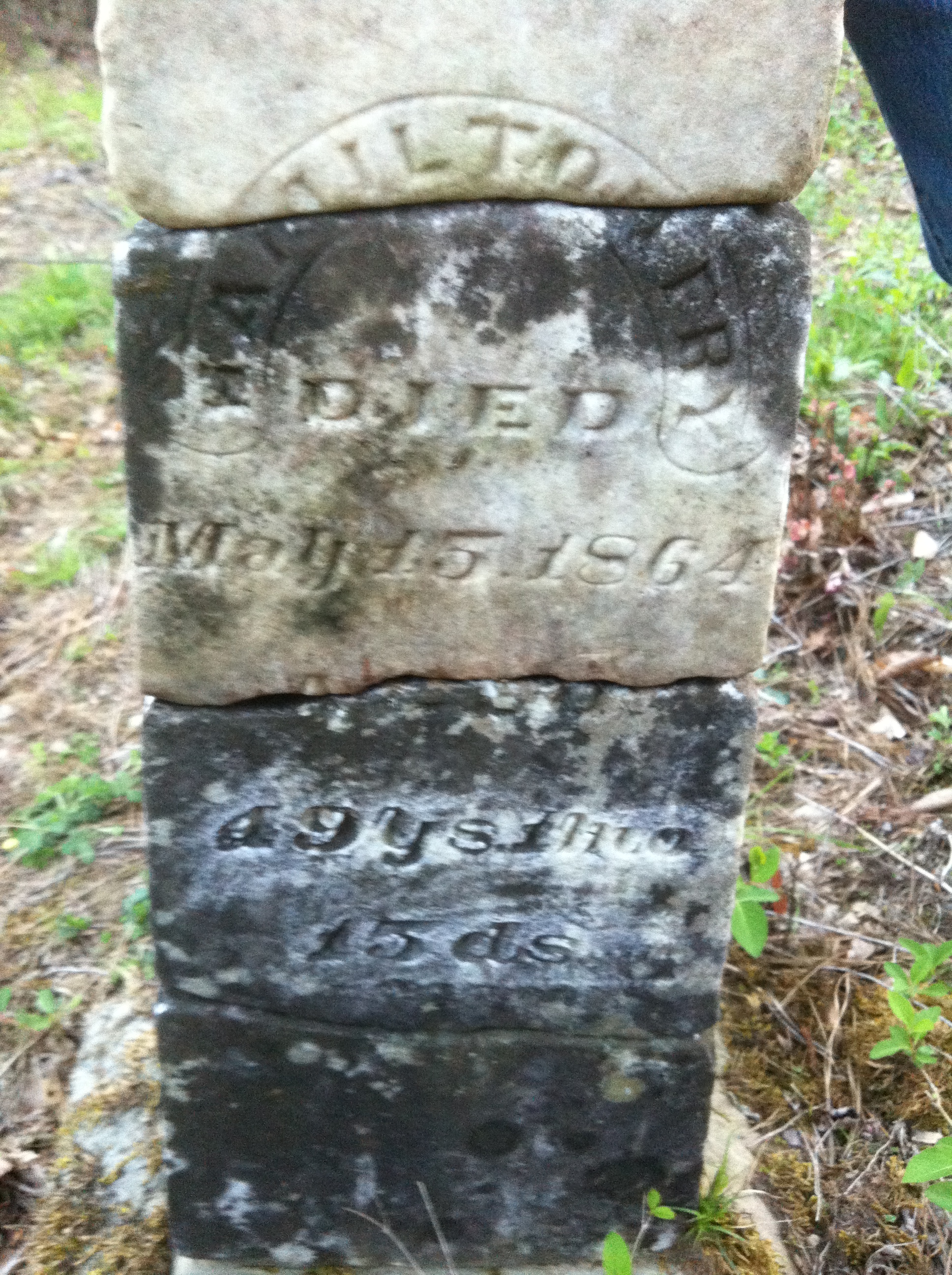
Hamilton Fry grave, located at Brumfield Branch of Big Ugly Creek, Lincoln County, WV, 2011
05 Tuesday Aug 2014
Posted in Big Ugly Creek, Cemeteries, Leet
Tags
Appalachia, Big Ugly Creek, cemeteries, genealogy, Hamilton Fry, Hamilton Fry Family Cemetery, history, Lincoln County, West Virginia
Hamilton Fry grave, located at Brumfield Branch of Big Ugly Creek, Lincoln County, WV, 2011
05 Tuesday Aug 2014
Posted in Big Ugly Creek, Coal, Gill, Timber
Tags
Alkol, Allen, Andrew Adkins, Bach Linville, Bernie, Big Ugly Creek, Brad Gill, Bruce Walls, Cassie Hager, Clark Collins, coal, Democrats, Dick Aldridge, Emery Fry, fishing, Gill, Grant Cremeans, Griffithsville, Guyandotte River, Hamlin, Hattie Gill, Henon Smith, history, Huntington, James A. Hughes, Jupiter Fry, Lattin, Lee Adkins, Lincoln County, Lincoln Republican, Logan County, measles, mumps, Omar, Peacha Hager, Philip Hager, Philip Sperry, Sherman Linville, Tom Mullins, West Virginia, Westmoreland, Wilburn Scragg
“Two Brothers,” local correspondents from Gill in Lincoln County, West Virginia, offered the following items, which the Lincoln Republican printed on Thursday, May 3, 1923:
Grant Cremeans, of Hamlin, Sherman Linville, of Alkol, Bruce Walls, of Griffithsville, and Bach Linville, of Bernie, were recent business visitors at this place.
Louis Fry caught a fish one day this week that weighed five pounds.
There is a number of cases of measles in this section.
Philip Spery, Hainen Smith and others loaded thirty-two thousand feet of lumber for Philip Hager one day last week. The lumber was shipped to Jas. A. Hughes, West Moreland, W.Va.
Prof. Lee Adkins’ singing school at this place closed Wednesday night. A large crowd heard the instrumental music rendered by Misses Peacha and Cassie Hager, which was enjoyed by all.
The coal traffic on Guyan is becoming enormous. Everything seems to be on the boom in the Guyan Valley.
Wilburn Scragg, of Allen, was a recent Gill visitor.
Brad Gill is recovering from the mumps and is able to be out again.
Miss Hattie Gill has the mumps.
Emery Fry and Dick Aldridge have been hauling telephone poles the past week.
The mining operations at Lattin have been having trouble securing cars the past few weeks.
Hainen Smith has gone to Omar, where he will cook for a mining crew.
Mrs. Tom Mullins and Mrs. Andrew Adkins were shopping at Gill one day the past week.
Clark Collins was a recent business visitor in Huntington.
You can’t fool all the people all the time. Neither can you please half the people half the time.
Democrats can’t forgive prosperity for coming back when they are out.
05 Tuesday Aug 2014
Posted in Cemeteries, Harts, Lincoln County Feud
Tags
Blood in West Virginia, Brandon Kirk, cemetery, Charles Brumfield Family Cemetery, Charley Brumfield, genealogy, Harts, history, Lincoln County, Lincoln County Feud, photos, West Virginia

Charles Brumfield headstone, located at Harts, Lincoln County, WV, 2014
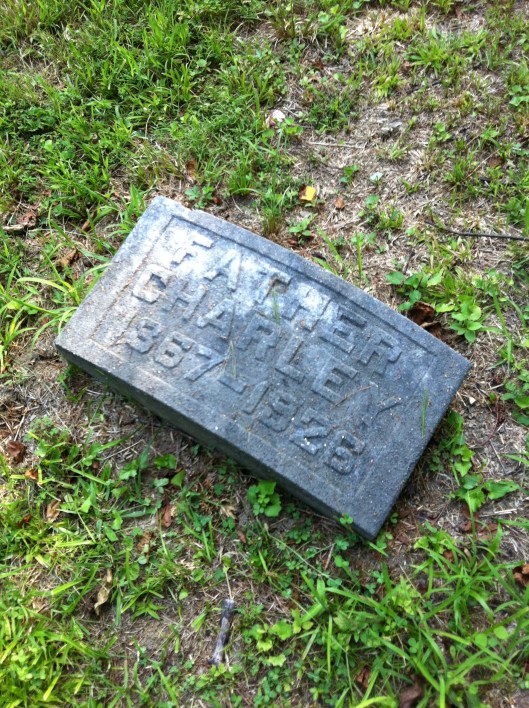
Charles Brumfield footstone, located in Harts, Lincoln County, WV, 2014
02 Saturday Aug 2014
Posted in Ed Haley
Tags
Ben Walker, Blood in West Virginia, Chapmanville, Ed Haley, Green McCoy, Green Shoal, Grimes Music Store, Harts Creek, history, John Hartford, Lincoln County, Lincoln County Feud, Logan, Logan County, Low Gap, Milt Haley, music, Nashville, Robert Ellis, Walker Family Cemetery, West Virginia, writing
That night, I left Harts and headed toward Nashville, where I soon called Robert Ellis, a Logan County man who supposedly had some Haley records.
“Ed used to play some music with my oldest brother that passed away in January,” Robert said. “He’d been to our house a lot of times, where we lived here in Chapmanville, and I’d heard him play a lot on the streets in Logan and around through the county here in different places. He was a good fiddler. One of the best.”
I asked Robert if he was a musician and he said he used to be but gave it up after a hand injury during World War II. He was pretty sure he had some of Ed’s records.
“I believe I do,” he said. “One or two of his records. My grandmother used to buy them here in Logan at the old Grimes Music Store in Logan.”
I never heard anything about Ed selling records like that…but who knows?
Robert surprised me when he started talking about Milt Haley’s murder.
“About where Milt and Green McCoy were buried down there at Harts Creek, a feller told me some time ago that it was there at Low Gap,” he said. “How come me to know about that, we used to do military funerals a lot and we had a flag-raising at that Walker Cemetery there. I asked this feller if we were close to where those men were buried. He said, ‘Yeah, right back up yonder those fellers are buried.’ And this Carver that was with us that day, his grandfather was in with the ones that buried these people.”
Robert heard about the Haley-McCoy murders from his grandmother.
“These Brumfields, they killed these fellers and left them in a big two-story house there at the mouth of Green Shoal,” Robert said. “That two-story house is torn down now. Somebody was supposed to be left to guard them and they all got drunk and carousing around, so someone slipped in — so my grandmother told me — and chopped the boys up with an axe. Some of them found out about it and they said, ‘These men’s gotta be buried.’ So some of the Brumfields — at that time they was a lot of them down in there and they were tough — and they said, ‘Leave them where they’re at.’ This Carver, his grandfather said, ‘We’re gonna bury them. That’s all I’m gonna say and I’ve told you we’re gonna bury them.’ So them Brumfields evidently knew him and wouldn’t bother him and they went up there and buried those boys.”
02 Saturday Aug 2014
Posted in Atenville, Women's History
Tags
Atenville, Atenville Grade School, basketball, history, June C. Adkins, Lincoln County, photos, Sports, West Virginia
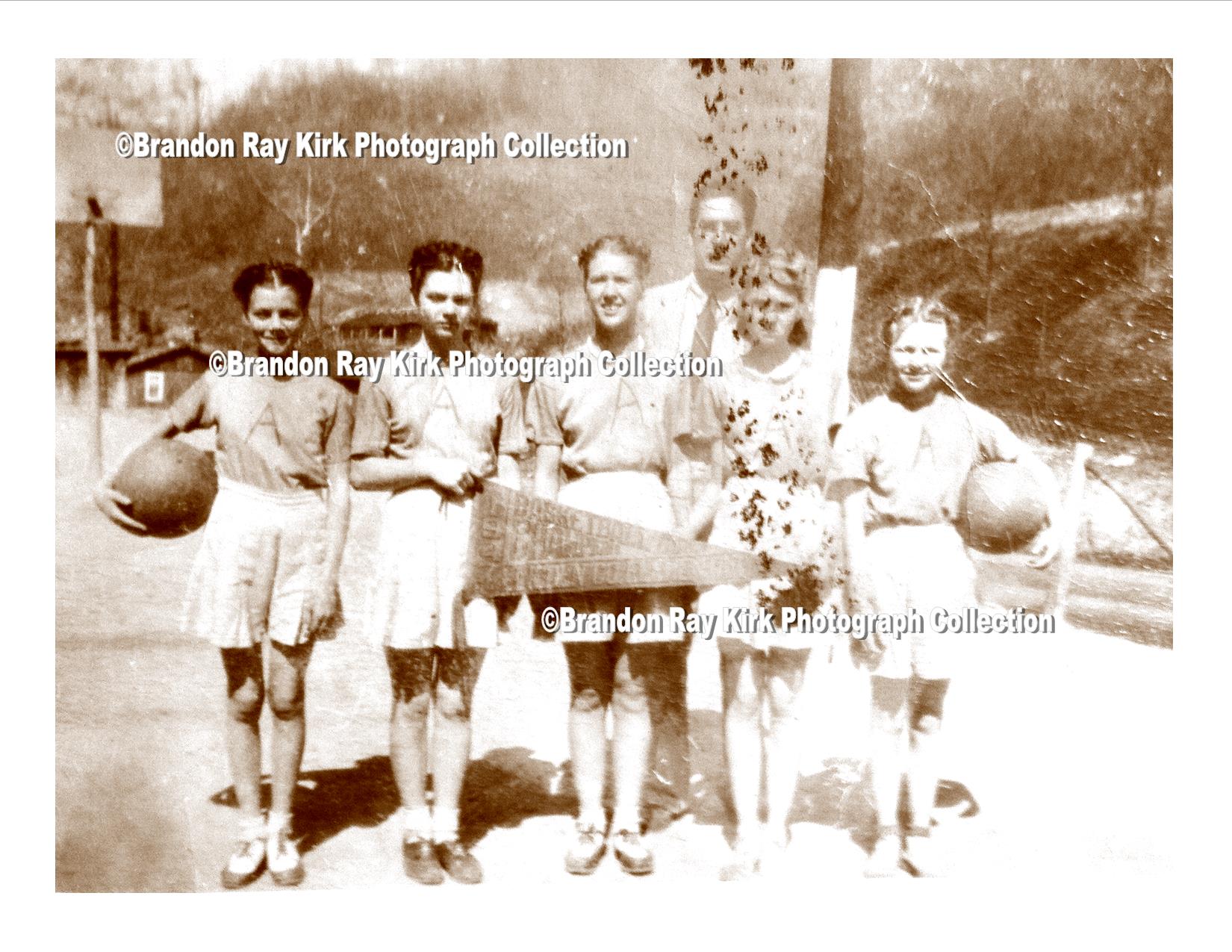
“Lincoln County Champs,” June C. Adkins (coach)
02 Saturday Aug 2014
Posted in Big Creek, Big Ugly Creek, Chapmanville, Coal, Gill, Ranger
Tags
Bernie, Big Creek, Big Ugly Coal Company, Big Ugly Creek, Brad Gill, C&O Railroad, Chapmanville, Ernest Sperry, forest fires, genealogy, Genil Messinger, Gill, history, Houston Elkins, I.E. Tipton, Lee Adkins, Lincoln County, Lincoln Republican, Logan County, mumps, Philip Sperry, Ranger, Sam Sperry, singing schools, W.M. Sperry, West Virginia
“Reporter,” a local correspondent from Gill in Lincoln County, West Virginia, offered the following items, which the Lincoln Republican printed on Thursday, April 26, 1923:
We are having fine weather for farming.
The Sunday school is progressing nicely at this place.
Prof. Lee Adkins is teaching a singing school at this place. The young folks seem to be taking a great interest, and are learning to sing nicely.
A number of the Ranger boys visited our singing school Sunday.
I.E. Tipton, our section foreman, has a very sick child.
Sam and Ernest Sperry, of Bernie, were visiting their brothers, W.M. and Philip Sperry, of Gill, Saturday, and Sunday.
Brad Gill has been suffering from the mumps the past week or two.
The Big Ugly Coal Co., has ceased operation here and their property will sell on April 30th to pay off their indebtedness, and will probably go into the hands of new operators.
Genil Messinger has moved down from Big Creek, Logan County, to Gill.
Forest fires were raging in this section last Sunday. Houston Elkins came very near losing his barn, horses and cows.
Fourteen coal cars were derailed at Chapmansville one day last week. No one was injured in the wreck.
01 Friday Aug 2014
Posted in Big Harts Creek, Lincoln County Feud
Tags
Blood in West Virginia, Cain Adkins, doctor, Harts Creek, history, Lincoln County Feud, Logan County, photos, preacher, teacher, West Fork, West Virginia

Cain Adkins, resident of the West Fork of Harts Creek, Lincoln County, and participant in the Lincoln County Feud
01 Friday Aug 2014
Posted in Big Harts Creek, Ed Haley, John Hartford, Music, Shively
Tags
Arkansas Traveler, Billy in the Lowground, Birdie, Black Bottom, Brandon Kirk, Brushy Fork of John's Creek, Charles Conley Jr., Charlie "Goo" Conley, Charlie Conley, Dixie Darling, Dood Dalton, Down Yonder, Drunken Hiccups, Ed Haley, Ella Haley, fiddle, fiddler, fiddling, Garfield's Blackberry Blossom, Goin' Across the Sea, Handome Molly, Harts Creek, Hell Among the Yearlings, history, I Don't Love Nobody, John Hartford, Logan, Logan County, music, Pickin' on the Log, Stackolee, The Fun's All Over, Twinkle Little Star, West Virginia, Wog Dalton, writing
After a few minutes of downplaying his ability, Charlie had his wife fetch his fiddle from inside the house. With some hesitation, he put it against his chest and took off on “The Fun’s All Over”.
After he’d finished, I asked him if Ed played with the fiddle at his chest and he said no — he put it under his chin.
Charlie played some more for us: “Birdie”, “Stagolee”, “Twinkle Little Star”, and “I Don’t Love Nobody”.
He seemed a little displeased with his playing, remarking, “Boys when your fingers stop working like they used to, you don’t do as you want to. You do as you can.”
Brandon asked Charlie, “Do you remember how Ed pulled his bow when he played?”
“He held it like that toward the middle and just shoved it,” Charlie said. “He played a long stroke. When he’d be playing a long stroke, I’d be a playing a short stroke and every now and then you’d see him turn his head around and listen to ya. If you missed a note, buddy, he called you down right there. ‘That ain’t right,’ he’d say. ‘That ain’t right.’ Man, he’d sit in playing ‘er again just like a housefire.”
I asked, “When Ed would play a tune, how long would he play it for?”
“He’d play as long as they’d dance,” he said.
Would he play it for fifteen minutes?
“No, hell, he’d play for an hour at a time,” Charlie said. “After he finished a tune, he’d hit another’n.”
I wondered if Ed ever played “Down Yonder”.
“Yeah, I’ve heard him play it,” Charlie said. “He played everything in the world, Ed did.”
What if someone asked him to play something he didn’t like?
“He’d shake his head no and he’d play something else,” Charlie said. “That’s just the way he was…he was a stubborn old man. He had one he played he called ‘Handsome Molly’.”
“That’s almost ‘Goin’ Across the Sea’,” I said. “Did Ed play ‘Goin’ Across the Sea’?”
Charlie said, “Yeah, that old woman would sing it.”
I got out my fiddle, hoping to get Charlie’s memory working on more of Ed’s tunes. I played “Blackberry Blossom” and “Brushy Fork of John’s Creek” with little response other than, “Yep, those are some of old man Ed’s tunes.”
Then, when I played “Hell Among the Yearlings”, Charlie caught me off guard by saying, “That’s called ‘Pickin’ on the Log’.”
At that juncture, he took hold of his fiddle and played “Arkansas Traveler” and “Billy in the Lowground”.
I could tell he was loosening up, so I got him to play “Warfield”. It was about the same thing as the Carter Family’s “Dixie Darling”, to which it would be real easy to sing:
Goodbye girls, we’re goin’ to Warfield.
Goodbye girls, we’re goin’ to Warfield.
Goodbye girls, we’re goin’ to Warfield.
Naugatuck’s gone dry.
It was great to watch Charlie because he was the first active fiddler I’d met on Harts Creek.
During our visit, Brandon and I were able to formulate some idea of Charlie’s background. He was born in 1923. His father Charlie, Sr. went by the nickname of “Goo” to distinguish him from his uncle Charlie Conley — the one who’d killed John Brumfield in 1900. Charlie’s earliest memories of fiddling were of watching his father play “some” on old tunes like “Drunken Hiccups”. He also remembered Dood Dalton.
“Yeah, I’ve heard him play,” he said. “I don’t know how good he was, but I’ve heard him jiggle around on the fiddle. He used to come up home. I was raised right up in the head of this creek up here. Him and my daddy was double first cousins and my daddy had an old fiddle. They’d get it out and they’d play on it half of the night — first one and then another playing on it — but I couldn’t make heads or tails of what they was playing.”
Charlie didn’t know that his great-grandfather Wog Dalton had been a fiddler.
Charlie told us a little bit about his early efforts at fiddling.
“My daddy had that old fiddle and I heard him fool with it so much I said to myself, ‘Well, I’ll just see if I can do anything with it.’ And I started fooling with it and the more I fooled with it the more I wanted to fool with it and I just got to where I could play it a little bit.”
Charlie got good enough to fiddle for dances all over Logan County, sometimes getting as much as fifty dollars a night at Black Bottom in Logan.
“You had to duck and dodge beer bottles all night,” he said. “Man, it was the roughest place I ever seen in my life. They’d get their guts cut out, brains knocked out with beer bottles and everything.”
It sounded a lot like my early days back home.
I asked Charlie how he met Ed and he said, “I got acquainted with him up there at Logan when him and his wife played under that mulberry tree there at that old courthouse. And I’d hear about him playing square dances. I was playing over there at this place one time — he was there. This guy had got him to come there and play, too. He just sit down there, buddy, and we set in playing. We fiddled to daylight. People a dancing, I’m telling you the truth, the dust was a rolling off the floor.”
Charlie said the last dance he remembered on Harts Creek was in 1947.
01 Friday Aug 2014
Posted in Big Harts Creek, Lincoln County Feud, Spottswood
Tags
Anthony Adams, Appalachia, Blood in West Virginia, genealogy, Harts Creek, history, Lincoln County Feud, Logan County, photos, West Virginia

Anthony Adams, resident of Harts Creek, Logan County, and participant in the Lincoln County Feud
31 Thursday Jul 2014
Posted in Big Ugly Creek, Leet, Sand Creek
Tags
Big Ugly Creek, Bill Fry, chickens, Durg Fry, Emma Paris, farming, Frank Fry, genealogy, history, John Harder, John Shelton, Leet, Lincoln County, Lincoln Republican, Sand Creek, Toney Paris, West Virginia, Zattoo Cummings
“Reporter,” a local correspondent from Leet in Lincoln County, West Virginia, offered the following items, which the Lincoln Republican printed on Thursday, April 19, 1923:
The farmers of this section are slow this year in getting their work started.
Emma Paris has been very ill the past two weeks.
Toney Paris has purchased some fine stock chickens and is going into the poultry business.
Forest fires have damaged the property of Zattoo Cummings a great deal this spring.
John Harder lost a fine horse one day last week.
Bill Fry has gone to Sand Creek to haul for John Shelton.
Anderson Fry is suffering from boils on his neck.
Frank Fry lost six bushels of potatoes one night recently, thieves having entered his potato hole.
31 Thursday Jul 2014
Posted in Harts, Lincoln County Feud, Timber
Tags
Appalachia, Blood in West Virginia, crime, Harts, history, Lincoln County, Lincoln County Feud, photos, U.S. South, West Virginia, Will Adkins
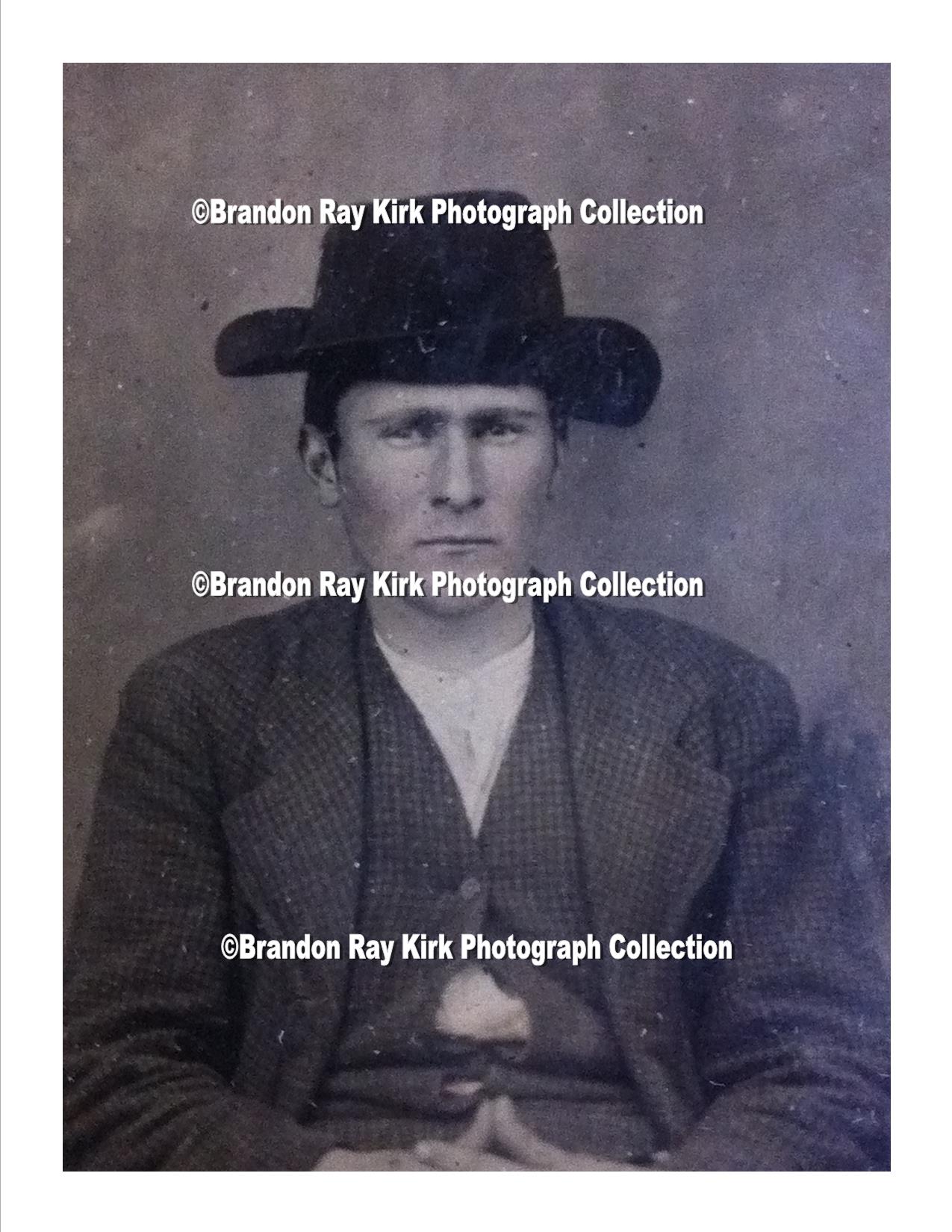
G.W. “Will” Adkins, member of the 1889 mob, resident of Harts, Lincoln County, WV
31 Thursday Jul 2014
Posted in Big Harts Creek, Ed Haley, Lincoln County Feud, Shively
Tags
Alton Conley, Big Creek, blind, Blood in West Virginia, Brown's Run, Burl Farley, Charles Conley Jr., Charlie Conley, Clifford Belcher, Conley Branch, crime, Ed Belcher, Ed Haley, Ella Haley, fiddler, fiddling, Green McCoy, Green Shoal, Guyandotte River, Harts Creek, history, John Brumfield, Lincoln County Feud, Logan, Logan County, Milt Haley, Mona Haley, music, Robert Martin, Smokehouse Fork, Warfield, West Virginia, Wirt Adams, writing
From Clifton’s, we went to see Charlie Conley, Jr., a fiddler who lived on the Conley Branch of Smokehouse Fork of Harts Creek. Wirt Adams had mentioned his name to us the previous summer. We found Charlie sitting on his porch and quickly surrounded him with a fiddle, tape recorder, and camera.
When I told him about my interest in Ed Haley’s life, he said Ed played so easy it was “like a fox trotting through dry leaves.”
Charlie said Ed was a regular at Clifford Belcher’s tavern.
“Right there, that’s where we played at on the weekends,” he said. “He used to play there a lot, the old man Ed Haley did. Me and another boy, Alton Conley — he’s my brother-in-law, just a kid… I bought him a guitar and he learned how to play pretty good. He could second pretty good to me, but he couldn’t keep up with that old man. He knowed too many notes and everything for him. The old man realized he was just a kid.”
Charlie told us an interesting story about how Ed came to be blind.
“Milt and Burl Farley, they was drinking where Burl lived down at the mouth of Browns Run. And Ed was just a little baby — been born about a week. Old man Burl said to Milt, ‘Take him out here and baptize him in this creek. It’ll make him tough.’ And it was ice water. He just went out and put him in that creek and baptized the kid and the kid took the measles and he lost his eyes. That’s how come him to be blind.”
That was an interesting picture: Milt and Burl hanging out on Browns Run. We had never really thought about it, but there was a great chance that all the men connected up in the 1889 troubles knew each other pretty well and maybe even drank and played cards together on occasion. For all we knew, Milt may have worked timber for Farley.
Brandon asked Charlie if he knew what happened to Milt Haley.
“They said the Brumfields killed him,” Charlie said. “Him and his uncle was killed over at a place called Green Shoal over on the river somewhere around Big Creek. They were together when they got killed. That was way back. I never knew much about it.”
Obviously Green McCoy wasn’t Ed’s uncle, but I had to ask Charlie more about him.
“All I can tell you is he was old man Ed’s uncle,” he said. “They lived over there on the river, around Green Shoal.”
So Ed was raised on the river?
“No, he lived down here on the creek, right where that old man baptized him in that cold water at the mouth of Browns Run,” Charlie said. “That’s where he was born and raised at, the old man was.”
I guess Charlie meant that Green lived “over there on the river,” which was sorta true.
He didn’t know why Milt Haley was killed, but said, “Back then, you didn’t have much of a reason to kill a man. People’d get mad at you and they wouldn’t argue — they’d start shooting. Somebody’d die. I know the Conleys and the Brumfields had a run in over there on the river way back. Oh, it’s been, I guess, ninety year ago. Man, they had a shoot-out over there and right to this day they got grudges against the Conley people. I’ve had run-ins with them several times. I say, ‘Look man, this happened before my time. Why you wanna fool with me for?’ But they just had a grudge and they wouldn’t let go of it.”
When we asked Charlie about local fiddlers, he spoke firstly about Robert Martin.
“They said Robert was a wonderful fiddler,” he said. “I had a half-brother that used to play a guitar with him when he played the fiddle named Mason Conley. I used to play with his brothers over there on Trace and with Wirt and Joe Adams. Bernie Adams — he was my first cousin. They said Robert was a wonderful fiddler.”
What about Ed Belcher?
“Yeah, Ed was pretty good, but he couldn’t hold old man Ed Haley a light to fiddle by. Belcher was more of a classical fiddler. Now, he could make a piano talk, that old guy could. I knowed him a long time ago. I noticed he’d go up around old man Ed and every oncest in a while he’d call out a tune for him to play. Ed’d look around and say, ‘Is that you, Belcher?’ Said, ‘Yeah,’ and he’d set in a fiddling for him. Maybe he’d throw a half a dollar in his cup and walk on down the street.”
Brandon said to Charlie, “Ed Belcher lived up at Logan, didn’t he?” and Charlie blew us away with answer: “Well now, old man Ed Haley lived up there then at that time. They lived out there in an apartment somewhere. The little girl was about that high the last time I seen her.”
Well, that was the first I heard of Ed living in Logan — maybe it was during his separation from Ella, or maybe there was an earlier separation, when Mona was a little girl.
I asked about a tune called “Warfield” and Charlie said, “That ‘Warfield’ is out of my vocabulary, buddy. I’ve done forgot them old tunes, now.”
31 Thursday Jul 2014
Posted in Big Harts Creek
Tags
Appalachia, culture, farming, Harts Creek, history, life, Logan County, photos, U.S. South, West Virginia
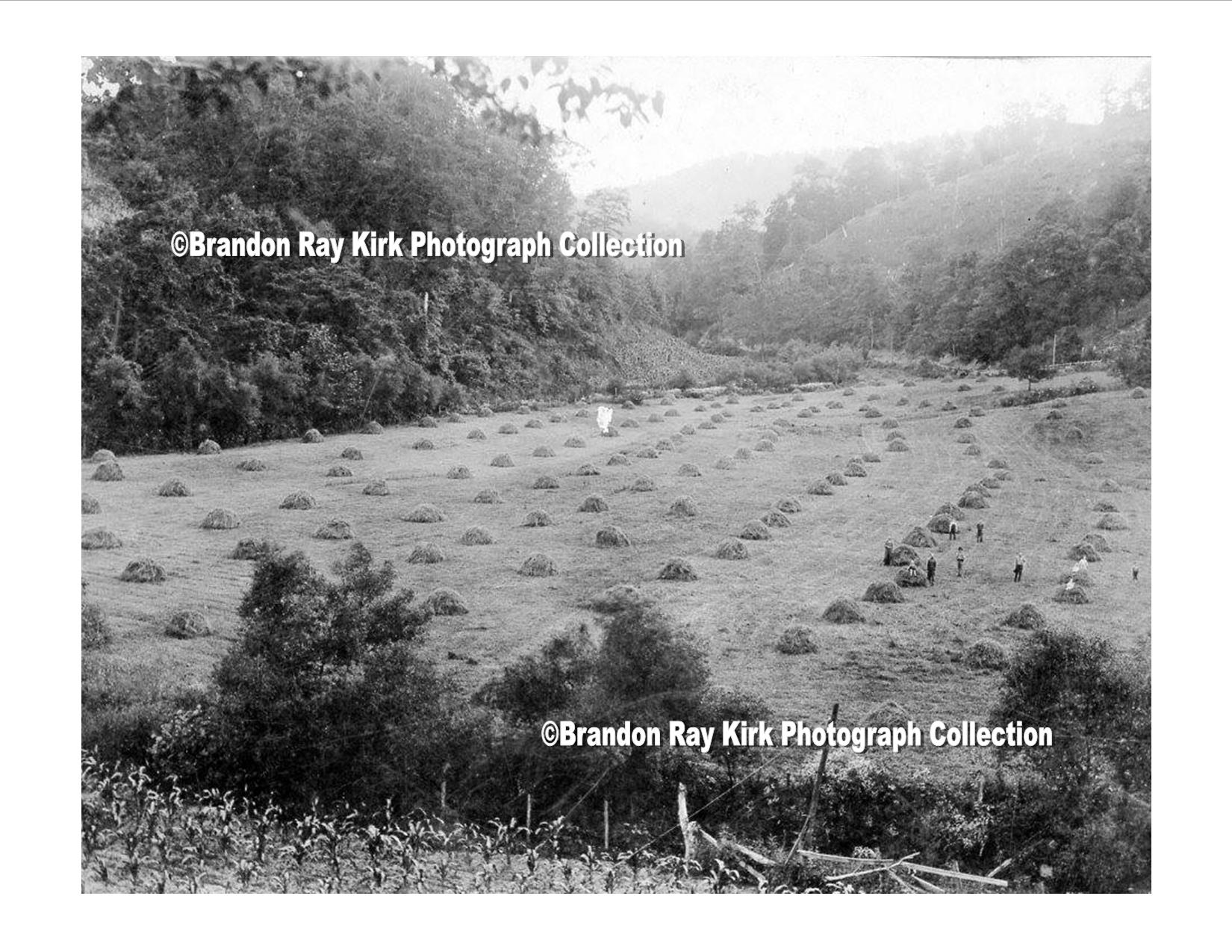
Harts Creek scene, Logan County, WV
30 Wednesday Jul 2014
Tags
Big Creek, Birchard Toney, Birdie Linville, Detroit, Esther Chafin, genealogy, Georgia Lilly, Hal Chafin, Hazel Toney, Henlawson, history, Huntington, J.W. Mitchell, Lincoln Republican, Logan, Logan County, Logan Hospital, merchant, Michigan, Virginia Dingess, West Virginia, William Clerk Lucas
An unnamed local correspondent from Big Creek in Logan County, West Virginia, offered the following items, which the Lincoln Republican printed on Thursday, April 19, 1923:
Mr. W.C. Lucas, our hustling merchant, made a business trip to Huntington, one day the past week.
Miss Georgie Lilly, who has been quite ill the past few days, is recovering.
Miss Virginia Dingess was the guest of friends in Big Creek, Saturday and Sunday.
Miss Birdie Linville, of this place, returned to Henlawson, Sunday evening.
Miss Esther Chafin, of Logan, was the guest of Miss Hazel Toney, Monday.
Mr. J.W. Mitchell, mall clerk at this place, is very ill at his home.
Mr. Birchard Toney has been in Detroit, where the took two prisoners from the Logan county jail.
Mr. Hal Chafin was admitted to the Logan Hospital Sunday evening.
30 Wednesday Jul 2014
Posted in Big Harts Creek, Whirlwind
Tags
Appalachia, general store, Harts Creek, history, Logan County, photos, U.S. South, West Virginia, Whirlwind

Whirlwind Post Office, located in the head of Harts Creek, Logan County, WV, 2014
30 Wednesday Jul 2014
Posted in Big Harts Creek, Ed Haley, Harts, John Hartford
Tags
Alice Baisden, Brandon Kirk, Clifton Mullins, Connie Mullins, Dicy Baisden, Ed Haley, Ewell Mullins, Harts, Harts Creek, Harts Fas Chek, history, John Hartford, Liza Mullins, music, Peter Mullins, Sol Bumgarner, Trace Fork, Von Tomblin, West Virginia, writing
A few days later, Brandon and I loaded up the bus and headed to Harts where we arrived about midnight and parked at the Fas Chek. The next morning, we drove to Trace Fork to scope out the hollow. Initially, we stopped to see Von Tomblin, Ewell Mullins’ daughter, who lived next door to “Ed Haley’s place.” Von said she thought the back part of her father’s house was original; we were welcome to walk over and check it out.
“Just be sure and watch for snakes,” she said.
We trudged over through the field to the maroon house where we cluelessly looked at it.
Eventually, Brandon pointed down the bottom to the site of Uncle Peter’s place at the mouth of Jonas Branch. A few minutes later, as we sat in a swing under a tree at Uncle Peter’s place, taking in the sights and smells, Clifton Mullins came walking up with a big grin on his face, decked out in a Hank Williams, Jr. T-shirt. We told him we were trying to figure out just how old Ewell’s house was and he suggested that we walk up the hollow and ask Bum about it.
In no time whatsoever, we were on the porch with Bum, Shermie, and two sisters named Alice and Dicy. We had a very confusing — but potentially crucial — conversation about Ewell’s place:
Brandon: Now Ewell had an older home before that one, didn’t he?
Bum: They built onto it, what they done.
Brandon: Which is the old part?
Bum: The back part again’ the hill.
Brandon: Now, Ewell bought that place off of Ed.
Bum: Well now, Ewell built the front part. But the log house that was here, Ed or some of them built it. Some of his people. Older house there. If I ain’t badly mistaken, it was a log house. Got different grooves on it now than what it was.
Brandon: Was you ever in the old place?
Bum: Yeah. Had four or five rooms.
Brandon: When did Ewell tear it down?
Bum’s sister: I think all they tore down was the kitchen part to it.
Brandon: So part of Ewell’s house is the old place?
Bum: They took out the back here again’ the hill.
Brandon: Is part of the old log home still there?
Bum: It’s covered up now.
Brandon: But they’s log under that?
Bum: Yeah, I think it is.
We eventually headed down the hollow to Clifton’s, where his sister Connie showed us more family photographs. Clifton showed us his storage building, which featured Aunt Liza’s beautiful spinning wheel on piles of bags and boxes. Brandon and I agreed right then and there that we would give just about anything to have it. For all we knew, Liza had used it to make or mend Ed’s clothes when he was a boy.
30 Wednesday Jul 2014
Posted in Big Harts Creek, Ed Haley, Music
Tags
banjo, Boone County, Ed Haley, genealogy, history, Johnny Hager, Johnny Hagter, music, photos, West Virginia
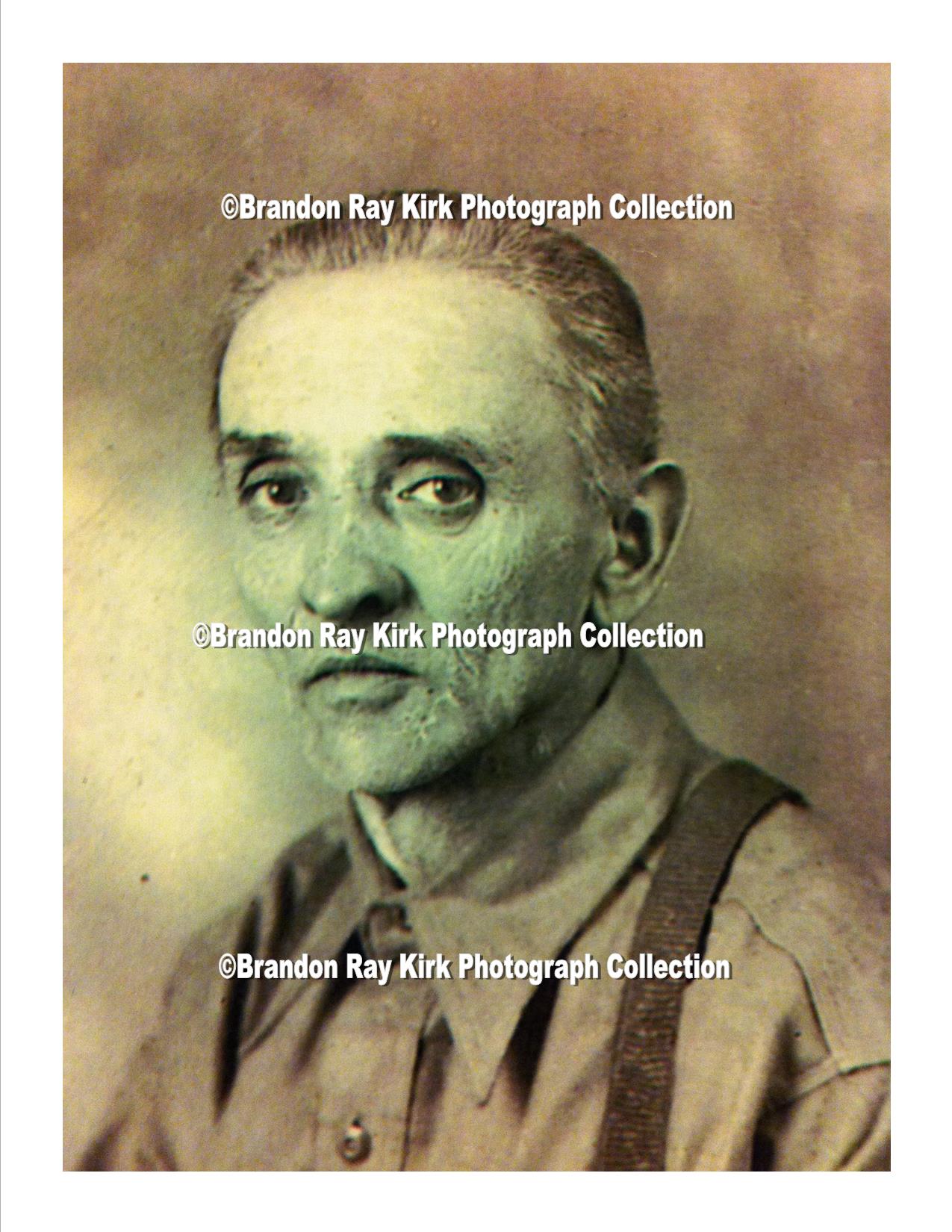
Johnny Hager, banjo player and friend to Ed Haley
28 Monday Jul 2014
Posted in Ferrellsburg, Lincoln County Feud, Women's History
Tags
Abbotts Branch, Blood in West Virginia, culture, George Fry, Green McCoy, history, life, Lincoln County, Lincoln County Feud, Milt Haley, photos, Stella Abbott, West Virginia
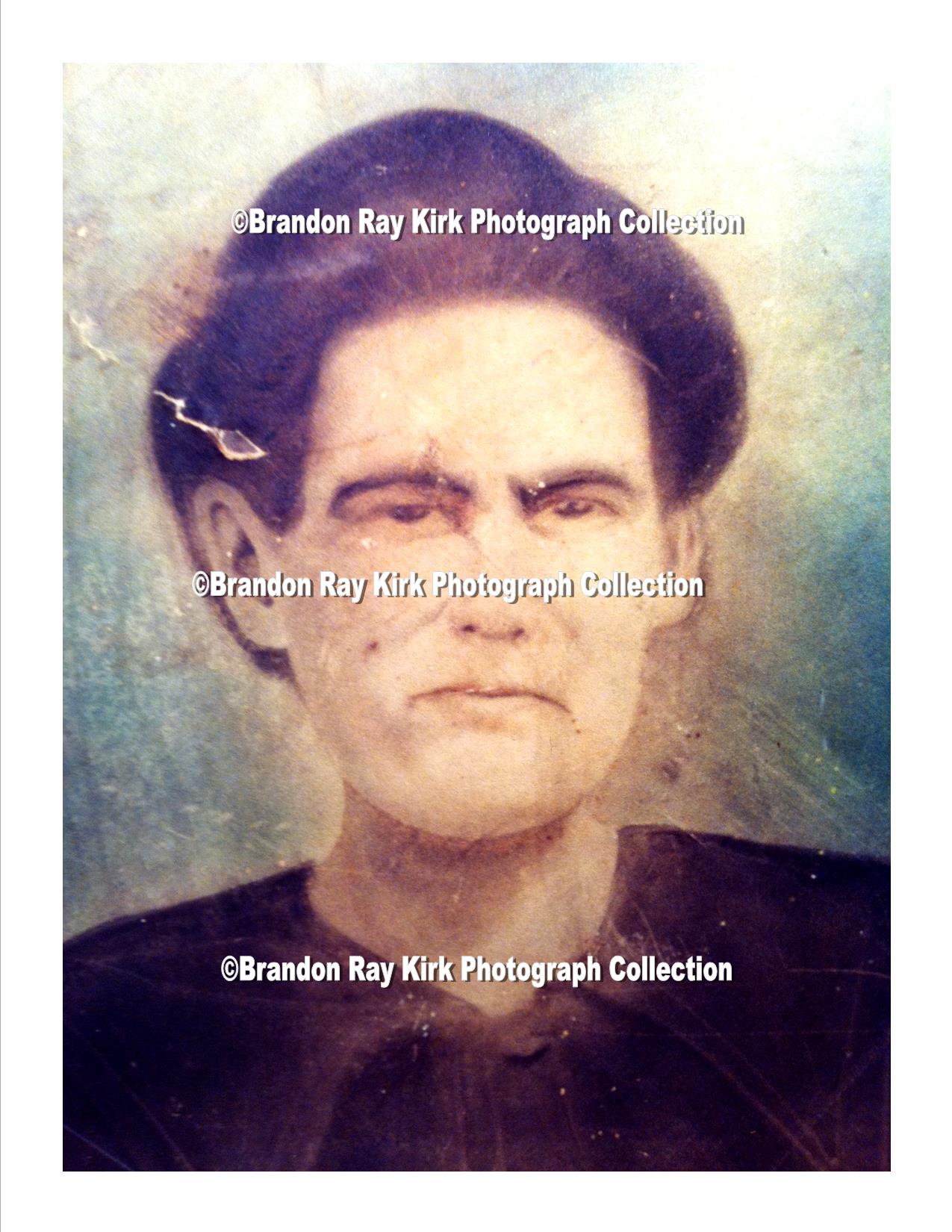
Stella Abbott, my great-great-grandmother, who helped to cook Haley’s and McCoy’s meal at the Fry home
28 Monday Jul 2014
Posted in Culture of Honor, Ed Haley, Lincoln County Feud, Music
Tags
Ashland, blind, Cincinnati, Crosley Radio Weekly, Ed Haley, Ella Haley, feud, fiddler, fiddling, Green McCoy, Hamlin, history, Kentucky, Lincoln County Feud, Lincoln Republican, Milt Haley, music, Ohio, West Virginia, WLW
About that time, Brandon found this teeth-rattling article while scanning through microfilm of the Lincoln Republican at the public library in Hamlin, West Virginia. It was titled “Ed Haley and Wife Play for the Radio” and dated Thursday, August 28, 1924.
The Crosley Radio Weekly, published at Cincinnati, Ohio, contains a good picture of Ed Haley and wife, the blind musicians so well known in Hamlin, with an interesting story of Mr. Haley, which we reproduce as follows:
The picture above is that of Mr. and Mrs. Ed Haley, of Ashland, Ky., blind fiddlers, who soon will entertain WLW listeners with a most interesting concert. They have the reputation of being the best old-time music makers of the mountains of West Virginia and Kentucky, making a living for themselves and their three children by playing at dances and county fairs. Mr. Haley is shown playing a fiddle connected with which there is a very interesting story of the old mountain feud days. His father was involved in the famous Brumfield-McCoy feud and was captured by the Brumfields. He was told he was to be shot to death in five minutes, during which time he calmly played his fiddle, the same one his son plays for radio listeners and which he was holding when the above picture was taken. The feudist and a friend was shot to death when the five minutes expired and both their bodies were buried in a wooden box. The fiddle, however, was kept by the Brumfields for some years and later returned to the son of the murdered man.
28 Monday Jul 2014
Posted in Lincoln County Feud
Tags
Beckley, Blood in West Virginia, book, books, Brandon Kirk, history, Lincoln County Feud, Tamarack, West Virginia, writing
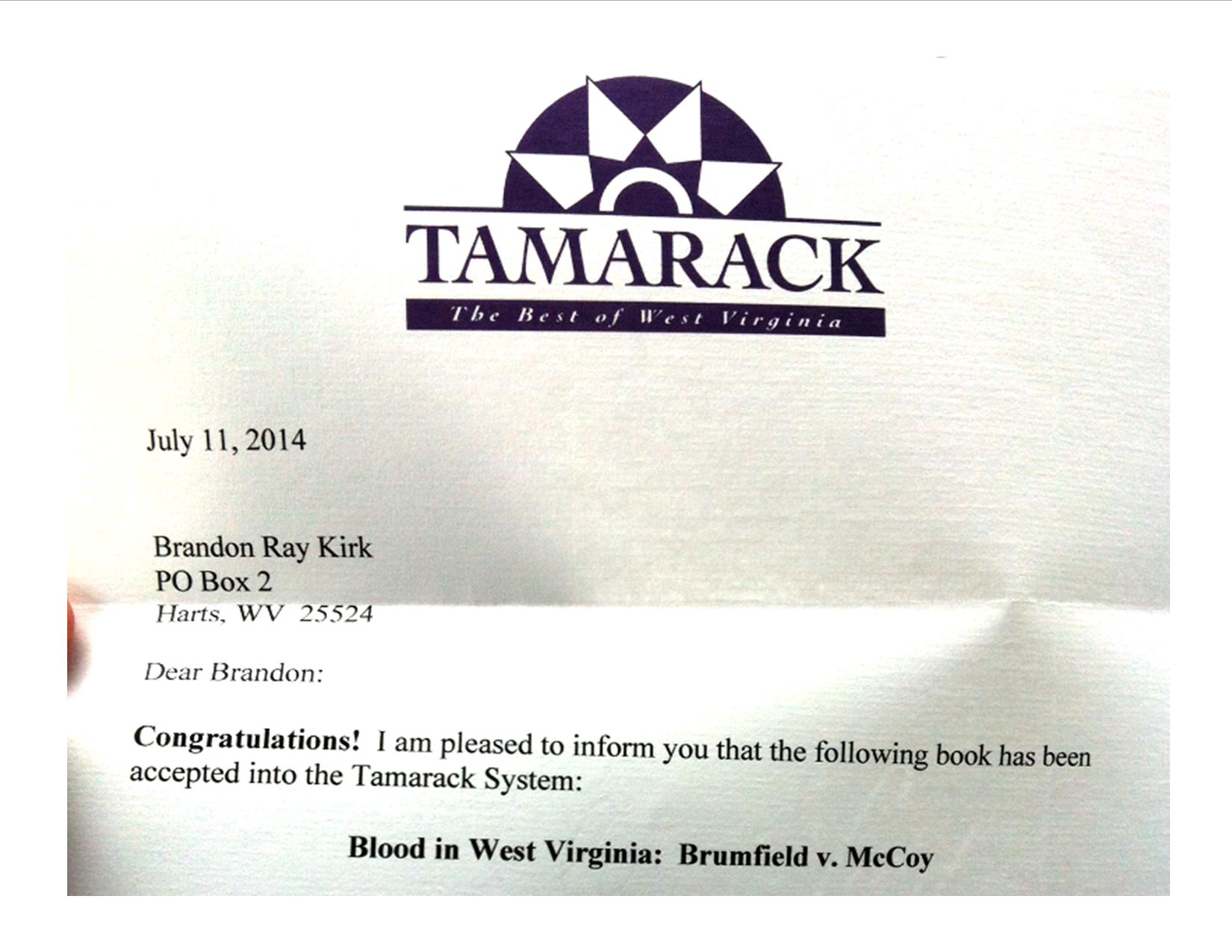
“Blood in West Virginia” is available for purchase at Tamarack, our state’s premiere showcase for native art
Writings from my travels and experiences. High and fine literature is wine, and mine is only water; but everybody likes water. Mark Twain
This site is dedicated to the collection, preservation, and promotion of history and culture in Appalachia.
Genealogy and History in North Carolina and Beyond
A site about one of the most beautiful, interesting, tallented, outrageous and colorful personalities of the 20th Century
 Brandon Ray Kirk