Tags
Appalachia, history, Huntington, Logan, Logan County, Methodist Episcopal Church South, Odd Fellows, photos, West Virginia
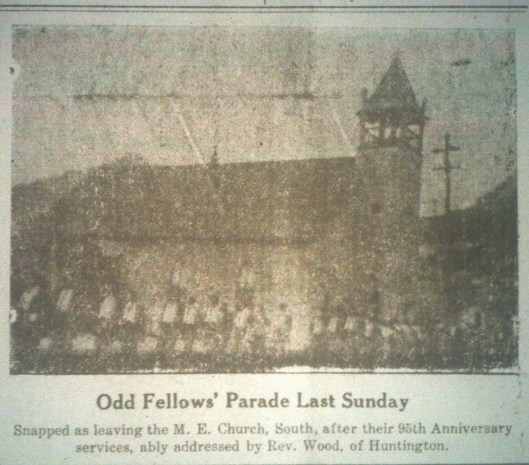
Logan (WV) Banner, 1 May 1914.
28 Friday Sep 2018
Posted in Huntington, Logan
Tags
Appalachia, history, Huntington, Logan, Logan County, Methodist Episcopal Church South, Odd Fellows, photos, West Virginia
Logan (WV) Banner, 1 May 1914.
28 Friday Sep 2018
Posted in Coal, Guyandotte River
Tags
Appalachia, coal, Committee on Education and Labor, Democratic Executive Committee, deputy sheriff, Don Chafin, Guyandotte River, history, Logan Coal Operators Association, Logan County, Mine Wars, miners, sheriff, U.S. Senate, Walter R. Thurmond, West Virginia
TESTIMONY OF MR. W.R. THURMOND.
Testimony of W.R. Thurmond, given before the Committee on Education and Labor of the United States Senate, at a hearing had in the City of Washington on October 26, 1921.
The witness, having been first duly sworn by the chairman, testified as follows:
THE CHAIRMAN: Mr. Thurmond, what is your position with the coal operators?
THURMOND: President of the Logan Coal Operators Association.
C: What is that Association?
T: The Logan Coal Operators’ Association is a voluntary association composed of 66 operating companies, located in that part of Logan County lying on the waters of the Guyan River, and operating 134 mines.
C: What percentage of the miners of Logan County belong to unions?
T: Only about 5 per cent, and none of them are in that part of Logan County. I have a map here that I think will show.
C: How much has your association contributed these different years to the payment of deputy sheriffs?
T: I have the years 1920 and 1921.
C: All right, sir.
T: The reason I did not go behind that year, you have that information in the governor’s investigation of West Virginia, which I understand was available to this committee.
C: Give us those two years.
T: Last year was $46,630, and was 4.9 mills on each ton of coal mined.
C: You have a system of assessing against each ton mined?
T: No, sir. I am giving you that for this reason. The newspapers had an article purporting that the Attorney General said to this committee that there was 10 cents a ton levied on every ton of coal shipped out of Logan County for the purpose of paying deputies, and I got this on this tonnage basis to refute that.
C: Four and nine-tenths cents.
T: Mills, not cents.
C: Oh, 4 mills?
T: Yes, less than one-half cent.
C: I do not remember that he said that, but he may have said it. Did he say it the other day before this committee?
T: No, the newspapers carried an article purporting him to have said that. I do not know whether he did or not. The public got that.
MR. AVIS: That 4 mills was for last year?
T: That was for 1920.
C: Can you figure any amount according to production of coal in tons among the officials?
T: No, sir.
C: What was it this year?
T: It is $61,517 up to and including September. Now, there are three reasons why there is an increase there this year, first the population of the county is growing each year, and new operations opening up, and we have more men, and the second reason is we are paying them a little more salary than last year, and the third and principal reason is this trouble which came on, and which we anticipated.
C: There were a good many new deputies sworn in during the trouble, were there not?
T: Yes, sir.
C: Did you people pay any of those deputies?
T: We paid that sum to the regular force.
C: How did you do that? Did you give a check to the sheriff?
T: Yes. We paid it to the bank. He rendered an account. Senator Shortridge asked if that was paid to the county treasurer. We have no county treasurer. The sheriff takes charge of those duties.
C: You paid that to the bank to the credit of the sheriff?
T: Yes, sir.
C: Did you pay it all at once?
T: Monthly.
C: Monthly?
T: Yes, sir. He gave us a statement.
C: How many deputies in 1920 did this $46,000 pay for?
T: I don’t know.
C: How many did they have in that county.
T: They have 54 now. There are 54 officers. That includes the sheriff himself and the elected officers.
C: It seems to me some one told us at Logan—and yet I do not want to be certain about that—that there were 50 deputies last year paid in that way.
T: I think you asked me that question, and I think you asked, “How many deputy sheriffs did you have?”
C: That is possibly true.
T: I said approximately 50 and I think later corrected the testimony and said I understood there were 54.
C: How many were there this year?
T: That is this year.
C: That is this year?
T: That is this year, yes.
C: You mean 1920?
T: 1921.
C: I am asking about 1920. You gave us the amount of money but I want to know how many deputies were employed in that way in 1920.
T: I don’t know.
C: You do not know?
T: No, sir.
A: I understood the witness to say the 54 included all the county officers.
C: I understood him to say there were some other officers.
T: There were six justices of the peace.
C: What salaries were paid to these deputies?
T: $175 a month.
C: $175 a month?
T: Some of them, and some $150.
C: Do these deputy sheriffs act as guards for your property?
T: No, sir.
C: They act as general deputy sheriffs?
T: Yes, sir.
C: Do they serve process around the county?
T: Yes, sir.
C: And arrest men who have no connection with your company?
T: Yes, sir.
C: Are all these deputies paid $175 a month?
T: No, not all of them.
C: The sheriff would know the exact number?
T: Yes, sir. He would know about that. I know they are not all paid that.
C: How long has that system of furnishing money to pay deputy sheriffs by the coal companies continued? How long has it been in operation?
T: I can not give you the exact number of years, but I think about 8 years.
C: Do you know whether that is carried on in any other county in West Virginia?
T: I don’t know, sir. The other gentlemen can testify to that.
NOTE: In 1921, Mr. Thurmond was chairman of the Democratic Executive Committee in Logan County, WV.
27 Thursday Sep 2018
Posted in Civil War, Monroe County
Tags
Appalachia, Brandon Kirk, civil war, Confederacy, Confederate Army, Hinton Marble Works, history, Monroe County, Phyllis Kirk, Union, West Virginia

Visiting the Confederate statue at Union, Monroe County, WV. 6 August 2016. Photo by Mom.
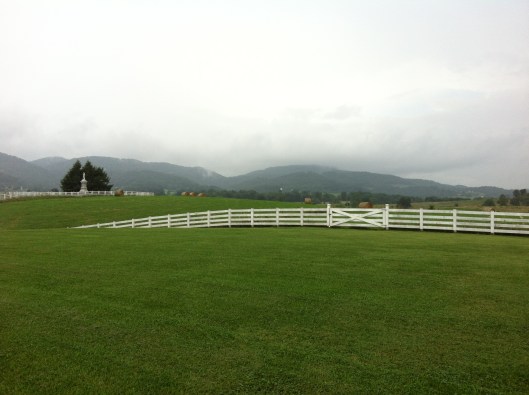
Way out in the distance is the statue. 6 August 2016.
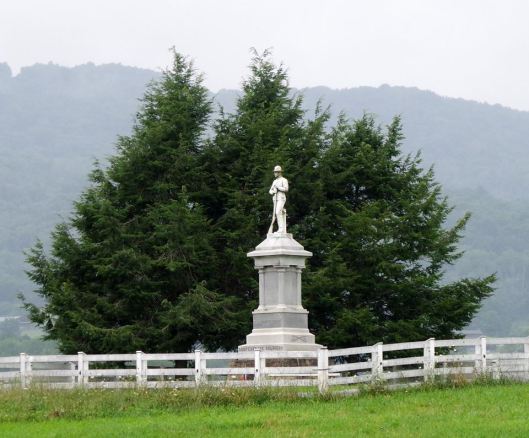
The statue. 6 August 2016. Photo by Mom.
27 Thursday Sep 2018
Posted in Big Sandy Valley, Guyandotte River, Hamlin, Huntington, Logan
Tags
Appalachia, Big Sandy River, Cabell County, Guyan Valley Bank, Guyandotte River, H.M. Booth, Hamlin, history, Huntington, James Barbour, Logan, Logan County, Mary Morris, Pennsylvania, Peter Dingess, Philadelphia, Richmond, Robert Brooke, Robert Morris, Robert Morris Grant, Russell County, Tug Fork, Virginia, West Virginia, William Crammond, Wythe County

320,000 Acres of Land Hereabouts Sold for Five Shillings According to Old Records Found in Old Vault
H.M. Booth, in cleaning out the vault of the old Guyan Valley Bank preparatory to moving his offices from Logan to Hamlin, uncovered a number of old documents that dated back to the time when “horse and buggy days” were a fact and not merely a political equation.
Many of these old papers, including deeds, receipts, account books and other papers of a semi-personal nature, are originals, while others are notarized copies of originals. They make interesting reading in these days of speed, radios, high prices and typewriters.
The old documents were all hand written, in clear, flowing script, the capital letters often decorated with fancy scrolls and shaded lines. Many of them were written with a quill pen.
Of particular interest is one deed, 12 ½ by 15 ½ inches, written on sheepskin. The ink has not faded, and although the skin is old and discolored, the deed is easily read. It was made in the days when Logan county was unheard of, and all this vicinity was part of Cabell county, Virginia. It seems strange, now, to think of a governor in Richmond, Virginia, parceling out land in Logan county.
The deed reads, in part: “James Barbour, Esq., Governor of the Commonwealth of Virginia: To all whom these presents shall come, Greeting: Know ye, that by virtue of a Land office Treasury warrant, No. 6126, upon the 9th day of Sept. 1780, there is granted by the said Commonwealth unto Peter Dingess, a certain Tract or Parcel of Land, containing one hundred and twelve acres, by survey, bearing date the 31st day of March, 1813, situate in the County of Cabell, joining to his own deeded land, and bounded as followeth, to-wit:”
Then follows a detailed description of the boundaries of the land, in which prominent trees and landmarks play a common part. After the description of the land, which was written in pen and ink, came the regular printed form as follows:
“In witness whereof, the said James Barbour, Esq., Governor of the Commonwealth of Virginia, hath hereunto set his Hand, and caused the Seal of the said Commonwealth to be affixed at Richmond, on the twenty-fifth day of October, in the Year of our Lord, One thousand eight hundred and fourteen, and of the Commonwealth the thirty-ninth.”
Down in the lower right hand corner of the paper can be plainly seen the signature of James Barbour, governor of Virginia at that time.
A notarized copy of another land deed was signed by Robert Brooke, Governor of Virginia in 1795, and was dated March 23 of that year. It deeded through the Land Office treasury warrants numbered from 472 to 530, inclusive, a parcel of land containing 480,000 acres, “by a survey made the 10th of September, 1794.” The land was described as being in the county of Wythe, on the Tug and Guyandotte rivers. This grant of land was known as the “Robert Morris Grant.”
Evidently, from the records, Robert Morris became involved in difficulties, for after a considerable amount of legal red tape, all duly recorded, there is a document showing where “Robert Morris and Mary, his wife, of Philadelphia, sell to William Crammond of Philadelphia as well for and in consideration of the sum of five shillings lawful money of Pennsylvania to them well and truly paid do grant bargain and sell, alien and enteoff release and confirm to the purchased 320,000 acres of land in the counties of Wythe and Russell, lying on both sides of Sandy Creek.”
Among the records of accounts paid found by Mr. Booth were numerous fees paid out for “boating freight from Huntington.” Six dollars and fifty cents is entered “for a suit of clothes,” and another entry shows where four dollars and a half were paid for two pair of shoes.
Source: Logan (WV) Banner, 19 August 1936
27 Thursday Sep 2018
Tags
American Legion Mountaineer Boys State, American Revolution, Appalachia, Battle of Chancellorsville, Beverly, Blake G. Woodson, Blood in West Virginia, books, Brandon Kirk, civil war, Confederate Army, Edward Jackson, First Battle of Manassas, George Conrad, Harpers Ferry, Henry McWhorter, history, Hugh O'Brien Youth Leadership Academy, Jackson's Mill, Jonathan Arnold, Jonathan Jackson, Julia Beckwith Neale Jackson Woodson, Laura Ann jackson, Lewis County, Lincoln County Feud, log cabin, Mary Conrad, Mexican War, Native American History, Native Americans, New Jersey, Pelican Publishing Company, photos, Phyllis Kirk, Revolutionary War, Rutherford B. Hayes, Stonewall Jackson, U.S. Military Academy, Union Army, Virginia Military Institute, West Point, West Virginia, West Virginia 4-H Camp, West Virginia University Archives, William McKinley, William Rohrbough

Years ago, I attended Hugh O’Brien Youth Leadership Academy (10th grade) and the American Legion Mountaineer Boys State (11th grade) here at Jackson’s Mill in Lewis County, WV. 29 August 2015. Photo by Mom.
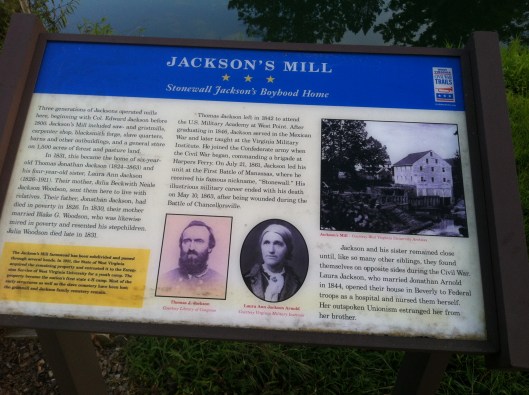
Jackson’s Mill is the boyhood home of Thomas J. “Stonewall” Jackson. 29 August 2015.
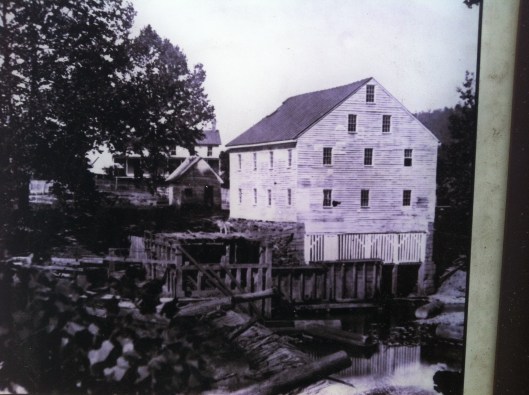
Jackson’s Mill. Original owned by West Virginia University Archives.

Jackson’s Mill Historic Area Map. 29 August 2015.

Mary Conrad Cabin/The General’s Store. William Rohrbough constructed the front in 1845; George Conrad constructed the back after 1855. 29 August 2015.

Mary Conrad Cabin/The General’s Store. Future U.S. presidents Rutherford B. Hayes and William McKinley reportedly visited the cabin at its original location. 29 August 2015.

Mary Conrad Cabin/The General’s Store. Dove tail notching. 29 August 2015.

Mary Conrad Cabin/The General’s Store. Love the dogtrot feature! 29 August 2015.

Mary Conrad Cabin/The General’s Store. BOOK MEETS LOG CABIN. I enjoy seeing the book with logs. 29 August 2015.
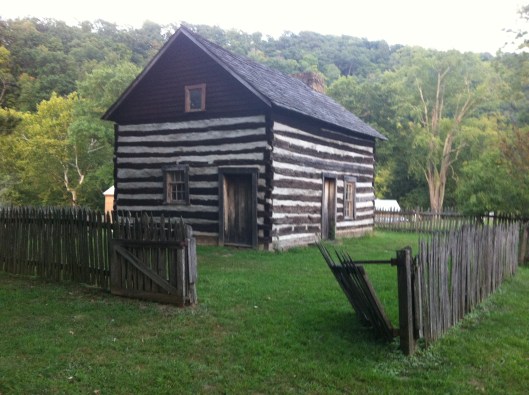
McWhorter Cabin. Built after 1793 by Revolutionary War veteran Henry McWhorter of New Jersey, this 18′ X 24′ cabin offers an internal chimney as protection from attacks by Native Americans. It was used as a home, church, school, and post office. 29 August 2015.

McWhorter Cabin. Note the square notching. 29 August 2015.

McWhorter Cabin. 1793 pioneer cabin meets 1889 feud history. 29 August 2015. Photo by Mom.
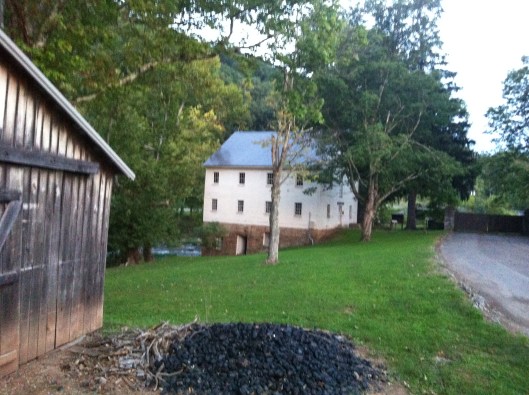
Jackson’s Mill. 29 August 2015.
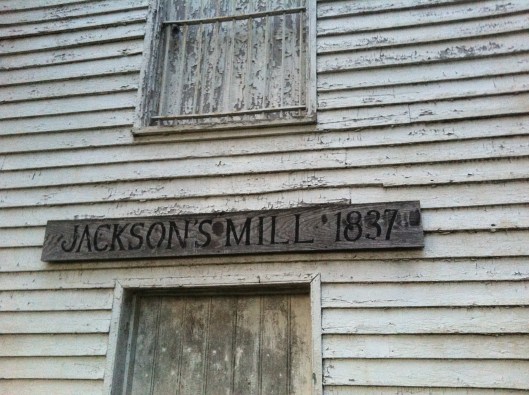
Jackson’s Mill, 1837. 29 August 2015.
27 Thursday Sep 2018
Posted in African American History, World War I
Tags
African-Americans, Alpha Phi, Appalachia, Athens, Dental College, dentist, genealogy, history, Howard University, Logan Banner, Logan County, McDowell Dental Clinic, Ohio, Ohio University, University of Pittsburgh, West Virginia, World War I
In April of 1929, the Logan Banner profiled numerous prominent African-American residents of Logan County, West Virginia.
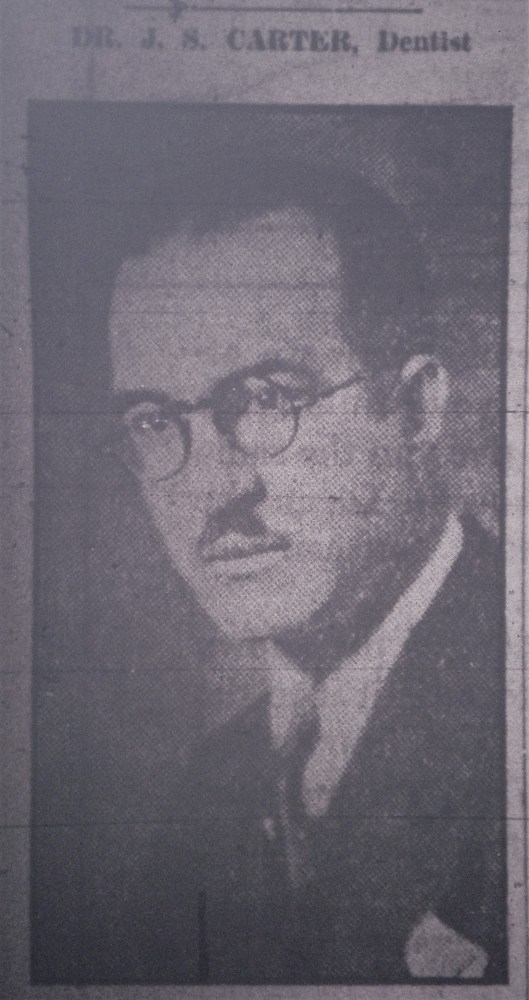
DR. J.S. CARTER, DENTIST
Washington Hotel, Logan, W.Va.
Graduate: Dental College of Howard University; did work at Ohio University, Athens, and the University of Pittsburgh; member of Alpha Phi fraternity. Dr. Carter served his country in the late World War. The doctor has practiced medicine six years, all of which has been done in West Virginia, his native state. The doctor has a modernly equipped office, engaged a large and profitable practice in Logan county. He is studious and alert to bring to his profession any scientific discoveries or new appliances that will benefit his patients. Dr. Carter has former connection with the McDowell Dental Clinic. The doctor encompasses a generous field of activities outside of his profession. He is prominent in fraternal and civic organizations in his county and state.
Source: Logan (WV) Banner, 16 April 1929
25 Tuesday Sep 2018
Posted in Guyandotte River
Tags
Appalachia, county clerk, genealogy, Guyandotte River, history, Isaac Adkins, Lincoln County, Logan County, Lorenzo D. Hill, Mile Branch, Squire Toney, Virginia, W.I. Campbell, West Virginia, William Straton

Deed Book C, page 488, Logan County Clerk’s Office, Logan, WV. This property is located in present-day Lincoln County, WV.
25 Tuesday Sep 2018
Posted in Battle of Blair Mountain, Coal, Logan
Tags
American Sociological Society, Appalachia, coal, Colorado, Dartmouth College, deputy sheriff, Don Chafin, Edgar Combs, Edward F. Moore, H.W. Houston, Hanover, history, Industrial Management, Jerome Davis, Logan, Logan County, Macmillan Company, New Hampshire, notary public, Pennsylvania, sheriff, United Mine Workers of America, West Virginia
State v. Edgar Combs
Affidavit
Filed in open Court
Oct. 15, 1923
***
The American Sociological Society
Dartmouth College
Hanover, N.H.
August 1, 1923
As a teacher in Dartmouth College I have been called on to make several investigations into conditions in coal mining regions in Colorado and Pennsylvania. One of my studies was published by the Macmillan Company and another by Industrial Management. I have never been connected in any way with a labor union and believe that my testimony is impartial.
I have recently been to West Virginia for the purpose of studying conditions in the coal industry there. I was in the state for a total of about a month during June and July of this year. For the major part of this time I was in Logan County or in the surrounding counties.
I found it extremely difficult to secure affidavits from coal miners and others because they stated they were afraid of Don Chaffin and his Deputy Sheriffs. It seemed to be the general consensus of opinion that any person connected with the United Mine Workers of America would not knowingly be permitted to remain in the county and might be subjected to violence. I counted the names of over two hundred deputy sheriffs in the court records of the county and Don Chaffin informed me that the unions had so far been successfully kept out of the district.
Whether justified or not, operators and officials with whom I talked in Logan seemed to feel especial bitterness against H.W. Houston, Attorney of the United Mine Workers of America. It seems to me probable that necessary witnesses for the defense would be reluctant to testify fully and freely, and that they might actually be afraid to attend court for any considerable time. I know that there are a large number of responsible citizens of Logan County who share this belief, although they may not be willing to testify publicly for the reasons given above.
Jerome Davis
Taken, subscribed and sworn to before me this first day of July, 1923.
My commission expires on the 17th day of Feb 1928.
Edward F. Moore, Notary Public
***
For more about Jerome Davis, follow these links:
https://en.wikipedia.org/wiki/Jerome_Davis_(sociologist)
24 Monday Sep 2018
Posted in Culture of Honor
Tags
Appalachia, crime, feuds, history, Huntington Advertiser, Jack Robinson, Knoxville, Robinson-Savage Feud, Tennessee, true crime, Union County, William Savage

Huntington (WV) Advertiser, 10 August 1899.
24 Monday Sep 2018
Posted in African American History, Big Creek, Big Harts Creek, Boone County, Civil War, Crawley Creek, Holden, Logan, Man, Pecks Mill, Whirlwind
Tags
A.B. White, A.L. Browning, A.V. Pauley, African-Americans, Andrew Jackson, Appalachia, Band Mill Hollow, Big Creek, Boone County, C.H. Gilkinson, civil war, Confederacy, Confederate Army, Crawley Creek, Curry, Dave Bryant, Dyke Bryant, Dyke Garrett, Ethel, genealogy, Gettysburg, Green Thompson, Harrison White, Harts Creek, Harvey Chafin, Henlawson, Henry Mitchell, history, Holden, House of Delegates, Hugh Avis, J. Matt Pauley, Jackson McCloud, James Zirkles, John Bryant, John Neece, Joseph Lowe, Judy Bryant, Kistler, Leslie Mangus, Logan, Logan Banner, Logan County, Lucinda Spry, M.T. Miller, Madison, Man, Martha Jane Smith, Melvin Plumley, Mingo County, Monaville, Mt. Gay, Pecks Mill, preacher, Shegon, Slagle, slavery, Steve Markham, Stollings, Union Army, W.C. Turley, Wade Bryant, Wayne County, West Virginia, Whirlwind, William C. Lucas, William Chafin, William Workman, Zan Bryant
In 1929, the State of West Virginia nearly opted to allocate a monthly pension to its Confederate veterans, as well as blacks who had served the Confederate Army in service roles. In covering the story, the Logan Banner of Logan, WV, compiled a list of its remaining Confederate veterans.
HOW MANY VETERANS?
A pension of $20 a month is provided for Confederate veterans of the state by a bill passed by the Senate last week and sent in the House for concurrence. Senator M.T. Miller, of Boone county, who said he could not vote to pension men who had carried arms against their government, cast the only vote against the proposal.
A Charleston paper says there are only about 60 Confederate veterans living. This paper cannot believe that, although it has no information on the subject. How many are there in Logan county? Does anyone know? Has anyone an approximately correct list? If so, will he or she make the fact known? Uncle Dyke Garrett probably knows most of them.
The Banner would like to obtain a list of both Confederate and Union veterans still living in the county, together with their post office address.
Source: Logan Banner, 26 February 1929.
***
AS TO OLD SOLDIERS
The Banner’s request for information about old soldiers living in Logan county has not been in vain, nor has the response been satisfactory. The names of four confederate veterans have been turned in, as follows:
Rev. Dyke Garrett, Curry, beloved and venerable minister; William Workman, Shegon, who fought at Gettysburg and is now 88; Steve Markham, Holden No. 20, who has been blind for 20 years; and William Chafin, who lives with his son Harvey, at Holden 5 and 6.
Who are the others? Send in their names and addresses and any information you deem of interest concerning their careers as soldiers and citizens. The same information about Union soldiers, residents of the county, is likewise desired.
Logan Banner, 5 March 1929.
***
PREPARING THE ROLL
Another name has been added to the list of old soldiers that The Banner has undertaken to compile. Reference is to J. Matt Pauley, residing in Band Mill Hollow, post office Stollings. He was in the Confederate army, fought throughout the war and was wounded, writes Mrs. A.V. Pauley of Ethel. He is of the same age as Uncle Dyke Garrett.
The names of four survivors of the War Between the States, all living in Logan county, were published in Tuesday’s paper. There must be others. Who are they?
Today, W.C. Turley brought in a list of eight Confederate veterans, including the following new names: Wm. C. Lucas, Big Creek; Henry Mitchell, Henlawson; Hugh Avis, Green Thompson and John Neece, Logan; Harrison White, Pecks Mill.
Logan Banner, 8 March 1929.
***
On Confederate Roll
Two more names have been added to the roll of Confederate veterans that The Banner is preparing. These are James Zirkles of Man, whose name was sent in by Leslie Mangus, of Kistler, and Zan Bryant of Whirlwind, whose name was recalled by County Clerk McNeely. Are there not others besides nine or ten previously published?
Logan Banner, 12 March 1929.
***
Confederate Veterans Living Here Number at Least 17
There Are Probably Others–Will You Help to Enroll Them–All Merit the Tender Interest of Younger Folk
Seventeen names of Confederate soldiers, residents of the county, have been collected by The Banner. Wonder if any have been overlooked, or if the appended list is in error in including any Union veterans? If any reader knows of a Confederate soldier not listed here, please send in the name and address AT ONCE. There will be no further request or reminder.
This paper undertook to make up a list of these old soldiers for two reasons. Chief of these was a desire to prevent any of them being overlooked in case a bill to pension them was passed by the legislature–but the writer does not know yet whether or not that bill was enacted into law. Another reason for assuming the task was to test in a limited way a statement in a Charleston paper that there were only 60 Confederate veterans left in the state. That statement was doubted, and with good reason judging from the number polled in this county. Anyhow, the ranks have become terribly thinned. Every few days we all read of taps being sounded for another one here and there.
Middle-aged men and young folk should esteem it a privilege to do something to brighten the lives of these old soldiers. As the years roll by our pride will increase as we recall our acquaintance with and our kindness toward the “boys of ’61 and ’65.”
Here is the list. Look it over, and if there is a name that should be added or a name that should be stricken out, or any error or omission that should be corrected or supplied, speak up:
James Zirkles, Man; Zan Bryant, Whirlwind; J. Matt Pauley, Ft. Branch; Uncle Dyke Garrett, Curry; William C. Lucas, Big Creek; Henry Mitchell, Henlawson; Hugh Avis, Green Thompson and John Neece, all of Logan; Harrison White, Pecks Mill; Melvin Plumley, Crawleys Creek (post office not known); William Workman, Shegon; Steve Markham, Holden No. 20; William Chafin, No. 5 and 6.
Logan Banner, 15 March 1929.
***
Two Names Added Confederate Roll
Bill to Pension Them is Defeated By Parliamentary Tactics in House
Names of two more Confederate soldiers living in the county have been sent to The Banner. They are: C.H. Gilkinson, minister, resident of Holden, who was born and reared in Wayne county, and is the father of Dr. L.W. Gilkinson. Jackson McCloud, a resident of Whirlwind on Harts Creek. His name was supplied by A.L. Browning of Monaville, who says he feels sure that Mr. McCloud was in the Confederate service and fought at Gettysburg.
Assuming both names should be added to the roll, it means that there are at least 19 Confederate veterans still living in Logan county, seventeen names having been listed and published a week ago.
For many of them there will be disappointment in the information that the bill to pension them did not pass. Sponsored in the Senate by ex-governor A.B. White, the son of a Union soldier, the bill passed, that body, Senator M.T. Miller of Madison casting the only vote against it. In the House of Delegates it was amended, by a majority of one, to include Negroes, whether slave or free, who had served in the Confederate army of cooks, personal servants, or otherwise, and later tabled.
Source: Logan Banner, 22 March 1929.
***
Slagle Man 17th in Confederate List
Zan Bryant Probably Oldest Veteran In County–Born in Jackson’s Time
Joseph Lowe of Slagle is the latest name to be added to the list of Confederate veterans that has been compiled by The Banner. However, that leaves the count at 17, as the name of Melvin Plumley of Crawleys Creek was erroneously included in the published list. He was a Union soldier, it seems.
Of all those listed Zan Bryant of Whirlwind must be the oldest. He is said to be 98 years old and his wife, Judie Hensley Bryant, 91. They have been married for 75 years and have a son, Dave Bryant, who is 73. There are five other children, Dave, John, Wade and Dyke all live on Harts Creek, most of them near their parents; Mrs. Martha Jane Smith at Gay, and Mrs. Lucinda Spry of Mingo county.
This venerable couple have spent all their years in the isolated Harts country, their home being on White Oak fork, and can be reached only by a long horseback ride.
When Zan was born Andrew Jackson was president and Logan county as a political subdivision was but five years old. He was 23 years old when married and 30 when the War Between the States began.
Logan Banner, 26 March 1929.
22 Saturday Sep 2018
Tags
A.F. Morris, Appalachia, Charlie Lambert, Elisha Plumley, Fourteen, Fourteen Mile Creek, genealogy, Georgia Cheuvront, Hamlin, Henry C. Sias, history, Isaac F. Nelson, John W. Nelson, Laurel Hill District, Lincoln County, Louisa Collins, Martha Sias, notary public, Rufus Pack, Steer Fork, Vicie B. Sias, West Virginia

Deed Book ___, page ___, Lincoln County Clerk’s Office, Hamlin, WV.
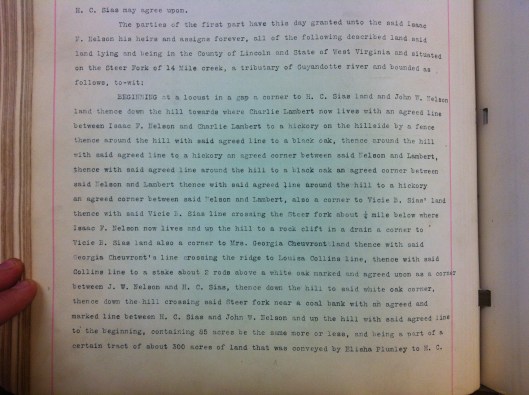
Deed Book ___, page ___, Lincoln County Clerk’s Office, Hamlin, WV.

Deed Book ___, page ___, Lincoln County Clerk’s Office, Hamlin, WV.
22 Saturday Sep 2018
Tags
American Revolution, Appalachia, Aracoma, Aracoma Hotel, Bluestone River, Boling Baker, C.A. Davis, Cornstalk, Daughters of the American Revolution, Edwin Goodwin, Elmer McDonald, Harris Funeral Home, history, Jimmy Browning, Logan, Logan Banner, Logan County, Lyle Burdette, M.R. Atkinson, Montgomery County, Native American History, Native Americans, photos, sheriff, Virginia, W.C. Turley, West Virginia

Aracoma Memorial at the Logan Courthouse, Logan, WV. 18 May 2017.
Princess Aracoma Memorial Given to the Public by D.A.R. Chapter is Formally Unveiled and Dedicated
The monument to Princess Aracoma was dedicated yesterday afternoon by the local chapter of the D.A.R. which bears her name, with a brief ceremony in which the romantic history of the chief of the first tribe known to have settled in this vicinity was reviewed.
The dedication service took place at 4:30 o’clock at the northeast corner of the courthouse, and was opened with an assembly bugle call by Boy Scout Edwin Goodwin. Rev. M.R. Atkinson led in prayer and Jimmy Browning gave the salute to the flag.
Mrs. S. Elmer McDonald, regent of Aracoma chapter, presided, saying, “We have gathered here to honor Princess Aracoma, an Indian princess who with her tribe first settled in this valley.”
W.C. Turley, whom Mrs. McDonald introduced as the descendant of one of the oldest families of the county gave a talk reviewing the traditional settling of the Indians in this vicinity.
“I think it striking evidence of patriotism for your Princess Aracoma chapter to place this monument in memory of Princess Aracoma,” he said.
Mr. Turley said that Princess Aracoma was born somewhere between 1740 and 1745, the daughter of Cornstalk, chief of the Shawnee Indians, who was killed in the first land battle of the Revolution.
“When the princess was a young girl she interceded in behalf of Boling Baker, a white soldier who had deserted from the British army and had been captured by her tribe. Through her plea his life was spared and he was initiated into the tribe.
“According to the Indian custom, when Princess Aracoma became of age she was given a portion of the tribe to settle under her leadership in new hunting grounds, and chose the island first settled in this territory. Shortly after settling in their new home, the Princess and Boling Baker were married at a large ceremony attended by Cornstalk and other chiefs.
“The tribe lived happily and prospered until, in 1776, a plague struck them taking many of their members including all of the children of the princess and her white husband.
“Baker, seeking to replenish the goods of the tribe went with some scouts to a settlement on the Bluestone river, where, posing as an escaped captive, he gained the confidence of the settlers. Then one night he led his scouts in a raid on the camp, stealing their horses and provisions.
“The sheriff of Montgomery county, of which Logan was then a part, designated Col. Breckenridge and Gen. Madison to lead a force of 90 men to seek revenge on the Indians. In the ensuing battle, which took place near where the power plant now stands, Princess Aracoma was killed.
“According to tradition, she was buried somewhere in the vicinity where the Aracoma Hotel and Harris Funeral Home now stand. Skeletons and Indian burial pieces were unearthed when the excavation for these buildings was made.”
At the close of Mr. Turley’s address, the monument was unveiled by Mrs. Lyle Burdette and Mrs. C.A. Davis.
Source: Logan (WV) Banner, 28 October 1936.
NOTE: This article incorrectly references the Battle of Point Pleasant as part of the American Revolutionary War.
17 Monday Sep 2018
Posted in Civil War, Hatfield-McCoy Feud, Native American History, Timber
Tags
Appalachia, Battle of Middle Creek, Brandon Kirk, Breaks, Breaks Canyon, Breaks Interstate Park, civil war, fossils, Hatfield-McCoy Feud, history, James A Garfield, Kentucky, Marion, moonshine, moonshining, Native American History, Native Americans, photos, Phyllis Kirk, rafting, Saltville, Union Army, Virginia

Video showcasing regional history. 25 August 2018.

Hammerstone and Polishing Stone. 25 August 2018.

Fully Grooved Axe. 25 August 2018.

Lt. James A. Garfield, Union hero at the Battle of Middle Creek, KY. 25 August 2018.
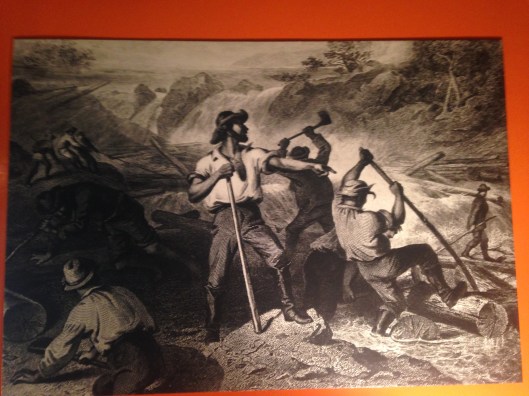
Rafting through Breaks Canyon, c.1885. 25 August 2018.
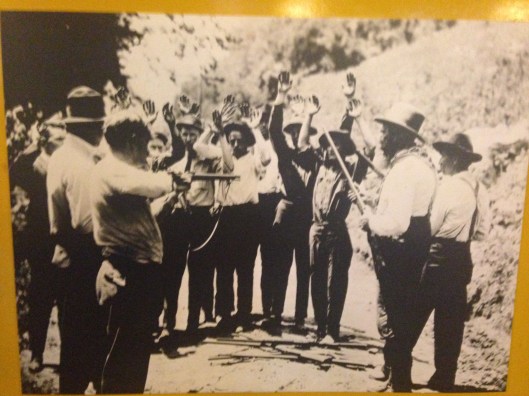
This photo is labeled: “A Confrontation Between the Hatfields and the McCoys.”

Moonshine still. 25 August 2018.
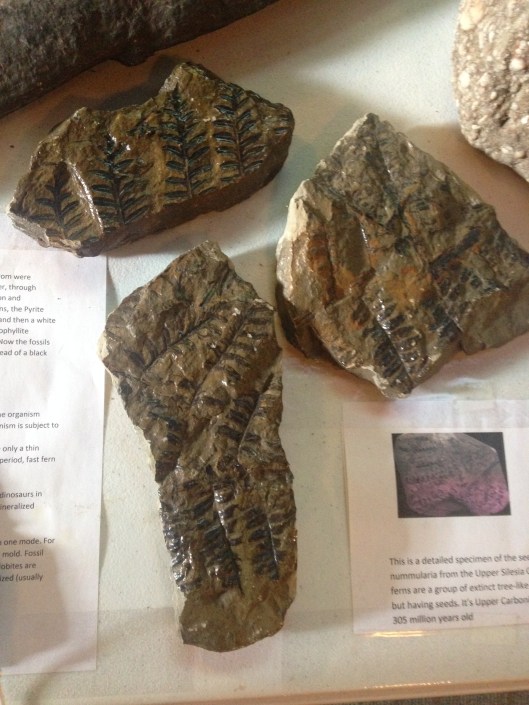
Seed fern fossil, 305 million years old. 25 August 2018.
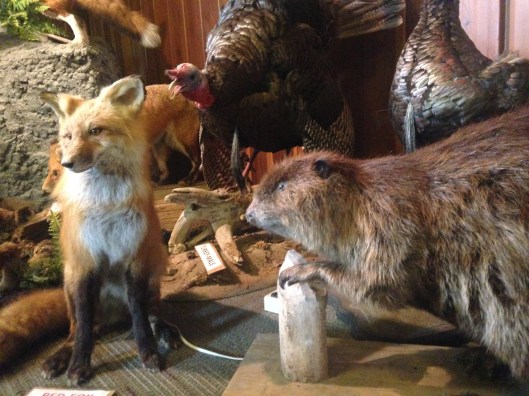
Native wildlife. 25 August 2018.
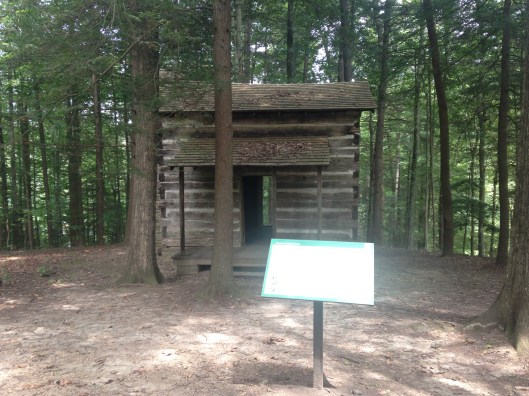
Log cabin. 25 August 2018.

Log cabin. 25 August 2018.
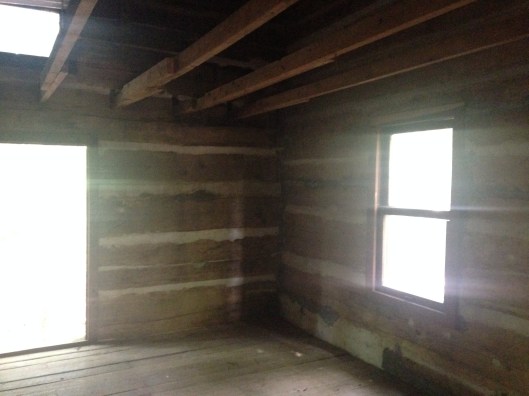
Log cabin. 25 August 2018.
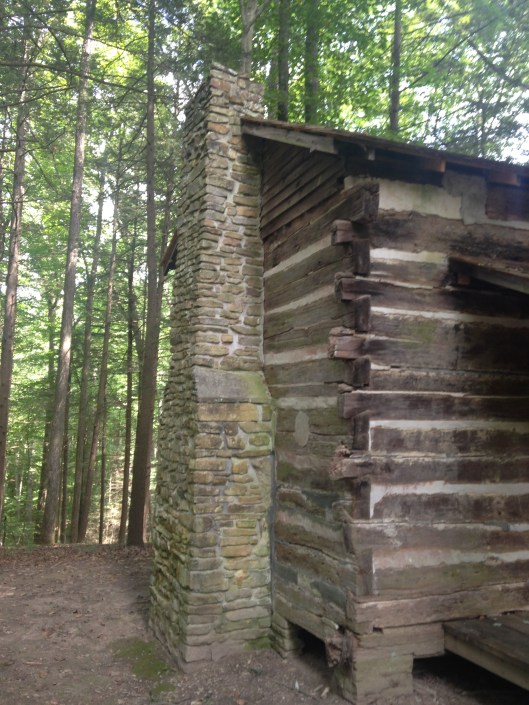
Log cabin. 25 August 2018.
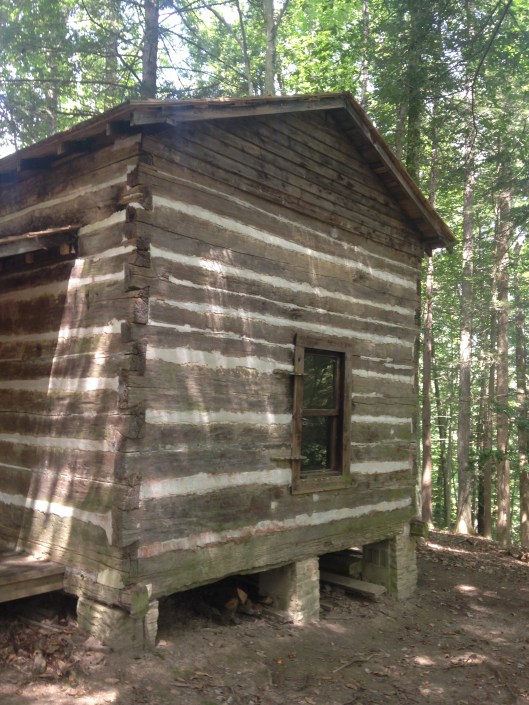
Log cabin. 25 August 2018.

Mom at the cabin. 25 August 2018.
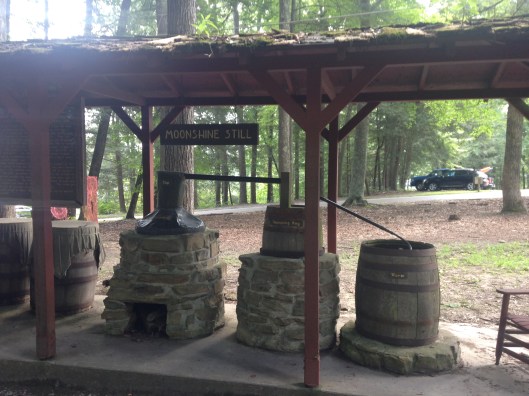
Moonshine still showing cap, thumping keg, and worm. 25 August 2018.

Salt kettle cast at Marion, VA, about 1860 and buried to conceal it from Union troops at Saltville, VA, in 1864. 25 August 2018.
17 Monday Sep 2018
Posted in African American History, Logan, Women's History
Tags
African-Americans, Appalachia, education, genealogy, Harpers Ferry, history, Lillian Samons, Logan Banner, Logan County, Myrtilla Miner Normal School, National Teachers' Association, Storer College, teacher, Washington, West Virginia, West Virginia Parent-Teacher Association, West Virginia State Teachers' Association
In April of 1929, the Logan Banner profiled numerous prominent African-American residents of Logan County, West Virginia.
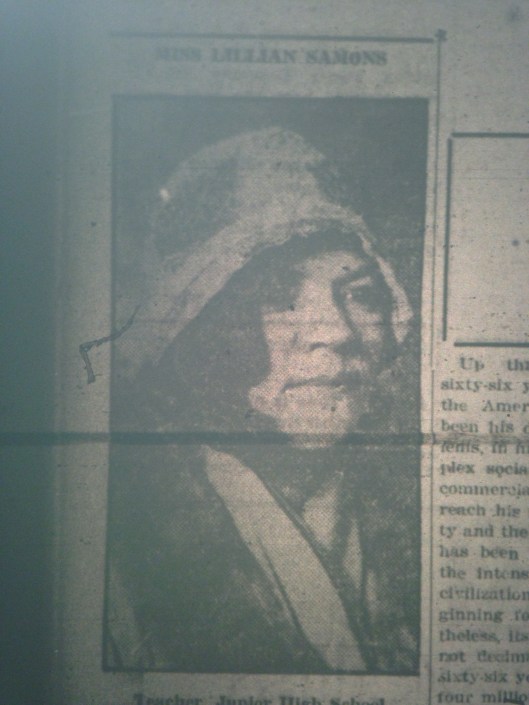
LILLIAN SAMONS
Miss Samons is a graduate of Storer College, Harpers Ferry, and Myrtilla Miner Normal, Washington, D.C. She has done summer work at West Virginia State College. Miss Samons has taught for ten years, all of which have been engaged in Logan county. She is a member of West Virginia State and National Teachers’ Association, and also a member of the State Parent-Teacher Association. Steady and methodical as a teacher, Miss Samons grasps the problem of the school room with a keen sense of its requirements. She obtains results immediate and direct, knowing forthwith at what she is aiming. Probably among the teachers of the county and state, Miss Samons takes her place among the foremost, this from a knowledge of the theory and practice and by that peculiar adaption to the work at hand. She has placed high dignity upon the profession, both in her high sense of honor and moral acumen, and her disposition to ever reach forward to a greater efficiency and the discovery of a more exact method to advance her pupils. Miss Samons has an engaging manner and has endeared herself in the hearts of the large number of pupils that have come under instruction, and with the patrons and citizens of the communities in which she has taught. She has a wholesome interest in the welfare of her people and responds actively to any movements that are devoted to their advancement.
Source: Logan (WV) Banner, 16 April 1929.
15 Saturday Sep 2018
Posted in Big Harts Creek
Tags
Appalachia, Charles Adkins, Cole Branch, county clerk, Elias Adkins, Elizabeth Adkins, genealogy, Harts Creek, Harvey Elkins, Henry Adkins, history, Isaac Adkins, Isaiah Adkins, Jacob Stollings, Lower Big Branch, Lydia Eveline Mullins, Mary Jane Adkins, Polly Adkins, Spencer A. Mullins, W.I. Campbell, William Straton

Deed Book C, page ___, Logan County Clerk’s Office, Logan, WV. Note: This property is located in present-day Lincoln County, WV. Also note the spelling of COAL (not COLE) Branch.
15 Saturday Sep 2018
Posted in African American History, Logan, World War I
Tags
25th Infantry, African-Americans, Alpha Phi Alpha, Appalachia, Aracoma High School, Columbia University, education, genealogy, history, Logan, Logan Banner, Logan County, Ohio State University, Red Cross Ambulance Corps, Richard T. Jordan, teacher, West Virignia, Wilberforce University, World War I
In April of 1929, the Logan Banner profiled numerous prominent African-American residents of Logan County, West Virginia.

RICHARD T. JORDAN
Graduate: Wilberforce University with B.A. degree; will take master’s work at Columbia University the coming summer session. Prof. Jordan has done work at Ohio State University; is a member of Alpha Phi Alpha, a national college fraternity. Honorary fraternities: Sword and Shield and Boule, and is an Elk and Mason. Prof. Jordan served his country in the late World War, doing overseas service; he was connected with the Red Cross Ambulance corps also enlisted in the U.S. Twenty-Fifth Infantry immediately following the World War, assigned to Mexican border service. The Aracoma school of which Prof. Jordan is principal has a corps of seven teachers, carrying an average enrollment of 150, and under his guidance the system is organized into an effective working unit, developing a definite educational program in the pupil enrollment. Prof. Jordan is a young man of high ideals, sterling character, studious and enterprising, and will make his mark in the profession.
Source: Logan (WV) Banner, 16 April 1929.
15 Saturday Sep 2018
Posted in American Revolutionary War, Big Creek, Cemeteries
Tags
Appalachia, Big Creek, Boone County, cemeteries, Dickenson County, genealogy, history, John Mullins, Logan County, North Fork, photos, Virginia, West Virginia
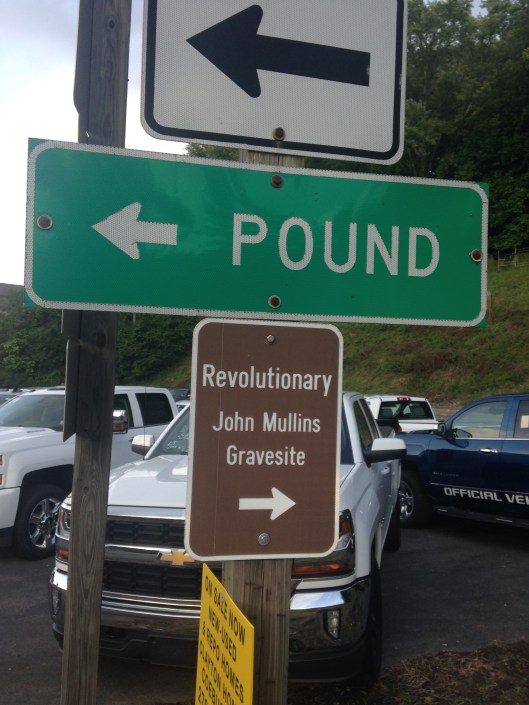
“Revolutionary John” Mullins, sometimes nicknamed “Buttin’ John,” is buried near the intersection of Mullins Avenue and McClure Street in Clintwood, Dickenson County, VA. To reach his grave, park at Johnson’s Chevrolet on McClure Street and walk up the hill. Signs will direct you to the cemetery. 25 August 2018.
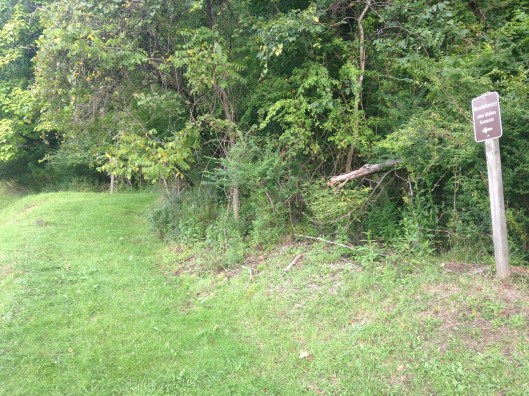
Up this way. You will pass a residence to the right of the road leading up to the cemetery. 25 August 2018.

Straight ahead… 25 August 2018.
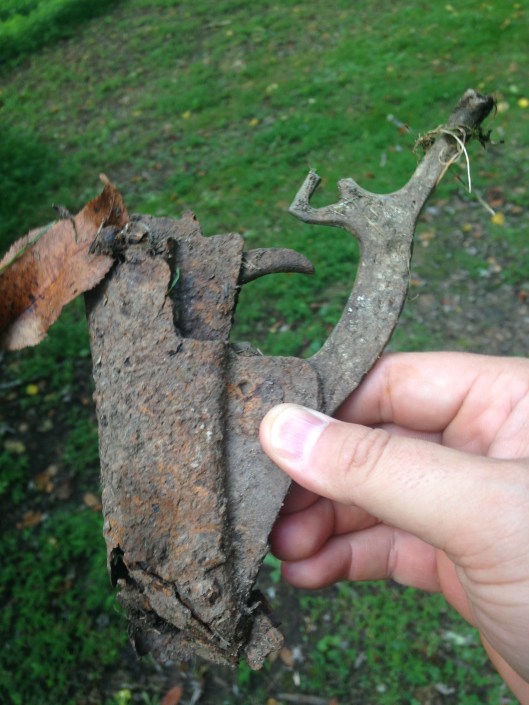
Along the way, I found this old gun piece. 25 August 2018.

John Mullins grave, 25 August 2018. John is the father of “Money Makin’ Sol” Mullins, who settled on North Fork of Big Creek near the Logan-Boone county line of West Virginia.
15 Saturday Sep 2018
Posted in Big Creek, Chapmanville, Huntington, Logan
Tags
A. Dingess and Son, Abe Dingess, Allen Dingess, Appalachia, Big Creek, C.M. Gore, Chapmanville, Cherry Tree Bottom, Dyke White, Ed Turner, Faye Turner, genealogy, Herbert Hager, history, Huntington, Jim Turner, John Bryant, Leora Carter, Lewis Brooks, Logan, Logan Banner, Logan County, Monaville, Mud Fork, Murphy's 5 & 10 Cent Store, R.S. Butcher, Thelma Adams, Victor Toney
An unknown correspondent from Chapmanville in Logan County, West Virginia, offered the following items, which the Logan Banner printed on December 11, 1928:
C.M. Gore was a business visitor in Logan Monday.
Messrs. Ed and Jim Turner with their sister Faye motored to Huntington and back Sunday.
A. Dingess of Mud Fork visited his family here over Sunday.
Our school here is progressing nicely under the management of Professors Dobbins and Rigdon.
Herbert Hager moved to Chapmanville from Cherry Tree Bottom the past week.
A. Dingess and Son are putting in a grocery store at this place.
Mrs. R.S. Butcher visited Mrs. Jno. Bryant Sunday.
Mrs. Hill of Logan is visiting her daughter Mrs. Dyke White of this place.
Misses Thelma Adams and Leora Carter of the staff of clerks of Murphy’s 5 & 10 cent stores of Logan were visiting the former’s mother here.
Lewis Brooks of Monaville was a visitor here over Sunday.
Victor Toney and Abe Dingess attended church at Big Creek Sunday.
Mrs. Ferrell is improving nicely from her serious spell of sickness.
Allen Dingess passed through our town Friday enroute to Mud Fork.
13 Thursday Sep 2018
Posted in Boone County, Gilbert, Huntington, Logan, Man, Sports, Women's History, Wyoming County
Tags
Appalachia, basketball, Burch High School, Ceredo-Kenova High School, Cincinnati, Clothier Independent High School, genealogy, Gilbert High School, history, Huntington High School, Indianapolis, Logan Banner, Logan County, Logan High School, Madison High School, Man High School, Oceana High School, Sports, West Virginia, Wichita
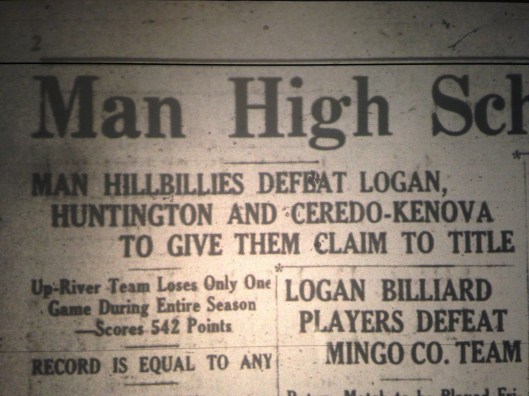
Logan (WV) Banner, 6 March 1928.
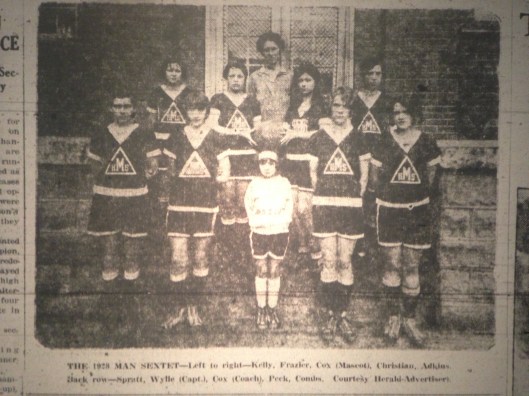
Logan (WV) Banner, 6 March 1928.

Logan (WV) Banner, 6 March 1928.

Logan (WV) Banner, 27 March 1928.
13 Thursday Sep 2018
Posted in Hatfield-McCoy Feud, Kermit
Tags
Appalachia, Brit Jones, Buchanan County, Carroll County, Catherine Wills, Catlettsburg Republican, crime, Flora Baisden, Floyd County, genealogy, Grant Bollman, Grover Waldron, Grundy, Harrison Baisden, Harrison Baisden Jr., Hatfield-McCoy Feud, Hiram Wills, history, Ira J. McGinnis, Jack Maynard, James Brewer, Jeffersonville, John Brewer, John Henry Baisden, John Lee White, John Smith Baisden, Johnson County, Kentucky, Lebanon, Lee Brewer, Lewis Dempsey, Logan County, Logan County Banner, Logan Democrat, Marrowbone Creek, Martha Baisden, Mingo County, murder, Naugatuck, Parkersburg Sentinel, Pigeon Creek, R.W. Buskirk, Reuben Baisden, Riley Brewer, Robert Irons, Robert L. Baisden, Ruby Harrison Baisden, Trace Fork, Virginia, West Virginia, William Baisden, William Bevins
Between 1883 and 1891, several members of the Baisden family suffered troubles in their section of West Virginia and Virginia. What follows are some news and other accounts of those events:
At the mouth of Pigeon creek, in Logan county, Grant Bollman and Dr. Harrison Baisden got into a difficulty over a settlement, short words brought blows, when Bollman used a knife severely if not fatally stabbing Baisden. Thereupon he drew a revolver and shot Bollman, who died the same day from the effects of the wound. There is little hopes of the recovery of Baisden.
Parkersburg (WV) Sentinel, 18 August 1883
***
Judge McGinnis has issued a vacation order to the Circuit Clerk of Wayne County admitting Dr. Baisden, charged with the murder of Yancy Bolin, in Logan County, to bail in the sum of $2,000.
Huntington (WV) Advertiser, 31 July 1886
***
According to one item printed in an old genealogy newsletter: “John Smith Baisden was born May 14, 1864. On May 29, 1885 he married Martha Jane Wills who was born in Carroll County, Virginia, on August 4, 1870, the daughter of Hiram and Catherine Massey Wills. Martha had come to Floyd County, Kentucky, in a wagon train in 1879. She was fifteen when she married John Smith Baisden. They had two children: Flora, who was born on January 8, 1888, and Ruby Harrison “Harry” Baisden [February 7, 1890]. On May 4, 1890, John Smith Baisden was shot and killed by John Brewer and John Lee White, while the family was visiting in West Virginia. He was shot in an argument over a horse. It is thought that his murder was indirectly associated with the Hatfield-McCoy Feud. The Baisdens became involved after relatives married McCoys. About the same time of his father’s death, the Hatfields kidnapped and imprisoned Ruby Harrison Baisden (then only a child) and other members of the McCoy clan, and held them in a log barn in what is now Mingo County, West Virginia. Ruby Harrison Baisden was found by a roadside where he had been left for dead. Soon after John S. Baisden’s death, Martha, against the advice of family members, returned to Kentucky by horseback, traveling at night over lonely mountain trails with her son and daughter.”
***
Last week several capias against John Henry Baisden and John Smith Baisden were placed in the hands of the Sheriff of this County. The Baisdens had established the very unenviable name of being dangerous and desperate men, and, a part of the process was placed in the hands of Wm. Bevins with instructions to go by way of Marrowbone to summon a guard who knew the haunts of the Baisdens and to locate them if he could and meet the Sheriff, who was accompanied by Jailor Buskirk, Deputy Sheriff McDonald and several guards, at the mouth of the Trace Fork of Pigeon. Mr. Bevins arrived on Marrowbone on Friday morning and learned that just before his arrival the Baisden boys had made an attack on the house of James Brewer with Winchester Rifles, and that assisted by John Lee White, he had repelled the attack, mortally wounding John Smith Baisden. On learning this Mr. Bevins at once summoned a posse consisting of John Lee White, Brit Jones, James Brewer, Riley Brewer, Lee Brewer and John Brewer and followed the Baisdens to Pigeon Creek. Locating them at Dr. Harrison Baisden’s, Bevins left all of the guard about a quarter of a mile from the house, except John Lee White, who he took with him to find the position of the Baisden boys. As soon as he came in sight of them he demanded their surrender, which they refused to do and fire was opened on them. James Baisden was killed and John Henry Baisden was badly wounded and captured. William Baisden having left the crowd made his escape and is still at large. John Henry Baisden was brought to this place and is now in jail. He was shot through both arms and in the right side, but his wounds are not dangerous. All parties regret the killing of young James Baisden, as there was nothing against him. Heretofore a man in this county had thought that to establish for himself the name of a dangerous man was all the security that he needed against the officers of the law. That is now changed and all of them will hereafter be hunted down.
Logan County (WV) Banner, 24 April 1890
***
John Smith Baisden, who was shot by James Brewer and John Lee White, on April 18th, while making an attack on Brewer’s house, died last Sunday evening.
Logan County (WV) Banner, 8 May 1890
***
On Monday morning John Henry Baisden was turned over by the authorities of West Virginia to Wm. A. Bevins upon a requisition from the Governor of Virginia. Baisden is wanted in Buchanan county, Va., for the murders of a man named Irons. Bevins, accompanied by R.W. Buskirk and Lewis Dempsey, started with Baisden to Jeffersonville, Va., where he will be confined for safe keeping until the Buchanan authorities are ready for his trial. He was not taken to Buchanan as there has been some talk of lynching him there.
Logan County (WV) Banner, 26 June 1890
***
R.W. Buskirk, Wm. Bevin and Lewis Dempsey, who took John Henry Baisden to Virginia on a charge of murder, returned on Sunday. The prisoner was first taken to Jeffersonville, then to Grundy, and finally to Lebanon as neither the Jeffersonville nor Grundy Jail were safe.
Logan County (WV) Banner, 10 July 1890
***
A Logan Man Gone Wrong.
Wm. Baisden, formerly of this county, was last week sentenced to the Virginia penitentiary from Buchanan county, for the term of 18 years, for the murder of a man named Irons, some two years ago. Outside of whisky, Baisden was regarded as a good man, and had a great many friends on the Sandy side of our county, where he was raised, and where his relatives now live.
Logan County (WV) Banner, 6 August 1890
***
Baisdens Allowed to Escape.
John Henry Baisden who killed Robert Irons in Buchanan county, Va. last fall and who afterwards figured in a terrible tragedy in Logan county, W.Va., and who was captured and taken to Virginia has been allowed to escape. After killing Irons, he fled to W.Va. to find another man living with his wife. He got a party of his relatives and went to attack the man, but was met by an officer and posse in search of him. Two desperate fights ensued between the two parties on consecutive days and Jim and John Smith Baisden were killed. John Henry was captured, after being seriously wounded, and lodged in jail. The parties who captured him in W.Va. delivered him to the authorities all right and received the Reward. He was afterwards sent to Russell county jail and being taken back to Buchanan for trial was taken from the guard by his brother. It is thought that the officers were willing that the prisoner should be rescued.
Catlettsburg (KY) Republican via the Logan County (WV) Banner, 21 August 1890
***
Murder on Sandy.
Monday afternoon Harrison Baisden, Jr., a member of the notorious gang of Baisden outlaws came down to the Mouth of Pigeon where there was a whiskey boat moored on this side of the river. He took his horse across to the Kentucky side, and then returning, he walked deliberately up to Jack Maynard, between whom and himself, it appears, there had been some bad blood, and shot him through the head, killing him instantly. The last heard from Baisden he was in Kentucky riding from about five men, who were pursuing him hotly. As the report says he was very drunk and the men were only a mile behind, the chances are that he is captured by now. It is feared that if he is caught that he will be lynched.
Logan County (WV) Banner, 3 September 1891
***
Found Dead.
A rumor has reached us that Reuben Baisden, the murderer of Jack Maynard, was found dead at the head of a lonely creek, in Johnson county, Kentucky, with fifty-three bullet wounds on his body and his dead horse lying on him. It was thought that he had been dead about three days when found. We do not credit the story.
Logan County (WV) Banner, 17 September 1891
***
Manslaughter for Dr. Baisden
In the Mingo criminal court last week, Dr. Robert L. Baisden was found guilty of voluntary manslaughter for killing Grover Waldron, at Naugatuck on April 23, of last year.
The evidence showed that young Waldron was stabbed to the heart on the above named night near the signal tower at Naugatuck. Dr. Baisden was coming down the tower steps when some person threw a beer bottle against a stone wall not far away. Young Waldron and two companions were standing near the foot of the steps.
Using an oath Dr. Baisden inquired who threw the bottle at him and there came a reply and also an oath, that it was for him and some one of the three also called out that they would send Dr. Baisden to hell “feet first” if he was not careful.
Logan (WV) Democrat, 20 April 1911
Writings from my travels and experiences. High and fine literature is wine, and mine is only water; but everybody likes water. Mark Twain
This site is dedicated to the collection, preservation, and promotion of history and culture in Appalachia.
Genealogy and History in North Carolina and Beyond
A site about one of the most beautiful, interesting, tallented, outrageous and colorful personalities of the 20th Century
 Brandon Ray Kirk