• About

Brandon Ray Kirk

~ This site is dedicated to the collection, preservation, and promotion of history and culture in my section of Appalachia.

Brandon Ray Kirk

Tag Archives: Morehead

Absentee Landowners of Magnolia District (1890, 1892, 1894)

18 Tuesday Feb 2025

Posted by Brandon Ray Kirk in Big Sandy Valley, Matewan, Tazewell County

≈ Leave a comment

Tags

A.D. Bright, A.M. Bailey, Alex McClintock, Anthony Lawson, Appalachia, C.B. Taylor, C.R. McNutt, Canada, Charleston, Cincinnati, Cora McInturff, E.H. Stewart, Egbert Mills Jr., Elkhorn Sandy River Trust Company, George W. Duty Jr., Grayton Mining Company, Grayton Water Works and Improvement Company, H.R. Phillips, H.S> White, H.W. Sibley, Howard S. Graham, J.C. Williamson, J.D. Sergeant, J.E. Price, Jacob Smith, James Hatfield, James OKeeffe, L.M. Hall, Lewis Ferrell, Logan County, M.F. Meighen, Magnolia District, McDowell County, Mercer County, Mingo County, Morehead, Moundsville, New York, Philadelphia, Pike County, Richard Torpin Jr., Roanoke, Rowan County, Sauel Walton, Stuart Wood, Tazewell County, Virginia, W.E. Chilton, W.W. Adams, Warren Alderson, West Virginia, Wheeling, William P. Payne

What follows is a list of absentee landowners in Magnolia District of Logan County, WV, for 1890, 1892, and 1894… There are three significant types of absentee landowners: 1) those who live outside of Logan County; 2) those who live in Logan County but outside of Magnolia District; and 3) those who own property, for example, at Mate Creek but reside, for example, at Grapevine Creek (both within the district). This list does not include the latter type.

1890

J.D. Sergeant, Philadelphia, PA, 9495.91 acres

James O’Keeffe, Tazewell County, VA, 2963 acres

Stuart Wood, Philadelphia, PA, 2813 acres

Walton and O’Keeffe, Tazewell County, VA, 1933 acres

Elkhorn Sandy River Trust Company, no address given, 1699 acres

Warren Alderson, Morehead, KY, 800 acres

J.C. Alderson, Wheeling, 792 acres

J.D. Sergeant and James O’Keeffe, ________, 783.5 acres

E.H. Stewart, trustee, Roanoke, VA, 684 acres

Lewis Ferrell heirs, Pike County, KY, 600 acres

W.B. Payne, McDowell County, 582 acres

F. Stukenburgh, Cincinnati, OH, 350 acres

1892

Richard Torpin, Jr. et al, trustee, no residence given, 9326.66 acres

H.R. Phillips, NY, 6095 acres

J.E. Price, trustee, NY, 5853 acres

Samuel Walton, Tazewell County, VA, 4439.5 acres

Walton and O’Keeffe, Tazewell County, VA, 4102 acres

W.E. Chilton, trustee, Charleston, 3953.5 acres

Stuart Wood, Philadelphia, PA, 2813 acres

J.D. Sargeant, Philadelphia, PA, 1668.5 acres

James O’Keeffe, Tazewell County, VA, 1650 acres

C.R. McNutt, Mercer County, 1509 1/16 acres

H.S. White, Charleston, 1500 acres

Alderson and Adams, Wheeling, 920.5 acres

Alex McClintock, Lexington, KY, 843 acres

E.H. Stewart, Roanoke, VA, 684 acres

Jacob Smith, Pike County, KY, 550 acres

W.B. Payne, McDowell County, 532 acres

J.F. Paull, trustee, Wheeling, 509 acres

James Hatfield, Rowan County, KY, 147 acres

J.C. Alderson, Wheeling, 59 acres

H.W. Sibley, Tazewell County, VA, 36 acres

George W. Dewty, Jr., Pike County, KY, 22 acres

1894

Richard Torpin, Jr., trustee, no address given, 9326.66 acres

H.R. Phillips, trustee, NY, 6345 acres

Grayton Mining Company, Philadelphia, PA, 6022.5 acres

J.E. Price, trustee, NY, 5853 acres

Egbert Mills, Jr., trustee, NY, 4374.5 acres

Walton and O’Keeffe, Tazewell County, VA, 4052 acres

Stuart Wood, Philadelphia, PA, 3097 acres

C.R. McNutt, Mercer County, 3018 1/8 acres

L.M. Hall et al, Towanda, PA, 2572 acres

Howard S. Graham et al, trustee, Philadelphia, PA, 1790 acres

J.F. Poull, trustee, Wheeling, 954 acres

Alderson and Adams et al, Wheeling, 920.5 acres

J.D. Sergeant, Philadelphia, PA, 877.5 acres

Grayton Water Works and Improvement Company, Philadelphia, PA, 767 acres

E.H. Stewart, trustee, Roanoke, VA, 684 acres

W.B. Payne, McDowell County, 532 acres

J.C. Williamson, Pike County, KY, 470.5 acres plus three lots in Matewan

A.D. Bright, NY, 374 acres

Jacob Smith, Pike County, KY, 350 acres

C.B. Taylor, Canada, 200 acres

J.C. Alderson, Wheeling, 193 acres

H.W. Sibley, Tazewell County, VA, 36 acres

George W. Duty, Jr., Pike County, KY, 22 acres

Cora McInturff, KY, 1 acre

A.M. Bailey, McDowell County, 0.5 acres

B.F. Meighen, Moundsville, two lots in Matewan

Source: Land Book 1887-1892 and Land Book 1893-1899.

Absentee Landowners of Magnolia District (1870, 1876, 1886, 1889)

22 Monday Feb 2021

Posted by Brandon Ray Kirk in Big Sandy Valley, Matewan

≈ Leave a comment

Tags

A.J. Baker, Alexander Mounts, Anthony Lawson, Appalachia, Asbury Hurley, Charles Mounts, Charleston, Christian M. Cline, Cincinnati, Edward Cline, Eli Trent Jr., Four Pole Creek, genealogy, history, J.C. Alderson, J.D. Sergeant, Jackson Mounts, Jacob Smith, James Laidley, James M. Lawson, James OKeeffe, John Counts, John Mullins, Julius C. Williamson, Julius Williamson, Kanawha County, Kentucky, Lewis Ferrell, McDowell County, Minnesota, Morehead, Oswald Schaaf, Philadelphia, Pike County, Pond, Roane County, Stuart Wood, T.W. Blankenship, Tazewell County, W.W. Adams, Warren Alderson, Warren M. Alderson, Wayne County, West Virginia, Wheeling, William Collins, William P. Payne, William Prater, Wytheville

What follows is a list of absentee landowners in Magnolia Township/District of Logan County, WV, for 1870, 1876, 1886, and 1889… There are three significant types of absentee landowners: 1) those who live outside of Logan County; 2) those who live in Logan County but outside of Magnolia District; and 3) those who own property, for example, at Mate Creek but reside, for example, at Grapevine Creek (both within the district). This list does not include the latter type.

1870

Alexander Mounts, Kentucky, 300 acres

John Counts, Minnesota, 230 acres

Charles Mounts Estate and Jackson Mounts, Kentucky, 150 acres

John Mullins, McDowell County, 150 acres

Christian M. Cline, McDowell County, 85 acres

1876

Jacob Cline’s Heirs, Kentucky, 5000 acres

Warren M. Alderson, Kentucky, 4518 acres

Julius Williamson, Kentucky, 1375 acres

William Collins, Kentucky, 1045 acres

John W. Deskins, McDowell County, 555 acres

Eli Trent, Jr., Wayne County, 524 acres

James M. Lawson, Kentucky, 417.25

William Prater, Kentucky, 240 acres

Asbury Hurly Heirs, Kentucky, 214 acres

Alexander Mounts, Kentucky, 75 acres

Edward Cline, McDowell County, 25 acres

John Mullins, McDowell County, 15 acres

1886

Warren Alderson, Morehead KY, 2999 acres

Jacob Smith, Mouth of Pond KY, 2050 acres

J.D. Sergeant, Philadelphia PA, 1581 acres

Julius C. Williamson, Kentucky, 1353 acres

T.W. Blankenship, Roane County, 1200 acres

Anthony Lawson estate, Wytheville VA, 816 acres

Oswald Schaaf, Cincinnati OH, 650 acres

A.J. Baker, unknown, 300 acres

James Laidley, Kanawha County, 141 acres

1889

J.D. Sergeant, Philadelphia PA, 8976 acres

James OKeeffe, Tazewell County VA, 3592 acres

Stuart Wood, Philadelphia PA, 1093 acres

Anthony Lawson heirs, Wytheville VA, 816 acres

Warren Alderson, Morehead KY*, 800 acres

J.C. Alderson and W.W. Adams et al., Wheeling and Charleston, 733 acres

Lewis Ferrell heirs, Pike County KY, 600 acres

F. Slutienburgh, Cincinnati OH, 350 acres

William P. Payne et al., McDowell County, 30 acres

*Note: Residence identified as Logan County in 1889 but as Morehead, Kentucky, for all other years.

Source: Land Book 1866-1872, Land Book 1873-1874, Land Book 1880-1886 and Land Book 1887-1892.

Significant Tracts in Magnolia District (1867, 1870, 1876, 1886-1889)

19 Friday Feb 2021

Posted by Brandon Ray Kirk in Beech Creek, Big Sandy Valley, Matewan, Wharncliffe

≈ Leave a comment

Tags

Alex D. Trent, Beech Creek, Ben Creek, Bend Creek, Big Sandy River, David Mounts, Devil Anse Hatfield, Elias Hatfield, Elkhorn Sandy River Trust Company, genealogy, Glen Alum, Grapevine Creek, history, Isabella Rutherford, J.C. Williamson, J.D. Sergeant, Jacob Cline, Jacob Phillips, Jacob Smith, James Vance Jr., John Ferrell, John Francesco, John W. Deskins, Joseph Glen, Julius Williamson, justice of the peace, Kentucky, Lewis Ratcliff, Lewis Rutherford, Logan County, M.A. Ferrell, M.B. Lawson, Magnolia District, Michael A. Ferrell, Mingo County, Morehead, Philadelphia, Pigeon Creek, Richard Ferrell, Richard Maynard, Richard Ratcliff, Richard Ratliff, Right Fork, Roane County, Spring Fork, Spruce Fork, T.W. Blankenship, Thacker Creek, Tug River, Warren Alderson, West Virginia, William Ferrell, William S. Ferrell

What follows is a list of 1000-plus-acre tracts in Magnolia Township/District of Logan County, WV, for 1867, 1870, and 1886-1889…

1867

Jacob Cline’s Heirs, Logan County, 5000 acres, Sandy River

William Ferrell, Logan County, 3900 acres, Sandy River

Richard Maynard, Logan County, 3250 acres, Sandy River

David Mounts, Logan County, 3000 acres, Tug River and Tributaries

John Ferrell, Logan County, 2812 acres, Sandy River

Warren Alderson, Logan County, 2740 acres, Right Fork Ben Creek

John Ferrell, Logan County, 1814 acres, Pigeon Creek

Richard Ratliff, Logan County, 1340 acres, Stafford and Beech Creek

John W. Deskins, Logan County, 1305 acres, Thacker Creek and Sandy River

Warren Alderson, Logan County, 1300 acres, Spring Fork of Ben Creek

John Ferrell, Logan County, 1100 acres, Sandy River

Jacob Phillips, Logan County, 1000 acres, Sandy River

1870

Jacob Cline’s Estate, Logan County, 5000 acres, Sandy River

Richard Ferrell, Logan County, 3900 acres, On Sandy River

John Ferrell, Logan County, 3075 acres, 7 Tracts on Pigeon

David Mounts Estate, Logan County, 3000 acres, Tug Fork and Tributaries

Warren Alderson, Logan County, 2740 acres, Right Fork Ben Creek

Richard Maynard, Logan County, 2430 acres, On Sandy River

John W. Deskins, Logan County, 1305 acres, Turkey Sandy River

Warren Alderson, Logan County, 1300 acres, Spring Fork Ben Creek

William S. Ferrell, Logan County, 1100 acres, Sandy River

1876

Jacob Cline’s Heirs, Kentucky, 5000 acres, Grape Vine and Sandy

William S. Ferrell, Logan County, 3000 acres, Thacker and Sandy River

Warren M. Alderson, Kentucky, 2640 acres, Right Fork of Ben Creek

Isabella Rutherford, Logan County, 1600 acres, Sandy River

Michael A. Ferrell, Logan County, 1300 acres, Sandy River

Warren M. Alderson, Kentucky, 1175 acres, Spring Fork Ben Creek

Richard Ratcliff, Logan County, 1140 acres, Stafford Branch Sandy

Julius Williamson, Logan County, 1000 acres, Sandy and Branches

1886

William S. Ferrell, Logan County, 2650 acres

Warren Alderson, Morehead KY, 2640 acres, Sandy River

Lewis Rutherford, Logan County, 1600 acres

Jacob Smith, Mouth of Pond KY, 1500 acres

James Vance, Jr., Logan County, 1500 acres

J.D. Sergeant, Philadelphia PA, 1481 acres

Elias Hatfield, Logan County, 1431 acres

M.A. Ferrell, Logan County, 1300 acres

T.W. Blankenship, Roane County, 1200 acres

1887

William S. Ferrell, Logan County, 2650 acres, Thackers Creek and Sandy River

Warren Alderson, Morehead KY, 2640 acres, Sandy River

Anderson Hatfield, Logan County, 2360 acres, Grape Vine

J.D. Sergeant, Philadelphia PA, 1481 acres, Beech Creek

Elias Hatfield, Logan County, 1471 acres, Four tracts on Mates Creek

M.A. Ferrell, Logan County, 1300 acres, Sandy River

T.W. Blankenship, Roane County, 1200 acres, Spruce Fork of Ben Creek

1888

Anderson Hatfield, Logan County, 2656 1/2 acres, Grapevine Creek

William S. Ferrell, Logan County, 2650 acres, Thacker and Sandy

J.C. Williamson, Logan County, 1837 acres, Four tracts on Alum and Sandy River

Lewis Ratcliff, Logan County, 1600 acres, Sandy River

John Francesco, Logan County, 1500 acres, Grapevine and Thacker

Simpkins and M.B. Lawson’s Heirs, Logan County, 1500 acres, Richard Ratcliff Farm and Sandy River

Elkhorn Sandy R. Trust Co., Logan County, 1481 acres, Ben Creek and Sandy

J.D. Sergeant, Philadelphia PA, 1385 acres, Sandy River

M.A. Ferrell*, Logan County, 1300 acres, Sandy River

1889

Anderson Hatfield, Logan County, 2656 1/2 acres, Grapevine Creek

W.S. Ferrell, Logan County, 2650 acres, Thacker and Sandy River

J.C. Williamson, Logan County, 1837 acres, 4 Tracts on Alum and Sandy River

Lewis Rutherford, Logan County, 1600 acres, Sandy River

Jacob Smith, Logan County, 1500 acres, Richard Ratcliff’s Farm and Sandy River

John Francesco, Logan County, 1500 acres, Grape Vine

Elkhorn Sandy River Trust Company, Logan County, 1481 acres, Ben Creek and Sandy River

J.D. Sergeant, Philadelphia PA, 1385 acres, Sandy River

Joseph Glen, Logan County, 1377 acres, Tug River Below Mouth Bend

J.D. Sergeant, Philadelphia PA, 1354 1/4 acres, Mates Creek

J.D. Sergeant, Philadelphia PA, 1338 3/4 acres, Grapevine

M.A. Ferrell*, Logan County, 1300 acres, Sandy River

Alex D. Trent, Logan County, 1246 acres, Spring Fork Ben Creek

Note: On November 6, 1888, M.A. Ferrell was elected justice of the peace; his term commenced on January 1, 1889.

Source: Land Book 1866-1872, Land Book 1873-1874, Land Book 1880-1886, and Land Book 1887-1892.

Rowan County Feud in Morehead, KY (2019)

29 Wednesday May 2019

Posted by Brandon Ray Kirk in Cemeteries, Rowan County Feud

≈ Leave a comment

Tags

Appalachia, Craig Tolliver, D.B. Logan, Daniel Boone Tolliver, feuds, Floyd Tolliver, Hiram Pigman, John Martin, Kentucky, Lee Cemetery, Martin-Tolliver Feud, Morehead, Rowan County, Rowan County Feud, Tolliver-Martin Feud

IMG_5907

Historical marker providing some details of the Rowan County Feud, Morehead, KY. 24 June 2017. For a little more history about the feud, go here: https://brandonraykirk.com/2013/07/06/in-search-of-ed-haley-140/

IMG_7830.JPG

Historical marker providing some details of the Rowan County Feud, Morehead, KY. 20 May 2019

IMG_7187

Memorial to the casualties of the Rowan County Feud, Morehead, KY. 20 May 2019

IMG_7177

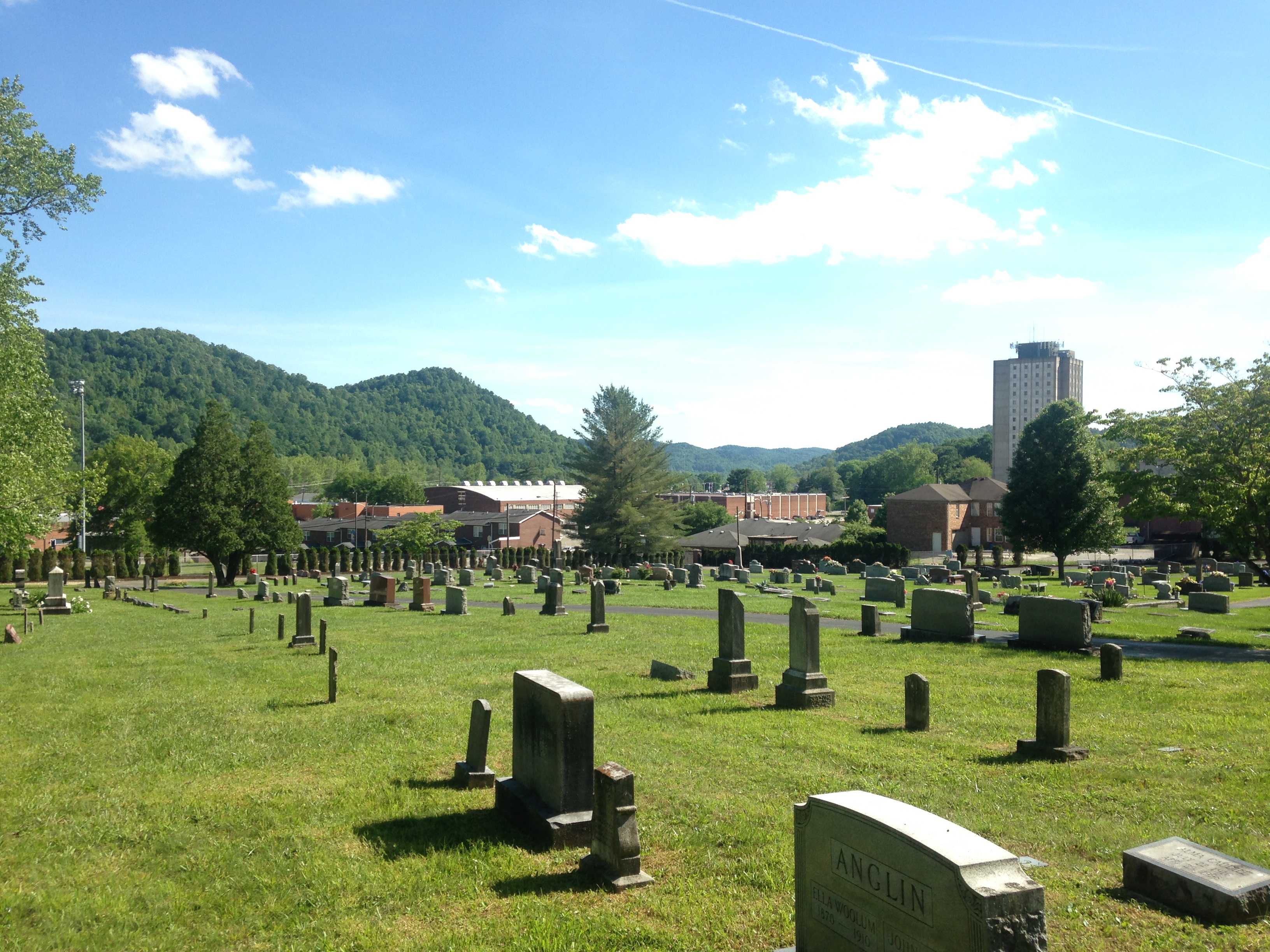
Lee Cemetery, Morehead, KY. Feudists are buried here! 20 May 2019

IMG_7176.JPG

Daniel Boone Tolliver was father to Craig Tolliver. Lee Cemetery, Pikeville, KY. 20 May 2019

Rowan County Feud Letter (1887)

08 Monday Jan 2018

Posted by Brandon Ray Kirk in Culture of Honor, Rowan County Feud

≈ 1 Comment

Tags

Appalachia, Cabell County, Cook Humphrey, Craig Tolliver, Democratic Party, history, Huntington, Huntington Advertiser, John Martin, Kentucky, Morehead, politics, Republican Party, Rowan County, Rowan County Feud, sheriff, Solomon Bradley, West Virginia

From the Huntington Advertiser of Huntington, WV, dated July 2, 1887 comes this letter about the Rowan County Feud:

The Rowan County War.

Editor Advertiser:

The writer is not surprised that your paper of last week fell into the current of popular opinion and denounced the Toliver gang, of Morehead, Kentucky, as the guilty ones in the celebrated feud which has caused the killing of about thirteen persons. Later advices appear at least to throw doubt on the subject of who is really to blame. Let us see. Here is the Cincinnati Enquirer’s account of the origin of the trouble, taken from that journal of the 23d inst.:

“The beginning of the trouble dates from the August election of 1884, when Cook Humphrey, a Republican, was elected sheriff by a trifling majority. He was a young, spare-built man, fresh from the country, and unsophisticated in appearance and manner. Craig Toliver, at the head of a party of friends, declared that Humphrey should not serve as sheriff. On the evening of the election a row occurred. Pistols were drawn and used, and Solomon Bradley (Democrat), a friend of Toliver’s, was shot and killed. The killing was charged against John Martin, and Toliver swore to be avenged. Subsequently Floyd Toliver and Martin got into a fight and the former (Toliver, Democrat) was killed on the street. From this time it may be said that the Martin (Republican) and Toliver (Democrat) factions were organized in deadly array, both sides determined never to yield, one to the other.”

The analysis of the above is, that the Republicans, having carried the election, became more or less insolent towards the opposition, who were correspondingly depressed and sore over their defeat, and gave utterance to their disappointment, and Craig Toliver used a very foolish expression to the effect that the Republican sheriff elect should not be installed. It is probable that this was accompanied by charges of fraudulent voting on the part of the Republicans–at any rate it was not such an offense as to justify Martin, Republican, in shooting Sol. Bradley, a partisan of Toliver’s. Subsequently Floyd Toliver denounced Martin for having killed Bradley without sufficient provocation and in an unmanly way, and was himself shot by Martin on the instant. So that a war of extermination seems to have been inaugurated by the Martins and their Republican following, against the Bradleys and Tolivers and their Democratic following, and signalized by the cold blooded murder of two of the latter. If this is true, and the record seems to bear it out as true, then the Tolivers were simply defending themselves and their households and party friends against the tumultuous murder of the Martins and their Republican following.

The subsequent getting possession of the person of John Martin (already a double murderer) and his killing at the hands of the Tolivers, whose brother and friend he had slain, was in the nature of retribution, and justified by the circumstances. Later, killings on both sides followed from the hot blooded feud which these had aroused, and while some of them appear to have been barbarous in the extreme, yet they legitimately came of a war of extermination such as had been initiated by the Martins and responded to, and not by the Tolivers and their friends.

A prominent citizen of Cabell Co., now sojourning near the scene of the disorder, in Rowan County, says:

“I suppose the dispatches have told you the war news; how 300 Republicans succeeded in killing four Democrats; but the war has only begun. I hear, to-day, that the Democrats are organizing a company near —— to put down the mob at Morehead who did the killing. He is more than sanguine who thinks the trouble ended.”

Our fellow-citizen, on the ground in Kentucky, evidently thinks the late killing of the three Tolivers unjustified by the facts as they are known to him. Let us wait for the facts.

BEN.


Boone County’s “Little Johnny” Hager 2

13 Tuesday May 2014

Posted by Brandon Ray Kirk in Big Creek, Big Harts Creek, Big Ugly Creek, Calhoun County, Music

≈ Leave a comment

Tags

Akron, Arthur Smith, banjo, Bertha Bias, Big Creek, blind, Boone County, Boone County Genealogical Society, Broad Branch, Calhoun County, Chapmanville, Clay County, Dave Brumfield, Dicy Thomas, Dolly Bell, Ed Belcher, Ed Haley, Ella Haley, fiddle, fiddler, Garretts Fork, genealogy, Greenview, Harts Creek, Harvey Hicks, Hewetts Creek, history, Hubert Baisden, Irene Hager, Jeff Baisden, Jeff Duty, Jess Chambers, Johnny Hager, Kanawha County, Kansas, Kentucky, Kith and Kin, Laury Hicks, life, Little Coal River, Logan County, Lydia Johnson, Madison, Mary Baisden, Morehead, music, North Fork, Ohio, Powderly, Riland Bias, Robert Martin, Rowan County, Sampson Thomas, Simon Bias, Spruce Fork, Texas, Trace Fork, Turley Adams, Ugee Postalwait, Victoria Adams, West Virginia, Wilson Craddock, writing

After his return to West Virginia, Johnny Hager took immediate notice of the large number of musicians who lived in the head of Big Harts Creek. His first cousin, Jefferson “Jig-Toe” Baisden (1879-1970), was a dancer and banjo-picker. J. E. “Ed” Belcher (1889-1970), who played several instruments, and Robert Martin, an Arthur Smith-style fiddler, were other significant musicians in the area. Ed Haley (1885-1951), a blind fiddler from Trace Fork, particularly caught Hager’s attention. Johnny’s desire to absorb Haley’s music was understandable because, as Jess Chambers stated, “It was a badge of honor to have played with Ed Haley.” Jeff Baisden, a cousin to both men, may have introduced the pair.

Johnny could supposedly play any instrument and his trip out to Kansas allowed him to soak up a variety of western tunes and playing styles which were completely new to folks in Logan County. Both of these qualities, his diverse musical capabilities and his unique musical background, ensured that he an Ed Haley had many intense music sessions. According to Turley Adams, Johnny’s great-nephew, Hager encouraged Ed to take his show on the road and volunteered to serve as Haley’s “eyes” on such trips. This willingness to travel, coupled with his apparent competence as a musician, made Johnny a perfect sidekick to Ed. Haley and Hager were both unmarried, a convenience which allowed them to roam the country with few cares or responsibilities.

Johnny and Ed traveled to various places in West Virginia but are particularly remembered up around the Calhoun-Clay County area north of Kanawha County. Aside from being populated with rural folks similar to Hager’s neighbors in Logan and Boone Counties, the area was also endowed with a host of great musicians. Haley and Hager wintered there as young men with a fiddler named Lawrence “Laury” Hicks (1880-1937). Ugee (Hicks) Postalwait of Akron, Ohio, a daughter of Laury Hicks, said that Ed and Johnny first came and visited her father in the early 1910s. Hager was a tall, slim banjo-picker. When Ed and Johnny left Laury’s home in the spring, with Johnny leading the way, Ugee and her brother stood on the bank by the house and “hollered and cried after them.”

Most agree that Johnny’s travels with Ed Haley ended around 1914 when Haley married Ella Trumbo, a blind music instructor from Morehead in Rowan County, Kentucky. Haley’s habit of cursing and drinking also helped end the partnership. Hager did not care for it.

For the most part, Johnny spent the remainder of his life playing music while boarding with his Baisden kinfolk on the North Fork of Big Creek. Irene Hager, a daughter of Hubert E. and Mary (Pauley) Baisden, remembered Johnny playing music on her father’s front porch in the late 1920s. Her father, a banjo-picker, lived at Greenview and the Big Branch of Spruce Fork of Little Coal River in Boone County. Hubert Baisden was Johnny’s first cousin. Hager boarded with him for several weeks at a time. One of Hager’s chores at the Baisden home was to keep wood in the stove. Irene said that Johnny often talked about his early travels with Ed Haley.

Johnny Hager was a man with little roots and family, a fellow who never had a real home. Many from Harts Creek remember that Hager was simply from the “the North Fork of Big Creek.” Dave Brumfield, a great-nephew, said that Hager stayed in that vicinity with a Thomas family. No doubt, this Thomas family was headed by Sampson Thomas who married Dicy Adams, a sister-in-law to Johnny’s sister Victoria Adams. Incidentally, just over the mountain from North Fork was the Broad Branch of Big Ugly Creek where lived a fiddler named Jefferson “Jeff” Duty (born about 1877). During Hager’s stay on the North Fork, he probably visited this musician (and any others in this locality) to learn a few new licks.

Hager also stayed with Simon and Bertha (Baisden) Bias on Bias Branch in Boone County. Mrs. Bias’ grandfather, Riland Baisden, was a brother to Johnny Hager’s mother. He spent a lot of time on the Garretts Fork of Big Creek with the Barkers before leaving them to stay with Wilson Craddock’s family on Hewitts Creek in Boone County. Mr. Craddock’s widow has a necklace which Johnny gave her during his time there. Lydia (Adkins) Johnson of Powderly, Texas, recalled that Hager lived with her mother and father during her “growing up years at home” in the late 1920s and 1930s. Johnson “was born (around 1923) and raised in Boone Co. just over the hill from Chapmanville.” Hager was a hard worker and was very efficient at “old-time” carpentry jobs and such tasks as digging wells. According to Johnson: “[Johnny] was a handy man, & a fiddle player. (Sometimes) a neighbor would need him to come live with them, to build them an out house for them. He was noted for the best out houses, he earned his keep by living with & helping others.”

Lydia Johson described Johnny as “a very neat man” and Dolly Bell agreed, stating that he always kept his hair cut and his face shaved. He never wore suits and never dated women so far as any of his family knew. In Irene Hager’s words, he “was a pretty straight fellow” and Dave Brumfield said he never drank when visiting his father’s home on Harts Creek.

NOTE: Originally published in “Kith and Kin of Boone County, West Virginia” Volume XXII

Published by Boone County Genealogical Society

Madison, West Virginia, 1997

Dedicated to the late Dolly (Hager) Bell

In Search of Ed Haley 288

14 Monday Apr 2014

Posted by Brandon Ray Kirk in Ed Haley, Music

≈ Leave a comment

Tags

Ashland, Big Foot Keaton, Bill Day, Catlettsburg, Coal Grove, Curly Wellman, Ed Haley, Ella Haley, fiddle, fiddling, history, Horse Branch, Jack's Auto, Jason Summers, John Hartford, Kentucky, Lawrence Drugs, mandolin, Mona Haley, Morehead, music, Ohio, Ralph Haley, The Rowan County Crew, writing

I wondered if Ed had other accompaniment aside from Curly.

“Most of the times that I saw Ed, why, he would be by hisself,” Curly said. “Ed played a whole lot by the church up at 16th Street and across from Lawrence Drugs. I don’t know of him ever playing in a bar. Ed was a fellow that would follow these big court days because there was a lot of people on the ground. Morehead, Kentucky, was one of the places where Ed never missed on court days and he wrote a song about Morehead, Kentucky. It was called ‘The Rowan County Crew’. ‘It was in the town of Morehead on one election day…’ It was like in English minors. And that’s the only song I ever heard him try to sing, and Ralph would be playing. Never heard him sing nothing other than that because he wrote it and because the people wanted to hear it.”

Well that was a new twist: I never heard that Ed wrote “The Rowan County Crew”. Actually, most attributed the song to Bill Day.

I asked if Ed composed any other tunes aside from “The Rowan County Crew” and Curly said he made “Catlettsburg”. He was sure of it.

“Well, Ralph and I talked, you know, later, and Ralph told me, he said, talking about ‘Dad playing so-and-so last night. Well, he wrote that tune,’ something like that,” Curly said. “I know that he wrote it without a doubt. He wrote that while he was on Horse Branch.”

I’d never considered that Ralph might have told Curly anything about Ed’s music. He and Curly were about the same age. I asked about Ralph. What was he like? Curly thought for a few seconds, then said, “Ah, Ralph was different from the rest of the family. Ralph was a little more… I don’t know how to put it. He wasn’t a bad person but he kindly drifted out. He wasn’t a homebody like the rest of the children, I’ll say that. I never remember Ralph being on the street with them.”

I told Curly that Ralph wasn’t really Ed’s son — that he was Ella’s by a previous relationship — and he said, “Oh, I never did know that. He left home pretty early.”

Curly didn’t remember Ed’s other kids very well, except for Mona.

“I do remember Mona but I think I remember Mona from being with her mother when she would play on the streets,” he said. “Mona was never with her father — just her mother — as far as I saw. She would stand beside of her while her mother played the mandolin. Mona held the cup but usually the cup was on the head of the mandolin with a piece of wire or something that hooked it on there.”

What about Ella?

“I used to watch Ella, that poor old soul, out here in town,” Curly said. “She always carried one of them little fold-out canvas bottomed chairs and played about every Saturday night at Jack’s Auto on the 13th Street block on Winchester Avenue. At that time Jack’s Auto handled material like Sears today. They had a variety of all different kinds of stuff and there was a lot of people on Saturday nights that went in and out of that place. And she played terrific chords on the mandolin. Her timing was good. And you know she didn’t sing or anything.”

I pressed Curly for more details about Ed’s music.

“Just about every fiddle player that I talk to — including Big Foot Keaton — they all talk about the long bow that he pulled and how many notes that he would get from the length of the bow,” Curly said. “How many notes was in there with the finger work. It’s very amazing to have watched him. It’s a shame that you didn’t get to see the man or hear him.”

I said, “Well, I stayed with Lawrence, you know, and we worked and talked and everything like that and we discovered quite a bit. I want to show you some of what we discovered and see if it rings bells.”

I got my fiddle out and started playing — holding the bow way out on the end and using the Scotch snap bowing. Curly got excited and said, “There you go. That’s it! Well, you’ve completely changed your bow arm from the last time I’ve saw you. Well now, you’ve got the bow arm down. It’s just like looking at him dragging the bow again.”

Curly added that Ed played a lot of double stops because they gave a tune “more volume, more life.”

I asked him what kind of guitar playing Ed liked behind his fiddling and he took his guitar and played something he called “Riley Puckett style.”

Curly said he remembered that Ed packed his fiddle in a case that looked like “a square box.”

His memories seemed to be right on target so I asked him very specific questions, like who repaired Ed’s fiddle.

“There was an old man here just about that time that did most of the work,” Curly said. “I don’t say that he did the maintenance on Ed’s fiddle. I’m trying to think of that old man’s name. He was supposed to have played for the king and queen of England.”

“Bill Day,” I suggested, even though I figured it unlikely.

“Bill Day worked on fiddles,” Curly confirmed. “Blind man. And there was another old man by the name of Jason Summers that made fiddles. He coulda done Ed’s work. And he lived in this area — either Coal Grove, Ohio, or over in here. That was before my time. I didn’t know Bill Day — never met him in my life — nor Jason Summers, either one.”

In Search of Ed Haley 170

16 Monday Sep 2013

Posted by Brandon Ray Kirk in Ed Haley

≈ Leave a comment

Tags

Ashland, blind, Ed Haley, Ella Haley, Farmers, immigration, Jim Brown, John Hartford, Kentucky, Lawrence Haley, Morehead, Pat Haley, writing

Early in March 1995, I fired up the Cadillac and drove the familiar road toward Ashland, Kentucky. After several hours of travel, I entered Rowan County — the place of Ella’s birth — and took the Farmers exit off of I-64. I wanted to get a closer look at Farmers, it being a place where Ella had lived, where Ralph was supposedly conceived, and where Lawrence remembered Ed playing for a dance. At one time, Farmers was the county’s largest town with 1,000 people. At the time of my visit, it was a small settlement, easily eclipsed by nearby Morehead.

A little later, I made my way into Morehead, a small college town with a curvy downtown business district and with most of its historical buildings torn down. It was somewhat disappointing. Triplett Creek, the Trumbo section of town, was dull and uninspiring. Small modern apartments replaced Ella’s old home place. Scenes of the Martin-Tolliver feud were long gone, removed to make way for a new road. At the college library, I found some interesting local history but nothing really pertaining to Ed and Ella’s story.

That evening, I arrived at Pat Haley’s home in Ashland. Pat was really down about Lawrence’s death and the progression of her daughter’s cancer. It was sad to be there – especially in the kitchen where Lawrence and I had spent so much time hashing out Ed’s music. Pat’s grandchildren were around frequently – especially David’s three daughters – but there was a great void in the house. I imagine it was a hundred-fold for Pat.

“We met August 14th, 1948, and he came back to America on November 5th,” she said of Lawrence. “We wrote to each other and I never saw him again until he came back to England and we met on Valentine’s Day, 1949. We married ten days later. I was almost eighteen. He was 21. I was staying with my sister in Hertfordshire, which is just on the outskirts of London. Larry came back to America in May, when he got out of the service. That’s when he told his mother he was married. Although she was writing to me, she didn’t know we were married. And she told him, ‘I suppose there’s a baby on the way.’ And he told her yes.

“I left England September 28th, 1949 on a Danish ship with a Polish crew. I was seven and a half months pregnant. It was a terrible experience. I went into false labor on the way over. The doctor was Polish and I never did understand a word the man said except ‘Haley.’ Had Beverly been born on that ship she could have claimed nationality to any country because we were in international waters. I got in this country on October 6th after eight days of choppy water. Larry met me in New York. We come past Staten Island and Ellis Island. I couldn’t see Larry on the dock but bless his heart he didn’t know he had to get a docking pass. He was stuck up at the barrier and here were all these people getting off the ship. And there was Larry in civilian clothes. It was the first time I’d seen Larry in civilian clothes. And one of the immigration officers said, ‘Why, he’s just a little boy.’

“We spent ten days in New York. Part of my luggage was lost and we were having some problem with some papers Larry should have gotten done. I didn’t know his parents were blind until we were in New York. I asked Larry what his mother thought of the pictures that he had given her of him and I, and he said, ‘She hasn’t seen them.’ And I said, ‘Why not?’ and he said, ‘She can’t see them. She’s blind.’ And I said, ‘Well, what did your dad think of them?’ And he said, ‘He’s blind, too.’

“We stayed in New York till October 16th. Just before we left, we had enough to buy a Spam sandwich and two apples in the bus station. He gave me the sandwich. It took us 24 hours to get from New York to Ashland. I got deathly sick on that bus ride. It was twist and turn over those mountains. It was about midnight when we got into Ashland and we had three cents in our pocket. Jack thought we would be there in the afternoon so he and Jim Brown had gone to the bus station and looked for us. They were drinking. Well, when we didn’t show up — I think it was between six and eight o’clock — they went back to the house. The bus station was located at 13th Street between Winchester and Carter Avenue. His parents lived at 1040 Greenup Avenue. So we walked and carried our suitcases and I had high heels on. We walked about six blocks — three down and three across.”

In Search of Ed Haley 166

06 Friday Sep 2013

Posted by Brandon Ray Kirk in Ed Haley

≈ Leave a comment

Tags

Allie Trumbo, Ella Haley, Florida, history, Kentucky, life, Luther Trumbo, Mont Spaulding, Morehead, Ohio, Plant City, Portsmouth, writing

Ella was in Morehead as late as June 1911, where she received a card from “C.E.G.” reading, “I am living high. I go riding every day with my friend, Mrs. Mell Washington.”

Later in the fall of 1911, Ella was once again at 115 Woodland Avenue in Lexington, Kentucky. While there, one card was sent to her reading, “Well Ella, I got your card. Was glad to hear you Was all Well. Luther is Still here. Will Stay till you come home.”

Ella was back in Morehead by July 1912, where she received a card from Mont and Jim Spaulding postmarked in Richmond, Virginia. I wondered, was this the Mont Spaulding who was blind and played the fiddle around Kermit, West Virginia? In September, Mont and Dora Spaulding wrote her from Charleston, West Virginia:  “hello Ella. Did you get the card I send you from Va?”

“M. Spaulding” wrote to her again in November (although in a totally different handwriting), this time from Norton, Virginia. “It might be possible that my Daughter and I will see you about the last of this month.” The Spauldings apparently made the trip because Dora wrote Ella early in December, again from Charleston: “certainly did enjoy my short stay in your town.”

Ella’s postcards for the first part of 1913 were primarily from her brother Luther and were postmarked from Asheville, Knoxville, and Indianapolis.

In May, some friends sent her a postcard that read: “We would like very much for you to come up Sat. night and play for us. Come to stay all night if you can. Let us know if you will come.” At that time, Ella’s address was Clearfield, Kentucky, but she was in Morehead briefly the next month.

In September, she was in Farmers, Kentucky — her location when she became pregnant with Ralph. While in Farmers, she received a card from “Sissie” postmarked in Hitchins, Kentucky, reading “I am so Lonesome.”

In May of 1914, Allie and Texana wrote her in care of C.D. Davis.

“We are keeping house here in West Morehead and want you to come up and See us at once So Bring your Harp and harp rack with you So we can have some music So let us know When you are coming and we will meet you.”

In August 1914 Allie wrote to her in care of R.A. Thomas from Loveland, Kentucky.

“Well, Ella, I am thinking about getting married Sometime. I think I will and then I change my mind.”

In the next several months, Ella moved from Farmers to 1124 Gay Street in Portsmouth, Ohio. At that location, which is now a DMV parking lot, she received frequent postcards from a mysterious “R.B.” in Plant City, Florida. Only two of the cards were postmarked. In June of 1915, R.B. wrote: “Well, the Sun is Getting hot as H. Down hear.” In August: “I am at Cincinnati to Night But Don’t know whear I will Be to morrow.”

None of the remaining cards from R.B. are postmarked, making it impossible to arrange them chronologically. Here are some of the more interesting ones:

“My Dear friend. You Do Eny Thing with The money you want to. I will Try and Send you Some more wedensday if nothing happens. Don’t forget your Florida friend.”

“This is Tuesday Eve, and no Letter yet. Don’t no what to think if you are mad Rite and tell me what you got mad about. I am going to Kentucky next week.”

“Dear friend, I am Disipointed this Evening By Not getting a Letter. Hoping you haven’t Forgotten me.”

“I will Rite you a few Lines as I promest you. I guess you wish I wood quit Riting So much. Yes, Ella I wood Bee more Then Pleased to get That Picture we was talking about. I am Sorrow you are not well. Say Ella if you can Rite to me three times a week as I am So Lonesom hear. you have no Idea what I have to put up with.”

“I am going to do the Best I can till I can get away But what Ever you Do Don’t change Bording houses. Now you may think I am crazy But I no what I am talking about. I will Rite a Point Letter the first chance I have hoping to hear from you again Soon.”

“Yes Ella I guess you are tard of hearing that word Some Day But Don’t get worried I am going to Do the Best I can.”

“I am so Proud you think of me as often as you Do for I am so Lonesom hear.”

“I think you ort to Rite oftener Then you Do. Please tell me why you Don’t. I am worrying my Life away Faster Then Eny one on Earth. So Rite and cheer me up all you can.”

“This Leaves me feeling Bad This Evening. I was Expectin a Letter But got Disipointed. I will Start you That money Saturday if Nothing happens.”

“Why Don’t you Rite oftener. this is Tuesday Evening and I haven’t had a Letter since Saturday. I guess you are about to Forget me.”

“Some one Swears Thay are going Back to Ky. and I wood Be glad to get Rid of Them So keep quite.”

“Yes, Ella I am going to come Back Soon. I want to get a way From hear By the 20th of July if I can. Ella I can’t tell you wheather or not Maudie and Vada Noes eny thing about what. Guess at the Rest.”

“Say Ella the theater is Right By the Post office hear and the Piano is Playing Silver threads among the Gold. you can guess how I feal. I get so nervous Some times I can’t hardly Liv.”

In Search of Ed Haley 165

05 Thursday Sep 2013

Posted by Brandon Ray Kirk in Ed Haley

≈ Leave a comment

Tags

Allie Trumbo, Ella Haley, genealogy, history, Kentucky, Kentucky School for the Blind, life, Lula Lee, Luther Trumbo, Morehead, S.H. Childers, U.S. South, writing

When I got back in Nashville, I arranged all of Ella’s postcards into chronological order in the hopes of discovering some new revelation. Most of the cards were dated between 1908-1918, the years immediately prior to her marriage to Ed. Individually they carried only short messages from family and friends, but together they formed an interesting story line detailing events from Ella’s “single years.”

Ella was at the Kentucky School for the Blind in Louisville throughout the first part of 1908. She returned home to Morehead during her summer break, where friends wrote her fondly from Louisville, Nashville, Richmond, and Paducah. There was one card from “Bridget” – probably the same one that Lawrence remembered his mother visiting in Mt. Healthy, Ohio.

“Suppose you think I have forgotten you but think of you every day,” the card read. “Company season has started in and we are having plenty of visitors. Wish you were one. Your cousin Lula is expecting to go West for her health. She was much grieved to hear of the death of Aunt Henrette. Answer soon with love.”

In June of 1909, Ella received a card from “Loula Lee” in Denison, Texas. This was no doubt the same Lula Lee who Lawrence Haley had remembered playing music on the streets of Ashland at the same time as his parents, likely the same person as “cousin Lula” referenced in other cards.

“Hello Ella how are you,” Loula wrote. “all wright I hope. Got out here all right and I like Very Well. It is hot as Summer out here.”

There was also a card from Nellie Motts in South Portsmouth, Ohio.

“I rec’d your card a few days ago and was very glad to hear from you. I am having a delightful vacation. How did you enjoy the Fourth?”

Then this from “Mabel” in Mississippi: “I am away down in the Sunny South. Awful warm weather. I will be glad to get back to Kentucky.”

Ella was back in Louisville that fall where her brother Allie Trumbo sent several cards to her.

“Luther is at home now,” one read. “Please write within 23 hours this time.”

Luther was Ella’s other brother and a future soldier in World War I.

“Hello Allie,” she responded. “It seems as though you keep the road hot sending cards. Now I have written within 23 hours. What more do you bid me to do? The girls are waiting on you.”

Allie wrote back: “how is everything. We had a little rain last week. Please write within 22 hrs. I just got your letter out of the office and will write to you soon.”

“Thank you for the pretty card,” someone wrote from Providence, Rhode Island. “Am glad you are having a pleasant year. Be sure and do good work.”

More from Allie: “I couldn’t make out all of your card but I enjoy it very much. I will send you some cards of our town which will show the bridge and george’s house and part of grandmaw’s.”

“how are you?” one from someone named Cora in Morehead read. “We have biscuits this morning for breakfast and I am going to have fried potatoes for dinner and when I got your card last night we had beef steak.”

“You have been sending me the ugliest cards you can find,” Allie writes. “Try and do better. The creek was Higher than it ever was before Tuesday night.”

In November 1909, there was a “Forget-Me-Not” card from S.H. Childers postmarked in Hellier, Kentucky.

“I do insist on you sending me one of those pictures,” Childers wrote. “Never mind what it looks like.”

There were more from Childers, often signed, “Your lonely friend,” with passages reading, “I am not quite well now. Haven’t don any thing for two weeks. They tell me I am love sick but I don’t think that’s it.”

Bridget sent a Christmas card, signing her last name as Welsh, while another friend, “Flossie,” wrote a few months later.

“You may think I have forgotten you but indeed I have not,” she wrote. “Hope you are having a good time playing in the snow.”

In May 1910, Allie wrote from Portsmouth, Ohio.

“I came from Ashland on this Boat. We got here all O.K. and have got a job. Go to work Tuesday. I like to stay here.”

For the next several weeks, Ella received mail at 115 Woodland Avenue in Lexington, Kentucky. By June of 1910, she was back in Morehead. A card was sent there to “Miss Bridget Welsh & Miss Ella Trumbo” from Miss Henderson in Little Rock, Arkansas.

In July, there was another card reading, “Know you and Bridget are enjoying each others company.”

Late in August 1910 there was a card from “Aunt Anna” to Ella and Bridget: “arrived here all right. Am well and having a fine time. hope you are both enjoying good health.”

On September 7, “Oma” wrote: “Received your pretty card. I guess you will sure hate to see Bridget leave.”

Later in September was a card sent “With Fond Love” and stamped with a fanciful signature from S.H. Childress at the Sunset Ranch in Rhine, Washington.

“I have at last made up my mind to vacate Ky. and have done so. Will write you all a bout my future home when I get my slate.”

It seemed clear that this “S.H. Childress” was the same “S.H. Childers” who’d written Ella the previous fall. He wrote again in December.

“I believe is your first Xmas at home and I trust it will be the happiest you have ever spent.”

In Search of Ed Haley 164

04 Wednesday Sep 2013

Posted by Brandon Ray Kirk in Ed Haley

≈ 1 Comment

Tags

Ashland, fiddling, genealogy, Jack Haley, John Hartford, Kentucky, Lawrence Haley, Morehead, music, Pat Haley, Patsy Haley, Ralph Haley, Scott Haley

A few days later, I was in Ashland at Pat Haley’s house, where the Haley clan had gathered in for Lawrence’s funeral. All of Lawrence’s kids were there, of course (Beverly, Steve and David), as was Clyde and Mona. I also spotted Noah, who introduced me to his son, James Edward Haley (Ed’s namesake). Pat made a point to introduce me to Patsy Haley and her son Scott, who were in from Cleveland. A little later, I played Ed’s fiddle for Lawrence’s service and it sounded so good that I seriously considered making it my main fiddle on stage. I quickly slipped into “the zone” and it was the first time I seemed to experience (as crazy as it may seem) the sensation of Ed and Lawrence both whispering in my ear, guiding me along, looking over my shoulder, and saying things like, “Easy now, don’t play so many notes.” “Yeah, try that and see if it works.” “You’re getting too far away from the melody.”

After the funeral, I returned to Pat’s and played for the family in the kitchen. I wasn’t really sure what to expect. I mean, with Lawrence gone it would have been really easy for the Haleys to say, “Thanks for showing an interest in Pop, now see ya later,” but instead they took me into their fold — with Pat leading the way.

There were a few new stories. For instance, Patsy’s son Scott Haley told me about “catching” his father Jack in private moments playing a fiddle right along with Ed’s records. I was excited to hear that and could easily imagine that Jack was the child who had inherited Ed’s talent for the fiddle. But when I asked Pat and Steve about it they gave Scott’s claim little credence. They said Jack might have tried to play with the records but he couldn’t really play anything. They fancied Scott’s memory to be a lot like the one they had of Lawrence, who occasionally strung up Ed’s fiddle (backwards because he was left-handed) and attempted to play along with the records. I never forgot the possibility, though, that Jack Haley could play the fiddle, which seemed to irritate Pat.

Before I left Ashland, Pat gave me Ed’s records. She said she wanted me to keep them because I would “know what to do with them.”

“I have a real love-hate relationship with those records,” Steve said jokingly. “When we were kids we had to tip-toe through the house to keep from scratching them.”

Pat also loaned me Ella’s postcards and explained why Lawrence hadn’t wanted me to see them on my first visit roughly four years earlier. Apparently, they alluded to the fact that Ella had conceived Ralph not by a previous marriage — but out of wedlock. Pat said Ella was boarding with a Mr. Payne and giving piano lessons to his five-year-old daughter in Farmers, Kentucky, when she became pregnant. Mr. Payne promptly returned her to her family in nearby Morehead.

In Search of Ed Haley 156

23 Friday Aug 2013

Posted by Brandon Ray Kirk in Ed Haley

≈ Leave a comment

Tags

Appalachia, blind, Ed Haley, Ella Haley, history, John Hartford, Kentucky, Lawrence Haley, life, Mona Haley, Morehead, Pat Haley, writing

I gave Pat a call to check on Lawrence, who was back at home in Ashland. Pat said Mona had been a frequent visitor since Lawrence’s heart attack and was starting to open up about her painful memories of Ed.

“Mona said her father was the cruelest, most horrible man to her,” Pat said. “Even her mother was not the mother to her that she was to Lawrence. And she said Lawrence was always the favorite. And I said to her, ‘I didn’t see any of the ugliness of your daddy or your mother,’ and Larry has never ever said anything about his father except he’ll tell you he got drunk or he’ll tell you he was mean to Mom once in a while. But he has told me he never did see his father strike his mother. Mona said she has heard them and said the things that her daddy has said to her mother were just too horrible for her to repeat. She used to put her head under the covers to keep from listening. But Larry has none of these memories. Memories he has of his dad were always good memories. But Mona will agree: there was two out of all that were the favorites: the oldest boy Ralph and Lawrence. Mona says she is very sorry that in the last years of her mother’s life she did not help me any more than she did. I was very young when his mother passed away and I had three small children.”

Pat said Lawrence was starting to act a great deal like his mother.

“There is so much that is coming back to me that was exactly like his mother,” she said. “For one thing, when I help him to the bathroom, he takes the same little steps. He goes with his eyes closed most of the time, just like he can’t see. And he’ll sit with his eyes closed. You know there is those little things, like he won’t ever eat with a fork anymore — he eats with a spoon. His mother always did. And he drinks a lot of water, just like she did. There’s just so many of his little mannerisms that remind me so much of his mother. He will call me ‘Mom’ a lot. I don’t know if I told you, but one night he was crying and I went in to him and I said, ‘Honey, what’s the matter?’ and he said, ‘Mommy, rock me. Rock me, Mommy.’ He was back in his childhood and it just breaks your heart John when that happens. He’d been talking, he wanted to go to Morehead.”

There was more bad news for Pat. Her daughter Beverly had recently been diagnosed with cancer.

In Search of Ed Haley 141

08 Monday Jul 2013

Posted by Brandon Ray Kirk in Ed Haley

≈ Leave a comment

Tags

Allie Trumbo, Ella Haley, genealogy, Kentucky, Kentucky School for the Blind, Laura Belle Whitt, Luther Trumbo, Morehead, Texas Anna Trumbo, Thomas Trumbo, Vansant-Kitchen Company, William Trumbo, writing

Ella Trumbo — Ed Haley’s future wife — was born in February of 1888, roughly a year after the feud’s conclusion. She was born with “runny eyes” but went blind after a doctor prescribed “bad medicine.” When the drops were put into Ella’s eyes, the family ignored her crying because they thought she was acting out with what Pat Haley called “the Trumbo temper.” Thereafter, she fell on two separate occasions, losing an eye each time. Mona said her eyes actually “burst one at a time,” leaving her face with empty sockets. Ella told Mona that all she remembered seeing was “the light of day.” Supposedly, Jesse James once stopped at her father’s vegetable stand in Morehead and gave her money because she was a little blind girl.

Some time between 1893 and 1899, Laura Belle Trumbo died, leaving a great void in Ella’s life. The situation was complicated when her father remarried to a woman named Nannie around 1899. Nannie, or Nan, as she was called, was born in April of 1878 — making her barely older than William’s oldest child, Zora. Ella did not like her stepmother, Pat said, because she was really close to her father. She found comfort among her friends at the Kentucky School for the Blind, which she attended from the age of about four years until she was nineteen or twenty years old.

In 1900, the Trumbos were listed as renters in the 1900 Rowan County Census (Morehead Precinct): William was a thirty-eight-year-old farmer, Nannie was twenty-two, Zora was twenty-one, Texas Anna was fifteen, Ella was twelve, Allie was nine and Luther was several months old. Zora worked as a day laborer, while Texas Anna and Ella attended school. All could read and write except the youngest two children.

Thomas Trumbo — Ella’s grandfather — died in October of 1909 and was buried on Triplett Creek.

“Thomas Trumbo was buried on a point overlooking his property, a place he had chosen because it was where the morning light first struck,” according to one local history.

A year later, in 1910, William Trumbo was listed in the Rowan County census (Morehead Precinct #1). William was a fifty-eight-year-old farmer, Nannie was thirty-two years old, Ella was a twenty-one-year-old blind music teacher, Allie W. was an 18-year-old working at odd jobs, and Luther was sixteen years old. William’s mother, Celia, was listed in the home as seventy-two years old, with five of her seven children alive. Willie A. Campbell, a forty-six year old widow, was listed in the home as a ward. All could read and write. Celia died four years later on January 13 or 14, 1914 and was buried beside of her husband on Triplett Creek.

By 1920, William had left Morehead and settled at Clyffeside Park in Ashland, where he was listed in a city directory as an employee of the Vansant-Kitchen Company. “In the timber-boom era of the 1880s to the early 1900s, Ashland and the immediate vicinity had several saw mills, among them the famous Vansant-Kitchen Mill,” wrote one early history. “Located at Keyes Creek, this mill depended principally on the river for bringing the timber from the forests to Ashland. It made use in the early days also of the splash-dam system of floating logs down Keyes Creek, but as the timber in that area became harder to reach, the system no longer worked well and a narrow-gauge railway was built up the creek to haul the timber from the jobs far up the hollows.”

Following William’s death, Nan remarried to a Brewer.

In Search of Ed Haley 140

06 Saturday Jul 2013

Posted by Brandon Ray Kirk in Ed Haley

≈ 7 Comments

Tags

Days of Darkness, Ella Haley, genealogy, history, Jean Thomas, John Martin, Kentucky, Laura Belle Whitt, Lincoln County Crew, Martin-Tolliver Feud, Morehead, William Trumbo, writing

William M. Trumbo — Ella Haley’s father — was born in October of 1861 to Thomas Isaac and Celia Ann (Oxley) Trumbo of Morehead, Kentucky. Thomas Isaac was a son of John L. and Sarah (Manley) Trumbo of Bath or Fleming County, Kentucky, while Celia Ann was the daughter of Prior and Isabel (Neal) Oxley. She was born in Kentucky or Ohio or Indiana (it varies in each census record). Thomas and Celia lived in Morehead across Triplett Creek from Dr. Raine’s Cottage Hotel. In 1870, Thomas was listed in the Rowan County Census as the county jailor. There were six children living in his home, aged newborn to 13 years, including son, William, who was 11. Daughter Lucy was living at Pine Grove with her new husband, John Martin — later a key participant in the Martin-Tolliver feud. The Thomas Trumbo home survived until at least 1984, according to one local history. (“The Thomas Isaac Trumbo House stands across Triplett Creek from the Raine Hotel. Dr. Raine’s Cottage Hotel was the site of many feud incidents.”)

William Trumbo married Laura Belle Whitt around 1878. They were the parents of five children: Zora Trumbo, born March 1879; Texas Anna Trumbo, born January 1885; Martha Ella, born February 1888; Allie W. Trumbo, born May 1891; and Luther Trumbo, born March 1893.

The Trumbos made their home in Morehead, where William was listed in the 1880 census as twenty-one years old. In 1884, Laura Belle Trumbo — William’s wife (who became pregnant in the spring of that year) — inadvertently played a key role in initiating the Martin-Tolliver Feud while at a pre-election dance in Morehead.

“During the evening Mrs. William Trumbo got tired, excused herself, and went upstairs to what she thought was her room,” writes John Edd Pearce in Days of Darkness: The Feuds of Eastern Kentucky (1994). “It was not. By mistake she got into the room of H.G. Price, a wealthy timber dealer and owner of the steamboat Gerty. When Price returned to his room, he was pleased to find on his bed what seemed to be a bonus, and he attempted to make the most of the situation. Mrs. Trumbo screamed, fled, and told her husband of her horrible experience.”

Unfortunately for Price, Mrs. Trumbo was related by marriage to the Logan and Martin families, both of whom made dangerous enemies.

“On election day Trumbo sought out Price and demanded that he apologize publicly to his wife,” writes Pearce. “Price replied — not dishonestly — that he had done nothing wrong, had found Mrs. Trumbo on his bed, and had done what any man would have done under the circumstances. A fight broke out. Friends of the men joined in, to the cheers of drunken onlookers.”

John Martin, a brother-in-law to Mrs. Trumbo, jumped in on the Trumbo side and soon got into a shooting scrape with Floyd Tolliver — which effectively ended the brawl. But tensions remained throughout the fall.

“It was a bleak day in December, 1884, following the August election in Rowan County when John Martin and his wife Lucy Trumbo and two of their small children climbed into their jolt wagon out on Christy Creek and rode into town,” writes Jean Thomas in Blue Ridge Country (1942). In no time at all, Martin bumped into Tolliver, who he shot dead before turning himself in to authorities. Not long thereafter, a mob of men shot Martin to death on a train at Farmers, a settlement about five miles from Morehead.

“When the train bearing John Martin’s bullet-torn body reached Morehead, he was carried, still breathing, into the old Central Hotel where he died that night,” writes Thomas. “In the meantime his distracted wife had sent for their children and her mother who was staying with the family on the farm on Christy Creek. An old darky who had long lived at the county seat mounted his half-blind mule and rode out along the lonely creek that cold winter night to carry the sad tidings to the Martin household. He also rode ahead of them on the journey back with the corpse of John Martin later that same night.”

Along the way, Granny Trumbo — Ella’s grandmother — warned the children gathered in the back of the wagon, “Hush! No telling who’s hid in the brush to kill us.” Years later, the children remembered how she sat “bravely erect on the board seat of the wagon beside her widowed daughter, gripped the reins and urged the weary team onward along the frozen road, keeping close behind the silent horseman ahead.”

It was the first violent acts in a three-year row that would claim twenty lives, almost destroy a town and inspire the song, “The Rowan County Crew”, supposedly written by Blind Bill Day. Ironically, this tune had the same melody and lyrical rhythms as “The Lincoln County Crew”, a song partly composed about the murder of Ed Haley’s father.

In Search of Ed Haley 135

27 Thursday Jun 2013

Posted by Brandon Ray Kirk in Ed Haley

≈ Leave a comment

Tags

Bill Busby, Doc Holbrook, Ed Haley, feud, Greenup, Kentucky, Lawrence Haley, Morehead, Pat Haley, Paul Holbrook, Texas Anna Trumbo, William Trumbo, writing

The next morning, Lawrence and I went to see Dr. Paul Holbrook, son of Ed’s close friend, Dr. H.H. Holbrook of Greenup, Kentucky. Paul hadn’t located the silver cup Ed was supposed to have given his father for delivering Mona in 1930, but did have three very important Wilcox-Gay records his father made of Ed on a “tin machine” in Greenup. On one of the records, Ed played “Fifteen Days in Georgia” and “Wake Up Susan”. On another was Ed’s version of “Over the Waves”, with some Dinah Shore recordings on the flip side. There was also a recording of Doc playing “Ragtime Anna” on December 27, 1941 (supposedly using the fiddle Ed had given him). Paul allowed me to borrow these three records, which I found to be unbelievably scratchy.

Later that day, Lawrence told me more about his mother’s background. He said Ella came from the Trumbos, a somewhat affluent family headquartered in Morehead, Kentucky. Morehead, Lawrence reminded me, was a small college town located thirty miles west of Ashland. Ella’s father William Trumbo — who Lawrence called “Paw” — was an active participant in the early events of the famous Martin-Tolliver feud (a.k.a., the Rowan County War), while her aunt was married to one of the feud’s chief participants, John Martin.

“That’s the feud Larry always talked about until you came along,” Pat said to me. “Mom’s father and apparently her uncle was involved in that.”

Pat and Lawrence knew something about the Trumbos.

“William Trumbo was a large landowner down there on Triplett’s Creek,” Pat said. “That’s where the Trumbos are buried — on the hill behind Triplett’s Creek. We’ve been there. The graves have fallen stones for markers. It was hard for us to get down and inspect them very well to see dates and things.”

Pat told me a little something about Ella’s brother Allie, as well as Texas Anna, who Pat called “Sissy”.

“Sissy. Mom’s sister, had a son, Bill Busby,” Pat said. “I never met Bill Busby but apparently he had a speech impediment and a hearing impediment. And then she was with a man when I came over here in 1949. He was a paper hanger.”

In Search of Ed Haley 77

06 Wednesday Mar 2013

Posted by Brandon Ray Kirk in Ashland, Cemeteries, Ed Haley, Music

≈ Leave a comment

Tags

Allie Trumbo, Appalachia, Ashland, Ashland Cemetery, Bath Avenue, Boyd County, Calvary Episcopal Church, Cincinnati, Cleveland, Clyde Haley, Ed Haley, Ella Haley, Francis M. Cooper, genealogy, history, Huntington, Jack Haley, John Hartford, Kentucky, Lawrence Haley, Lezear Funeral Home, Michigan, Minnie Hicks, Mona Haley, Morehead, Noah Haley, Ohio, Patsy Haley, South Point, William Trumbo

After Ed’s death, Ella lived with Lawrence and his family in Ashland. Every Thursday, she went to Cincinnati where she sold newspapers until Saturday. On Saturday nights, Lawrence would meet her at the bus station in Ashland and bring her home. She and Lawrence would then go into her bedroom where she would empty out her bounty from special slips Aunt Minnie had sewn into her bodice and count her money. It was somewhat of a humbling job for Ella; her own brother Allie Trumbo would call her “Penny Elly” and tease her for taking in pennies and nickels at Cincinnati. The whole experience came to a humiliating end when she “wet” on herself at the bus depot one afternoon. Apparently, no one would help her to a bathroom.

Pat said Ella took to her bed shortly afterwards and didn’t live much longer.

The day after Thanksgiving in 1954, Ella died of a stroke while staying with Jack and Patsy in Cleveland. Lawrence showed me her obituary from a Huntington newspaper:

HALEY – Funeral services for Mrs. Martha Haley, 66, 4916 Bath Avenue, who died Friday night at the home of a son, Allen Haley, at Cleveland, O., will be held today at 3:30 P.M., at the Lezear Funeral Home by the Very Rev. Francis M. Cooper, rector of the Calvary Episcopal Church.  Burial will be in Ashland Cemetery. The body is at the funeral home.

Mrs. Haley suffered a stroke while visiting her son. She was born July 14, 1888, at Morehead, Ky., a daughter of Mr. and Mrs. William Trumbo. 

Surviving are three other sons, Lawrence Haley, Ashland, Noah E. Haley, Cleveland, and Clyde F. Haley, Michigan; one daughter, Mrs. Mona Mae Smith, South Point, O.; a brother, Allie Trumbo, Cincinnati; and nine grandchildren.

Sensing that Ella’s death might be a sensitive subject, I just kind of left it at that.

In Search of Ed Haley 50

13 Sunday Jan 2013

Posted by Brandon Ray Kirk in Ed Haley

≈ Leave a comment

Tags

Appalachia, Ashland, banjo, Billy in the Lowground, Blackberry Blossom, blind, Cacklin Hen, Catlettsburg, Clark Kessinger, Clayton McMichen, culture, Curly Wellman, Curt Polton, Ed Haley, Elvis Presley, fiddler, Floyd Collins, Forked Deer, Grand Ole Opry, guitar, Hatfield-McCoy Feud, history, Horse Branch, Huntington, Ivan Tribe, John Hartford, Kentucky, Lawrence Haley, Logan County, Mid-Day Merry-Go-Round, Morehead, Mountain Melody Boys, Mountaineer Jamboree, music, National Fiddling Association, Old Sledge, Poplar Bluff, Rowan County Crew, Ugee Postalwait, Ward Hollow, WCHS, WCMT, Westphalia Waltz, writing, WSAZ

I asked Curly if he remembered any of Ed’s tunes and he said, “Ah, I remember ‘Forked Deer’ and I remember ‘Billy in the Lowground’ and I remember the ‘Old Sledge’ and I remember ‘Poplar Bluff.’ ‘Blackberry Blossom.’ The longer he played a tune, the meaner he got on it. If he got the feel, it hit him. And the more he played the better he got and the more tunes come to him. He played one waltz — ‘Westphalia Waltz’ — and that’s really the only waltz that I can recall that he played. And it was all double stop fiddle.”

Curly never heard Ed sing a note — a very surprising recollection considering the way that Ugee Postalwait had hyped Haley’s singing abilities.

“I got a copy of a song from him,” Curly said. “He had somebody to write it down. Because at this time, out at Morehead, Kentucky, they had a feud out there. And they had a shoot-out there on the steps and then somebody wrote this song called ‘Rowan County Crew.’ And Ed, they tell me, would sing that at different places throughout Kentucky. At that time, it was like Floyd Collins that was in the cave and like the Hatfields and the McCoys — only this was called the ‘Rowan County Crew.’ Well, at that time it was hot as a pistol through the state. Now evidently he sang that song, but he never sang it for me.”

Curly said, “Ed could have been as great as the Blue Yodeler or any of those people. He could have been right on those records with them but under no reason did he want to record commercially. Had he been living today and with the equipment they’ve got today, he would’ve been in more demand than Elvis Presley ever was. Nobody played ‘Cacklin’ Hen’ like him. And a very humble man. I never heard Ed down anybody else, I never heard him put anybody below him and I never had him to tell me how good he was. In fact, I wonder sometimes if he knew how good he was. But I knew it. He was a brilliant man. He’d just about keep a check up on everything during his lifetime. He knew the news, he knew the political field, he knew what was going on in the state.”

I asked Curly about the first time he ever saw Haley play.

“I played with Ed when I was a kid — twelve, thirteen years old — and we lived at a place called Horse Branch. That’s as you enter Catlettsburg, Kentucky. And I was a kid carrying an old flat-top guitar — no case — trying to learn how to play. In the evening, he’d come out on the front porch after dinner and Ralph would get the guitar and the mother would get the mandolin and the neighborhood would gather because at that time radio was just coming into being. And I’d go down there and sit and bang while they were playing. And that’s where I first heard Ed Haley.”

Curly lost track of Ed when he started playing music out on his own at the age of fifteen. Throughout the mid-thirties, he played over the radio on Huntington’s WSAZ and Ashland’s WCMT with the “Mountain Melody Boys,” then made several appearances on the Grand Ole Opry and Knoxville’s Mid-Day Merry-Go-Round with Curt Polton’s band. It was during that time, he said, around 1936, that Ed got into a contest with Clark Kessinger and Clayton McMichen at the WCHS radio station in Charleston. Clayton was the National Fiddling Champion, while Clark was the National Fiddling Association’s champion of the East. The whole thing was “built up for months — it was a showdown.” In the contest, each fiddler got to play two tunes and someone named Banjo Murphy seconded every one using a three-finger picking style on a four-string banjo. First prize was a “live baby” (a little pig) and the winner was determined by a clapping meter. Curly wasn’t sure what tunes Ed played (probably “Cacklin’ Hen,” his contest specialty) but remembered the results clearly.

“Ed Haley beat the two men on stage,” he said. “McMichen was out of it in a little bit but it took several rounds to eliminate Clark Kessinger.”

Curly returned to Ashland in the early forties and found Ed living in the bottom of a weather-boarded, two-story apartment building on 37th Street (Ward Hollow). He started visiting Haley again, usually on cold days when he knew that he’d be close to home. He’d put his D-18 flat-top Martin guitar in the trunk of his car and “go pick up a pint or a half a pint of moonshine,” then head on over to Ed’s house.

I’d go in. I wouldn’t take the guitar in at all. I’d just knock on the door and go in and I’d say, “Hi, Uncle Ed.” “Hi, Curly.” He knew me by my voice. And I’d go in and sit down, you know, and say, “How’s the weather?” and “How’s things?” and “How’s the family?” and so forth and so on. We’d sit around there and talk a little bit. I’d say, “Ed, been playing any lately?” “No, I haven’t felt like it. I just haven’t felt like it.” I’d say, “Well, how about a little nip? You think that would help?” “Well now you know you might have something there.” So I’d go on to the car and I’d get the bottle and come in and we’d sit back down and I’d pass it to him. He’d hit it. He’d sit right there a little bit you know and I’d say, “Take another little nip, Ed.” “Well, I believe I will,” he’d say. “It’s too wet to plow.” And he’d sit there and he’d rock a little bit in that chair and… Being blind, he talked a little loud. “Hey, did I ever play that ‘Old Sledge’ for you?” I’d say, “Well, I can’t remember Ed. Just can’t remember.” Well, he’d get up and he’d go over and he’d lay his hand right on that fiddle laying on the mantle of the fireplace. By that time I’d be out the door and getting the Martin. I’d come back in and he’d tune ‘er up there and feel her across you know and touch her a little bit here and there. He’d take off on it.

Curly and I got our instruments out and played a few of Haley’s tunes. He showed me the type of runs he used to play behind Ed and gave me a few more tips about his fiddling. He said Ed was “all fingers…so smooth” and could play all over the fingerboard — even in second and third positions. He “put a lot of his upper body into the fiddling” and patted one foot to keep time. If he fiddled for a long time, he put a handkerchief under his chin for comfort (never a chinrest) and dropped the fiddle down to his arm and played with a collapsed wrist.

Just before Lawrence and I left, Curly said, “I’ll tell you somebody that’s still living in Charleston and he’s a hell of a fiddle player — or was. They called him Slim Clere. He’s about 82. He knew Ed. In fact, he was the man that Clere looked up to as he was learning. And he could probably give you more information than I could because he’s followed the fiddle all of his life.”

Curly also recommended Mountaineer Jamboree (1984), a book written by Ivan Tribe that attemped to detail West Virginia’s contributions to country music. It briefly mentioned Ed: “Blind Ed Haley (1883-1954), a legendary Logan County fiddler who eventually settled in Ashland, Kentucky, repeatedly refused to record, but did belatedly cut some home discs for his children in 1946.”

Parkersburg Landing

01 Tuesday Jan 2013

Posted by Brandon Ray Kirk in Ed Haley

≈ Leave a comment

Tags

Appalachia, culture, family, genealogy, history, Kentucky, life, Morehead, music, photos, Ralph Haley, U.S. South

Ralph Haley, 1915-1920

Ralph Haley, 1915-1920

Ella Haley

31 Monday Dec 2012

Posted by Brandon Ray Kirk in Ed Haley

≈ Leave a comment

Tags

Appalachia, culture, Ella Haley, genealogy, history, Kentucky, life, Morehead, music, photos, U.S. South

Ella Trumbo Haley, 1910-1920

Ella Trumbo Haley, 1908-1920

In Search of Ed Haley 13

01 Saturday Dec 2012

Posted by Brandon Ray Kirk in Ed Haley

≈ Leave a comment

Tags

Appalachia, Ashland, Beckley, Bluefield, Chillicothe, Ed Haley, Ella Haley, Farmers, fiddler, fiddlers, fiddling, Gallipolis, Gene Goforth, Hazard, history, Jenkins, Jess Adams, John Hartford, Kentucky, Lawrence Haley, Lexington, Missouri, Morehead, music, Nila Adams, Ohio, Pat Haley, Pikeville, Portsmouth, Pound, Princeton, Shannon County, U.S. South, Virginia, West Virginia, Winchester, writers, writing

Ed Haley spent his young bachelor days just “running around all over,” Lawrence said. He didn’t know any specifics about that time in his life but I could fill in the blanks based on memories of myself at that age. When I was growing up in Missouri, Gene Goforth, the great Shannon County fiddler took me into some of the darkest dives I could ever imagine — real “skull orchards.” Those places were filled with hot-tempered, burly men who were mean enough to fight or kill anyone. Even though Gene and I felt safe around them because we played their type of music, there was always an unpredictable danger in the air. I bet Ed’s music at that time in his life was as exciting as anything I would’ve ever wanted to hear, but to stay in some of those old taverns to hear it would’ve been like being in a cave full of rattlesnakes.

I asked Lawrence if he had any idea about how far Ed traveled with his music and he said, “I don’t know where he went when he was single, running the country. The way people talked, he started out about the time he married my mother. Hell, he was going twenty years before that. When he married my mother was more or less his settling down time. Well, I know he’s been all the way south through Beckley and Princeton and Bluefield, West Virginia and all the way down into Pikeville, Kentucky and over into Pound, Virginia. I guess he’s been as far as Hazard and Jenkins, Kentucky and all those little towns. County seats mostly is where he played.”

Lawrence didn’t think Ed made it as far west as Lexington, Kentucky. “They say that he never was down through the Bluegrass, but I’m pretty sure he’s been as far west into Kentucky as Winchester,” he said. “And I know he’s been to Morehead and Farmers; that’s a little town just outside of Morehead, Kentucky. He’s been to Chillicothe and Portsmouth, Gallipolis — up in Ohio that a way. Now, I don’t think he ever made it into the Carolinas or Johnson City, Tennessee but if he did it was before my time.”

Lawrence said his parents supported the family by playing music on the streets, but would play just about anywhere money could be made. “Pop used to go down to Portsmouth to a steel mill. It’s closed down now. It was a pretty good sized mill. They made everything from steel plate down to wire nails and fencing and everything else in there. It was Detroit Steel or one of those. He used to go down there, and he’d go to the railroad YMCA, too, because there was all the time train men coming and going on the N&W train line. A lot of train crews’d come in there and stay all night and Pop and Mom used to go in there and play right in the YMCA building. They used to do it down here at the Russell Y.”

Lawrence told me more about seeing Ed and Ella play for dances. “I’ve walked Mom and Pop to Morehead down the C&O Railroad tracks to Farmers — that’s six or seven miles — to play at a home. They’d take any rugs and furniture out of a room and pack them in another room and then dance. It might have been seven to nine o’clock sets, but it seemed to me like they lasted all night. I’ve seen Pop sit one set right after another without really stopping. When he’d play a piece of music, he’d play it as long as the caller wanted to call. Pop’d play ten minutes on a piece of music if that’s what was requested. Them was awful long sets. I’d get up and we’d start home at daybreak.”

I asked how Ed was paid for a dance and he said, “It would be more or less passing the hat or somebody coming up and wanting a certain piece of music played in a set or something. I don’t think they ever contracted a certain monetary fee for anything. They just took it as it came.”

Lawrence obviously preferred to think of Ed and Ella playing at dances instead of on the sidewalks, probably because street musicians are often regarded as being little more than talented bums. It was surely more romantic to think of them at county fairs, courthouses or little country houses. No doubt, he thought his father was above the street scene and likely had strong memories of long hot or cold days spent on sidewalks with passersby throwing out nickels and occasional slurs.

Pat gave me a little insight into that facet of Ed’s life story when she asked Lawrence if he’d told me about his “winter coat.” Lawrence said no because I wanted to know about Pop — not him — but she said, “Oh, I thought that was cute. He was a little boy and he was with his mama and they were in Cincinnati. It was very, very cold and he didn’t have a coat. And they were standing — you know his mama was playing — and his mother had told him he would get his winter coat for Christmas and he said, ‘Santa Claus better hurry up, Mama, ’cause I won’t be here.’ His mother went that very day and bought him that winter coat so he got his coat from Santa Claus a little bit early.”

Those were clearly memories that Lawrence didn’t care to re-hash.

“Sometimes it was good, sometimes it was lean,” he said. “Apparently, Mom and Pop was making enough. They always kept some kind of roof over our heads. We didn’t have anything fancy. Mom swept her own floors a lot of times, and she swept barefooted, and that’s the way she knew her floor was clean. She felt with her toes and her feet.”

Pat said, “My mother-in-law was very, very particular. She couldn’t stand to feel the least little thing on her — it bothered her. And if she sat down at your table — even though somebody would say, ‘These are very clean people’ — she would put her hand in the cup or the glass and run her hands over the plate. And I’ve heard people tell that they had the cleanest clothes in the area because she scrubbed them on a board and she would scrub twice as hard and twice as long to be sure those clothes were clean.”

On occasion, according to Pat, Ella even hired out neighbors to work for her. “Aunt Nila Adams worked some for your Mom,” she said to Lawrence. “She did a lot of the big cleaning.” She looked at me, “And his mother paid them well,” seemingly in an effort to compensate for the “winter coat” story. “She paid better than the average.”

Lawrence said, “Well, people like Nila Adams and Jess Adams — he was a hard-working man. He just was uneducated and that’s all he ever knew was hard work. And a lot of times that ditch-digging and hard work wasn’t around, so I guess Mom helped Nila Adams. When she’d come clean house for Mom she was helping Nila Adams keep her household together, too, in a way.”

One thing was to be understood: Ed Haley and his wife were not bums on the street begging for money. They were professional musicians who earned a decent living and who raised their children as well as any one else in the neighborhood.

← Older posts

Feud Poll 1

If you had lived in the Harts Creek community during the 1880s, to which faction of feudists might you have given your loyalty?

Categories

  • Adkins Mill
  • African American History
  • American Revolutionary War
  • Ashland
  • Atenville
  • Banco
  • Barboursville
  • Battle of Blair Mountain
  • Beech Creek
  • Big Creek
  • Big Harts Creek
  • Big Sandy Valley
  • Big Ugly Creek
  • Boone County
  • Breeden
  • Calhoun County
  • Cemeteries
  • Chapmanville
  • Civil War
  • Clay County
  • Clothier
  • Coal
  • Cove Gap
  • Crawley Creek
  • Culture of Honor
  • Dingess
  • Dollie
  • Dunlow
  • East Lynn
  • Ed Haley
  • Eden Park
  • Enslow
  • Estep
  • Ethel
  • Ferrellsburg
  • Fourteen
  • French-Eversole Feud
  • Gilbert
  • Giles County
  • Gill
  • Green Shoal
  • Guyandotte River
  • Halcyon
  • Hamlin
  • Harts
  • Hatfield-McCoy Feud
  • Holden
  • Hungarian-American History
  • Huntington
  • Inez
  • Irish-Americans
  • Italian American History
  • Jamboree
  • Jewish History
  • John Hartford
  • Kermit
  • Kiahsville
  • Kitchen
  • Leet
  • Lincoln County Feud
  • Little Harts Creek
  • Logan
  • Man
  • Matewan
  • Meador
  • Midkiff
  • Monroe County
  • Montgomery County
  • Music
  • Native American History
  • Peach Creek
  • Pearl Adkins Diary
  • Pecks Mill
  • Peter Creek
  • Pikeville
  • Pilgrim
  • Poetry
  • Queens Ridge
  • Ranger
  • Rector
  • Roane County
  • Rowan County Feud
  • Salt Rock
  • Sand Creek
  • Shively
  • Spears
  • Sports
  • Spottswood
  • Spurlockville
  • Stiltner
  • Stone Branch
  • Tazewell County
  • Timber
  • Tom Dula
  • Toney
  • Turner-Howard Feud
  • Twelve Pole Creek
  • Uncategorized
  • Warren
  • Wayne
  • West Hamlin
  • Wewanta
  • Wharncliffe
  • Whirlwind
  • Williamson
  • Women's History
  • World War I
  • Wyoming County
  • Yantus

Feud Poll 2

Do you think Milt Haley and Green McCoy committed the ambush on Al and Hollene Brumfield in 1889?

Blogroll

  • Ancestry.com
  • Ashland (KY) Daily Independent News Article
  • Author FB page
  • Beckley (WV) Register-Herald News Article
  • Big Sandy News (KY) News Article
  • Blood in West Virginia FB
  • Blood in West Virginia order
  • Chapters TV Program
  • Facebook
  • Ghosts of Guyan
  • Herald-Dispatch News Article 1
  • Herald-Dispatch News Article 2
  • In Search of Ed Haley
  • Instagram
  • Lincoln (WV) Journal News Article
  • Lincoln (WV) Journal Thumbs Up
  • Lincoln County
  • Lincoln County Feud
  • Lincoln County Feud Lecture
  • LinkedIn
  • Logan (WV) Banner News Article
  • Lunch With Books
  • Our Overmountain Men: The Revolutionary War in Western Virginia (1775-1783)
  • Pinterest
  • Scarborough Society's Art and Lecture Series
  • Smithsonian Article
  • Spirit of Jefferson News Article
  • The Friendly Neighbor Radio Show 1
  • The Friendly Neighbor Radio Show 2
  • The Friendly Neighbor Radio Show 3
  • The Friendly Neighbor Radio Show 4
  • The New Yorker
  • The State Journal's 55 Good Things About WV
  • tumblr.
  • Twitter
  • Website
  • Weirton (WV) Daily Times Article
  • Wheeling (WV) Intelligencer News Article 1
  • Wheeling (WV) Intelligencer News Article 2
  • WOWK TV
  • Writers Can Read Open Mic Night

Feud Poll 3

Who do you think organized the ambush of Al and Hollene Brumfield in 1889?

Recent Posts

  • Logan County Jail in Logan, WV
  • Absentee Landowners of Magnolia District (1890, 1892, 1894)
  • Charles Spurlock Survey at Fourteen Mile Creek, Lincoln County, WV (1815)

Ed Haley Poll 1

What do you think caused Ed Haley to lose his sight when he was three years old?

Top Posts & Pages

  • History for Boone County, WV (1928)
  • Origin of Place Names in Logan County, WV (1937)
  • Big Harts Creek Post Offices
  • Early Coal Mines in Logan County, WV
  • Post Offices of Wayne County, WV

Copyright

© Brandon Ray Kirk and brandonraykirk.wordpress.com, 1987-2023. Unauthorized use and/or duplication of this material without express and written permission from this blog’s author and/or owner is strictly prohibited. Excerpts and links may be used, provided that full and clear credit is given to Brandon Ray Kirk and brandonraykirk.wordpress.com with appropriate and specific direction to the original content.

Archives

  • February 2025
  • January 2025
  • October 2023
  • September 2023
  • December 2022
  • November 2022
  • May 2022
  • April 2022
  • February 2022
  • November 2021
  • October 2021
  • September 2021
  • June 2021
  • May 2021
  • April 2021
  • March 2021
  • February 2021
  • January 2021
  • December 2020
  • November 2020
  • October 2020
  • July 2020
  • June 2020
  • May 2020
  • April 2020
  • March 2020
  • February 2020
  • January 2020
  • December 2019
  • November 2019
  • October 2019
  • September 2019
  • August 2019
  • July 2019
  • June 2019
  • May 2019
  • April 2019
  • March 2019
  • February 2019
  • January 2019
  • December 2018
  • November 2018
  • October 2018
  • September 2018
  • August 2018
  • July 2018
  • June 2018
  • May 2018
  • April 2018
  • March 2018
  • February 2018
  • January 2018
  • December 2017
  • November 2017
  • October 2017
  • September 2017
  • August 2017
  • July 2017
  • June 2017
  • May 2017
  • April 2017
  • March 2017
  • February 2017
  • January 2017
  • December 2016
  • November 2016
  • October 2016
  • September 2016
  • August 2016
  • July 2016
  • June 2016
  • May 2016
  • April 2016
  • March 2016
  • February 2016
  • January 2016
  • December 2015
  • November 2015
  • October 2015
  • September 2015
  • August 2015
  • July 2015
  • June 2015
  • May 2015
  • April 2015
  • March 2015
  • February 2015
  • January 2015
  • December 2014
  • October 2014
  • September 2014
  • August 2014
  • July 2014
  • June 2014
  • May 2014
  • April 2014
  • March 2014
  • February 2014
  • January 2014
  • December 2013
  • November 2013
  • October 2013
  • September 2013
  • August 2013
  • July 2013
  • June 2013
  • May 2013
  • April 2013
  • March 2013
  • February 2013
  • January 2013
  • December 2012
  • November 2012

Enter your email address to follow this blog and receive notifications of new posts by email.

Join 2,925 other subscribers

Tags

Appalachia Ashland Big Creek Big Ugly Creek Blood in West Virginia Brandon Kirk Cabell County cemeteries Chapmanville Charleston civil war coal Confederate Army crime culture Ed Haley Ella Haley Ferrellsburg feud fiddler fiddling genealogy Green McCoy Guyandotte River Harts Harts Creek Hatfield-McCoy Feud history Huntington John Hartford Kentucky Lawrence Haley life Lincoln County Lincoln County Feud Logan Logan Banner Logan County Milt Haley Mingo County music Ohio photos timbering U.S. South Virginia Wayne County West Virginia Whirlwind writing

Blogs I Follow

  • OtterTales
  • Our Appalachia: A Blog Created by Students of Brandon Kirk
  • Piedmont Trails
  • Truman Capote
  • Appalachian Diaspora

BLOOD IN WEST VIRGINIA is now available for order at Amazon!

Blog at WordPress.com.

OtterTales

Writings from my travels and experiences. High and fine literature is wine, and mine is only water; but everybody likes water. Mark Twain

Our Appalachia: A Blog Created by Students of Brandon Kirk

This site is dedicated to the collection, preservation, and promotion of history and culture in Appalachia.

Piedmont Trails

Genealogy and History in North Carolina and Beyond

Truman Capote

A site about one of the most beautiful, interesting, tallented, outrageous and colorful personalities of the 20th Century

Appalachian Diaspora

  • Subscribe Subscribed
    • Brandon Ray Kirk
    • Join 787 other subscribers
    • Already have a WordPress.com account? Log in now.
    • Brandon Ray Kirk
    • Subscribe Subscribed
    • Sign up
    • Log in
    • Report this content
    • View site in Reader
    • Manage subscriptions
    • Collapse this bar
 

Loading Comments...