Tags
Appalachia, crime, Frank Phillips, genealogy, Hatfield-McCoy Feud, history, Kentucky, Knox Creek, Logan County Banner, Pike County, U.S. South

Frank Phillips death, Logan County (WV) Banner, Thursday, July 14, 1898

03 Tuesday Jun 2014
Posted in Big Sandy Valley, Culture of Honor, Hatfield-McCoy Feud
Tags
Appalachia, crime, Frank Phillips, genealogy, Hatfield-McCoy Feud, history, Kentucky, Knox Creek, Logan County Banner, Pike County, U.S. South
Frank Phillips death, Logan County (WV) Banner, Thursday, July 14, 1898
02 Monday Jun 2014
Posted in African American History, Ferrellsburg, Harts
Tags
Appalachia, Ferrellsburg, genealogy, Harts, Harts Creek District, history, John Adkins, Lincoln County, photos, slavery, U.S. South, West Virginia

John Adkins grave, located in Harts, Lincoln County, WV. Born into slavery at present-day Ferrellsburg, he was a life-long resident of Harts Creek District.
01 Sunday Jun 2014
Posted in Culture of Honor, Hatfield-McCoy Feud
Tags
Appalachia, Ceredo Advance, Devil Anse Hatfield, feud, Hatfield-McCoy Feud, history, Mingo County, West Virginia, Williamson

Anderson “Devil Anse” Hatfield, Ceredo (WV) Advance, March 4, 1896
31 Saturday May 2014
31 Saturday May 2014
Posted in Big Ugly Creek, Leet, Timber
Tags
Appalachia, Big Ugly Creek, history, Laurel Fork, Leet, Lincoln County, photos, timbering, U.S. South, West Virginia

Leet, a timber community situated on Big Ugly Creek, Lincoln County, WV
30 Friday May 2014
Posted in Big Harts Creek
Tags
Appalachia, Ewell Mullins, genealogy, Greasy George Adams, Harts Creek, history, life, Logan County, photos, U.S. South, West Virginia

Ewell Mullins and “Greasy George” Adams, Harts Creek, Logan County, WV
30 Friday May 2014
Posted in Big Harts Creek, Culture of Honor
Tags
Allen Martin, Appalachia, Atlanta, Ben Adams, Brandon Kirk, Charley Brumfield, crime, Frank Adams, Georgia, Greasy George Adams, Harts Creek, history, Huntington Herald-Advertiser, Lawrence Haley, Logan County, moonshining, murder, Ward Brumfield, West Virginia, writing
“Greasy George” Adams, a son of Ben Adams, was apparently a notorious character on Harts Creek in the early decades of the twentieth century. Lawrence Haley had mentioned his name to me on my first trip to Ashland, while Brandon said his home was the scene of Charley and Ward Brumfield’s double murder in 1926. A 1953 article from the Huntington Herald-Advertiser titled “HARTS CREEK HOME WHERE FIVE MET DEATH NOW IS OFTEN SCENE OF PRAYER MEETINGS” had this great interview with Adams.
George Adams of Harts Creek in Logan County has his rifle on the wall now and instead of a pistol in his hand he carries a prayer book. He’s given up feuding and fighting and settled down to old-time religion at his neat farm home where five persons were killed in gun fights. Almost never does the tantalizing smell of moonshine cooking in a barrel up a mountain hollow drift down to taunt the nostrils of the man who proudly states he has made thousands of gallons and the law never chopped up one of his stills. “I put ’em high up in the hills and the law got too tired before they reached them,” he said.
THE HONKING of a brood of ducks and the whining of droves of bees busy at work at his 40 honey hives are about the only sounds which disturb the silence around his 25 acres of land today. Land which he says he was able to buy through the sale of bootleg liquor. But it was not always so at George Adams’ place. Several decades ago he recalls that when he heard a rifle singing through the hills he reckoned it was a neighbor shooting at another neighbor. Open season on humans has closed in the area since, and squirrels and rabbits are about the only targets. George Adams misses the sparsity of “shine” from the hill country he loves so well, even though he says he hasn’t touched a drop since the last killing at his home. “Dang revenooers probably don’t know how good moonshine made out of tomatoes is, or they wouldn’t go around bustin’ up all the stills in the country,” he said.
THE MOUNTAIN folk in the Harts Creek area will tell you that there’s many a home along the small stream which flows into the Guyandotte River that’s seen a shooting or a killing. But George Adams’ home is slightly above par for the area — five people have met violent deaths there. As “Greasy George,” which his neighbors call him, puts it: “No trouble for a man to get in trouble but it’s hell to get out!” And he’s a man who should know about trouble. His legs are a little wobbly now because of carrying his six foot of height and weight around for 72 years, and he gets a little short of breath when working too hard, but when he starts talking about his shooting scrapes, he has all the enthusiasm of a country boy walking a country mile to a country house to date a country girl for the first time.
“I FUST got into trouble when I was nineteen. Mail carrier undertook to kill Dad and I went after him. Somebody got him,” he said, hastily adding: “Weren’t too nice a way to treat a man who delivers letters.” George related that his Dad got shot four times in the exchange of lead and “we both went to jail.” A trial in Logan County lasted for three days and he said, “Dad nearly went broke paying off lawyers,” before a verdict of self defense was brought in. That shooting affair took place less than a mile from George’s present home but several years later his kitchen was the scene of a battle where he said “guns were going off like popcorn.” Three participants emptied their guns at each other after George said one of them knocked him down and out of the way. Three burials took place afterwards. Before George built his present frame house over a log cabin, the logs were speckled with the bullets which went wild. The house today is probably the only frame house in the nation which has a cement roof on it three inches thick. “Ran out of lumber and got concrete real cheap,” George said. “While the house is plenty warm in winter time it sure is hot in summer,” he added.
ADAMS recalls that except for getting a year in jail for fighting during the kitchen shooting affair, the only time he strayed from the Harts area was when he went on a three-year vacation in Atlanta, Ga., courtesy of the federal government. Things were peaceful at his house for a while until a relative “up and chased his wife over here,” he said. The relative, according to George, fired and hit the wife with a blast from a 16-gauge shot gun. The next and last time a shooting occurred in the old homestead, Frank Adams, George’s son, lost his life. He said the affair was due to drinking and “since then I haven’t touched a drop unless somebody put it in my food unbeknowst to me.” “My boys were singing a lot of old fool songs and I told ’em to shut up. My son got up and slapped me down. While I was knocked out somebody shot Frank.”
GEORGE SAID he had 18 children. Three are living at home with him now and the rest are in other parts of the state. He says he can’t recall all their names “but they are in the Bible.” During recent years his home which saw so much violence is now the scene of many a religious meeting. He has even constructed benches in his yard to seat the neighbors who come from miles around to hear the services. He’s not filled full of the brine and vinegar he had when he was younger and as he says: “Me and other folks have quit this tomfoolery.” But nevertheless, George remarked that he would “sorta like to git in ‘nuther shakedown if I wasn’t too old.” And on the wall overhanging his bed is his rifle. “Keep it so’s if a man keeps coming in the house at night when I say stop I can stop him,” he said.
28 Wednesday May 2014
Posted in Cemeteries, Fourteen
Tags
Andrew Elkins, Andrew Elkins Family Cemetery, Appalachia, Brandon Kirk, cemeteries, Elizabeth Elkins, Fourteen Mile Creek, genealogy, Harry Kirk, history, Lincoln County, Phyllis Kirk, West Virginia

To reach the Elkins family cemetery, you must cut brush, Fourteen Mile Creek, Lincoln County, WV, 2002
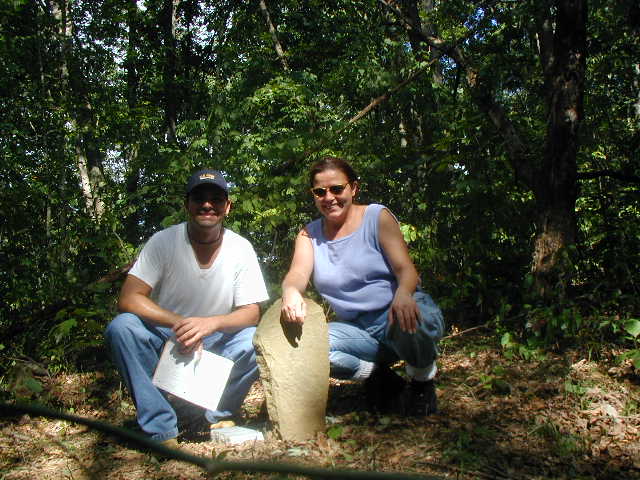
Mom and I at the Elizabeth Elkins grave, Fourteen Mile Creek, Lincoln County, WV, 2002
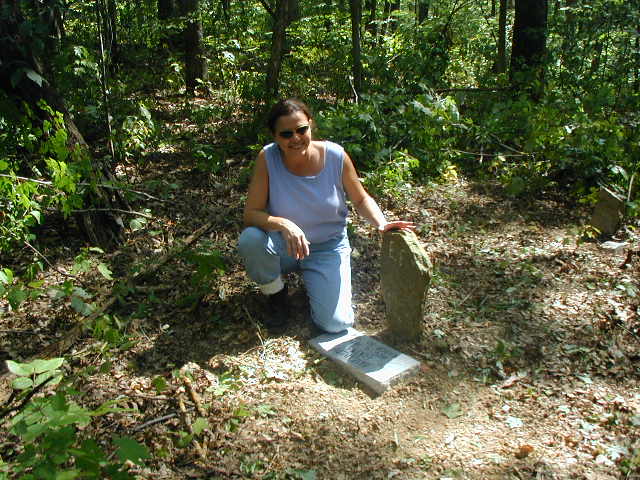
Mom at the Elizabeth Elkins grave, Fourteen Mile Creek, Lincoln County, WV, 2002

Elizabeth Elkins was the wife of Andrew Elkins, a Confederate veteran and postmaster, Fourteen Mile Creek, Lincoln County, WV, 2002

Dad at the Elizabeth Elkins grave, Fourteen Mile Creek, Lincoln County, WV, 2002
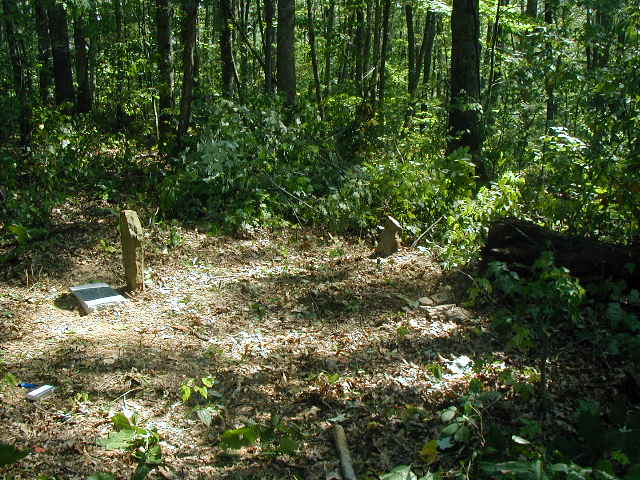
Elizabeth Elkins grave, Fourteen Mile Creek, Lincoln County, WV, 2002
28 Wednesday May 2014
Posted in Ed Haley, Harts, Lincoln County Feud
Tags
Al Brumfield, Ann Brumfield, Appalachia, Ben Adams, Bob Adkins, Brandon Kirk, Burl Adams, Cain Adkins, crime, Daisy Ross, Ed Haley, Green McCoy, Guyandotte River, Harts, Harts Creek, Henderson Dingess, history, Howard Dalton, Imogene Haley, Joe Adams, John Frock Adams, John Hartford, John W Runyon, Lawrence Haley, Lawrence Kirk, Lincoln County, Logan County, Major Adkins, Milt Haley, Paris Brumfield, Peter McCoy, Sallie Dingess, Trace Fork, West Virginia, writing
Two months later, Brandon was still digging, but in a different way. He was knee-deep in land records at the Lincoln and Logan County court houses. He was curious — based on the economic aspect of the 1889 feud — to know about property ownership for feudists, particularly those with land around the mouth of Harts Creek.
He started with the Brumfields.
In 1889, Paris Brumfield owned 771 acres of land worth $1020, while his wife owned 367 acres worth $483. Al Brumfield had 295 acres (195 acres on Brown’s Branch and 100 acres on the Guyan River) worth $642. By combining Al’s totals to that of his parents, the Brumfields owned a total of 1433 acres of land worth $2143. A little further up Harts Creek, Henderson and Sarah Dingess owned 546 acres (five tracts) worth $1234.50 with a building valued at 100 dollars.
How did these totals compare to the land holdings of their enemies?
Well, Cain Adkins owned 205 acres worth $420 (with no buildings listed for 1889), while John Runyon owned 100 acres worth $187.50. Ben Adams owned at least 340 acres in Lincoln and Logan Counties (2 tracts) worth $380. By combining Ben’s property with that of Adkins and Runyon they owned 645 acres worth $987.50 — not even half of the Brumfield family holdings.
Based on these records, we realized that it might have been the financial superiority of the Brumfields and Dingesses which caused Adams, Runyon, and/or Adkins to act out against them (through Milt and Green).
But there was also a reason for the Brumfields to feel a little threatened themselves: John Runyon, whose 100 acres of property was situated geographically closest to them near the mouth of Harts Creek, had accumulated his estate in only three years of residence in Harts. His first tract, totaling 75 acres, was worth $1.50 and was deeded by A.S. “Major” Adkins in 1887. The other tract, totaling 25 acres and worth three dollars per acre, was deeded in 1888. Neither tract contained a building, according to land records.
Al’s 100 acres near the mouth of Harts Creek, in contrast, reflected eight years of effort.
Brumfield was likely concerned that Runyon had acquired so much land at the mouth of Harts in such a short time, especially since it was property that he wanted for himself.
It was immediately clear in looking at the feud in mild economic terms that Milt Haley and Green McCoy were pawns in a larger game between local elites. While Paris Brumfield, Al Brumfield, Cain Adkins, John Runyon, and Ben Adams were leading citizens, property owners and businessmen, Milt and Green were timber laborers and musicians who owned no property whatsoever. Based on what we’d heard from Daisy Ross, it was easy to see why Green might have took a shot at Paris, but why did he attack Al? And what was Milt’s motivation for even getting involved in the whole mess? Was he pulled into the fray because of his friendship to Green, as Daisy Ross had said? Or did he have connections to Ben Adams (a possible economic dependence on the timber-boss, his residence nearby Adams on Trace, or the fact his wife was related to Ben)?
And what did either man hope to gain from the assassination of Al Brumfield? I mean, that’s a hell of a lot to risk for a side of bacon and a few dollars. I had this nagging suspicion that they were maybe innocent of the crime, but Brandon was pretty well convinced of their guilt (as had been Lawrence Haley). He did, however, leave an opening by pointing out how Bob Adkins, Howard Dalton, Joe Adams and Lawrence Kirk had all heard that they were innocent. Bob and Joe had actually mentioned other suspects: Burl Adams, a nephew to Ben Adams, and John “Frock” Adams, a half-brother to Ed’s mother (who later shot his wife’s head off with a shotgun in his front yard). There was also the testimony of Preacher McCoy, who said Milt and Green were “as innocent as Jesus Christ on the cross.”
26 Monday May 2014
Posted in African American History, Logan
Tags
Appalachia, Charles Dingess, Fannie Dingess, history, Logan County, Logan County Banner, slavery, U.S. South, West Virginia

Fannie Dingess obituary, Logan County Banner, May 15, 1902
26 Monday May 2014
Posted in Culture of Honor
Tags
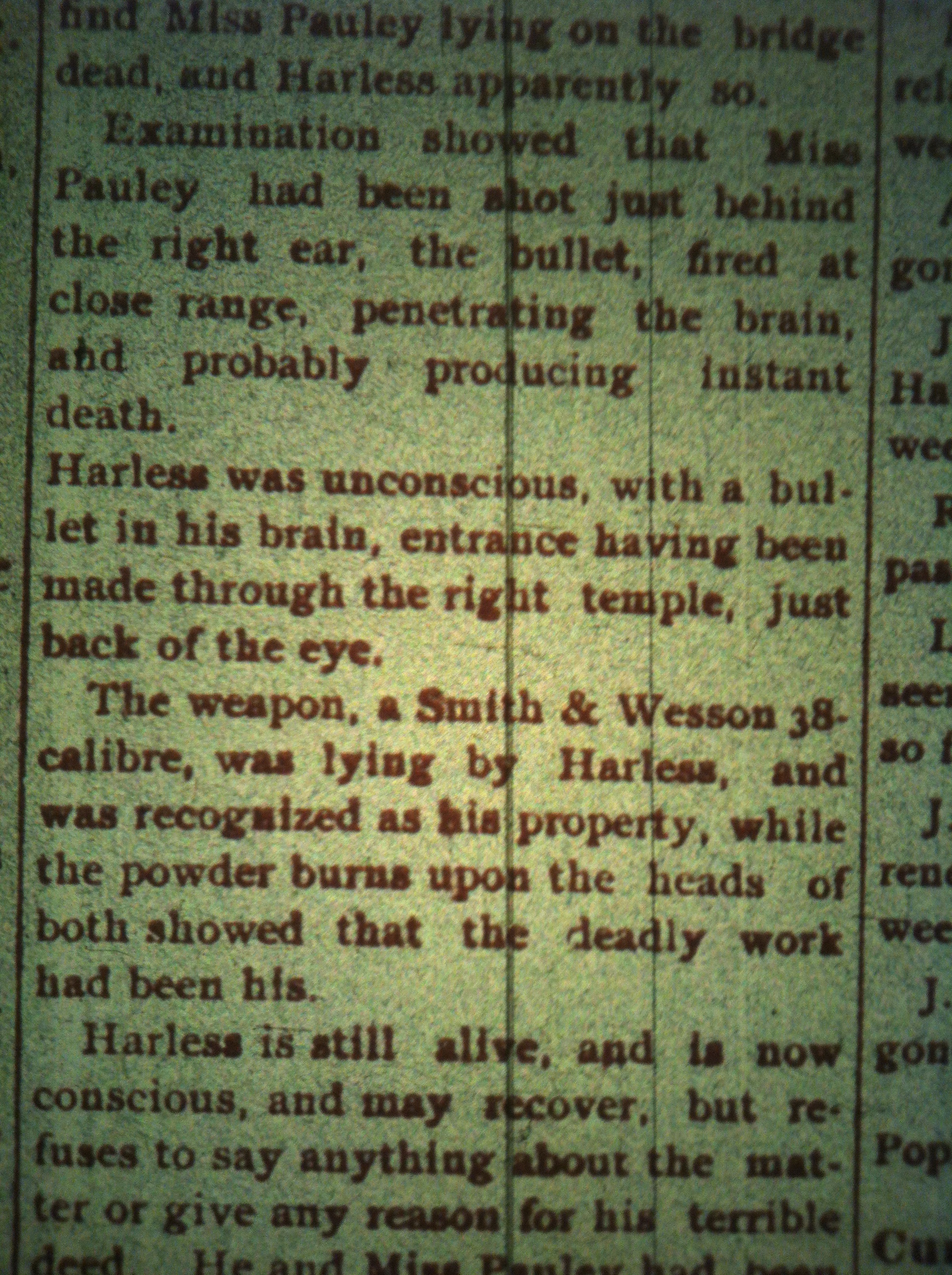
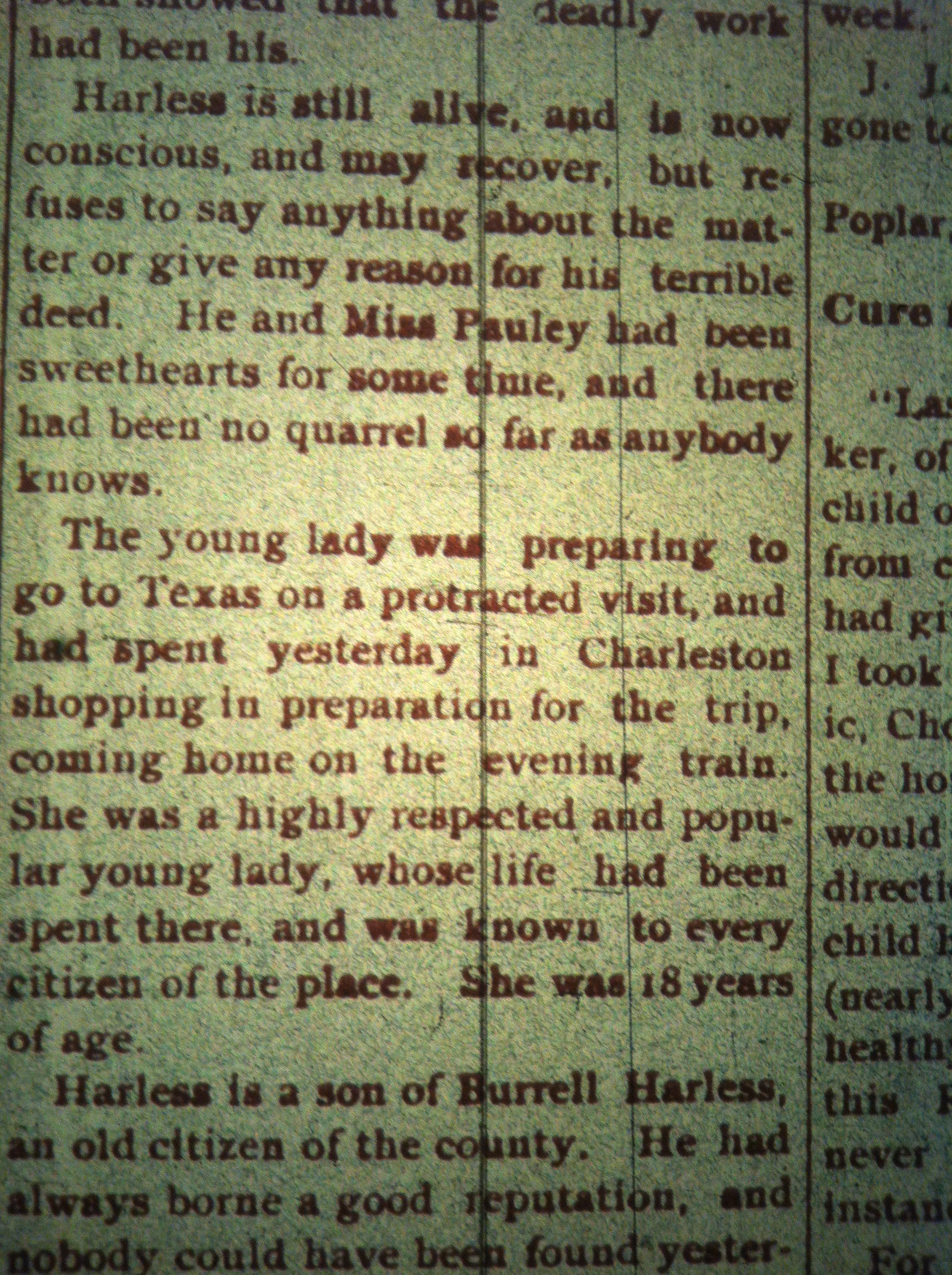
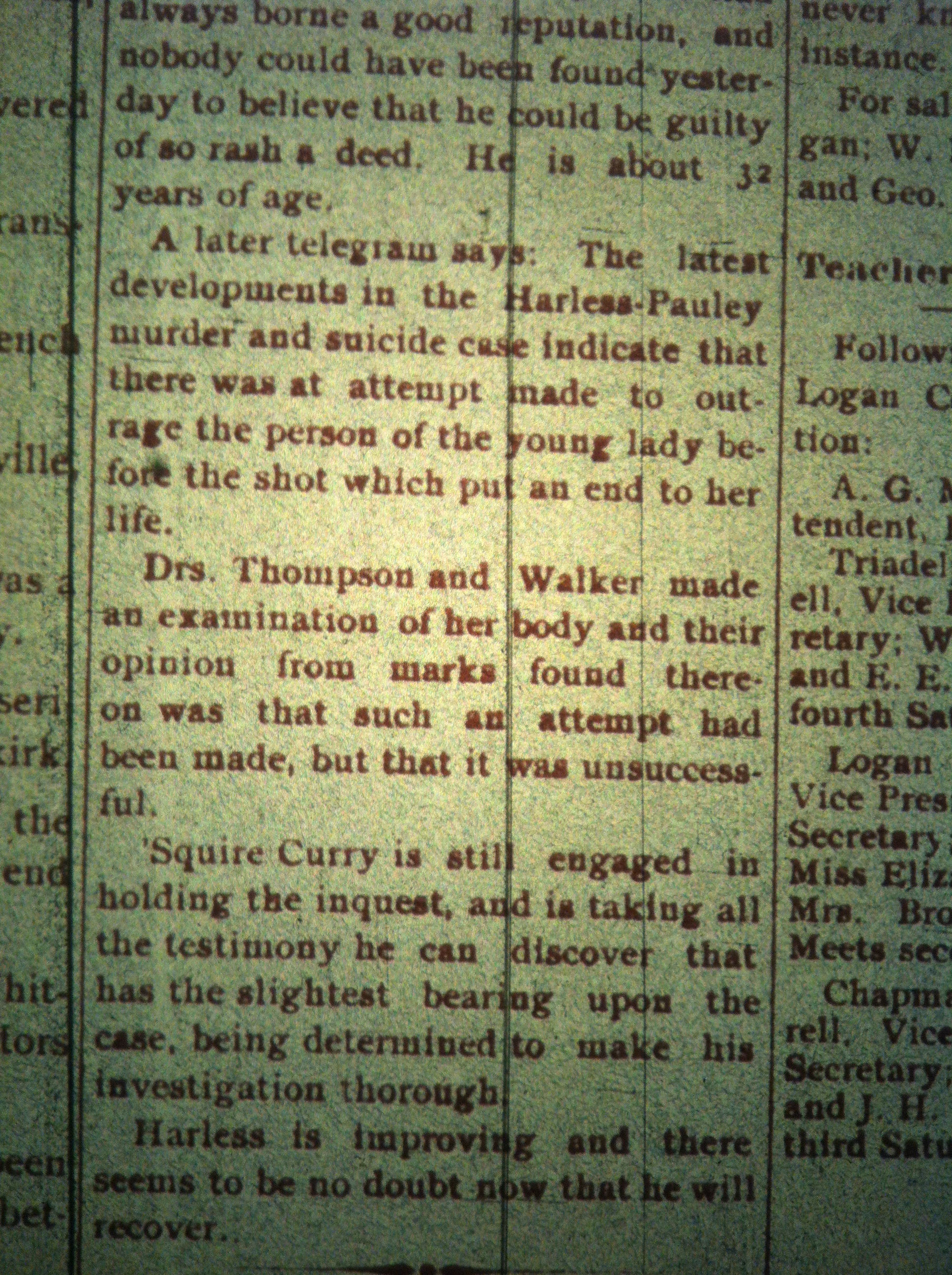
Appalachia, Boone County, Brownstown, Burrell Harless, Charleston, crime, Dr. Thompson, Dr. Walker, history, Lens Creek, Logan County Banner, love, Maude Pauley, Texas, West Virginia, Wyatt Harless

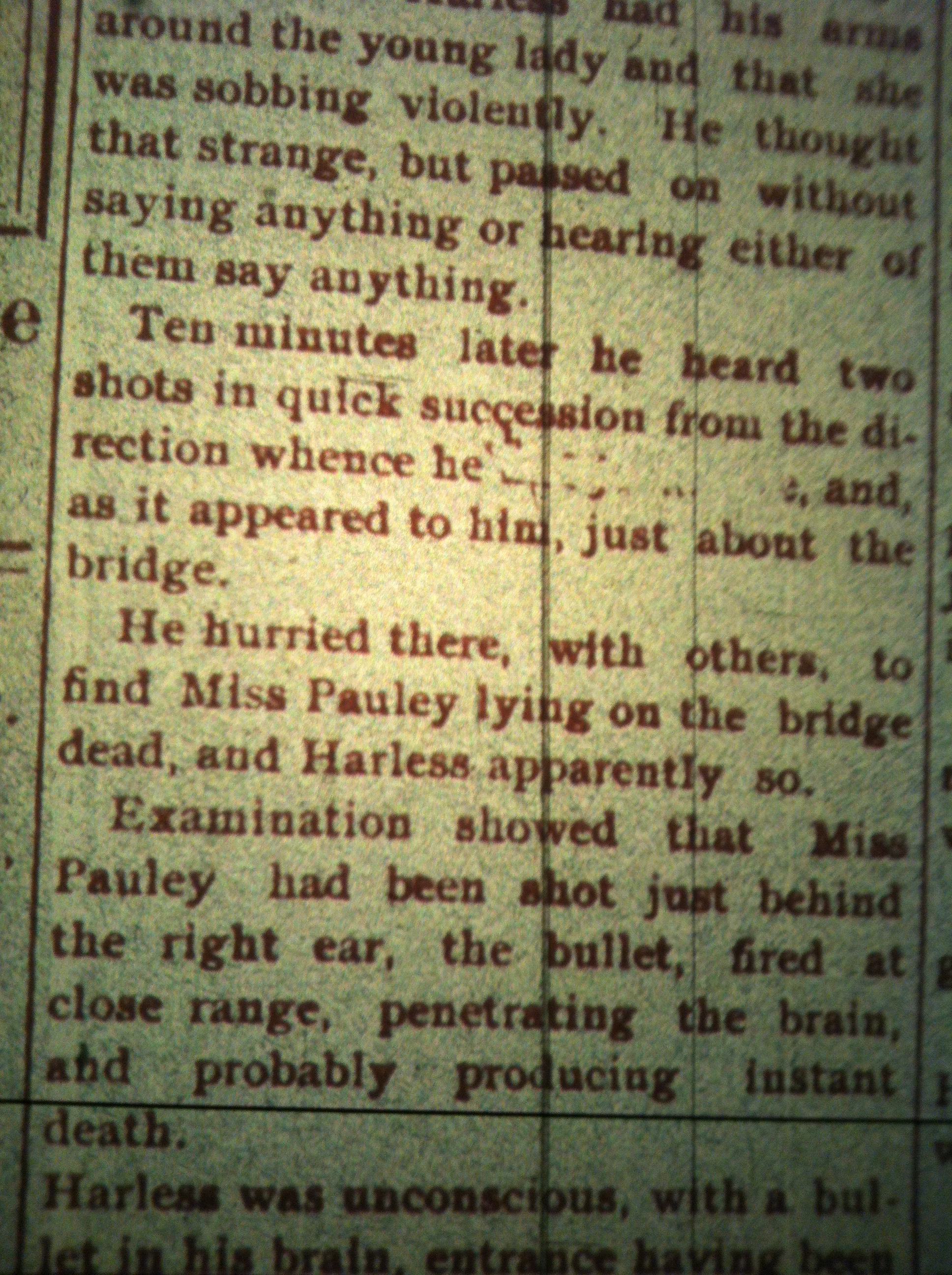
Wyatt Harless kills Maude Pauley, Logan County (WV) Banner, Thursday, August 1, 1901


25 Sunday May 2014
Posted in Big Harts Creek
Tags
Anna Adams, Appalachia, Great Depression, Harts Creek, history, Johnie Adams, life, Logan County, photos, U.S. South, West Virginia
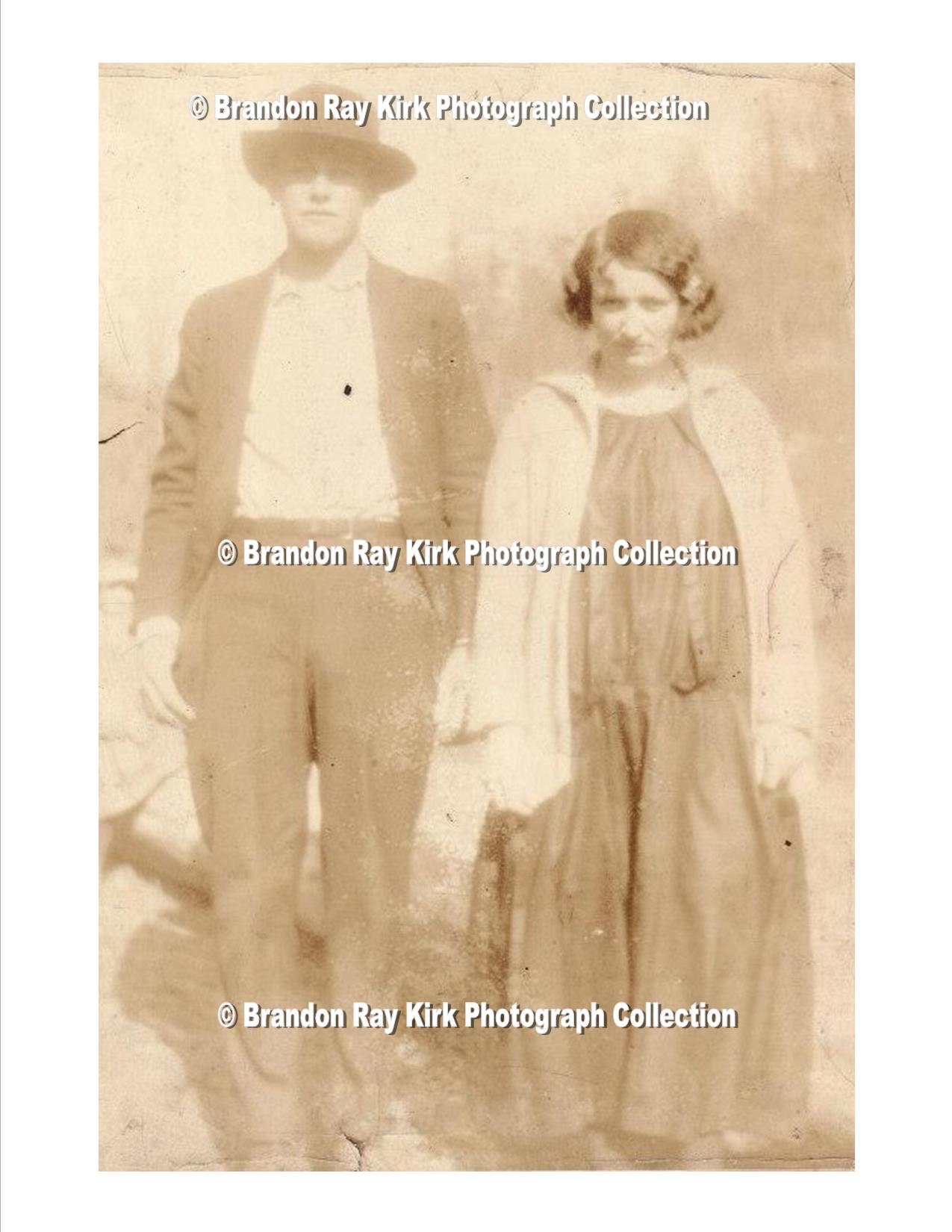
Johnie and Anna (Adams) Adams, residents of Upper Hart, Logan County, WV
23 Friday May 2014
Posted in Big Harts Creek, Harts, Timber
Tags
Appalachia, genealogy, Harts Creek, history, Lincoln County, logging, photos, timbering, U.S. South, West Virginia

Harts Creek Timber Man, 1890-1915
20 Tuesday May 2014
Tags
Appalachia, genealogy, Harts, Herb Adkins, history, Lincoln County, merchant, photos, U.S. South, West Virginia
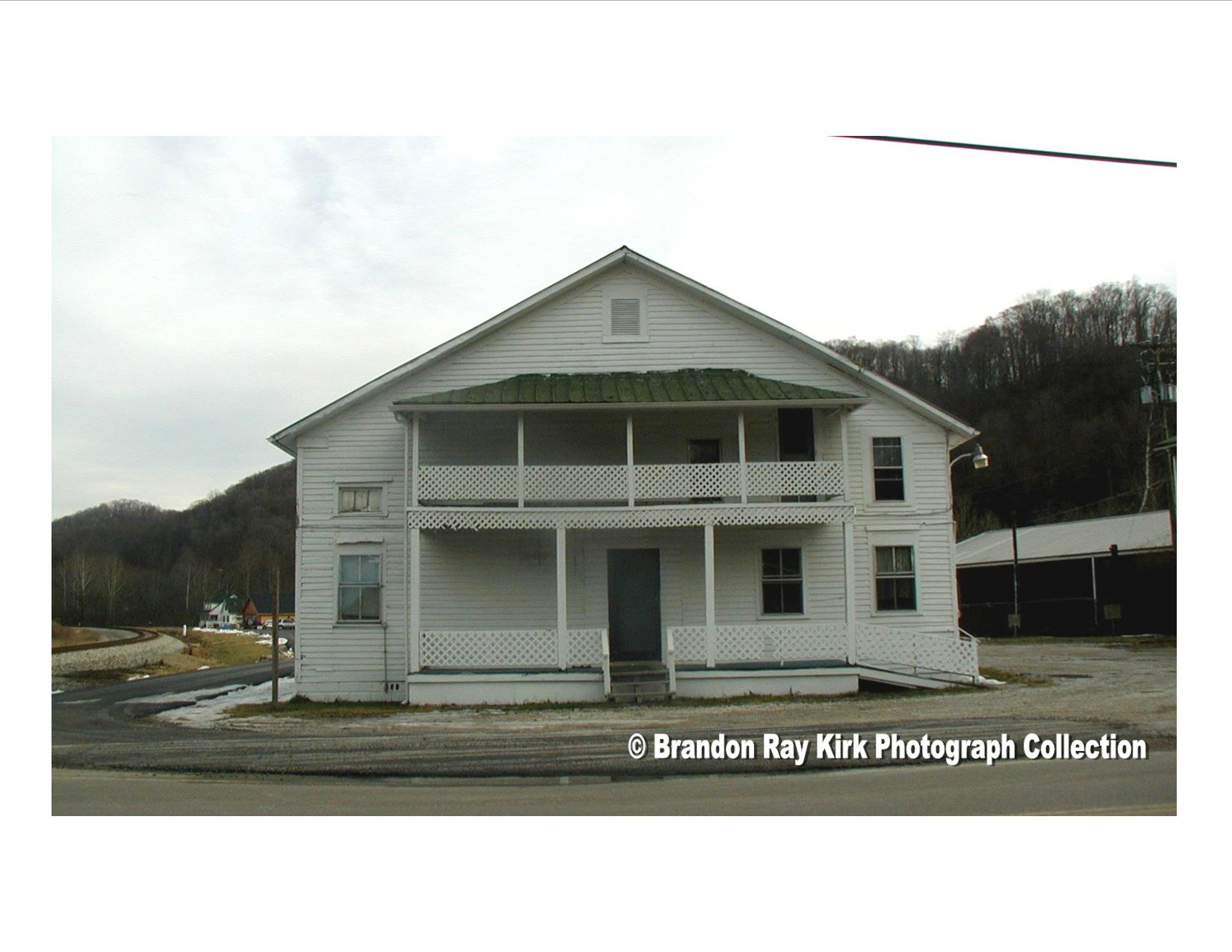
Herb Adkins store, Harts, Lincoln County, WV

Herb Adkins store, Harts, Lincoln County, WV
19 Monday May 2014
Posted in Big Harts Creek, Whirlwind
Tags
Appalachia, Democrat, Everett Adams, genealogy, Harts Creek, history, Logan County, photos, politics, U.S. South, West Virginia

Everett Adams for Logan (WV) County Clerk, 1926
18 Sunday May 2014
Posted in Green Shoal
Tags
Appalachia, Archie Lucas, Arnold Arno Lucas, Blackburn Pood Lucas, culture, genealogy, Green Shoal, history, Jane Lucas, Lincoln County, Marcell Dave Lucas, Marie Lucas, photos, U.S. South, Watson Lucas, West Virginia
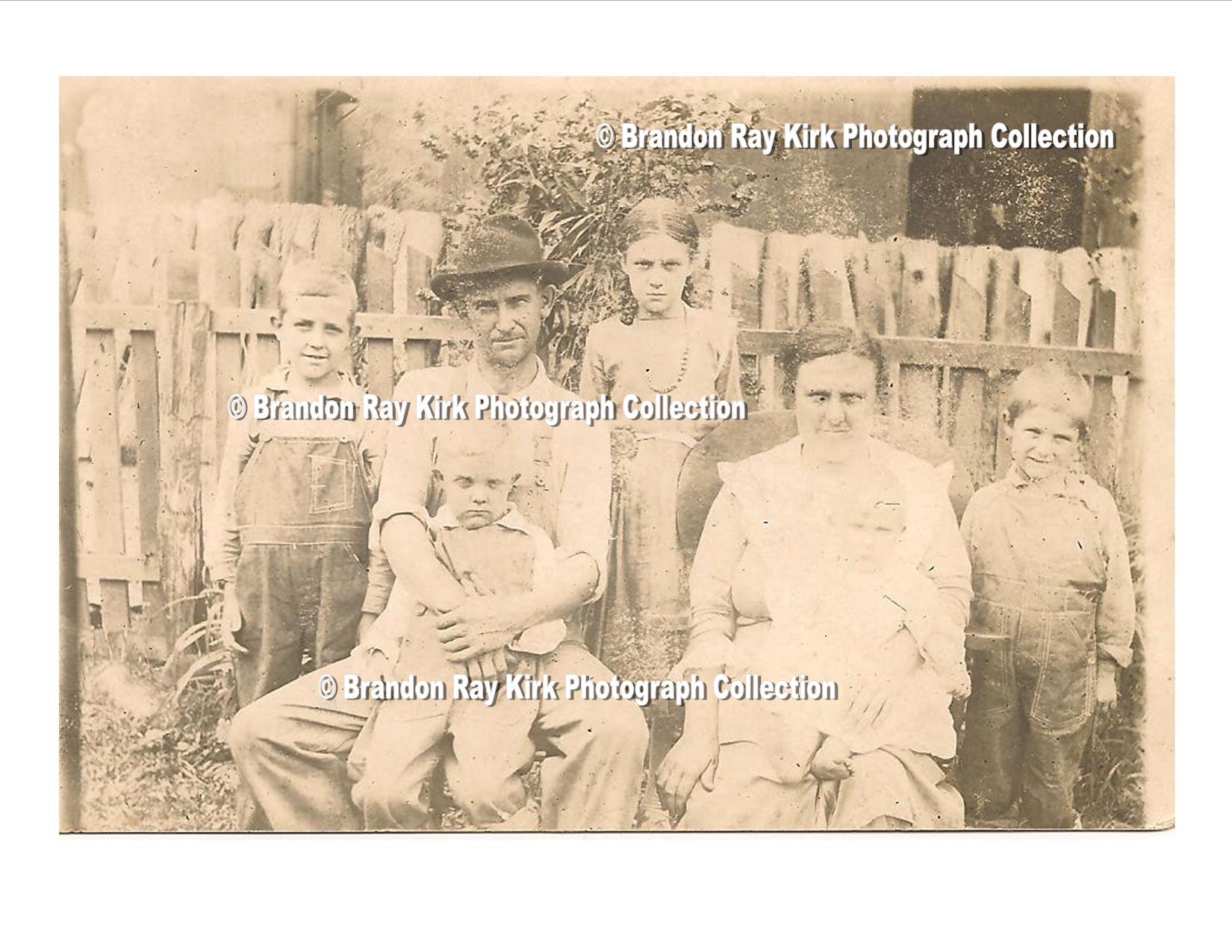
Watson Lucas family, residents of Green Shoal, Lincoln County, WV, c.1920
16 Friday May 2014
Posted in Big Harts Creek, Spottswood, Whirlwind
Tags
Appalachia, genealogy, history, justice of the peace, Logan County, photos, Sol Adams, Spottswood, West Virginia

Solomon “Squire Sol” Adams, Jr. (1869-1927), a justice of the peace and resident of Spottswood, Logan County, WV
16 Friday May 2014
Tags
Appalachia, Brandon Kirk, fiddlers, John Hartford, music, photos, Slim Clere, South Charleston, U.S. South, West Virginia

Here I am with Slim Clere and John Hartford at Slim’s home in South Charleston, WV, 1996
14 Wednesday May 2014
Posted in Calhoun County, Ed Haley, John Hartford, Music
Tags
Appalachia, Brandon Kirk, Calhoun County, cemeteries, Hicks Family Cemetery, history, John Hartford, Kim Johnson, Laury Hicks, music, photos, U.S. South, West Virginia, Wilson Douglas
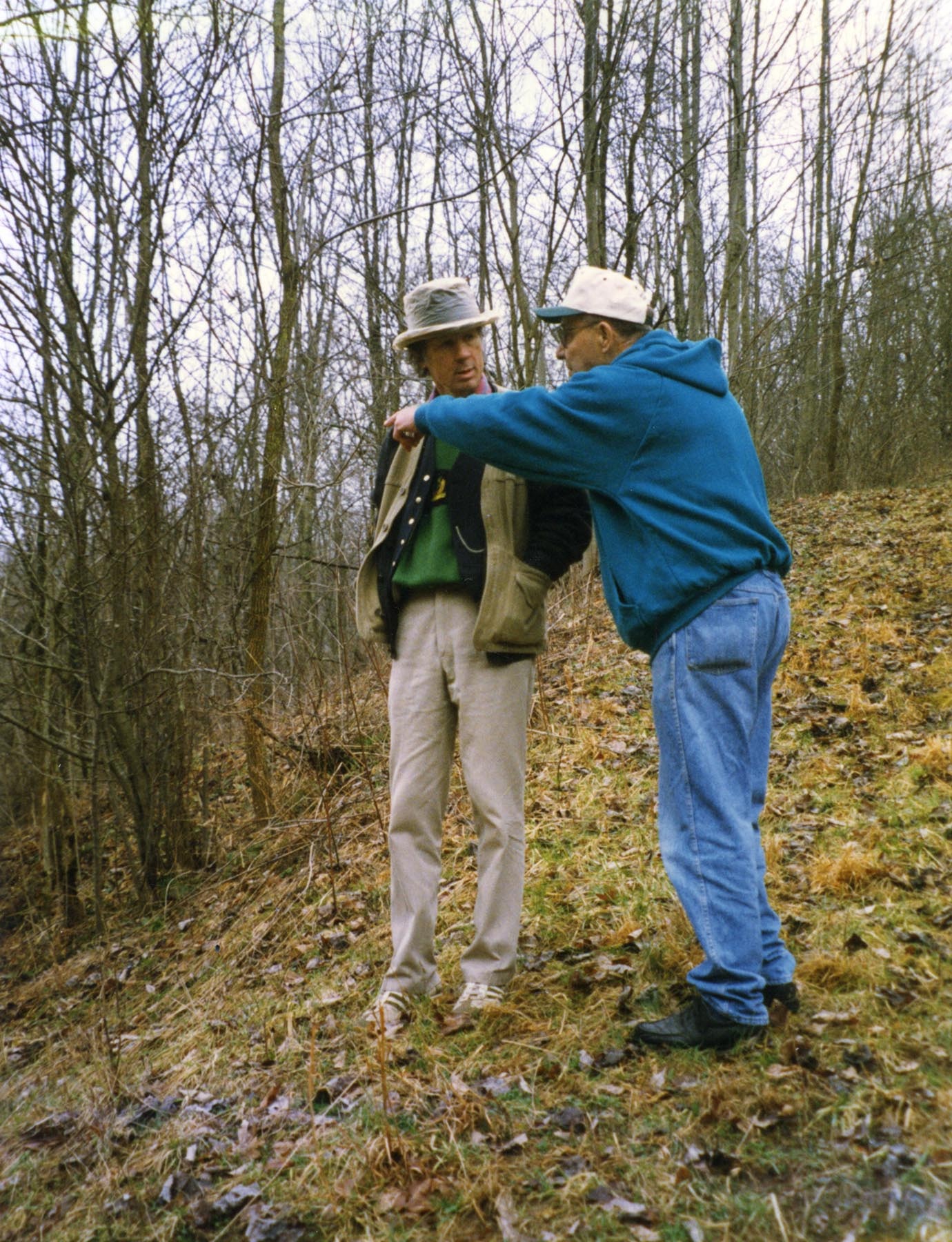
Wilson Douglas and John Hartford, Calhoun County, WV, 1996

John Hartford and I at the Laury Hicks grave, Calhoun County, WV, 1996
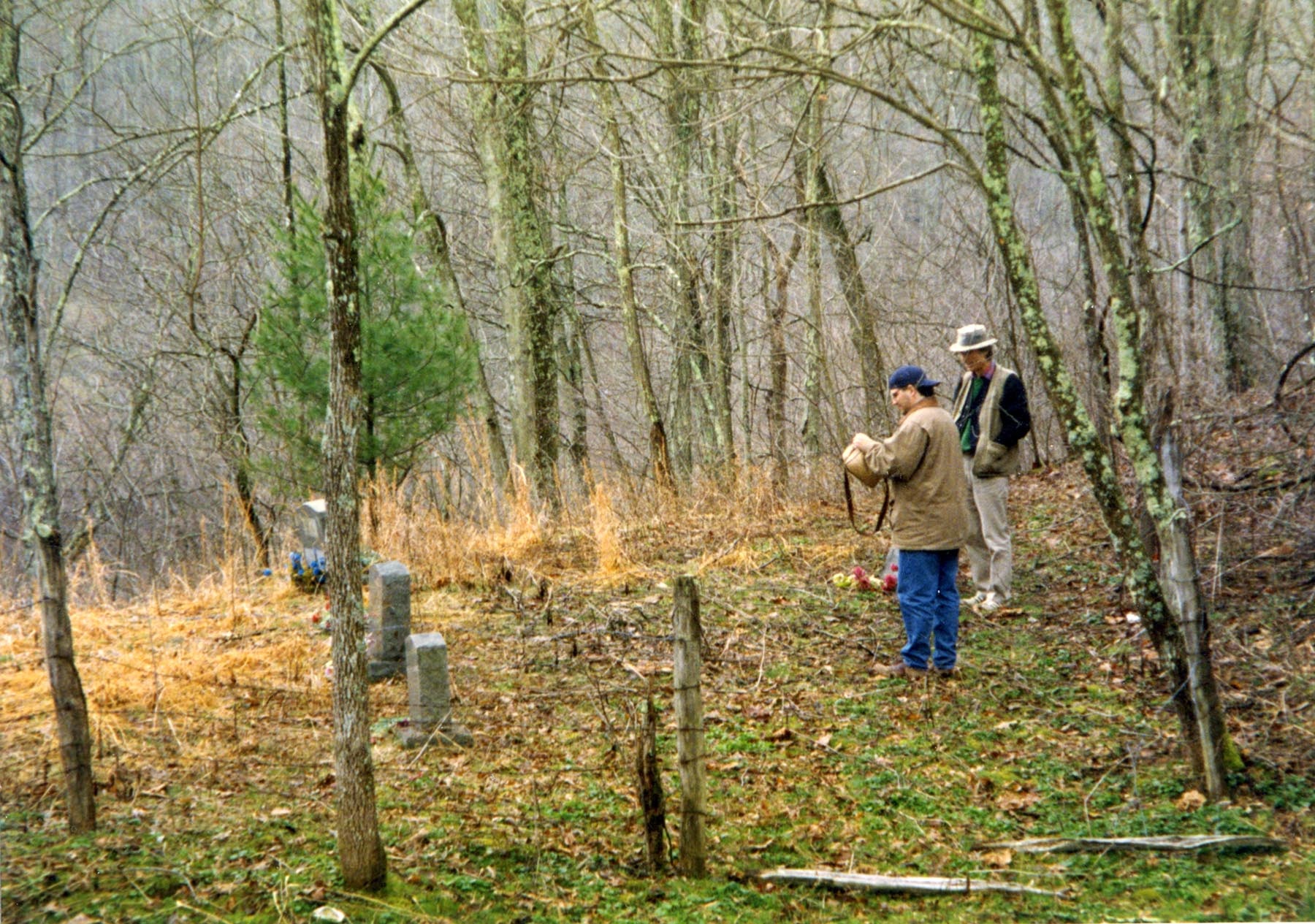
John and I at the Laury Hicks grave, Calhoun County, WV, 1996
14 Wednesday May 2014
Posted in Calhoun County, Clay County, Ed Haley, Music
Tags
Appalachia, Arnoldsburg, Ashland, banjo, Ben Friend, Bernard Postalwait, Bill Stutler, Bob Carr, Brandon Kirk, Calhoun County, Camp Chase, Charleston, civil war, Clay, Clay County, Clendenin, Ed Haley, Ed Williams, Edden Hammons, fiddlers, fiddling, history, Hog Run Hollow, Jack McElwain, John Hartford, Kentucky, Kim Johnson, Laury Hicks, Lawrence Haley, Lincoln Republican, Luther Carder, music, Pat Haley, Pisgah Bridge, Richwood, Sol Carpenter, St. Albans, Ugee Postalwait, West Virginia, William E. Chilton, Williams River, Wilson Douglas, writing
Brandon and I got a good night’s sleep at Pat Haley’s home in Ashland, then took off the next morning to see Wilson Douglas in Clendenin, West Virginia. I wanted to hear more about his memories of Ed, play some music, and go see the old Laury Hicks homeplace. Wilson met us on his porch with Kim Johnson, a banjo player. We all went inside and got settled, where Kim mentioned that Laury first invited Ed to his house after meeting him in St. Albans, near Charleston. Wilson was quick to offer new details about Ed — of a more seedy variety. He said Ed “ran around” a lot with Bernard Postalwait when he was in the area. They usually got drunk and went “women crazy” and stayed gone all night. Hicks apparently had a “wild side,” too. Wilson hinted that he was a moonshiner who sometimes left home on timber jobs…and never showed up.
We wasted little time in taking off to see some of Ed’s old stomping grounds in Clay and Calhoun Counties. There was a slight drizzle, just enough to wet everything.
Our first stop was the Hicks homeplace, which had been overtaken by weeds on my previous visit in 1994. The weeds were gone this time, so we got out of the car and maneuvered through the rotting remains of an outhouse, chicken coop, cellar base, parts of an old fence, and scattered boards — all damp and colored dark brown due to the light rain dropping down around us.
It was a far cry from the “old days” when (according to Ugee Postalwait) the family had farmed corn, wheat and cane all the way back up the mountain to the head of Hog Run Hollow. Gone were the apple and peach orchards. Gone were the gardens down by the creek (now taken in by the paved road). And, most obviously, gone was the old Hicks home, the last of four houses built on the site (the final one having been constructed in 1936).
We soon made our way up the hill to the cemetery, where Brandon took pictures. I just kind of stared at Laury’s grave — picturing Ed playing there after Laury’s death in 1937.
As we came off the hill, Wilson said Hicks was rumored to have died from “some bad cases of VD.”
Later that day, Wilson showed us Clay, the seat of government for Clay County. This was the place where Ed Haley arrived by train from Charleston enroute to the home of Laury Hicks. Lawrence Haley once told me about his father walking from Clay to Arnoldsburg, a town some thirty miles away. Brandon had found this great article titled “Old-Time Fiddlers Will Gather At Clay Saturday” from a 1921 edition of the Lincoln Republican.
Clay, W.Va., Jan. 10 — Elaborate preparations are being made in the little city of Clay for the old-time fiddlers’ contest which will be held on Saturday night, January 22. An attendance surpassing anything ever held in Clay is expected, and the hospitable citizens of this town have appointed a committee to look after the welfare of its guests. Similar contests have been held in various other sections of West Virginia this winter, but they cannot even compare to the one which will be held in Clay, it is predicted. Old-time fiddlers from far and near are coming to compete, and, if possible, carry off the honors of the evening.
Among some of the celebrated old-time fiddlers who will be here is “Jack” McElwaine of Erbacon, in Webster county. “Jack” has played the fiddle for more than fifty years, and between times has been justice of the peace, preached the gospel and practiced law. He learned to play under Saul Carpenter, the most famous old-time fiddler of them all, and who played himself out of Camp Chase during the Civil war. Another fiddler equally famous is “Edin” Hammons, who hails from the head of Wiliams river, and whose sole occupation all through life has been hunt, trap and play the fiddle. “Edin” has killed more bears, deer and played the fiddle more than any other man on Williams River.
It is said that Senator William E. Chilton and Colonel Bob Carr of Charleston have been given invitations to attend the contest and compete with these old-time fiddlers.
Several local celebrities are expected to enter the contest, and the old mountaineer fiddlers are looking forward to this part of the contest with great pleasure and saying “the city fellers will have to fiddle some to beat them.” No complete list of the fiddlers who enter the contest has been made public, but some fifteen or twenty are expected. Ben Friend, Ed Williams, Luther Carder and “Bill” Stutler, men who have been winning prizes in other contests, will be there.
People of Clay and surrounding country are looking forward to this event with great anticipation and pleasure. The last contest of the kind was held at Richwood, Thursday night of last week, and fully 200 persons were unable to get into the theater where it was held.
There are very few of the real old time fiddlers who play the old mountain tunes living today, and within a very short time there will be none left and no one to take their place. The younger generation has neither talent nor desire for this kind of music. At any rate, one can not find a young man of today who can play the fiddle in the “good old-fashioned way.”
Clay, I found, was a small shell of a town with a nice old courthouse sitting high on the hill. There was the typical arrangement of buildings: sagging old businesses hinting at lost prosperity, a small bank, dollar stores, a car dealership, a post office, and a Gino’s restaurant. No red lights and basically one two-lane thoroughfare through town. There was a hotel with the weekly newspaper office headquartered beneath where, I was told, you could go in late and help yourself to a key and then pay for your room the next morning on your way out. After passing through town and crossing the Pisgah Bridge, we spotted an old section of residences and a community church. The track bed was still visible but the railroad was long gone.
Writings from my travels and experiences. High and fine literature is wine, and mine is only water; but everybody likes water. Mark Twain
This site is dedicated to the collection, preservation, and promotion of history and culture in Appalachia.
Genealogy and History in North Carolina and Beyond
A site about one of the most beautiful, interesting, tallented, outrageous and colorful personalities of the 20th Century


