Tags
Appalachia, culture, genealogy, Harts, history, life, Lincoln County, Pearl Adkins, photos, West Virginia, writers, writing

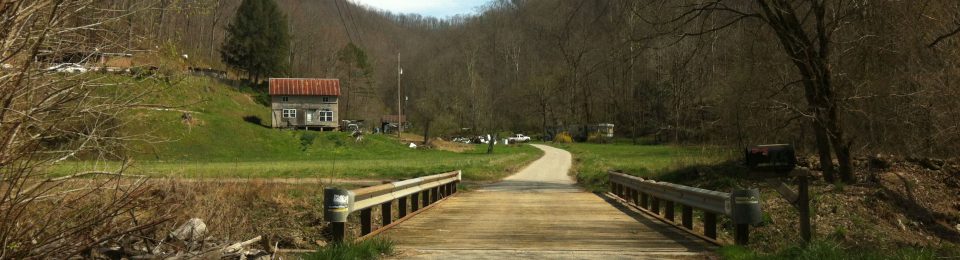
Pearl Adkins (left), Harts, Lincoln County, WV
22 Saturday Feb 2014
Posted in Harts, Pearl Adkins Diary, Women's History
Tags
Appalachia, culture, genealogy, Harts, history, life, Lincoln County, Pearl Adkins, photos, West Virginia, writers, writing
Pearl Adkins (left), Harts, Lincoln County, WV
20 Thursday Feb 2014
Posted in Big Harts Creek, Harts
Tags
Appalachia, Brandon Kirk, genealogy, Harts, life, Lincoln County, Mae Brumfield, photos, West Virginia

Your humble author with his absolute dearest friend, Mae Brumfield, Harts, Lincoln County, WV, c.1995.
18 Tuesday Feb 2014
Posted in Ed Haley, Harts, Women's History
Tags
Appalachia, culture, Garnet Adkins, Harts, history, life, Lincoln County, photos, West Virginia

Garnet Dingess Adkins of Harts, Lincoln County, WV, c. 1995.
16 Sunday Feb 2014
Posted in Big Harts Creek, Harts
Tags
Appalachia, Charley Davis, Elizabeth Davis, genealogy, Harts, life, Lincoln County, photos, West Virginia
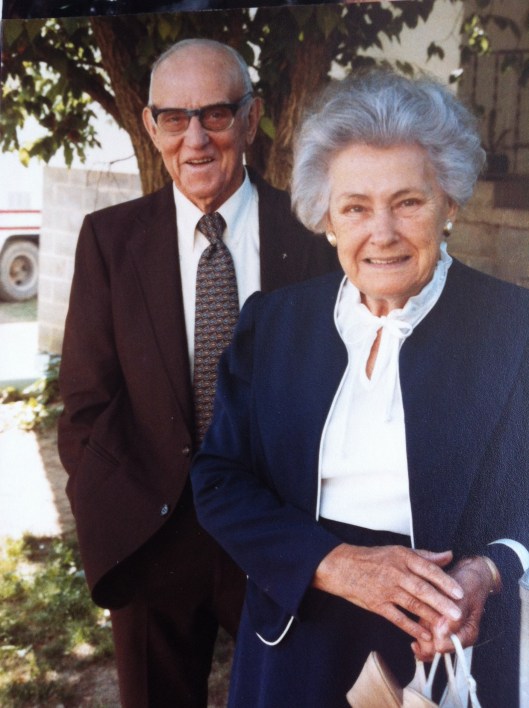
Charley and Elizabeth Davis, Harts, Lincoln County, West Virginia, 1988
09 Sunday Feb 2014
Tags
Atenville, Bob Lewis, Cabell Record, Eden Park, education, Ferrellsburg, Fry, Guyandotte River, Harts, Harts Creek, history, Lincoln County, moonshine, oil, rafting, timbering, Toney, West Virginia, writing
For the moment, timber remained king of the local economy. There were saw mills, large-scale timbering and news of a “firm from the East” locating in the area. “A firm from the East is getting ready to put men at work in the woods making barrel staves in the near future, near the Logan and Lincoln county line,” the Cabell Record reported in June of 1900. “Twenty thousand logs went out from Big Ugly and Hart’s creek last week,” it reported later in December. “There is a general activity in the timber business on Hart’s creek this winter,” the paper reported in January of ’01. “About fifty men are at work there getting out logs.”
With the coming of the railroad, Harts residents were also excited about the potential of extractive industries, like coal, natural gas, and even oil. “Everyone along the valley is talking coal these days,” the Record reported on December 6, 1900. “People with coal on their lands are jubilant over the prospects.” In January of 1901, the Record stated, “Hart’s creek people are enthusiastic over the prospects of striking oil or gas in that section. They have been encouraged very much by experienced oil men, who will work more wells in the spring on Little and Big Hart.”
Unprecedented economic opportunity seemed to be at everyone’s fingertips. “The valley will soon be dotted with small towns,” the Record accurately predicted on January 24, 1901. “Every day people are coming in to locate, and the future of the Guyan valley is promising.” On April 4, 1901, the Record wrote: “More timber went out of the valley in the late rise than has gone down in several years. Rafts followed one right after the other for several days. Bob Lewis is doing a lot of work on Hart’s creek now. He has got a large number of men in the woods chopping and has now on hand a grand lot of timber for the market.”
A major problem during this prosperous time involved an overabundance of alcohol. “A man claiming to be a Deputy U.S. Marshal or Revenue officer, was along the river the most of past week investigating reports regarding the sale of liquor without the proper Government permit,” the Record reported on April 5, 1900. “It is said that he ‘hooked’ on to plenty of clues and found where cider was ‘spiked’ quite heavily.”
On April 25, the Record offered this: “The past few days have been busy ones along the river. Timber men have been busy trying to save their stuff. At Nine, Fourteen, Big Ugly and Hart the stream has been filled with men rafting and working about logs. The river was higher than it has been for many years, and much damage was done to property along the streams and the big creeks.” On May 2, it stated: “Considerable dressed timber that was lying in the mouth of Big Ugly broke loose during the high water last week, but was caught below the Falls. The stuff is very valuable and is used in ship building, being transported to various ports in the East, and it is reported that some of it gets to England and Scotland.”
Alcohol continued to plague the valley. In June 1901, the Record offered this small dispatch: “From all reports plenty of ‘kill me quick’ liquor is being sold along the river these days. A big batch of indictments and arrests may result from it.” By fall, the Record wrote of the moonshiners and distillers: “They do business despite all protest.” Essentially giving up its attack upon the liquor men, it suggested that the Lincoln County Court “grant licenses to the saloons that do business openly near Big Ugly and Hart’s creek” because it “might as well get the revenue from this source.” In December, the Record reported, “It is said that the coming Lincoln county court may grant license to some saloons. Will it extend to those who openly violate the law along the river and don’t care?”
Once the railroad was completed in 1904, the newspaper’s predictions about “small towns dotting the valley” became a reality. In 1904, Ferrellsburg and Toney were established in Harts Creek District, followed by Atenville, Eden Park, and Fry in 1908. In 1904, there were 15 schools in the district and 482 students enrolled (out of 714 enumerated).
08 Saturday Feb 2014
Tags
Al Brumfield, Andrew Elkins, Bill Fowler, Cabell Record, Harts, history, Isaac Adkins, John Dingess, John W Runyon, timbering, Warren, writing
By that time, according to land records, Al Brumfield was the chief businessman in Harts. In 1890, he bought 150 acres of property, including a 100-acre tract from John W. Runyon valued at 188 dollars. (For some reason, deed records imply that Hollena bought it from John Dingess and not Runyon for $525 on August 7, 1891.) The following year, he bought 272 acres on Frances Creek, probably for timbering, and improved the value of a building on his land to 200 dollars (likely a home, store or sawmill). In 1892, his recently widowed mother deeded him 100 acres on Guyan River. That same year, he bought 50 acres on Fourteen Mile Creek (presumably for timbering) and improved the value of his building to 500 dollars. In June, he acquired the old 330-acre Toney farm at the mouth of Harts Creek. He bought out all of the heirs (including his mother), then paid Bill Fowler and Isaac Adkins $1550. Thereafter, he spent three years building that beautiful white home I saw on my first trip to Harts with Lawrence Haley in 1991.
By the early 1890s, the local timber industry was in full swing. “Considerable poplar timber has been cut out of Lincoln county for the last twenty years, and all the walnut that ever was, but there still remain magnificent tracts of tens of thousands of acres of timber which have never been touched by the woodman’s axe,” according to The Mountain State: A Description of the Natural Resources of West Virginia (1893). “Fully one-half the county is yet covered with magnificent oak forests, and the greater portion of this with poplar also. There is also much ash, beech, some chestnut, a little pine, and some other timber, all of which may be easily gotten to market by means of the Guyandotte. Little timber has ever been sawed at home, it being cheaper to float the logs out and saw them closer to market. Even staves are taken out in this way, not being sawed or split till they have reached a railroad point. The northern portion of the county has been cleared and settled to a greater extent than the southern [Harts], where the greater part of the timber that is still standing is to be found.”
Cashing in on the timber boom was Al Brumfield. In the mid-1890s, however, Brumfield and his capitalistic ventures suffered a minor setback: at that time, the traditional post offices were discontinued and relocated in the backcountry away from the Guyandotte River. (Harts was discontinued in 1891 and Warren in 1894.) For a brief time, Harts residents were left with a Fourteen address, named after nearby Fourteen Mile Creek. Andrew Elkins, an old Confederate veteran, served as postmaster there from 1880 until 1898. But there was hope for Brumfield and Harts: there was talk of a railroad coming to the Guyandotte Valley, scheduled to pass smack dab through town, connecting Logan County with Cabell County towns near the Ohio River.
By 1899, Brumfield owned nine tracts of land totaling 714.5 acres worth $2,774. On his property were three buildings valued at $150, $150 and $750 — all of these figures not including the money he was making from his log boom, store, saloon, ferry, gristmill, and orchard. The next year, in 1900, he re-established the Harts Post Office and, within a few years, the local economy shifted back to the banks of the Guyan. It was a prosperous time: timber was in its hey-day and the railroad was on its way. “Allen, son of the late Paris Brumfield, who has a big lot of property at and near the mouth of Hart’s creek, says times have been good,” according to The Cabell Record of July 26, 1900. “He has a pretty home and one of the finest store-houses along the river.” Later in October, The Record reported: “Times were never in better shape along the river. Timbermen are active and saw mills are busy. The farmers are doing well, and the new railroad is giving employment to many.”
07 Friday Feb 2014
Posted in Ed Haley, Harts, Lincoln County Feud
Tags
Addison Vance, Al Brumfield, Benjamin Fowler, Bill Fowler, Cain Adkins, Charley Brumfield, Ed Haley, Effie Fowler, Emzy Petrie, Ferrellsburg, genealogy, George H. Thomas, George Washington Fowler, Harts Creek, Henry H. Hardesty, history, Isham Roberts, James P. Mullins, John H. Adkins, John H. Napier, John W Runyon, Milt Haley, Salena Vance, writing
The Lincoln County Courthouse — which holds deed records, vital statistics, and criminal records for the Harts Creek District — burned on November 19, 1909, taking with it whatever records might have existed pertaining to the 1889 feud. Thanks to a now-forgotten arsonist reportedly hired by a gas company to eliminate locals’ claims to mineral rights, we can locate little information in the courthouse on Milt Haley’s death or Brumfield family antics. However, somehow, we do have access to Lincoln County land records since 1867 and they reveal quite a bit about the happenings at the mouth of Harts Creek in the late 1880s. (The Logan County Courthouse, which holds similar records on Ed Haley and his family, has fared little better: it was burned by Yankee soldiers during the Civil War.)
Al Brumfield, according to Brandon’s research, first settled with his wife in a small, boxed house on property owned by his mother and located just below the mouth of Harts Creek at the Shoals along the Guyandotte River. In 1888, some seven years after his marriage, he secured his first piece of property on Brown’s Branch, courtesy of his mother. More importantly, according to land records (in one of those moments where written records confuse the story by totally conflicting with oral tradition), he did not own any property at the mouth of Harts Creek at the time of the Haley-McCoy trouble. Al apparently bought land there from Bill Fowler immediately after the Haley-McCoy trouble. The earliest documented account of him owning the log boom was an 1895 deed, which partially read, “…about three hundred yards above the mouth of said creek where the log boom is now tied.”
One thing for certain: Brumfield wasted little time in eliminating his business competitors at the mouth of Harts Creek immediately following the Haley-McCoy murders. In 1889, he had four primary rivals: (1) Bill Fowler; (2) John Runyon; (3) Isham Roberts and, to a lesser extent, (4) James P. Mullins. Fowler was his cousin, Runyon was no relation, and Roberts was his brother-in-law. Mullins was located more than a mile up Harts Creek at Big Branch and operated a business that was likely past its prime.
In 1890, Brumfield acquired two tracts of land (a 95-acre tract worth 113 dollars and a 25-acre tract worth 75 dollars) from Runyon. We don’t know what price was paid for this land (thanks to the courthouse fire) but considering the circumstances it may have helped save Runyon’s life in the wake of his possible role in the Haley-McCoy fiasco. In that same year, a stubborn Bill Fowler sold two valuable lots on the west side of Guyan River totaling 165 acres to Isaac Adkins, not Al Brumfield. Fowler was apparently resisting the urge to sell out to his ambitious younger cousin who had reportedly burned his business. One tract was 75 acres and worth six dollars per acre, while the other was 90 acres and worth four dollars per acre. The property was worth 810 dollars. Meanwhile, in 1891, Brumfield’s brother-in-law, Isham Roberts, who was referenced in a circa 1884 history as a “prosperous young merchant” at the mouth of Harts Creek, sold out and moved upriver near Fowler Branch (present-day Ferrellsburg).
Not only did Fowler, Runyon and Roberts sell out — they moved away completely. Fowler took his wife and four children (Bettie, age 15, Effie, age 14, Benjamin Franklin, age 12, and George Washington, age 10) and moved to Central City in Huntington. In May of 1892, his wife bought Lot 6 Block 88 in Central City from Susan Porter and her husband. On October 19, she deeded it to Louis H. Taliaferro, who deeded it back to William Fowler, who deeded it back to Taliaferro, who deeded it back to Mrs. Fowler. The Fowlers were in Central City in 1900. According to family tradition, Roberts moved to Oklahoma because of his wife’s disapproval of the violent deeds committed by her family. Several years later, she sold her interest in her father’s estate to Charley Brumfield — the man who had murdered her father in 1891.
Aside from businessmen, the 1889 troubles drove away other important citizens from Harts. First was Cain Adkins, a doctor, lawman, preacher and schoolteacher. In 1891, Cain Adkins sold 40 acres to John H. Adkins, who thereafter claimed the remainder of the farm. Two years later, in 1893, John and his wife Sallie deeded “the Canaan Adkins Farm” (205 acres) to Salena Vance for $607.50. In 1895, Vance and others sold the farm to J.A. Chambers, who in turn deeded it to Louis R. Sweetland in 1897. Thereafter, Salena Vance acquired the property again (jointly with her children, John and Nettie Toney) and sold it to George H. Thomas and E.O. Petrie in 1913. Later that year, Petrie sold his half-interest to Thomas. In 1914, the property contained a 300-dollar building.
In addition to Preacher Cain, John H. Napier, a doctor and in-law to Adkins, seems to have fled the community around 1890. According to Hardesty’s History of Lincoln County, West Virginia (c.1884), Napier settled near the mouth of Harts Creek in 1879. His wife, Julia Ann Ross, was a niece to Cain Adkins. Her older sister married Cain Adkins’ brother-in-law, Addison Vance, of Piney. John was listed in the 1880 census as a thirty-seven-year-old physician with a wife (age 30) and five children, as well as a nephew. He did not own property locally, although his occupation as a doctor and businessman might have made him particularly threatening to an ambitious person like Al Brumfield. “Mr. Napier is a prosperous merchant in Hart Creek district, with business headquarters at the mouth of the creek,” Hardesty wrote.
06 Thursday Feb 2014
Tags
Appalachia, Bill Adkins, culture, genealogy, Harts, history, life, Lincoln County, photos, West Virginia
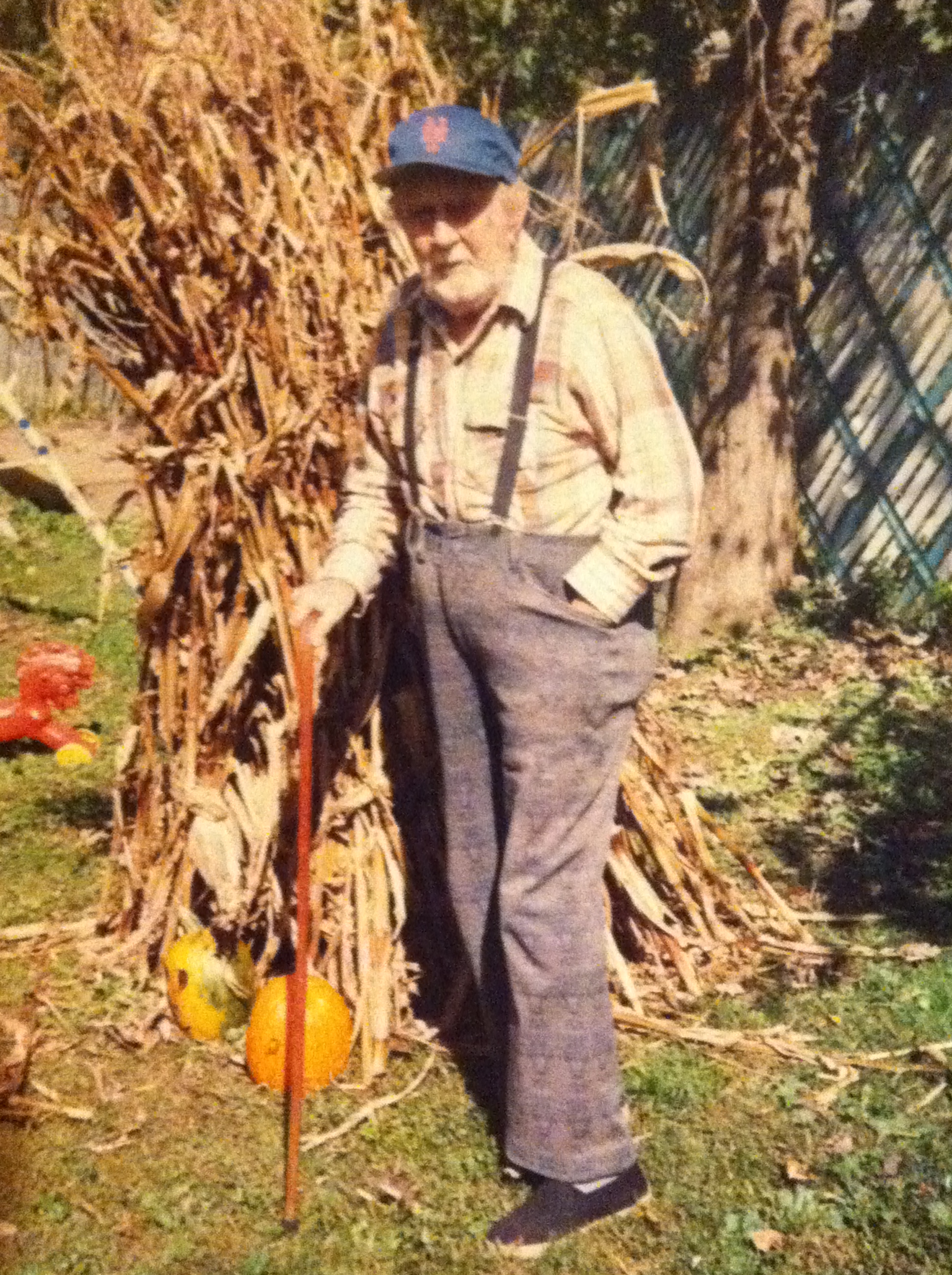
Bill Adkins of Harts, Lincoln County, West Virginia, c.1992
24 Friday Jan 2014
Posted in Big Harts Creek, Culture of Honor, Harts, Lincoln County Feud, Timber
Tags
Al Brumfield, Appalachia, Brandon Kirk, crime, feud, Green McCoy, Harts Creek, history, logging, Milt Haley, Pelican Publishing Company, photos, timbering, true crime, West Virginia, writers, writing

In June of 2014, Pelican Publishing Company will release my book detailing the true story of the Lincoln County feud.
22 Wednesday Jan 2014
Tags
Appalachia, culture, genealogy, Harts, Johnny Golden Adkins, life, Lincoln County, photos, West Virginia
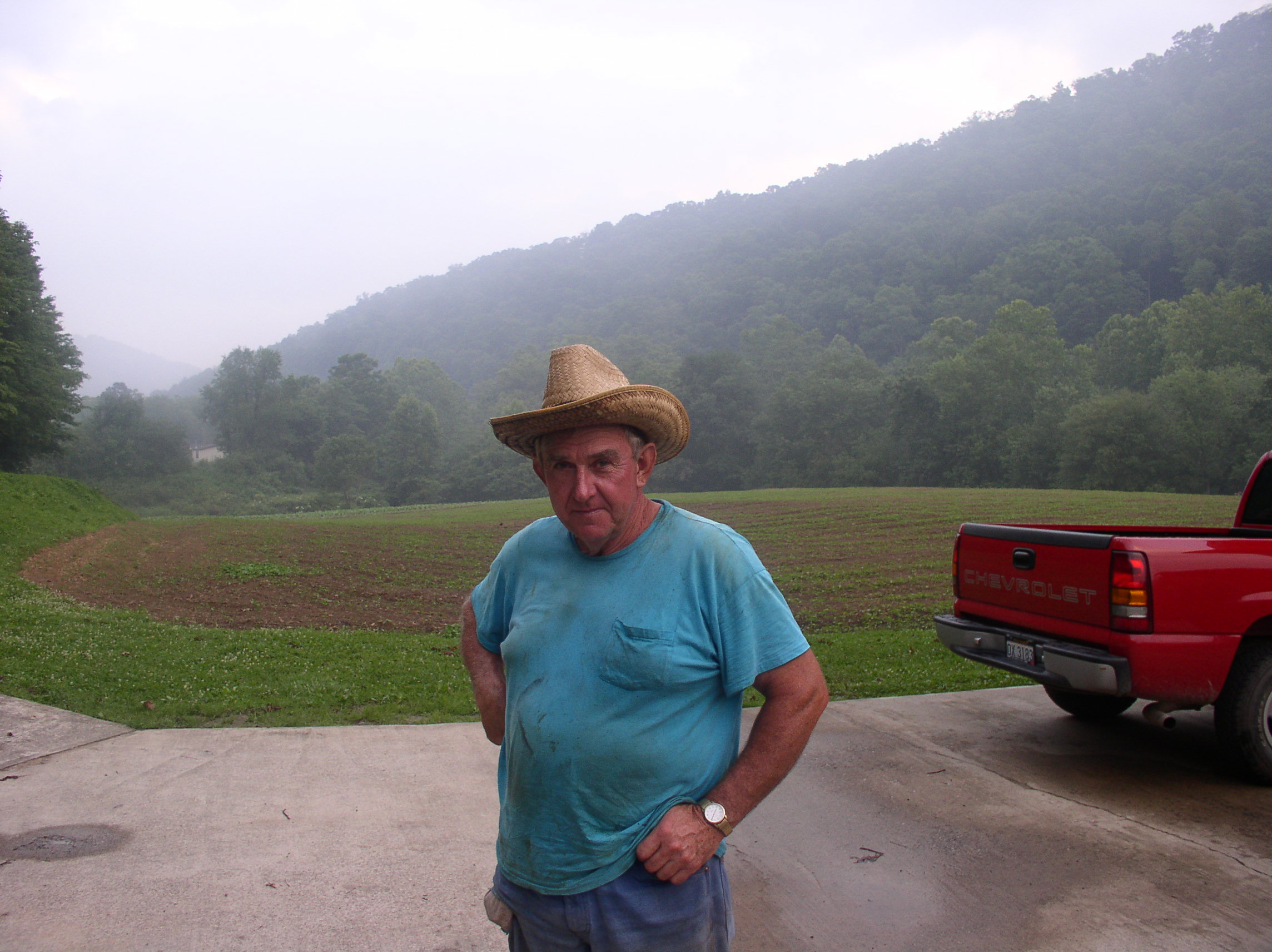
Johnny Golden Adkins of Harts, Lincoln County, WV
19 Sunday Jan 2014
Posted in Harts
Tags
Appalachia, Bob Brumfield, culture, Ethel Brumfield, genealogy, Harts, history, Jessie Brumfield, life, Lincoln County, Nora Brumfield, photos, West Virginia
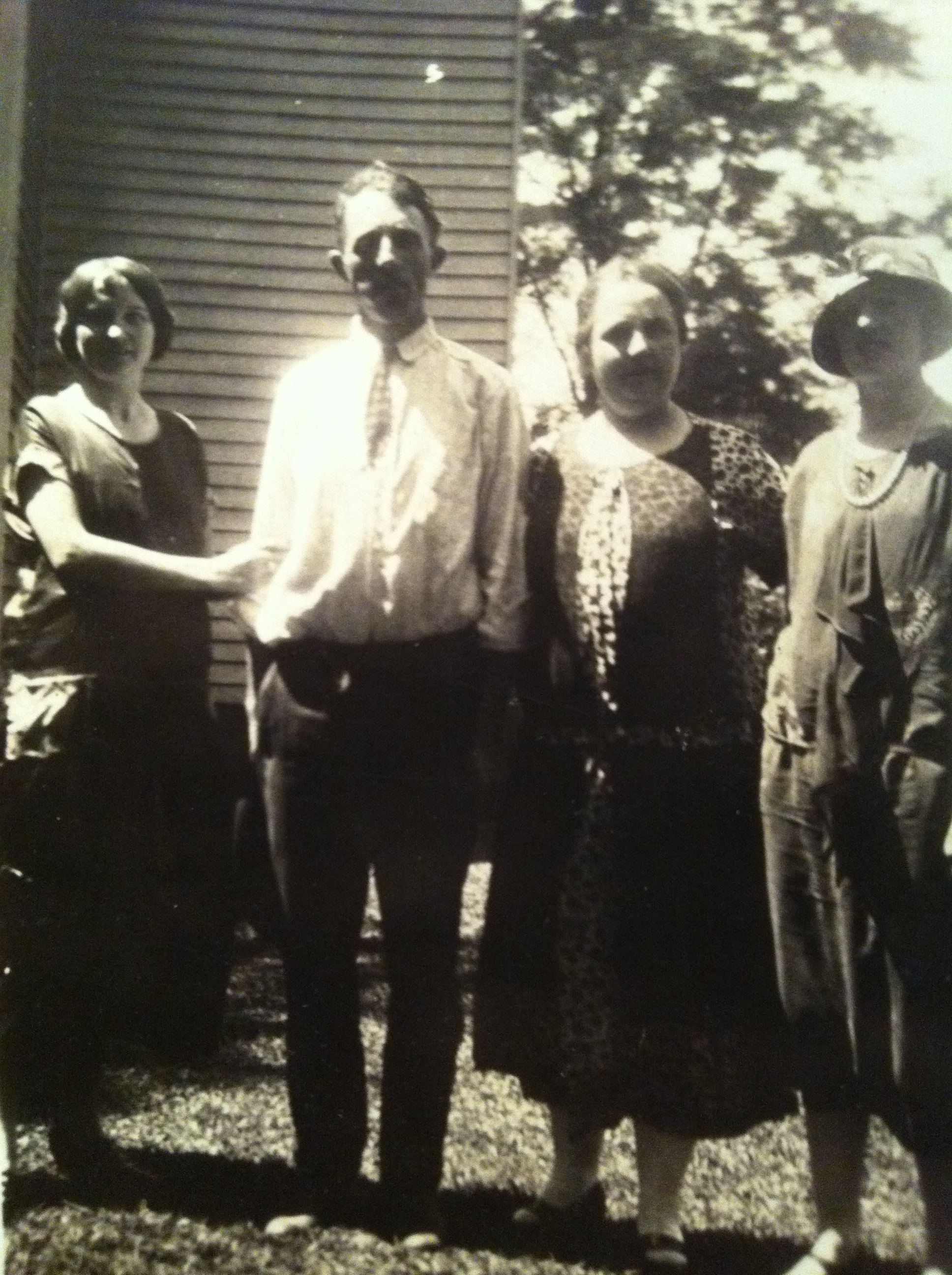
Nora Pack Brumfield, Bob “Jaker” Brumfield, Ethel Brumfield, and Jessie Brumfield, standing by the Charley Brumfield house in Harts, Lincoln County, WV, 1920s
07 Tuesday Jan 2014
Posted in Ed Haley, Green Shoal, Harts, Lincoln County Feud, Music, Toney
Tags
Appalachia, banjo, Bell Morris, Billy Adkins, Brandon Kirk, Bud Workman, Bumble Bee, Charley Davis, crime, Dave Dick, Don Morris, Ed Haley, Greasy George Adams, Green McCoy, Green Shoal, Harts, history, Hollena Brumfield, Hollene Brumfield, Hugh Dingess, Irvin Workman, Milt Haley, Peter Mullins, Ranger, Route 10, Toney, writing
Back at Billy’s, the subject of the “murder table” came up again. Supposedly, the table upon which Milt and Green had eaten their last meal somehow eventually ended up in the possession of Billy’s family. He suggested visiting his aunt Don Morris, who as a child had eaten from the table many times. Taking the cue, we loaded in the car and drove up Route 10 to Don’s house. Don lived at Toney, a small residential settlement just upriver from Green Shoal.
Don was a pleasant lady — very eager to help — and was aged probably in her seventies. After all the introductions, I asked her about the table. She said her grandfather Irvin Workman must have gotten it soon after the 1889 troubles. “He had it way back when he was raising his family,” Don said. “Then my dad, Bud Workman, when he moved out with my mother, they took the table with them.”
I asked, “Who told you that table was the Haley-McCoy table?” and she said, “My dad. It was in his father’s house before it was in his.”
“And you said that people would come by to see it?” I asked. “Who would come to see it?”
Don said, “I imagine it was relatives of the people that was involved in it.”
Don seemed to remember the table well, so I asked her for some paper so I could try to sketch it based on her memories. I started out asking about the length of the table, the style of its legs, and so forth…estimating everything by comparing it to Don’s current table. It was like doing a police sketch. After I had a rough drawing of the table, I asked her about the size and angle of the bullet holes.
Satisfied, I asked Don if she’d heard anything about Milt and Green’s death.
“It was pretty complicated,” she said. “Well, they got those men in and fed them. They knew they was gonna kill them all the time and they let them eat first. I can’t remember too much about the actual thing, because they didn’t talk too much about it in the family. Grandpa did sometimes. Well, I understood they shot them around the table after they ate. But it was execution style. Now, I couldn’t swear to it.”
Don figured the only light in the room was a kerosene lamp in the middle of the table. There was a story, Brandon said, that Hugh Dingess “shot out the lights” just before the murders — which presumably meant this lamp. While this may have occurred (perhaps so no one could witness the subsequent murders and thus testify in a future trial), it seemed unlikely. I mean, the room was probably really crowded if only half the people supposedly there were actually there and shooting in the room would have seemed dangerous. Of course, shooting a kerosene lamp could have set the whole house on fire.
“Well, I have heard they did, and I’ve heard they didn’t, so I couldn’t say which is true,” Don said of the lights. “I don’t think they could have without burning down the table.”
Brandon asked, “Was one of the men supposed to have played music before they killed him?” and she said, “He sang, didn’t he? It seems to me he played the banjo and sang a song. I guess they thought since they was going out anyway they might as well go out in style.”
I said, “Now, I heard that the wives went down there to try to plead for their lives and they turned them away. Have you ever heard that?”
Don answered, “Yes, I’ve heard that, but whether or not it’s true I’m not sure. My husband’s mother Bell Morris was related to the McCoys.”
I said, “Just for the record, what happened to that old house?” and she said, “I bet it burned.”
Don wondered why I was so interested in Milt Haley and I explained that I was researching the story of his son, Ed Haley, of which he was a very important part. I asked if she ever heard Ed play and she said, “I’m not sure, seems that maybe I did a long time ago. I think Haley played with Dave Dick. Dave played banjo. He was blind.” Brandon said Charley Davis had described Dick as a “pretty good” banjo-picker who mostly played “little ditties” like “Bumble Bee”. He lived downriver around Ranger but stayed in Harts for a week or so at a time with different families, sometimes playing for dances. Kids used to imitate him by bumping into things.
After mentioning Ed’s name to Don our conversation dwindled off to me asking if she knew people like Peter Mullins, Greasy George, or Hollena Brumfield. She gave answers like, “Well, I used to know a Peter Mullins. His foot was turned back. I remember watching him go up the hill there at the house.” As for Hollena Brumfield: “I knew one down here at this big old house at Hart. They put in a restaurant and you know it didn’t do too well. She said, ‘We got hotdogs on ice.’ Yeah, I knew those people.”
07 Tuesday Jan 2014
Posted in Cemeteries, Culture of Honor, Harts, Lincoln County Feud
Tags
Al Brumfield, Ann Brumfield, cemeteries, crime, feud, genealogy, history, John Brumfield, Lettie Brown, Moses Brown, Paris Brumfield, Paris Brumfield Family Cemetery, tourism, West Virginia
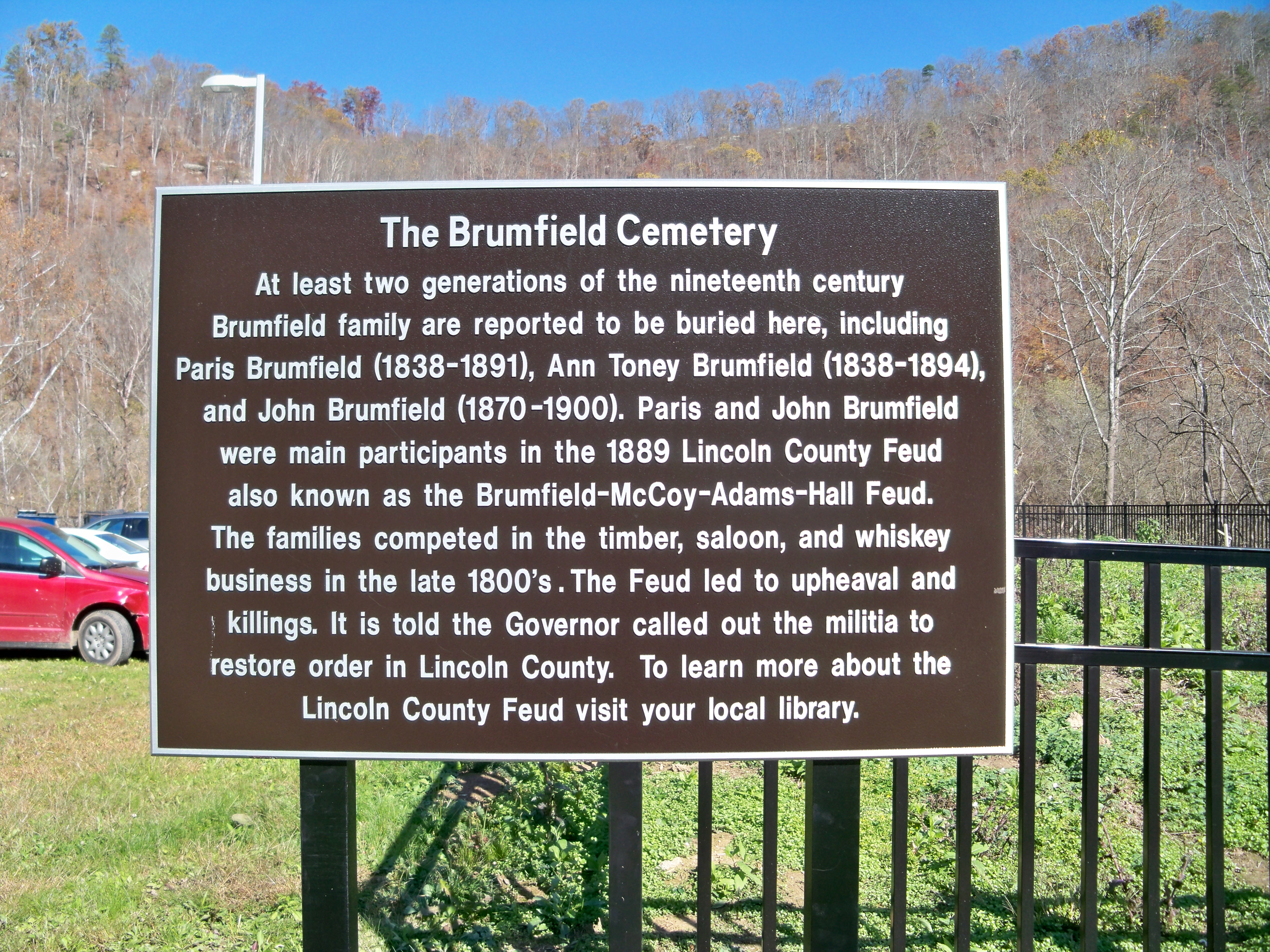
Harts, Lincoln County, WV, c.2012.
21 Saturday Dec 2013
Posted in Harts, Women's History
Tags
Appalachia, Bessie Adkins, culture, Great Depression, Harts, Hazel Adkins, history, life, Lincoln County, photos, West Virginia

Bessie (Brumfield) Adkins stands behind Hazel Adkins, Harts, Lincoln County, WV, 1940s.
27 Wednesday Nov 2013
Posted in Big Harts Creek, Chapmanville, Ed Haley, Harts, Music
Tags
Al Brumfield, Anthony Adams, Ashland, Bill's Branch, blind, Brandon Kirk, Cain Adkins, Cecil Brumfield, Chapmanville, Charley Davis, Cow Shed Inn, Crawley Creek, Dave Brumfield, Dick Thompson, Earl Brumfield, Ed Haley, Ellum's Inn, fiddler, fiddling, Fisher B. Adkins, Green McCoy, Harts Creek, Henderson Dingess, Hoover Fork, Hugh Dingess, John Brumfield, Kentucky, Lincoln County, Lincoln County Schools, Logan, Logan County, Milt Haley, music, Piney Fork, Smokehouse Fork, Trace Fork, Trace Mountain, West Fork, West Virginia, writing
A few days after visiting Earl Brumfield, Brandon dropped in on his good friends, Charley Davis and Dave Brumfield. Davis was an 88-year-old cousin to Bob and Bill Adkins. Brumfield was Davis’ son-in-law and neighbor. They lived just up Harts Creek near the high school and were familiar with Ed Haley and the story of his father, Milt. Charley said he once saw Ed in a fiddlers’ contest at the old Chapmanville High School around 1931-32. There were two other fiddlers in the contest — young men who were strangers to the area — but Ed easily won first place (a twenty-dollar gold piece). He was accompanied by his wife and a son, and there was a large crowd on hand.
Dave said Ed was mean as hell and laughed, as if it was just expected in those days. He said Ed spent most of his time drinking and playing music in all of the local dives. Sometimes, he would stop in and stay with his father, Cecil Brumfield, who lived in and later just down the road from the old Henderson Dingess place on Smoke House Fork. Dave remembered Ed playing at the Cow Shed Inn on Crawley Mountain, at Dick Thompson’s tavern on main Harts Creek and at Ellum’s Inn near Chapmanville. Supposedly, Ed wore a man out one time at a tavern on Trace Mountain.
Dave said he grew up hearing stories about Ed Haley from his mother’s people, the Adamses. Ed’s blindness was a source of fascination for locals. One time, he was sitting around with some cousins on Trace who were testing his ability to identify trees by their smell. They would put first one and then another type of limb under his nose. Dave said Ed identified oak and walnut. Then, one of his cousins stuck the hind-end of an old cat up under his nose. Ed smiled and said it was pussy willow.
Dave said he last saw Ed around 1945-46 when he came in to see his father, Cecil Brumfield. Ed had gotten drunk and broken his fiddle. Cecil loaned him his fiddle, which Ed never returned. Brumfield later learned that he had pawned it off in Logan for a few dollars to buy a train ticket to Ashland. Cecil bought his fiddle back from the shop and kept it for years.
Dave’s stories about Milt Haley were similar to what his Aunt Roxie Mullins had told me in 1991. Milt supposedly caused Ed’s blindness after getting angry and sticking him head-first into frozen water. Not long afterwards he and Green McCoy were hired by the Adamses to kill Al Brumfield over a timber dispute. After the assassination failed, the Brumfields captured Milt and Green in Kentucky. Charley said the two men were from Kentucky — “that’s why they went back there” to hide from the law after the botched ambush.
The vigilantes who captured Milt and Green planned to bring them back to Harts Creek by way of Trace Fork. But John Brumfield — Al’s brother and Dave’s grandfather — met them in the head of the branch and warned them to take another route because there was a rival mob waiting for them near the mouth of the hollow. Dave said it was later learned that Ben and Anthony Adams — two brothers who had ill feelings toward Al Brumfield — organized this mob.
The Brumfield gang, Dave and Charley agreed, quickly decided to avoid the Haley-McCoy rescue party. They crossed a mountain and came down Hoover Fork onto main Harts Creek, then went a short distance down the creek and turned up Buck Fork where they crossed the mountain to Henderson Dingess’ home on Smoke House Fork. From there, they went up Bill’s Branch, down Piney and over to Green Shoal, where Milt played “Brownlow’s Dream” — a tune Dave said (mistakenly) was the same as “Hell Up Coal Hollow”. Soon after, a mob beat Milt and Green to death and left them in the yard where chickens “picked at their brains.” After Milt and Green’s murder, Charley said locals were afraid to “give them land for their burial” because the Brumfields warned folks to leave their bodies alone.
Brandon asked about Cain Adkins, the father-in-law of Green McCoy. Charley said he had heard old-timers refer to the old “Cain Adkins place” on West Fork. In Charley’s time, it was known as the Fisher B. Adkins place. Fisher was a son-in-law to Hugh Dingess and one-time superintendent of Lincoln County Schools.
In the years following the Haley-McCoy murder, the Brumfields continued to rely on vigilante justice. Charley said they attempted to round up the Conleys after their murder of John Brumfield in 1900, but were unsuccessful.
19 Tuesday Nov 2013
Tags
Abner Vance, Andrew D. Robinson, Anthony Adams, Burl Farley, Cain Adkins, Caleb Headley, Elisha Vance, Enoch Baker, Evermont Ward Brumfield, George T. Holton, Henry H. Hardesty, Imogene Haley, Jeremiah Lambert, John H. Napier, Milt Haley, Patton Thompson, Robert Mullins, writing
Cain Adkins arrived on the West Fork of Harts Creek around 1870. During the decade, he purchased a 40-acre farm from his father-in-law, Abner Vance, situated on West Fork and valued at $2.00 (and then $4.00) per acre. In 1880, according to census records, Adkins was a farmer and neighbor to Boney Lucas (his son-in-law), Elisha Vance (his brother-in-law), Abner Vance, Overton McCloud (his brother-in-law) and Marvel Vance (his brother-in-law). In 1881, Abner Vance deed him a 25-acre tract. In that same year, he was listed in land records as owning a $50 building on the 40-acre tract. The next year, the value of his 25-acre tract increased from $1.50 per acre to $2.00 per acre. In 1884, he bought 140 more acres from A.A. Low, attorney, and E. and O. Estep. One part of this, a 40-acre tract, contained a building valued at $100. It was situated between his 25-acre tract and a 185-acre 1852 grant and an 860-acre 1856 grant to Isaiah Adkins. The other 100-acre tract of land was part of the 247-acre 1856 grant to Vance.
According to the Adkins family history, Cain was a United Baptist preacher, farmer, teacher, and justice of the peace. He taught school throughout the 1870s, according to educational records. But he was best known as a preacher; his name appears frequently in county marriage books. In 1877, he married Burl Farley (a member of the future 1889 mob) and Mary Ann Dingess, sister to Hollena Brumfield. In 1884, he married Milt Haley and Emma Mullins: “Thomas M. Hauley, age 25, born Cabell County, son of B.H. Hauley and N. Muncy, married Imogene Mullins, age 15, born Logan County, daughter of J. Mullins and C. Gore, on the 22nd day of March 1884 by Canaane Adkins, Minister, at Logan, WV.”
Cain’s various occupations would have made him a real renaissance man in the community. First of all, as a country doctor, he would have been in contact with most local families. As a teacher, he would have taught many of the local children at his school. In those days, church congregations usually met in schoolhouses — as there were no church buildings — so Cain would have preached to many members of the community at his school. Again, this occupation would put him in close touch with many locals — preaching funerals, marrying people, and so forth. As a law officer, he would have had to deal with local criminal activity — which (in addition to his preaching) may have put him in direct conflict with Paris Brumfield.
In addition to Adkins, Roberts, Mullins and Fowler, John H. Napier, a 41-year-old physician, was a prominent resident at the mouth of Harts Creek. John had settled in Harts in 1879 with his young wife (a niece to Cain Adkins), five children and a nephew. He quickly took up business, although he never bought property. “Mr. Napier is a prosperous merchant in Hart Creek district, with business headquarters at the mouth of the creek,” Hardesty wrote.
By the mid-1880s, the local economy was humming along, spurred by the timber industry. In 1884, the same year that Milt Haley and Emma Haley were married, a new post office called Warren was established five miles up Harts Creek on the bank of its south side below the mouth of Smokehouse Fork. In that vicinity, which encompassed Milt Haley’s section of the community, Andrew D. Robinson was postmaster, Van B. Prince (a former schoolteacher) was a physician, Benjamin Adams was a general store operator and Joseph Williamson was a mason. Henderson Dingess (father to Hollena Brumfield) and Benjamin Hager were distillers, and Anthony Adams and Robert Mullins were blacksmiths. McCloud & Company was the major general store in the vicinity. The post office serviced three to five hundred people semi-weekly.
At that time, according to Hardesty, Jeremiah Lambert of the Bend of the River was a justice of the peace and Aaron Adkins of Little Harts Creek was a constable. Evermont W. Brumfield — a brother to Paris Brumfield — was the county jailer. Patton Thompson was a constable and a deputy-sheriff. Caleb Headley — a brother-in-law to Burl Farley — was a physician on Fourteen Mile Creek. There were ten public school buildings in the district with a student population of 334. George Thomas Holton of Fourteen was a local schoolteacher. Enoch Baker, a Nova Scotian, was busy in timber with a “lower dam” on Brown’s Run of Smokehouse Fork according to 1883 deed records.
18 Monday Nov 2013
Posted in Harts
Tags
Appalachia, Harts, Henry S. Godby, history, Lincoln County, West Virginia, Wheeling Intelligencer
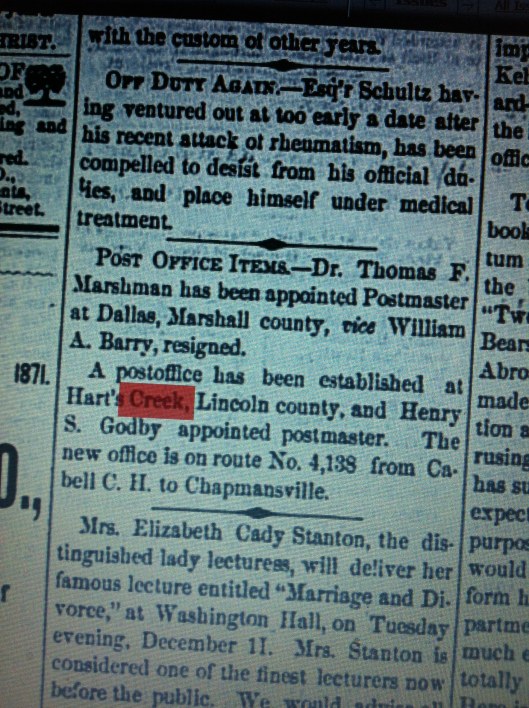
Wheeling Intelligencer, December 3, 1870.
18 Monday Nov 2013
Posted in Chapmanville, Civil War, Ed Haley, Green Shoal, Guyandotte River, Harts
Tags
Admiral S. Fry, Andrew D. Robinson, Andrew Robinson, Appalachia, Big Branch, Bill Fowler, Chapmanville, Confederate Army, Dicy Roberts, Elias Adkins, Francis Fork, G.S. Fry, general store, Green Shoal, Harts, Harts Creek, Harts Creek District, Henry H. Hardesty, Henry S. Godby, history, Hollena Brumfield, Isham Roberts, Jack Johnson, James P. Mullins, Joseph Workman, Marsh Fork, Martha Jane Brumfield, merchant, Milt Haley, Paris Brumfield, Sallie Dingess, Sand Lick Run, teacher, Thomas H. Buckley, timber, West Fork
The town of Harts — originally named Hart’s Creek — was established at the mouth of Big Harts Creek in the summer or fall of 1870 when Henry S. Godby, a peg-legged Confederate veteran from Chapmanville, petitioned the government for the creation of a post office called “Hart’s Creek.” At that time, Green Shoal was the most thriving spot in the Harts section of the Guyandotte River. A.S. Fry was its chief businessman and postmaster. Godby’s effort to establish Harts as a postal town was a short-lived venture. By 1876, Green Shoal still reigned supreme in local affairs. According to a business directory, it could boast a gristmill, free school and a Baptist and Methodist church. T.H. Buckley and G.S. Fry were physicians, while Joseph Workman was a clergyman.
Around that time, in 1876, Bill Fowler — a local general storekeeper — petitioned the government for the creation of a “Hearts Creek” post office and established his business headquarters at Harts. Fowler had migrated to the area in 1847 and married a daughter of Elias Adkins, an early settler. After a short stint as a schoolteacher in 1871, Fowler was by 1876 a general storekeeper and owner of some 30 acres of land on the Marsh Fork of West Fork. In March of 1877, he became postmaster of “Hearts Creek;” he was also a saloon keeper according to oral tradition. As his business interest generated profits (primarily in timber), he extended his land holdings. In 1878, he purchased 75 acres on the Guyan River from Abner Vance, valued at $5.00 per acre. The following year, he added a 90-acre tract to his estate on the west side of the Guyan River, valued at $3.25 per acre, which he purchased from brothers-in-law, Aaron and Enos Adkins.
Throughout the period, Fowler was unquestionably the chief businessman in Harts. Curiously, Andrew D. Robinson replaced him as postmaster of Hearts Creek in 1879. Robinson was a Union veteran and former township clerk, justice of the peace, and secretary of the district board of education. He was a brother-in-law to Ben Adams, as well as Sallie Dingess (Hollena Brumfield’s mother). In 1881, Robinson shortened the name of the Hearts Creek post office to “Hart.”
The Green Shoal area, meanwhile, fell into a state of decline as a local economic center. A.S. Fry gave up his postmaster position in 1878. He maintained his local business interests well into the next decade, then turned them over to his son George and left to pursue a hotel business in Guyandotte, a town situated at the mouth of the river in Cabell County. The Green Shoal post office was discontinued in 1879.
By 1880 — roughly the time that Milt Haley came to Harts from “over the mountain” — Harts reigned supreme as the hub of local business affairs. In that year, according to census records, the population of the Harts Creek District was 1,116. There were 1,095 white residents, fifteen blacks and six mulattos. 93-percent of locals were born in Virginia or West Virginia, while six percent were born in Kentucky. Most men worked at farming, although A.S. Fry and Paris Brumfield both had stores. In 1882-1883, Brumfield was listed in a state business directory as a distiller.
At that time, Bill Fowler was the undisputed kingpin of the local business scene. According to Hardesty’s History of Lincoln County, published around 1884, Fowler owned 200 acres of land at the mouth of Harts Creek and 254 acres on Mud River. He also owned 200 acres on Sand Lick Run, a branch of Francis Fork, based on land records at the Lincoln County Courthouse. “That situated on Hart creek produces well,” Hardesty wrote, “and has a good orchard and a part is heavily timbered with oak, poplar and pine; coal and iron ore are quite abundant.” Fowler was the father of four small children, recently born to his second wife.
There were other notable business folks in the neighborhood, namely Isham Roberts, who operated a store near Fowler on the Guyandotte River. He was the son of Dicy Roberts and the stepson of Jack Johnson, a local farmer. In the early 1880s, he married Martha Jane Brumfield, a daughter of Paris Brumfield, and opened a store on rental property at the mouth of Harts Creek. By 1884, when Hardesty wrote his history of the county, he referred to Roberts as “a prosperous young merchant in Hart Creek district, having his headquarters on Guyan river, at the mouth of Big Hart creek. His prices are the most reasonable and the business very extensive.” Roberts was the postmaster at Harts from 1883 until 1884, when Dr. T.H. Buckley replaced him.
James P. Mullins, who operated a general store building above Roberts at Big Branch, was also a budding merchant. By 1882, Mullins was the owner of a $200 storebuilding situated on a 203-acre tract of land. Over the next few years, he added another 55 acres on lower Harts Creek and 150 acres on Francis Fork (this latter tract likely acquired for timbering purposes). Hardesty referred to Mullins as being “of good business qualifications and prosperously engaged in merchandising, with business headquarters on Hart creek, one and one-half miles from its mouth.” In that year, Mullins purchased an additional 93 acres on Harts Creek. One year later, the value of his store building increased by $100, hinting at his growing prosperity.
25 Friday Oct 2013
Posted in Harts, Women's History
Tags
Appalachia, Caroline Brumfield, chickens, culture, farming, genealogy, history, life, Lincoln County, photos, West Virginia

Caroline Dingess Brumfield feeding chickens, Harts, West Virginia, 1920s
08 Tuesday Oct 2013
Posted in Ed Haley, Harts, Lincoln County Feud
Tags
Appalachia, crime, culture, feud, genealogy, Harts, history, life, Lincoln County, Paris Brumfield, photos, West Virginia
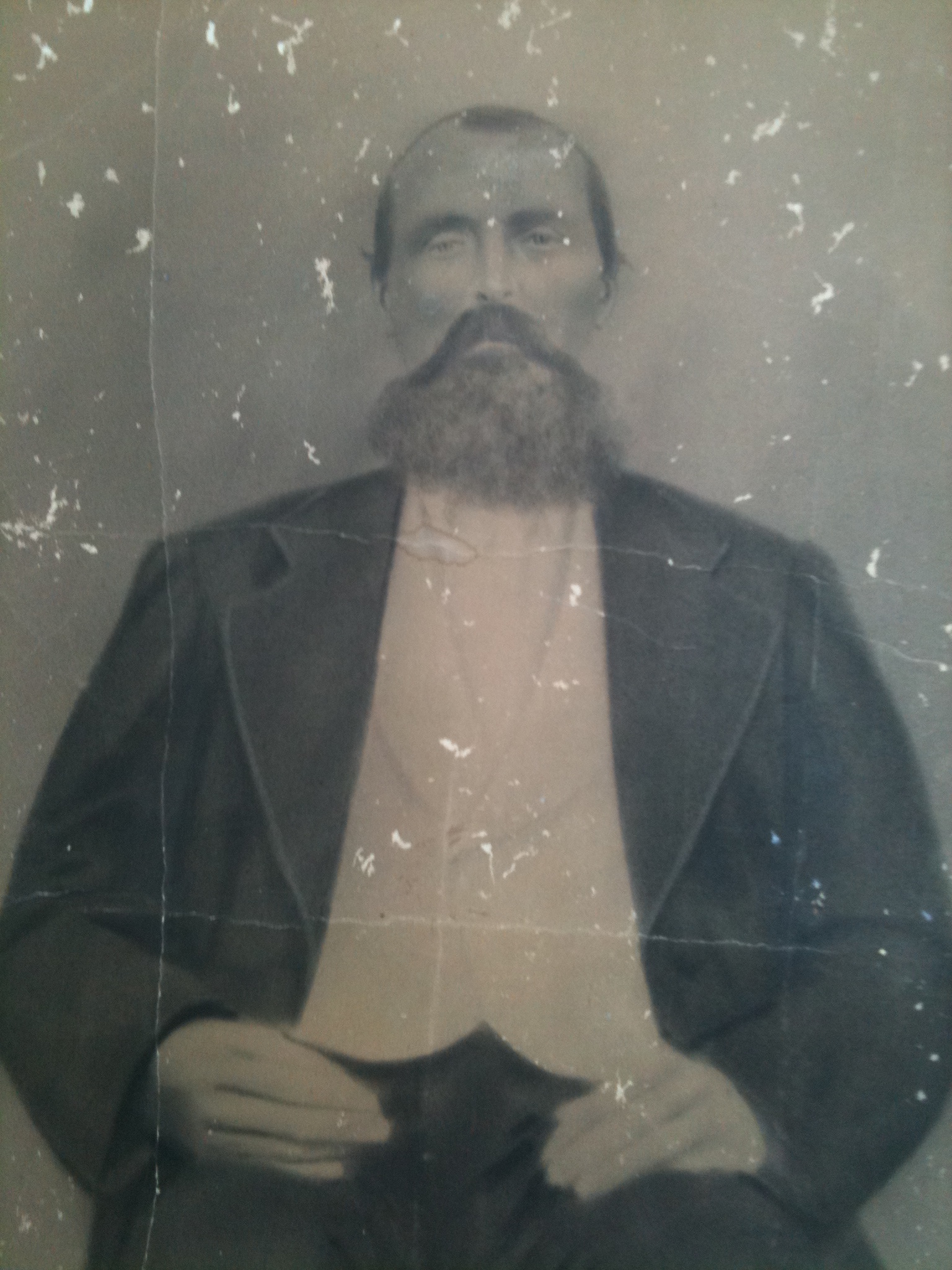
Paris Brumfield, Lincoln County feudist, 1880-1891.
Writings from my travels and experiences. High and fine literature is wine, and mine is only water; but everybody likes water. Mark Twain
This site is dedicated to the collection, preservation, and promotion of history and culture in Appalachia.
Genealogy and History in North Carolina and Beyond
A site about one of the most beautiful, interesting, tallented, outrageous and colorful personalities of the 20th Century
 Brandon Ray Kirk