
Harts, Guyandotte River flood, 1963
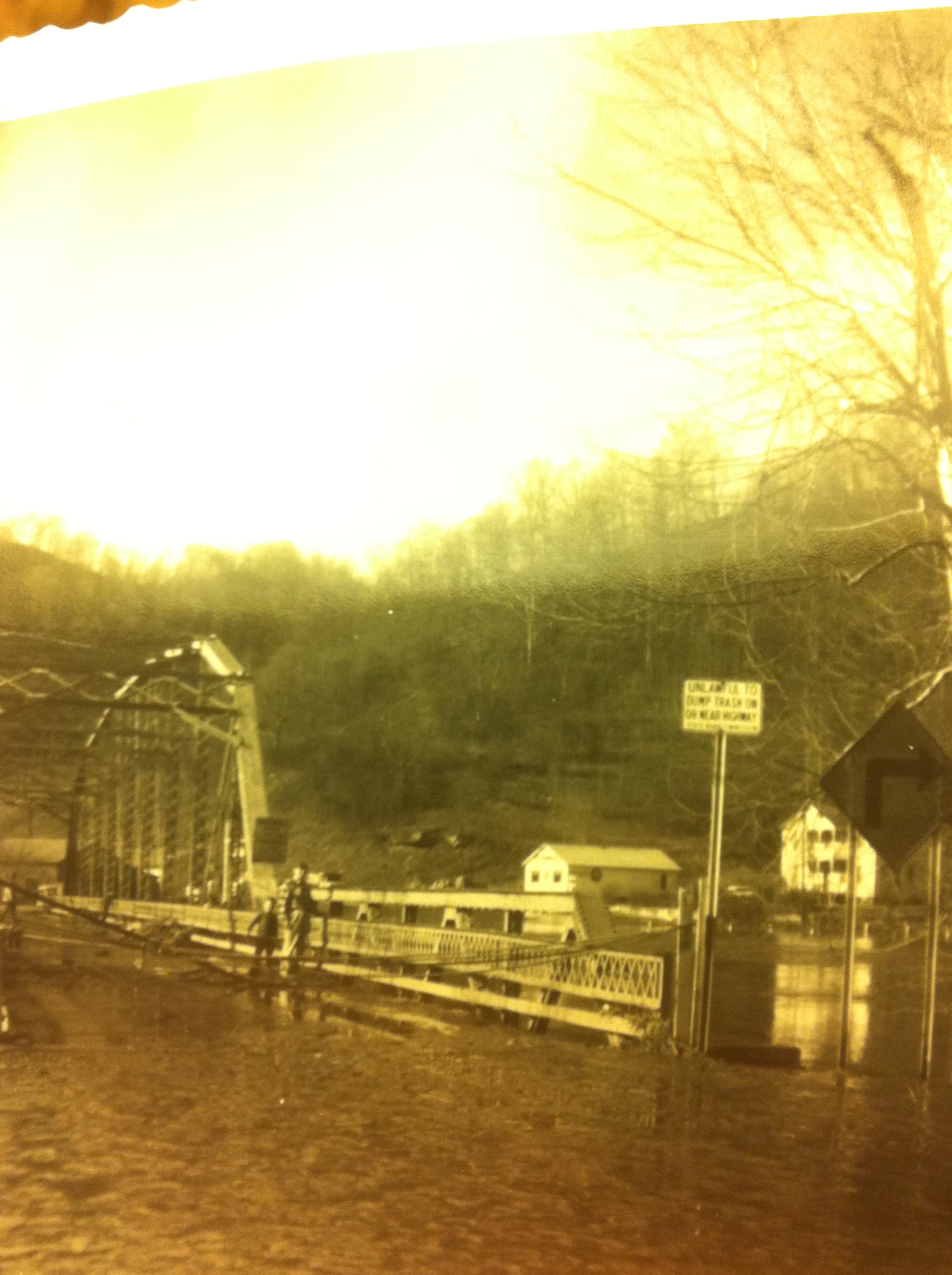
Harts, Guyandotte River flood, 1963

21 Wednesday May 2014
Harts, Guyandotte River flood, 1963
Harts, Guyandotte River flood, 1963
20 Tuesday May 2014
Tags
Appalachia, genealogy, Harts, Herb Adkins, history, Lincoln County, merchant, photos, U.S. South, West Virginia
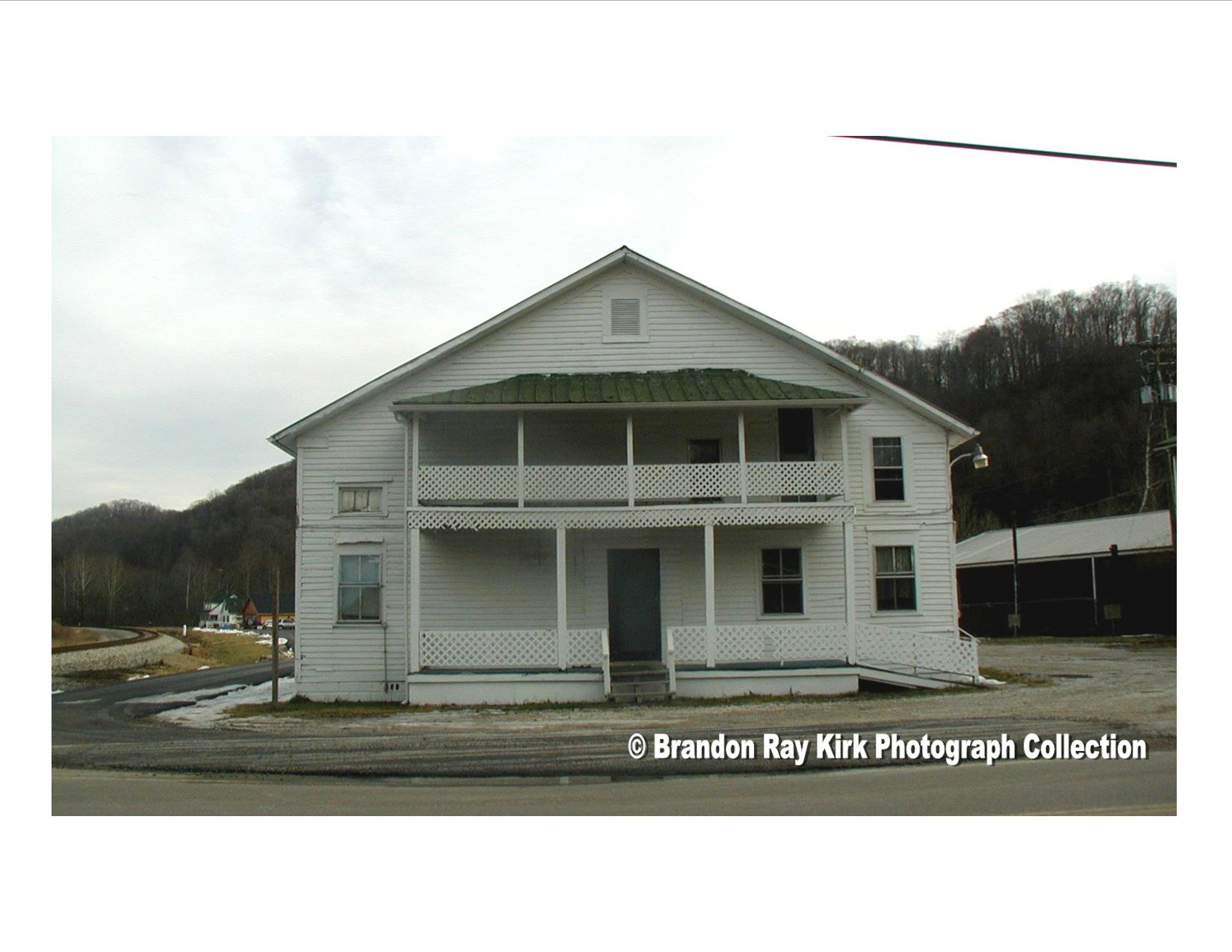
Herb Adkins store, Harts, Lincoln County, WV

Herb Adkins store, Harts, Lincoln County, WV
20 Tuesday May 2014
Posted in Big Harts Creek, Ed Haley, Harts, Spottswood, Whirlwind
Tags
Adams Branch, basketball, Beecher Avenue, Ben Walker, Billy Adkins, Bob Adkins, Bob Mullins Cemetery, Brumfield Avenue, Buck Fork, Bulwark Branch, Charles Brumfield, Crawley Creek Mountain, CSX Railroad, Ed Haley, Eden Park, genealogy, Guyandotte Valley, Hannah Baptist Church, Harts, Harts Creek, Harts High School, Heartland, Henderson Branch, history, Hoover Church of the General Assembly, Hoover Fork, Huntington, Ivy Branch, John Hartford, Kiahs Creek, Lambert Branch, Lincoln County, Logan County, McCloud Branch, Mingo County, Mount Era Baptist Church, Mountaineer Missionary Baptist Church, Pilgrims Rest Church, politics, Railroad Avenue, Republican, Rockhouse Fork, Route 10, Sand Creek, Smokehouse Fork, Trace Fork, Trace Old Reguarl Baptist Church, Twelve Pole Creek, Upper Trace Fork School, Ward Avenue, Wayne County, West Fork, Whirlwind, Workman Branch, writing
The community of Harts sits indiscreetly in the narrow section of the Guyandotte Valley on land that makes up the northernmost region of the Logan County coalfield and what was once “feud country.” Located some ten miles from a four-lane federal corridor linking the state capital to eastern Kentucky and fifty miles up a two-lane rural highway from Huntington, the second largest city in West Virginia, it is a settlement just on the cusp of modernization. It is a treasure trove of hidden history, quickly disappearing even in the minds of its locals, who have little if any recollection of its booming timber era or the exciting times of the railroad hey-day. It’s really the kind of place you might drive through without noticing much — or never have a reason to drive through at all.
Basically, Harts is an old timber town divided in the center by a lazy muddy river and intersected by a two-lane highway, Route 10. On the west side of the river — site of the old Brumfield business headquarters — is an empty store, a tavern-turned-church-turned-beauty shop, a garage, and a brick tabernacle. On the east side is an old brick general store, a nice video rental establishment, a state highways headquarters, an old wooden general store, a small brick post office, a fire department, a grocery store, a hardware store, a general merchandise store, a Victorian general store-turned-restaurant, and a new brick Head Start center. Running between those buildings on the east side is a track owned by CSX (formerly C&O) Railroad. Just behind the businesses are a few dozen houses of all vintages: brick, wooden, single-story, two-story… There are no street signs or traffic lights or even stop signs.
Route 10 connects Harts with the city of Huntington to the north and with the Logan coalfields to the south. From town, Big Harts Creek Road heads west up the creek to West Fork or Smokehouse Fork, while a little unnamed road diverges north past the tracks toward extinct post offices named Eden Park and Sand Creek. The four streets in town are paved but very few locals even know their proper names, which are Railroad, Beecher, Ward, and Brumfield Avenues. Just down the river is a brick house-turned-bank, a rural health clinic, a brick construction company headquarters, a new coalmine development area called Heartland, and a mechanic shop/gas station (owned incidentally by one Charles Brumfield).
Culturally, Harts might be thought of as an inconspicuous Harlequin romance and Wild West show gone wild, at least in its not-so-distant past. Many of the rabble rousers and roustabouts are long since dead. Actually, somewhat to my disappointment, a lot of the old families are gone completely from the area and no one really feuds any more. Many residents seem to work as schoolteachers or run small stores or work in the coalmines or draw government relief. People are nice and treat each other well. Most are related or at least seem to be. They watch TV or go to church or tend their yards or hunt or fish or ride four-wheelers or hop on the four-lane at Chapmanville and drive to Wal-Mart some 45 miles away. Old-timers are quick to say that Harts has a bad reputation for no reason — the only two murders within town limits occurred almost a century ago. There are no parks, museums or movie theatres — and only a few registered Republicans. It’s the kind of place where you can leave your doors unlocked at night or if you’re gone all day…and feel safe about it.
I have to admit, after several visits to Harts, I loved it. On one visit, I learned from Billy Adkins that the old Ben Walker farm was for sale…and seriously considered buying it. (I passed on the idea when I realized that my wife would never forgive me for it.) Harts, then, would remain a place to “see.” I began telling folks out on the road that it was “my Ireland.” It represented a desire on my part to get back to the kind of places where (at least in my romantic imagination) a lot of fiddle playing originated. A lot of my friends were from these kind of places. For them, when they wanted to tap into that ancestral ancient tone, they thought of Ireland, whether they were Irish or not. For me, coming from St. Louis, Harts was the closest I could ever hope to get to that. Such places are at the heart of the music I love.
Venturing up Harts Creek, the first thing you really notice is Harts High School, a forty-some-year-old two-and-a-half-story yellow brick structure near the mouth of West Fork with a gymnasium, annex building, and a baseball field, all situated on what was a prison camp during the early fifties and, a little further back in time, the upper reaches of the Al Brumfield property (and, a little further still, an Indian camp). In many ways, this school is the lifeblood of the community — at least in the lower section of the creek. In the mid-sixties, just as Harts began to turn away from its violent past, the high school basketball team won a state championship and began building a program known regionally for its successes. Today, basketball is what this community is best known for — not the murders or moonshining traditions of years past — with crooked politics maybe finishing a close second.
A little further up the creek, just below the Logan County line, a few miles past an old country store, a little restaurant, another baseball field, and a place of worship named the Cole Branch Church of Jesus Christ of the First Born. From there, the road forks left onto the Smoke House Fork of Big Harts Creek, location of the Hugh Dingess Elementary School and Dingess, Butcher, Farley and Conley country; or the road forks right into the head of Harts Creek to “Ed Haley country.” Of course, no one calls it that. People think of it as “Adams country” or “Mullins country” and really, that’s about all there ever was in that section. Ed himself is often identified with the Mullins family — his mother’s people. The adults in this part of Harts Creek vote in Logan County — not Lincoln — and send their kids on buses over Crawley Creek Mountain to Chapmanville High School. This section of the creek — where gunshots once rang out regularly and where moonshine was so readily found — is now remarkably quiet and low-key outside of the occasional marijuana bust. Unfortunately, it seems to have lost its musical tradition as well.
Trace Fork, the site of Ed Haley’s birth, is attributed by Ivy Branch in its head, Adams Branch, and Boardtree Branch toward its middle and Jonas and Dry House Branch toward its mouth. There are several small family cemeteries on Trace, with the maroon-bricked Mountaineer Missionary Baptist Church at its mouth. In previous days, the Upper Trace Fork School (now Trace Old Regular Baptist Church) sat in its headwaters, where the Logan-Lincoln-Mingo county line meets. As a matter of fact, Ivy Branch heads near Kiah’s Creek at the Wayne-Mingo County line, while Boardtree Branch heads at McCloud Branch of Twelve Pole Creek in Mingo County. Adams Branch heads at Rockhouse Fork in Lincoln County.
A little further up the main creek is Buck Fork, an extensive tributary comparable to West Fork or Smokehouse in size. It is the ancestral home of the Mullins, Bryant, and Hensley families whose names still dominate the mailbox landscape. In previous decades, it was the location of the Hensley School and Mt. Era Church. Just below Buck Fork on main Harts Creek is a large Adams family cemetery, while just above it is the equally large Bob Mullins family cemetery.
Continuing up Harts Creek is Hoover Fork, home of the Mullins, Adams, and Carter families as well as the Hoover Church of the General Assembly. Henderson Branch, home seat for Tomblins and Mullinses is the next tributary, followed by Lambert Branch (at Whirlwind) and Workman Branch. Bulwark Branch follows (populated by Carters and Workmans), trailed by Brier Branch (Smiths) and Tomblin Branch. In the headwaters of Harts Creek are Tomblins, Daltons, and Blairs, as well as the Pilgrims Rest Church and Hannah Baptist Church.
In all sections of Harts, gossip reigns supreme as a source of local entertainment. (This in spite of Bob Adkins’ warning that people should “tend to their own business.”) Maybe that’s why we hear so much about a 100-year-old murder when we ask about it and a bunch of other things we don’t ask about. Genealogy is super important. When you sit down to talk with someone, the first thing they want to know is how you fit into the community pedigree. It’s a way of squaring you up.
04 Sunday May 2014
Posted in Harts
Tags
Appalachia, Charley Brumfield, culture, Harts, history, life, Lincoln County, photos, U.S. South, West Virginia

Charley Brumfield outbuilding, Harts, Lincoln County, WV, 2009
29 Tuesday Apr 2014
Posted in Big Creek, Ferrellsburg, Harts, Logan, Sand Creek, Toney
Tags
A.W. Sloan, Appalachia, Big Creek, Blackburn Lucas, Buffalo, Chris Lambert, Christmas, Cleve Fry, Dingess Run, Ferrellsburg, Frank Davis, genealogy, Guyan Valley Railroad, Harts, Herbert Shelton, history, Hugh Fowler, John Fowler, John Lucas, Jones Adkins, Lincoln County, Lincoln Republican, Logan, Logan County, Matthew Farley, Sand Creek, Sheridan, Toney, typhoid fever, Ward Brumfield, West Virginia, Wilburn Adkins
“Old Hickory,” a local correspondent from Ferrellsburg in Lincoln County, West Virginia, offered the following items, which the Lincoln Republican printed on Thursday, December 28, 1911:
Xmas has come and gone and the people of Ferrellsburg enjoyed the occasion nicely.
A.W. Sloan, of Ferrellsburg will soon return to his former location at Sheridan.
B.B. Lucas and other members of his family have been suffering with typhoid fever the past week.
John Lucas, of Big Creek, Logan county, and Frank Davis engaged in a scrap at this place Xmas day. Lucas received a black eye.
Wilburn Adkins, son of Jones Adkins, received painful wounds in his thigh, Christmas day, as the result of an accidental discharge of a pistol which he had in his pocket.
Cleve Fry, of near Toney, has moved his family to Dingess Run, above Logan, and has taken charge of a section on the G.V. Railroad.
Ward Brumfield, John and Hugh Fowler, of near Hart, and Chris Lambert and Herbert Shelton had a knock down at Sand Creek the day before Xmas. Ward Brumfield received a severe blow over the head with a quart bottle, Lambert wielding the bottle.
M.C. Farley will now return to Buffalo, Logan county, where he has a job of work, as Xmas is over.
The Guyandotte river has been “full” during the holidays.
It seems funny that the Sheriff has recently come to the conclusion that the sheriff’s office is not a piddle office and that no one has a right in it but himself and his deputies. The voters will speak at the next election.
Best wishes to The Republican.
21 Monday Apr 2014
Posted in Harts
Tags
Al Brumfield, Appalachia, Harts, history, life, Lincoln County, photos, U.S. South, Watson Adkins, West Virginia
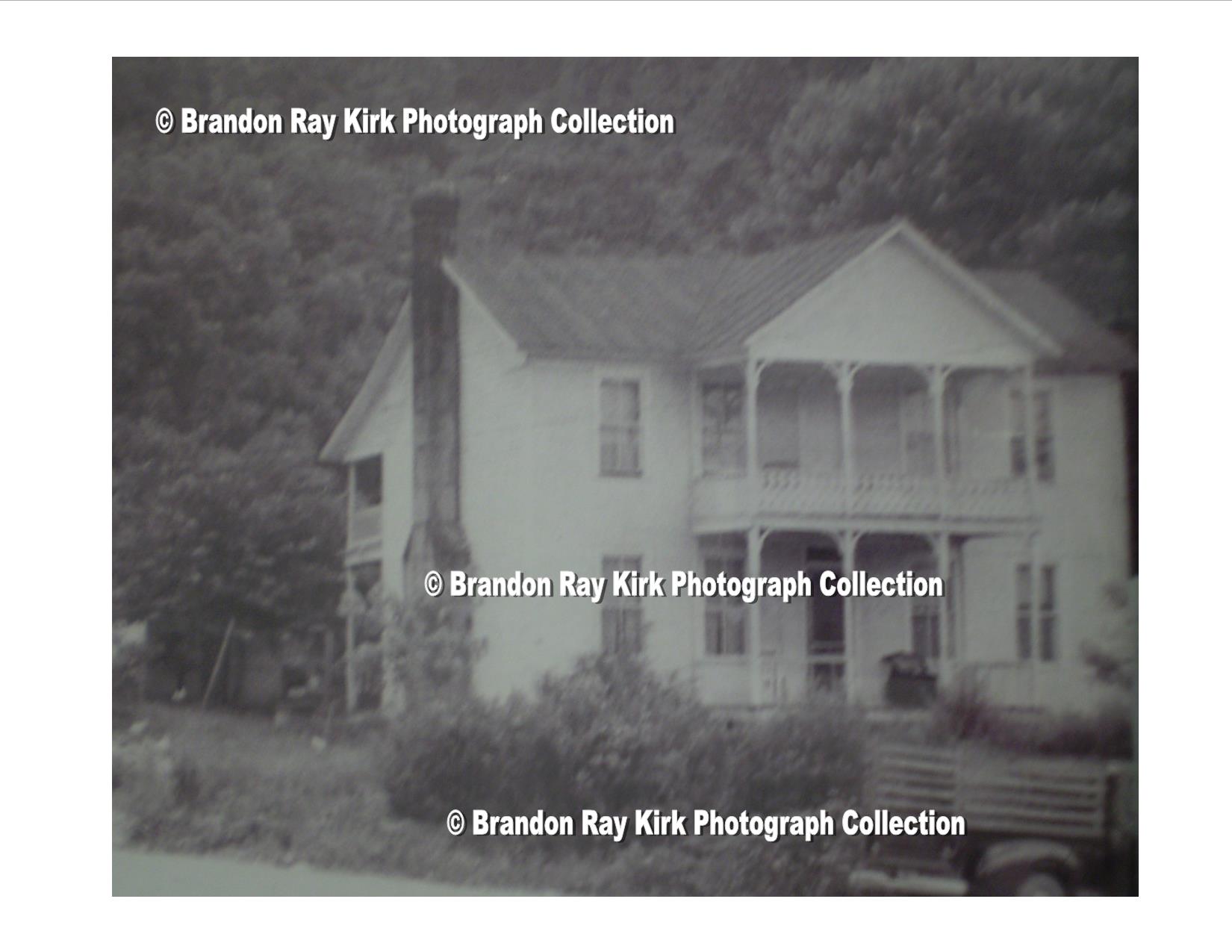
Al Brumfield-Watson Adkins House, constructed c.1894, located in Harts, Lincoln County, WV
20 Sunday Apr 2014
Posted in Big Harts Creek, Culture of Honor, Harts, Lincoln County Feud
Tags
Ann Brumfield, Appalachia, Caney Branch, Cole Branch, feud, genealogy, Harts Creek, history, life, Lincoln County, Paris Brumfield, photos, U.S. South, West Virginia, William Brumfield

William “Bill” Brumfield (1875-1930), son of Paris and Ann (Toney) Brumfield, resident of Cole-Caney Branch of Big Harts Creek, Lincoln County, WV
20 Sunday Apr 2014
Posted in Big Harts Creek, Ferrellsburg, Harts
Tags
Appalachia, culture, Ferrellsburg, Fisher B. Adkins, genealogy, Harts, Harts Creek, history, life, Lincoln County, photos, West Fork, West Virginia

Fisher B. Adkins, resident of the West Fork of Big Harts Creek, Lincoln County, WV
13 Sunday Apr 2014
Posted in Culture of Honor, Harts, Little Harts Creek
Tags
Appalachia, culture, fiddle, fiddler, genealogy, Harts, history, life, Lincoln County, Little Aaron Adkins, Little Harts Creek, Major Adkins, photos, U.S. South, West Virginia

A.E. “Major” Adkins and Aaron Adkins, Jr., residents of Harts, Lincoln County, WV, 1870s
11 Friday Apr 2014
Posted in Harts
Tags
Appalachia, Bill Adkins, genealogy, Harts, history, Lincoln County, photos, U.S. South, West Virginia
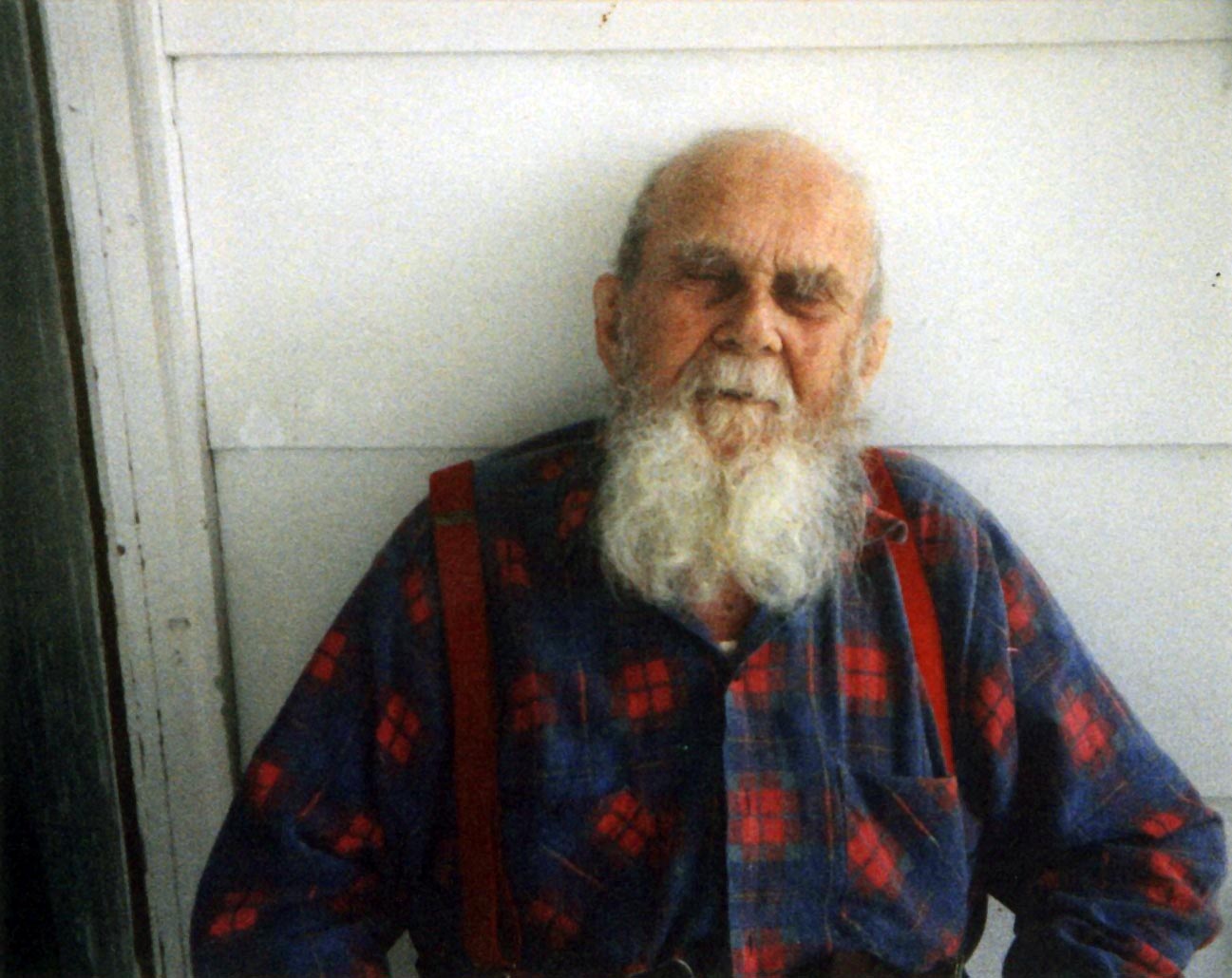
W.C. “Bill” Adkins, resident of Harts, Lincoln County, WV, c.1994
11 Friday Apr 2014
Posted in Big Ugly Creek, Harts
Tags
A.E. Waggoner, Aaron Adkins, Albert O'Daniel, Andrew J. Lucas, Ballard Payne, Charley B. Brumfield, E.W. Scites, election, Eli Cremeans, Gilbert Topping, Harts Creek District, Harvey Farley, history, John Fry, Laurel Hill District, Lee Adkins, Lewis Thompson, Lincoln County, Lincoln County Court, Lincoln Republican, Matthew Farley, Millard F. Adkins, O.F. Smith, politics, W.L. Smith, Walter Spurlock, Ward Brumfield, Ward Lucas, West Virginia
According to the October 13, 1910 edition of the Lincoln Republican, the Lincoln County Court appointed the following election officers for 1910 in Harts Creek District, Lincoln County, WV:
Precinct 1
Ward Brumfield, Lewis Thompson, and M.C. Farley, commissioners
Aaron Adkins and Gilbert Toppings, challengers
Precinct 2
A.E. Wagoner, Ward Lucas, and Eli Cremeans, commissioners
John Fry and Charles B. Brumfield, challengers
The election officers for adjacent Laurel Hill District were:
Precinct 1
Millard F. Adkins, Ballard Payne, and E.W. Scites, commissioners
Albert O’Daniel and Walter Spurlock, challengers
Precinct 2
O.F. Smith, Andrew J. Lucas, and Harvey Farley, commissioners
Lee Adkins and W.L. Smith, challengers
30 Sunday Mar 2014
Posted in Harts, Lincoln County Feud, Women's History
Tags
Al Brumfield Cemetery, Appalachia, crime, feud, genealogy, Harts, Hollene Brumfield, Lincoln County, photos, U.S. South, West Virginia

Hollena (Dingess) Brumfield, a major character in the Lincoln County Feud, is buried at Harts, Lincoln County, WV
26 Wednesday Mar 2014
Posted in Culture of Honor, Ed Haley, Harts, Lincoln County Feud
Tags
Billy Adkins, Brandon Kirk, Cain Adkins, Cleveland, Columbus, crime, Daisy Ross, East Lynn, feud, Green McCoy, Green McCoy Jr., history, Huntington, John Hartford, Logan, Luther McCoy, Marango, McCoy Time Singers, music, Ohio, Ralph McCoy, Sherman McCoy, Spicie McCoy, Stiltner, Wayne County, West Virginia, writing
When we got back to Billy’s, we were amazed to find that he’d made contact with Green McCoy’s family. He showed us telephone numbers for two of Green’s grandsons, Ralph McCoy and Luther McCoy, as well as for Spicie McCoy’s daughter, Daisy (Fry) Ross.
I dialed up Ralph McCoy in Marango, Ohio, and explained who I was and what I was doing, then asked about Green McCoy’s murder.
“I’m 72 years old but a lot of that went on before I was born,” he said. “I’ve had two or three strokes and sometimes my memory’s gone. From the way I understood it, it was a Brumfield that killed my grandfather. There was something going on — I don’t know what the feud was about. See, I know nothing first-hand. My dad was born in 1888 and my dad was I think about two years old when his dad was murdered. My grandmother told me this part of it: that her and my dad and somebody else, I believe… My grandmother’s name was Spicie McCoy. I guess my grandfather put her on a raft or something and pushed her out in the river and told her to get out of there, to just keep on going and be quiet about it. She was pregnant for Uncle Green. Then after my grandfather got killed she married Goble Fry and then I think they came on down into Wayne County, which was around Stiltner and East Lynn and in that area.”
I asked Ralph if he knew anything about Green McCoy being a musician and he said, “Yes, very much. I’d say he was just like my dad, Sherman McCoy. He played anything that had strings on it. My dad and my grandmother, they traveled all over Wayne County playing in a quartet. They called themselves the ‘McCoy Time Singers.’ I did some traveling with them but it was just more or less in the Wayne County area. Logan city, I’ve been down that far with my dad and Grandma.”
So Green McCoy’s son Sherman was a musician, too?
“He did play with some people before he became a Christian and he played in Cleveland over the radio and stuff like that, but I wasn’t living with him then,” Ralph said. “I was living with mother. See, I was brought to Columbus, Ohio, and raised from about nine years old, so I lost track of a lot of them. But I did know he played over the radio in Cleveland and I think Huntington and several different places.”
“Have you talked with Luther McCoy?” Ralph asked.
I told him that we had tried calling Luther first but that he was in bed asleep.
“If you can talk with him, I think you’ll find out he’s probably in the same business you’re in,” Ralph said. “He plays, I think, back-up for several bands. From the way I understand it, he might be out on the West Coast.”
This was all great: our first contact with Green McCoy’s descendants.
26 Wednesday Mar 2014
Posted in Harts, Lincoln County Feud, Women's History
Tags
Ann Brumfield, Appalachia, cemeteries, Charles Brumfield, genealogy, Harts, history, Lincoln County, Paris Brumfield Family Cemetery, photos, U.S. South, West Virginia

Charles Brumfield places a modern tombstone at the grave of his great-great-grandmother, Ann (Toney) Brumfield, 2002
12 Wednesday Mar 2014
Posted in Harts, Women's History
Tags
Appalachia, Caroline Brumfield, Charley Brumfield, culture, Ethel Brumfield, Harts, history, life, Lincoln County, photos, West Virginia

Ethel Brumfield, daughter of Charles and Caroilne (Dingess) Brumfield
11 Tuesday Mar 2014
Posted in Big Harts Creek, Big Sandy Valley, Civil War, Culture of Honor, Harts, Lincoln County Feud, Music, Timber
Tags
Al Brumfield, Appalachia, Blood in West Virginia, Brandon Kirk, Cain Adkins, feud, Green McCoy, Henderson Dingess, history, John W Runyon, Lincoln County, Paris Brumfield, West Virginia, writers, writing

You may pre-order my book directly at Pelican Publishing Company’s website or at the website of any major bookseller. http://www.pelicanpub.com/index.php
05 Wednesday Mar 2014
Tags
Appalachia, Bill Adkins, culture, Harts, history, life, Lincoln County, love, photos, Vergie Adkins, West Virginia
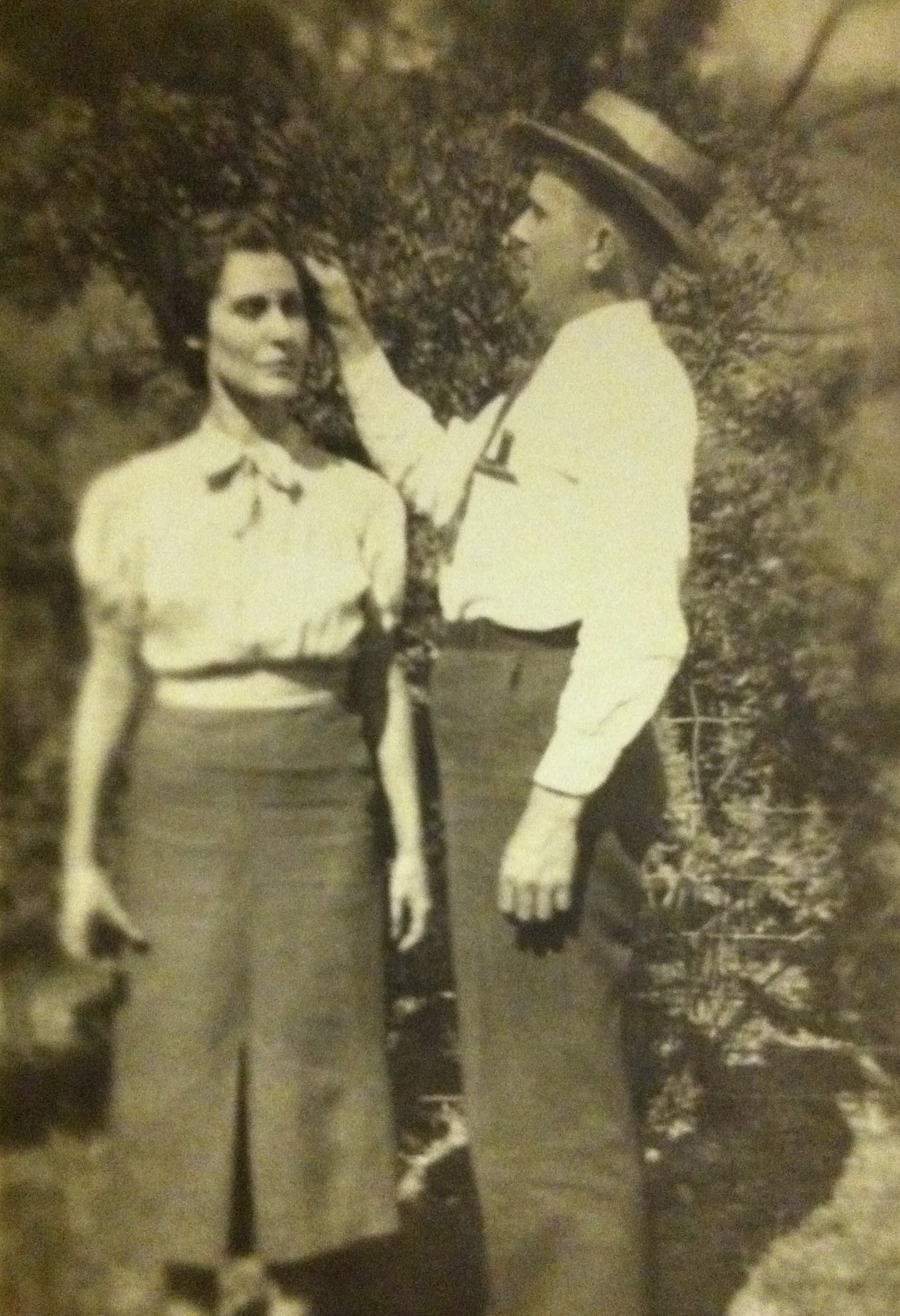
Bill Adkins and wife, Harts, Lincoln County, WV
05 Wednesday Mar 2014
Tags
Appalachia, Bill Adkins, Billy Adkins, Brandon Kirk, culture, Ed Haley, Ella Haley, Harts, history, Lincoln County, music, Noble Boatsman, Watson Adkins, West Virginia, writing
Thinking it might interest me, Brandon sent some cassette interviews Billy Adkins had conducted with his father Bill years earlier. The first one was dated circa 1982 and mostly featured Bill singing “What Shall I Do With the Baby-O”, “The Preacher and the Bear”, “Wild Hog”, “The Arkansas Song”, “Roman Crocodile”, and “The Old Miller”. The last song on the tape was “Noble Boatsman”, a tune that Lawrence Haley had partially remembered his mother singing. Bill learned it from his uncle Samp Davis.
There was a noble boatsman and noble he did well.
He had a loving wife and she loved the tailor well.
The boatsman went away on a board ship cruise.
Away she went for to let the tailor know.
Said, “My husband’s gone on a board ship crew
And this very night I’ll frolic with you.”
So the boatsman returned about three hours in the night,
Knocked at the door and said, “Strike me up a light.”
She began to slip and slide seeking out a place for the tailor to hide.
She put him in the chest and bid him lay still.
Told him he’s as safe as a mousey in the mill.
Then she jumped up and wide open the door
In stepped the boatsman with three or four.
Said, “I never come to rob you or disturb you of your rest.
I’ve come to bid you farewell and take away my chest.”
The boatsman being very stout and strong
Picked up his chest and went a marching along.
He hadn’t got more than half through the town
Till the weight of the tailor caused his steps to slow down.
He said, “My load’s a gettin’ heavy and I’ll put you down to rest
I believe to my soul they’s a devil in my chest.”
Then he set his chest down and throwed open the door
And there laid the tailor like a piggy in the floor.
Said, “I’ll throw you overboard and I’ll serve the Lord our king
And I’ll put an end to your night’s frolicking.”
Toward the end of the interview, Billy asked his father about general life around Harts Creek in the early part of the century. He said he first saw a car when he was eight or nine years old “right down there in a ferryboat. The river was kind of up a little bit then. The road went along the edge of the river. Somebody put it in the ferryboat, brought it out here and landed it. It climbed the bank over there. Seen them start it up. It was a T-Model Ford.”
What about the first radio?
“Watson had one up here operated by battery. Didn’t have no electric then.”
When did electricity come through here?
“1938, I believe.”
03 Monday Mar 2014
Tags
Appalachia, Bill Adkins, culture, fiddler, Harts, history, life, Lincoln County, photos, timbering, West Virginia

Bill Adkins of Harts, Lincoln County, WV
03 Monday Mar 2014
Tags
Appalachia, Bill Adkins, Billy Adkins, Black John Adkins, Brandon Kirk, Dood Dalton, Fed Adkins, fiddlers, fiddling, Harts, history, Lincoln County, music, West Virginia
Meanwhile, Brandon and Billy were back at the bedside of Bill Adkins. Bill said Ed used to visit his father Fed Adkins for two or three days at a time when he was a boy. Fed and his family lived in Harts with Black John Adkins, a mulatto cousin who had neen present at the Haley-McCoy executions in 1889. When Haley came by, he usually traveled with Dood Dalton, a fiddler from Big Branch who played with a similar style. Ed and Dood played for all night dances at Fed’s but never sang anything. Bill said Ed played fast and smooth and was a “long bow” fiddler. He tapped his feet while playing.
Fed and Black John were both fiddlers, Bill said, but they never played with Ed and Dood. Instead, they tried to copy them after they left.
Bill said Ed didn’t drink at his father’s home and was a very serious person, never carrying on much. People led him around. When he stayed overnight, he slept in the same bed as Bill and the other Adkins boys.
Writings from my travels and experiences. High and fine literature is wine, and mine is only water; but everybody likes water. Mark Twain
This site is dedicated to the collection, preservation, and promotion of history and culture in Appalachia.
Genealogy and History in North Carolina and Beyond
A site about one of the most beautiful, interesting, tallented, outrageous and colorful personalities of the 20th Century
 Brandon Ray Kirk