Tags
Albert Gallatin Jenkins, Appalachia, Cabell County, civil war, Green Bottom, history, photos, U.S. South, West Virginia
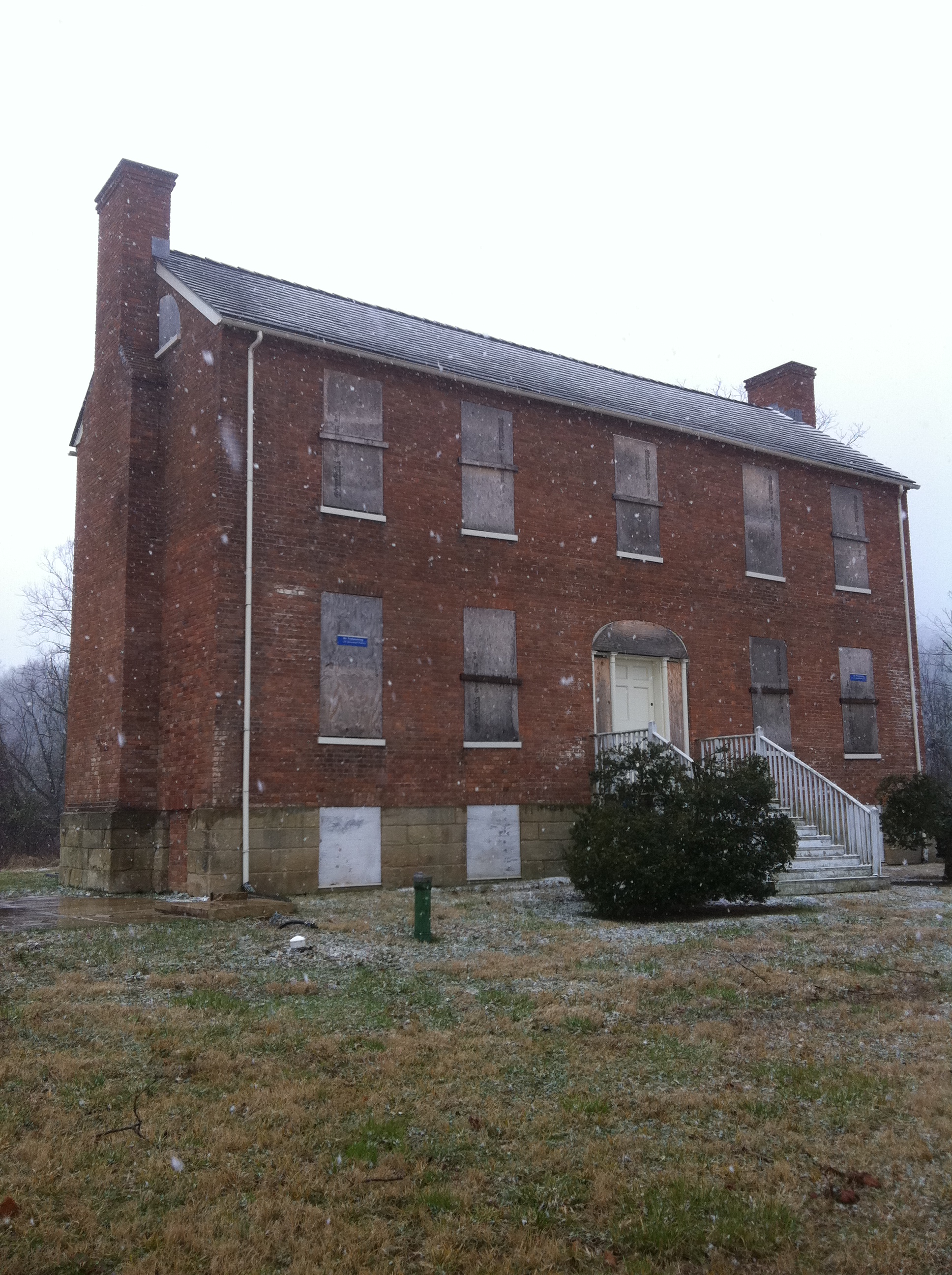
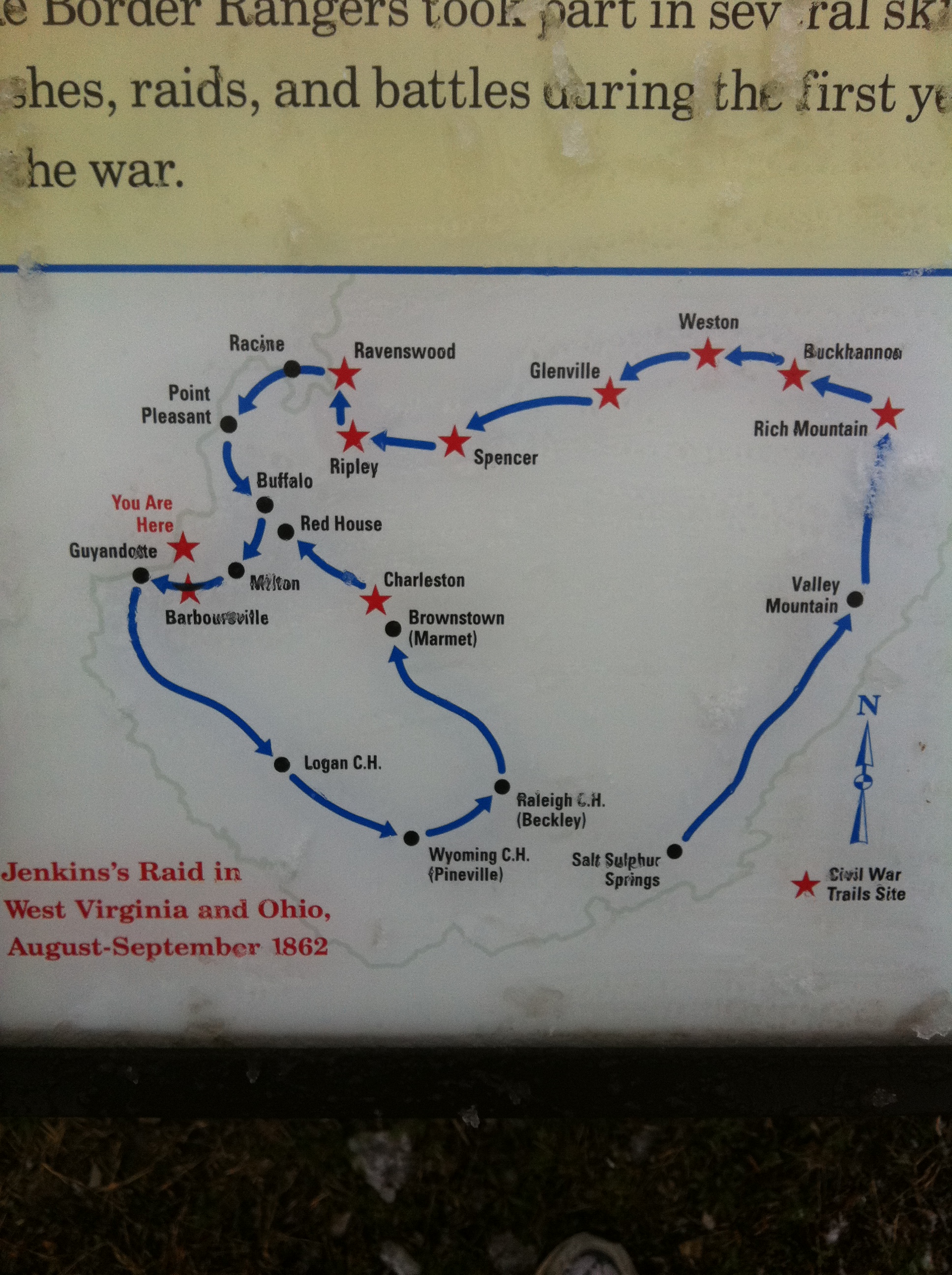
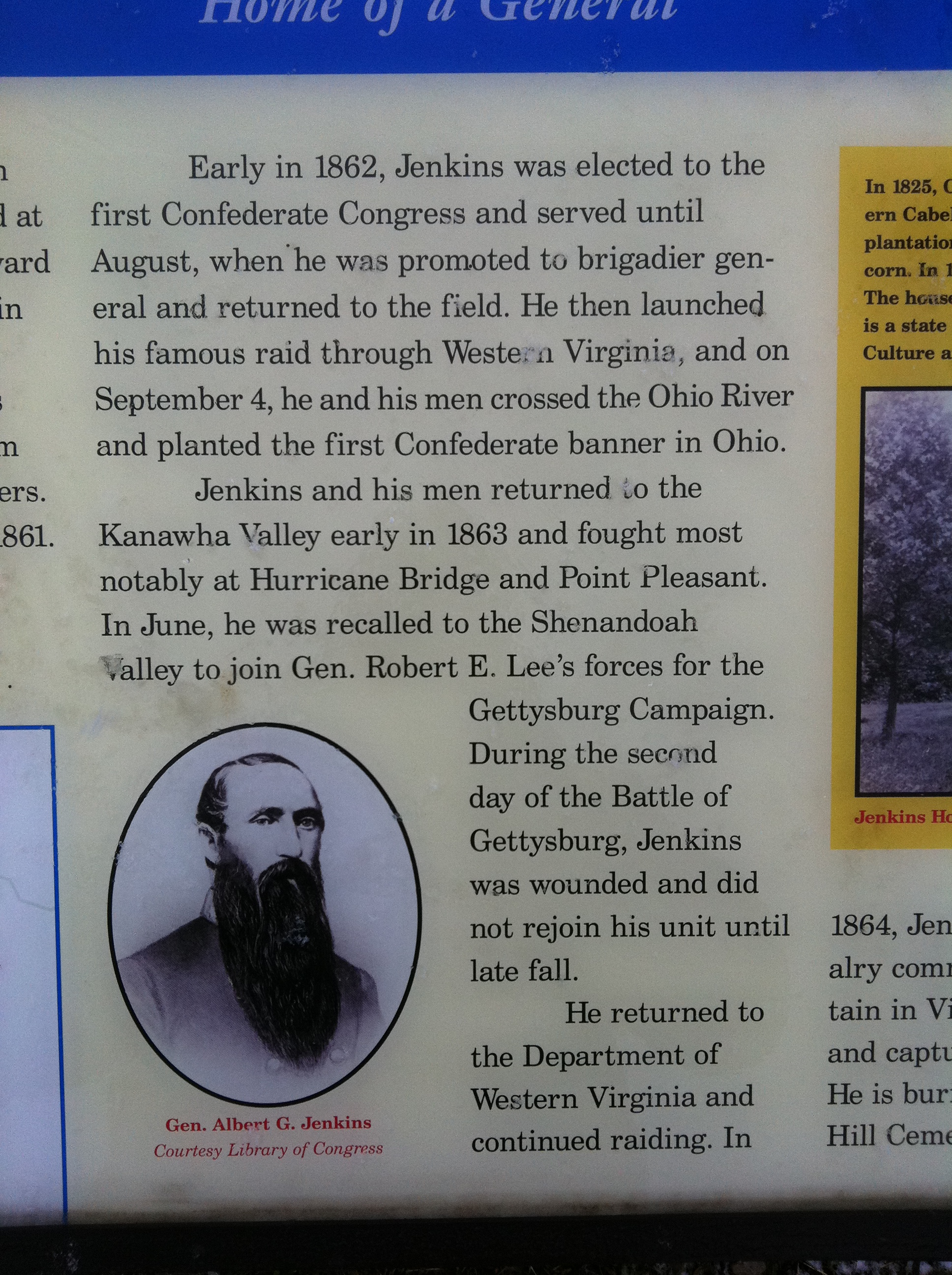
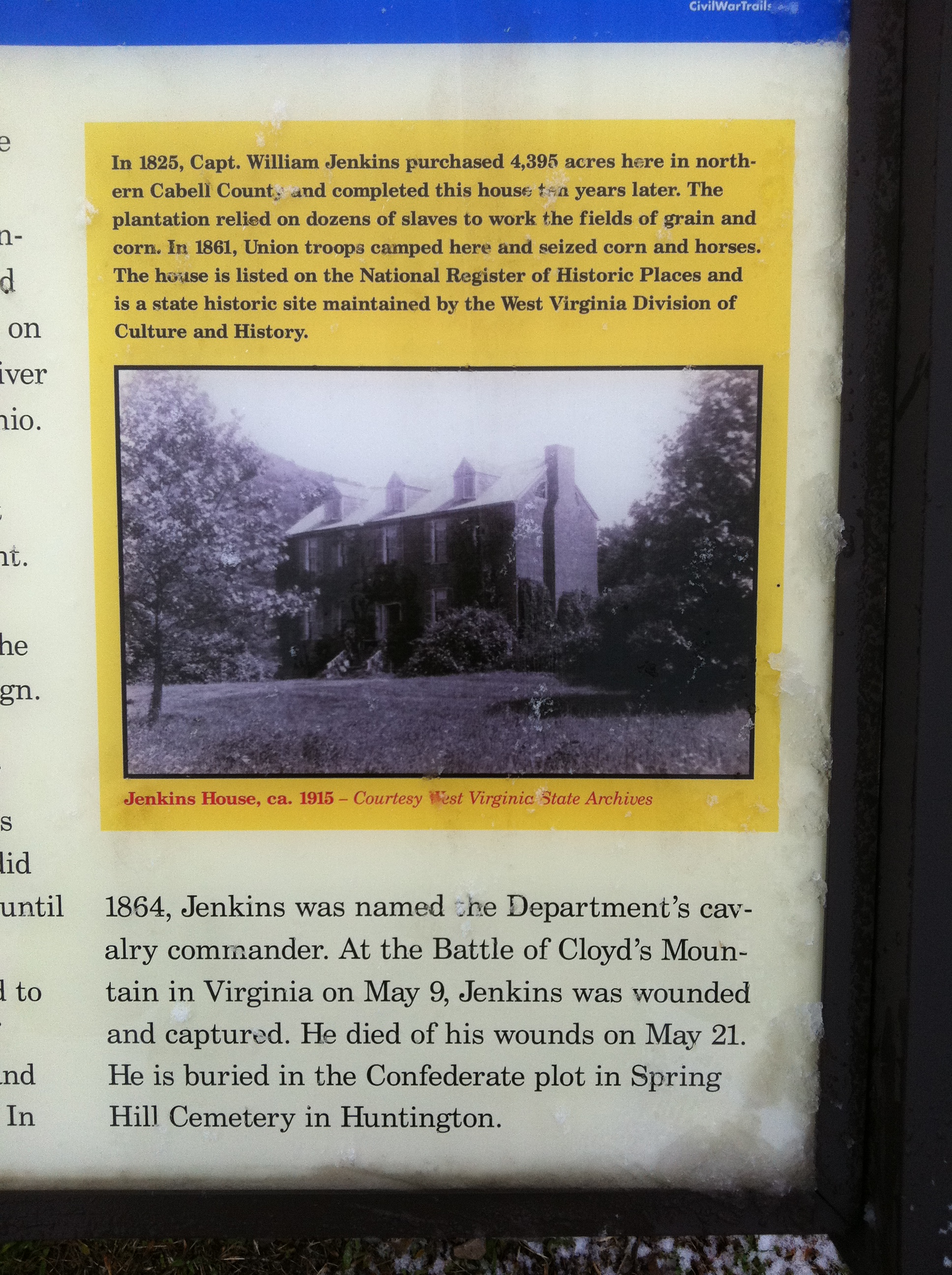
Albert Gallatin Jenkins House, Cabell County, WV, 2013
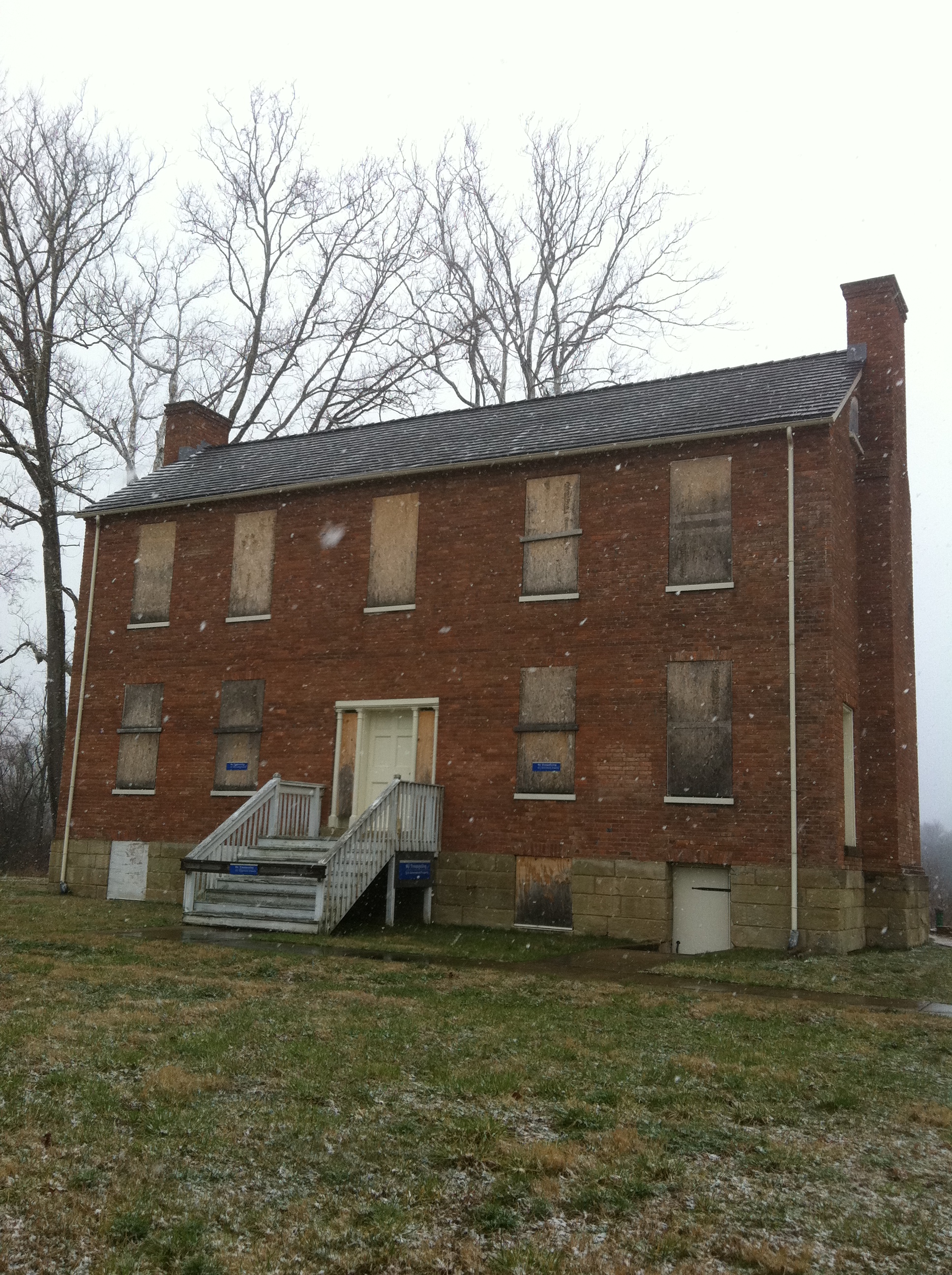
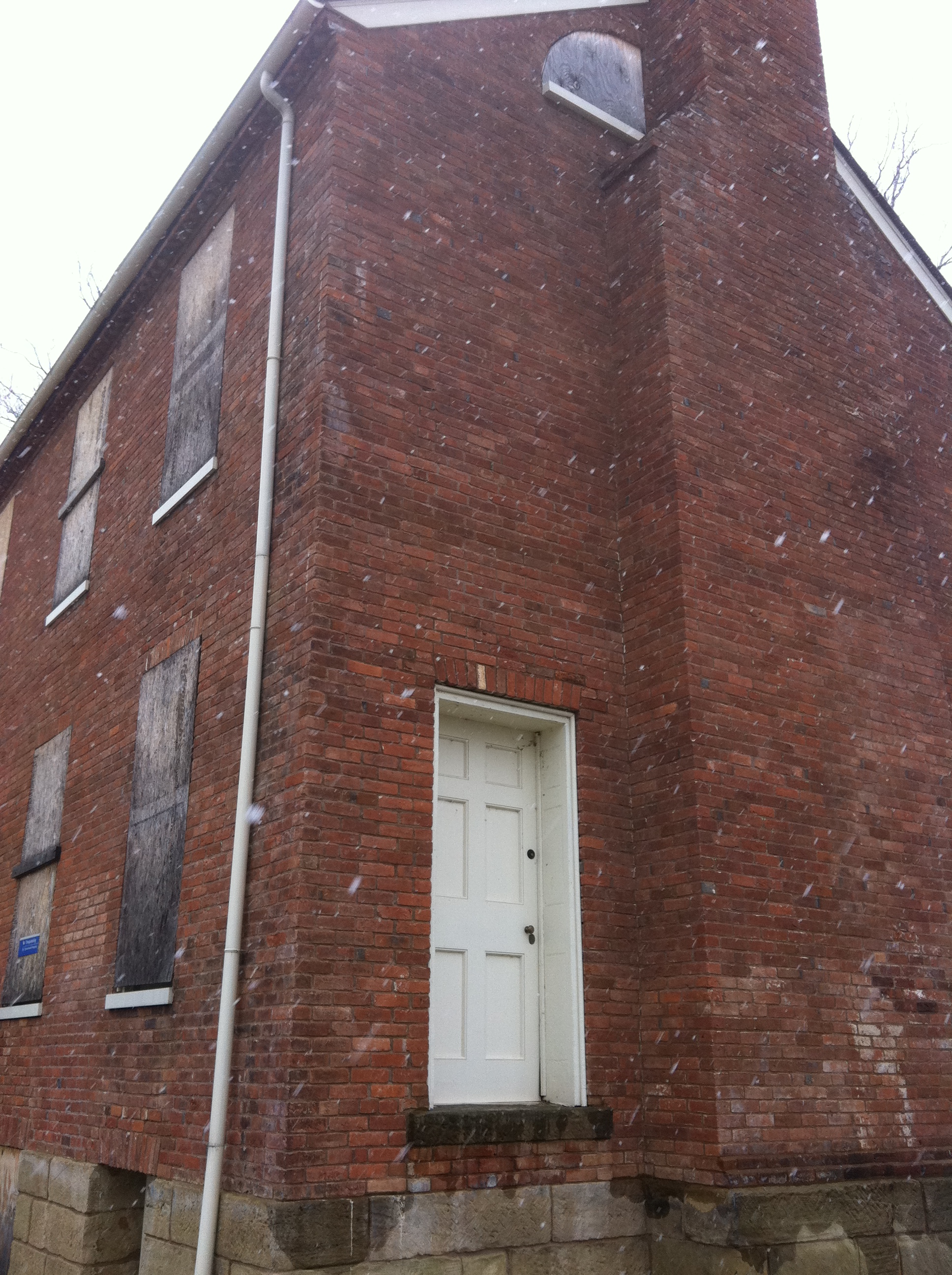
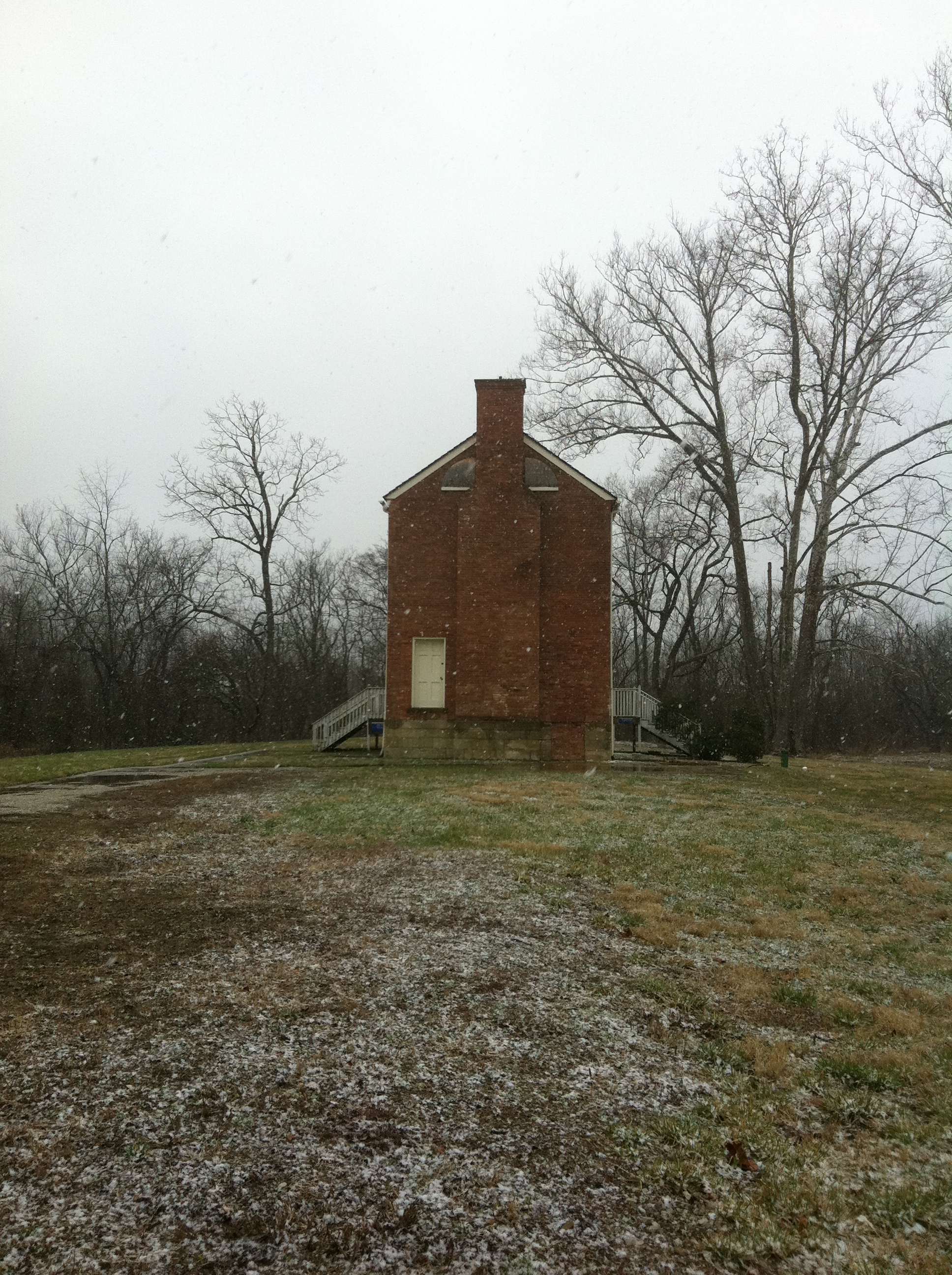



23 Wednesday Apr 2014
Posted in Civil War
Tags
Albert Gallatin Jenkins, Appalachia, Cabell County, civil war, Green Bottom, history, photos, U.S. South, West Virginia
Albert Gallatin Jenkins House, Cabell County, WV, 2013
21 Monday Apr 2014
Posted in Harts
Tags
Al Brumfield, Appalachia, Harts, history, life, Lincoln County, photos, U.S. South, Watson Adkins, West Virginia
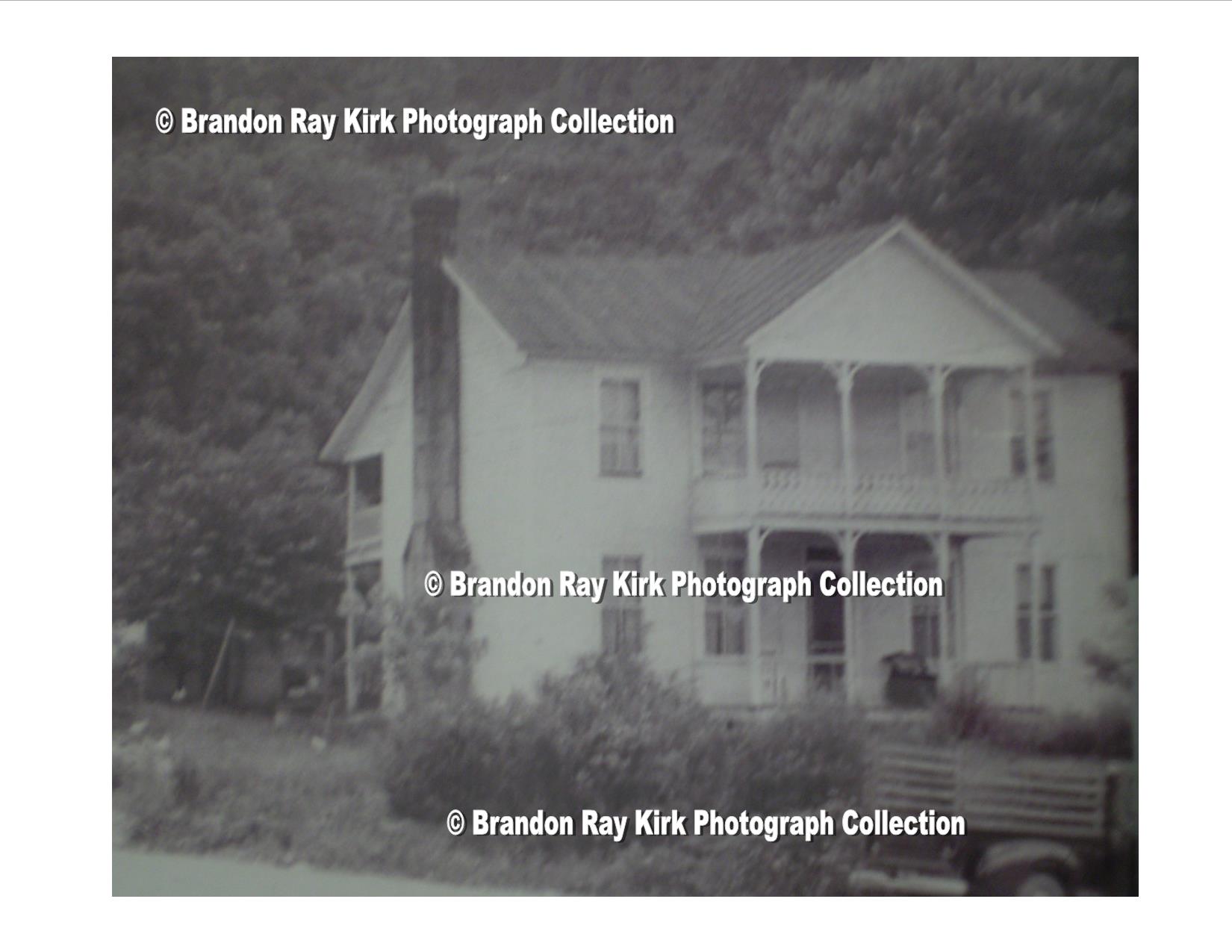
Al Brumfield-Watson Adkins House, constructed c.1894, located in Harts, Lincoln County, WV
21 Monday Apr 2014
Posted in Ed Haley
Tags
Ashland, blind, Ed Haley, Ella Haley, history, Jack Haley, Kentucky, Lawrence Haley, life, Luther Trumbo, Mona Haley, Nellie Muncy, Noah Haley, Pat Haley, The Waltons, West Virginia, Williamson, writing
The more I played for Mona, the more Pat’s little dogs barked at me — especially when I got up and danced. Their commotion caused Mona to say, “We always had an animal. We used to have an old blue-tick hound named King and every time Pop would play the fiddle he’d howl. Uncle Luther gave him to Pop when I was a baby. I don’t know if it was as much Pop as it was Mom, but they all loved King. All of us did. He was smart. He was a good hunter. He taught all the dogs in the neighborhood to hunt. Everybody wanted to hunt with him — they come from miles around to borrow him to go hunting — and someone stole him one time and he was gone about a week and when he came back blood was running out of all four paws and he just flopped on the front porch. He had a broken-like front paw right here in the first joint. He was young then. We had him till he died. He growed old and died. I was about fourteen when he died — maybe thirteen.”
I wondered if Ed ever used a seeing eye-dog and Pat said no, although Ella did. She said the family had a pet dog named “Jaybird” when she married Lawrence.
I could tell that Mona was in the mood to talk, so I put my fiddle away and told her about our recent research on Milt Haley. When I told her that Milt appeared to have been an illegitimate son of Nellie Muncy, she immediately told me how Ed visited a family of Muncys around Williamson, West Virginia. Her memories of such trips were vague.
“I remember a place we had to go in an automobile so far and then we had to cross the river in a boat to get to where we was a going — in a rowboat — but I don’t remember where it was. It had to be in West Virginia somewhere. I remember a store building where we went and we slept upstairs over that store building. I remember Pop getting real mean and mad at Mom up there one night and I wanted to crawl under the covers and pull it on me. He was getting real nasty with her.”
I asked Mona what they were into it over and she said, “Sex, I reckon. He wanted it and she didn’t want it and he said he had to have it. That’s how nasty he was — but he didn’t say it in those nice words. My dad happened to be drinking that time, too, so it made it that much worse.”
Trying to lighten the memory, I told her that sex had been a sore spot with married couples for thousands of years.
Pat said what was remarkable about Mona’s memories was the fact that Lawrence had never said a bad word about his father.
“He never talked bad about Pop,” she said. “Of course, he was Momma’s boy.”
Mona said Ed only whipped her once.
“It was on my birthday and I was getting ready to cry and he said, ‘Four, five, six.’ That’s the only time he ever whipped me. I do remember a time that Jack and Noah got into a fight and they was young men. And Pop jumped up — he wore suspenders — and he had them down. He jumped up to part them and got a hold of each of them and his pants fell down. The fight stopped and we all started laughing.”
Pat said that happened at 1040 Greenup after she’d married into the family — “right out on the front porch.”
Mona added, “But he had long underwear on.”
That fond memory caused her to say, “You know, The Waltons remind me a lot of the way we were brought up. We had a pretty good family life. We’d tell each other good night and stuff. Lawrence and I usually slept with Mom.”
Pat said, “Scratch each other’s backs,” and Mona said, “Yeah.”
I asked if Ed came around and kissed every one goodnight at bedtime and Mona said, “No, no. Mom did. Pop didn’t. If she’d tell him to go see about one of us, why, he would.”
For entertainment, the family gathered around the radio or listened to Ed’s “wild stories.”
20 Sunday Apr 2014
Posted in Big Harts Creek, Culture of Honor, Harts, Lincoln County Feud
Tags
Ann Brumfield, Appalachia, Caney Branch, Cole Branch, feud, genealogy, Harts Creek, history, life, Lincoln County, Paris Brumfield, photos, U.S. South, West Virginia, William Brumfield

William “Bill” Brumfield (1875-1930), son of Paris and Ann (Toney) Brumfield, resident of Cole-Caney Branch of Big Harts Creek, Lincoln County, WV
20 Sunday Apr 2014
Posted in Big Harts Creek, Cemeteries
Tags
Benjamin Adkins, Billie Brumfield, Brady Dingess, Charles Adkins, Cole Branch, Dick Adkins, Draxie Webb, Earl Black, Enoch Adkins, Enoch Adkins Jr., Garnet Willis, Harts Creek, Hollena Brumfield, Lace Adkins, Lincoln County, Mary Jane Brumfield, Maurice Adkins, Mayme Adkins, Minerva Adkins, Mollie Brumfield, Pearlie Brumfield, West Virginia, William Brumfield
The Charles Adkins Family Cemetery, which I visited on April 19, 2014, is located at the mouth of Cole Branch of Big Harts Creek in Lincoln County, West Virginia.
Row 1
Unmarked rock
W A on unmarked rock
Unmarked rock
Unmarked rock
Billie Brumfield, Jr. (20 February 1910-12 March 1955; s/o William “Bill” and Hollena “Tiny” (Adkins) Brumfield
Row 2
Hollena Brumfield (13 December 1873-11 December 1963); d/o Charles and Minerva (Dingess) Adkins; m. William “Bill” Brumfield
Brady Dingess (7 January 1917-30 January 1960); PFC 1330 BASE UNIT AAF WWII; s/o Tom “Stink” Dingess and Mary Jane Brumfield
Mary Brumfield (25 September 1897-November 1917); d/o William “Bill” and Hollena (Adkins) Brumfield; born September 1898; died 26 June 1917
Mollie Brumfield (8 April 1899-May 1917); d/o William “Bill” and Hollena (Adkins) Brumfield
Pearlie Brumfield (May 1895-1902); d/o William “Bill” and Hollena (Adkins) Brumfield; not listed in 1900 census
Bill Brumfield (2 July 1871-2 November 1930); s/o Paris and Ann B. (Toney) Brumfield; born July 1875
Garnet J. Willis (11 March 1909-26 September 1938); d/o William “Bill” and Hollena (Adkins) Brumfield; m1. Edward Miller; m2. Harvey Willis
Row 3
Mayme Adkins (March 1912-November 1913); d/o Stonewall “Dick” and Weltha (Dingess) Adkins
Lace Adkins (1916-1916); s/o Stonewall “Dick” and Weltha (Dingess) Adkins
Ward Adkins (10 October 1914-17 October 1914); s/o Charles “Reb” and Laura (Tomblin) Adkins
Charles Adkins, Sr. (1850-1922); s/o Isaiah and Mary Jane (Toney) Adkins; born March 1850; died 12 July 1919
Minerva Adkins (1852-1925); d/o Harvey S. and Patsy (Adams) Dingess; m. Charles Adkins; born November 1850; died 10 September 1920
Stonewall Adkins (18 June 1889-10 December 1936); named Richard “Dick” Adkins; s/o Charles and Minerva (Dingess) Adkins
Row 4
Enoch Adkins, Jr. (30 November 1933-30 November 1933); s/o Enoch and Cynthia (Moore) Adkins
Enoch Adkins (1881-1933); s/o Charles and Minerva (Dingess) Adkins; born November 1883; died 20 September 1933
Maurice Adkins (20 September 1928-25 December 1928)
Row 5
Benjamin Adkins (1881-1938); s/o Charles and Minerva (Dingess) Adkins; born 1 November 1880; died 18 July 1938
Draxie Webb (20 November 1929-29 June 1963); d/o Enoch Adkins and Emerine Browning
Up on Hill
Earl Black (1910-1956); s/o Nim Black and Martha Alford; died 15 November 1956
20 Sunday Apr 2014
Posted in Big Harts Creek, Ferrellsburg, Harts
Tags
Appalachia, culture, Ferrellsburg, Fisher B. Adkins, genealogy, Harts, Harts Creek, history, life, Lincoln County, photos, West Fork, West Virginia

Fisher B. Adkins, resident of the West Fork of Big Harts Creek, Lincoln County, WV
20 Sunday Apr 2014
Posted in Ferrellsburg
Tags
Allen Bryant, Burns Chair Factory, Coon Tomblin, Emzy Petrie, farming, Ferrellsburg, Fisher B. Adkins, genealogy, George Fleming, history, James Gore, Jeff Burns, Lincoln County, Lincoln Republican, Logan County, Pumpkin Center, Richard Tomblin, Sol Riddle, Walt Stowers, West Fork, West Virginia
“Pumpkin Center Times Star,” a local correspondent from Ferrellsburg in Lincoln County, West Virginia, offered the following items, which the Lincoln Republican printed on Thursday, March 23, 1911:
The weather is fine at the present writing.
The farmers are hustling about getting ready to plant potatoes.
Walt Stowers is very ill with indigestion.
Richard Tomblin and his son, Coon, George Fleming and James Gore, of Pumpkin Center, were arrested a few days ago on a charge of grand larceny and confined in the Logan county jail to await the action of the grand jury. It is believed by many that they will have to serve a sentence in the penitentiary. Mr. Tomblin is a well known business man of this vicinity. He was one of the largest stockholders of the Burns Chair factory and was president of the firm when the arrest was made.
The stockholders of the Burns Chair Factory held a meeting last Saturday and elected J.W. Stowers, President. The business will start up at full blast in a few days.
Jeff Burn has just finished a fine dwelling house for Sol Riddle.
E.O. Petrie and F.B. Adkins have the hall about completed which will be occupied by the Golden Rule.
Allen Bryant has recently moved into the Petry and Adkins property.
20 Sunday Apr 2014
Posted in Culture of Honor
Tags
Barker-Kinder Feud, Boone County, Brownstown, history, Isaac Barker, Jennie Barker, Peter Kinder, West Virginia

Barker-Kinder Feud in Boone County, Wheeling (WV) Intelligencer, August 14, 1890
18 Friday Apr 2014
Posted in Ferrellsburg, Women's History
Tags
Albert Adkins, Appalachia, Brooke Adkins, Ferrellsburg, genealogy, history, Hugh Dingess, Lincoln County, photos, U.S. South, Viola Dingess, West Virginia

Brooke (Dingess) Adkins, daughter of Hugh and Viola (Dingess) Dingess, wife of Albert G. Adkins, resident of Ferrellsburg, Lincoln County, WV
18 Friday Apr 2014
Posted in Big Creek, Big Harts Creek, Big Ugly Creek, Ferrellsburg, Toney
Tags
Big Creek, Brooke Adkins, Delia Adkins, Dollie Toney, Edna Brumfield, education, Ferrellsburg, genealogy, Guyan Valley Railroad, history, Irvin Workman, James Brumfield, Leet, Letilla Brumfield, Lincoln County, Lincoln Republican, Logan County, Lottie Lucas, Maggie Lucas, Melvin Kirk, Piney, Toney, Tucker Fry, West Virginia
“Violet,” a local correspondent from Toney in Lincoln County, West Virginia, offered the following items, which the Lincoln Republican printed on Thursday, March 2, 1911:
As “Ding Dong” seems to be silent of late, thought I would write you a few items from this place.
We are having pleasant weather and welcome it too.
Mrs. Brooke Adkins has returned to her school at Leet after a week’s absence.
Ervin Workman attended the burial of Melve Kirk of Piney last Sunday.
A number of our young men attended a very interesting meeting at Big Creek, Logan county on last Sunday.
A large quantity of ties are being shipped from this place.
Miss Dollie Toney closed a successful term of school at Big Creek on last Thursday.
Miss Lottie Lucas spent last week the guest of friends on Big Creek.
Mr. D.C. Fry returned home last Saturday from a business trip down the G.V. Railroad.
Some of our farmers say they are not going to try and raise tobacco this year, as they had hard luck with their crops last year.
Mr. and Mrs. Jas. Brumfield and Mrs. B.B. Lucas visited the latter’s sister Sunday.
Miss Delia Adkins spent Saturday night at her grandpa’s near Ferrellsburg.
Little Edna Brumfield was visiting Maggie Lucas Sunday.
17 Thursday Apr 2014
Posted in Big Harts Creek, Ferrellsburg, Yantus
Tags
Crawley Creek, education, Ferrellsburg, history, Lincoln County, Logan County, Logan Democrat, Sol Riddell, Striker, West Virginia, Yantus School

Logan (WV) Democrat, 12 January 1911.
17 Thursday Apr 2014
Tags
Alphon Theater, Arthur Smith, Ashland, Ashland Vocational School, Bert Layne, blind, Blind Soldier, Catlettsburg, Cowboy Copas, Curly Wellman, David Miller, Ed Haley, Ella Haley, fiddling, Fleming County, Great Depression, Grimes Music Shop, Guyandotte Mockingbirds, Hawkshaw Hawkins, history, Horse Branch, Huntington, Kentucky, Logan, Logan Banner, music, Natchee the Indian, Old Shep, Red Foley, Riley Puckett, Rose Connelly, Skillet Lickers, Ward Hollow, West Virginia, Wilson Reeves, World War I, World War II, writing, WSAZ
Curly suggested that we visit Wilson Reeves, a local record collector, for more information about Ed. Wilson was glad to talk to us. He remembered seeing Ed and his family play on the streets of Ashland during World War II.
“This was in the early forties,” Wilson said. “I came up here to take training at the old Ashland Vocational School. I lived on Carter about 17th. There was a house there where I had a room upstairs. And every evening I’d cross over from Carter over to Winchester, go down Winchester, and on down to a little restaurant — what they call a ‘hole in the wall.’ Greasy food, but it was cheap. And she [meaning Ella] would be sitting in a chair there by the Presbyterian Church close to 16th Street. Most of the time she’d be playing the mandolin. Sometimes, I’d see her with the accordion. The little girl would stand on her side — I believe the 16th Street side — and she’d be holding the tin cup. I didn’t notice whether people put money in it or not.”
Where was Ed?
“Well, I don’t remember too much about them,” Wilson said. “I was twenty years old and other things to think about and on my way. Mr. Haley, I don’t remember whether he was sitting down or what. I’ve seen him over at the old Alphon Theater. He would sit right there. Best as I remember about him, he was by hisself. And there was times — and this is very vague in my memory — that I saw them get off the bus. They’d drag a chair out with them. Just a straight-backed chair, I believe. After the war was over, I went back to Fleming County for a while. Sometime in 1947 I came back up here, but I don’t recall ever seeing them any more.”
Wilson said he was never really acquainted with Ed or his family and was never at his home.
“Course I was in the house,” Curly said. “Poorly furnished. The family was rich in being family but very poor as far as living conditions. You might say if it was possible at that time, they would have been on food stamps.”
Curly was speaking of Ed’s home at Ward Hollow. I asked Wilson for some paper so I could sketch it out based on Curly’s memories. We started out with the living room.
“Just a square room,” Curly said. “No rug. A pine floor and a fireplace and a mantle and a little side table and his rocking chair and an old cane-backed straight chair. There was another doorway here that went into the next bedroom back. It was just an open door really. It was a shotgun house. I was never in their kitchen. They had about four rooms. But this was in a big building that there was a lot of apartments in — several apartments in this building — and Ed and his family lived downstairs in the first apartment as you went up the hollow. Big old community house — all wood — weather-boarded house. In my time, it mighta been sixty, seventy years old. They had a name for that building but it won’t come to me.”
When I’d finished my sketch of Ed’s home at Ward Hollow, I said to Curly, “Now what about his home at Horse Branch?”
“It was about a four room house — and one floor — and set up about six foot off a the ground because the creek run down through there and if they hadn’t a built it up on these sticks that it set on they woulda got flooded out every time it rained,” he said. “And you had to go up a long pair of steps to get up on their porch. Handrails down each side of the steps. Porch all the way across the front. I’d say the porch was six feet deep. I was never inside. In fact, the front room is as far as I was in the other house.”
Curly said he used to play music with Ed on the porch. Ed always sat to the right of everyone, probably so he wouldn’t have to worry about pulling his bow into them.
Wilson said Ed played with David Miller, a blind musician sometimes called “The Blind Soldier.” Miller (1893-1959) was originally from Ohio but settled at 124 Guyan Street in Huntington just prior to the First World War. He played on WSAZ, a Huntington station, with The Guyandotte Mockingbirds in the late 1920s and early 1930s. He also made it as far up the Guyan Valley as Logan where he hosted at least one fiddling contest.
“Saturday night, September 17th at 8 p.m., sharp at the court house, Logan, W.Va., David Miller, an old time recording artist, will open a real old time Fiddlers Contest, awarding three big cash prizes to contestants and one prize to best old time flat-foot dancer,” according a September 1927 article in the Logan Banner. “It is expected that this will be the season’s big meeting of old timers and lovers of old time music. See Miller at Grimes’ Music Shop Saturday afternoon.”
According to one source, Miller lost his radio job around 1933 after threatening to throw his manager through a window. Wilson heard that Ed taught Miller the tune “Rose Connelly”, as well as Red Foley’s “Old Shep”.
Aside from the Blind Soldier, there were several other well-known musicians working in Huntington during the Depression. In the mid-thirties, Riley Puckett and Bert Layne (two of the famous Skillet Lickers) spent a few months there, while Hawkshaw Hawkins, Cowboy Copas (a friend to Natchee the Indian), and Arthur Smith were featured acts during the World War II era.
15 Tuesday Apr 2014
Tags
Appalachia, Fourteen Mile Creek, Frances Bush, George Bush, history, life, Lincoln County, photos, U.S. South, West Virginia, Wewanta
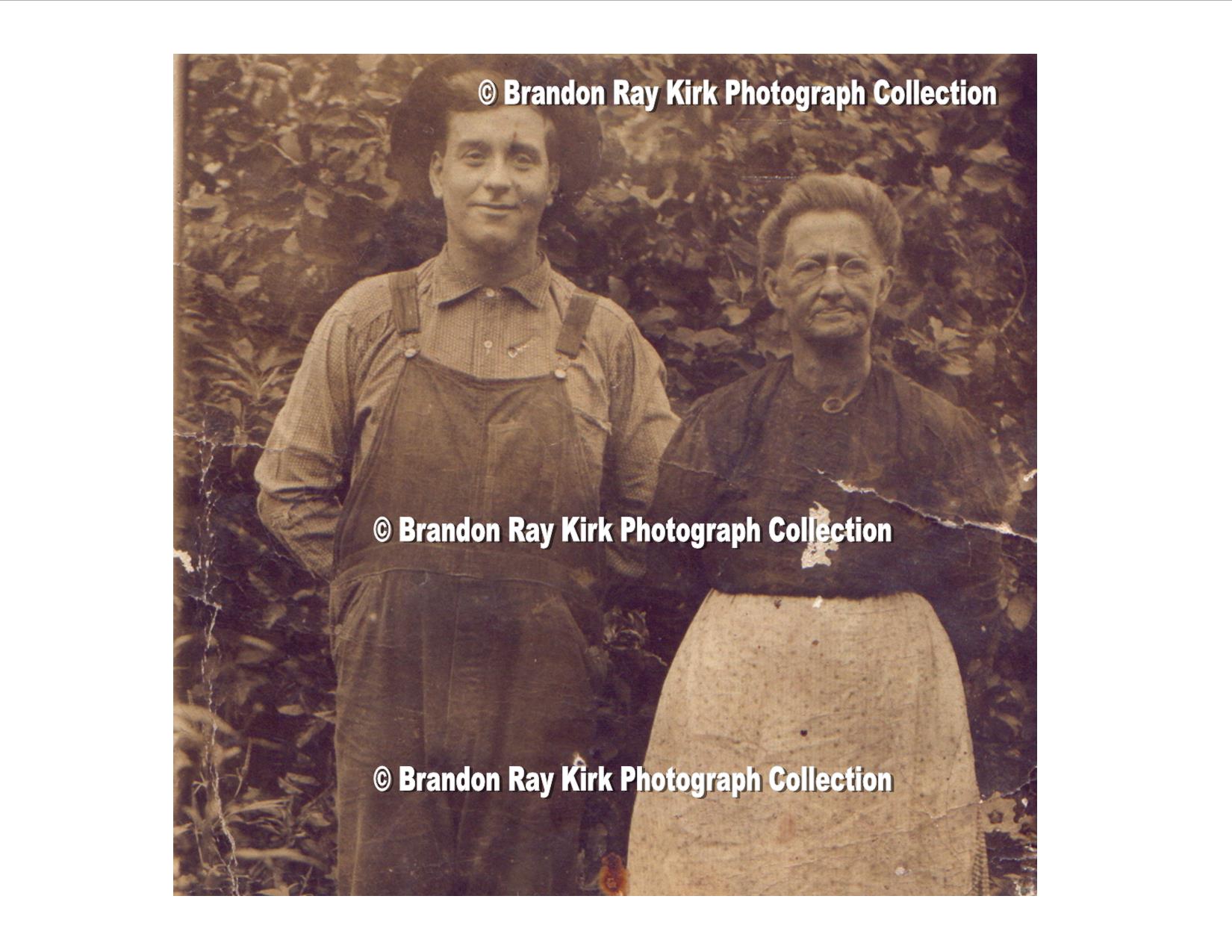
George Bush and Frances Lucas Bush-Workman (c.1855-1920), residents of Wewanta, Lincoln County, WV
15 Tuesday Apr 2014
Posted in Big Creek, Big Harts Creek, Ferrellsburg, Leet, Rector, Toney
Tags
Anthony Fry, Blackburn Lucas, education, Ettie Baisden, Ferrellsburg, Fisher B. Adkins, genealogy, history, Irvin Workman, James B. Toney, John Lambert, Keenan Toney, Leona Pauley, Lincoln County, Lincoln Republican, Lottie Lucas, Maggie Lucas, Peter M. Toney, timbering, Toney, Ward Baisden, West Virginia, writing
“Ding Dong,” a local correspondent from Toney in Lincoln County, West Virginia, offered the following items, which the Lincoln Republican printed on Thursday, January 26, 1911:
Winter still remains and there is lots of sickness in this vicinity. The Doctors are kept quite busy.
Miss Lottie Lucas closed her school on Hart Saturday. She gave general satisfaction in her school work in the report.
Fisher B. Adkins, of Ferrellsburg was a caller here Sunday.
Miss Leona Pauley visited Miss Maggie and Lottie Lucas Sunday.
The Lucas Bros. are hauling some fine timber for Ward Baisden.
Born: To Mr. and Mrs. John Lambert, Friday, a big girl.
K.E. Toney and Anthony Fry killed a fine fox Saturday.
Peter M. Toney made a business trip to Leet Monday.
John Toney, of Rector, was a business visitor here Monday.
Ed Reynolds, the “war horse” Republican of Leet, bought a fine yoke of oxen from Keenan Toney Saturday. Paid $1200.
J.B. Toney, of Big Creek, was visiting here Sunday.
Irvin Workman made a business trip to the West Fork of Hart, Saturday.
B.B. Lucas passed here Saturday with a fine gang of cattle.
Miss Ettie Baisden visited here Friday.
K.E. Toney’s new residence is nearing completion.
If this escapes the waste basket, will come again next week.
Sisters and brothers all come together and make the REPUBLICAN more interesting.
14 Monday Apr 2014
Posted in Big Harts Creek, Green Shoal, Toney
Tags
Appalachia, genealogy, Green Shoal, Harts Creek, history, Irvin Workman, life, Lincoln County, Logan County, photos, West Virginia, Workman Fork

Irvin Workman, resident of Green Shoal, Lincoln County, WV
14 Monday Apr 2014
Tags
Andrew Holton, Anthony Fry, Atenville, B. Abbott, Big Creek, Blackburn Holton, Christian Lambert, Dollie Toney, education, Etta Moore, Evermont Ward Lucas, farming, Ferrellsburg, G.C. Fry, genealogy, Hamlin, history, Irvin Workman, J.L. Hager, J.W. Sias, John Allen Farley, Leet, life, Lincoln County, Lincoln Republican, Philip Hager, Pumpkin Center, Rector, Toney, Walt Stowers, West Virginia
“Ruben,” a local correspondent from Toney in Lincoln County, West Virginia, offered the following items, which the Lincoln Republican printed on Thursday, November 10, 1910:
Our farmers are busy gathering corn.
The sick of this vicinity are progressing nicely toward recovery.
J.L. Hager passed through this section on business recently.
E.W. Lucas, of this place, was transacting business at Leet Monday.
County Superintendent Pauley was visiting our schools the past week delivering excellent instruction.
Christian Lambert is busily engaged delivering coal.
Quite a number of our people attended the marriage of J.A. Farley and Miss Etta Moore, at Atensville, Saturday.
J.W. Stowers, of Ferrellsburg, was calling on friends at Toney, Saturday.
We learn that J.W. Sias, who has been sick so long, is improving.
G.C. Fry, the C. & O. supervisor was a business caller at Toney this week.
Irvin Workman has returned home from “Pumpkin Center” where he has been engaged in business.
B.B. Holton and brother, Andrew, passed through our midst Saturday on their way to B. Abbotts.
Miss Dollie Toney, who is teaching school at Big Creek, Logan county, spent a day or two at home recently.
Philip Hager, of Hamlin was mingling with friends in our vicinity last week.
Anthony Fry, of this place, was called to Rector, Sunday, on account of the death of his niece.
13 Sunday Apr 2014
Posted in Culture of Honor, Harts, Little Harts Creek
Tags
Appalachia, culture, fiddle, fiddler, genealogy, Harts, history, life, Lincoln County, Little Aaron Adkins, Little Harts Creek, Major Adkins, photos, U.S. South, West Virginia
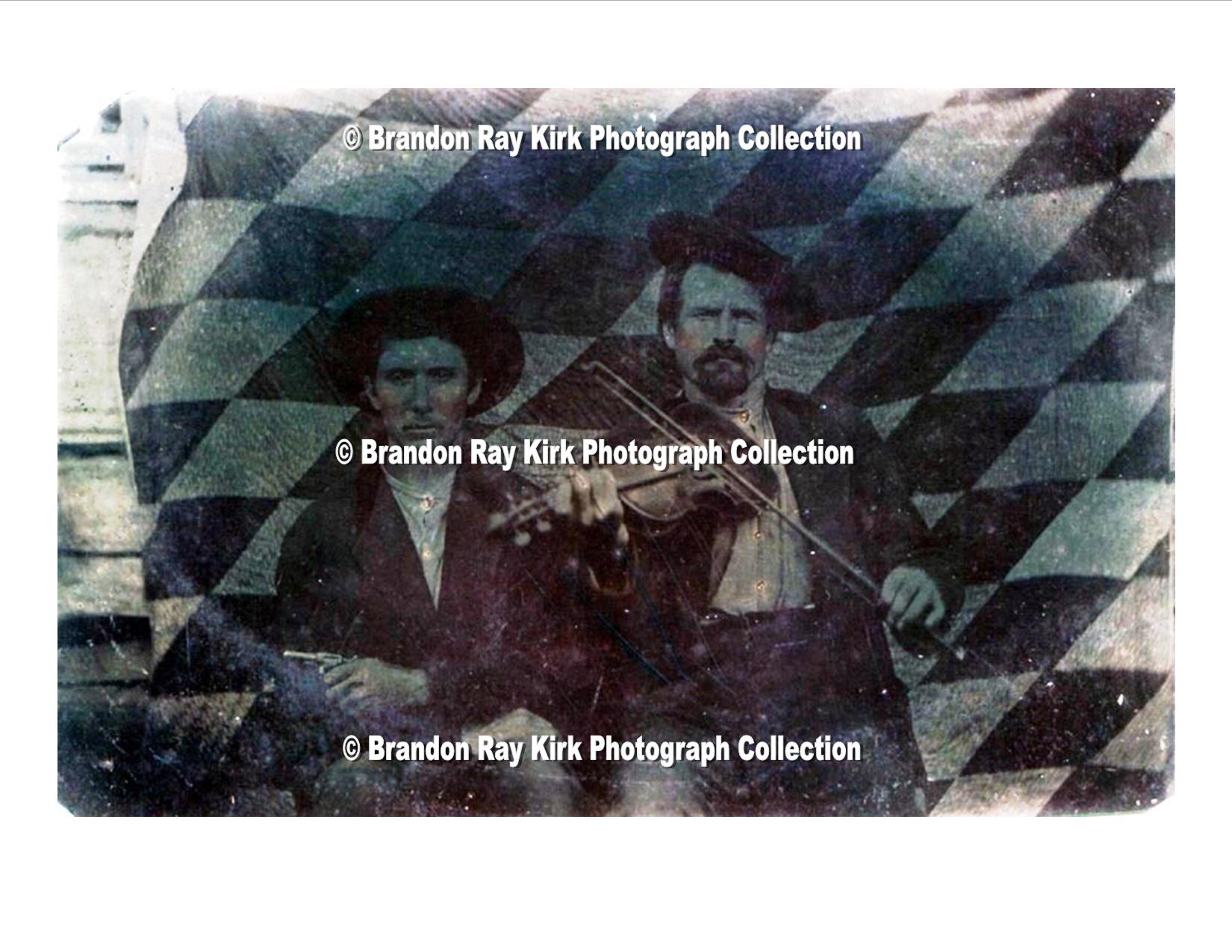
A.E. “Major” Adkins and Aaron Adkins, Jr., residents of Harts, Lincoln County, WV, 1870s
13 Sunday Apr 2014
Posted in Atenville, Little Harts Creek, Timber
Tags
Appalachia, Hamlin, Herald-Dispatch, history, Huntington, life, Lincoln County, Lincoln Republican, Little Aaron Adkins, Little Harts Creek, Ohio, Rockwood, surveying, timber, U.S. South, West Virginia
In a story titled “Alarm Among Property Owners,” dated Thursday, November 3, 1910, the Lincoln Republican of Hamlin, West Virginia, offered this story:
The property owners along Little Harts Creek in Lincoln county, are greatly exercised over the action of some one who has sent a surveying party into their midst, and they fear that the move is for the purpose of objecting them from their possessions. The surveyors who are from this city do not know or refuse to tell who the work is being done for, and for a time the residents were incensed at them for making the survey and they only secured lodging place with difficulty, but the people are now waiting to see what is coming. The land is owned mostly by Mr. Brammer, a timber man of near Rockwood, Ohio, Aaron Adkins, and fifteen others and they are preparing to make a fight for their rights as soon as the unknown parties who have ordered the survey show their hand.
The story originally appeared in the Herald-Dispatch of Huntington, West Virginia, on Sunday, October 30.
13 Sunday Apr 2014
Posted in Big Harts Creek
Tags
Appalachia, genealogy, Harts Creek, history, life, Logan County, U.S. South, West Virginia, William Farris
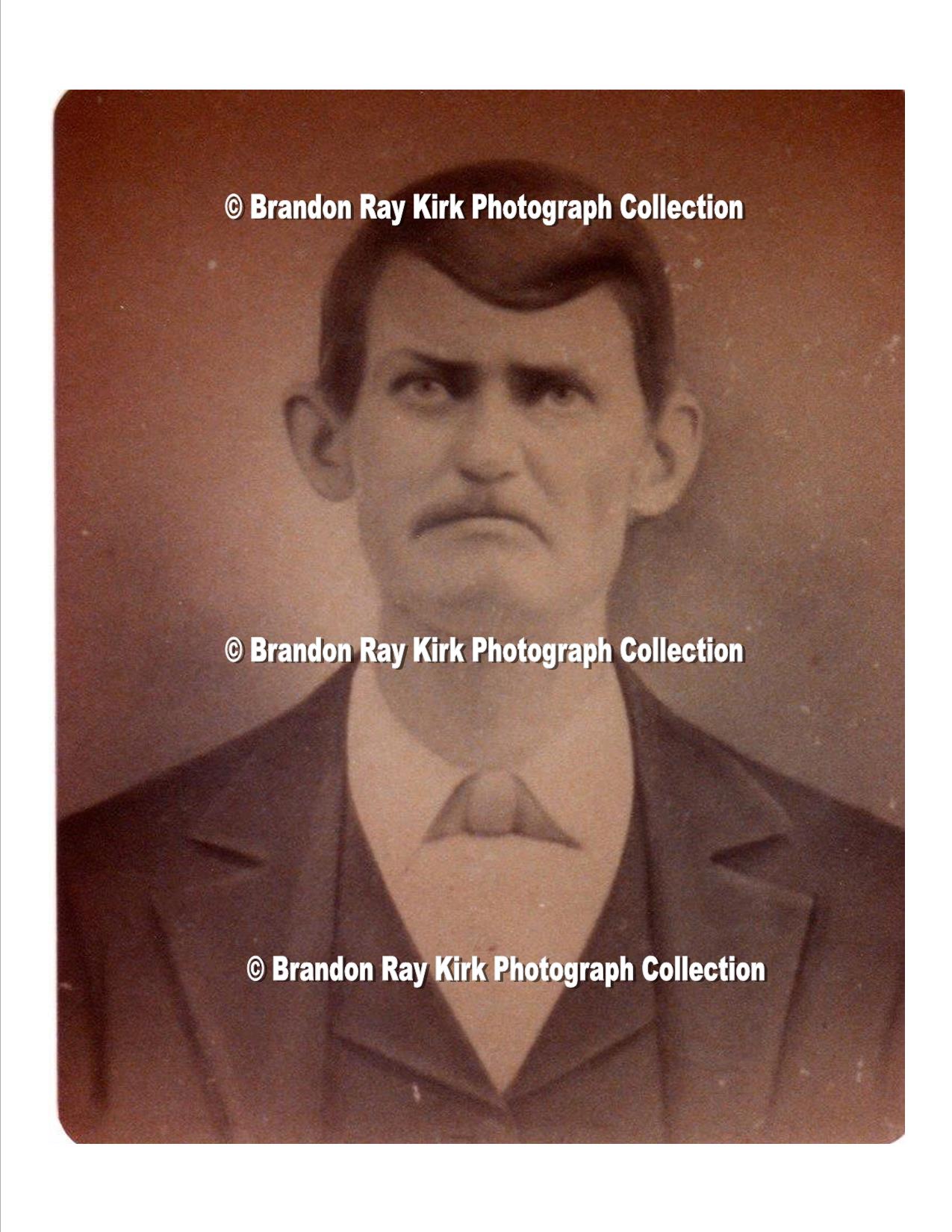
William “Billy” Farris (c.1844-1911), resident of Big Harts Creek, Logan County, WV
13 Sunday Apr 2014
Posted in Ed Haley
Tags
Ashland, Catlettsburg, Curly Wellman, Ed Haley, Ella Haley, fiddling, Fort Gay, Great Depression, guitar, history, Horse Branch, John Hartford, Kentucky, Keystone, life, Logan County, Louisa, Madison, Man, music, Ralph Haley, Red Jacket, Wayne, Wayne County, West Virginia, writing
In the spring of 1996, I made my way back to Ashland where I dropped in on Curly Wellman. Curly was an old guitarist in town who grew up watching Ed Haley on Horse Branch. I hadn’t visited him since a trip with Lawrence Haley some four years earlier. Unlike last time, he was quick to comment on Ed’s poverty.
“Now this story about Ed Haley, this was during the thirties — right after the Great Depression started,” Curly said. “And of course all they had coming was, I guess, just a blind pension, which wouldn’t have been much. They had to play on the corners with the tin cups. Those people, they had to struggle for life. The winter months on Ed Haley and his family were very hard. My grandfather — he came down here with money out of the big timber country up around Louisa, Ft. Gay, Wayne — and he run a little grocery store. Well, he was fortunate enough and had money enough to be able to carry these type of people through the winter months when they couldn’t make money. And as quick as spring come and they went to work every one come right in and paid him ever dime they owed. And the Haley family a lot of winters survived under his care. A lot of times, clothes we would outgrow would be taken to the Haleys because Mother thought so much of them. They had a hard struggle to raise those children but they were good people and the kids all turned out good as far as I know.”
I asked Curly to tell me about playing the guitar with Ed on Horse Branch.
“I was just a beginner and my aunt was teaching me,” he said. “The Haleys lived just across the street from us and down maybe a couple of houses. In the evenings, there was nothing else to do; no radio, no television, no nothing like that. Well, Ed would get out on the porch and Ralph and the mother and they’d start playing. I was learning to play a little bit, so I’d sit in with the guitar. I was just a very mediocre guitar player at that time. I was so rank that he’d have to tell me when he was going into a minor. I’d say, ‘I don’t know that,’ and Ralph would say, ‘Get right in there and play it anyhow.’ Them little kids would get out there and jump up and down and dance. Quick as people heard music, they’d start coming down the hollow and off’n the hillsides and gather up. They even had horse and buggies to stop and real old model cars would stop. People would open up their windows and their doors that lived up high where I was at — they’d get out on their porch till they could hear it all.”
Later, when Curly got better on the guitar, he played with Ed at the Boyd County Courthouse in Catlettsburg. Ed sat on a wooden bench with his hat turned up on the ground.
“You could throw a dime or nickel or quarter in his hat and you could tell by the way he grinned he knew the amount that went in the hat,” Curly said. “He could tell by the way it hit.”
I asked if Ed ever talked between tunes and he said, “He told little stories behind the tunes, like where it came from. He’d say, ‘Here’s an old tune I learned in Red Jacket, West Virginia,’ or, ‘Here’s an old tune I heard down in Logan County.’ And he used to talk about Madison, West Virginia, a lot. And another town I’d hear him talk about was Man, West Virginia. Keystone, it’s right in that area, too.”
Writings from my travels and experiences. High and fine literature is wine, and mine is only water; but everybody likes water. Mark Twain
This site is dedicated to the collection, preservation, and promotion of history and culture in Appalachia.
Genealogy and History in North Carolina and Beyond
A site about one of the most beautiful, interesting, tallented, outrageous and colorful personalities of the 20th Century
 Brandon Ray Kirk