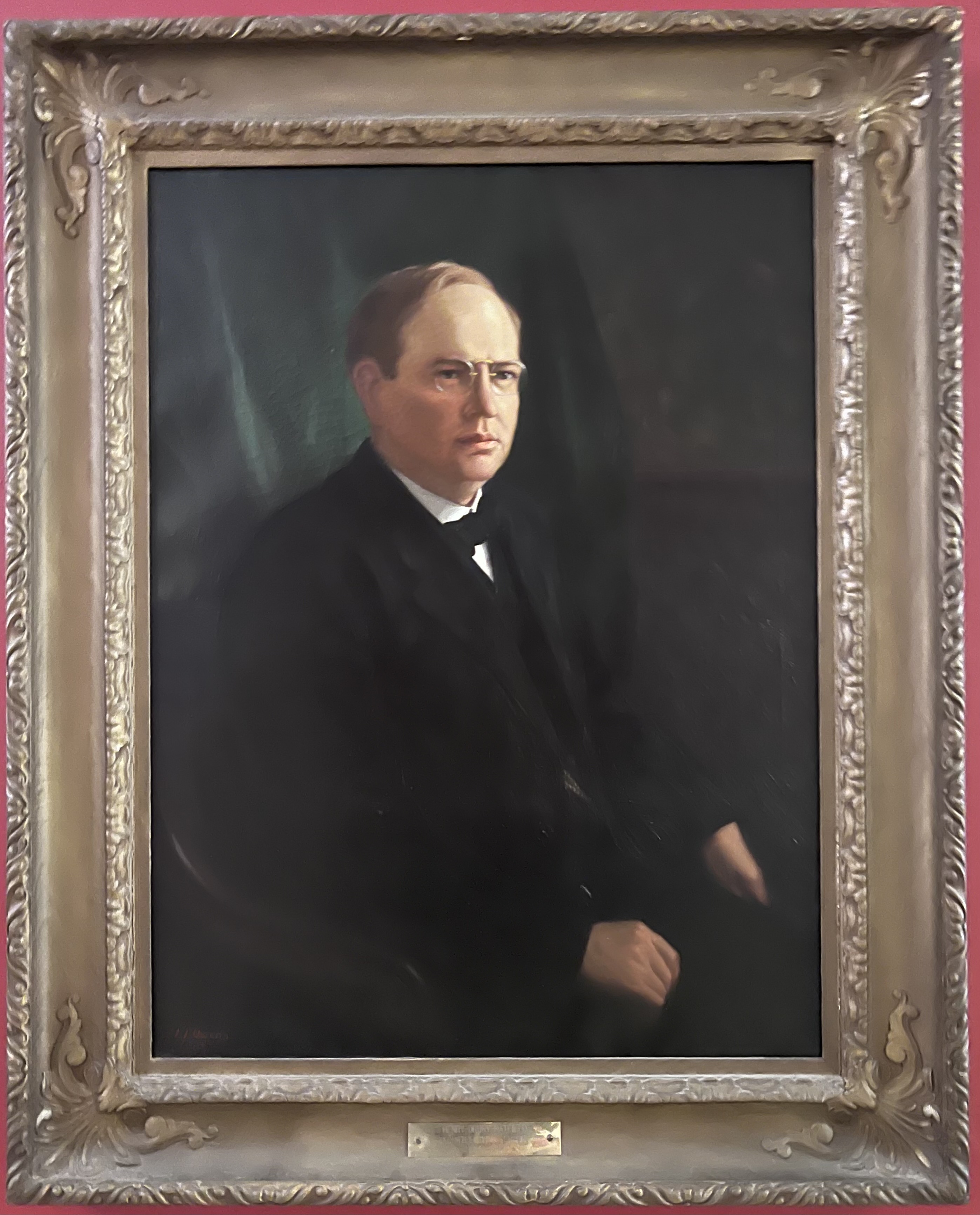
Dr. Henry Drury Hatfield
27 Wednesday Sep 2023
Posted in Hatfield-McCoy Feud, Logan

27 Wednesday Sep 2023
Posted in Hatfield-McCoy Feud, Logan
04 Sunday Dec 2022
Posted in Logan, World War I, Wyoming County
Tags
A.J.S. England, Appalachia, Arline England, Athens, attorney, attorney general, Attorney Generals Association of the United States, Barbour County, Benevolent and Protective Order of Elks, Charleston, Concord Normal College, Edward Theodore England, Francis M. England, Grand Chancellor, history, Huldah Lenburg, Huntingdon, Independent Order of Odd Fellows, Jackson County, Junior Vice Grand Chancellor, Kiwanis Club, Knights of Pythias, Logan, Logan County, Louisiana, Loyal Order of the Moose, Majorie England, Mary Elizabeth England, masons, Methodist Church, minister, Minneapolis, Minnesota, Moulton, Oceana, politics, Post Office and Postal Committee, Republican Party, senator, Shriners, Southern Normal University, State Council of Defense, Tennessee, Thea Springs, U.S. Congress, West Virginia, World War I, Wyoming County
From West Virginians, published by the West Virginia Biographical Association in 1928, comes this profile of Congressman Edward Theodore England of Logan, WV:

Edward Theodore England, congressman from the sixth district of West Virginia, made a reputation, which finally took him to Congress through his singularly able and efficient administration as attorney general of the state, 1916-1924. Mr. England was born in Jackson County, W.Va., the son of A.J.S. and Mary Elizabeth (Welch) England. His father was a native of Barbour County, W.Va., and a minister in the Methodist Church. He spent a boyhood and youth of mingled labor and effort to advance and improve himself. His education was largely derived from the opportunities he created. He attended public schools, the Concord Normal at Athens, W.Va., graduating therefrom in 1892 and was also graduated with the degrees of Bachelor of Science and Bachelor of Law from the Southern Normal University, Huntingdon, Tenn. He began the practice of law at Oceana, then the county seat of Wyoming in the spring of 1899. From there, seeking a larger field for his activities, he removed to Logan, county seat of Logan County in 1901 and from that county, his abilities as a successful lawyer gained him recognition throughout the state. He served as mayor of Logan in 1903 and again in 1908 and in 1912 was elected to the state senate. He was a leader in that body for eight years and in 1915 was elected president of the senate, an office in which he represented West Virginia and presided over the first meeting of state lieutenant governors, held at Rhea Springs, Tennessee, in 1916. In 1916, Mr. England was elected on the state Republican ticket as attorney-general and in 1920 was re-elected by an increased majority. It was during his administration, that the Virginia-West Virginia debt settlement was negotiated and finally cleared up, Mr. England handing West Virginia’s interests in the affair. He also represented the state in the cases of Ohio and Pennsylvania vs. West Virginia, involving the constitutionality of an act passed by the West Virginia legislature affecting the transportation of gas out of the state. During his term as attorney general occurred the World War and there were many matters growing out of the war period that were assigned to his office. He was a member of the State Council of Defense and as a four-minute man, his services were enlisted as a speaker in war drives and campaigns. In 1923, Mr. England was elected president of the Attorney-Generals’ Association of the United States at a meeting in Minneapolis, Minn. He was a candidate for governor of the state in 1924, being defeated by a small majority, in the primary. He is known all over West Virginia as a loyal member of the Knights of Pythias. During 1920-21 he was Grand Chancellor of the state order and was also Junior Vice Grand Chancellor in 1923. He is a thirty-second degree Mason and Shriner, and is otherwise affiliated with the Independent Order of Odd Fellows., Elks, Loyal Order of Moose, and the Kiwanis club, of Charleston. He is also a member of the Methodist church. Mr. England was elected to Congress November 2, 1926, and has looked after the interests of the state faithfully. The sixth congressional district which he represents comprises the counties of Boone, Fayette, Greenbrier, Kanawha, Pocahontas and Raleigh, and in committee appointment he holds place on the Post Office and Postal Committee, being one of a fewto be honored with appointment to a major committee during first term. He was renominated without opposition in the Republican Primary in May, 1928. Mr. England was married to Huldah L. Lenburg, of Moulton, La., December 25, 1901. They have three children, Arline, Francis M. and Majorie England.
26 Saturday Jun 2021
Posted in Battle of Blair Mountain, Matewan, Williamson
Tags
Appalachia, Battle of Blair Mountain, Democratic Party, Don Chafin, Ed Chambers, Ephraim Morgan, history, Logan Banner, Logan County, Matewan, Mingo County, Mingo Republican, politics, sheriff, Sid Hatfield, United Mine Workers of America, West Virginia, Williamson
From the Logan Banner of Logan, WV, comes this item about Don Chafin, sheriff of Logan County during the Armed March. The story is dated November 6, 1925.
Don Chafin Renowned as Sheriff of Logan
His Prowess During Threatened Invasion of Union Miners is Recalled in Mingo Republican
Bids Friends Goodbye
Don Chafin, former sheriff of Logan county, paid what might be his farewell visit to Williamson for a long time on Tuesday. While here he expressed to many his appreciation of their concern for him in his present plight.
Chafin was the most famous sheriff in the United States during his regime in Logan county, where he ruled with an iron hand. He was the main prop in the Democratic machine there and a prominent figure in the life of the county.
Sheriff Chafin won his greatest fame during the threatened invasion of Logan county by the armed march of 5,000 or more miners bent on destroying the Logan court house and finally reaching Williamson to release from the local jail a number of union men charged with violations of Gov. Morgan’s martial law.
Sid Hatfield and Ed Chambers, two well known union men of Matewan, had just been killed on the court house steps at Welch and the passions of the miners were thoroughly aroused. The armed march was once halted but was resumed after a midnight battle between the officers and miners on the county road near Sharples.
The invasion then began with forts and vigor. The defenders of Logan under the leadership of Sheriff Chafin were intrenched along a wide front and several clashes took place. The fame of the the doughty sheriff caused many from the outside to rally to his banner.
Mr. Chafin has numerous relatives and friends here to whom the parting was one of real regret. They are steadfast in their belief in his innocence, claiming that he is the victim of a frameup. Chafin was profuse in his expressions of gratitude over the loyalty of his friends on this side of the Logan line.
16 Tuesday Feb 2021
Posted in Battle of Blair Mountain, Coal, Huntington, Logan
Tags
Appalachia, Battle of Blair Mountain, Charles Town, Chesapeake & Ohio Railroad, coal, Democratic Party, deputy sheriff, Don Chafin, geography, history, Huntington, Logan, Logan Banner, Logan County, mine guards, politics, Republican Party, West Virignia
From the Logan Banner of Logan, WV, comes this editorial about mine guards, dated June 30, 1922:
MINE GUARDS OF LOGAN
The attorneys for the defense in the miners’ trials at Charles Town, which have been in progress for the past several weeks, have taken every opportunity of referring to the deputy sheriffs of Logan county mine guards as “thugs” and “two-gun men.”
Logan county is, and has been for several years, ruled by officers elected on the Democratic ticket. The Logan Banner adheres to the party of Lincoln, Grant, Roosevelt and Harding. It believes in the policy of the Grand Old Party and so long as that belief endures we will be found advocating the doctrines as preached by the leaders of this political organization.
Politics has no place in the discussion of the so called mine guard system in Logan county. We hold the love and respect of our homes far above any reverence to political parties and when the good name of Logan is attacked we forget political lines and join with the good people of this vast community in resenting any reflection on the fair name of Logan.
It has always been a mystery to us why the demand for the abolishment of the extra number of deputy sheriffs in this county should come from parties who are non-residents of the county? Who has demanded their abolishment? What cry has been heard from Logan county for aid? What facts have been presented of any unlawful acts committed at the hands of officers in this county?
Logan is filled with men of the highest type of intelligence. Likewise, they have many, many men here who are as brave as any men to be found in the nation. These men would not, for an instant, be a party to crimes in the county without raising their voices in protest. When it is all sifted down, it is found the hue and cry for a change of conditions is raised by those other than citizens of Logan county. Here are four points that must be borne in mind when considering Logan county:
Logan is situated among the mountains with but one natural outlet. This is by way of the C. & O. branch line to Huntington. The county is naturally divided by creeks, valleys, and branch railway lines. On these can be found many operations, employing hundreds of laborers, and to successfully cope with the lawless the sheriff is naturally required to employ more than the usual amount of deputies.
If Logan county was situated on the trunk line of any railway system, it would be a much easier task to supply the mines with labor, but due to the fact that it is far removed from any other section of the state and that in order to reach any other point, east, west, north or south it becomes necessary to travel over a distance of 75 miles to Huntington, labor is hard to obtain.
In securing this labor to fill the requirements of the large corporations operating here, it is necessary to visit the employment agencies located in the larger cities. Anyone acquainted with these agencies recognize the fact they are not scrupulous about whom they list, and the natural consequence is that many brought here on transportation are recognized criminals and members of all nationalities. Not all of them, thank goodness, are of the lawless class, but many are. They require constant watching and close scrutiny to see that their criminal tendencies do not become too pronounced. In order to do this it becomes imperative to have a large force of officers.
In view of the fact that there are 142 operations in this county and that approximately 50,000 people are laboring within our borders it can be readily seen that 35 deputies are a comparative small force to exercise supervision over such a huge population. Should a riot break out within our county it would require at least eight hours to obtain help from any section of the state. The fact that Logan needs as large a force of officers was amply attested when the armed march was made on Logan last August.
This article is not written in the defense of Don Chafin or his deputies. They need no defense at our hands. It is not written in defense of a policy adopted by any political party in the county. Regardless of the political affiliations of the sheriff, the Banner would earnestly recommend to anyone, be he the most rabid Republican in the county, if they should be sheriff, the retention of an official force as large as is now employed.
A great hue and cry has been raised because the salaries of these officers have been paid by the coal operators. Let us for a moment realize that the coal industry in the county is the sole industry in our midst. Upon the shoulders of these operators fall the burden of the peace and happiness of their employees. It is in order to furnish these employees protection and security that they have gone into their pocket books and paid for this protection. Who objects? Have you heard a taxpayer in Logan county object? Not one. They are perfectly willing that this cost shall be borne by the operators. They might as well object to the operators subscribing to better schools in Logan. Also voice opposition to better roads, the burden of which falls on the shoulders of the operators.
No one has heard a Macedonian cry from Logan for aid? Not even when union fields of the state were appealing for bread. If there was ever an example of the benefits of the non-union shop plan it was simply exemplified during the recent dull period. Logan worked and fared well. We have no ills to cure nor any abuses that need redress. The propaganda put forth pour from the foul mouths of others than citizens of Logan county and we beseech them to busy themselves with affairs other than ours, for we are perfectly able to take care of ourselves, and when we need their assistance, or advice, we will call for them loud and long.
28 Monday Dec 2020
Posted in Cemeteries, Hatfield-McCoy Feud, Logan, Women's History
Tags
Appalachia, attorney general, Betty Caldwell, Cap Hatfield, cemeteries, Devil Anse Hatfield, feuds, Hatfield-McCoy Feud, history, Howard B. Lee, Jim Comstock, Logan, Logan County, Nancy Hatfield, politics, Republican Party, Robert Elliott Hatfield, Sarah Ann, Tennis Hatfield, West Virginia, West Virginia Women, Willis Hatfield
Howard B. Lee, former Attorney General of West Virginia, provided this account of Nancy Hatfield (widow of Cap) in the early 1970s:
HATFIELD WOMEN.
Over the years, much has been written about the male members of the Hatfield clan who took part in that early orgy of blood-letting–the Hatfield-McCoy feud. But nothing has been said concerning the indomitable wives of that stalwart breed of men.
My purpose is to pay a richly deserved tribute to one of those pioneer women–the late Nancy Elizabeth, wife of William Anderson Hatfield, common known “Cap,” second son of Devil Anse, and the most deadly killer of the feud.
More than 30 years have passed since I last talked with her; but I still regard Nancy Elizabeth Hatfield as the most remarkable and unforgettable woman of the mountains.
In the spring of 1924, I was a candidate in the primary election for the Republican nomination for attorney general, and I wanted the Hatfield influence. Devil Anse had died in 1921, and his mantle of leadership of the clan had fallen to his oldest living son, Cap–a power in Logan County politics.
I had met Cap, casually, in 1912, but I had not seen him since that meeting. But his sister, Mrs. Betty Caldwell, and her husband, lived in my county of Mercer, and were among my political supporters. To pave the way for my later meeting with Cap, I had Mrs. Caldwell write and ask him to support me.
Later, when campaigning in the City of Logan, I engaged a taxi to take me the few miles up Island Creek to Cap’s home. The car stopped suddenly and the driver pointed to a comfortable-looking farm house on the other side of the creek and said:
“That’s Cap’s home, and that’s Cap out there by the barn.”
I told him to return for me in two hours.
Cap saw me get out of the car, and, as I crossed the creek on an old-fashioned footlog. I saw him fold his arms across his chest and slip his right hand under his coat. Later, I noticed a large pistol holstered under his left arm. Even in that late day, Cap took no chances with strangers. When I got within speaking distance, I told him my name, and that I had come to solicit his support in my campaign for attorney general. He gave me a hearty handclasp, and said:
“My sister, Mrs. Caldwell, wrote us about you. But, let’s go to the house, my wife is the politician in our family.”
Cap was reluctant to commit himself “so early.” But Nancy Elizabeth thought otherwise. Finally, Cap agreed to support me; and, with that point settled, we visited until my taxi returned.
Meanwhile, with Cap’s approval, Nancy Elizabeth gave me the accompanying, heretofore unpublished photograph of the Devil Anse Clan. In 1963 I rephotographed it and sent a print to Willis Hatfield (number 22 in picture), only survivor of Devil Anse, who made the identification. Nancy Elizabeth is number 16, and the baby in her lap is her son, Robert Elliott, born April 29, 1897. Therefore, the photograph must have been made late in 1897, or early in 1898.
A few months after Cap’s death (August 22, 1930), the West Virginia newspaper publishers and editors held their annual convention in Logan. I was invited to address the group at a morning session. That same day, Sheriff Joe Hatfield and his brother, Tennis, younger brothers of Cap, gave an ox-roast dinner for the visiting newsmen and their guests. The picnic was held on a narrow strip of bottom land, on Island Creek, a half-mile below the old home of Devil Anse.
I ate lunch with Nancy Elizabeth and her sister-in-law, Betty Caldwell. After lunch, at the suggestion of Mrs. Caldwell, we three drove up the creek to the old home of her father–Devil Anse. It was a large, two-story, frame structure (since destroyed by fire, then occupied by Tennis Hatfield, youngest son of Devil Anse).
The most interesting feature in the old home was Devil Anse’s gun-room. Hanging along its walls were a dozen, or more, high-powered rifles, and a number of large caliber pistols, ranging from teh earliest to the latest models. “The older guns,” said Nancy Elizabeth, “were used in the feud.”
As we returned, we stopped at the family cemetery that clings uncertainly to the steep mountainside, overlooking the picnic grounds. There, among the mountains he loved and ruled, old Devil Anse found peace. A life-size statue of the old man, carved in Italy (from a photograph) of the finest Carrara marble, stands in majestic solitude above his grave. On its four-foot high granite base are carved the names of his wife and their thirteen children.
Source: West Virginia Women (Richwood, WV: Jim Comstock, 1974), p. 149-151
19 Monday Oct 2020
Posted in Logan
Tags
Appalachia, election, Election of 1924, Emmet Scaggs, Guyandotte Valley, history, Logan, Logan Banner, Logan County, politics, sheriff, West Virginia

09 Friday Oct 2020
Posted in Huntington, Logan
Tags
A.S. Bryan, Appalachia, Aracoma Lodge 99, banker, banking, C.C. Crane, C.H. Bronson, Charleston, Cincinnati, Cole and Crane Company, Ettye Robertson, First Presbyterian Church, genealogy, Gilbert, Guyan Valley Bank, Harry N. Robertson, history, Huntington, Independent Order of Odd Fellows, Indianapolis, J. Murray Robertson, John Edwin Robertson, Kentucky, Knight Templars, Logan, Logan Banner, Logan County, Louisville, Mae Robertson, Mary S. Robertson, masons, merchant, Ohio, politics, Portsmouth, Robert S. Shrewsbury, Ruby Robertson Parris, sheriff, Shriners, Spring Hill Cemetery, Stirrat, Sydney Robertson, W.B. Miles, West Virginia, Wheeling Consistory
From the Logan Banner of Logan, WV, comes this obituary for former sheriff Sidney B. Robertson, dated June 22, 1923:
S.B. Robertson Dies At Huntington Home
Former sheriff of Logan county, Sidney B. Robertson, of 501 Fifth Avenue, Huntington, died Monday afternoon at 5:40 o’clock after a lingering illness. He has been in failing health for over a year, but it was not until about four months ago that his condition was regarded as serious. The best medical skill in the country was employed in his behalf, but none could make a diagnosis of his condition.
Funeral services will be conducted this afternoon, at 2:30 o’clock at the late home by the Rev. J.L. Mauze, pastor of the First Presbyterian church of which Mr. Robertson was a member. The body will be interred in Spring Hill Huntington cemetery following the services.
Mr. Robertson was born, August 3, 1864, and was the son of Mr. and Mrs. John Edwin Robertson. He early entered into business, and was prominent in lumber circles for some time, being associated with the late C.C. Crane, of Cincinnati, in that business. He served as sheriff of this county from 1900 to 1904 and following that engaged in the wholesale grocery business, until the time of his retirement, a year ago, which was necessitated by ill health. He had extensive holdings in coal mines of the county.
Mr. Robertson was in Logan about a month ago with Laryed Buskirk, on business connected with the purchase of the Stirrat-Gilbert right-of-way–at that time Mr. Robertson was in very poor health and told friends that it was doubtful if he would ever be in Logan again.
On February 22, 1884, he was married to Ettye Bryan, of Logan, daughter of Mr. and Mrs. A.S. Bryan. Four children were born of this union. Fifteen years ago, in the fall of 1907, the family moved to Huntington, which has been their home since that date.
Mr. Robertson was prominent in Masonry. He was a member of the Huntington chapter, No. 53, was a Shriner in the Charleston Beni Kedem temple, was a member of the Kanawha Commandery of Knight Templars of Charleston, held the thirty-second degree in Masonry in the in the Wheeling Consistory, and was past master of Aracoma lodge 99, of this city. He was also a member of the Logan chapter of I.O.O.F. He was at one time president of the Guyan Valley Bank and held a great number of offices in the different companies in which he was interested. He was a member of the First Presbyterian church of Huntington and was a member of the Men’s Bible class of that church.
Mr. Robertson is survived by his wife, Mrs. Ettye Robertson, three sons, Dr. J.E. Robertson, of Louisville, Ky., Harry N. Robertson of Logan, and J. Murray Robertson, of Huntington, an uncle, Sydney Robertson of Mana, Ark., three sisters, Mrs. C.H. Bronson and Mrs. W.B. Miles of Huntington, and Mrs. Mae Robertson of Pawtucket, R.I., and three grand children, Robert S. Shrewsbury of Huntington, John Edwin Robertson, Jr., of Louisville, Ky., and Mary S. Robertson of Logan.
Mr. Robertson’s only daughter, Mrs. Ruby Robertson Parrish, met a tragic death only a few weeks ago, dying as a result of injuries received when the family automobile went over a cliff near Portsmouth, O., while returning from the Memorial Day races at Indianapolis.
17 Tuesday Mar 2020
Posted in Logan
Tags
Appalachia, genealogy, history, J.E. Peck, judge, Logan, Logan Banner, Logan County, photos, politics, West Virginia
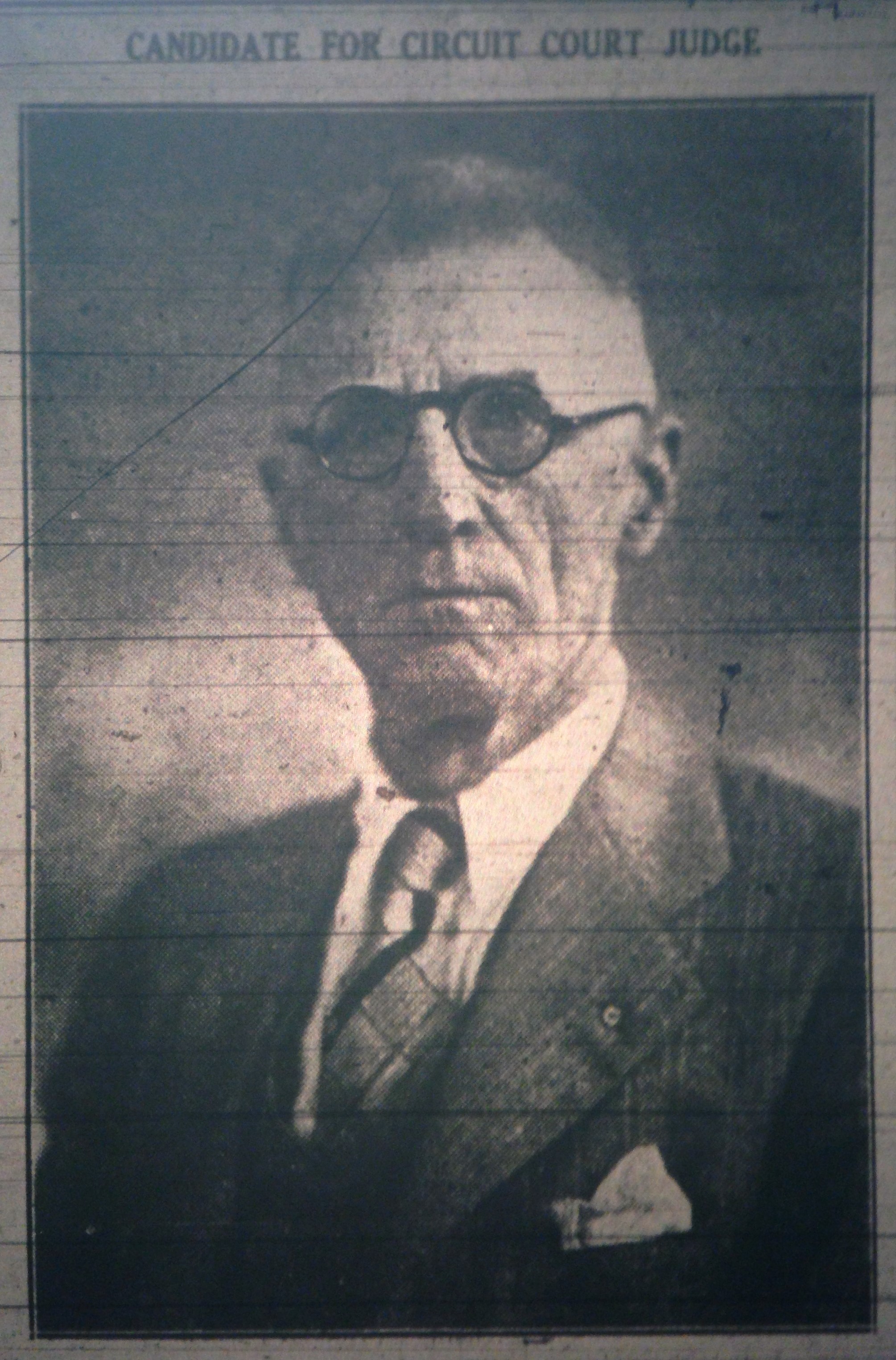
Logan (WV) Banner, 24 July 1928
08 Saturday Feb 2020
Posted in Hatfield-McCoy Feud, Logan
Tags
Appalachia, Delorme, Democratic Party, Devil Anse Hatfield, Evaline Marie Hatfield, genealogy, Grace Ferrell, history, Huntington Business College, Island Creek, Joe D. Hatfield Jr., Joe Hatfield, Levisa Hatfield, Logan Banner, Logan County, Marshall College, Mingo County, politics, Republican Party, sheriff, Stirrat, teacher, Tennis Hatfield, Tug River, West Virginia
From the Logan Banner of Logan, WV, comes this bit of political history dated December 13, 1927:
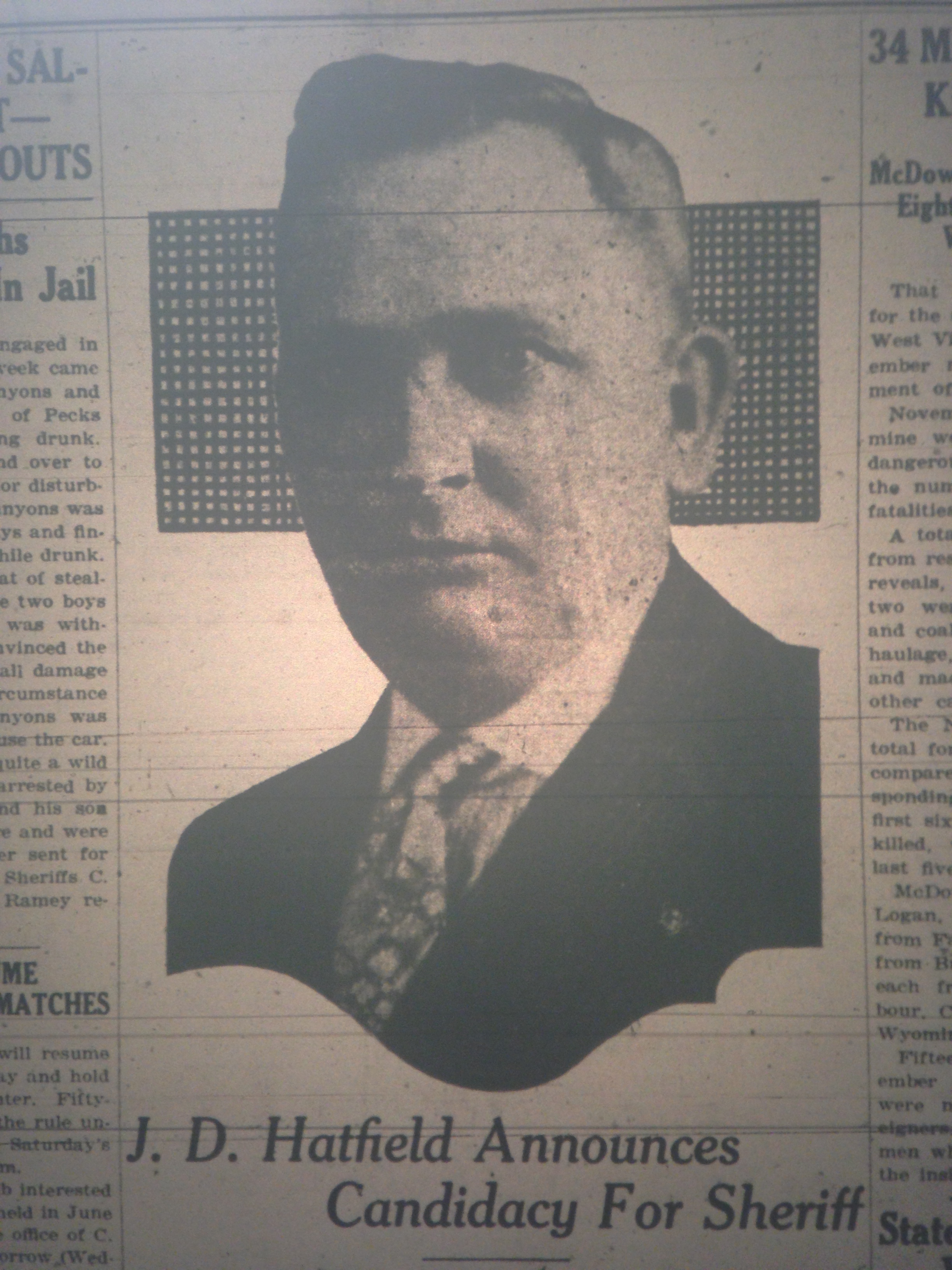
J.D. Hatfield Announces Candidacy For Sheriff
Native Son Will Ask for Republican Nomination in May Primary–That He Would Enter Race Was Expected, and That He Possesses Unusual Political Strength Is Undisputed
Joe Hatfield will be a candidate for the Republican nomination for sheriff in the primary election May 29.
That announcement will doubtless arouse tremendous interest but will create little surprise. For many months the public has expected that at a seasonable time his hat would be quietly tossed into the ring and remain there until the voters had registered their approval or disapproval. Having determined upon a course of action, he will go straight ahead.
Born and reared in Logan county, in love with its every stream and mountain, hoping and expecting to spend the remainder of his life amid the rugged hills to which his ancestors were lured by fate a century ago, he says he has long had an ambition to serve as sheriff of the county beloved of his kith and kin.
The statement that he was born in this county calls for this qualification: Joe Davis Hatfield was born at Delorme, on Tug River, then in Logan county but now in Mingo. That was 44 years ago. Except for a period at Huntington Business College and a year (1903-4) at Marshall College, he has lived hereabouts and his life is an open book. He attended country school on Island Creek and had some experience as a relief teacher, though at no time did he ever consider that his vocation. He is a brother of Sheriff Tennis Hatfield and a son of the late Captain Anse Hatfield and Lovisa Chafin Hatfield–their fourth youngest child, Tennis being the youngest.
Joe was married in 1917 to Grace Ferrell of a Mingo county family and is the father of two children, Evaline Marie, aged eight, and Joe D., Jr., aged five.
His fraternal affiliation are limited to the Elks and the Modern Woodmen of America.
In commenting on his announcement, Mr. Hatfield said, “I’m not running for the office solely for the honor and rewards it might bring, but also because I believe I can fill it in a way that my children and friends will be proud of. I want to give the people a square deal for their sake and mine–why should a man in an important office like that want to do less? I expect to be nominated, but if not I’ll do my part for the man who beats me; and when nominated I’ll plan to wage an active and winning campaign. Besides my experience and observation have given me some ideas about what a sheriff can and should do and I’ll probably discuss these with friends and perhaps in the papers at the proper time.”
Republican Stronghold
It is not The Banner’s purpose to espouse any man’s candidacy before the primary, yet there is no hesitancy in saying here and now that Joe Hatfield will be regarded by voters of all parties as a formidable candidate for the nomination. Quiet, suave, friendly, neat and attractive in appearance, on intimate terms with hundreds and even thousands of voters in the county, the scion of a prominent pioneer family, his strength is obvious to the humblest citizens as well as those trained in politics. And while on the subject of politics, let it be recalled that Stirrat, Hatfield’s precinct, was the banner Republican precinct in the county in 1926. The Republican vote varied from 310 to 312 for the different candidates; the Democratic vote from 54 to 58. The precinct won a flag for the largest registration of Republican voters before the primary and won a silver cup for the largest Republican vote in the election, the prizes having been offered by the county committee. Incidentally, that feat was credited largely to Joe Hatfield and brought the first prophecy the writer heard that he would be the next sheriff of Logan county.
28 Monday Oct 2019
Tags
Appalachia, coal, deputy sheriff, Don Chafin, history, Logan, Logan Banner, Mine Wars, politics, sheriff, West Virginia
From the Logan Banner of Logan, WV, comes this bit of history for Sheriff Don Chafin. The story is dated February 10, 1922:
REJECT SHERIFF’S RESIGNATION
Don Chafin Presents Same to the County Court But Would Not Be Accepted
ACTION OF SHERIFF DUE TO LACK OF COOPERATION
He Has Agreed to Serve Out Term of the Office After Urging of Court and Friends
Last week Don Chafin tendered to the county court his resignation as Sheriff of Logan county. The county court promptly rejected his resignation and Mr. Chafin was prevailed upon by his friends to let the matter drop and continue to serve the county in his official capacity.
The direct cause of his resignation was the lack of cooperation on the part of some of his deputies. To those who are unacquainted with the official duties of a Sheriff in Logan County the duties of the office might be considered one of ease and pleasure but to those who are initiated with the trials and tribulations of the position it is a well known fact that the life of a Sheriff in this county is anything but a bed of roses.
The Banner is directly opposed to the political policy of Don Chafin but it must be remembered that when Mr. Chafin offered himself as a candidate in the fall of 1920 for the office of Sheriff he was elected by an overwhelming majority in keeping with the choice as expressed by a majority of the citizens of the county. The Banner accepted the result and resolved to extend to the incoming Sheriff all the assistance within our power in fulfilling the duties of his office. Since that time we have had no occasion to regret our course. The previous term of Sheriff Chafin had satisfied us that the duties of the office would be fulfilled honestly and faithfully and the short time that he has served during the present term has justified our faith.
Logan county is in many respects far different from any other county in the state. We are in one sense of the word isolated from other sections of the state inasmuch as we are situated on a branch of a railway system with only one outlet. Consequently it is no easy matter for the mining operators in this field to secure labor. In their efforts to supply their mines with labor it is necessary for them to draw on the supply of raw labor of the larger cities. This brings into our midst an element of labor that is not always of the most lawful type but in many instances the men are of foreign birth and of various races hence we are sometimes so unfortunate as to admit many men of criminal tendencies.
Not one tenth of the labor required in the various industries of the county are of native birth, the other 90 percent being men who have no interest here other than the wages they may receive. Thus if may be seen that it requires constant attention to duties by the authorities of the county to maintain the law and prevent crime. To do this not only requires courage but tact and diplomacy as well.
How faithfully Don Chafin has performed the duties of the office the world is well aware. When thousands of armed men had banded themselves together with the avowed intention of invading our peaceful county last fall it was he that said, “They shall not pass.” They did not pass. Don Chafin stood like a stone wall and while the army of angry men stormed at the gates of our county he firmly held his men on the defensive and saved our county from invasion. Ho well he performed this duty is attested by commendation from all parts of the nation and needs no repetition here.
This is the second term of Don Chafin as Sheriff of this county. The citizens to the county called him to serve. While the routine of his duties may prove most irksome and perplexing we trust that he may exercise the fullest measure of patience and continue to serve the citizens of Logan county during the remainder of his term. The Sheriff needs the cooperation not only of his official family but of every law abiding citizen of the county and we should be quick to express our appreciation of duties well performed by giving to him all the assistance within our power.
08 Saturday Jun 2019
Posted in Huntington
Tags
Appalachia, Cabell County, Great Depression, history, Huntington, photos, politics, Republican Party, West Virginia, William M. Cooper

To view Mr. Cooper’s household in 1930, go here: https://www.familysearch.org/ark:/61903/3:1:33SQ-GRZV-35Y?i=16&cc=1810731
20 Saturday Apr 2019
Tags
Harry Gay, history, House of Delegates, Logan Banner, Logan County, politics, Republican Party, West Virginia
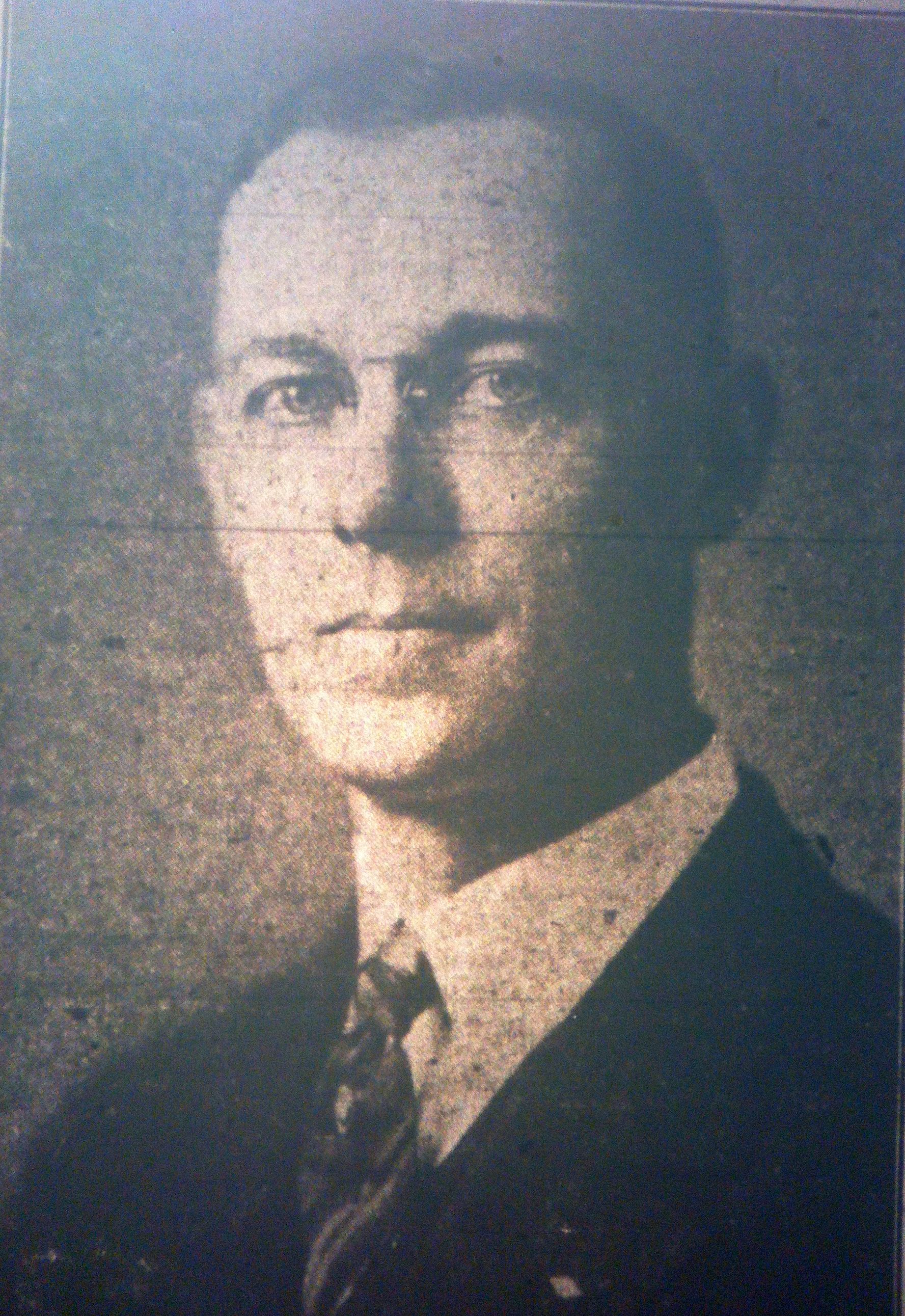
Logan (WV) Banner, 2 March 1928. “Logan County’s popular member of the House of Delegates who is being urged to accept renomination by the Republicans for that post, despite his own inclination to quit politics.” Later on November 5: “To be the first person to ship coal from Logan county has always been quite an honor for Harry S. Gay, Jr., but to be selected, 23 years later, as its first Republican representative in the legislature is a fitting tribute to his popularity. Mr. Gay’s race was not quite so easy, though. He was opposed by a very popular Democrat, and many of the large coal companies fought him bitterly. The fact that he is a coal operator caused some to feel that he could not carry the labor vote, but besides his own mining precinct and all bordering precincts his labor vote totals compared very favorably with Mr. Turley’s.”
06 Wednesday Feb 2019
Tags
Appalachia, ballot commissioners, Democratic Party, Emmett F. Scaggs, history, J.J. Ross, Logan County, politics, Republican Party, W.C. Mann, W.R. Thurmond, West Virginia

Posted by Brandon Ray Kirk | Filed under Logan
28 Sunday Oct 2018
Posted in Hatfield-McCoy Feud, Logan
Tags
Appalachia, genealogy, history, Joe Hatfield, Logan Banner, Logan County, politics, Republican Party, sheriff, West Virginia

Logan (WV) Banner, 30 October 1928.
28 Sunday Oct 2018
Posted in Logan
Tags
Appalachia, Cherry Tree, Cora, crime, Democratic Party, deputy sheriff, Deputy U.S. Marshal, Don Chafin, Ed Dingess, genealogy, Henry Sansom, history, Hugh Deskins, Ira P. Hager, Joe Hatfield, John Dingess, Lee Belcher, Logan, Logan County, Mine Wars, politics, Randolph Dial, Republican Party, Simp Thompson, Tennis Hatfield, Thomas Fisher, U.S. Commissioner, West Virginia
Political history for Logan County, West Virginia, during the 1920s was particularly eventful; it included the latter years of Sheriff Don Chafin’s rule, the Mine Wars (“armed march”), Republican Party ascendancy, and the rise of Republican sheriffs Tennis and Joe Hatfield. What follows are selected primary source documents relating to this period:
UNITED STATES OF AMERICA
SOUTHERN DISTRICT OF WEST VIRGINIA,
HUNTINGTON DIVISION
Before the undersigned authority, Ira P. Hager, a United States Commissioner in and for said District, Ed Dingess, who after being by me first duly sworn, says that he is thirty-seven years of age, married, resides at Cherry Tree Bottom, Logan County, and works in the ice business during the summer season.
That on November 2nd, 1924, affiant was in the Marshal’s office at Logan, when a man who lived at Cora came in and reported that Lee Belcher had ordered him to leave Cora, where he lived, on account of his having Republican literature on his car and house, stating that the said Lee Belcher, Deputy Sheriff had threatened to do him bodily injury, that affiant along with Henry Sansom was deputized by one of the Deputy Marshals to go to Cora and protect the man, he being afraid to return to his home without protection. That affiant and the said Henry Sansom were in Cora, guarding the man, and Lee Belcher came up and said, “Are you fellows here to guard these men out of here?” And I said, “Yes.” And he said, “The county ought to be filled up with good looking men like us.” And I replied “that it was pretty well full.” He then went away and did not make any trouble for us. On the night of the election I went to the Court House at Logan to ascertain the results of the election, and as I went through the corridors of the Court House I met Lee Belcher, and he said, “What was you doing in Cora, you god-damned son-of-a-bitch, that is my town.” He said, “I am running Cora,” and made at me with his pistol, and John Dingess, who used to be a deputy, pulled his pistol and said, “Give it to him, god-damned son-of-a-bitch,” and repeated it several times. John Dingess kept his pistol drawn on me while Lee Belcher beat me about the face. The scars and bruises are visible on my face where I was struck. I tried to shove off his licks, but he hit me twice, and Simp Thompson ran in and stopped him, and I presume that Thompson saved me.
I bled right much and suffered considerable pain as a result of the blows.
Ed Dingess
Taken, subscribed and sworn to before me this the 8th day of November, A.D., 1924.
Ira P. Hager
United States Commissioner as aforesaid.
***
UNITED STATES OF AMERICA
SOUTHERN DISTRICT OF WEST VIRGINIA,
HUNTINGTON DIVISION
Before the undersigned authority this day personally came Thomas Fisher, who after being by me first duly sworn, says:
That he was deputized by Hugh Deskins, at Mud Fork, on election day, after the said Hugh Deskins, Deputy U.S. Marshal, had been assaulted by Don Chafin, Sheriff of Logan County, and that the said Hugh Deskins gave affiant a pistol, and about thirty minutes after affiant was deputized, the said Don Chafin came around and arrested affiant, and took the pistol away from affiant, and turned affiant over to Deputy Sheriff Randolph Dial, who took affiant to jail, where affiant was kept until the next morning. Affiant lost his vote. Affiant asked the said Randolph Dial to let him vote, having told the said Randolph Dial that affiant had not voted, and the said Randolph Dial said, “I haven’t time to fool with you.” So affiant lost his vote.
Affiant saw Don Chafin assault Hugh Deskins, Deputy U.S. Marshal. Hugh Deskins was standing on the election ground and Don Chafin drove up in his car. Hugh was standing with his hands folded and Chafin walked up and hit him on the side of the face under the left ear. Deskins backed off, and Chafin said, “Don’t you like that? If you don’t, I will give you some more.” Chafin drove off in his car and in a little while came back and one of the Mounts boys called to Don and pointed me out and then Don arrested me. When Chafin arrested me I told him that I was deputized by a United States Deputy Marshal and he said, “That don’t go here.”
Thomas Fisher
Taken, subscribed and sworn to before me this the 8th day of November, 1924.
Ira P. Hager
U.S. Commissioner
18 Thursday Oct 2018
Posted in Coal
Tags
Buck Adams, Burl Farley, Democratic Party, deputy sheriff, Don Chafin, history, Ira P. Hager, Jack Meadows, Joe Hatfield, John Cooley, John T. Gore, Logan County, Orville Hall, politics, Republican Party, Roy Adams, sheriff, Switzer, Switzer Collier Company, Tennis Hatfield, U.S. Commissioner, Wash Farley, West Virginia, Wilburn Adams
Political history for Logan County, West Virginia, during the 1920s was particularly eventful; it included the latter years of Sheriff Don Chafin’s rule, the Mine Wars (“armed march”), Republican Party ascendancy, and the rise of Republican sheriffs Tennis and Joe Hatfield. What follows are selected primary source documents relating to this period:
UNITED STATES OF AMERICA
SOUTHERN DISTRICT OF WEST VIRGINIA,
HUNTINGTON DIVISION
Before the undersigned authority this day personally came Orville Hall, who after being by me first duly sworn, deposes and says that he is sixteen years of age, resides at Switzer, Logan County, and is employed by the Switzer Collier Company, at Switzer.
That on the 5th day of November, 1924, after affiant had voted for the Republican Party in the election held November 4th, 1924, affiant was coming up the road, having come out of the mines, and I was walking. John Cooley was riding a mule, which mule we had been using in the mines. After we had gone some distance, Jack Meadows, Deputy Sheriff came along in a car and commenced shooting at the lower end of the camp of the Switzer Collier Company. He was shooting toward the ground. Buck Adams, Deputy Sheriff, was in the car with Jack Meadows, and another man or two that we did not know. They first shot at a point about the middle of the camp, having fired several shots. I got back out of the road, as far as I could, to let them pass in the car, and they shot right below me, and Jack Meadows took some shells out of his gun and threw them out in front of me and laughed, and he went on up the road, with the pistol in his hand, the car still running. They shot within about two feet of the mule. Two men shooting at the same time. Buck Adams and Jack Meadows were both shooting. The mule became frightened and John held on and was not thrown off; it was about four o’clock when this happened.
Orville Hall
Taken, subscribed and sworn to before this the 8th day of November, 1924.
Ira P. Hager
United States Commissioner as aforesaid.
***
UNITED STATES OF AMERICA
SOUTHERN DISTRICT OF WEST VIRGINIA,
HUNTINGTON DIVISION
BEFORE THE UNDERSIGNED authority, Ira P. Hager, a United States Commissioner in and for said District, personally appeared this day Wilburn Adams, who after being first duly sworn says that he run his car on election day, and hauled Republican voters to the election; that he was approached by John T. Gore, a Deputy Sheriff, while on the election ground, and the said Gore said to this affiant, “You did not go into the election to win, but you went into the election for contrariness, and we are going to set on you.”
I am informed by my son, Burl Farley, Wash Farley and Roy Adams that the said Deputy John T. Gore is threatening to do me bodily injury, or “beat me to death.” I being sick at the time he made these threats, which threats have been made since the election.
Wilburn Adams
Taken, subscribed and sworn to before me this the 8th day of November, 1924.
Ira P. Hager
United States Commissioner as aforesaid.
NOTE: Wilburn Adams and Deputy Sheriff Anthony “Buck” Adams were brothers. Wilburn married a sister to my great-great-grandmother.
16 Tuesday Oct 2018
Tags
Anna Meade, Appalachia, Charley Stollings, Cherry Tree, constable, Cora, Democratic Party, deputy sheriff, Don Chafin, Frank Bell, history, Ira P. Hager, jailer, Joe Hatfield, John Harris, John Parmer, John T. Gore, Lee Belcher, Logan County, Logan District, Mine Wars, politics, Republican Party, Taplin, Tennis Hatfield, Tom Chafin, United States Commissioner, W.E. White, West Virginia
Political history for Logan County, West Virginia, during the 1920s was particularly eventful; it included the latter years of Sheriff Don Chafin’s rule, the Mine Wars (“armed march”), Republican Party ascendancy, and the rise of Republican sheriffs Tennis and Joe Hatfield. What follows are selected primary source documents relating to this period:
UNITED STATES OF AMERICA
SOUTHERN DISTRICT OF WEST VIRGINIA,
HUNTINGTON DIVISION
Before the undersigned authority this day personally came FRANK BELL, who after being by me first duly sworn, deposes and says that he resides at Taplin, Logan County, in said District; that he is a contractor in the mines at Cora, Logan County. That Lee Belcher, Deputy sheriff came to affiant’s employees yesterday and told affiant’s employees that affiant was a Republican and that he “was going to get him.” That on last night they fired several shots all around affiant’s house and some shots into affiant’s house, some of them kept parading and firing pistols around the walls of the house all night, and affiant did not sleep any, but kept his clothes on all night.
That affiant looked out and saw some of the men and knew one of them to be Tom Chafin, Deputy Sheriff.
Frank Bell
Taken, subscribed and sworn to before me this the 6th day of November, 1924.
Ira P. Hager
United States Commissioner as aforesaid.
***
UNITED STATES OF AMERICA
SOUTHERN DISTRICT OF WEST VIRGINIA,
HUNTINGTON DIVISION
Before the undersigned authority, Ira P. Hager, a United States Commissioner in and for said District, personally appeared this day Annie Meade who after being by me first duly sworn, says: That on election day, November 4th, 1924, she voted a Republican Ticket at Cherry Tree Bottom, and that after affiant voted W.E. White, Jailor of Logan County, and John T. Gore, a Deputy Sheriff of Logan County, and John Harris, Constable of Logan District, and John Parmer, whose business is unknown to affiant, followed affiant down the street to the home of Charley Stollings, where affiant stopped, and they ordered affiant to get off the public highway. I was then standing in front of Charley Stollings’s house on the hard road. They then said, “If you open your mouth we will take you and put you in jail on your head.” I answered Squire White by telling him that he would not do it. Deputy John T. Gore then said, “You will see if I do not do it.” They then abused me for voting the Republican ticket.
Affiant is forty-four years of age.
Anna Meade
Taken, subscribed and sworn to before me this the 7th day of November, 1924.
Ira P. Hager
United States Commissioner as aforesaid.
14 Sunday Oct 2018
Posted in Huntington, Logan, Williamson, Women's History, World War I
Tags
A.A. Lilly, American Legion, Appalachia, Beckley, Braeholm, C.C. Lanham, Calvert Estill, Casey M. Jones, Charleston, Emmett Scaggs, First Methodist Church, G.R. Claypool, Guyandotte Valley, Harrisville, Henry D. Hatfield, Herbert Hoover, history, Hugh Ike Shott, Huntington, John M. Mitchell, John W. Davis, Kentucky, Logan, Logan Banner, Logan County, Lundale, M.Z. White, Naaman Jackson, Peach Creek, photos, Point Pleasant, politics, Princeton, Republican Party, Ripley, Teddy Roosevelt Jr., W.C. Lybarger, W.C. Price, W.G. Conley, W.J. Fields, Welch, West Virginia, Williamson, Woman's Christian Temperance Union, World War I, YMCA
On October 17, 1928, Theodore Roosevelt, Jr. visited Logan, WV, and gave a speech to approximately 10,000 people. The Logan Banner offered plenty of coverage for the event:
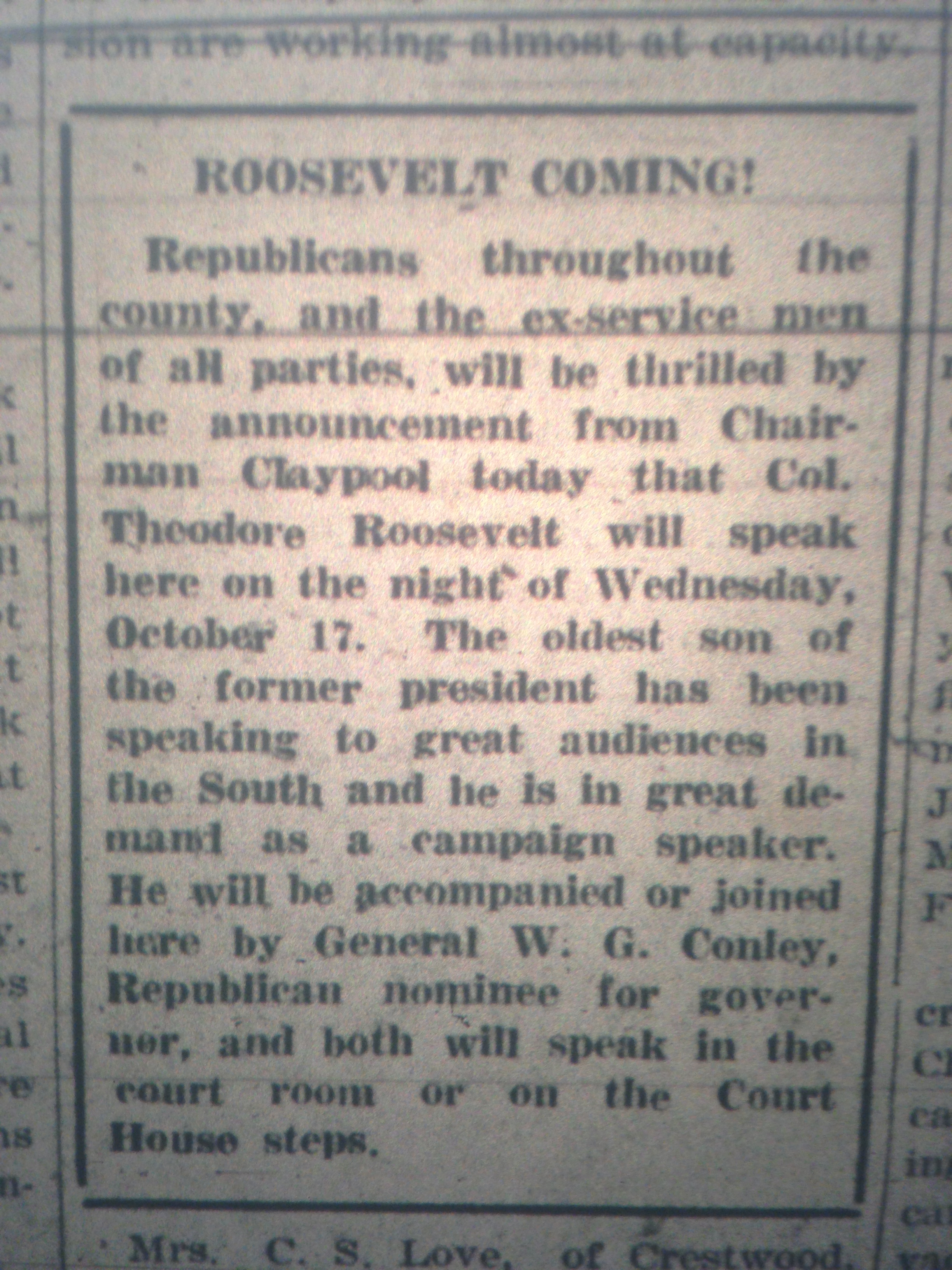
Logan (WV) Banner, 5 October 1928
***
War-Time Buddies to Greet Col. Roosevelt
After His Meeting Here Wednesday Night–General Conley Will Also Speak at Open-Air Meeting That Night–Whale of Rally Assured
Every ex-service man in Logan county is urged to meet Col. Theodore Roosevelt when he comes here to deliver a campaign address in front of the Court House next Wednesday night. A reception in honor of the distinguished son of a distinguished sire will be held in Republican headquarters on the fifth floor of the White & Browning building after the political meeting is ended. There he will be greeted by his war “buddies” and every soldier, sailor and marine who served in the World War, regardless of political affiliations, is asked to be present.
Col. Roosevelt is billed three speeches on Tuesday. He is expected to speak at Welch in the afternoon and at Princeton at 5 p.m. and at Beckley that night. He is in great demand and Logan Republicans are elated over the definite promise from state headquarters that he is coming here.
General W.G. Conley, Republican nominee for Governor, will accompany or join Col. Roosevelt here and both will speak at the Wednesday night meeting. It is probable, too, that Dr. H.D. Hatfield and A.A. Lilly, former attorney general, will be here at the same time. General Lilly is billed for a speech at Braeholm on Monday night.
Logan (WV) Banner, 12 October 1928
***
Col. Roosevelt and General Conley Speak in Logan Tomorrow Night
Open-Air Rally at Court House Expected to Attract Delegations From All Sections of County–Service Men to Hold Reception for Col. Roosevelt After Speaking Is Ended
With the coming of Theodore Roosevelt and General W.C. Conley tomorrow for what is expected to be a memorable night meeting, the speaking campaign in this county may reach a climax. They will be the chief speakers at an open-air meeting in front of the Court House. It is probable that Governor Gore will come also and in that event he may serve as chairman of the meeting.
A.A. Lilly, former attorney general and Hugh Ike Shott, Republican nominee for congress, who addressed a huge gathering at Braeholm and Lundale last night, will speak at Peach Creek tonight; Senator Jackson and E.F. Scaggs also spoke at last night’s gatherings. Mr. Shott will remain in the county up to Wednesday night.
Governor W.J. Fields of Kentucky will address a Democratic meeting in the court room tonight.
Widespread interest has been aroused in the Roosevelt-Conley meeting and delegations are looked for from every section of the county. Ex-service men are to turn out in force to meet and greet the distinguished soldier-son of the beloved soldier-president of the same name. A reception to which all ex-service men are invited will be held on the fifth floor of the White & Browning building after the big meeting is concluded. Roosevelt’s war record, his activity in helping to organize the American Legion, and his fondness for those who served with him have endeared him to World War men everywhere.
A prohibition rally sponsored by the W.C.T.U. will be held at the Court House at 7:30 Friday p.m. Everyone is urged to come. The speakers for this occasion have not been announced.
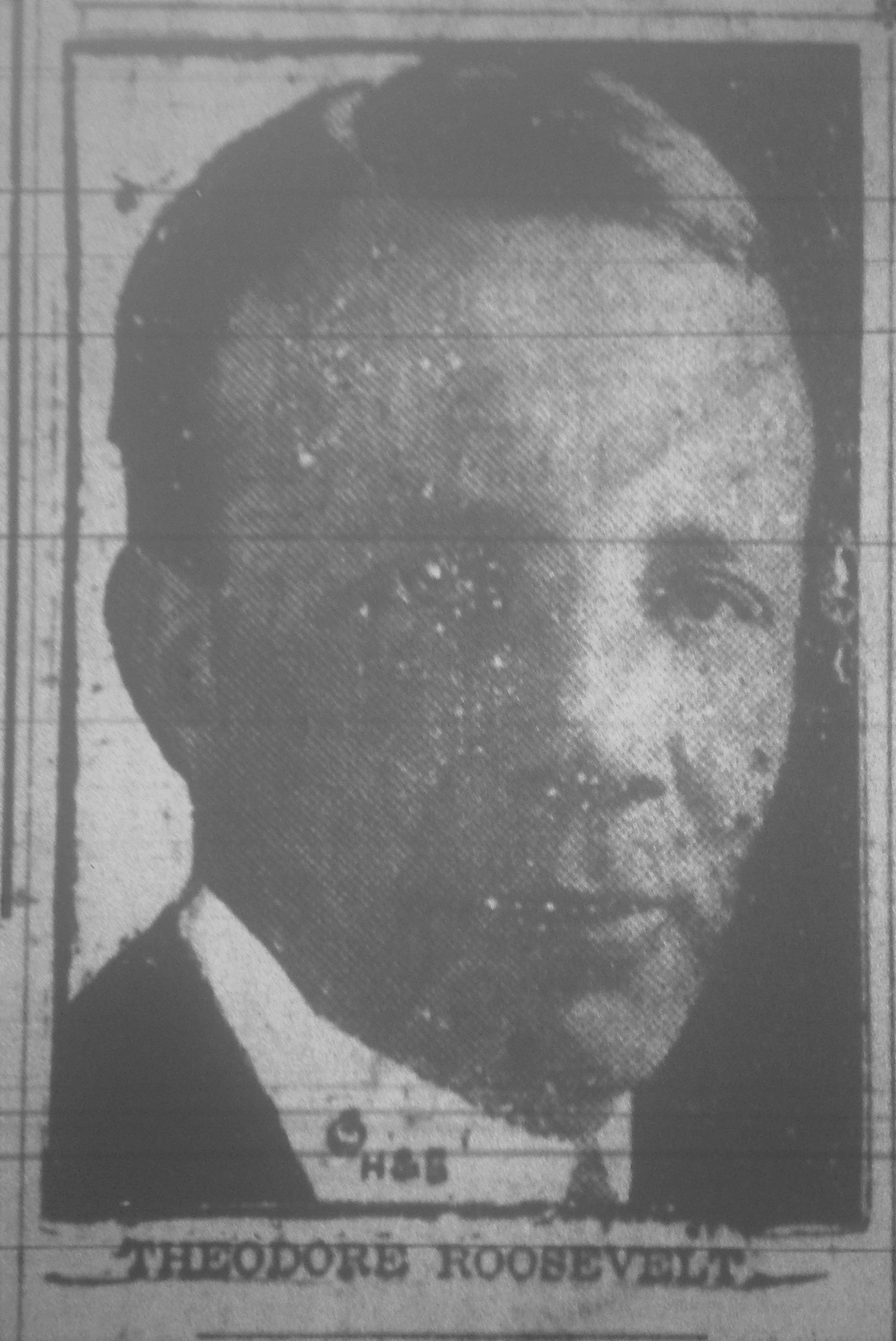
Logan (WV) Banner, 16 October 1928.
***
Col. Roosevelt Center of Interest of Biggest Crowd Ever Seen Here
Republicans Stage Rally Eclipsing Any of the Past in Guyan Valley, With Attentive, Enthusiastic Crowd Estimated At Around 10,000 Mark
GEN. CONLEY AND OTHERS TAKE PART
Ex-Service Men Add Zest to Ovation for Gallant Soldier Son of Beloved T.R.–Rev. Mr. Lanham Is Chairman–Flowers For Teddy
Before the largest crowd ever assembled in Logan county, Col. Theodore Roosevelt, eldest son of the late president, made an eloquent and elaborate appeal in front of the Court House Wednesday night for the election of Hoover and Curtis on November 6.
His oratory, his Rooseveltian grimaces, his deep-furrowed smiles, his warm and radiant fellowship, and genuine camaraderie in meeting and greeting ex-service men, won the hearts of all. And how game he was! Exhausted by his effort to make himself heard to the far corners of the crowd confronting him and really surrounding him, following a strenuous ordeal of many days, traveling at night and speaking several times a day, he had difficulty making his way from the platform back through the crowd and into the Court House corridor. To several companions he hoarsely confided, “I’m a wreck!” Nevertheless, he tried to shake every hand and exchange a friendly greeting with those who swarmed about him. His exit was marked by a renewal of the ovation that greeted him when he, General W.G. Conley, Senator M.Z. White, County Chairman and Mrs. G.R. Claypool, Casey M. Jones, Calvert Estill and others in the party wormed their way through the crowd to the platform erected at the foot of the steps on the side of the Court House.
After the meeting the distinguished visitor was whisked to Republican headquarters where ex-service men in large numbers held a reception in his honor. Again and again he was “dee-lighted” and thrilled to find some “buddy” who had belonged to some military unit with whose history Roosevelt is familiar. Then he would cry out to his pal Casey Jones, Charleston newspaperman and bosom friend for more than a decade,” What do you know about it, Casey, here’s an old pal that served with” so-and-so company or regiment.
Not only ex-service men but more than one professional man of Logan, miners and others whispered to him, or yelled out to his wake, “We’ll be voting for you some time, Teddy!”
Hits the Line Hard
After the reception the Colonel returned to Charleston, to make ready for a busy schedule yesterday. He was billed for speeches at Harrisville, Ripley and Pt. Pleasant, and had arranged to get back to Charleston last night and to speak both at Beckley and Welch today. All day yesterday here whenever the matter of his visit was discussed in any group the prediction was advanced that he was too terribly exhausted to adhere to his schedule. And his Logan friends are sincerely concerned about him. However, he will return to New York at the end of the week.
Wednesday night’s rally will be remembered for years, say political observers, not only because of its size but also because of its direct bearing on a momentous contest for supremacy.
Most estimates of the attendance hover around the 10,000 mark. John M. Mitchell, court bailiff, who has been familiar with political activities in this county for half a century, said it exceeded twice over any crowd he had ever seen in the county. Others say the only meeting ever held here worthy of comparison was that addressed by Senator Pat Harrison in the 1924 campaign. To the writer the crowd seemed more than half as large as that which heard John W. Davis in Huntington in 1924. That crowd was estimated at 25,000, but that was an obvious exaggeration–a characteristic of the estimates of political assemblages.
The Folks Were There
Cloudy weather and a light rain that set in at the hour when the meeting was scheduled to start doubtless kept away a considerable number and caused scores to leave. On the outer edges it was impossible to hear the speakers and so there was a steady going and coming of persons wishing to see and hear. windows in about half a dozen buildings were occupied, small boys were atop the Old Stone building, and there was a good-sized crowd clustered on and about the platform, steps, windows, portico and corridors of the Court House.
Roosevelt has a good voice but it was put to a terrific test here, considering what he had undergone recently. His voice is better than his father’s was and he is more humorous, but the only striking resemblance between the two as public speakers is that grinning grimace that once seen can never be forgotten. In his speech he did not delve exhaustively into any one issue or phase of the campaign but he gave a comprehensive review of the issues and personalities that Republicans generally assume to be involved in this campaign. As for Tammany he panned it as it has never been panned before hereabouts. He recalled, too, that his grandfather had fought the greedy Tiger: “My father fought it; I am fighting it, and if it lives 20 years longer, I expect and hope my son Teddy III will be fighting it.”
Rev. Lanham Presides
It was after 8 o’clock when the speakers arrived–more than half an hour late–whereas all available seats and many vantage points had been occupied for nearly if not fully two hours. At the home of Mr. and Mrs. G.R. Claypool they had been entertained at dinner–or supper, as Teddy and most of us call it. Besides the Colonel and General Conley there were six other guests: Hugh Ike Shott, Republican nominee for representative in Congress; Senator M.Z. White, Williamson; C.M. Jones, publicity man and side for Mr. Conley; Calvert N. Estill, Charleston correspondent for the Ogden chain of newspapers, and Senator Naaman Jackson.
Rev. C.C. Lanham, pastor of the First Methodist Church, who has been a leader in the fight to avert any backward step on prohibition, was chairman of the meeting. He filled the role with tact and good judgment and introduced the various speakers in happy style.
General Conley was the first speaker, but sensing the crowd’s desire to hear the Colonel he cut short his remarks. He did not take up state or national issues but after a word of congratulation to those who had sponsored such an immense turnout he withdrew.
Flowers For Colonel
Next a pretty little surprise was sprung. Mrs. W.C. Price, of Huntington, who is taking the lead in organizing the Republican women of the county, was introduced. Turning to Col. Roosevelt, after bringing a basket full of beautiful flowers into view, she told him of the esteem in which he is held by the women and presented the flowers in behalf of the woman’s Republican Club as a token of appreciation of his services in this campaign and of his zeal in promoting the public welfare. His face wreathed in wrinkles and aglow, he replied: “I accept with thanks. And I would much rather stand high in the esteem of women than of men. They are more important. I know, for I am married.”
The chairman then introduced W.C. Lybarger, secretary of the railway Y.M.C.A. at Peach Creek, who in turn introduced Col. Roosevelt. He paid the visitor a splendid tribute for his valor on the battlefields of France, touched the high points of his political career, and said he had a leading part in organizing the American Legion.
At the outset Roosevelt sketched the character and growth of the orphaned Hoover and gave some intimate glimpses into the habits of living and of thought, of his working and his industry and resourcefulness in solving problems of public and playing, of his zeal in tackling concern. Between these two men there is a close friendship, and there was no mistaking Roosevelt’s whole-hearted admiration for the farm boy of Iowa who has risen to a position of pre-eminence in the minds and hearts of his countrymen and even of the folk of many other lands.
Logan (WV) Banner, 19 October 1928
06 Saturday Oct 2018
Posted in African American History, Hatfield-McCoy Feud, Logan
Tags
African-Americans, Appalachia, Devil Anse Hatfield, genealogy, history, Joe Hatfield, Logan, Logan Banner, Logan County, politics, Republican Party, sheriff

Republican Joe Hatfield, son of Anse Hatfield. Logan (WV) Banner, 25 May 1928.
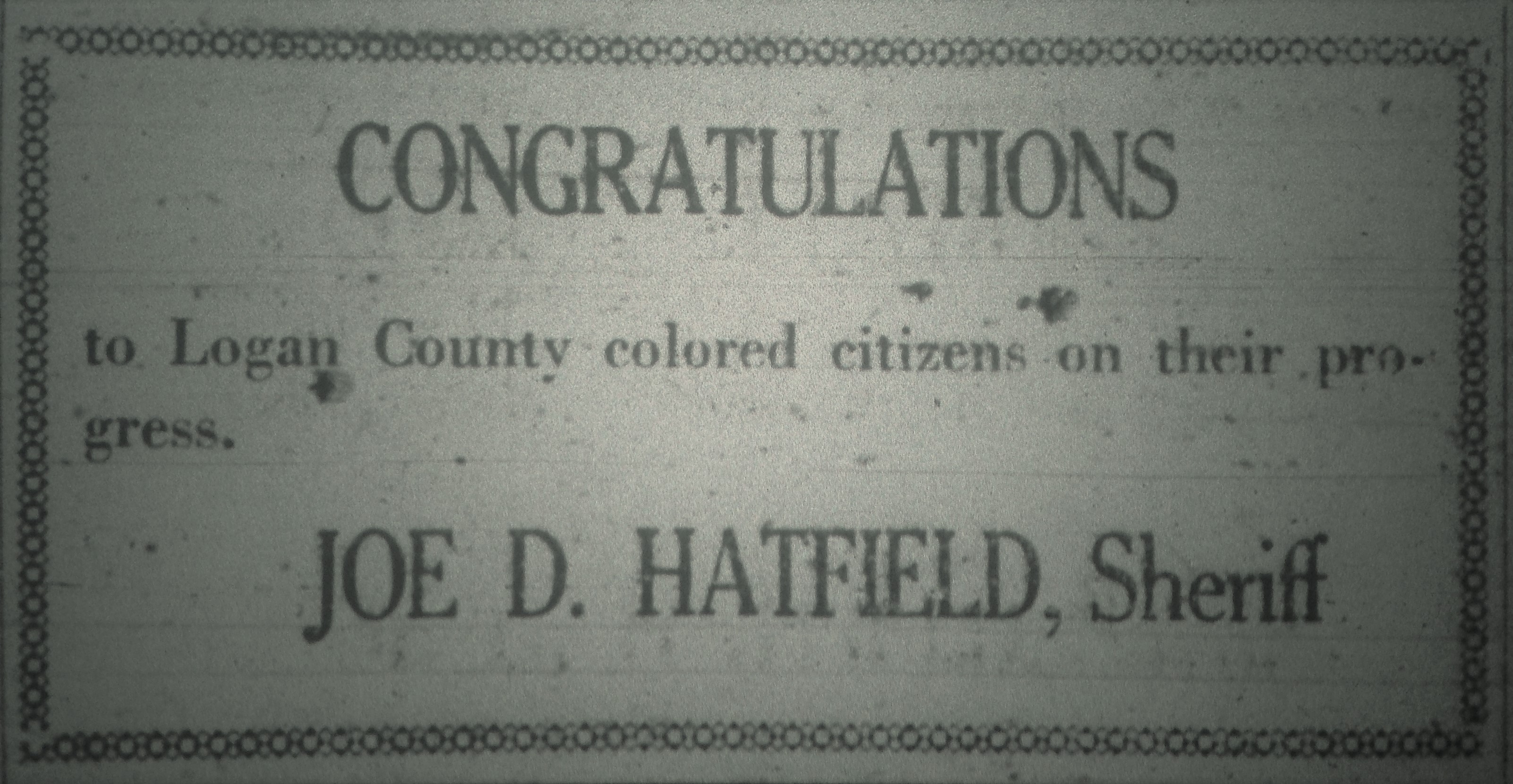
Logan (WV) Banner, 16 April 1929.
09 Sunday Sep 2018
Tags
Aaron Altizer, Albert G. Mitchell, Alexander Spratt, Alexander Trent, Appalachia, B.W. White, Ben H. White, civil war, Curtis Ballard, Democratic Party, F.M. White, Flick Amendment, genealogy, George S. Claypool, Harvey Buchanan, Harvey Ellis, history, Hugh Avis, Isaac Browning, James A. White, James H. Brown, James H. Hinchman, James M. White, James Spratt, Jasper Perry, John Claypool, John Riffe, Logan County, Louis Mitchell, Madison Ellis, Patterson Christian, Perry Altizer, Peter Riffe, Phillip Ellis, politics, Preston Perry, Reconstruction, Republican Party, Rhodes D. Ballard, Robert P. Spratt, Sidney Hinchman, Squire Ellis, Triadelphia District, Ulysses Hinchman, W.H.H. Flick, West Virginia, William A. Lee, William Claypool, William W. McDonald
After the Civil War, West Virginia law barred ex-Confederates from voting. The Flick Amendment of 1871, named for Republican W.H.H. Flick, sought to extend suffrage to ex-Confederates and freedmen. Most ex-Confederates were Democrats. Passage of the Flick Amendment ultimately meant that Democrats would rule West Virginia for the next 25 years.
***
Names of all persons voting at Aaron Altizer in Triadelphia Township of Logan County this 27th day of April 1871 on the Ratification or Rejection of the amendment of the constitution of the state of West Virginia.
Ben H. White
John Claypool
Albert G. Mitchell
Peter Riffe
Wm. Claypool
Squire Ellis
B.W. White
Phillip Ellis
Alexander Trent
Isaac Browning
Harvey Buchanan
James Spratt
Robert P. Spratt
Patterson Christian
Michell Carter
John Riffe
Hugh Avis
Harvey Ellis
Perry Altizer
Rhodes D. Ballard
Alexander Spratt
Madison Ellis
Curtis Ballard
Aron Altizer
Wm. W. McDonald
Jasper Perry
James M. White
James H. Brown
Louis Mitchell
F.M. White
Wm. A. Lee
Preston Perry
George S. Claypool
Jas. H. Hinchman
Wm. Wesly
Ulyses Hinchman
Sidney Hinchman
James A. White
Total No. Votes: Thirty Eight
Madison Ellis, Inspector
F.M. White, Inspector
James M. White, Clerk
Wm. A. Lee, Clerk
Tally of the votes cast at the Election held at Aaron Altizer’s in the Township of Triadelphia and county of Logan on the 27th day of April 1871 (on the Ratification or rejection of the proposed amendment to the constitution of the State of West Virginia).
Tally of Votes:
Total of Votes for Ratification: Thirty Eight
***
Compared to the gubernatorial election of 1870, voter turnout for the Flick Amendment was extremely low. West Virginia voters approved the amendment by a vote of 23,546 to 6,323. Only five counties, all located in the northern part of the state, voted against the amendment.
Writings from my travels and experiences. High and fine literature is wine, and mine is only water; but everybody likes water. Mark Twain
This site is dedicated to the collection, preservation, and promotion of history and culture in Appalachia.
Genealogy and History in North Carolina and Beyond
A site about one of the most beautiful, interesting, tallented, outrageous and colorful personalities of the 20th Century
 Brandon Ray Kirk