• About

Brandon Ray Kirk

~ This site is dedicated to the collection, preservation, and promotion of history and culture in my section of Appalachia.

Brandon Ray Kirk

Tag Archives: Appalachia

James Wilson Sias

09 Wednesday Oct 2013

Posted by Brandon Ray Kirk in Civil War, Fourteen, Wewanta

≈ Leave a comment

Tags

Appalachia, civil war, Fourteen, Fourteen Mile Creek, Fourteen Post Office, genealogy, history, James Wilson Sias, Lincoln County, photos, Union Army, West Virginia

James W Sias

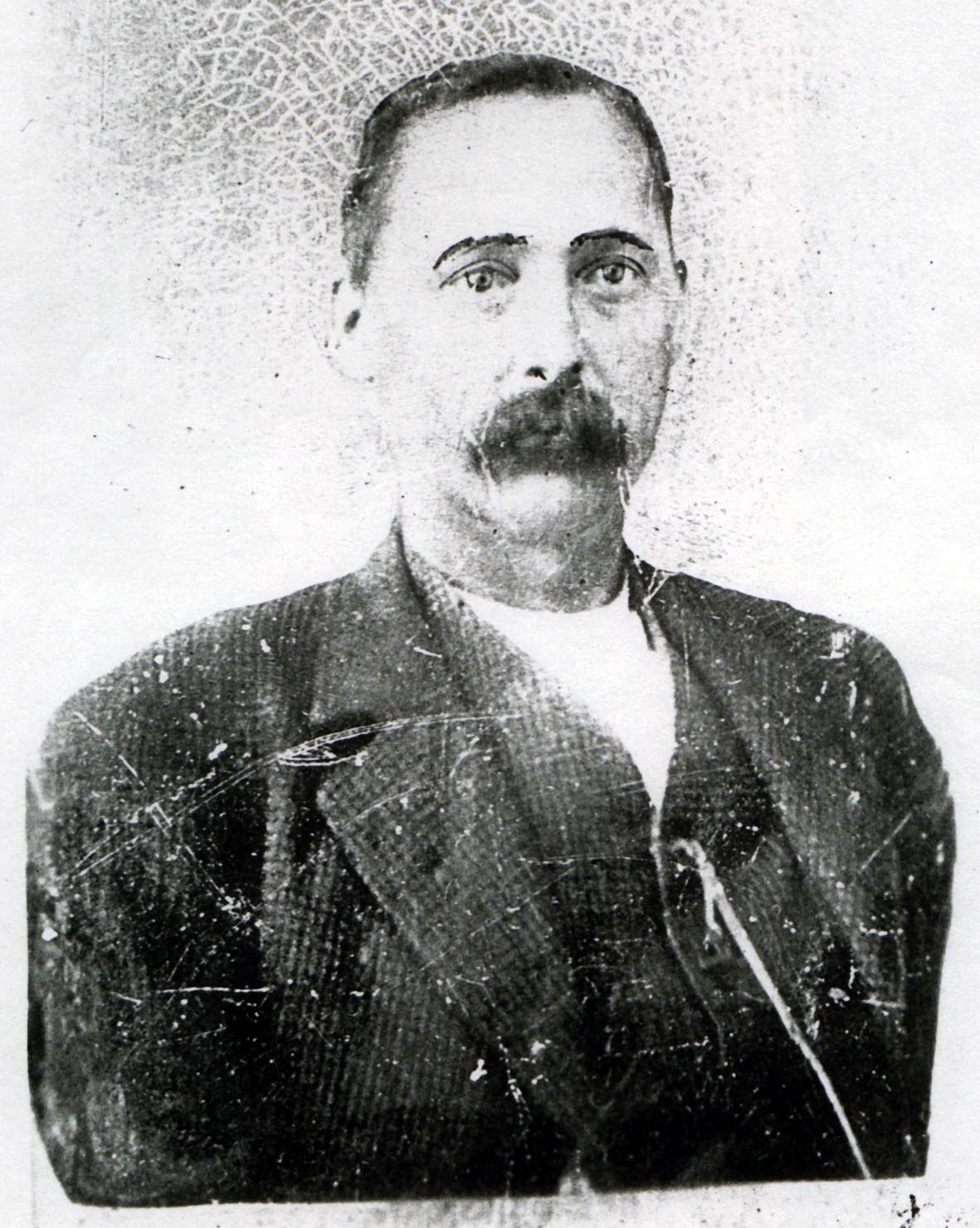
James Wilson Sias, Union veteran and postmaster of Fourteen in Lincoln County, WV


In Search of Ed Haley 180

09 Wednesday Oct 2013

Posted by Brandon Ray Kirk in Ed Haley

≈ 2 Comments

Tags

Al Brumfield, Appalachia, Brandon Kirk, feud, Green McCoy, Harts, Harts Creek, Henderson Dingess, Hollene Brumfield, James V. Henderson, John W Runyon, Milt Haley, Wild Bill, writing

Having satisfied my thirst for Brumfield family history, Brandon pulled out some great newspaper articles pertaining to the 1889 troubles. He began with one from the Ceredo Advance dated Wednesday, October 2, 1889, and titled “Disappointed Love Leads to a Desperate Double Crime in Lincoln County:”

HUNTINGTON, W.Va.  September 27 – Word has just reached here of a sensational crime on Big Hart’s creek, in Lincoln county, 90 miles up the Guyandotte River. Al Brumfield, a newly married man, and his bride had spent the day with his wife’s parents some distance up the creek. Just at dusk, on their return, and when near their home, they were fired upon by a man who sprang from the bushes by the road-side. Mrs. Brumfield was shot in the head and fell to the ground unconscious. Her husband was shot in the right lung but managed to crawl to a neighbor’s for assistance.

The nearest physician, twenty-five miles distant, was summoned, but arrived too late to render the woman any assistance and she died in a few hours. The latest information is that Brumfield is also dying. He claims he recognized the assassin, but refuses to say who it was. It is the belief of the neighborhood that a suitor of Mrs. Brumfield, who failed to win her, is the assassin.

The article was full of errors but its implication of a single “assassin” with a personal attachment to Hollena Brumfield was interesting.

On Wednesday, October 9, 1889, Ceredo Advance ran a letter from “WILD BILL,” written on September 27. Wild Bill gave his address as Warren, West Virginia — a now extinct post office on Harts Creek below the mouth of Smoke House Fork.

ED. ADVANCE: — As you have had no communication from this place for some time I will give you a few items. There have been several cases of flux in this vicinity and two or three deaths. Farmers are busy saving fodder and cutting up corn. Our neighborhood was thrown into a state of confusion last Sunday evening about 3 o’clock. One mile from this place some low down villain attempted to assassinate Mr. Brumfield and wife. They had been on a visit to Mrs. Brumfield’s father, Mr. Henderson Dingess, and as they returned home they were shot from the brush, one ball striking Mrs. Brumfield just in front of the right ear and ranging around the cheek bone and striking her nose producing a serious but not fatal wound, and one ball striking Mr. Brumfield in the right arm below the elbow producing only a flesh wound. They were cared for and dressed by Drs. Moss, of Cabell county, and Hudgins, of Logan county. They will recover. Mr. Brumfield is a prominent merchant living at Hart, W.Va., and is a good citizen, highly esteemed by his neighbors. His wife is a noble and kind-hearted lady and beloved by all her acquaintances. They have a large train of friends who sympathize with them in their distress. The object of the attempted murder is believed to be robbery. The good and law-abiding citizens should unite and rid the earth of such miserable miscreants.

Based on this September 27 letter, written a week after the ambush at Thompson Branch, there were two theories regarding the motive for the crime: one, it was done by a jealous suitor; two, it was an attempted robbery.  In either case, this second article again referred to the attacker in the singular sense…sort of.

By October 24, locals had deduced Haley and McCoy’s guilt, captured them in Kentucky and murdered them at Green Shoal. WILD BILL was apparently unaware about this latter act because on October 25 he again sent a letter to the Ceredo Advance (printed on November 6).

ED. ADVANCE – Mr. Allen Brumfield, who was shot in the arm near this place about a month ago, has got about well. His wife, who was shot at the same time, is improving very slowly, but she will get well. The perpetrators of the awful crime — Milton Haley and Green McCoy — have been arrested. Haley did the shooting and McCoy is accused of being an accomplice, but the latter will be released by turning state’s evidence against Haley. The law should be enforced against such persons to the utmost extent. Our neighborhood is in a state of intense excitement and may terminate in a deadly feud between two parties…

[Since the above was written a mob took Haley and McCoy from the officers and killed them. — ED]

God only knows what our country will come to, as the deadly Winchester is fast becoming the ruling factor in our land.

Well just who was this WILD BILL? He seems to have access to a lot of information regarding the growing feud on Harts Creek. Maybe it was “Detective Wild Bill,” who history records as a participant in the Hatfield-McCoy Feud in the nearby Tug Valley.

A story featured in the Ceredo Advance titled “A Visit to the Lincoln County Battle Field” and dated Wednesday, November 13, 1889, was most interesting:

Mr. J.V. Henderson, editor of the Charleston Nonpareil, was in this city today [Nov. 7], having just returned from the scene of the recent trouble in Lincoln county. He went to get a full description of the places and the causes which led to the trouble for the metropolitan dailies. Mr. Henderson went into the house where Green McCoy and Milton Haley were murdered, and made a map of the house and its surroundings. He also made a map of the Hart’s Creek country, giving the location of each faction — the Brumfields and the Runyons. While going up Hart’s Creek he was met by two men acting as pickets, armed with Winchester rifles, who asked him where he was going and what was his business. Mr. Henderson told them that he was a newspaper man and wanted to get information regarding the trouble in that vicinity. They told him that they would give him one hour to get off the creek and leave the country.

Mr. Henderson took the hint and left at once. He says he learns that both factions are heavily armed and are expecting an attack at any time. Each side has pickets out ready to give the alarm in the event of hostile movements by the other side. The road up Hart’s Creek is blockaded, and travelers through that region avoid the place.

Unfortunately, few issues of the aforementioned Charleston Nonpareil survive in libraries today. Brandon later located copies of the Nonpareil for February and May of 1889 and February and June of 1890 — the times just prior to and just after the trouble — but none for the fall of 1889, which would have maybe mapped the murder site and the location of the feudists’ homes. There was one interesting development: according to The Cabell County Record, Mr. J.V. Henderson, “one of the best known figures in West Virginia newspaper work,” died at the Spencer insane asylum in 1898 at the ripe age of 43.

Ike Gartin

08 Tuesday Oct 2013

Posted by Brandon Ray Kirk in Civil War, Little Harts Creek

≈ 4 Comments

Tags

Appalachia, civil war, culture, genealogy, history, Isaac Gartin, life, Lincoln County, Little Harts Creek, photos, U.S. South, West Virginia

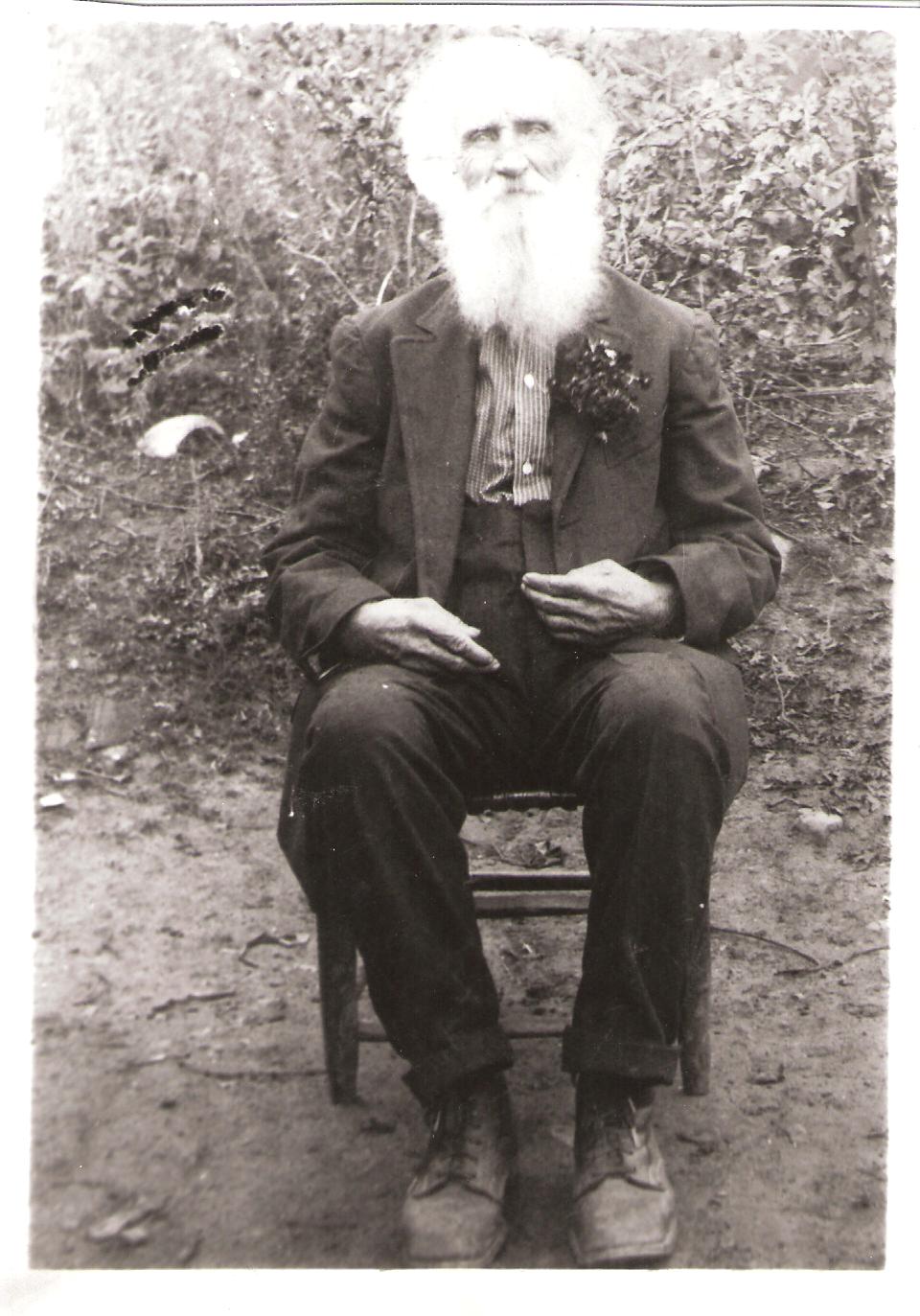
Isaac G. "Ike" Gartin, Confederate veteran and resident of Little Harts Creek, West Virginia.

Isaac G. “Ike” Gartin, Confederate veteran and resident of Little Harts Creek in Lincoln County, West Virginia.

Caleb Headley 1

08 Tuesday Oct 2013

Posted by Brandon Ray Kirk in Civil War, Fourteen

≈ Leave a comment

Tags

154th Regiment, Appalachia, Caleb Headley, civil war, Fourteen Mile Creek, genealogy, Hardesty's History of Wetzel County, history, Lincoln County, Mexican War, Monongalia County, Nancy Ann Headley, New Jersey, Revolutionary War, Sarah Headley, Thomas Headley, Tyler County, U.S. South, Ward Adkins, West Virginia, Wetzel County, Will Headley

In the years following the Civil War, Caleb Headley migrated from Wetzel County, West Virginia to the Sulphur Spring Fork of Fourteen Mile Creek in Lincoln County, bringing with him a young wife and some degree of knowledge about medicine. Behind him were Pennsylvania roots, a soldier’s experience in the Mexican and Civil wars, as well as a failed marriage. About fifteen years later, he passed away and was buried on a hill near his home.

Today, Ward Adkins, an 81-year-old walking encyclopedia of Sulphur Spring history, is the best source on Dr. Headley’s life. He was partly raised by Headley’s son, Will, his step-grandfather, who told Adkins what little he knew about his father and eventually gave him a very important family heirloom: a geography book containing genealogical information in his father’s handwriting.

Caleb Headley was born on April 11, 1808, the first son and second child of Dr. Thomas and Sarah (Asher) Headlee, in Pennsylvania. Thomas was born around 1775 in New Jersey and was the son of a Revolutionary War veteran. Sarah was born around 1785 in Virginia.

Caleb had seven known or suspected brothers and sisters: Elizabeth Headley, born about 1807, Mary Headley (c.1811-1881), Anthony Headley (August 11, 1812 – January 1, 1894), Jerusha Headley (March 16, 1815 – May 16, 1884), Sarah Headley (August 22, 1817 – June 18, 1900), Elisha Headley (August 24, 1820 – August 2, 1895), and Nancy Headley, born about 1822.

In 1822, according to Hardesty’s History of Wetzel County, Thomas Headley settled in Tyler County, (West) Virginia with his family where he taught young Caleb what he knew about doctoring prior to his death, which reportedly occurred around 1830 in Monongalia County, (West) Virginia.

On November 2, 1826, Caleb married Nancy Ann Wright in Pennsylvania. Nancy was born on October 15, 1808 in Virginia. Her parents were born in Maryland.

Caleb and Nancy had ten children: Charity Headley, born March 1, 1828; Elizabeth Jane Headley, born June 2, 1829; Thomas J. Headley, born November 23, 1831; Joshua Headley, born April 7, 1832; Sarah A. Headley, born December 8, 1833; Caleb Samuel Headley, born March 30, 1836 or 1837; George Washington Headley, born May 21, 1839; Benjamin Franklin Headley (May 31, 1841 – April 11, 1918), Anthony Headley, born June 3, 1844, and Elijah Headley, born August 1, 1850.

During the 1830s and ’40s, Caleb lived in Tyler County where he was, by his own admission, a practicing physician, member of the Methodist Church and for sixteen years a justice of the peace.

“I don’t think Caleb had any schooling to be a doctor,” Adkins said, in a 2003 interview. “As far as I know, the only thing he had as far as a medical education was studying under his daddy. His daddy was a doctor.”

In 1846, the portion of Tyler County occupied by Headley became Wetzel County.

Some time between 1846 and 1848, Headley reputedly served as a lieutenant in the Mexican War. While no military records have been located at the present time to verify his service, one of his sons made the claim that he had been an officer in the war.

“His son Will told me that he was an officer in a war with Mexico,” said Adkins.

In the 1850 Wetzel County Census, Caleb appeared in the Green District as a 40-year-old farmer (not physician) with $200 worth of real estate. His wife was 32 years old, while the children were listed as follows: Thomas (age 17, farmer, in school), Sarah (age 16, in school), Samuel (age 13, in school), Washington (age 10, in school), Franklin (age 9, in school), and Anthony (age 6).

In 1860, the Headleys maintained their residence in Green District.

When the Civil War began in 1861, Headley joined with most of his neighbors and sided with the North.

“Wetzel County, Virginia, was one of the counties which supported the Union during the War Between the States,” Mary Curtis, a genealogist, wrote in 1959. “The large majority of the settlers were from Pennsylvania and the Piedmont areas of Virginia where slaves were not common, so that their interests lay with the North.”

According to Hardesty’s History of Lincoln County, Headley was captain of a company in the Union army. According to military records, he was captain of Company C, 154th Regiment.

“He was captain of a company in the Civil War,” said Adkins. “That’s in Hardesty’s. And Will said he was an officer. He didn’t know what rank, you know. I was told that he was shot in the back. His backbone was just barely hanging together. I think he was discharged in Ohio.”

Several of Headley’s sons fought for the North. Caleb Samuel, later a resident of Porters Falls in Wetzel County, “served a short time in the Union army as lieutenant,” according to Hardesty’s History of Wetzel County. Anthony, later a resident of Pine Grove in Wetzel County, “was a soldier with the Federal army, serving in Company I, 15th West Virginia Infantry, and he participated in all the fortunes of that regiment, engaging in its battles and witnessing the surrender of Lee at Appomattox.” His term of service was from August 24, 1862 until June 30, 1865.

In 1866, 50-something-year-old Headley settled in present-day Lincoln County and joined the Christian church. By that time, he had separated from his wife Nancy and was involved in an intimate relationship with 16-year-old Sarah Farley of Logan County. The two had their first child on May 1 then married on May 25 in Catlettsburg, Kentucky.

Headley’s separation from his first wife has been a hot topic of conversation among his local descendants.

“They had a rumor going that Dr. Caleb run off and left his first wife, but Will said it wasn’t so,” said Adkins. “I heard his wife died when their son Elijah was fifteen years old, which would have been around 1865.”

However, according to Wetzel County census records, Nancy was very much alive after the separation. In 1870 and 1880, she referred to herself in both census schedules as a widow.

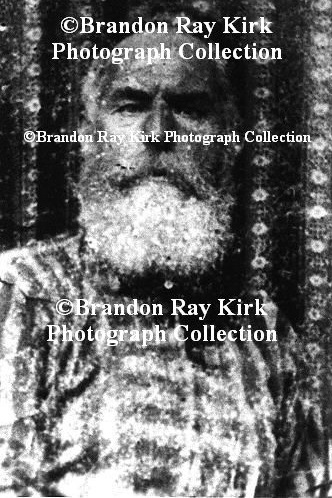
Lincoln County Feud

08 Tuesday Oct 2013

Posted by Brandon Ray Kirk in Ed Haley, Harts, Lincoln County Feud

≈ Leave a comment

Tags

Appalachia, crime, culture, feud, genealogy, Harts, history, life, Lincoln County, Paris Brumfield, photos, West Virginia

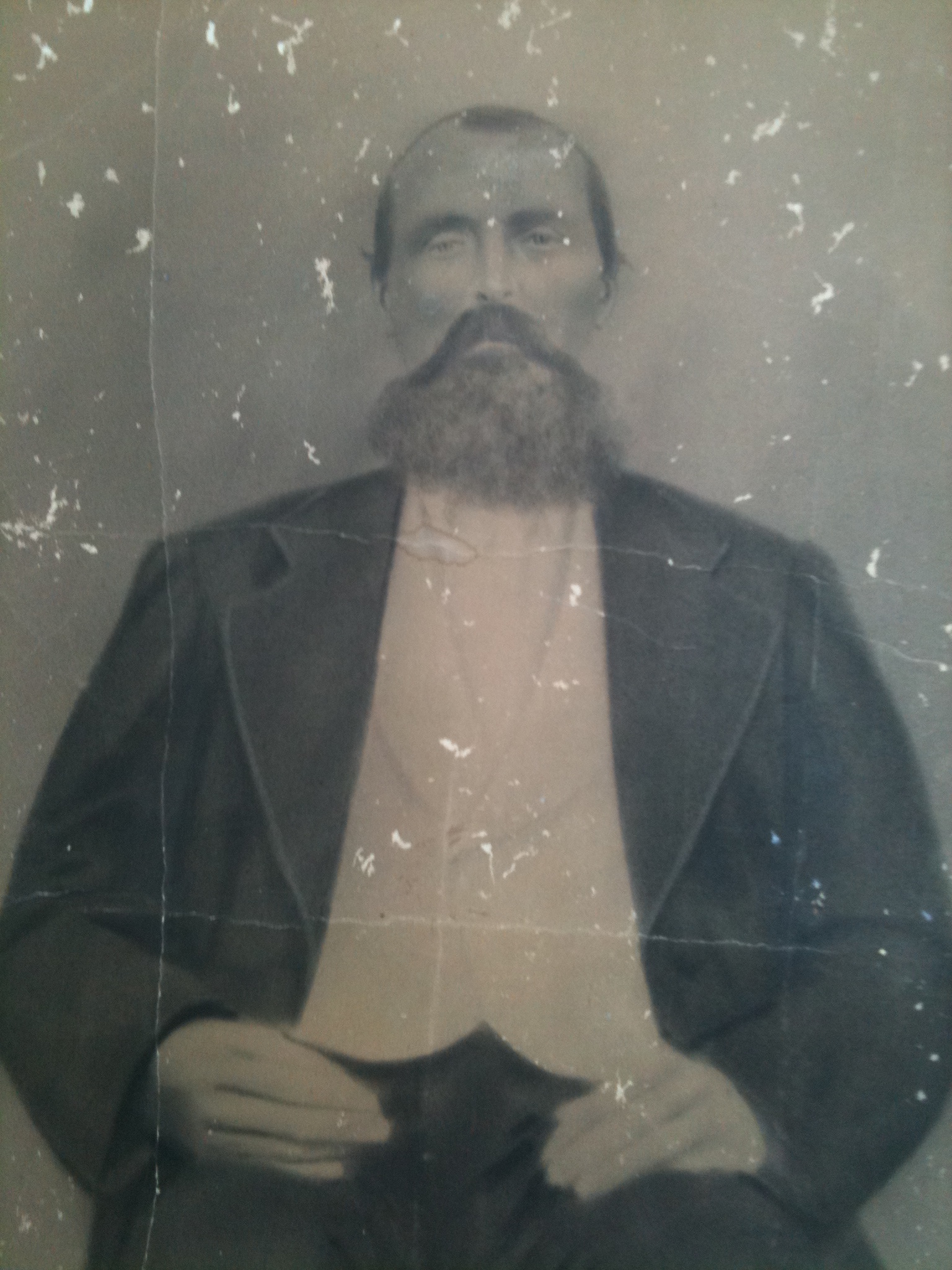
Paris Brumfield (1838-1891), Lincoln County feudist.

Paris Brumfield, Lincoln County feudist, 1880-1891.

Pikeville Belles (1901)

29 Sunday Sep 2013

Posted by Brandon Ray Kirk in Big Sandy Valley, Pikeville, Women's History

≈ 1 Comment

Tags

Appalachia, Big Sandy River, culture, history, Kentucky, life, photos, Pikeville, steamboat, U.S. South

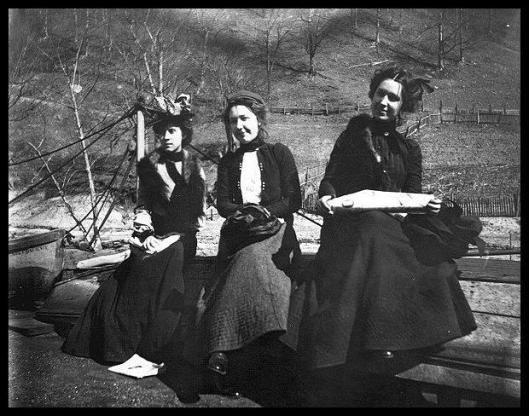
Pikeville Belles waiting on steamboat 1901

“Waiting on a boat,” Pikeville, Kentucky, 1901

Appalachian Woman Chopping Wood

29 Sunday Sep 2013

Posted by Brandon Ray Kirk in Big Harts Creek, Women's History

≈ Leave a comment

Tags

Appalachia, culture, Harts Creek, history, life, Liza McKenzie, Logan County, photos, U.S. South, West Virginia

Harts Creek woman, circa 1940s

Big Harts Creek, Logan County, West Virginia, circa 1940s

Lt. Col. Vincent “Clawhammer” Witcher

28 Saturday Sep 2013

Posted by Brandon Ray Kirk in Civil War

≈ Leave a comment

Tags

34th Battalion Virginia Cavalry, Appalachia, civil war, Confederacy, Confederate Army, genealogy, history, photos, U.S. South, Vincent A. Witcher, Wayne County, West Virginia

Vincent A.

Lt. Col. Vincent A. “Clawhammer” Witcher, commander of the 34th Battalion Virginia Cavalry

West Virginia Farming Scene

27 Friday Sep 2013

Posted by Brandon Ray Kirk in Big Harts Creek

≈ Leave a comment

Tags

Appalachia, culture, Farmers, genealogy, Great Depression, Hiawatha Adams, history, life, Logan County, photos, U.S. South, West Virginia

Big Harts Creek, Logan County, West Virginia, c.1938

Big Harts Creek, Logan County, West Virginia, c.1938

In Search of Ed Haley 176

27 Friday Sep 2013

Posted by Brandon Ray Kirk in African American History, Ed Haley, Music

≈ Leave a comment

Tags

Annie Adkins, Anse Blake, Appalachia, Ben France, Bob Claypool, Bob Glenn, Burgess Stewart, Cain Adkins, Champ Adkins, Charley Robinson, Dave Glenn, Ed Haley, fiddling, Frank Jefferson, Fred B. Lambert, George Stephens, Gilbert Smith, Harkins Fry, Hezekiah Adkins, history, Isom Johnson, Jimmie Rodgers, Kish Adkins George Crockett, Leander Fry, Lish Adkins, Lucian W. Osbourne, music, Percival Drown, Spicie McCoy, Staunton Ross

In a separate interview, one Mr. Miller told Fred B. Lambert, “Leander Fry used to come down from Lincoln on timber to play the fiddle. He was a great fiddler. Jack McComas was an old fiddler, as was also his brother. Mose Thornburg said that a man who wouldn’t fight to the music made by the musicians of the musters had no fight in him. Wm. Collins was a fifer. John Reece was a tenor drummer, Clarke Thurston a base drummer. On muster days, whiskey, ginger ales, cider, &c were plentiful. Hogs were fattened on the way East. That wore the valley out. Dishes were plain. Cups instead of glass. They were cheaper. No washboards. Lye soap. Used a board to beat clothes with. Later, washboards were made of soft wood and sold for 5 cents each. Old fiddlers: George Stephens and Wiley, — Joplin, Guyandotte (?). In later days Morris Wentz and Ben France.”

Amaziah Ross told Lambert about some of the other fiddlers.

“Old Charley Robison came from Alabama. Brought ‘Birdie.’ He was a colored man and a good fiddler. Bob Glenn lived up Ohio River about Mason Co., played at Guyandotte when I was a boy. A first class fiddler. His bro. Dave Glenn also was a good one. Jimmie Rodgers lived at Guyandotte. He was a bro. to Bascom Rogers who kept saloon at Guyandotte — The Logan Saloon when I was a boy.”

Ross gave Lambert the names of many old fiddle tunes, which I of course noted being an avid fan and collector of such things:

Shelvin’ Rock                                      played by Ben France

Natchez Under the Hill

Seven Mile Winder

Money Muss

Devil’s Dream

Mississippi Sawyer

Sixteen Days in Georgia

Little Sallie Waters

Marching Through Georgia

Whitefield, Georgia

Annie Adkins — By herself a fiddler when my father was a boy.

Ocean Wave

Over the Way

Grasshopper

Cabin Creek

Fisher’s Hornpipe

Sailor’s Hornpipe

Ladies’ Hornpipe

Gerang Hornpipe

Forked Deer

Third Day of July

Butterfly

Birdie

Lop Eared Mule

Billy in the Lowground

Wild Horse

Old Bill Keenan

Round Town Girls

SourwoodMountain

Old Joe Clark

Greasy String

Cross Keys

Bet My Money on Bobtail Horse

Blue Ridge Mountain Home

Someone told Lambert about the dances held after corn-shuckings.

“After a few weeks, it was ready to shuck. It was an opportunity for young and old to gather and spend a day at work in the name of play. Of course, the women and girls prepared the noon meal and sometimes even the supper. When night came on, the labors of the day were followed by a dance, which of all pioneer amusements was king. Shooting matches with rifles, wrestling matches, foot races, fist fights between neighborhood bullies, or to settle old scores. It was not uncommon for contestants to engage in ‘gouging’, as a natural sequence of a first fight. Weapons were banned, but many a man lost an eye by having it gouged out.”

Another person said, “Dances were very common at weddings, and on many other occasions.” Some of the tunes played were:

The Devil’s Dream

Old Zip Cook

Billie in the Low Ground

Virginia Reel

“I had a Dog And His Name was Rover,

When he Had Fleas, He had ‘Em All Over”

Irish Washerwoman

Mississippi Sawyer

Myron Drumond gave these tunes to Lambert: “Sugar in the Gourd”, “Chicken Reel”, “Fisher’s Hornpipe”, “Cincinnati Hornpipe” (the latter two tunes for “Jig dancing”) and “Irish Washerwoman”.

These tunes and fiddlers came from “a Barboursville man:”

Tunes

 Turkey In the Straw

Sourwood Mountain

“Hage ’em Along.”

The Lost Indian

Pharoah’s Dream

Hell up the Coal Hollow

The Devil’s Dream

Shady Grove

Arkansas Traveler

Little Bunch o’ Blues

New River Train

I Love Some Body

Hard Up

Fiddlers

Morris Wentz

Ben France

Percival Drown

Bob Claypool—Lincoln Co.

Staunton Ross—near Salt Rock

Burgess (“Coon”) Stewart — Lincoln Co.  Buffalo Cr.  Extra Good

Frank Jefferson — Nine Mile

Anse Blake — Nine Mile

A lot of Lambert’s research, particularly in regard to old-time music trailed off around the time of the War Between the States. He only mentioned Ed Haley twice — once in relation to Milt Haley and once in a list with Ben France, Blind Lish Adkins, Hezekiah Adkins of Wayne County, “Fiddler Cain” Adkins (a son of Jake Adkins), Gilbert Smith and Isom Johnson. His last letter on fiddling was from an uninterested Lucian W. Osbourne of East Lynn, Wayne County, who wrote in March of 1951: “Complying with your request, I send the names of a few old fiddlers, as follows: Champ Adkins, Kish Adkins, Ben Frances, George Crockett. All dead. For information about others write Mrs. Spicy Fry, Stiltner, and Harkins Fry, Kenova. Here are some of the old tunes: ‘Sourwood Mountain,’ ‘The Lone Prairie,’ ‘Little Old Log Cabin in the Lane,’ ‘Nelly Gray,’ &c. I know but little about the fiddling, as I am a Sunday School man, and interested in better things. I think it is better to say after one when he is dead that he is a Christian than to say he was a fiddler or baseball fan.”

Big Ugly Creek was active in teens

24 Tuesday Sep 2013

Posted by Brandon Ray Kirk in Big Ugly Creek

≈ Leave a comment

Tags

Albert Ferrell, Allen Nelson, Appalachia, baseball, Bernie Ward, Big Ugly Creek, Bill Duty, Brady, Bruce Wheeler, Burley Lucas, Charles Lucas, Charley B. Brumfield, Charley Pullen, Clerk Lucas, Dollie Toney, Dr. Hallahan, Dutch Smith, education, Floyd Payne, history, James P. Ferrell, Jim Mullin, Lee Toney, Leet, Lincoln Republican, Lottie Lucas, Midkiff, Nancy Jane Toney, Rector, Squire Spurlock, Susan Brumfield

Some one hundred years ago, Big Ugly Creek was a busy place. The county newspaper reported weekly on local events, mostly through correspondents who used such names as “Bobby,” “Rex,” “Blue Eyes,” and “Whistler” to inform readers of small but important news events. The timber industry, spear-headed by B. Johnson & Son of Richmond, Indiana, generated the most news, although other timber operations of a lesser size, such as Nelson-Brumfield-Shelton, also appeared in the newspaper.

“Bernie Ward, an employee of the Nelson-Shelton-Brumfield saw mill, got his right hand in some of the machinery early Monday morning and the member was badly lacerated,” the Lincoln Republican reported on December 21, 1911. “Dr. Hallanan dressed the wound.”

Timbering was dangerous business, and workers often made the news when they were injured or killed on the job.

“Floyd Payne was severely injured last Friday by a log rolling on him,” the Republican reported on October 12, 1911. “The fact that he was in the creek and the sand being somewhat quickey saved his life; he was thought to be dead when the log was rolled off of him, but he has since rallied and it is now thought that he may recover.”

It was a hard life for timber men, yet they occasionally found time for sports.

“An interesting game of ball was played on the Midkiff diamond Sunday between Midkiff and Leet, the score standing 8 to 4 in Midkiff’s favor in the sixth inning, when the game was called on account of rain,” the Republican reported on June 29, 1911. “Charley Pullen, the famous Morris Harvey twirler, pitched for Leet, while B. McComas was on the firing line for Midkiff. Walter Scites of the Hamlin team played short for Midkiff.”

Progress accompanied timber. Worth noting was the arrival of telephone service on the creek.

“The Citizens Telephone company is now stringing wire along Big Ugly,” the Republican wrote on December 21, 1911. “The new line will be open for business by the first of the year. Squire Spurlock is putting in the line.”

In addition to the daily goings-on of timber and the modernization of the creek, the county newspaper also wrote briefly on the progress of schools.

“Miss Lottie Lucas is teaching a good school at Leet,” the Republican wrote on October 12, 1911. “Miss Dollie Toney is teaching a very satisfactory school at the Toney school house. Clark Lucas is wielding the rod with good results at the Lefthand branch school house.”

The rural mail carriers were also men of importance in those days, worthy of mention in the newspaper.

“James P. Ferrell who is 76 years old carries the mail from Gill to Rector, 6 times a week and is always on time,” according to the Republican on October 12, 1911. “James Ferrell is yet very feeble but is improved somewhat,” the paper wrote in July of the following year. “For almost a quarter of a century Mr. Ferrell has been a mail carrier in Lincoln county. Albert Ferrell, his son, carries the mail at present.”

There were occasional oddities in local news, such as when the paper reported on the medicinal qualities of a local spring.

“The water at the Big Sulphur Springs above here is said to possess splendid medicinal properties and Huntington parties during the past week took some of it away for analysis,” the Republican wrote on July 25, 1912. “It is especially beneficial in affections of the stomach and kidneys.”

Birth records were on oft-reported bit of news in those times.

“Born: To Bruce Wheeler and wife a 10 pound son,” the Republican wrote on July 25, 1912. “A stillborn child came to the home of Lee Toney and wife last Friday.”

It was a matter of great concern when residents moved away from the creek.

“Charley B. Brumfield and family, who have resided at Big Branch of Big Ugly for many years, have moved to the McComas farm near Bradyville,” the Republican reported on December 7, 1911. “Their departure has caused general regret among their many friends at the place.”

In those days, sickness was a regular problem for local residents.

“Mrs. Squire Toney narrowly escaped death from blood poison last week but she is improving nicely now,” the Republican wrote on October 12, 1911. “Mrs. John Brumfield has been ill with stomach trouble,” the paper wrote later in December.

Accidents in daily life were also frequent in those days.

“Ossie, the 9 year old son of Jim Mullin, while playing in a sled with other lads at the school house below, met with an accident and sustained a fracture of the leg,” according to the Republican on December 21, 1911. “Dr. Hallahan set the broken bones.”

Death was treated with great sensitivity.

“Burley, the thirteen year old son of Chas. Lucas and wife, died last Wednesday, after a brief illness from a peculiar ailment,” the Republican wrote on December 7, 1911. “A day or so before his death he began to lose the use of the muscles of his arms and legs.” That same day, the paper reported: “Mr. and Mrs. Dutch Smith have the sympathy of the entire community in the death of their one year old son.”

“Grover, the 3 year old child of Al Nelson, of Pigeon Roost, fell in the fire place at his home while his parents were absent last Wednesday,” according to the Republican on December 21, 1911. “The little fellow was horribly burned about the abdomen and breast and died Saturday as a result of the horrible burns.”

Funerals were often preached months after a person was buried.

“The funeral of W.R. Duty, who died about a year ago, was preached last Sunday near Rector, by Rev. Chapman. There was a large crowd from all over the county, and a big dinner was served on the ground,” the Republican wrote on October 12, 1911.


In Search of Ed Haley

24 Tuesday Sep 2013

Posted by Brandon Ray Kirk in Ed Haley, Music

≈ Leave a comment

Tags

Appalachia, Cabell County, culture, fiddler, Fred B. Lambert, history, life, Morris Wentz, photos, U.S. South, West Virginia

Morris Wentz, West Virginia fiddler.

Morris Wentz, West Virginia fiddler

J.T. “Pomp” Wentz: Steamboat Captain of Cabell County, WV

23 Monday Sep 2013

Posted by Brandon Ray Kirk in Music

≈ Leave a comment

Tags

Appalachia, Cabell County, fiddler, fiddling, Fred B. Lambert, Guyandotte River, history, J.T. "Pomp" Wentz, music, photos, steamboats, West Virginia

Pomp Wentz

J.T. “Pomp” Wentz, riverboat captain in the Guyandotte Valley. From the Fred B. Lambert Papers, Special Collections Department, Morrow Library, Marshall University, Huntington, WV.

Anthony Lawson founds Lawsonville

23 Monday Sep 2013

Posted by Brandon Ray Kirk in African American History, Logan

≈ 3 Comments

Tags

Andrew Bierne, Ann Lawson, Anthony Lawson, Appalachia, England, history, Logan, Logan County, Oceana, slavery, U.S. South, West Virginia, writing

Almost two hundred years ago, an Englishman made his way into the Guyandotte Valley and soon found himself fully engaged in the fur trading business and the creation of a new county.

Anthony Lawson was born on October 31, 1785 in Stanton, Northumberland, England. He was the son of Anthony and Margaret (Carse) Lawson. On May 26, 1806, Lawson married Ann Bilton, a daughter of Lewis and Jane Bilton, at Saint Helens Church in Longhorsley Parish, Northumberland. Ann was born on March 17, 1783 in Fieldhead, England.

In the early summer of 1817, Anthony and his family left England for America aboard the ship Active. “They left England on account of religious persecution,” according to the late Dr. Sidney B. Lawson, who spoke some years ago with historian Fred B. Lambert. Accompanying Lawson were his wife and four children: John Lawson, born in 1807 in Woodcraft, Northumberland; Lewis Bilton Lawson, born in 1808 in Stanhope, Northumberland; James B. Lawson, born in 1808 in Northumberland; and Anthony Lawson II, born in 1813.

On July 12, 1817, the Lawson family arrived at Philadelphia. They settled in Alexandria, Virginia, where Anthony’s uncle, John Lawson, operated a store on Cameron Street. While there, Ann gave birth to a fifth child named George Wilborn Lawson in 1818.

At that time, according to Ragland’s History of Logan County (1896), Lawson was persuaded to move to the Guyandotte Valley. “Col. Andrew Bierne, of Lewisburg, soon made his acquaintance, and induced him to come to the wilds of Guyandotte River and engage in the fur and ginseng trade,” Ragland wrote. “Mr. Lawson first settled near the present site of Oceana, where he remained about four years and then moved to the present site of Logan C.H.”

At Logan, which was then called the “Islands of Guyandot” and situated in Cabell County, Lawson ran a mercantile store. “Anthony had many buying and selling trips to Philadelphia,” writes James Avis of Albuquerque, New Mexico. “He would travel by horseback to the town of Guyandotte and from there by boat to Philadelphia. It is believed that he would visit with relatives living in Philadelphia.”

In 1824, when Logan County was formed from Cabell, Lawson served on the first County Court. His store was chosen as the seat of government for the new county. He also donated land for the construction of a courthouse. Reportedly, Logan was originally named Lawsonville but later had its name shortened to Lawnsville. Later still, it became Aracoma, then Logan Court House.

In 1830, Lawson was listed in the Logan County Census with his wife and four children, as well as two slaves (one female aged 10-24 and one male aged 0-10). His oldest son, John, was enumerator of the county census.

In 1840, Lawson was listed in the Logan County Census with his wife, son Anthony II, and three slaves. In that same year, sons John and James were also living in the county, with no slaves.

In 1847, Lawson became ill while on a return trip from Philadelphia. He was taken from a boat at Guyandotte, now Huntington’s east end, where he died of cholera on May 20. He was buried in the city cemetery. “Col. Anthony Lawson Sr. — Logan County — died at Guyandot aged upwards of 60 on his way home from Philadelphia,” the Richmond Whig wrote on June 17, 1847. “He often spoke of his birthplace as the vicinity of Alnwick Castle, the seat of the Percies in Yorkshire, England. He accumulated a large fortune which he left his children.”

On December 27, 1847, Ann Lawson was murdered by two of her slaves in Logan County. “Ann was mending a shirt for one of the slaves so that he and another slave could go to town for supplies,” Avis writes. “Thinking that they could be free after Anthony’s death, the negro she was mending the shirt for struck her on the head with an iron poker and she died.” After the murder, the slaves robbed Lawson. “The slave knew that money was kept in one of the drawers in the bureau,” according to Avis. “The poker was again used to pry open the drawer and take the money.” Two slaves named Bill and Hardin were accused of the murder. “The one that killed her was hanged, probably on the courthouse lawn,” Avis writes. “The other slave was severely punished.”

West Virginia Timber Scene

21 Saturday Sep 2013

Posted by Brandon Ray Kirk in Harts, Timber

≈ 1 Comment

Tags

Appalachia, Clyde Holton, culture, genealogy, Harts, history, life, Lincoln County, photos, timbering, U.S. South, Ward Brumfield, West Virginia

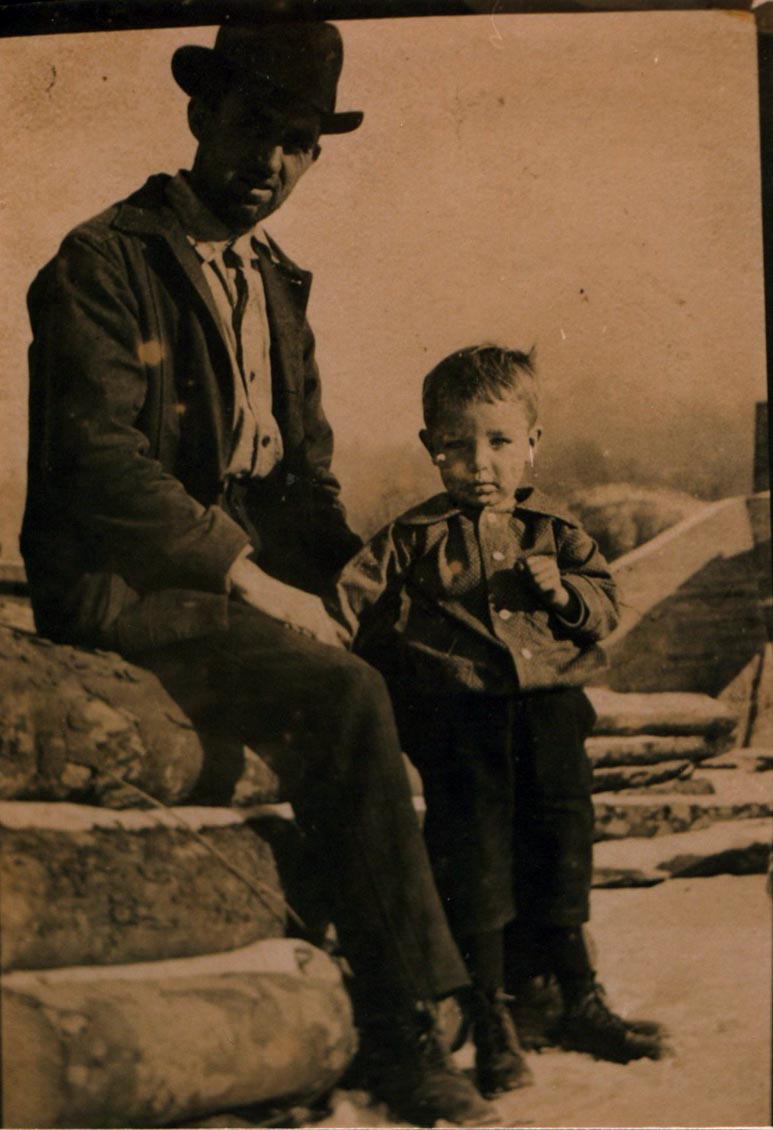
Deputy Sheriff Ward Brumfield with nephew Clyde Holton, taken in Harts, West Virginia, 1915-1920

Deputy Sheriff Ward Brumfield with nephew Clyde Holton, taken in Harts, West Virginia, 1918-1920

What Happened to John Fleming?

20 Friday Sep 2013

Posted by Brandon Ray Kirk in Fourteen

≈ Leave a comment

Tags

Appalachia, culture, Fourteen Mile Creek, genealogy, history, John Henan Fry, life, Lincoln County, photos, U.S. South, West Virginia

JohnHFry

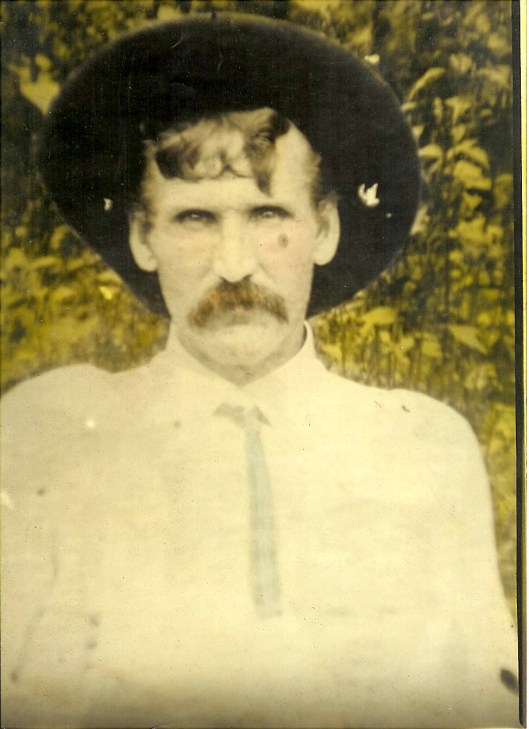
John Henan Fry

In Search of Ed Haley

20 Friday Sep 2013

Posted by Brandon Ray Kirk in Ed Haley

≈ Leave a comment

Tags

Appalachia, education, Fred B. Lambert, history, photos, U.S. South, West Virginia

Fred B. Lambert, educator and regional historian.

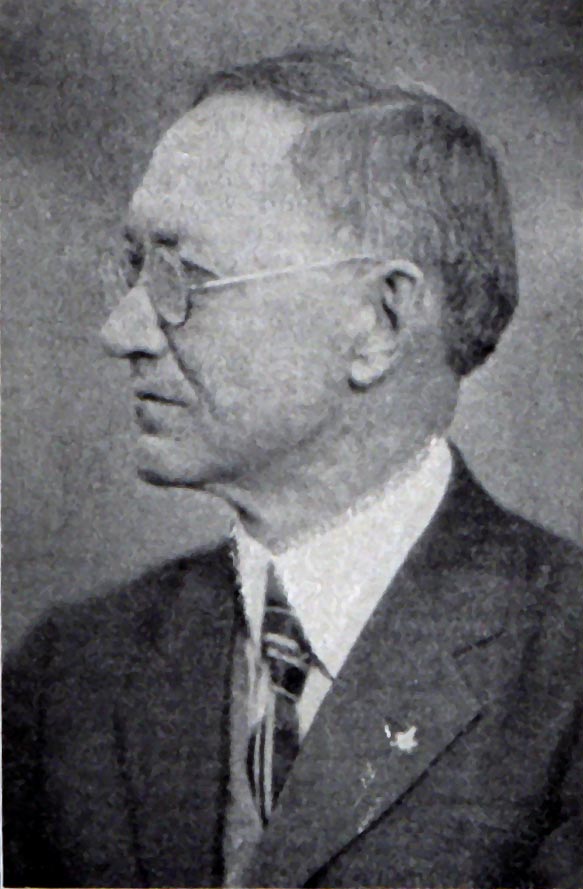
Fred B. Lambert, educator and regional historian

West Virginia Coal Miner 1

18 Wednesday Sep 2013

Posted by Brandon Ray Kirk in Coal

≈ Leave a comment

Tags

Appalachia, coal, culture, history, labor, life, photos, U.S. South, West Virginia

Harrison Smith

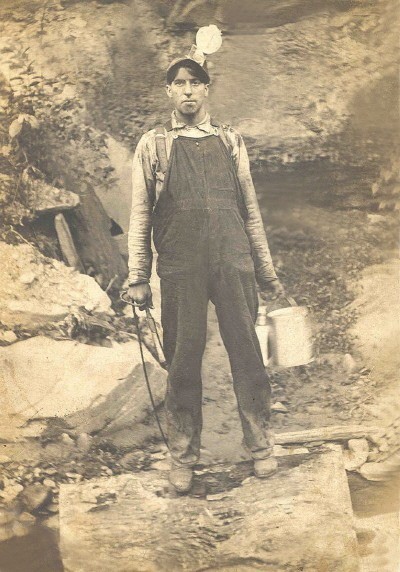
Harrison Smith

In Search of Ed Haley 171

18 Wednesday Sep 2013

Posted by Brandon Ray Kirk in Ed Haley

≈ Leave a comment

Tags

Appalachia, Ashland, blind, Ed Haley, Ella Haley, genealogy, history, Kentucky, Lawrence Haley, life, Mona Haley, Pat Haley, writing

“So when Larry and I got there, my mother-in-law, she was the one opened the door. I fell in love with her right away. And I didn’t see Ed until the next day. He was in bed and he was also hard-of-hearing and he didn’t hear us come in. Mom led us inside and, of course, Jack’s wife Patsy had the house very clean.”

One of the first things they did after arriving was eat a meal.

“Mom asked Lawrence, she said, ‘’awrencey boy, are you hungry?’ He said, ‘We’re starving, Mom.’ Well, Mom called upstairs and told Pat and Jack that we was here and they came down and Mom told Patsy we were hungry and Pat said, ‘Well, we don’t have much ready to eat. Would you like sausage and eggs?’ Well, I thought that was fine. But when these little patties came up… There was an oilcloth on the table — everything was clean and nice but the silverware was in a Mason jar in the middle of the table. I was just amazed that nobody set the table like I had been used to. I’d never seen sausage fried black. After dinner, they told us they had the bedroom upstairs fixed up for us. My mother-in-law had bought a new bedspread and new doilies for the dresser and Patsy had bought a lamp and some doilies and a picture for the wall. She’d really tried to fix up the room and make it nice for us. Mom had bought a very nice wardrobe and a dresser. The bed was Mom’s. The other furniture had belonged to Patsy and Jack.”

The next morning, Pat first met Ed.

“He came into the dining room and I was in the dining room, me and Larry. Larry just said, ‘Pop, this is Patricia.’ He just, you know, said, ‘Howdy do.’ And I went up to him to shake his hand. Larry had told me that I would have to go to him. If you looked at Ed Haley, it looked as though he was looking right at you. When I got up to him, Larry put his hand on my head and told him I was as short as Mom. Larry had told me that Pop would put his hands on me and check my head and face and my arms to see what kind of woman I was. He took his fingers — that’s the way he checked your features. And he could tell how you was built. Then he patted me on the shoulder to see what sort of made woman I was. But he had the smoothest hands. They were not a bit rough. Larry took Pop’s hand and put it on my belly and said, ‘See here, Pop.'”

Pat said she met Mona later that day.

“Mona came over the next day after I got here — her and her husband and her mother-in-law and her sister-in-law. Sometime after that, Mona came over and was playing a mandolin and her and Mom was playing. Mom played me some English tunes. And I don’t know how come they played but they got Pop to play a tune or two and he wouldn’t play much because he had whittled on his fingers and made them raw. He always loved my salmon. Course he called them salmon cakes. I call them croquettes.”

Leet, West Virginia

18 Wednesday Sep 2013

Posted by Brandon Ray Kirk in Big Ugly Creek, Timber

≈ Leave a comment

Tags

Appalachia, Big Ugly Creek, culture, genealogy, history, Leet, life, Lincoln County, photos, timbering, West Virginia

Leet, West Virginia, 1905-1920

Leet, West Virginia, 1905-1920

← Older posts
Newer posts →

Feud Poll 1

If you had lived in the Harts Creek community during the 1880s, to which faction of feudists might you have given your loyalty?

Categories

  • Adkins Mill
  • African American History
  • American Revolutionary War
  • Ashland
  • Atenville
  • Banco
  • Barboursville
  • Battle of Blair Mountain
  • Beech Creek
  • Big Creek
  • Big Harts Creek
  • Big Sandy Valley
  • Big Ugly Creek
  • Boone County
  • Breeden
  • Calhoun County
  • Cemeteries
  • Chapmanville
  • Civil War
  • Clay County
  • Clothier
  • Coal
  • Cove Gap
  • Crawley Creek
  • Culture of Honor
  • Dingess
  • Dollie
  • Dunlow
  • East Lynn
  • Ed Haley
  • Eden Park
  • Enslow
  • Estep
  • Ethel
  • Ferrellsburg
  • Fourteen
  • French-Eversole Feud
  • Gilbert
  • Giles County
  • Gill
  • Green Shoal
  • Guyandotte River
  • Halcyon
  • Hamlin
  • Harts
  • Hatfield-McCoy Feud
  • Holden
  • Hungarian-American History
  • Huntington
  • Inez
  • Irish-Americans
  • Italian American History
  • Jamboree
  • Jewish History
  • John Hartford
  • Kermit
  • Kiahsville
  • Kitchen
  • Leet
  • Lincoln County Feud
  • Little Harts Creek
  • Logan
  • Man
  • Matewan
  • Meador
  • Midkiff
  • Monroe County
  • Montgomery County
  • Music
  • Native American History
  • Peach Creek
  • Pearl Adkins Diary
  • Pecks Mill
  • Peter Creek
  • Pikeville
  • Pilgrim
  • Poetry
  • Queens Ridge
  • Ranger
  • Rector
  • Roane County
  • Rowan County Feud
  • Salt Rock
  • Sand Creek
  • Shively
  • Spears
  • Sports
  • Spottswood
  • Spurlockville
  • Stiltner
  • Stone Branch
  • Tazewell County
  • Timber
  • Tom Dula
  • Toney
  • Turner-Howard Feud
  • Twelve Pole Creek
  • Uncategorized
  • Warren
  • Wayne
  • West Hamlin
  • Wewanta
  • Wharncliffe
  • Whirlwind
  • Williamson
  • Women's History
  • World War I
  • Wyoming County
  • Yantus

Feud Poll 2

Do you think Milt Haley and Green McCoy committed the ambush on Al and Hollene Brumfield in 1889?

Blogroll

  • Ancestry.com
  • Ashland (KY) Daily Independent News Article
  • Author FB page
  • Beckley (WV) Register-Herald News Article
  • Big Sandy News (KY) News Article
  • Blood in West Virginia FB
  • Blood in West Virginia order
  • Chapters TV Program
  • Facebook
  • Ghosts of Guyan
  • Herald-Dispatch News Article 1
  • Herald-Dispatch News Article 2
  • In Search of Ed Haley
  • Instagram
  • Lincoln (WV) Journal News Article
  • Lincoln (WV) Journal Thumbs Up
  • Lincoln County
  • Lincoln County Feud
  • Lincoln County Feud Lecture
  • LinkedIn
  • Logan (WV) Banner News Article
  • Lunch With Books
  • Our Overmountain Men: The Revolutionary War in Western Virginia (1775-1783)
  • Pinterest
  • Scarborough Society's Art and Lecture Series
  • Smithsonian Article
  • Spirit of Jefferson News Article
  • The Friendly Neighbor Radio Show 1
  • The Friendly Neighbor Radio Show 2
  • The Friendly Neighbor Radio Show 3
  • The Friendly Neighbor Radio Show 4
  • The New Yorker
  • The State Journal's 55 Good Things About WV
  • tumblr.
  • Twitter
  • Website
  • Weirton (WV) Daily Times Article
  • Wheeling (WV) Intelligencer News Article 1
  • Wheeling (WV) Intelligencer News Article 2
  • WOWK TV
  • Writers Can Read Open Mic Night

Feud Poll 3

Who do you think organized the ambush of Al and Hollene Brumfield in 1889?

Recent Posts

  • Logan County Jail in Logan, WV
  • Absentee Landowners of Magnolia District (1890, 1892, 1894)
  • Charles Spurlock Survey at Fourteen Mile Creek, Lincoln County, WV (1815)

Ed Haley Poll 1

What do you think caused Ed Haley to lose his sight when he was three years old?

Top Posts & Pages

  • Buskirk Cemetery at Buskirk, KY (2015)
  • Boling Baker and Princess Aracoma (1937)
  • Logan County Jail in Logan, WV
  • Chapmanville High School in Chapmanville, WV (1926)
  • Civil War Gold Coins Hidden Near Chapmanville, WV

Copyright

© Brandon Ray Kirk and brandonraykirk.wordpress.com, 1987-2023. Unauthorized use and/or duplication of this material without express and written permission from this blog’s author and/or owner is strictly prohibited. Excerpts and links may be used, provided that full and clear credit is given to Brandon Ray Kirk and brandonraykirk.wordpress.com with appropriate and specific direction to the original content.

Archives

  • February 2025
  • January 2025
  • October 2023
  • September 2023
  • December 2022
  • November 2022
  • May 2022
  • April 2022
  • February 2022
  • November 2021
  • October 2021
  • September 2021
  • June 2021
  • May 2021
  • April 2021
  • March 2021
  • February 2021
  • January 2021
  • December 2020
  • November 2020
  • October 2020
  • July 2020
  • June 2020
  • May 2020
  • April 2020
  • March 2020
  • February 2020
  • January 2020
  • December 2019
  • November 2019
  • October 2019
  • September 2019
  • August 2019
  • July 2019
  • June 2019
  • May 2019
  • April 2019
  • March 2019
  • February 2019
  • January 2019
  • December 2018
  • November 2018
  • October 2018
  • September 2018
  • August 2018
  • July 2018
  • June 2018
  • May 2018
  • April 2018
  • March 2018
  • February 2018
  • January 2018
  • December 2017
  • November 2017
  • October 2017
  • September 2017
  • August 2017
  • July 2017
  • June 2017
  • May 2017
  • April 2017
  • March 2017
  • February 2017
  • January 2017
  • December 2016
  • November 2016
  • October 2016
  • September 2016
  • August 2016
  • July 2016
  • June 2016
  • May 2016
  • April 2016
  • March 2016
  • February 2016
  • January 2016
  • December 2015
  • November 2015
  • October 2015
  • September 2015
  • August 2015
  • July 2015
  • June 2015
  • May 2015
  • April 2015
  • March 2015
  • February 2015
  • January 2015
  • December 2014
  • October 2014
  • September 2014
  • August 2014
  • July 2014
  • June 2014
  • May 2014
  • April 2014
  • March 2014
  • February 2014
  • January 2014
  • December 2013
  • November 2013
  • October 2013
  • September 2013
  • August 2013
  • July 2013
  • June 2013
  • May 2013
  • April 2013
  • March 2013
  • February 2013
  • January 2013
  • December 2012
  • November 2012

Enter your email address to follow this blog and receive notifications of new posts by email.

Join 2,927 other subscribers

Tags

Appalachia Ashland Big Creek Big Ugly Creek Blood in West Virginia Brandon Kirk Cabell County cemeteries Chapmanville Charleston civil war coal Confederate Army crime culture Ed Haley Ella Haley Ferrellsburg feud fiddler fiddling genealogy Green McCoy Guyandotte River Harts Harts Creek Hatfield-McCoy Feud history Huntington John Hartford Kentucky Lawrence Haley life Lincoln County Lincoln County Feud Logan Logan Banner Logan County Milt Haley Mingo County music Ohio photos timbering U.S. South Virginia Wayne County West Virginia Whirlwind writing

Blogs I Follow

  • OtterTales
  • Our Appalachia: A Blog Created by Students of Brandon Kirk
  • Piedmont Trails
  • Truman Capote
  • Appalachian Diaspora

BLOOD IN WEST VIRGINIA is now available for order at Amazon!

Blog at WordPress.com.

OtterTales

Writings from my travels and experiences. High and fine literature is wine, and mine is only water; but everybody likes water. Mark Twain

Our Appalachia: A Blog Created by Students of Brandon Kirk

This site is dedicated to the collection, preservation, and promotion of history and culture in Appalachia.

Piedmont Trails

Genealogy and History in North Carolina and Beyond

Truman Capote

A site about one of the most beautiful, interesting, tallented, outrageous and colorful personalities of the 20th Century

Appalachian Diaspora

  • Subscribe Subscribed
    • Brandon Ray Kirk
    • Join 789 other subscribers
    • Already have a WordPress.com account? Log in now.
    • Brandon Ray Kirk
    • Subscribe Subscribed
    • Sign up
    • Log in
    • Report this content
    • View site in Reader
    • Manage subscriptions
    • Collapse this bar
 

Loading Comments...