Tags
Appalachia, Crockett Farley, Dorcas Farley, genealogy, Harts Creek, history, life, Logan County, U.S. South, West Virginia

Thomas “Crockett” Farley and Dorcas (Kelley) Farley, Harts Creek, Logan County, WV

30 Sunday Mar 2014
Posted in Big Harts Creek, Whirlwind
Tags
Appalachia, Crockett Farley, Dorcas Farley, genealogy, Harts Creek, history, life, Logan County, U.S. South, West Virginia
Thomas “Crockett” Farley and Dorcas (Kelley) Farley, Harts Creek, Logan County, WV
29 Saturday Mar 2014
Tags
Appalachia, Calhoun County, culture, genealogy, history, Laury Hicks, life, Minnie Hicks, photos, U.S. South, West Virginia
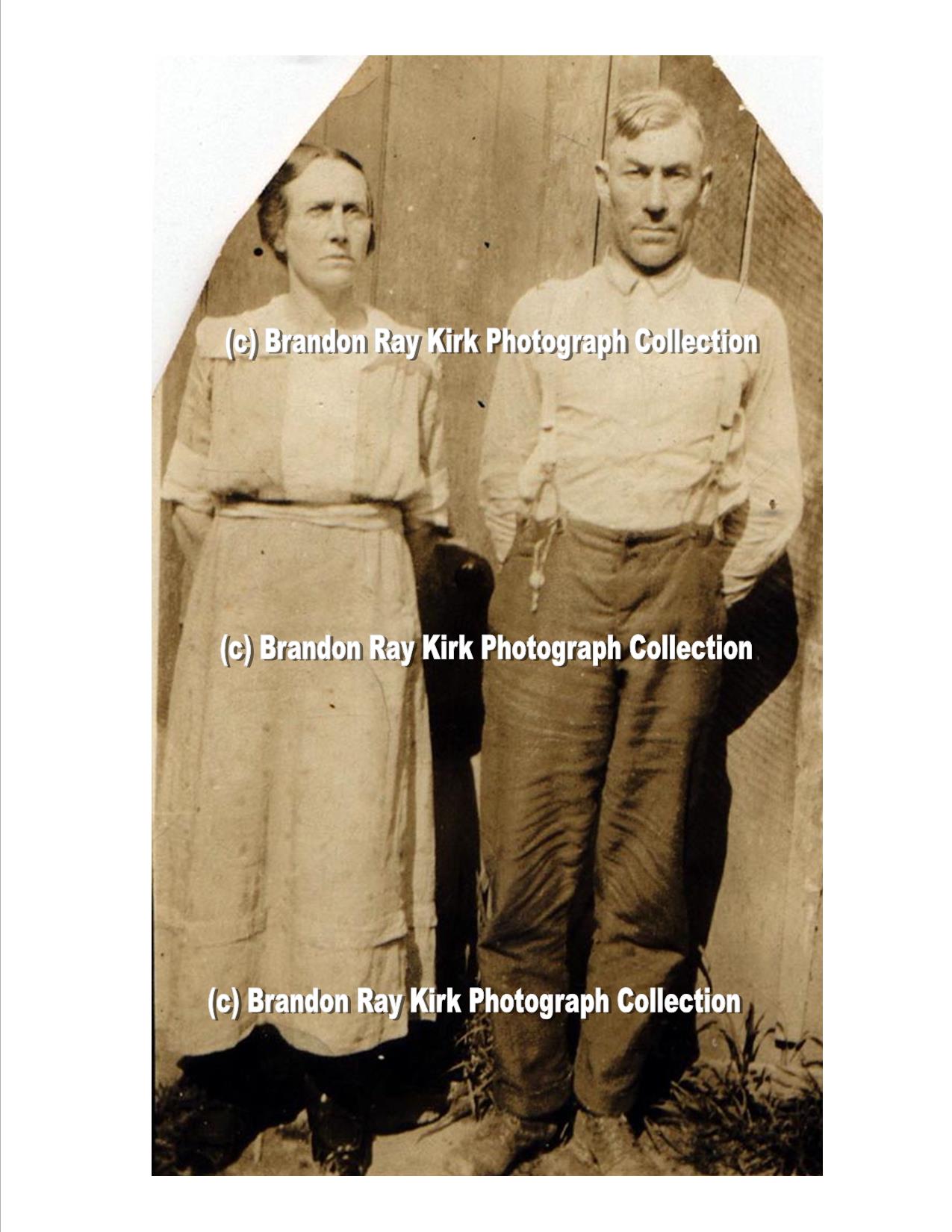
Minnie and Lawrence Hicks, Calhoun County, West Virginia
28 Friday Mar 2014
Posted in Big Harts Creek, Whirlwind
Tags
Appalachia, culture, Harts Creek, life, Logan County, photos, U.S. South, West Virginia, Whirlwind

Whirlwind, Harts Creek, Logan County, WV
27 Thursday Mar 2014
Posted in Big Harts Creek, Culture of Honor, Whirlwind
Tags
Appalachia, crime, George Hensley, history, Jesse Blair, Logan County, Sol Adams, U.S. South, West Virginia

Jesse Blair warrant of arrest, Logan County, WV, 1918
26 Wednesday Mar 2014
Posted in Ed Haley, Lincoln County Feud, Women's History
Tags
Angeline Lucas, Appalachia, Boney Lucas, feud, history, Stiltner, U.S. South, Wayne County, West Virginia

Angeline (Adkins) Lucas, shown at center, with two of her daughters, Wayne County, WV
26 Wednesday Mar 2014
Posted in Harts, Lincoln County Feud, Women's History
Tags
Ann Brumfield, Appalachia, cemeteries, Charles Brumfield, genealogy, Harts, history, Lincoln County, Paris Brumfield Family Cemetery, photos, U.S. South, West Virginia

Charles Brumfield places a modern tombstone at the grave of his great-great-grandmother, Ann (Toney) Brumfield, 2002
24 Monday Mar 2014
Posted in Big Harts Creek, Ed Haley, Lincoln County Feud
Tags
Appalachia, genealogy, Harts Creek, Henderson Dingess, history, Hugh Dingess, Logan County, Sallie Dingess, U.S. South, West Virginia, writing
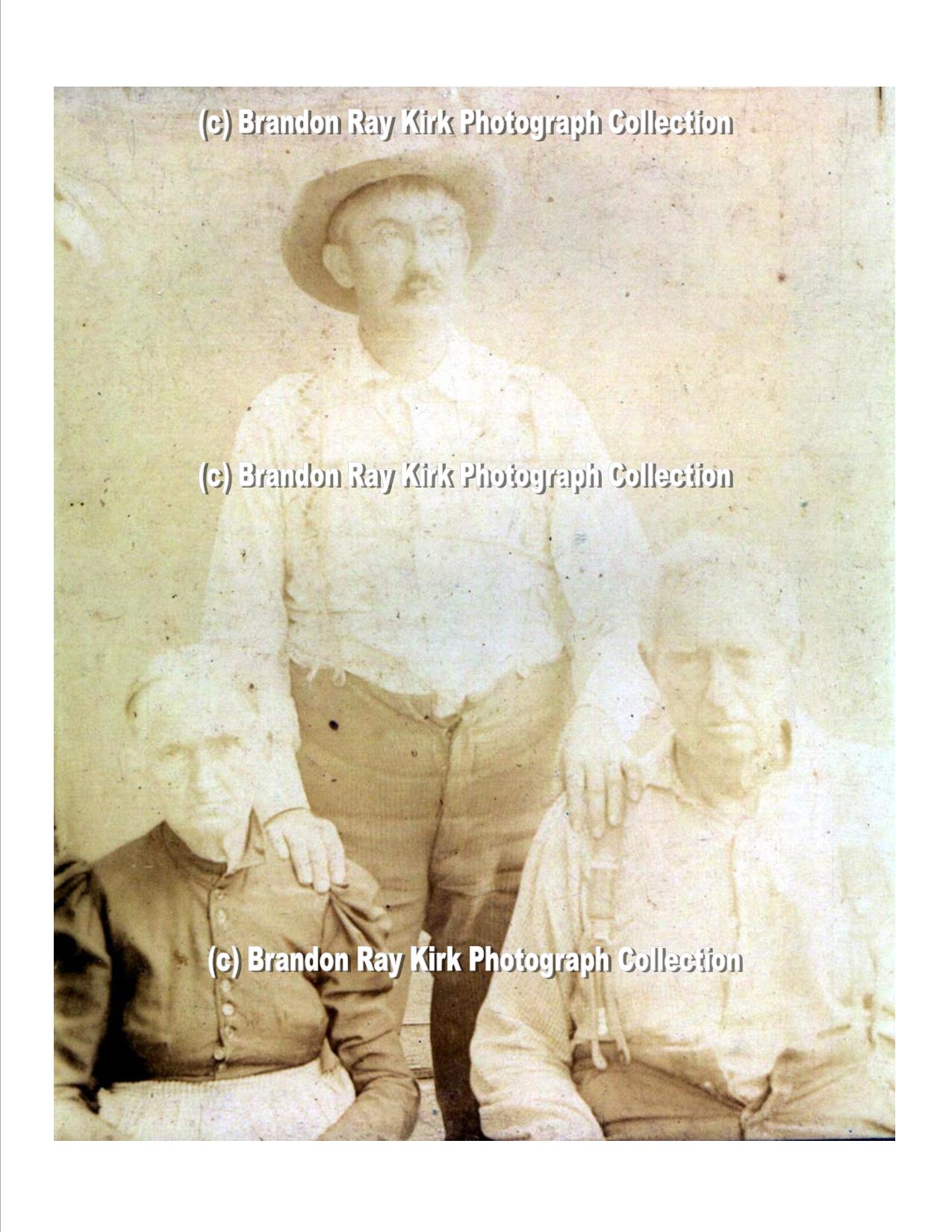
Hugh Dingess stands behind his parents, Sallie (Adams) Dingess and Henderson Dingess
23 Sunday Mar 2014
Posted in Big Harts Creek, Lincoln County Feud, Timber
Tags
Albert Dingess, Appalachia, culture, Harts Creek, history, life, Logan County, photos, U.S. South, West Virginia
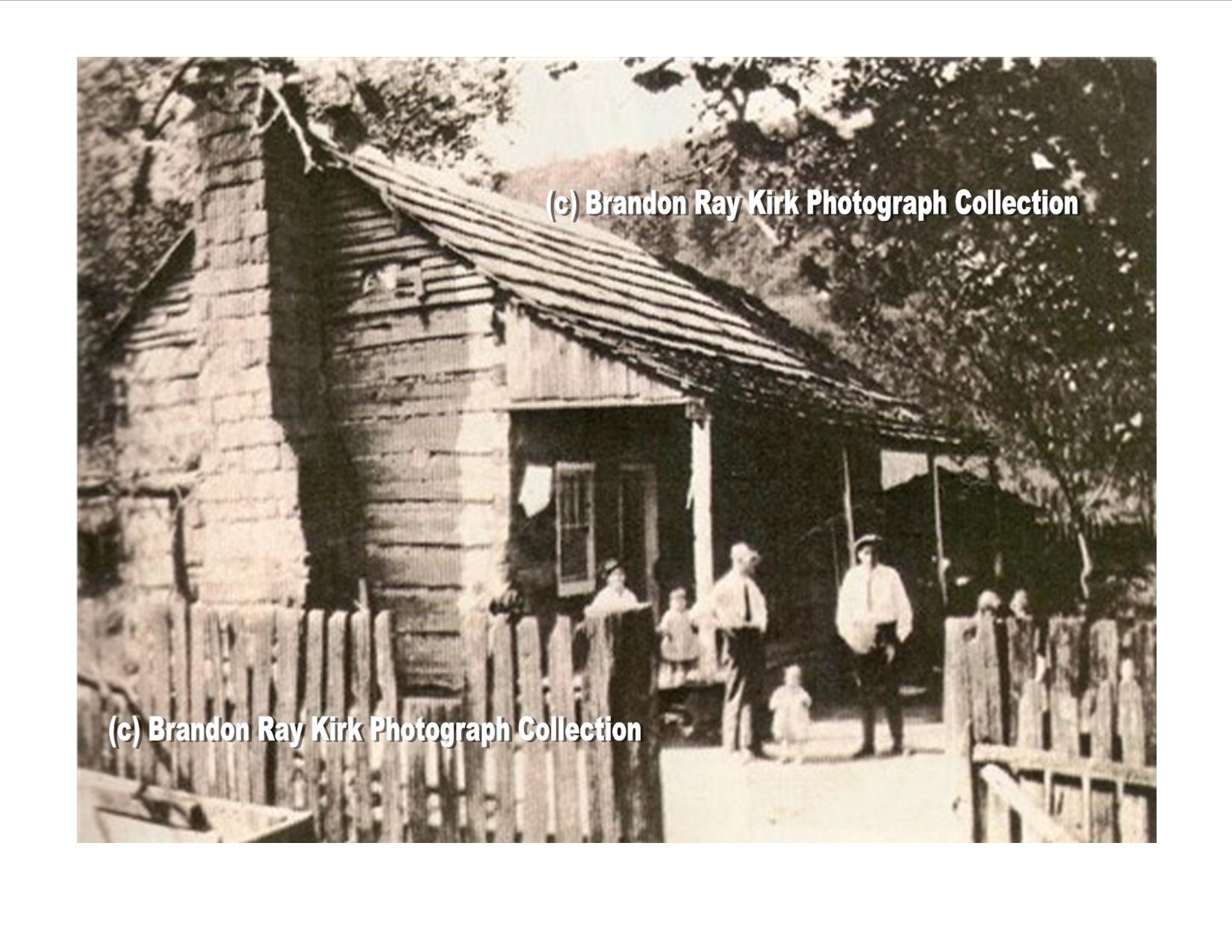
Albert Dingess cabin, Smokehouse Fork of Big Harts Creek, Logan County, WV
10 Friday Jan 2014
Posted in Ed Haley
Tags
Appalachia, banjo, Boone County, culture, fiddle, fiddler, fiddling, history, Johnny Hager, life, music, photos, U.S. South, West Virginia
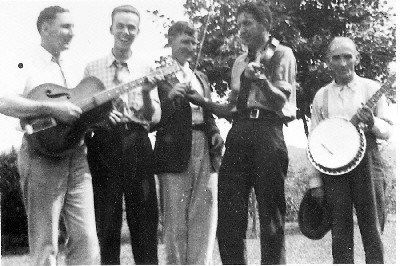
Johnny Hager on extreme right holding a banjo, Boone County, WV, 1950s.
19 Thursday Dec 2013
Posted in Big Harts Creek, Ferrellsburg, Timber
Tags
Appalachia, Ferrellsburg, genealogy, history, life, Lincoln County, photos, Samp Davis, timbering, U.S. South, West Fork, West Virginia

Samp Davis, an old timber man from West Fork, Lincoln County, WV.
01 Friday Nov 2013
Posted in Fourteen, Wewanta, Women's History
Tags
Appalachia, Caleb Headley, Elizabeth Jane Farley, Fourteen, Fourteen Mile Creek, genealogy, history, Lincoln County, midwife, photos, Sarah Headley, Sulphur Spring Fork, U.S. South, West Virginia, William Floyd Farley
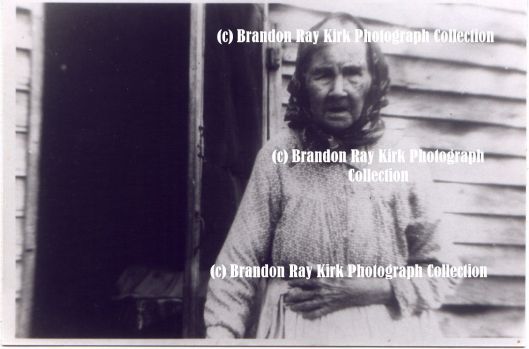
Sarah Ann (Farley) Headley, daughter of William F. and Jane (Clark) Farley and wife of Caleb Headley. Sarah (1849-1945) is my great-great-great-grandmother. She lived at Sulphur Spring Fork of Fourteen Mile Creek in Lincoln County, WV.
08 Tuesday Oct 2013
Posted in Civil War, Little Harts Creek
Tags
Appalachia, civil war, culture, genealogy, history, Isaac Gartin, life, Lincoln County, Little Harts Creek, photos, U.S. South, West Virginia
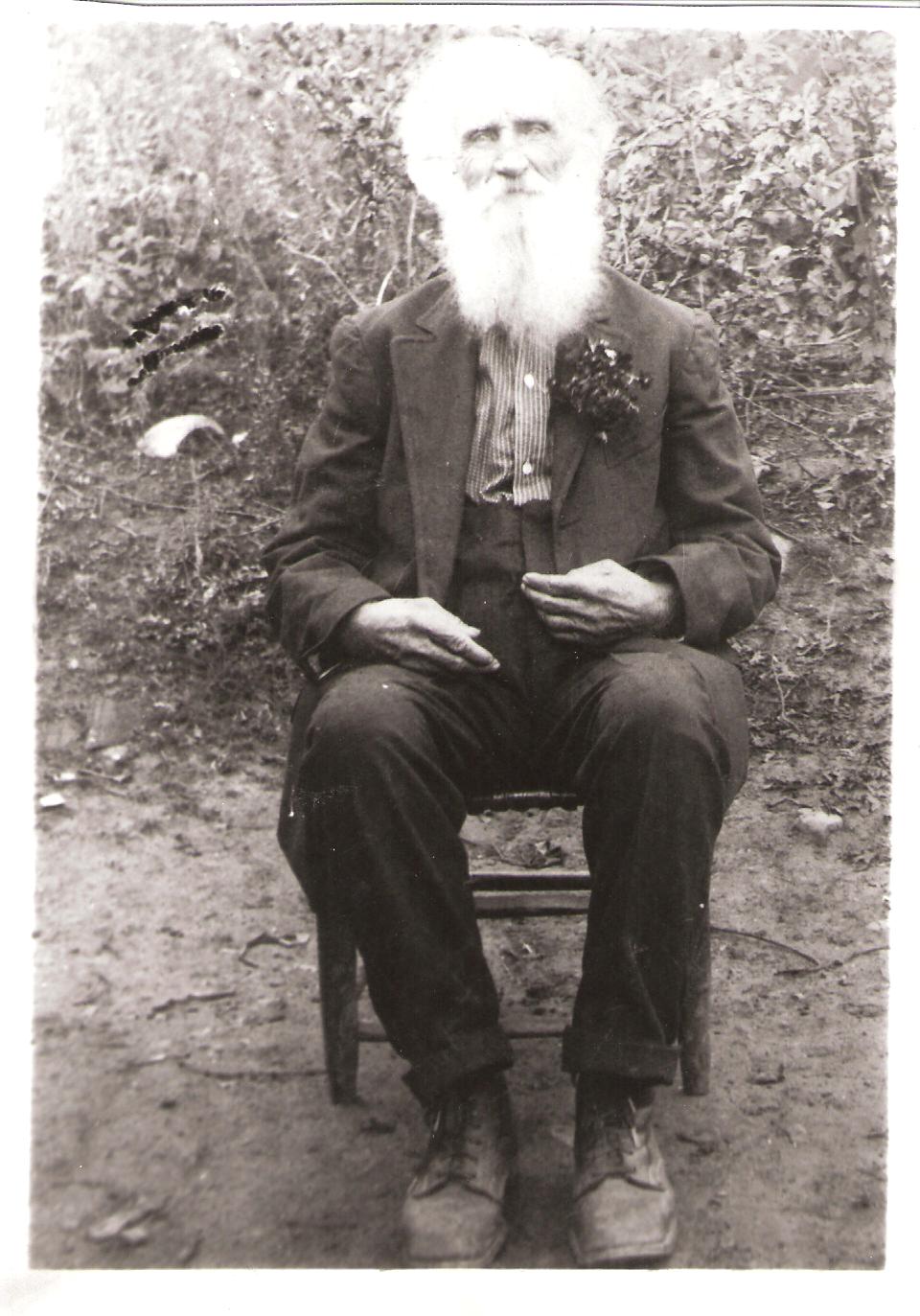
Isaac G. “Ike” Gartin, Confederate veteran and resident of Little Harts Creek in Lincoln County, West Virginia.
08 Tuesday Oct 2013
Tags
154th Regiment, Appalachia, Caleb Headley, civil war, Fourteen Mile Creek, genealogy, Hardesty's History of Wetzel County, history, Lincoln County, Mexican War, Monongalia County, Nancy Ann Headley, New Jersey, Revolutionary War, Sarah Headley, Thomas Headley, Tyler County, U.S. South, Ward Adkins, West Virginia, Wetzel County, Will Headley
In the years following the Civil War, Caleb Headley migrated from Wetzel County, West Virginia to the Sulphur Spring Fork of Fourteen Mile Creek in Lincoln County, bringing with him a young wife and some degree of knowledge about medicine. Behind him were Pennsylvania roots, a soldier’s experience in the Mexican and Civil wars, as well as a failed marriage. About fifteen years later, he passed away and was buried on a hill near his home.
Today, Ward Adkins, an 81-year-old walking encyclopedia of Sulphur Spring history, is the best source on Dr. Headley’s life. He was partly raised by Headley’s son, Will, his step-grandfather, who told Adkins what little he knew about his father and eventually gave him a very important family heirloom: a geography book containing genealogical information in his father’s handwriting.
Caleb Headley was born on April 11, 1808, the first son and second child of Dr. Thomas and Sarah (Asher) Headlee, in Pennsylvania. Thomas was born around 1775 in New Jersey and was the son of a Revolutionary War veteran. Sarah was born around 1785 in Virginia.
Caleb had seven known or suspected brothers and sisters: Elizabeth Headley, born about 1807, Mary Headley (c.1811-1881), Anthony Headley (August 11, 1812 – January 1, 1894), Jerusha Headley (March 16, 1815 – May 16, 1884), Sarah Headley (August 22, 1817 – June 18, 1900), Elisha Headley (August 24, 1820 – August 2, 1895), and Nancy Headley, born about 1822.
In 1822, according to Hardesty’s History of Wetzel County, Thomas Headley settled in Tyler County, (West) Virginia with his family where he taught young Caleb what he knew about doctoring prior to his death, which reportedly occurred around 1830 in Monongalia County, (West) Virginia.
On November 2, 1826, Caleb married Nancy Ann Wright in Pennsylvania. Nancy was born on October 15, 1808 in Virginia. Her parents were born in Maryland.
Caleb and Nancy had ten children: Charity Headley, born March 1, 1828; Elizabeth Jane Headley, born June 2, 1829; Thomas J. Headley, born November 23, 1831; Joshua Headley, born April 7, 1832; Sarah A. Headley, born December 8, 1833; Caleb Samuel Headley, born March 30, 1836 or 1837; George Washington Headley, born May 21, 1839; Benjamin Franklin Headley (May 31, 1841 – April 11, 1918), Anthony Headley, born June 3, 1844, and Elijah Headley, born August 1, 1850.
During the 1830s and ’40s, Caleb lived in Tyler County where he was, by his own admission, a practicing physician, member of the Methodist Church and for sixteen years a justice of the peace.
“I don’t think Caleb had any schooling to be a doctor,” Adkins said, in a 2003 interview. “As far as I know, the only thing he had as far as a medical education was studying under his daddy. His daddy was a doctor.”
In 1846, the portion of Tyler County occupied by Headley became Wetzel County.
Some time between 1846 and 1848, Headley reputedly served as a lieutenant in the Mexican War. While no military records have been located at the present time to verify his service, one of his sons made the claim that he had been an officer in the war.
“His son Will told me that he was an officer in a war with Mexico,” said Adkins.
In the 1850 Wetzel County Census, Caleb appeared in the Green District as a 40-year-old farmer (not physician) with $200 worth of real estate. His wife was 32 years old, while the children were listed as follows: Thomas (age 17, farmer, in school), Sarah (age 16, in school), Samuel (age 13, in school), Washington (age 10, in school), Franklin (age 9, in school), and Anthony (age 6).
In 1860, the Headleys maintained their residence in Green District.
When the Civil War began in 1861, Headley joined with most of his neighbors and sided with the North.
“Wetzel County, Virginia, was one of the counties which supported the Union during the War Between the States,” Mary Curtis, a genealogist, wrote in 1959. “The large majority of the settlers were from Pennsylvania and the Piedmont areas of Virginia where slaves were not common, so that their interests lay with the North.”
According to Hardesty’s History of Lincoln County, Headley was captain of a company in the Union army. According to military records, he was captain of Company C, 154th Regiment.
“He was captain of a company in the Civil War,” said Adkins. “That’s in Hardesty’s. And Will said he was an officer. He didn’t know what rank, you know. I was told that he was shot in the back. His backbone was just barely hanging together. I think he was discharged in Ohio.”
Several of Headley’s sons fought for the North. Caleb Samuel, later a resident of Porters Falls in Wetzel County, “served a short time in the Union army as lieutenant,” according to Hardesty’s History of Wetzel County. Anthony, later a resident of Pine Grove in Wetzel County, “was a soldier with the Federal army, serving in Company I, 15th West Virginia Infantry, and he participated in all the fortunes of that regiment, engaging in its battles and witnessing the surrender of Lee at Appomattox.” His term of service was from August 24, 1862 until June 30, 1865.
In 1866, 50-something-year-old Headley settled in present-day Lincoln County and joined the Christian church. By that time, he had separated from his wife Nancy and was involved in an intimate relationship with 16-year-old Sarah Farley of Logan County. The two had their first child on May 1 then married on May 25 in Catlettsburg, Kentucky.
Headley’s separation from his first wife has been a hot topic of conversation among his local descendants.
“They had a rumor going that Dr. Caleb run off and left his first wife, but Will said it wasn’t so,” said Adkins. “I heard his wife died when their son Elijah was fifteen years old, which would have been around 1865.”
However, according to Wetzel County census records, Nancy was very much alive after the separation. In 1870 and 1880, she referred to herself in both census schedules as a widow.
29 Sunday Sep 2013
Posted in Big Sandy Valley, Pikeville, Women's History
Tags
Appalachia, Big Sandy River, culture, history, Kentucky, life, photos, Pikeville, steamboat, U.S. South
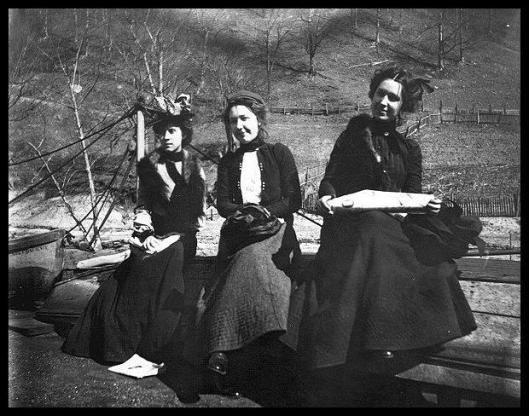
“Waiting on a boat,” Pikeville, Kentucky, 1901
29 Sunday Sep 2013
Posted in Big Harts Creek, Women's History
Tags
Appalachia, culture, Harts Creek, history, life, Liza McKenzie, Logan County, photos, U.S. South, West Virginia

Big Harts Creek, Logan County, West Virginia, circa 1940s
28 Saturday Sep 2013
Posted in Civil War
Tags
34th Battalion Virginia Cavalry, Appalachia, civil war, Confederacy, Confederate Army, genealogy, history, photos, U.S. South, Vincent A. Witcher, Wayne County, West Virginia

Lt. Col. Vincent A. “Clawhammer” Witcher, commander of the 34th Battalion Virginia Cavalry
27 Friday Sep 2013
Posted in Big Harts Creek
Tags
Appalachia, culture, Farmers, genealogy, Great Depression, Hiawatha Adams, history, life, Logan County, photos, U.S. South, West Virginia

Big Harts Creek, Logan County, West Virginia, c.1938
24 Tuesday Sep 2013
Tags
Appalachia, Cabell County, culture, fiddler, Fred B. Lambert, history, life, Morris Wentz, photos, U.S. South, West Virginia
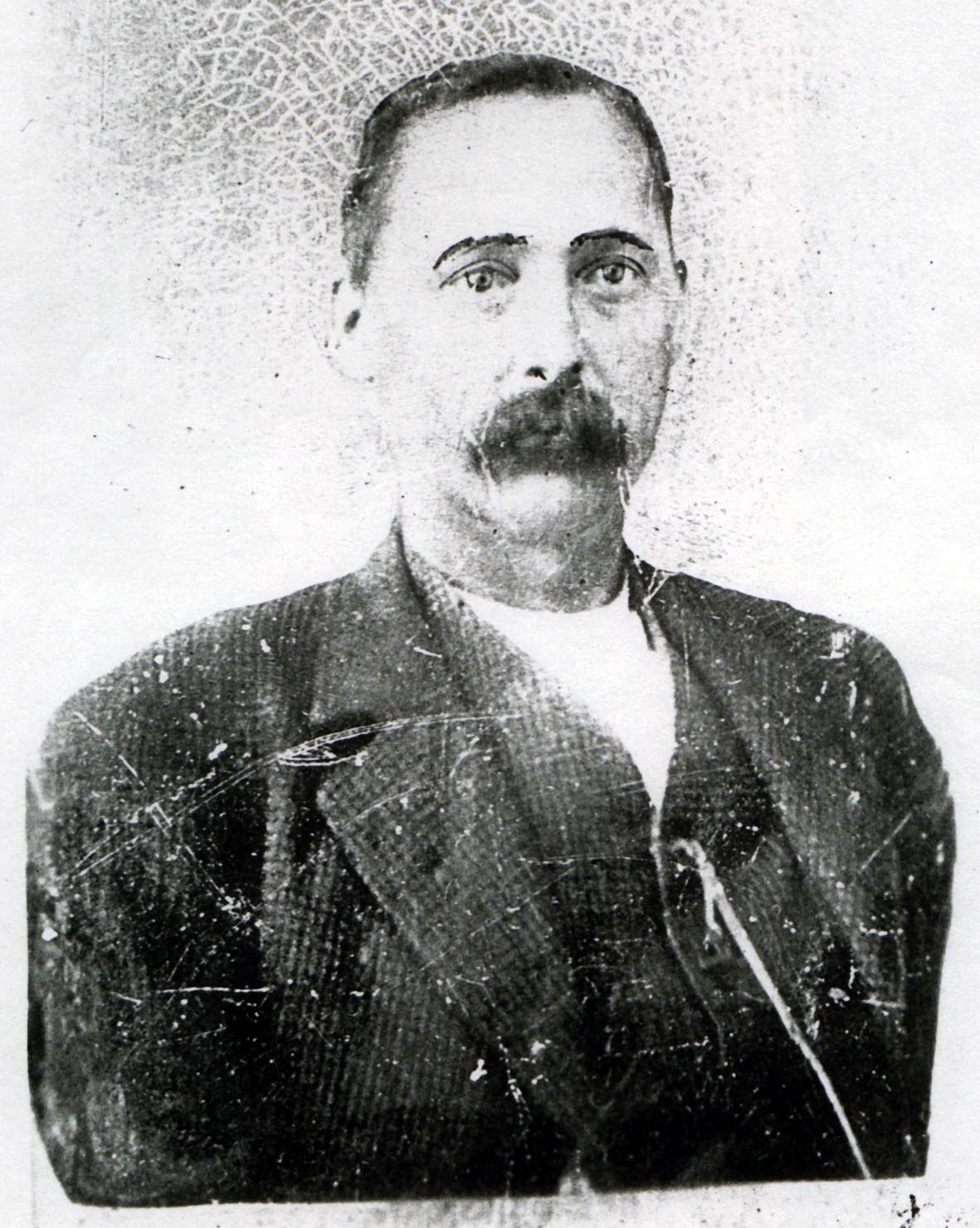
Morris Wentz, West Virginia fiddler
23 Monday Sep 2013
Posted in African American History, Logan
Tags
Andrew Bierne, Ann Lawson, Anthony Lawson, Appalachia, England, history, Logan, Logan County, Oceana, slavery, U.S. South, West Virginia, writing
Almost two hundred years ago, an Englishman made his way into the Guyandotte Valley and soon found himself fully engaged in the fur trading business and the creation of a new county.
Anthony Lawson was born on October 31, 1785 in Stanton, Northumberland, England. He was the son of Anthony and Margaret (Carse) Lawson. On May 26, 1806, Lawson married Ann Bilton, a daughter of Lewis and Jane Bilton, at Saint Helens Church in Longhorsley Parish, Northumberland. Ann was born on March 17, 1783 in Fieldhead, England.
In the early summer of 1817, Anthony and his family left England for America aboard the ship Active. “They left England on account of religious persecution,” according to the late Dr. Sidney B. Lawson, who spoke some years ago with historian Fred B. Lambert. Accompanying Lawson were his wife and four children: John Lawson, born in 1807 in Woodcraft, Northumberland; Lewis Bilton Lawson, born in 1808 in Stanhope, Northumberland; James B. Lawson, born in 1808 in Northumberland; and Anthony Lawson II, born in 1813.
On July 12, 1817, the Lawson family arrived at Philadelphia. They settled in Alexandria, Virginia, where Anthony’s uncle, John Lawson, operated a store on Cameron Street. While there, Ann gave birth to a fifth child named George Wilborn Lawson in 1818.
At that time, according to Ragland’s History of Logan County (1896), Lawson was persuaded to move to the Guyandotte Valley. “Col. Andrew Bierne, of Lewisburg, soon made his acquaintance, and induced him to come to the wilds of Guyandotte River and engage in the fur and ginseng trade,” Ragland wrote. “Mr. Lawson first settled near the present site of Oceana, where he remained about four years and then moved to the present site of Logan C.H.”
At Logan, which was then called the “Islands of Guyandot” and situated in Cabell County, Lawson ran a mercantile store. “Anthony had many buying and selling trips to Philadelphia,” writes James Avis of Albuquerque, New Mexico. “He would travel by horseback to the town of Guyandotte and from there by boat to Philadelphia. It is believed that he would visit with relatives living in Philadelphia.”
In 1824, when Logan County was formed from Cabell, Lawson served on the first County Court. His store was chosen as the seat of government for the new county. He also donated land for the construction of a courthouse. Reportedly, Logan was originally named Lawsonville but later had its name shortened to Lawnsville. Later still, it became Aracoma, then Logan Court House.
In 1830, Lawson was listed in the Logan County Census with his wife and four children, as well as two slaves (one female aged 10-24 and one male aged 0-10). His oldest son, John, was enumerator of the county census.
In 1840, Lawson was listed in the Logan County Census with his wife, son Anthony II, and three slaves. In that same year, sons John and James were also living in the county, with no slaves.
In 1847, Lawson became ill while on a return trip from Philadelphia. He was taken from a boat at Guyandotte, now Huntington’s east end, where he died of cholera on May 20. He was buried in the city cemetery. “Col. Anthony Lawson Sr. — Logan County — died at Guyandot aged upwards of 60 on his way home from Philadelphia,” the Richmond Whig wrote on June 17, 1847. “He often spoke of his birthplace as the vicinity of Alnwick Castle, the seat of the Percies in Yorkshire, England. He accumulated a large fortune which he left his children.”
On December 27, 1847, Ann Lawson was murdered by two of her slaves in Logan County. “Ann was mending a shirt for one of the slaves so that he and another slave could go to town for supplies,” Avis writes. “Thinking that they could be free after Anthony’s death, the negro she was mending the shirt for struck her on the head with an iron poker and she died.” After the murder, the slaves robbed Lawson. “The slave knew that money was kept in one of the drawers in the bureau,” according to Avis. “The poker was again used to pry open the drawer and take the money.” Two slaves named Bill and Hardin were accused of the murder. “The one that killed her was hanged, probably on the courthouse lawn,” Avis writes. “The other slave was severely punished.”
21 Saturday Sep 2013
Tags
Appalachia, Clyde Holton, culture, genealogy, Harts, history, life, Lincoln County, photos, timbering, U.S. South, Ward Brumfield, West Virginia
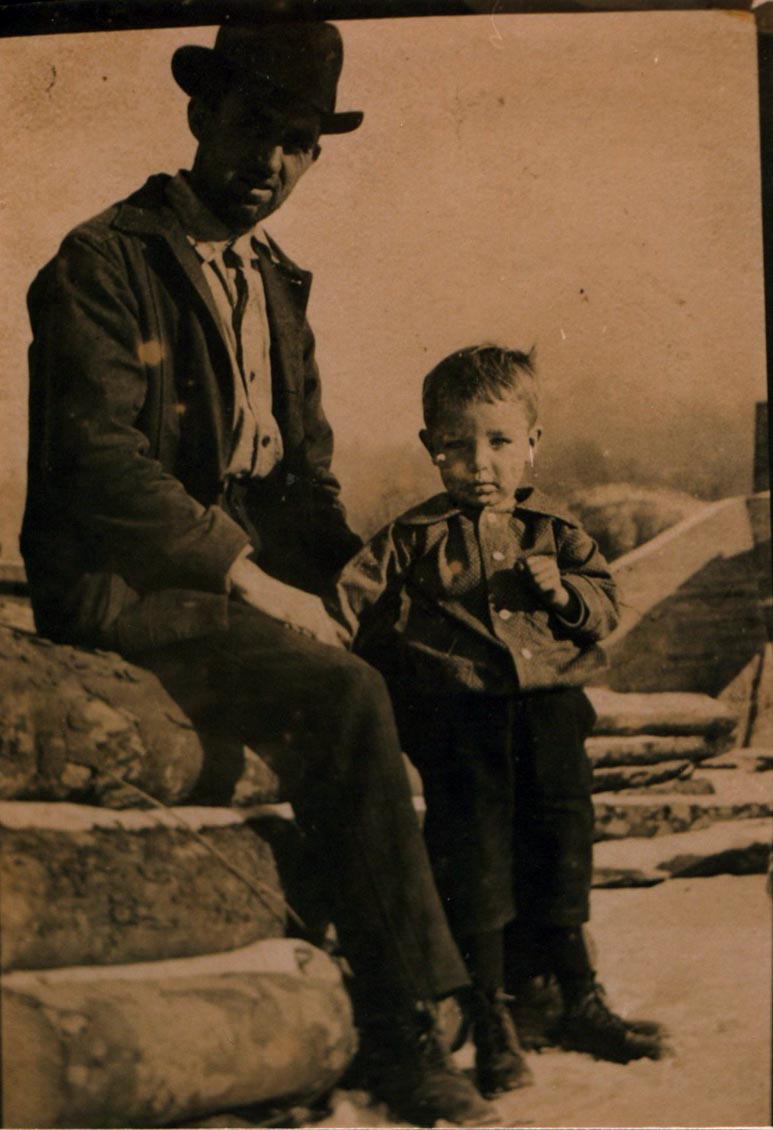
Deputy Sheriff Ward Brumfield with nephew Clyde Holton, taken in Harts, West Virginia, 1918-1920
Writings from my travels and experiences. High and fine literature is wine, and mine is only water; but everybody likes water. Mark Twain
This site is dedicated to the collection, preservation, and promotion of history and culture in Appalachia.
Genealogy and History in North Carolina and Beyond
A site about one of the most beautiful, interesting, tallented, outrageous and colorful personalities of the 20th Century
 Brandon Ray Kirk