Tags
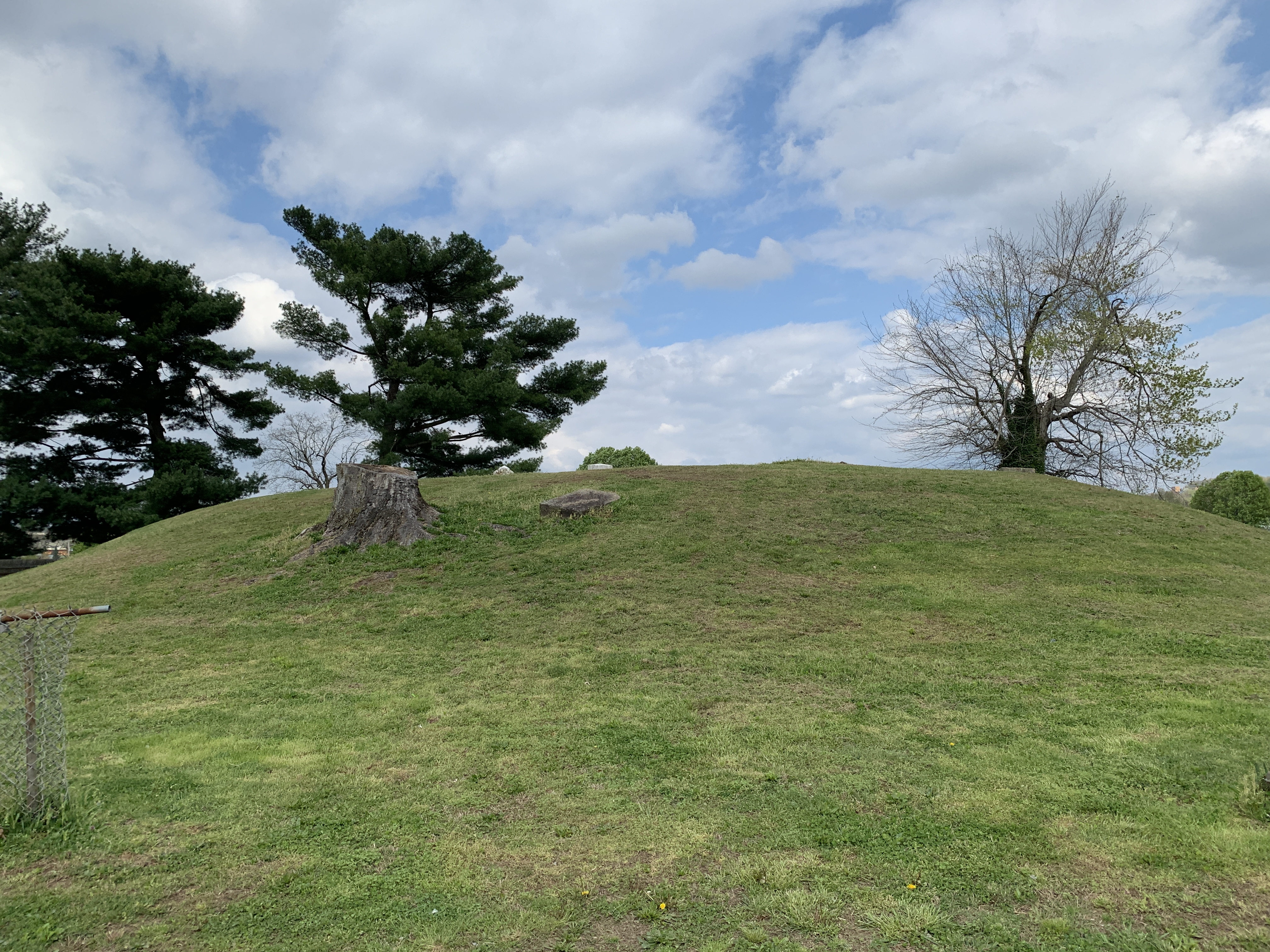
Appalachia, history, Kanawha County, Native American History, Native Americans, South Charleston, Sunset Mound, West Virginia

12 Wednesday May 2021
Posted in Native American History
Tags
Appalachia, history, Kanawha County, Native American History, Native Americans, South Charleston, Sunset Mound, West Virginia
25 Friday May 2018
Posted in Coal, Giles County, Native American History, Tazewell County
Tags
Alex W. Quarrier, Andrew Donnally, Benjamin F. Morris, C&O Railroad, Cabell County, Charles Droddy, Charles Page, Charleston, Clendenin, coal, Coal River, Coalsmouth, Daniel Boone, David Ruffner, Davis Creek, Donnally's Fort, Ebenezer Oakes, Elk River, Fleming Cobb, Fort Tackett, genealogy, Giles County, Greenbrier County, Henry Ruffner, Herbert P. Gaines, history, John P. Huddleston, John Young, Josiah Hughes, Kanawha County, Kanawha Court House, Kanawha Salines, Kanawha Valley, L.H. Oakes, Leonard Morris, Logan Banner, Logan County, Malden, Marmet, Mason Campbell, Mercer Academy, Michael Newhouse, Native Americans, Owen Jarrett, Point Pleasant, Roy J. Morris, salt, South Charleston, St. Albans, Tazewell County, The Western Virginian, Walton, West Virginia, William Cobb
From the Logan Banner of Logan, WV, in a story titled “Conditions Century Ago: Charleston Educator Tells of Settlement of Kanawha County Which Embraced Part of What Is Now Logan–With 550 Population Charleston Was Metropolis of Kanawha Valley,” comes this bit of history for the city of Charleston dated October 14, 1927:
Josiah Hughes, principal of the South Charleston graded schools, has written a sketch of Kanawha county, telling of the activities of a century and more ago. It is of interest here, because Logan county was created in 1824 from parts of Kanawha, Cabell, Giles and Tazewell, and because some of the pioneers he names have descendants in Logan. Kanawha county was formed Oct. 5, 1789. His article in part follows.
Charleston was the largest town in the valley, and had a population of approximately 550. It had its stores, its schools, its court house, its jail, its pillory, and its whipping post.
The postoffice at Charleston was “Kanawha C.H.” established under that name in 1801, and was so called until late in 1879. Among those who received their mail here one century ago were the following: Leonard Morris (an ancestor of Roy J. Morris, who is in the local C. & O. ticket office), probably the earliest of the pioneers of the valley; Fleming Cobb, the noted Indian scout, who lies buried near the mouth of Davis Creek; John P. Huddleston, who hunted and trapped with Daniel Boone; Alex W. Quarrier, who was many years clerk of the courts of Kanawha county; Herbert P. Gaines, founder of the first newspaper in Charleston; John Young, whose father saved him and his mother from death by Indians when Fort Tackett at the mouth of Coal River was destroyed about 1789; Dr. William Cobb, the first physician in this valley and the ancestor of the Cobb family near Clendenin; Michael Newhouse, a noted pioneer of Elk river; Ebenezer Oakes, a near ancestor of our townsman, L.H. Oakes; Charles Droddy, the first settler at Walton; Owen Jarrett, noted ancestor of the Jarrett family in Kanawha county; Col. David Ruffner, the noted business man whose enterprise made possible the establishment of Mercer Academy in Charleston one hundred and ten years ago; Benjamin Morris, a noted pioneer and near ancestor of Benjamin F. Morris of Marmet; Col. Andrew Donnally, whose father built Donnally’s Fort in Greenbrier county.
During the years 1825-1829. “The Western Virginian,” as it was called, was the only newspaper published in Charleston. Mason Campbell was editor.
50 Salt Furnaces
The first great industry in the Great Kanawha Valley was the manufacturing of salt. One hundred years ago more than fifty salt furnaces were in active operation. A few years later the annual production of salt reached upwards of 3,000,000 bushels.
Kanawha Salines, now Malden, was the center of the great industrial area. The salt companies had greater stores than could be found in Charleston and many of the citizens of Charleston went to Kanawha Salines to do their trading.
One hundred years ago only a few coal mines had been opened up. Wood was the principal fuel used at the salt furnaces. Prior to 1830 but little coal was used by the salt makers. The coal industry in this valley was of comparatively small value until the opening of the Chesapeake and Ohio railroad in 1873.
By 1827 three steamboats had succeeded in reaching Charleston. In 1830 the first towboat on the Kanawha reached Charleston.
Before the close of the first quarter of the nineteenth century missionaries of various churches had visited the valley and preached in the homes of the pioneers. The Protestant Episcopal church established parishes in Kanawha valley about 1821. The Rev. Charles Page was the preacher for the churches at Point Pleasant, Charleston and Coalsmouth (St. Albans). But the Presbyterian church was probably the pioneer in the valley, although small congregations of communicants of the Baptist and Methodist churches may have worshiped in the homes of some of the pioneers. Dr. Henry Ruffner organized the first Presbyterian church in Kanawha county in 1818. The church was organized in Charleston.
16 Friday May 2014
Tags
Appalachia, Brandon Kirk, fiddlers, John Hartford, music, photos, Slim Clere, South Charleston, U.S. South, West Virginia

Here I am with Slim Clere and John Hartford at Slim’s home in South Charleston, WV, 1996
16 Friday May 2014
Tags
Ashland, Atlanta, Bert Layne, Bill Day, Blackberry Blossom, blind, Clayton McMichen, Dill Pickle Rag, Ed Haley, Ed Morrison, Ella Haley, fiddle, fiddlers, Gary, Goodnight Waltz, Grand Ole Opry, history, Indiana, Jesse Stuart, John Carson, Kentucky, Lowe Stokes, mandolin, music, Ohio, Over the Waves, Portsmouth, Riley Puckett, Slim Clere, South Charleston, South Shore, Sweet Bunch of Daisies, Theron Hale, Vanderbilt University, Wednesday Night Waltz, West Virginia, World War I, WSM
The next day, after a few hours of sleep at Wilson’s house, Brandon and I drove to see fiddler Slim Clere in South Charleston, West Virginia. Slim was born in Ashland around the time of the First World War and knew a lot about Ed. We were parked behind his two-story house and were unloading our “gear” when he appeared out of a back door and led us inside his house (past some type of home recording studio) and up a flight of stairs. We sat down in the living room where we met his wife, a vivacious middle-aged woman who fetched several scrapbooks at Slim’s request. We flipped through the pages while Slim told us about some of his early experiences.
“I knew Jesse Stuart in 1934,” he said. “He lived at South Shore, Kentucky, across the river from Portsmouth, Ohio. He went to Vanderbilt. I believe he did play football. He used to date Theron Hale’s daughter that used to be at WSM at the Grand Ole Opry. I thought maybe he might marry her but he didn’t. Well anyway, I went away. I left my home and went to Atlanta. Well I went to Gary, Indiana, and everywhere, and worked with Bert Layne and Riley Puckett and some of those old-timers. I knew old Fiddlin’ John Carson. I never did meet Lowe Stokes. He lost an arm in a hunting accident. At one time he was a better fiddle player than McMichen. But Mac come out of it. He really could play. I patterned a lot of my style after him.”
Slim pointed to a picture of himself in his youth and said, “That’s back when I had hair and teeth.”
I was anxious to talk about Ed, so I asked Slim if he could remember the first time he ever saw him.
“I grew up knowing him,” Slim said. “He used to come down to the Ashland Park there every Sunday and sit around and fiddle for nickels and dimes on a park bench and I’d sit on there and watch him play.”
Slim said Ed Haley, Ed Morrison, and Bill Day were his primary influences during his younger days in Ashland.
“He was hot stuff,” Slim said of Haley.
He described Ed as a “loner” but said his wife was always with him.
“The old lady chorded a taterbug mandolin,” he said.
Ed played on a little yellow fiddle, which he wouldn’t let anyone “get a hold of,” and kept a cup between his legs for money. Down at his feet on the ground was his old wooden case, “made like a coffin.”
How much would you have to put in the cup to get him to play a tune?
“Didn’t matter,” Slim said.
Could he tell how much you dropped into the cup?
“He’d know just to the tee what it was,” he said. “He could tell the difference between a penny and a dime.”
Would the length of how long he played the tune depend on how much you dropped in the cup?
“No, he liked to play.”
Slim and I got our fiddles out and played a lot of tunes — or parts of tunes — back and forth for about a half an hour. I wanted to know all about Ed’s technique and repertoire. Slim said he “cradled” his fiddle against his chest (“all the old-timers used to do that”) and held the bow way out on the end with his “thumb on the underneath part of the frog.” He moved very little when playing.
“The only action he had was in that arm…and it was smooth as a top,” Slim said. “He fingered his stuff out. He didn’t bow them out. He played slow and beautiful and got the melody out of it. Now, he could play stuff like ‘Dill Pickle Rag’ where you had to cross them strings and that ‘Blackberry Blossom’ was one of his favorites. He played ‘Goodnight Waltz’, ‘Wednesday Night Waltz’. I don’t think ‘The Waltz You Saved For Me’ had been invented yet. He played ‘Over the Waves’ and ‘Sweet Bunch of Daisies’. He didn’t double-stop it, though.”
Writings from my travels and experiences. High and fine literature is wine, and mine is only water; but everybody likes water. Mark Twain
This site is dedicated to the collection, preservation, and promotion of history and culture in Appalachia.
Genealogy and History in North Carolina and Beyond
A site about one of the most beautiful, interesting, tallented, outrageous and colorful personalities of the 20th Century
 Brandon Ray Kirk