• About

Brandon Ray Kirk

~ This site is dedicated to the collection, preservation, and promotion of history and culture in my section of Appalachia.

Brandon Ray Kirk

Tag Archives: politics

Recollections of McKinley Grimmett of Bruno, WV 3 (1984)

06 Thursday Sep 2018

Posted by Brandon Ray Kirk in Coal, Hatfield-McCoy Feud, Logan, Timber, World War I

≈ Leave a comment

Tags

Appalachia, assessor, blacksmith, Bruno, Burl Stotts, California, Cap Hatfield, Christian, Christmas, coal, Devil Anse Hatfield, drum runner, Edith Grimmett, Elba Hatfield, Elk Creek, Ellison Toler, genealogy, Harvey Ferguson, Harvey Howes, Hatfield-McCoy Feud, Henderson Grimmett, history, Huff Creek, J.G. Hunter, Joe Hatfield, Johnny Davis, justice of the peace, Logan, Logan County, Mallory, Mallory Coal Company, Matilda Hatfield, McKinley Grimmett, mining, Nancy Grimmett, Osey Richey, politics, pushboats, rafting, Ralph Grimmett, Rum Creek, Sand Lick, sheriff, Smoke House Restaurant, Tennis Hatfield, Thomas Hatfield, timber, West Virginia, whooping cough, Willis Hatfield, World War I

McKinley Grimmett was born on November 30, 1896 to Henderson and Nancy (Hatfield) Grimmett at Sand Lick, Logan County, WV. On May 14, 1916, Mr. Grimmett married a Ms. Plymale, who soon died, in Logan County. One child named Alva died on June 21, 1919 of whooping cough, aged fourteen months. His World War I draft registration card dated September 12, 1918 identifies him as having blue eyes and light-colored hair. He was employed by Mallory Coal Company at Mallory, WV. On November 13, 1919, he married Matilda “Tilda” Hatfield, daughter of Thomas Hatfield, in Logan County. He identified himself as a farmer in both of his marriage records. During the 1920s, he served as a deputy under Sheriff Tennis Hatfield.

The following interview of Mr. Grimmett was conducted at his home on July 17, 1984. In this part of the interview, he recalls his occupations. Tennis Hatfield, Cap Hatfield, Joe Hatfield, Willis Hatfield, pushboats, Logan, World War I, coal, and blacksmithing are featured.

***

What about Tennis and Joe Hatfield?

But now they come out, they paid all their debts and everything and stuff like that. They was honest, as far as I know. I think both of ‘em went broke, they was so good to the people. They had all kinds of things… Tennis had a five thousand dollar ring and he pawned it to the First National Bank and somebody got the ring. I don’t know who did. Tennis didn’t get it back. They both lost everything they had. And not just only them. Osey Richey, he was assessor and J.G. Hunter was assessor, and they lost all they had. People just, after they got elected and everything, thought that they had to furnish ‘em whether they had it or whether they didn’t.

Tennis and Joe were too young to participate in the Hatfield-McCoy Feud.

Oh yeah. That happened before I got big enough, Cap and them. Cap was chief deputy, though, while I was on. I can remember some of it. Just hear-says. I don’t know nothing about it. Ellison Toler was related to them someway and he stayed at my daddy’s and they kept him up for killing somebody over there at Welch and they hung him there at Welch yard on a tree. I remember getting into my daddy’s papers and reading the letters after I was just learning in school about such stuff like that. And I thought that was the awfulest thing ever was, writing to him and telling about it.

What changed in the county for the Hatfields between the feud and the 1920s?

Mostly, they died out to tell you the truth. Joe and Tennis died out and nobody else had guts enough to take it, you see? Now, Willis, he was the youngest brother. Elba, now he was JP and after he got out as JP he pulled out and went to California. And Willis, he died here about a year ago up on Rum Creek. And Tennis and Joe both died. And that was all of ‘em. All of the old people. Harvey Howes married their sister, and they’re all dead.

Did you ever talk to Cap or Willis?

Oh yeah. Willis, they’d hang after me all the time. They knowed I was half-Hatfield, you know. Tennis and Joe would, too. They was awful good to me ever way. Now Cap, I never – Cap just had one word for a person. If he wanted to talk with you, he’d say, well let’s talk a while, and if he didn’t, he’d say, get the hell away from here. That was the way Cap was. Devil Anse, he used to kill a beef and roast it every Christmas, you know. I’ve went there and eat with him a lot. They tell me they wouldn’t know that place now. They’ve cleaned the graveyard up, you know. I ain’t been up there in… Be five years in January since I got down and I ain’t been away … Only one takes me anyplace is my daughter Edith and Ralph and Edith’s working all the time and Ralph’s all the time busy and Ralph takes me to the doctor every month and Edith took me to the store back and forth and Ralph took me last Saturday.

How has Downtown Logan changed since you were young?

Oh, it’s changed a big lot. Built more buildings in it and everything. Used to be you had about three or four policeman and that was it. Now I can remember back whenever they had a wooden courthouse. A boxed building. I was just a big boy then. Daddy followed rafting and pushboating. You know what pushboating is? Well, they had a big long boat. He had two. And one of ‘em was about eight feet wide and about 46 feet long. Other one was about twelve feet wide. And they had to catch water to get that big boat. And sixteen foot wide. And they’d take a pair of mules or horses, whichever they had, and they’d go to Logan and buy groceries. He had a store and he boated most of his stuff. They’d kill hogs and take chickens and catch fish and take it down to Logan and sell it and they’d bring groceries back.

And they’d make these trips how often?

He went every week. It would take two days to make it, very best. You had from daylight to dark.

Tell me more about your work history.

Well I was a blacksmith. Worked in electric force. They knew I was going to fire. Harvey Ferguson was superintendent. Johnny Davis was general manager. They knowed how old I was. They knowed I was going to retire. I left Christian over here. They shut down. Johnny Davis offered me a job and offered me a job and I wouldn’t take it. I met him right at the foot of the hill. He was a boss over some Elk Creek mine. Well, I went and worked about six months lacking two days for Burl Stotts over there in Campbell’s Creek, built a tipple he fell off of and got killed. I come back and Johnny had come in home that week and Johnny and Harvey Ferguson had been up here and they wanted me to come around there and talk with them on Saturday night. I went around there. They said Johnny said he wanted me to come back up and work for him. I said, well you won’t give me enough. He said, how much you getting? I told him. He said, well I’ll give you three dollars on the day more. I said, well I’ll do it. The rates was 24 dollars. Union then. He give me 27 dollars. I wasn’t getting 24 and going over there and paying board, you know. So I said, well I’ll go back over there and work next week and pay my board up. I wouldn’t walk right off the job from him. He was a good fellow. And he was good to me. And he liked me and everything. And he give me all he could give me. They said they appreciated that, Davis and Harvey Ferguson both. That I’d do a thing like that. So I went back and worked that week and paid my board and come back and went up there and stayed with him fourteen years and retired. In November 30, 1962.

Do you remember anything about your last day?

No, they give me a pair of gloves and Johnny told me that he was going to put a ten dollar gold piece in my envelope. And he did.

What about World War I?

Well I was called… I was drum runner. The superintendent come down in the drum house where I was at. The superintendent said I see you are called for service. I said, Yeah, two more weeks will be my last. You better get somebody in here and let me learn him while I can. He said, we were studying about that. Do you want to go? I said, no I don’t want to go but I guess I’ll have to go. Kaiser was his name. He said, We’ll see what we can do about it. I’ll let you know and I’ll keep you posted at all times. Well, that was on Monday morning, I believe it was. On Saturday evening, I had to work six days a week, Saturday evening he wanted me to come over to his office. That was around on Huff Creek, at Mallory 1. And I went over there. He said, I think I’ve got you retired. He said, We’ve got to have coal men as well as army men. Just don’t say anything about it to none of the boys. You’ll not have to go. And that was all of it. I never did have to go. But I registered five different times for the service. Last time I registered, they took everybody. They didn’t get too old—I registered them all. And the company put me in a little old room beside the store and furnished my eatings for that day paid me for my day’s work and the government never did pay me a cent for none of it. Five different times. Now at first start I had to take them, I had to keep a tally of how many registered, had to take them to Logan and send them out, call in to Washington and tell them how many I registered and everything. Now the last time, I didn’t have to do that. A man come and got ‘em the next day.

Who taught you how to blacksmith?

Oh, I taught myself. My daddy used to shoe horses and I used to help him in the shop. That’s the hardest job ever I got in, shoeing horses or mules. Dangerous job, too. I’ve had them kick me plumb over top of… At that time you had belluses you blow. They’d kick me plumb over top of them belluses. Almost kill me sometimes.

Were there any blacksmith shops around Logan when you were a boy?

Oh yeah. There was plenty of them. There in Logan there was a big one. A fellow named White was the blacksmith down there. Boy, he’d whip a mule. He kept big old hickory poles in there and a mule or horse that didn’t hold still or anything he’d throw its leg down and grab one of them poles—I’ve been in there and watched him—and he’d beat that mule… I swear, I’d be uneasy about it. Think he was going to kill it. It would just quiver like a leaf.

Where was his shop?

Right where the courthouse sits now. There was a wooden courthouse. Box building. Two-story high. And his blacksmith shop was right on down the street. I’d say it wasn’t quite down to the Smoke House. Not quite down that far. Over on the right hand side. It was a big old boxed building and a shed to it. He’d get dirty coal. He was too tight to buy the coal or something. And he’d have enough smoke go all over that town. Yeah, I remember all about that.

NOTE: Some names may be transcribed incorrectly.

William Jennings Bryan Visits Huntington: “Greatest Crowd Ever Known in State” (1900)

04 Tuesday Sep 2018

Posted by Brandon Ray Kirk in Huntington

≈ 1 Comment

Tags

Appalachia, Cabell County, history, Huntington, Huntington Advertiser, politics, West Virginia, William Jennings Bryan

William Jennings Bryan in Huntington HA 10.22.1900 2

Huntington (WV) Advertiser, 22 October 1900.

William Jennings Bryan in Huntington HA 10.22.1900 1

Huntington (WV) Advertiser, 22 October 1900.

Thomas Dunn English (1846-1861)

10 Sunday Jun 2018

Posted by Brandon Ray Kirk in Logan, Poetry

≈ Leave a comment

Tags

abolitionists, Appalachia, Aracoma, Ben Bolt, Bergen County, Columbian Fountain, Daily Dispatch, Democrat, Democratic Party, history, Logan, Logan County, Lucretia Mott, New Jersey, New York, New York Daily Tribune, poet, politics, Thomas Dunn English, U.S. Congress, Virginia, West Virginia, William and Mary College, writers

From various newspapers come these items relating to Thomas Dunn English, the famous poet who once lived in Logan County, (West) Virginia:

The Columbian Fountain (Washington, DC), 19 September 1846

Thomas Dunn English is to be the Democratic candidate for Congress in the fifth district, New York.

***

New York (NY) Daily Tribune, 27 December 1850

Doctor Thomas Dunn English will lecture concerning Hungarian matters on Sunday the 22d inst. and Lucretia Mott concerning Woman’s Rights upon the 29th of December, Sabbath evening.

***

Daily Dispatch (Richmond, VA), 29 July 1853

Dr. Thomas Dunn English is engaged in making geological exploration for some New York capitalists in Western Virginia.

***

Richmond (VA) Enquirer, 6 March 1855

We have seen the proof-sheets of a selection of the poems of Thomas Dunn English, the author of “Ben Bolt.” The same author is collating and arranging materials for an illustrated history of South-western Virginia.

***

Nashville (TN) Union and American via Richmond (VA) Enquirer, 6 September 1861

THOMAS DUNN ENGLISH MOBBED.–This gentleman was mobbed in Bergen county, New Jersey, on Friday, while on his way to speak at a peace meeting. He was severely maltreated by the Abolitionists, and, though he fought his way boldly, was with difficulty saved from assassination by the sheriff of the county. Dr. English resided in Logan county, Va., for several years. He represented Logan county in the legislature several years ago, and last year he delivered the poem at the commencement of William and Mary College. He is a genial poet and eloquent speaker. Since 1855 he has resided in New Jersey.

Rowan County Feud Letter (1887)

08 Monday Jan 2018

Posted by Brandon Ray Kirk in Culture of Honor, Rowan County Feud

≈ 1 Comment

Tags

Appalachia, Cabell County, Cook Humphrey, Craig Tolliver, Democratic Party, history, Huntington, Huntington Advertiser, John Martin, Kentucky, Morehead, politics, Republican Party, Rowan County, Rowan County Feud, sheriff, Solomon Bradley, West Virginia

From the Huntington Advertiser of Huntington, WV, dated July 2, 1887 comes this letter about the Rowan County Feud:

The Rowan County War.

Editor Advertiser:

The writer is not surprised that your paper of last week fell into the current of popular opinion and denounced the Toliver gang, of Morehead, Kentucky, as the guilty ones in the celebrated feud which has caused the killing of about thirteen persons. Later advices appear at least to throw doubt on the subject of who is really to blame. Let us see. Here is the Cincinnati Enquirer’s account of the origin of the trouble, taken from that journal of the 23d inst.:

“The beginning of the trouble dates from the August election of 1884, when Cook Humphrey, a Republican, was elected sheriff by a trifling majority. He was a young, spare-built man, fresh from the country, and unsophisticated in appearance and manner. Craig Toliver, at the head of a party of friends, declared that Humphrey should not serve as sheriff. On the evening of the election a row occurred. Pistols were drawn and used, and Solomon Bradley (Democrat), a friend of Toliver’s, was shot and killed. The killing was charged against John Martin, and Toliver swore to be avenged. Subsequently Floyd Toliver and Martin got into a fight and the former (Toliver, Democrat) was killed on the street. From this time it may be said that the Martin (Republican) and Toliver (Democrat) factions were organized in deadly array, both sides determined never to yield, one to the other.”

The analysis of the above is, that the Republicans, having carried the election, became more or less insolent towards the opposition, who were correspondingly depressed and sore over their defeat, and gave utterance to their disappointment, and Craig Toliver used a very foolish expression to the effect that the Republican sheriff elect should not be installed. It is probable that this was accompanied by charges of fraudulent voting on the part of the Republicans–at any rate it was not such an offense as to justify Martin, Republican, in shooting Sol. Bradley, a partisan of Toliver’s. Subsequently Floyd Toliver denounced Martin for having killed Bradley without sufficient provocation and in an unmanly way, and was himself shot by Martin on the instant. So that a war of extermination seems to have been inaugurated by the Martins and their Republican following, against the Bradleys and Tolivers and their Democratic following, and signalized by the cold blooded murder of two of the latter. If this is true, and the record seems to bear it out as true, then the Tolivers were simply defending themselves and their households and party friends against the tumultuous murder of the Martins and their Republican following.

The subsequent getting possession of the person of John Martin (already a double murderer) and his killing at the hands of the Tolivers, whose brother and friend he had slain, was in the nature of retribution, and justified by the circumstances. Later, killings on both sides followed from the hot blooded feud which these had aroused, and while some of them appear to have been barbarous in the extreme, yet they legitimately came of a war of extermination such as had been initiated by the Martins and responded to, and not by the Tolivers and their friends.

A prominent citizen of Cabell Co., now sojourning near the scene of the disorder, in Rowan County, says:

“I suppose the dispatches have told you the war news; how 300 Republicans succeeded in killing four Democrats; but the war has only begun. I hear, to-day, that the Democrats are organizing a company near —— to put down the mob at Morehead who did the killing. He is more than sanguine who thinks the trouble ended.”

Our fellow-citizen, on the ground in Kentucky, evidently thinks the late killing of the three Tolivers unjustified by the facts as they are known to him. Let us wait for the facts.

BEN.


John Jacob Cornwell, WV Governor-Elect (1916)

02 Tuesday Jan 2018

Posted by Brandon Ray Kirk in African American History, Coal, Matewan

≈ Leave a comment

Tags

coal, governor, history, John Jacob Cornwell, Logan Democrat, Mine Wars, politics, West Virginia, World War I

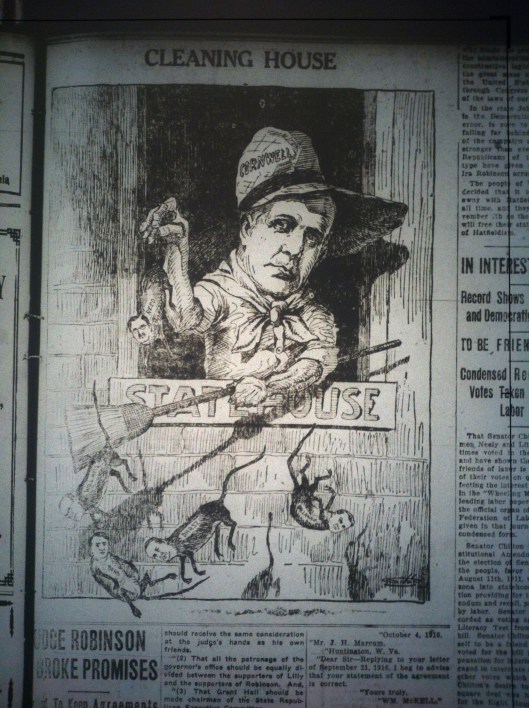
Cornwell Political Cartoon LD 10.26.1916

Logan (WV) Democrat, 16 October 1916. Narrowly elected in 1916, Mr. Cornwell served as the fifteenth governor of West Virginia (1917-1921).

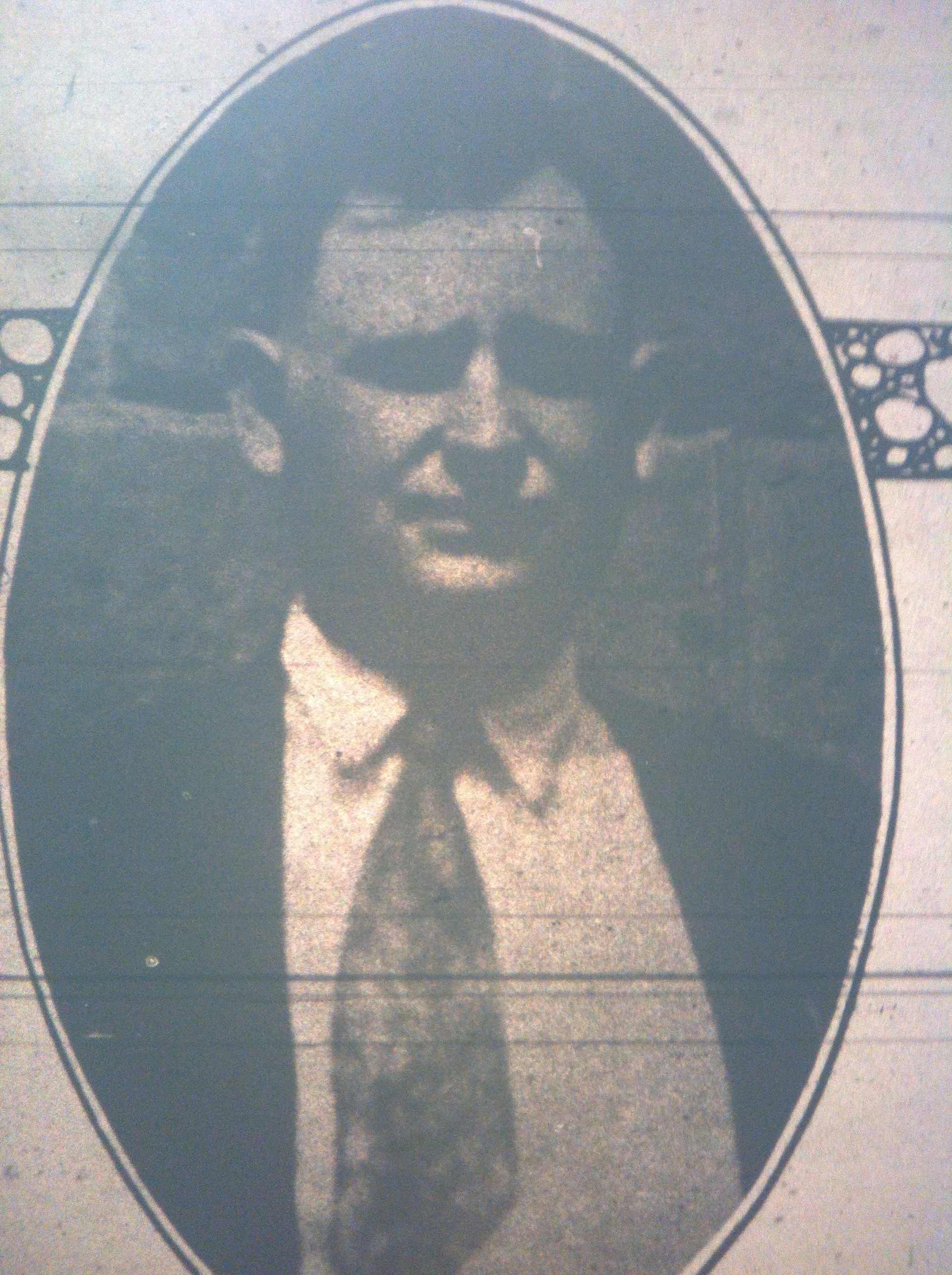
Cornwell Image LD 11.09.1916

Logan (WV) Democrat, 9 November 1916. Mr. Cornwell served as governor during World War I.

Fore more history about Governor Cornwell, visit this site: https://www.wvencyclopedia.org/articles/1604

Tennis Hatfield (1926)

02 Saturday Dec 2017

Posted by Brandon Ray Kirk in Hatfield-McCoy Feud

≈ Leave a comment

Tags

Appalachia, genealogy, history, Logan Banner, Logan County, photos, politics, Republican Party, sheriff, Tennis Hatfield, West Virginia

Tennis Hatfield Photo LB 10.08.1926 2.JPG

Logan (WV) Banner, 8 October 1926.

Republicans Driven from Logan County by Gunmen (1914)

01 Friday Dec 2017

Posted by Brandon Ray Kirk in African American History, Logan

≈ Leave a comment

Tags

African-Americans, Appalachia, coal, Con Chafin, crime, Democratic Party, deputy sheriff, Don Chafin, E.T. England, guitar, Guyandotte River, Herald-Dispatch, history, Huntington, Ira P. Hager, John B. Wilkinson, Ku Klux Klan, lawyers, Logan, Logan Banner, Logan County, mine guards, O.J. Deegan, politics, prosecuting attorney, Republican Party, sheriff, timbering, W.C. Lawrence Jr., West Virginia

From the Herald-Dispatch of Huntington, WV, comes this story printed by the Logan Banner of Logan, WV, dated October 30, 1914:

Republican Voters Driven from Co. by Gunmen

Deputy Sheriffs, Acting as Mine Guards, Are the Law and Enforcement Thereof.

Many Believe Martial Law Will be Sequel to Rule of Thugs.

Democratic schemes for the intimidation of Republican voters, for the prevention of a Republican victory in the state next Tuesday, whether by fair means or foul, have reached their climax in Logan county. If there is a place in West Virginia where lawlessness has succeeded law and order, where the persons chosen to enforce the law have initiated a system of rule by force and intimidation, a rule by force of clubs and pistols, a rule by thugs and gunmen, that place is Logan county.

A thorough investigation of conditions in Logan county today proves that the Ku Klux Klan in the south were mere pikers. There are men in Logan county who could beat them blindfolded.

The man, woman or child who would enjoy life–aye, who are willing to accept life or pass through Logan county, must be careful not to cross the paths of Sheriff Don Chafin and his force of about two hundred armed deputies.

And it can be truthfully said that the paths of these men extend to every nook and corner of the county. And several newly-made graves along the banks of the Guyandotte river and its tributaries shows who is the law and the enforcement thereof.

Several men have been shot, two negroes fatally, others have been clubbed and driven out of the county, women and children have been forced to flee clad only in their night-clothes, upon order of the Chafin deputies.

And all this because some Republicans desired to be registered in order that they might cast their votes for the Republican candidates next Tuesday.

Logan county is about to throw off the yoke of Democracy. The coal and lumber industries are rapidly being developed, and, as is always the case in progressive communities, the Republicans are making large gains.

If the voters of Logan county are allowed to cast their ballots as they desire, and those ballots are counted as cast, the Republican candidates will be elected.

If the conspiracy which has been formed by and in the interest of the Democrats is allowed to be carried out, the Democrats will continue in control of the county, the enforcement of law will be a mere joke and there will be probably a score added to the newly made graves along Old Guyan after next Tuesday.

Opinions vary as to what the outcome will be. Some believe that only martial law will prove a solution. Others are of the opinion that conditions will grow gradually worse and that the enforcement of law and order in Logan county will be a subject for investigation by the next legislature which convenes in January. Most certainly, if the threats of the Democrats are carried out, the Republicans are driven from the polls next Tuesday, the legislature will be asked to make a sweeping investigation and their findings will reveal conditions incredible in a civilized state.

Don Chafin is high sheriff of Logan county. His cousin, Con Chafin is prosecuting attorney. All the county officials are Democrats. Circuit Judge Wilkinson is a Democrat, though a man who wants the law enforced.

Sheriff Chafin, it is estimated, has about two hundred deputies. When he was elected, a part of his platform was that he would drive out the Baldwin mine guards from Logan county. No Baldwin men are known to be in this county now but these deputy sheriffs are known as mine guards. All of them are supposed to be armed with pistols, black-jacks and the usual weapons of gunmen. But few of them are licensed to carry such weapons and there is no trouble to find evidence that they have these weapons in violation of the law. Some of them are known to be ex-convicts and as such would not be licensed to carry revolvers, etc.

They shoot, club, slug and thug at will. But they are not arrested and imprisoned. For they are the law and the enforcement thereof.

Events of the past few weeks show the effectiveness of this organization of deputies and the way in which they operate. When the registrars were on their rounds registering the voters some of the deputies were on hand and even the Democratic registrars were afraid not to obey their orders. To go back further, they were on hand at the Democratic primaries and the Democratic nominees were the men of their choice and of that of their chief.

The Democratic registrars refused to register many Republicans, especially among the colored voters. When the county commissioners met to canvass the registration, four Republican lawyers State Senator E.T. England, Ira P. Hager, W.C. Lawrence, Jr., and O.J. Deegan, the latter being Republican county chairman, took the lead to see that Republicans entitled to vote were registered. One hundred colored voters were brought into Logan for examination and registration.

Threats have been made by deputies against the journeying of negroes to the court house, there to demand their rights, and the republican leaders realized there was danger.

The work before the county court was slow, as the democratic leaders challenged every step of the republicans. But eleven men were passed upon the first day, five of whom were registered, six turned down. That night the apparent cause for delay came. A colored family lived at Monitor, a mile from the court house. It was supposed that some of the negroes awaiting registration were there. This gave the conspirators a chance and the gunmen got busy.

Soon after dark a band of armed men raided the house, shot out the windows, fired bullets into bodies of two colored men, beat up others and drove a woman and child into the hills without giving them time to dress. The raiders said they were looking for “strange niggers.” As the result of that raid one colored man lies in an unmarked grave on the hillside and another is likely to join him soon. No “strange niggers” were in that house.

A colored man owned a cleaning and pressing establishment within a couple of squares of the court house. His windows were demolished and his place of business next morning looked as though a German siege gun had been turned on it.

A score of colored men awaiting registration were quartered for the night in the office of Senator England, and adjoining offices. About 11:30 o’clock at night some of the negroes were awakened by noises in the hallways and a sensation of not being able to breathe. They rushed to the windows and threw them open, but met with a shower of stones from the outside.

Piled on Senator England’s desk can be seen the stones hurled with force as is shown by the scars on the walls. Some of the stones were thrown from the court house steps.

No arrests were made. A grand jury was in session and Judge Wilkinson instructed the jurors to ferret out the dastardly assault and bring the miscreants to justice. But not an indictment resulted. It is no mystery in Logan as to who committed the deed. Any citizen not afraid to talk, and they are few, will name half a dozen deputy sheriffs as being in the party.

A telephone exchange girl next door to where some of the negroes were attacked made an outcry and was told that she would not be hurt if she kept still. She knows who told her to keep quiet, but would hardly give his name, probably not if she faced a jail sentence for contempt of court. It is not safe to talk in Logan county. “Don’t mention my name,” is what they all say when discussing the outrages.

A short distance from Logan is a construction camp. A large crowd of deputies raided the camp. One negro was playing the guitar and singing. No “strange niggers” were found there, but the one negro sang his last song. He, too, lies in an unmarked grave along the banks of Old Guyan. “Resisting arrest” was the excuse given.

Such depredations naturally drove many colored voters away and they will not vote.

Though threats have been made against the life of Senator England and his followers, they are putting up a game fight. By agreement the county court was to hold a night session to get through with the registration. England was later notified that nothing further would be done that night but the work would be taken up the next day he was amazed to find the court was no longer sitting. He went before Judge Wilkinson, mandamused the county court to sit again, and got ninety-eight colored voters registered.

The democrats were beaten in that game. “What’s the difference,” said a deputy when the court reconvened. “We will get them election day.” It has been openly boasted by the democrats that in many precincts the republicans, especially the colored voters, will not be allowed at the polls next Tuesday.

The sheriff and his deputies form an organization with unlimited power. Every little town or village, every public works, has the deputies. By intimidation and force in most instances and by favors in others, these deputies can run things to suit themselves. Infractions of the law by supporters of the organization can easily be overlooked, while on the other hand, the slightest technical violation can be punished to the full extent of the law.

The high-handed way in which the Democratic county organization is running things has caused a ruction in the Democratic ranks and many of them will quietly vote the Republican ticket. Many members of the old-time militant Democracy, some of them ex-Confederate soldiers, have assured the Republican leaders that they can no longer approve the Democratic methods employed in Logan County and will record their votes against it.

Vote for Don Chafin (1912)

08 Wednesday Nov 2017

Posted by Brandon Ray Kirk in Logan

≈ Leave a comment

Tags

Appalachia, Democratic Party, Don Chafin, history, Logan County, Logan Democrat, politics, sheriff, West Virginia

Vote for Don Chafin LD 10.31.1912 2.JPG

Logan (WV) Democrat, 31 October 1912.

Joel E. Stollings Obituary (1897)

24 Tuesday Oct 2017

Posted by Brandon Ray Kirk in Boone County, Logan

≈ Leave a comment

Tags

Appalachia, Aubrey Stollings, Boone County, Boone Court House, Democratic Party, Ethel Stollings, genealogy, history, Joel E. Stollings, Logan County Banner, Madison, merchant, Opie Stollings, Pearl Stollings, politics

Joel Stollings obit LCB 10.02.1897 1.JPG

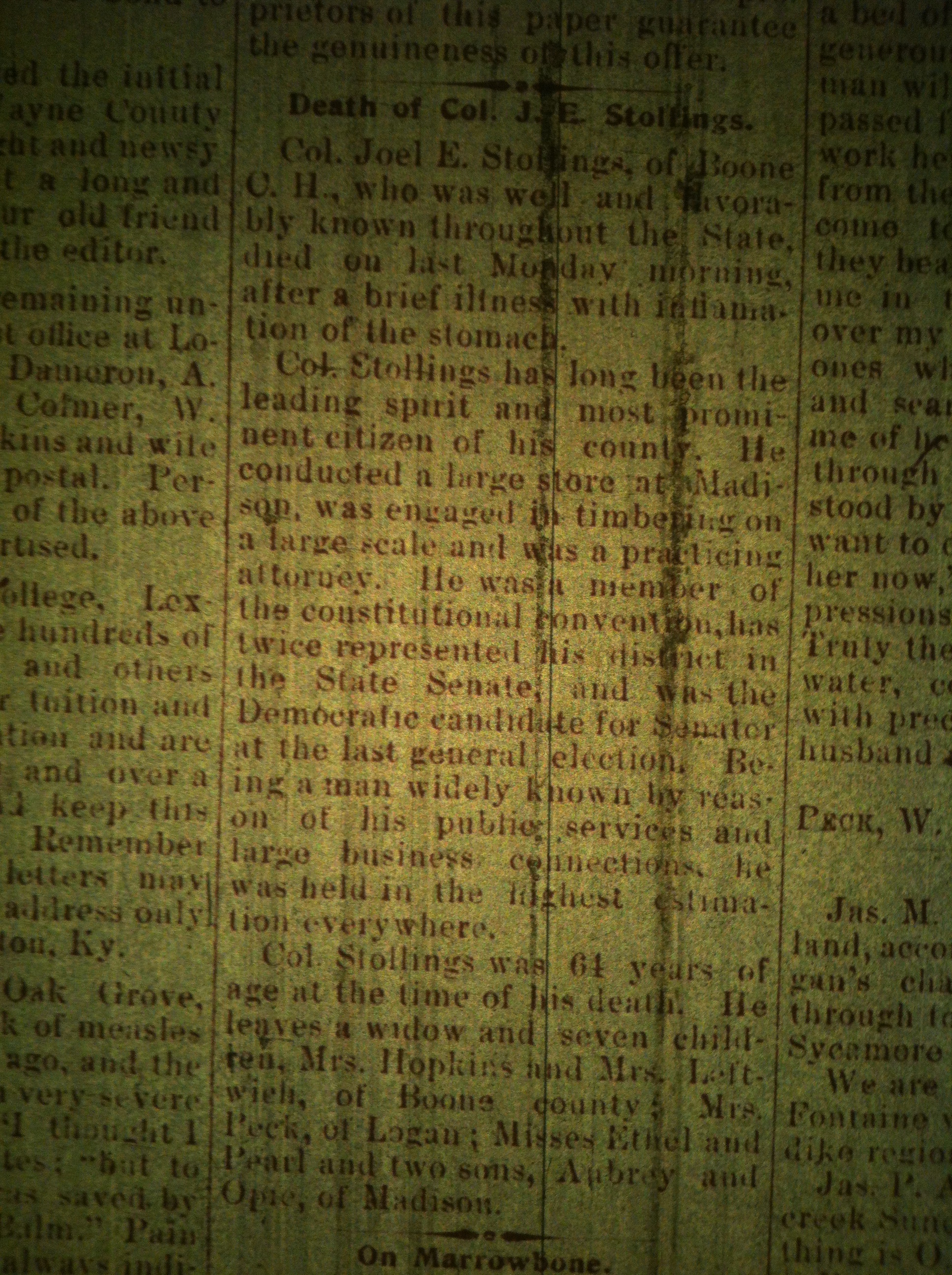
Col. Joel E. Stollings, of Boone C.H., who was well and favorably known throughout the State, died on last Monday morning, after a brief illness with inflammation of the stomach.

Col. Stollings has long been the leading spirit and  most prominent citizen of his county. He conducted a large store at Madison, was engaged in timbering on a large scale and was a practicing attorney. He was a member of the constitutional convention, has twice represented his district in the State Senate, and was the Democratic candidate for Senator at the last general election. Being a man widely known by reason of his public services and large business connections, he was held in the highest estimation everywhere.

Col. Stollings was 64 years of age at the time of his death. He leaves a widow and seven children, Mrs. Hopkins and Mrs. Leftwich, of Boone county; Mrs. Peck, of Logan; Misses Ethel and Pearl and two sons, Aubrey and Opie, of Madison.

“Col. Joel E. Stollings,” Logan County Banner (Logan,WV), 2 October 1897.


Democratic Party Editorial in Logan County, WV (1916)

21 Saturday Oct 2017

Posted by Brandon Ray Kirk in African American History, Logan

≈ Leave a comment

Tags

Abraham Lincoln, Appalachia, Democratic Party, Henry D. Hatfield, history, Logan, Logan Banner, Logan County, Logan Democrat, politics, Republican Party, West Virginia

From the Logan Democrat of Logan, WV, we find the following editorial dated February 24, 1916:

CONFESSION!

The following was prominently displayed in fourteen point type under the bold, three-column heading, “What Does It Profit a Young Man to Be a Logan County Democrat?” on the front page of the Logan Banner last week. We cheerfully aid in giving it the widest possible publicity and commend its careful reading to all of the conscientious and thoughtful citizens of Logan county:

“To the young men of Logan county, who are to cast their first vote this year and hereafter participate in the political life of the commonwealth:

“For Forty Years Logan county has given stupendous democratic majorities. It has always had the largest percent of democratic votes of any county in the state.

“Logan county has never been recognized by the Democratic party by awarding any one of its citizens a nomination upon the state ticket.

“Logan county Democracy has never had a member of the state committee.

“Not one of its citizens holds an appointment under the national administration other than postmasters of the local offices.

“You, as a Democrat, are just voted like dumb cattle.

“In the Democratic organization of Logan county the highest achievement to be obtained by ambitious youth is to become a deputy sheriff with a tin badge and a gun.

“The Republican party welcomes the vaulting ambition of youth.

“It meets young men on the first round and lifts them higher.

“Logan county Republicans have a voice and exert a powerful influence in the councils of the party in the state.

“It dwindled the Forty Years of Huge Democratic Victories in Logan county to the necessity of a recount in the election two years ago.

“This year the Democratic Hurrah and Horrors will be as naked as Robinson Crusoe’s summer underwear.

“Choose which primary you will go into.”

“Honest confession is good for the soul.” But, whoever expected anything honest from the source from which the foregoing sprung? Yet there it is, and seeing is believing, and we have no choice other than to congratulate the author of the superlative exposure of the designs and ambitions of the so-called Republican organization of Logan county.

Public office, spoils, graft, gratification of personal desires and ambitions, such is the bait brazenly held out in the effort to tempt good men to desert principle and aid in the maintenance of the most corrupt political organization known under the sun, the state Republican machine and its Logan tentacle. The implied promise may be within the Corrupt Practices act, but never was there a more damnable attempt to influence or corrupt voters than The Banner’s public solicitation.

Logan has never had a citizen on the state Democratic ticket; never had a delegate to a national convention; none of its citizens holds an appointment other than postmasters, etc., says the Banner. Undoubtedly true. But for fifty years the Democrats of Logan county along with those throughout the country have battled for something that they prized and still prize far more than self-advancement and this Principle.

How many Presidents has the Democratic party had in fifty years? How many Democratic governors has the state of West Virginia had in the past 20 years? But, has the rank and file of the Democratic party of the nation or state wavered in its allegiance to principle? Not that you could notice it; it has fought steadily on in the face of repeated failure, and discouragement and was finally crowned with a glorious success in the nation in the year 1912, and it is now strongly entrenched and fully prepared to turn the rascals out of the West Virginia state house in the year 1916. The Banner can read the signs, and its outrageous plea for succor is a forcible admission that its organization is in dire distress and will go the limit for votes. Votes to carry on the nefarious work of an organization that has bankrupted the state and sullied its reputation; votes to keep in office the plunderers who have done nothing but feed from the public trough from time immemorial and would not know how to work if cast adrift; votes to maintain a system of subsidized newspapers to outrage the public while at the same time subsisting from public funds lavishly distributed through administrative favor. It is obvious that the Banner is correct when it asserts that its organization, posing as the Republican party, can feed its swine. There is no room for argument on that score; but, where is the honest man of principle that wants that kind of success? He is not in the Democratic party, whether he be young or old, about to cast his first vote or his last this year.

The Banner boasts that Logan county Republicans exert a powerful influence in the councils of the party in the state. No they don’t, and the Banner knows it lies when it says they do. The Republicans of Logan county have no more influence in their so-called party affairs than the editor of the Democrat has with Hatfield, et al. The true Republicans of Logan county are a negligible quantity when it comes to influence, but the so-called Republicans who wear the administration, stand-pat collar, who dictate the policies and the utterances of the Banner, and who are in the political game to rule or ruin are high with the powers that be, but so far as can be noticed they have never let anything get away from them that was at all valuable or that they could use. The very existence of the Banner is a testimonial to the selfishness and applications of this little coterie to whom principle is an unknown quantity and the dough bag and preferment the swaying elements of their lives.

Principles not spoils nor selfish ambition sway the Democratic voter, and one of his foremost principles is directed against this very system of corruptness that the Banner so valiantly expounds as good Republican doctrine. Reduced to the naked truth, the battle of ballots in the state of West Virginia for the past 12 years has been between Democrats and Grafters, the Republicanism of Lincoln has long since been routed out. Democrats vs. Graft, and up to this time Graft has won, but the battle is to be renewed with increased vigor next November and w hen the smoke has cleared away there is every indication that at last Right will have come into its own.

The Banner’s closing paragraph is worthy of another repetition: “Choose which primary you will go into.” Yes, choose! But be not too hasty. Consider well the situation from every angle. If you are a Republican in principle, and you can discover any Republican principle in the organization posing as that of your party in the county or state, do your duty; if you are a Democrat in principle now is the time of times to assert yourself and your manhood, without thought of personal advancement or selfish ambition, but for the satisfaction of assisting in achieving the goal of Democratic ambition, the betterment of the condition of all the people.

Democrats will be confronted this fall with a condition that will take concerted action and shoulder-to-shoulder advance to successfully combat. Negroes, the secret of the Banner’s boast of reduced Democratic majorities in Logan county, will be voted in increased numbers and every artifice and design, legitimate or otherwise, that can be devised will be used to stay the tide of public indignation and resentment against Republican gang politics, so it behooves all true party men to stand-pat and go into the fight prepared to battle for and with his neighbor of the true faith for the common wealth.

Republicans to Invade Chapmanville District (1926)

02 Monday Oct 2017

Posted by Brandon Ray Kirk in African American History, Chapmanville, Logan

≈ Leave a comment

Tags

A.B. Eubanks, Appalachia, assessor, Chapmanville District, Charles Ritchie, Cole Hatfield, constable, county clerk, Democratic Party, E.R. Chapman, E.T. England, G.R. Claypool, history, Ira Hager, J.G. Hunter, James French Strother, Joe Buskirk, Johnny Pack, Lloyd P. Hager, Logan, Logan Banner, Logan County, Naaman Jackson, Noah Browning, politics, Republican Party, Superintendent of Schools, W.N. Bechtel, West Virginia

From the Logan Banner of Logan, WV, we find the following story dated September 10, 1926:

Groundwork for an energetic campaign was laid at a meeting of the candidates, committeemen and other party leaders and workers at a meeting held in Republican headquarters Wednesday afternoon. For more than two hours there was a frank discussion of local political conditions. Every appeal for party harmony–and these appeals came from all quarters–was greeted with applause and called forth unreserved pledges of loyalty to the whole ticket. Those present declare that so convincing was the evidence of a general determination to lay aside past differences about candidacies and party management that during the meeting and afterward predictions were advanced that the Republicans would carry the county by not less than 2,000 and more probably by 3,000. After the general meeting, local candidates and members of the committee met to formulate plans for the campaign. As a result of these meetings, it may be announced that this year the Republican campaign will be extended into every district. For the first time in the party’s history Chapmanville district is to be considered part of the battle-ground. That old Gibraltar of the Democracy is to have an opportunity at last, it is asserted, to hear both sides.

E.T. England, former attorney general and now the Republican nominee for representative in congress from the Sixth district, opened the general meeting by a fervent appeal for harmony and a whole-hearted effort in behalf of every candidate from Congressman James French Strother to Johnny Pack, candidate for constable. Notwithstanding his own candidacy, he declared that nothing interested him more in a political way than to see Logan county definitely fixed in the Republican column. “I have no personal interest at stake here,” he said, “yet if you think I’m needed at any time in the campaign let me know and I’ll come if it is possible. But you won’t need my services. All that is necessary to do is to go to the people and tell them in detail of what a Republican county court, a Republican sheriff, and a Republican assessor and magistrates have done; and then contrast that record with the record of the Democratic machine.” Until there was a political change in the administration of affairs, General England pointed out, the casual meeting of three or more Republicans on the street was considered by the authorities as an unlawful assembly. “Remind the people of the greater measure of liberty now, accorded to every man,” he advised. “Explain so all can understand that a Republican regime has lowered taxes, in spite of a reduced valuation of property for taxation purposes. It was the first time the taxpayers’ interest had been served; in fact for many years the subject of economy was never mentioned in Logan county.”

G.R. Claypool, chairman of the county committee, presided at the meeting and called on representatives of every element and of every section to discuss the party’s problems and prospects. Each speaker was able to present some new thought concerning the situation and as the meeting progressed enthusiasm waxed steadily higher. A climax was reached near the close of the session when Ira Hager, after adverting the registration figures showing a Republican margin of about 1,800, turned to General England and said: “You need not be troubled by the situation here; Logan county will give a Republican plurality of 3,000 all along the line.” Charles Ritchie, law partner of General England and a former assistant attorney general, recalled the court battle involving title to county offices in which he participated and commended Republican officials on the basis of reports he had received as to the record they are making. “No matter how earnestly you may have differed in the primary, you should abide by the expressed will of the majority,” he admonished. Senator Naaman Jackson urged the prompt discarding of minor grievances and differences tot he end that a vigorous canvass might be waged and a substantial victory won on November 2. Rev. A.B. Eubanks, introduced as one who had been made to feel the ruthless power of the Democratic machine, told of the interest of the colored voters in the impending contest.

Among others who spoke briefly were Joe Buskirk, candidate for county clerk; Noah Browning, candidate for county superintendent of schools; County Assessor J.G. Hunter; Cole Hatfield, Lloyd P. Hager, City Treasurer Nowlan, E.R. Chapman, Mr. Claypool, and W.N. Bechtel, who said he had been a member of the county committee for 30 years.

Source: “Republicans Form Plan for Spirited Campaign This Fall: Purpose to Invade Chapmanville Dist.,” Logan (WV) Banner, 10 September 1926.

Booze and Money for Logan County (1914)

16 Wednesday Aug 2017

Posted by Brandon Ray Kirk in Logan

≈ Leave a comment

Tags

Appalachia, history, Logan, Logan Banner, Logan County, politics, West Virginia

From the Logan Banner of Logan, West Virginia, dated October 23, 1914, we find this editorial:

“Politicians of Logan County are accused by citizens of other counties, and it can be heard in our own county, too, that there is never an election where officers for the county offices are to be elected that a great deal of liquor and money is not used for the purpose mostly of buying votes. If this accusation is true and we believe it is, limited to the August election, the good citizens of this county ought to bring every iota of influence which they may have to bring such an iniquitous and unlawful practice to the bar of justice. A candidate who buys his way into office is dishonest through and through, and is not fit to represent the people in the most trivial matter. A grand jury would do the most noble service for this county if it would be the means of bringing before the court for trial offenders of this type. Already it is being mentioned that a great deal of money will be used in the coming election, mainly for the purpose of buying votes and buying WHISKEY with which to buy votes.

“West Virginia was voted dry on last July 1st, and while our laws do not prohibit liquor from being brought into the State it certainly does prohibit the giving away of it or the selling of it in this State; and every one knows that our late law was not required to make the use of it on election day, for the purpose of influencing votes, illegal. This paper intends to let people know, if the astuteness of those indulging in this phase of illegality does not make it impossible to get the information, just who are the offenders, and just what candidate was the one to profit by such insidious practice. We except candidates from no party.”

Republican Registration Majority in Logan County, WV (1926)

17 Wednesday May 2017

Posted by Brandon Ray Kirk in Chapmanville, Logan, Man

≈ Leave a comment

Tags

Appalachia, Democratic Party, history, Logan, Logan Banner, Logan County, Logan Democrat, politics, Republican Party, West Virginia

Republican Majority in Logan LB 07.13.1926 1

Logan (WV) Banner, 13 July 1926.

Republican Majority in Logan LB 07.13.1926 2

Logan (WV) Banner, 13 July 1926.

Congressman Edward T. England of Logan, WV

11 Tuesday Apr 2017

Posted by Brandon Ray Kirk in Logan

≈ Leave a comment

Tags

Appalachia, attorney general, Attorney Generals Association, Edward T. England, history, Logan, Logan County, mayor, politics, Republican, senator, U.S. Congress, West Virginia

Edward T. England

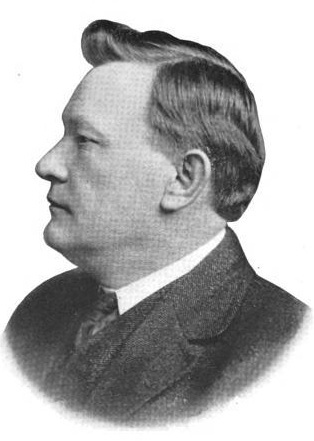
Edward T. England (1869-1934) was a prominent Republican politician in Logan, West Virginia. Mr. England settled in Logan in 1901 and was elected mayor in 1903. He served as a state senator from 1908 to 1916. In 1915, he was chosen senate president. Mr. England served as West Virginia Attorney General from 1917 to 1925. In 1923, he was chosen president of the Attorney Generals Association. From 1927 to 1929, he served as U.S. Congressman.

Joseph E. Chilton

11 Tuesday Apr 2017

Posted by Brandon Ray Kirk in Hamlin, Lincoln County Feud

≈ Leave a comment

Tags

Appalachia, Blood in West Virginia, Boone County, Charleston, Charleston Gazette, Coal River, genealogy, governor, Gretna, Hamlin, Henry H. Hardesty, history, Jacob B. Jackson, Joseph E. Chilton, Kanawha County, Kanawha Ring, Kuna and Walls, lawyer, Lincoln County, Louisiana, Mary Elizabeth Chilton, Pelican Publishing Company, politics, prosecuting attorney, teacher, West Virginia, West Virginia University, William Edwin Chilton

From “Hardesty’s History of Lincoln County, West Virginia,” published by H.H. Hardesty, we find this entry for Joseph E. Chilton, who resided at Hamlin in Lincoln County, West Virginia:

Was born at the mouth of Coal river, Kanawha county, (now) West Virginia, December 6, 1855, and came to Lincoln county in 1878. He is a son of William Edwin and Mary Elizabeth (Wilson) Chilton. Joseph E. Chilton taught in the public schools of Kanawha county, West Virginia, five years, two years of which were spent in Charleston. He read law in the office of Kuna and Walls while teaching, and at the age of twenty-one was admitted to the bar. In 1880 he was elected prosecuting attorney of the counties of Lincoln and Boone, West Virginia, which office he still holds. Mr. Chilton is a regent of West Virginia University, having been appointed by Gov. Jackson in October, 1882.

Source: The West Virginia Encyclopedia, Vol. 7 (Richwood, WV: Jim Comstock, 1974), p. 109.

NOTE: Mr. Chilton briefly appears in my book, Blood in West Virginia: Brumfield v. McCoy. For more on the very important Chilton family, follow this link: https://www.wvencyclopedia.org/articles/1167

Gov. George W. Atkinson

18 Wednesday Jan 2017

Posted by Brandon Ray Kirk in Huntington

≈ Leave a comment

Tags

Appalachia, George W. Atkinson, governors, history, Huntington, Huntington Advertiser, New York Sun, political cartoons, politics, Republican Party, trusts, West Virginia

gov-atkinson-trust-octopus-09-19-1899-1

“Gov. Atkinson and the Trust Octopus,” Huntington (WV) Advertiser, 19 September 1899. For more on Gov. Atkinson, follow this link: http://www.wvencyclopedia.org/articles/308


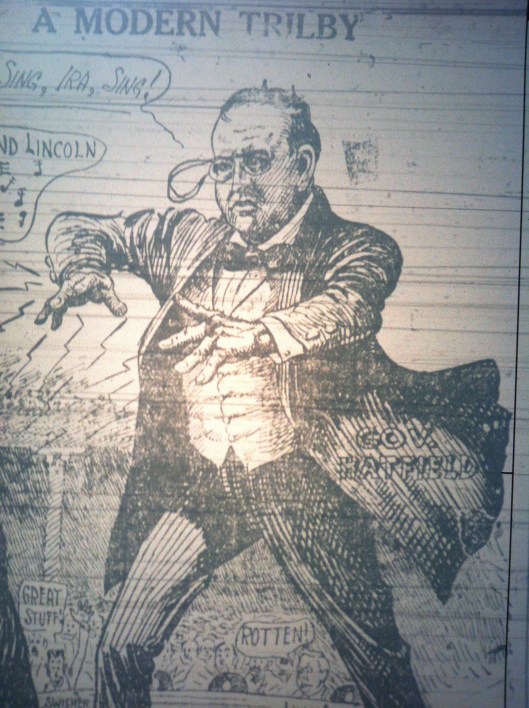
Governor Henry D. Hatfield (1916)

13 Sunday Nov 2016

Posted by Brandon Ray Kirk in Logan

≈ Leave a comment

Tags

Appalachia, Henry D. Hatfield, history, Logan, Logan Democrat, politics, West Virginia

gov-hatfield-ad-ld-10-12-1916

Logan (WV) Democrat, 12 October 1916.

Frank Desoer (2016)

25 Tuesday Oct 2016

Posted by Brandon Ray Kirk in Logan

≈ Leave a comment

Tags

Appalachia, Brandon Kirk, Canada, Frank Desoer, history, Logan, Logan County, Montreal, politics, radio, Southern West Virginia Community and Technical College, West Virginia

img_1041

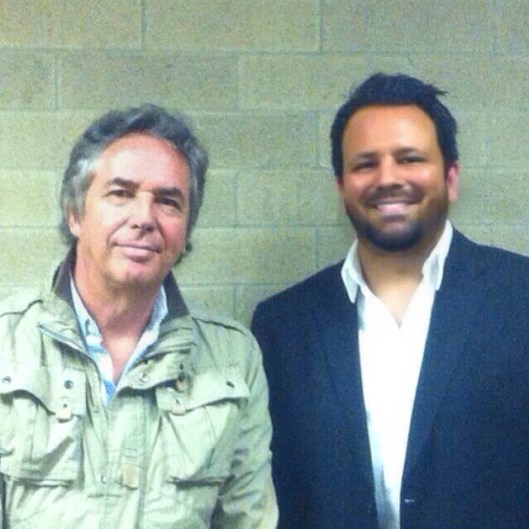
I recently met Montreal radio journalist Frank Desoer, who traveled to Logan, WV, to explore political trends in my part of Appalachia. Mr. Desoer and I enjoyed a two-hour conversation about Logan County’s political history and culture. My hope is that he found his story. 13 October 2016.

The New Yorker (2016)

06 Thursday Oct 2016

Posted by Brandon Ray Kirk in Chapmanville, Ferrellsburg, Logan

≈ 3 Comments

Tags

317 Steak House, Alec Soth, Anthony Adams, Appalachia, Brandon Kirk, cemeteries, Chapmanville, culture, Ferrellsburg, Galen Fletcher, Harts Creek, history, In the Heart of Trump Country, John Hartford, Larissa MacFarquhar, Lincoln County, Logan, Logan County, politics, Squire Sol Adams, West Virginia

John Hartford introduced me to The New Yorker magazine in the mid-1990s. “I need to get you a subscription to The New Yorker,” he told me several times. John had become familiar with the magazine as a youth. His parents were regular subscribers to the magazine; they encouraged him to read it because, they said, it contained the absolute best writing available. John told this story several times and I could tell by the way he retold it that he believed it to be true. In fact, after reading multiple issues (mostly John’s issues at the house, but also complimentary issues I spotted in medical offices), I agreed that, yes, The New Yorker did in fact contain the best writing available. Once I discovered Truman Capote’s In Cold Blood, unquestionably the greatest true crime book ever written, and learned The New Yorker had frequently printed Capote’s writing, my love for the magazine became unshakable. For these reasons, and others, I am delighted to have made a small contribution to Larissa MacFarquhar’s story, “In the Heart of Trump Country,” published by The New Yorker on October 10, 2016. The opportunity to contribute to a New Yorker story, much less to appear in The New Yorker, is an honor.

You can read Larissa’s exceptionally well-composed piece by following this link:

http://www.newyorker.com/magazine/2016/10/10/in-the-heart-of-trump-country

Prior to the story, Larissa approached me (and other locals) about her desire to write a piece at least partly involving recent political developments in Logan County, West Virginia. I agreed to assist Larissa in whatever way I could for several reasons: I wanted to welcome her to my section of Appalachia, I wanted to be helpful, I wanted her story to succeed, I wanted her readers to better understand my region, I’m always anxious to discuss my region’s rich history… Larissa and I corresponded via email about general political history in Logan County, then enjoyed a memorable two-and-a-half-hour conversation at 317 Steak House in Logan. I liked her right away. I like her more after reading her story.

Larissa is an accomplished professional writer. You can read more about her impressive credentials by following these links:

http://www.newyorker.com/contributors/larissa-macfarquhar

https://www.theguardian.com/books/2015/oct/17/larissa-macfarquhar-interview-people-think-im-a-total-freak-for-not-using-the-first-person

It was likewise pleasurable to meet photographer Alec Soth and his assistant, Galen Fletcher, who visited Logan, Chapmanville, Ferrellsburg, and Harts Creek, in order to capture images pertinent to Larissa’s story. Alec took a few photos of me in Ferrellsburg, one of which ultimately appeared in the story, then spent a hot evening taking a ton of photos at one of my favorite Harts Creek cemeteries (the Anthony Adams Family Cemetery) and a nearby historic log cabin (Squire Sol Adams residence).

You can find out more about Alec by following these links:

http://alecsoth.com/photography/

https://pro.magnumphotos.com/C.aspx?VP3=CMS3&VF=MAGO31_10_VForm&ERID=24KL532_M

He even has a Wikipedia entry!

https://en.wikipedia.org/wiki/Alec_Soth

These were nice folks. If they ever visit your part of the world, welcome them.

.

Recollections of the 1856 Presidential Election, Cabell County, WV

05 Monday Sep 2016

Posted by Brandon Ray Kirk in Salt Rock, West Hamlin

≈ Leave a comment

Tags

alcohol, Appalachia, Cabell County, Democratic Party, education, Election of 1856, Enon Church, Falls of Guyan, From Youth to Old Age, history, James Buchanan, John C. Fremont, Lincoln County, politics, Republican Party, Salt Rock, Saton Rowsey, schools, Thomas H. Perry, Tylers Creek, West Virginia

About 1910, Rev. Thomas H. Perry reflected on his long life, most of which was spent in the vicinity of Tylers Creek in Cabell County, West Virginia. In this excerpt from his autobiography, Mr. Perry recalled the 1856 presidential election as it occurred near the Falls of Guyan and his early education:

When I was eleven years old I went to my first election; in 1856. James Buckhanan [sic], democrat, and John C. Fremont, republican, were the candidates for president, and as I could not vote, I did not take much interest in politics. I wanted to see how and what they did at elections.

The election was held in a store building, two miles below the falls of the Guyan river, now Lincoln county. The first thing I noticed was a barrel of whiskey standing upon a large tree, the head of the barrel being out, and large tin cups were hanging on nails that were driven into the side of the barrel. The whiskey was free for everybody and strange to say, but one out of that three or four hundred men who drank that whiskey that day, was drunk, and he thought he would die, and he began to beg the people to pray for him. Some said: “Let him died; a man that would make a dog out of himself and get drunk because the whiskey was free, was not fit to live.” But one man said: “I will pray for him.” He kneeled by the side of the drunk man and shut his eyes and raised his hand. I thought I never heard such a prayer in all my life as that man offered for the drunk man. It made me tremble to see the drunk man and hear the other men pray. During the prayer I resolved that I would never get drunk, which vow I have kept to this day. I never saw but few drunkards in my boyhood days. They were considered a low class of people, and ruled out of society. In those days the surplus peaches and apples were made into brandy, and as you could buy pure whiskey for twenty-five cents per gallon by the barrel, it was so cheap and plentiful the people did not have such a craving for it. In my neighborhood it was generally used in moderation. It was not the great evil of the day as it is now. The great evil of intemperance, in my opinion can only be overcome by freedom and moral suasion.

As I do not want to lose sight of the election: I went to the end of the store house where there was a window and a voter came to the window and took his hat off and gave his name to commissioners of the election. Commencing at the head of the ticket, one of the judges asked the voter who he would vote for, clear through the ticket. So we all knew who the voter voted for, from one end of the ticket to the other. I like that way of voting as there are less frauds in elections held that way than there are with the secret ballot. I think it was in 1856 a Mr. Howard made up a large school and taught it in Enon church. Mr. Howard had a great name as a teacher and the young people came for miles to this school.

The commissioners contracted with Mr. Howard to teach in this school the poor children of the district. This did not please some of our young people. They said this would be going to school with paupers, but when they found that the law of Virginia required the teacher who received the free school fund to teaching reading, writing, arithmetic, English, grammar, geography, state and U.S. history and the elements of physical science, and such other higher branches as the school might direct, they saw  if Mr. Howard could teach all these branches he was a good scholar and they said nothing more.

Mr. Saton Rowsey was our next teacher. He was said to be a hustling teacher. In my ten years schooling before the war I had seven teachers, in the three years after the war, three teachers–ten in all. Dr. Bias taught the last school I attended. He was about twenty years old and I was about thirty. He was considered a fine instructor. He is now practicing medicine in the west. I always felt that pupils should have the greatest respect for their teachers.

Source: From Youth to Old Age by T.H. Perry, Chapter 3, p. 11-12. Note: At the time of the 1856 presidential election, Cabell County yet remained a part of Virginia.

← Older posts
Newer posts →

Feud Poll 1

If you had lived in the Harts Creek community during the 1880s, to which faction of feudists might you have given your loyalty?

Categories

  • Adkins Mill
  • African American History
  • American Revolutionary War
  • Ashland
  • Atenville
  • Banco
  • Barboursville
  • Battle of Blair Mountain
  • Beech Creek
  • Big Creek
  • Big Harts Creek
  • Big Sandy Valley
  • Big Ugly Creek
  • Boone County
  • Breeden
  • Calhoun County
  • Cemeteries
  • Chapmanville
  • Civil War
  • Clay County
  • Clothier
  • Coal
  • Cove Gap
  • Crawley Creek
  • Culture of Honor
  • Dingess
  • Dollie
  • Dunlow
  • East Lynn
  • Ed Haley
  • Eden Park
  • Enslow
  • Estep
  • Ethel
  • Ferrellsburg
  • Fourteen
  • French-Eversole Feud
  • Gilbert
  • Giles County
  • Gill
  • Green Shoal
  • Guyandotte River
  • Halcyon
  • Hamlin
  • Harts
  • Hatfield-McCoy Feud
  • Holden
  • Hungarian-American History
  • Huntington
  • Inez
  • Irish-Americans
  • Italian American History
  • Jamboree
  • Jewish History
  • John Hartford
  • Kermit
  • Kiahsville
  • Kitchen
  • Leet
  • Lincoln County Feud
  • Little Harts Creek
  • Logan
  • Man
  • Matewan
  • Meador
  • Midkiff
  • Monroe County
  • Montgomery County
  • Music
  • Native American History
  • Peach Creek
  • Pearl Adkins Diary
  • Pecks Mill
  • Peter Creek
  • Pikeville
  • Pilgrim
  • Poetry
  • Queens Ridge
  • Ranger
  • Rector
  • Roane County
  • Rowan County Feud
  • Salt Rock
  • Sand Creek
  • Shively
  • Spears
  • Sports
  • Spottswood
  • Spurlockville
  • Stiltner
  • Stone Branch
  • Tazewell County
  • Timber
  • Tom Dula
  • Toney
  • Turner-Howard Feud
  • Twelve Pole Creek
  • Uncategorized
  • Warren
  • Wayne
  • West Hamlin
  • Wewanta
  • Wharncliffe
  • Whirlwind
  • Williamson
  • Women's History
  • World War I
  • Wyoming County
  • Yantus

Feud Poll 2

Do you think Milt Haley and Green McCoy committed the ambush on Al and Hollene Brumfield in 1889?

Blogroll

  • Ancestry.com
  • Ashland (KY) Daily Independent News Article
  • Author FB page
  • Beckley (WV) Register-Herald News Article
  • Big Sandy News (KY) News Article
  • Blood in West Virginia FB
  • Blood in West Virginia order
  • Chapters TV Program
  • Facebook
  • Ghosts of Guyan
  • Herald-Dispatch News Article 1
  • Herald-Dispatch News Article 2
  • In Search of Ed Haley
  • Instagram
  • Lincoln (WV) Journal News Article
  • Lincoln (WV) Journal Thumbs Up
  • Lincoln County
  • Lincoln County Feud
  • Lincoln County Feud Lecture
  • LinkedIn
  • Logan (WV) Banner News Article
  • Lunch With Books
  • Our Overmountain Men: The Revolutionary War in Western Virginia (1775-1783)
  • Pinterest
  • Scarborough Society's Art and Lecture Series
  • Smithsonian Article
  • Spirit of Jefferson News Article
  • The Friendly Neighbor Radio Show 1
  • The Friendly Neighbor Radio Show 2
  • The Friendly Neighbor Radio Show 3
  • The Friendly Neighbor Radio Show 4
  • The New Yorker
  • The State Journal's 55 Good Things About WV
  • tumblr.
  • Twitter
  • Website
  • Weirton (WV) Daily Times Article
  • Wheeling (WV) Intelligencer News Article 1
  • Wheeling (WV) Intelligencer News Article 2
  • WOWK TV
  • Writers Can Read Open Mic Night

Feud Poll 3

Who do you think organized the ambush of Al and Hollene Brumfield in 1889?

Recent Posts

  • Logan County Jail in Logan, WV
  • Absentee Landowners of Magnolia District (1890, 1892, 1894)
  • Charles Spurlock Survey at Fourteen Mile Creek, Lincoln County, WV (1815)

Ed Haley Poll 1

What do you think caused Ed Haley to lose his sight when he was three years old?

Top Posts & Pages

  • Early Coal Mines in Logan County, WV
  • Jack Dempsey’s Broadway Restaurant Location in New York City (2019)
  • Harrison Blair Was Early Sheriff in Logan County, WV (1937)
  • Frank Hutchison of Logan County, WV (1927)
  • Stephen Hart: Origins of Harts Creek (1896/1937)

Copyright

© Brandon Ray Kirk and brandonraykirk.wordpress.com, 1987-2023. Unauthorized use and/or duplication of this material without express and written permission from this blog’s author and/or owner is strictly prohibited. Excerpts and links may be used, provided that full and clear credit is given to Brandon Ray Kirk and brandonraykirk.wordpress.com with appropriate and specific direction to the original content.

Archives

  • February 2025
  • January 2025
  • October 2023
  • September 2023
  • December 2022
  • November 2022
  • May 2022
  • April 2022
  • February 2022
  • November 2021
  • October 2021
  • September 2021
  • June 2021
  • May 2021
  • April 2021
  • March 2021
  • February 2021
  • January 2021
  • December 2020
  • November 2020
  • October 2020
  • July 2020
  • June 2020
  • May 2020
  • April 2020
  • March 2020
  • February 2020
  • January 2020
  • December 2019
  • November 2019
  • October 2019
  • September 2019
  • August 2019
  • July 2019
  • June 2019
  • May 2019
  • April 2019
  • March 2019
  • February 2019
  • January 2019
  • December 2018
  • November 2018
  • October 2018
  • September 2018
  • August 2018
  • July 2018
  • June 2018
  • May 2018
  • April 2018
  • March 2018
  • February 2018
  • January 2018
  • December 2017
  • November 2017
  • October 2017
  • September 2017
  • August 2017
  • July 2017
  • June 2017
  • May 2017
  • April 2017
  • March 2017
  • February 2017
  • January 2017
  • December 2016
  • November 2016
  • October 2016
  • September 2016
  • August 2016
  • July 2016
  • June 2016
  • May 2016
  • April 2016
  • March 2016
  • February 2016
  • January 2016
  • December 2015
  • November 2015
  • October 2015
  • September 2015
  • August 2015
  • July 2015
  • June 2015
  • May 2015
  • April 2015
  • March 2015
  • February 2015
  • January 2015
  • December 2014
  • October 2014
  • September 2014
  • August 2014
  • July 2014
  • June 2014
  • May 2014
  • April 2014
  • March 2014
  • February 2014
  • January 2014
  • December 2013
  • November 2013
  • October 2013
  • September 2013
  • August 2013
  • July 2013
  • June 2013
  • May 2013
  • April 2013
  • March 2013
  • February 2013
  • January 2013
  • December 2012
  • November 2012

Enter your email address to follow this blog and receive notifications of new posts by email.

Join 2,927 other subscribers

Tags

Appalachia Ashland Big Creek Big Ugly Creek Blood in West Virginia Brandon Kirk Cabell County cemeteries Chapmanville Charleston civil war coal Confederate Army crime culture Ed Haley Ella Haley Ferrellsburg feud fiddler fiddling genealogy Green McCoy Guyandotte River Harts Harts Creek Hatfield-McCoy Feud history Huntington John Hartford Kentucky Lawrence Haley life Lincoln County Lincoln County Feud Logan Logan Banner Logan County Milt Haley Mingo County music Ohio photos timbering U.S. South Virginia Wayne County West Virginia Whirlwind writing

Blogs I Follow

  • OtterTales
  • Our Appalachia: A Blog Created by Students of Brandon Kirk
  • Piedmont Trails
  • Truman Capote
  • Appalachian Diaspora

BLOOD IN WEST VIRGINIA is now available for order at Amazon!

Blog at WordPress.com.

OtterTales

Writings from my travels and experiences. High and fine literature is wine, and mine is only water; but everybody likes water. Mark Twain

Our Appalachia: A Blog Created by Students of Brandon Kirk

This site is dedicated to the collection, preservation, and promotion of history and culture in Appalachia.

Piedmont Trails

Genealogy and History in North Carolina and Beyond

Truman Capote

A site about one of the most beautiful, interesting, tallented, outrageous and colorful personalities of the 20th Century

Appalachian Diaspora

  • Subscribe Subscribed
    • Brandon Ray Kirk
    • Join 789 other subscribers
    • Already have a WordPress.com account? Log in now.
    • Brandon Ray Kirk
    • Subscribe Subscribed
    • Sign up
    • Log in
    • Report this content
    • View site in Reader
    • Manage subscriptions
    • Collapse this bar
 

Loading Comments...