William Anderson Dempsey Will (1875)
22 Tuesday Dec 2020
22 Tuesday Dec 2020
15 Tuesday Dec 2020
Tags
Appalachia, bowling, boxing, genealogy, history, Island Creek, Jack Dempsey, Logan, Logan Banner, Logan County, Main Street, Mingo County, Mud Fork, O.D. Avis, Sports, West Virginia
From the Logan Banner of Logan, WV, comes this story dated September 24, 1926, which provides some history for Jack Dempsey:
DEMPSEY OF LOGAN
It may be comforting to Jack Dempsey to learn that perhaps nowhere in America is there more genuine disappointment over his loss of the heavy weight championship than among his boyhood friends in Logan. Many of them believe and hope he will “stage a come-back.” However, there was no dearth of lusty cheering for the victor by the crowds that fairly swarmed over the business section of Logan last night.
As a boy Jack and O.D. Avis, sports editor of The Banner, used to set up pins in a bowling alley on the Main street corner now occupied by the Logan garage.
The Dempsey family at one time lived on Mud Fork and another period near the Logan-Mingo line. Many relatives live in the two counties; and they as well as his former friends have taken pride in his prowess and successes. They are still “for him,” though none the less impressed by the fighting ability and admirable traits of his conqueror.”
28 Wednesday Oct 2020
Posted in Logan
Tags
Appalachia, Aracoma Hotel, boxing, Cecelia Dempsey, Charleston, Estelle Taylor, Gene Tunney, Jack Dempsey, Kenneth Stoltz, Logan, Logan Banner, Salt Lake City, Sharples, Sports, Utah, West Virginia
On September 27, 1927, the Logan Banner of Logan, WV, profiled Jack Dempsey’s mother:
MRS. DEMPSEY LEAVES FOR HOME; EXPRESSES HOPE FOR FINISH FIGHT BETWEEN HER SON AND GENE TUNNEY
Mrs. Cecelia Dempsey, mother of Jack, concluded her visit here yesterday and left that afternoon with her traveling companions, Mr. and Mrs. J. Kenneth Stoltz, for Charleston, thence to points east. They had motored here from their home in Salt Lake City and were quartered at the Aracoma during their six days’ stay in the city. Mrs. Dempsey called on many relatives and old friends and had originally planned to spend several days in Mingo county.
By the time they reached Sharples Mrs. Dempsey missed a hatbox containing a $3500 watch, a gift from her famous son, and two valuable rings. They returned at once to Logan and after an anxious search found the missing box with contents undisturbed alongside the Washington apartments. Evidently it had fallen into the street and some passerby had placed it against the building, presumably without knowledge or curiousity as to the nature of its contents.
“As far as I am concerned,” Mrs. Dempsey told a Charleston reporter last night, “I am satisfied with the way the fight went, but as long as the people feel the way they do, I hope there will be another fight arranged. Mr. Tunney is a fine man, and I suppose the judges did what they thought was right in awarding him the decision, but the people who have talked to me think it should at least have been a draw. It was, perhaps, Jack’s fault that he lost, because he did not know the Illinois rules, or forgot them if he lost his head in the excitement, and forgot what he should have done when he knocked Tunney down in the seventh round.
“I believe the people should cheer the champion,” she went on to say, “and yet I would like to see them better satisfied. I hope if Jack and Tunney fight again that they will not have to stop at ten rounds but will keep on until one or the other is knocked out. I want to see Jack either lick his man or get a good licking himself, and quit. But I want him to quit the game clean and with a good name.”
While Mrs. Dempsey seemed to have enjoyed her visit in West Virginia and expressed a hope that she could come back next year for a longer stay, she said she wouldn’t want to live back here again because of the difference in climate. However, the people are more sociable here, she added, and are much more friendly upon first acquaintance.
Mrs. Dempsey indicated she and companions would leave today for their home in Salt Lake City instead of going farther east. She has had to cut her visit in West Virginia a little short for fear of being unable to get through the snow in the passes of Utah, since the first storms often begin early in October, she said, and keep the roads blocked until spring. She expects Jack and his wife, the screen actress Estelle Taylor, to meet her in Salt Lake City, about October 10, and she is hurrying back to see her son.
19 Monday Oct 2020
Posted in Logan
Tags
boxing, Comanche, Florida, Harry Wills, history, Jack Dempsey, Jack Kearns, Jacksonville, Jerry Luvadis, Logan, Luis Firpo, Miami, New York, Palm Beach, Sports, Tex Rickard, Tommy Gibbons, West Virginia
From the Logan Banner of Logan, WV, comes this story dated January 4, 1924 about boxing champion Jack Dempsey:

Dempsey Goes South For Early Training
Jack Dempsey, heavyweight champion of the world, who used to call Logan home, boarded a ship at New York Wednesday bound for Florida, where he will indulge in light training this winter, preparing for a battle in defense of his title in the spring. His opponent will most likely be Tommy Gibbons, the only battler to stay the limit with him since he became champion. Gibbons stepped fifteen rounds with Dempsey at Shelby, Montana, July 4, 1923, and is itching for another crack at the champion.
Dempsey’s first port of call will be Jacksonville, where the steamer Comanche is to end its voyage. Just what will happen after that is a matter of vagrant chance. It is probable that the champion will remain in Jacksonville for several days to await the pleasure of Jerry Luvadis his trainer, and Jack Kearns, his man of business. Once complete, the party will head south with Palm Beach and Miami in the immediate foreground.
After that it may be a case of join the navy and see the world from a port hole. The champion may go in Cuba for a quick look.
Meantime, he will indulge in light exercise under the direction of Kearns and his trainer in a conference with Tex Rickard just before sailing. Dempsey expressed a desire to frolic with three opponents during the coming outdoor session. The other two are Luis Firpo and Hary Wills.
Rickard is alleged to have said that he was none too keen on the Gibbons enterprise but indicated a willingness to receive customers at the gate with dignity and politeness, in the event that a so-called public demand for the bout could be created. Rickard has no definite objection to Gibbons as an attraction, the promoter merely having other plans in mind.
He has been quoted as saying that two championship starts will be sufficient for Dempsey next summer. One of them, of a certainty, will be against Luis Firpo. The latter is a sure starter against Dempsey in spite of the fact that everyone knows he will fail to finish.
12 Thursday Dec 2019
Tags
boxing, Brill Building, history, Jack Dempsey, Jack Dempsey's Broadway Restaurant, Logan County, Madison Square Garden III, New York, New York City, Sports, The Godfather, West Virginia

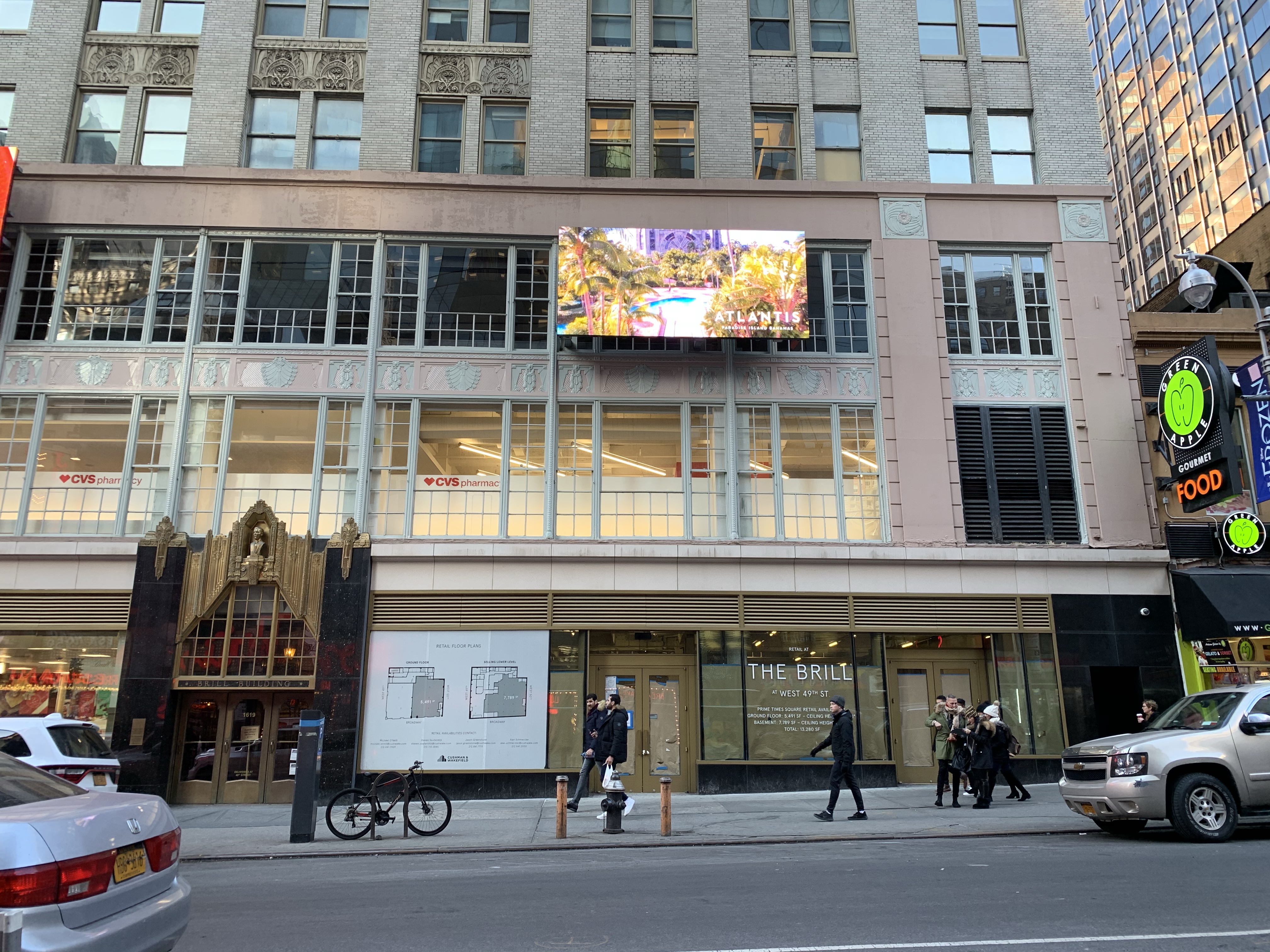
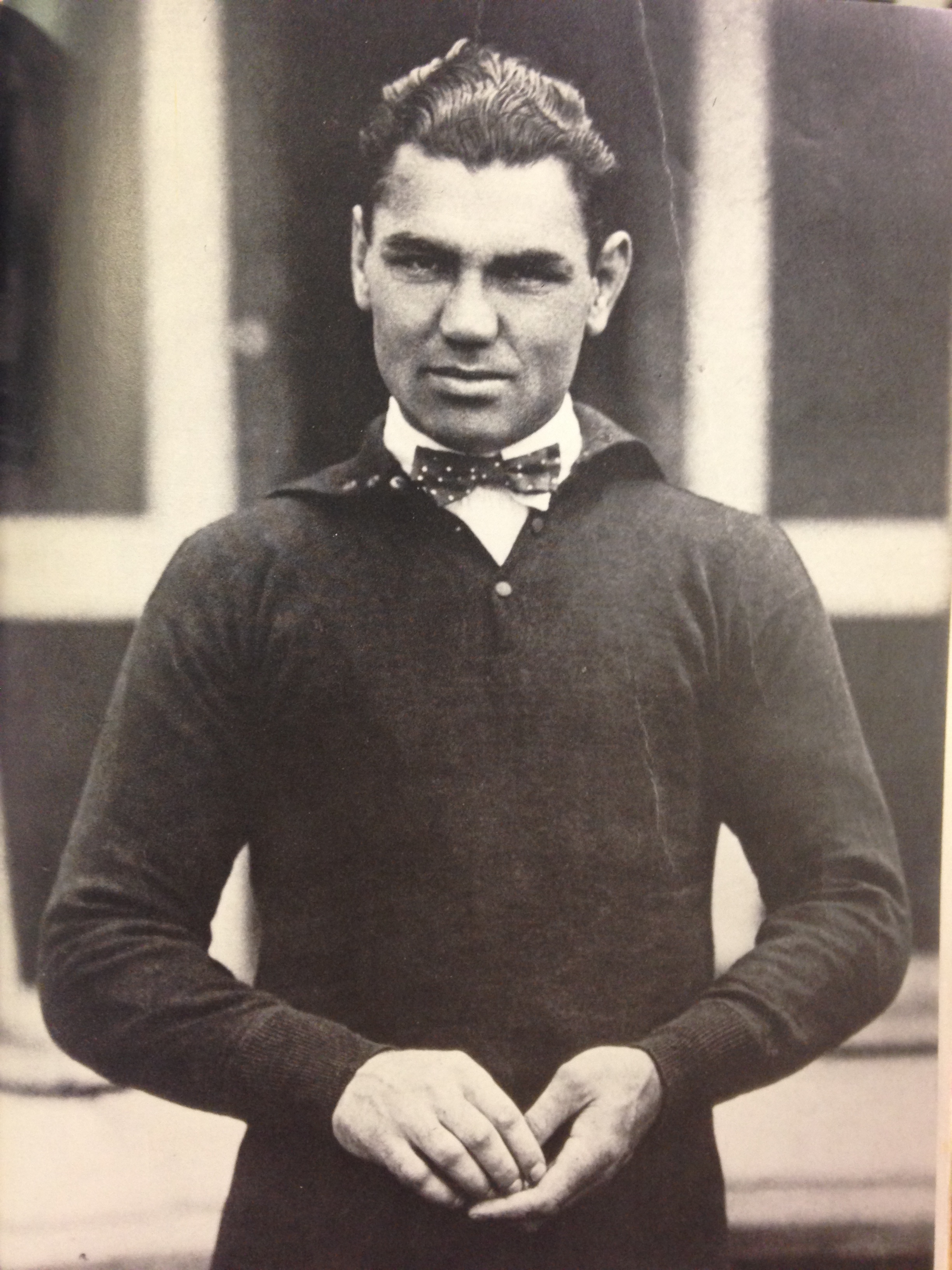
Jack Dempsey (1895-1983), heavyweight boxing champion of the world from 1919-1926, was raised in Logan County, WV. In 1935, Dempsey opened a restaurant at 8th Avenue W 50th Street near Madison Square Garden III in NYC. In 1938, he relocated his restaurant to Brill Building (1619 Broadway). The business front was featured in the 1972 movie The Godfather. Photo credit unknown. For more about the 1974 closure of Jack Dempsey’s Broadway Restaurant, go here: https://www.nytimes.com/1974/10/06/archives/jack-dempseys-restaurant-is-closing-original-dempseys-recalled.html

Here is the site of Jack Dempsey’s restaurant (1938-1974) as it appears today. 7 December 2019. For more history of the business, go here: https://ephemeralnewyork.wordpress.com/2018/05/21/eating-at-jack-dempseys-in-times-square/

Here is the site of Jack Dempsey’s restaurant as it appears today. 7 December 2019
04 Monday Mar 2019
Posted in Civil War, Pecks Mill
Tags
129th Regiment Virginia Militia, 12th Regiment Virginia Militia, Abner Vance, Adam Browning, Appalachia, Barney Carter, Big Creek, Calvary Hatfield, Chapmanville District, Charles Staton, civil war, David Mullins, Eli Gore, Evans Ferrell, genealogy, George Avis, George Bryant, Gilbert Creek, Gordon Riffe, Granville Riffe, Green A. Clark, Guyandotte River, Hardy District, Harts Creek, Harvey Ellis, history, Huff's Creek, Jack Dempsey, James H. Hinchman, James J. Hinchman, John Chapman, John DeJournett, John Dempsey, John Hager, John Hatfield, John Starr, Joseph B. Browning, Joseph Hinchman, Logan Banner, Logan County, Louis White, Magnolia District, Martin Doss, Mingo County, Nathan Elkins, Pecks Mill, physician, Reece Browning, Triadelphia District, Ulysses Hinchman, Union District, Virginia, West Virginia, Wheeling, William Dempsey, William McDonald, William Stollings, Wyoming County
From the Logan Banner of Logan, WV, comes this bit of history for Logan County printed on November 3, 1936:
Time-Dimmed Record of Early Logan County Families in 1852-1877 Period in Old Books Found at Pecks Mill
Thumbing the now-dimmed pages of a yellowed book which recently came to light in old Peck’s Mill, members of Logan county’s oldest families may read in a painstakingly-kept record of the years 1852 to 1877 how their forefathers were brought into the world, married, educated, governed.
The record is written in pen and ink with the quaint flourishes and old-fashioned double letters of the 1800s by James J. Hinchman, who was clerk of the 12th regiment of the Virginia militia from 1852 to 1858; and by one, Ulysses Hinchman, who was clerk of the 129th regiment from 1858 to the Civil War; and later pastor, doctor, and trader.
The first entry, dated Nov. 3, 1852, records the meeting “at the house of Wm. McDonald near the mouth of Huffs Creek” of the Twelfth regiment of the Virginia militia in the days when Logan county was the property of Virginia.
Among the officers present were Major John Hager and Capt. James J. Hinchman, who was also clerk.
Most of the records at the first, which deal entirely with the regiment, are devoted to the salaries paid for “drumming and fifing,” the fines of 50 cents each for failure to report at meetings, and the excuse of members from duty “because of physical infirmities.”
Among the interesting entries is one relating, it is believed, to an ancestor of ex-champion Jack Dempsey, which reads:
“William Dempsey for fifing one day in Capt. Miller’s company.”
Two dollars, according to numerous accounts, was the regular salary paid for a day of fifing or drumming. For three days training, officers received $10.
Among regiment members mentioned are Calvary Hatfield and Reece Browning, forefathers of the Hatfield and Browning families of today.
On Sept. 10, 1858, the record is transferred to that of the 129th and is kept by Ulysses Hinchman. His first entry tells of a meeting at which John De Journett was elected colonel; K. McComas, first major; Reece Browning, second major; and Ulysses Hinchman, clerk. Officers attending were Captains George Avis, James H. Hinchman, John Starr, John Hatfield, John Chapman, and Barnabus Carter; and Lieutenants Martin Doss, George Bryant, Granville Riffe, Louis White, Charles Staton and Green A. Clark.
Interesting in these pages are the forming of new companies in which the names of the creeks and localities are for the most part the same as today. Among the familiar names are Huffs, Gilbert, Harts and Big Creek, Guyandotte river, and Trace Fork.
There is no mention of the Civil War, but it is mutely attested to by two entries, the first, dated 1862 at the bottom of one page and the second dated 1866 at the top of the next, which read:
“Apr. 5, 1862—Abner Vance and Nathan Elkins received their claims.
1866—Rec’d of Eli Gore, county treasurer for my last year’s services, $50.
“Ulysses Hinchman, superintendent of schools.”
The next year, we are gratified to learn, his salary has increased to $300.
We learn that Logan, which then included Mingo and Wyoming counties, was at that time composed of five districts, Union, Triadelphia, Hardy, Chapmanville, and Magnolia; and that the county’s finances were all handled through Wheeling, then the only city of size in West Virginia.
The records contain long lists of certificates awarded to teachers for $1, among the recipients being John Dempsey, Eli Gore, Joseph Hinchman, Harvey Ellis and Evans Ferrell.
In the midst of the records of 1866 and ’67 we come upon the terse paragraph which informs that:
“The sheriff failed to settle for taxes of 1861.”
The board of education’s budget for 1869 was $2077.60 and was apportioned to these clerks of the various townships; Union, David Mullins; Triadelphia, Gordon Riffe; Magnolia, Joseph B. Browning; Hardy, Adam Browning; and Chapmanville, Wm. Stollings. Increased expenses that year made it necessary to levy a tax of “5 cents on $100.”
An enumeration of all children “between the ages of 6 and 21” in 1868 totaled 2139.
In 1871, our patient scribe becomes “Dr. U.S. Hinchman” and the record his personal account book. We learn much of the practices and hardships of the first country doctors and that his troubles in collecting the pitifully small fees of those days were as great as those of any “specialist” of today.
Dr. Hinchman had no set rates, but based on his charges upon the number of miles traveled (usually 50 cents per mile); the number of days and nights spent, and—quite evidently—the circumstances of his patient.
His customary charge for a delivery, if it chanced to come in the day time, appeared to be $5.50; but if the child arrived in the night and required many miles of travel it was a more expensive proposition—the fees sometimes reaching as high as $9.
The birth of one of these $9 babies is graphically recorded as follows:
“Labor two nights and days–$7
10 miles at 50 cents–$5
Administering–$1
Received $5.”
The doctor’s highest charge was one of $10 on a case which required three days and nights.
Interspersed freely with the accounts of births, and sicknesses are frequent entries of marriages at $2 each.
Toward the last of the book, in 1877, the author’s handwriting becomes more labored and the fine shadings and flourishing gradually disappear—evidence that his years of soldiering, school teaching, and doctoring were taking their toll.
At this time, too, he begins to record not only his receipts, but his expenditures and trades, and we read, not without envy, of purchases of “one bushel of sweet potatoes, 50 cents,” and “one and a half bushel of Irish potatoes, 75 cents.”
One of the last entries, dated Aug. 1877, tells of his receiving for his professional services a large amount of coffee which he traded for $5 cash, a suit, and a round of shoes,” the latter evidently referring to horseshoes.
As, regretfully, we close the book; we feel that we know that patient and prolific old settler of Logan County, Ulysses Hinchman—his honor as a soldier and officer, his strict accounting of himself as a public official, his hardships and struggles as a country doctor; and through all, his conscientious, faithful keeping of records. And we share, with his descendants, a great pride in him.
Somehow we know that when, with failing hand, he concluded his long accounts in another book; his record was clear and straight—his house was in order.
02 Tuesday Oct 2018
Posted in Sports
Tags
Appalachia, Armand Emanuel, boxing, California, Charleston, Charleston Gazette, Estelle Dempsey, Gene Tunney, history, Hollywood, Jack Dempsey, James J. Corbett, Logan Banner, Los Angeles, Mickie Walker, Mike McTigue, New York City, photos, San Francisco, Summers Street, Virginia Street, West Virginia
The following items relating to Jack Dempsey, heavyweight champion of the world from 1919-1926, were printed in the Logan Banner of Logan, WV, in 1928:

Jack Dempsey, 1924. Photo credit unknown.
“Fight Gene, Sure” Says Jack Dempsey
Jack Dempsey has begun light training, says a dispatch from Los Angeles, but says he is merely trying to keep fit.
“There’s nothing in the wind. I don’t want to get fat, and the only way to keep from it is to have a regular training diet,” he is quoted as having said.
“Fight Tunney again? Sure. But I’m not in the mood to do any elimination bouting to get another crack at the title.
“Of course, I might take on one or two preliminary scraps if there was a definite program in sight, but there’s absolutely nothing to report that one has been drawn up.”
Source: Logan (WV) Banner, 10 January 1928
***
DEMPSEY WINS ANOTHER TILT
Jack Dempsey came out with flying colors in court at New York City last week when a jury decided that he did not owe his former manager something like $700,000. Kearns sued Dempsey claiming that he was entitled to a certain percentage of the profits earned by Dempsey, but the jury decided in favor of Dempsey, and did not award Kearns one penny. It was a sad blow for the former manager of the former champion, who now makes a living piloting Mickie Walker, middle-weight champion.
Now that Dempsey has all the legal worries off his mind he will get down to business to pick up a little soft dough managing his twenty-two-year-old protégé, Armand Emanuel, of San Francisco. Dempsey sent word to Emanuel last Wednesday to start for New York at once, as he had a mach in view. Emanuel boarded the first train from San Francisco east.
When Emanuel arrives in New York, James J. Corbett, former heavy-weight champion, will look him over. Corbett is a graduate of the Olympic Club in San Francisco and so is Emanuel. The latter was the national amateur heavyweight title in 1925. He has been a professional since 1926. He has not lost a decision in 28 bouts. His last fight took place in San Francisco Monday night when he fought a draw with the veteran Mike McTigue, of New York City.
Source: Logan (WV) Banner, 1 May 1928
***
DEMPSEY LIVED IN CHARLESTON CLAIMS GAZETTE
Jack Dempsey, retired pugilist and former world’s champion, once spent several months in Charleston, according to several here who knew him well. He is said to have made his headquarters in the old Hauck and Schmit billiard room at Summers and Virginia streets. He is remembered as serving as “bouncer” in the place, living in a room above. He kept in the best of condition, taking long walks and engaging in boxing exhibitions that finally took him to other sections.
Now Mr. Dempsey is in New York where he went from Hollywood, Calif., to see the Tunney-Heeney fight. Estelle Taylor Dempsey, his wife, has left the Pacific coast to see Jack in New York to make a movie picture, it is stated.
Source: Logan (WV) Banner, 3 August 1928
24 Tuesday Jul 2018
Tags
Appalachia, boxing, genealogy, history, Jack Dempsey, Jack Sharkey, Logan, Logan Banner, Logan County, Smoke House Restaurant, West Virginia

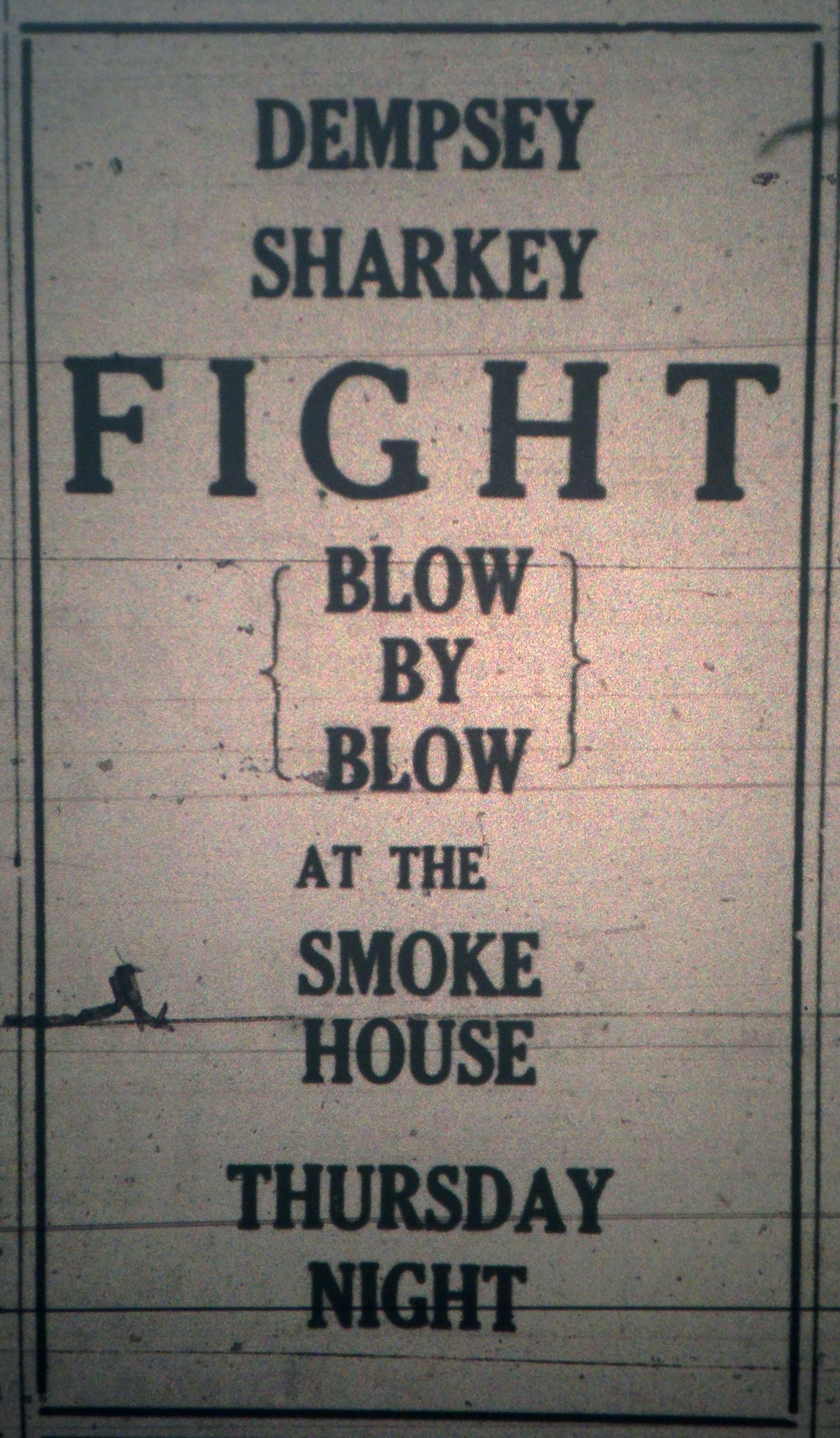
Logan (WV) Banner, 19 July 1927.
Here’s video footage of the fight: https://www.youtube.com/watch?v=Btvw6GM33II
20 Friday Jul 2018
Tags
Appalachia, boxing, coal, genealogy, history, Jack Dempsey, Logan County, photos, West Virginia

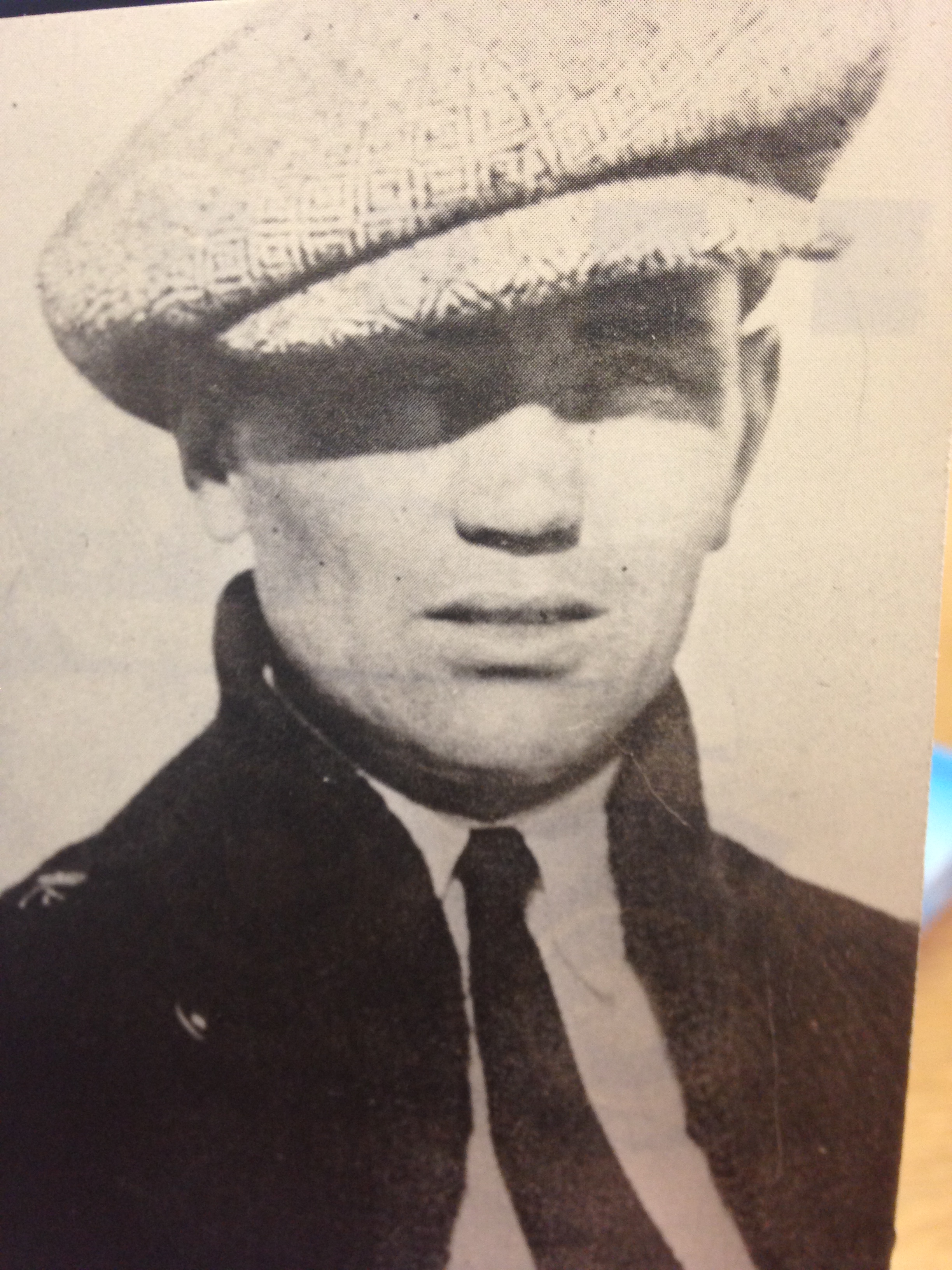
Jack Dempsey, raised in Logan County, WV, was the heavyweight champion of the world from 1919 to 1926. Photo credit unknown.
19 Thursday Jul 2018
Tags
Appalachia, Bear Cat Clemons, Gene Tunney, genealogy, Guyandotte Valley, history, Jack Dempsey, Logan Banner, Logan County, New York, West Virginia
From the August 20, 1926 issue of the Logan Banner of Logan, WV, comes this bit of history about heavyweight champion boxer Jack Dempsey:

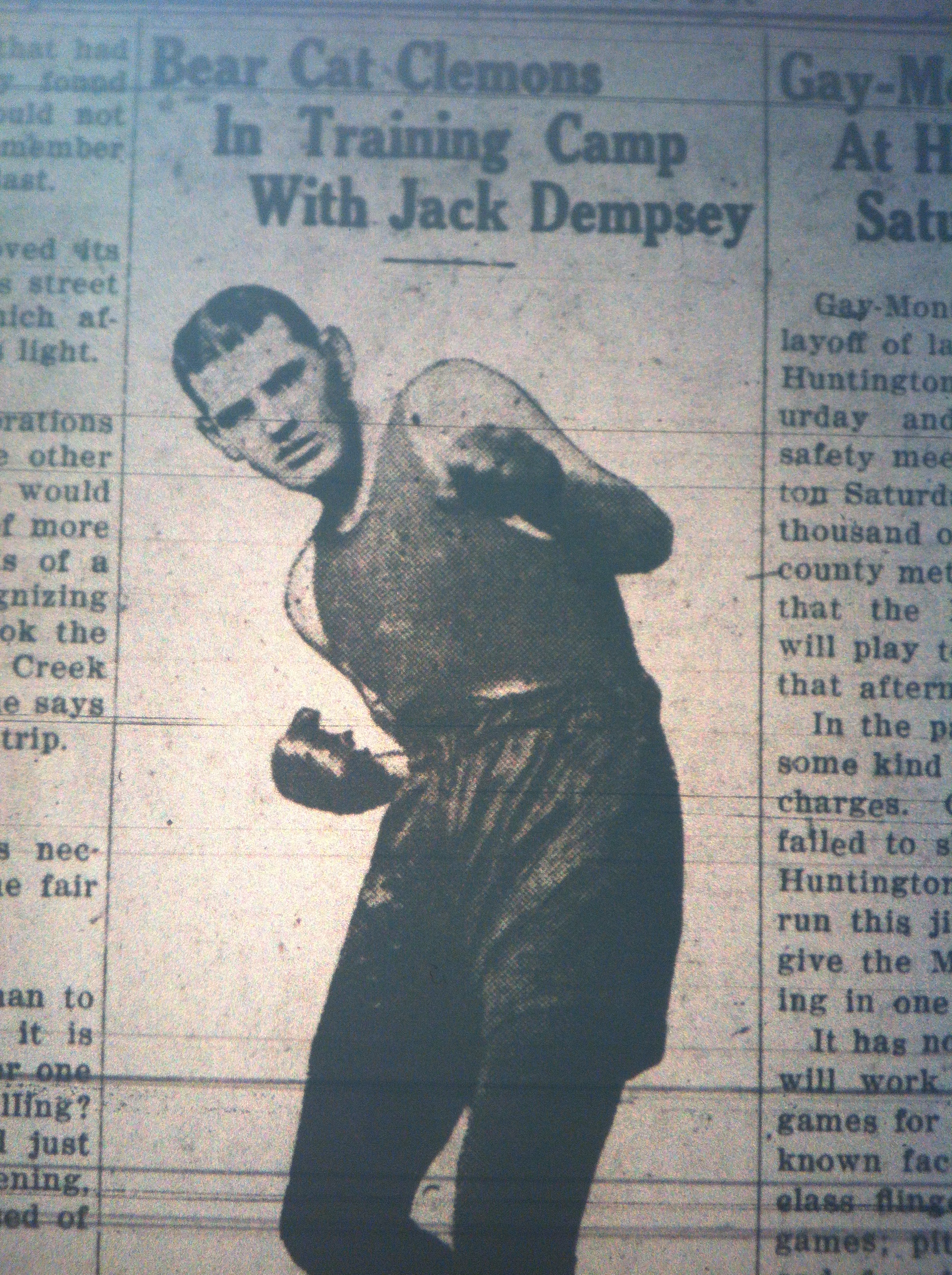
Bear Cat Clemons, once upon a time the idol of the fistic fans of the Guyan Valley, is now in Jack Dempsey’s training camp at Sarasota Lake, New York, where Dempsey is training for his fight with Gene Tunney in New York, September 16.
Clemons goes two rounds with Dempsey every day. The champion lambasts him furiously and messes up his features, but he always is back the next day for more. When Dempsey and Clemons face each other in the squared circle, it is Logan county versus Logan county.
Source: Logan (WV) Banner, 20 August 1926.
15 Sunday Apr 2018
Posted in Boone County, Chapmanville, Holden, Huntington, Logan, Sports, Women's History
Tags
Boone County, boxer, boxing, Cecilia Dempsey, Cecilia Smoot, Chapmanville, Charles Smoot, Chicago, Colorado, Don Ellis, Dyke Garrett, Enoch Baker, Gay Coal and Coke Company, Gene Tunney, Hiram Dempsey, history, Holden, Huntington, Huntington Hotel, Island Creek, J. Kenneth Stolts, Jack Dempsey, Jack Kearns, John B. Ellis, Joseph Ellis, Logan, Logan Banner, Logan County, Manassa, Salt Lake City, Scott Justice, Simpson Ellis, Stratton Street, The Long Count Fight, Utah, West Virginia, Wiatt Smith
From the Logan Banner of Logan, WV, comes this bit of history about champion boxer Jack Dempsey dated September 9, 1927:
Jack Dempsey’s Mother Pays Visit to Logan
Travels from Utah to See Relatives and Old Friends and Neighbors
Maiden Name Cecilia Smoot
Uncle Dyke Garrett Among Welcomers; Dempseys Once Owned Site of Holden.
While Jack Dempsey is fighting to regain the heavyweight championship of the world, his mother Mrs. Hiram Dempsey will be the guest of Logan relatives and friends. She is expected to arrive at any hour for an extended visit to the scenes of her childhood.
Mrs. Dempsey arrived at Huntington Sunday and then planned to come here the next day. Later, word came that she would complete today the last lap of a motor trip from Salt Lake City to Logan.
Interviewed at Huntington Mrs. Dempsey told of her desire to revisit girlhood scenes and inquired about old friends. She spoke of Uncle Dyke Garrett and was pleasantly surprised to learn that he is still living. Uncle Dyke read the interview (his wife is an aunt of Wiatt Smith, the interviewer) and despite the nearness of his 86th birthday, came back up from his home back of Chapmanville to welcome Mrs. Dempsey.
This beloved old mountain minister never knew Jack Dempsey, but he remembers Jack’s mother as a girl, her maiden name being Cecilia Smoot. She was a daughter of Charles Smoot, who came to Logan from Boone county, and who lived and died up on Island Creek. After his death, Mrs. Smoot (Jack Dempsey’s grandmother) married Simpson Ellis, who died but a few years ago, after serving a long period on the county court.
Scott Justice, who divides his time between Huntington and Logan, was among those who greeted Mrs. Dempsey at the Huntington Hotel yesterday. He remembers the marriage of Hiram Dempsey and Cecilia Smoot, and also recalls that the site on which the town of Holden now stands was sold by Hiram Dempsey to Mr. Justice’s father when the family decided to migrate westward.
According to Mr. Justice, the tract of 200 acres changed hands for a consideration of $600.
“Uncle” Enoch Baker was another caller to greet the challenger’s mother. Mr. Baker was engaged in business in Logan county when the Dempseys lived here, being well acquainted with the family.
Mrs. Dempsey was accompanied by Mr. and Mrs. J. Kenneth Stolts of Salt Lake City. They made the trip from Utah, where Jack’s mother now has her permanent home, in a large automobile, traveling in easy stages. They arrived in Huntington Sunday evening and are leaving there today.
She called her famous son in Chicago by telephone Sunday night to advise him she had arrived here safely.
While in Logan, Mrs. Dempsey will visit her half-brothers, Don Ellis of Stratton Street, and Joseph and John B. Ellis of Island Creek, and others.
She has never seen Jack in the ring and will probably receive the result of the coming battle from friends in Logan.
The difference in the ages of the champion and challenger will not be an advantage to Tunney, Jack’s mother thinks. “If Tunney will stand up and fight, I expect Jack will give a good account of himself. But if Jack has to chase him all the time, Tunney may turn around and give him a licking in the end. I believe they are pretty evenly matched and lucky may figure in the outcome,” she said.
The Dempseys left Logan in 1887 and William Harrison (Jack) was born in Manassa, Colo., in June ’95. While he was a mere child they returned to Logan county. Jack remained here until a young man, having been employed by the Gay Coal and Coke Company as late as 1913, and then went west alone to seek pugilistic fortune. He met Jack Kearns on the Pacific coast, from which point his spectacular climb to the pinnacle of the heavyweight division furnished the sport with one of its most romantic episodes.
In view of the fact that Dempsey is said to have lived in this county and because of the interest in the approaching fight, the foll
15 Sunday Apr 2018
Tags
Appalachia, boxer, boxing, Brandon Kirk, Carol Howerton, Chicago, Cole Kripak, history, Illinois, Jack Dempsey, Logan County, photos, Sullivan's Steakhouse, West Virginia

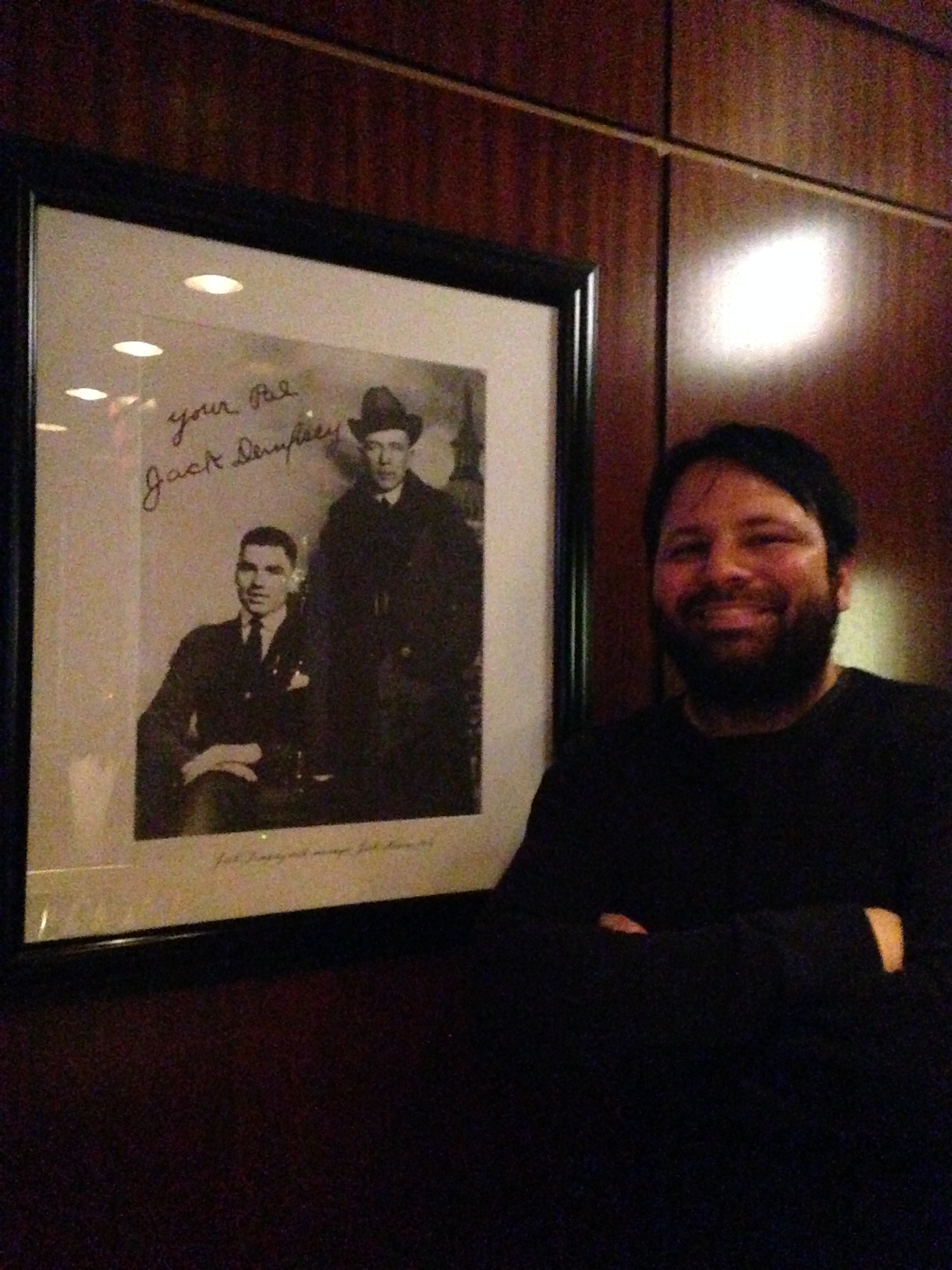
I spotted two Jack Dempsey photos displayed at Sullivan’s Steakhouse during a recent trip to Chicago. Jack Dempsey, the heavyweight champion of the world from 1919-1926, was partly raised in Logan County, WV. Seeing these old photos made my day! Photo by Carol Howerton. 7 April 2018.

Cole Kripak, the manager of Sullivan’s Steakhouse, gave these three Jack Dempsey photos to me. Very generous! For more about the restaurant, go here: sullivanssteakhouse.com. Photo by Carol Howerton. 8 April 2018.
31 Saturday Mar 2018
Tags
boxer, boxing, Bruce Dempsey, Church of Jesus Christ of Latter Day Saints, Colorado, Don Bernard Dempsey, Effie Dempsey, Elsie Dempsey, Estella Dempsey, G. Wayne Rogers, Hiram D. Dempsey, history, Jack Dempsey, John Dempsey, Joseph H. Dempsey, Lavlet Florence Dempsey, Logan, Logan Banner, Logan County, Manassa, Mary Alice Dempsey, Mary P. Dempsey, Massachusetts, Mormons, Robert Dempsey, Rocky Mountains, San Luis Valley, The Manassa Mauler, West Virginia
From the Logan Banner of Logan, WV, comes this bit of history about champion boxer Jack Dempsey dated September 9, 1927:
Manassa, Colorado, Dempsey’s Old Home
In view of the fact that Dempsey is said to have lived in this county and because of the interest in the approaching fight, the following story concerning the early life of Dempsey is printed here:
While the little town of Manassa, in the San Luis valley of South Central Colorado, is not even a pin point on the larger state maps, its 750 inhabitants, more or less, view their community at this time as about the most important place in the United States.
There it was that William Harrison “Jack” Dempsey was born and spent his early boyhood days. Incidentally that is the origin of the scrapper’s pseudonym “The Manassa Mauler.”
Despite the pride the native Manassans display in pointing out an old-fashioned frame and adobe house near the edge of the town as Dempsey’s birthplace, they are not of one accord in their estimates of his general ability. Some are “pulling” hard for Dempsey to win back his lost laurels, while others are hoping Tunney whips him.
According to the official record of the Church of Jesus Christ of Latter Day Saints, a branch of the Mormon religion which Dempsey’s parents, Hiram D. and Mary P. Dempsey, have long been affiliated as active workers. William Harrison was born June 24, 1895, the ninth child. A brother and sister were born at later dates. In all, the former champion has had five brothers and sisters born in the following order: Don Bernard, Effie, Lavlet Florence, Estella, Mary Alice, Joseph H., Robert, John, Elsie and Bruce, the former champion arriving between John and Elsie. All were baptized in the Mormon faith, according to the church archives in the keeping of G. Wayne Rogers, of Manassa, secretary of the local organization.
Dempsey’s birthplace being 7,600 feet above sea level, he enjoyed the benefits of rarified air during his “growing days” as a boy. The San Luis valley, of which Manassa is a rich agricultural and live stock center, has an area equal to that of Massachusetts and is surrounded by Rocky mountain ranges, so the future world champion had an ample playground to develop his muscle. According to the old inhabitants, he put in all of his spare time from school “climbing around the mountains like a goat,” which may account for his sturdy legs of today.
02 Friday Mar 2018
Posted in African American History, Logan
Tags
Alvin York, Appalachia, Arthur Davenport, Babe Ruth, Banastre Tarleton, Battle of Cowpens, Battle of King's Mountain, Charles Darwin, Charleston, Charleston Daily Mail, Charlie Chaplin, Chicago, culture, Jack Dempsey, Kentucky, Logan, Logan Banner, R.H. Martin, Tennessee, Virginia, West Virginia
From the Logan Banner of Logan, WV, dated August 5, 1927, comes this editorial about the “mountain folk” of Appalachia, printed in response to a piece in Collier’s:

MOUNTAIN FOLK
Observations By R.H. Martin, Editor of Charleston Mail, In Rejoinder to Collier’s Article
Some West Virginia newspapers are both indignant and aroused over an article printed in Collier’s recently under the name of Arthur Davenport and having for its theme the sad and deplorable conditions of the mountain dwellers in Southern Appalachia. The general tenor of the article can be fairly judged by the introductory synopsis:
We Americans are fond of tilting our noses and giving the rest of the world the superior eye.
Anybody going about in that fashion is pretty sure to overlook an unpolished heel or a rip in the clothing where it makes others laugh most.
Here is the story of the unpolished heel. Here are Americans of nearly two hundred years’ breeding who never heard the names Roosevelt, Wilson, Ford, Babe Ruth, Charlie Chaplin; who never saw a —
But never mind. Read and cease marveling for a few moments that the Chinese can be dedraggled, the Hottentot so naked, the mukhik so ignorant and the Hindu so impoverished. Here are all of these calamities within a few hours train ride from our own golden Capitol.
If the conditions are as Mr. Davenport has painted them, then it would appear to be a case where pity and help were needed rather than sneers and laughter. In fact, Mr. Davenport in the introduction, or Collier’s editor who may have written it, gives some indications of “nose-tilting” that might provoke a rather loud guffaw from some unlettered mountaineer whose forbears were possibly among, and certainly of the same type, of those mountaineers who won the battles of the Cowpens and King’s Mountain, which victories some historians consider the turning point in the American revolution. They were probably of the same type as that Col. Washington, who, although he could not make a letter, yet left the mark of his sword on a certain Col. Tarleton.
It may be true–we shall not attempt to deny it–that there are mountaineers who never heard of Babe Ruth. We have not the slightest desire to detract one iota from all laurels due to the famous batsman, but, like most mountaineers, probably we should, if it simmered down to that, prefer Sergeant York as our hero to the idol of the howling grandstand that throws pop-bottles at umpires.
Nor shall we repine if it is true that some of these mountaineers never heard of Charlie Chaplin. We fail to see where knowing him as most Americans know him would be intellectually or otherwise uplifting. Perhaps, such mountaineers, as have missed long-distance acquaintance of either of these gentlemen just mentioned have not lost so much after all. As for other names mentioned there may be in the deepest mountain recesses persons who have not heard of them. If Mr. Davenport knows of his own personal knowledge of such cases, his statement stands.
There are mountain folk in the great ranges of Southern Appalachia who have been cut off from this modern civilization of ours that produces bandits in Gotham and gunmen in Chicago, the nauseous scandals of Hollywood, the commercial orgies of Dempsey and Sharkey, and other highly moral and refining manifestations of the literates, and their ignorance of the outside world may be large. But as to whether a more intimate contact with this outside world which we boastfully call civilized would improve the mountaineer or not, would, it seems to us, depend a good deal upon that part of it with which he came in contact.
Mountaineers in the innermost recesses of the elevations of the elevations are poor as well as deficient in general knowledge. We admit as much. Their wants are few, and they are able to get along with what to satisfy their forefathers who at infinite toil conquered the wilderness and blazed the paths of those whose “culture” takes on “nose-tilting” sneering and laughing. Perhaps Mr. Davenport might get a new insight into real values if he should read what Bobbie Burns wrote about “honest poverty.”
Illiteracy still exceeds 90 percent in the mountains of Kentucky, Virginia, West Virginia, Tennessee and North Carolina, which states contribute to the four million of which I write. Poverty of a sort unbelievable in the cities is so commonplace as not to be impressive: the amount of money passing through the hands of the old mountaineer in any year is often less than eight dollars.
The term, “mountains of Kentucky, West Virginia, Tennessee and North Carolina” is ambiguous. Practically all West Virginia is mountainous, or semi-mountainous. Taking the states named as a whole the percentage of illiteracy among native-born whites is as follows: Kentucky, 7.3; North Carolina, 8.2; Virginia, 6.1; West Virginia, 4.8; Tennessee, 7.4. These figures are slightly increased by adding to them foreign illiterates and illiterates among the negro population. The latter two elements present special problems that are being gradually worked out and the percentages from now on will rapidly diminish. To say therefore, that mountain folk are 90 percent illiterate, one would have to restrict the term “mountain folk” to a very small proportion of the population.
But Mr. Davenport seems to apply his percentage to the “four million of which I write.” It possibly may be that if Mr. Davenport has that same passion for facts as animated Charles Darwin, and is as careful in testing his data, he will revise his figures.
The entire story is exaggerated and weird; but it is nothing to worry about. The people of the states named know the causes and the difficulties and are remedying the situation as rapidly as possible. Fastidious refinement may halt at the lofty mountain ranges and at the mouth of the deep and dark defiles, but from these same mountain folk have come some of the strongest type of Americans despite educational handicaps. When we think of Sergeant York and his folk, we do not despair of the mountain folk nor depreciate their sturdy virtues. We neither feel like sneering nor laughing. And we hope modern “culture” and “civilization” has the good breeding not to tilt the nose at supposed inferiors who may in some essentials actually be superiors.
For more about Collier’s, follow this link: https://en.wikipedia.org/wiki/Collier%27s
28 Wednesday Feb 2018
Tags
Appalachia, boxer, boxing, Don Chafin, history, Jack Dempsey, Jack Sharkey, Logan, Logan Banner, Logan County, New York City, Ohio, Toledo, West Virginia

Logan (WV) Banner, 19 July 1927. For more information about this historic fight, follow this link: http://boxrec.com/media/index.php/Jack_Dempsey_vs._Jack_Sharkey
To watch the fight, follow this link: https://www.youtube.com/watch?v=U55XvQy_eZY
26 Tuesday Feb 2013
Posted in African American History, Big Harts Creek, Ed Haley, Hatfield-McCoy Feud, Logan, Music, Sports
Tags
Appalachia, Aracoma, Big Foot, blind, Blues, Clyde Haley, Come Take A Trip in My Airship, Coney Island, Devil Anse Hatfield, Done Got the 'Chines in My Mind, Ed Haley, Ella Haley, fiddler, Fox Cod Knob, Franklin Roosevelt, Harts Creek, Hester Mullins, Hiram Dempsey, history, Island Queen, Jack Dempsey, John Hartford, Lawrence Haley, Logan, Logan County, Mona Haley, music, mystery, Noah Haley, Nora Martin, Pink Mullins, steamboats, Trace Fork, Turkey in the Straw, West Virginia
Mona’s memories were really pouring out, about a variety of things. I asked her what Ed was like and she said, “Noah is a lot like Pop in a way. He always liked the outdoors, Pop did. He’d get out and sleep on the porch at night. He could peel an apple without breaking the skin. There was an old man up on Harts Creek and I’m almost sure that his name was Devil Anse Hatfield and Pop trimmed his fingernails out on his porch with his pocketknife. Aw, he could trim my nails or yours or anybody’s.”
Ed was good at predicting the future.
“Pop said machines was gonna take over man’s work and we was gonna go to the moon one day,” Mona said. She figured he wrote the song “Come Take A Trip in My Airship” because it sounded like his kind of foresight.
Mona said she remembered some of Ed’s stories but warned me that I wouldn’t want to hear them.
Of course, I did.
I asked her if they were off-color and she said, “Well, not really, but he was kind of an off-color guy. I can’t really remember any of the tales about him. What was that one about him dreaming he was on Fox Cod Knob and dragging a big log chain and he fell over a big cliff and when he come to hisself he was standing on his head on a chicken coop with his legs locked around a clothes line?”
What?
“He told some weird stories sometimes — ghost stories and things that I can’t remember,” she continued. “He told that story about Big Foot up in the hills of Harts Creek. A wild banshee. Pop talked about it. Clyde said he saw a Big Foot.”
Lawrence said, “It was up in the head of the Trace Fork of Harts Creek somewhere. Pop was on the back of this horse behind somebody. They was coming down through there and all at once something jumped up on back of the horse behind him and it was just rattling chains all the way down through there and the more that chain rattled the faster that horse would go. They absolutely run that horse almost to death getting away from it.”
I asked about Ed’s travels. Mona said her parents walked and hitchhiked a lot. Along the way, Ella sang to occupy the kids. Lawrence remembered buses and trains, where Ed sometimes played the fiddle for a little extra money from passengers. I asked if he ever talked about playing on any boats and Mona said, “No, but I know they did because I was with them on the ISLAND QUEEN that was going back and forth to Coney Island. Up by the calliope on the top deck.”
Mona said Ed always set up in towns near a movie theatre so the kids could watch movies.
“Every time he played he drawed a crowd,” she said. “He was loud and he was good. I never seen him play any that he didn’t have a crowd around him — anywhere.”
Ed was “all business” but would talk to people if they came up to him.
“One time we went in a beer joint up in Logan, West Virginia, that sat by the railroad tracks,” she said. “They played over at the courthouse and we walked over there. Pop wanted to get a beer while I ate supper. It was back when Roosevelt was president I reckon and he got in an argument with some guy about President Roosevelt. That was his favorite fella, you know. This guy started a fight with him and he backed off and walked away. Pop just let the man walk the length of his cane, hooked it around his neck, brought him back and beat him nearly to death. He was strong. He was dangerous if he ever got a hold of you, if he was mad at you. He always carried a pocketknife and it was sharp as a razor. He whittled on that knife — I mean, sharpened it every day.”
“Everybody liked Pop — everybody that I ever knew,” Mona said. “He had some pretty high people as friends.”
In Logan County, Ed visited Pink and Hester Mullins on Mud Fork and Rosie Day’s daughter Nora Martin in Aracoma. Mona said Ed was also friends with a famous boxer in town whose father played the fiddle, but she couldn’t remember his name. I later learned from Lawrence that it was Jack Dempsey, the heavyweight champion of the world from 1919-1926. Dempsey wrote in his biography that his father had fiddled “Turkey in the Straw” so much that all the children thought it was the National Anthem.
Ed mixed freely with some of the colored folks in Logan, and sometimes even left Mona at a “bootleg joint” operated by a black lady named Tootsie. She and Lawrence both felt Ed absorbed a lot of the Blues from the blacks in the coalfields. Mona sang one of her father’s songs — which I had never heard — to make the point:
Done got the [ma]chines in my mind, Lord, Lord.
Done got the ‘chines in my mind.
‘Chines in my mind and I can’t make a dime.
Done got the ‘chines in my mind.
My old gal got mad at me.
I never did her any harm.
‘Chines in my mind and I can’t make a dime.
Done got the ‘chines in my mind.
Writings from my travels and experiences. High and fine literature is wine, and mine is only water; but everybody likes water. Mark Twain
This site is dedicated to the collection, preservation, and promotion of history and culture in Appalachia.
Genealogy and History in North Carolina and Beyond
A site about one of the most beautiful, interesting, tallented, outrageous and colorful personalities of the 20th Century