• About

Brandon Ray Kirk

~ This site is dedicated to the collection, preservation, and promotion of history and culture in my section of Appalachia.

Brandon Ray Kirk

Category Archives: Music

In Search of Ed Haley 338

19 Saturday Jul 2014

Posted by Brandon Ray Kirk in Calhoun County, Ed Haley, John Hartford, Music, Roane County

≈ 1 Comment

Tags

Akron, Alabama, blind, Brandon Kirk, Calhoun County, Christmas, crime, Ed Haley, Ella Haley, fiddle, fiddling, Harvey Hicks, history, John Hartford, Johnny Hager, Laury Hicks, Marietta, measles, Milt Haley, music, Ohio, Parkersburg, Rogersville, Soldiers Joy, Spencer, Stinson, Ugee Postalwait, Webster Springs, West Virginia, writing

On April 12, 1997, Brandon and I went to see Ugee Postalwait in Rogersville, Alabama. For the most part, she repeated a lot of the same stories I’d heard before, maybe with a new detail or two here and there. We began with her memories of Ed and Johnny Hager, who came to her father’s house around 1913. Brandon asked her specific questions about Johnny, which caused her to say: “He was a little short fella, slender. He was a nice person. Well-mannered. He was a good banjo-player. John Hager was a good friend of Dad and Mom’s both — all of us. Us kids, too. He used to write Mom and Dad. He wrote them from Webster Springs and he wrote them from Greenbrier. Different places where he was at. John wrote a letter back home and said he quit traveling with Ed ’cause Ed drank. He couldn’t take it. I’ve often wondered and studied about what become of him.”

Later, Ed sometimes came with a guitar player, but Ugee couldn’t recall his name.

Brandon was curious to know how far Ed traveled with his music, so he asked if Ed and Ella ever played around Parkersburg.

“I’m pretty sure they have,” Ugee said, “and Marietta, too. Harvey took them up to Akron to play music and they crowded that street so bad up there that they passed a law up there, you couldn’t stand on the corner and play music any more. They wouldn’t allow them to stand on the street. They had to move. See, they was such a crowd got around them.”

I asked, “How much do you reckon Ed would take in of a night?”

Ugee said, “I have seen Ed and Ella take in as much as a hundred dollars right there in Spencer.”

Wow, were they using a cup or a hat to collect money?

“They never used no cup. Just sit a box down or hat down and people come through and throwed money in it. Anyone that come along and dropped money in there, they’d play just the same.”

Would he play me anything I’d ask for?

“Why sure. He’d play it for you and then maybe if you asked for it again he might play you something else and call it that. He didn’t care to rename songs, like ‘Soldiers Joy’. He might call that ‘Runnin’ the Soldier’ or ‘Runnin’ the Track’ or something like that.”

I reminded Ugee that she heard Ed say he just picked up a fiddle and started playing it when he was small and she said, “Oh, yeah. He’d sit in the floor and play on that fiddle. Somebody brought something in that had two strings on it. He wasn’t very old. Just barely a walking, he said. Just like him a talking to me one time, telling me about his dad. Telling about them a lynching him. He said, ‘Goddamn him, they oughta lynched him.’ And I never asked him why. Why would a man say that about his dad? Maybe he was thinking about that man putting him in that barrel of water and causing him to be blind. But Ella’s eyes, they was ate out with blue vitriol.”

Ugee fully believed that measles had caused Ed’s blindness because they almost “put her blind,” too, when she was a girl.

“I must have been about five years old,” she said. “Well, Ed musta been there, too. Musta been the same year he was there that I had the measles and I went blind in my eyes. Couldn’t see nothing for three or four days. Had Granny’s bed set up by the side of the fireplace. I remember that instead of springs, it had rope. And Christmas time come up. And Dad, he played Santa Claus, I reckon. He got me jellybeans. I couldn’t see nothing for two or three weeks. I didn’t think I’d ever see again. Back then, they called them the ‘big’ measles and the ‘little’ measles. The big ones, they called the German measles. And I had them bad. Harvey come around — he was older than I was — he’d say, ‘You stink’, ’cause he could smell that fever on me.”

Brandon asked Ugee what year she was born in, to kind of help us better understand the time frame of her memories.

“I was born in 1907,” she said. “I got married in 1924. I left and went to Akron, but we come back ever month for a long time. If we knowed Ed was a coming in, we was there. I moved back in 1930. We lived on the farm until 1941. Then we went to a farm at the mouth of Stinson.”

At some point, Ugee moved back to Akron, where she lived when I first met her in 1991.

“Blood in West Virginia”

13 Sunday Jul 2014

Posted by Brandon Ray Kirk in Big Harts Creek, Big Sandy Valley, Big Ugly Creek, Culture of Honor, Green Shoal, Harts, Inez, Jamboree, Lincoln County Feud, Music, Peter Creek, Timber, Warren

≈ 2 Comments

Tags

Blood in West Virginia, book, books, Brandon Kirk, Homer Hickam, Lincoln County Feud, New York Times, Rocket Boys, writing

Homer Hickam calls my book a "rip-roaring page-turner!"

Homer Hickam, author of the New York Times Best Seller Rocket Boys, calls my book a “rip-roaring page-turner!”

In Search of Ed Haley 335

13 Sunday Jul 2014

Posted by Brandon Ray Kirk in African American History, Ed Haley, Music

≈ Leave a comment

Tags

accordion, Aracoma, Ashland, Bill Bowler, Clayton White, Ed Haley, Ella Haley, history, Kentucky, Kiss Me Quick, Lawrence Haley, Logan, Lula Lee, Man of Constant Sorrow, Manuel Martin, Mona Haley, music, Nora Martin, Old Man Duff, Pat Haley, Soutwood Mountain, West Virginia, writing

Meanwhile, as Brandon flushed out more information about the 1889 feud, I was on the phone with Ed’s daughter, Mona Hager. In no time, she was singing “Old Man Duff”, one of Ed’s songs:

Old Man Duff was so doggone tough

That they called him dynamite.

On a mattress filled with broken glass

He rested well each night.

He combed his hair with a garden rake

And he ate his vittles raw.

He picked his teeth with a horseshoe nail

And he shaved his beard with a saw.

Old Man Duff was mighty tough

And rough as a man could be.

He had hair on his chest

And he wore no vest a

And he looked like a chimpanzee.

Old Man Duff had a daughter fair

But she died a poor old maid.

Lots of men woulda courted her

But they were all afraid.

Once old Duff seen a fella with her.

You could hear him rave and shout:

He’d put his hand down the poor man’s throat

And he’d turn him inside out.

Old Man Duff was mighty rough

And tough as a man could be.

He ate iron nails and the bones of whales

And he drank gasoline for tea.

Old Man Duff lived a thousand years

And he died and went below.

And when old Satan looked at him

He smiled and said, “Hello.”

Now the fire was mighty hot

When they put old Duff in there,

But he layed right down and he went to sleep

And it never singed a hair.

Old Man Duff was mighty rough

And tough as a man could be.

He had hair on his chest

And he wore no vest

And he looked like a chimpanzee.

Mona also remembered Ed singing “Man of Constant Sorrow”. She said Ed sometimes sang “little ditties” like with “Sourwood Mountain”. Ella did the same thing to “Kiss Me Quick”.

Kiss me quick, kiss me runnin’.

Kiss me quick ’cause my daddy’s comin’.

Love my wife, love my baby.

Love my biscuits sopped in gravy.

Ed never called square dances but would “blurt out some of the square dance reel” while fiddling.

I told Mona that I was still very interested in the source of Ed’s music.

“Pop was around a lot of blacks, you know, up in the coalfields up in West Virginia,” she said. “I even had a black nanny up there. She babysat me sometimes for Mom and Pop. Now that was at Manuel and Nora Martin’s house on the hill there at Aracoma [near Logan]. And Pop took me up to an old color lady’s bootleg joint one time somewhere up in West Virginia. And I know he was around a lot of blacks and I know that he learned some of the black’s music. They had a lot of blind friends that made music on the street, too, and one of them was Clayton White. He played an accordion. He walked up from 15th to 16th and back, you know.”

I asked Mona how many musicians were playing on the streets of Ashland in Ed’s time and she said, “Well, there was Pop and Mom, and there was Bill Bowler, and then there was a lady named Lula Lee. Now she was an illiterate woman and a lot of people got my mom and her mixed up. Mom was a cultured lady.”

I asked Mona if she thought her mother’s education rubbed off on Ed over the years and she said, “Oh, yeah. He only got uncultured when he was drinking. He talked well educated but of course he wasn’t. He was a very intelligent man.”

Mona seemed surprised when I told her that Ed could supposedly quote the Bible.

I asked her more about Ed’s and Ella’s relationship in later years and she said, “You know about me bringing him back from Logan back to Mom after they were divorced? Well, I was up there and I persuaded Pop to come home with me and I brought Pop home and he had one of those long change purses that snapped together and he had that in his pocket. And when we got home, he sit down and he was talking to Mom and he said, ‘Ella, I’ve got this plumb full of half-dollars and if you’ll let me sit by your fire this winter, I’ll give them all to you.’ I’m glad I took him home. That was when we lived on Greenup. He stayed with her until he died. Eventually Mom stayed with Lawrence and Patricia. She didn’t do any good after Pop died. She lost her friends. She didn’t have anybody to talk to.”

So after their divorce, they had a good relationship?

“They had a better relationship than they did before the divorce,” Mona said.

7th Annual Benny Martin Days (1999)

09 Wednesday Jul 2014

Posted by Brandon Ray Kirk in John Hartford, Music

≈ Leave a comment

Tags

banjo, Benny Martin, bluegrass, Brandon Kirk, buck dancing, fiddle, history, John Hartford, John Henry's Music Barn, music, Sparta, Tennessee

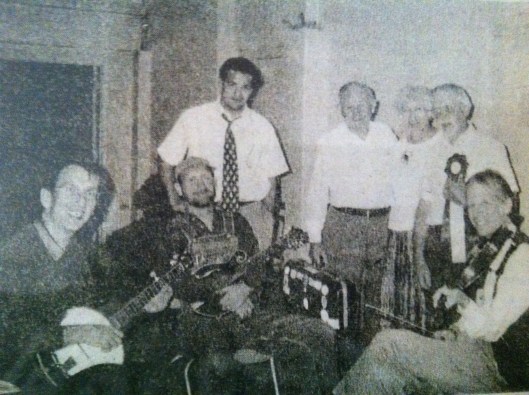
Benny Martin Days, 1999

7th Annual Benny Martin Days, 1999

In Search of Ed Haley 334

09 Wednesday Jul 2014

Posted by Brandon Ray Kirk in Calhoun County, Ed Haley, Music

≈ Leave a comment

Tags

Amos Morris, Billy Adkins, Brandon Kirk, Calhoun County, Doc White, Dolly Bell, fiddler, fiddling, history, Ivydale, Jimmy Triplett, John Hartford, John Morris, Johnny Hager, Laury Hicks, Minnie Moss, music, Ocie Morris, Pigeon on the Gate, Stinson, Walker, West Virginia, Wilson Douglas, writing

Around that time, as Billy and Brandon wandered in the woods of eastern Kentucky, I called Jimmy Triplett, a fiddler and protégé of Doc White in West Virginia. Doc, in addition to being Ed’s friend, was a jack of all trades — fiddler, doctor, dentist… I’d recently heard that he was a photographer and wondered if maybe he had pictures of Ed or Laury Hicks. Jimmy wasn’t really sure.

“It was way back when he was a youth that he took pictures,” he said. “I guess he was considered an amateur, but he made a lot of photographs used for postcards.”

I asked Jimmy if Doc ever talked about Ed and he said, “Yeah, he talked about how good he was and everything. He said that he was one of the best that he ever heard.”

What kind of tunes did Doc play?

“The main one Doc plays is ‘Pigeon on the Gate’ — he got that from Ed Haley,” Jimmy said. “I think it would be in standard tuning — it’s a D tune. I don’t know that there’s that many other tunes that he got off of Ed Haley that he played, but he talked about him a whole bunch and then described seeing him and his wife play.”

Jimmy played a tape over the telephone of Doc talking and playing “Pigeon on the Gate”.

“Here’s one they call the ‘Pigeon on the Gate’,” Doc said. “Ed Haley, a blind man, played that tune from Kentucky. Best fiddler that ever I heard draw a bow. His wife was blind and she played the mandolin. They used to come through the country and stop at our houses and stay for days and play with us. You ought to’ve heard him play the fiddle. He’d make them fellas over there sick.”

Jimmy referred me to John Morris, an Ivydale-area fiddler who’d known Doc and even learned “Pigeon on the Gate” from him. John was too young to remember Ed personally (he was fifty-something) but had heard a lot of stories.

“I growed up hearing about Ed Haley from my dad,” John said. “I heard a lot of other stories about him later. He used to come here and stay at my grandparents’ house some. Their names were Amos and Ocie Morris. They just lived about a mile and a half from the train station and it was on the way to Calhoun County and they were from Calhoun County. He’d ride the train to Ivydale. If it was the evening train, usually a lot of people from Calhoun County — the next county back — stayed at my grandparents’ house. He’d stay at my grandpaw and grandmaw’s up here and then go on the next day. He usually, I think, visited with Laury Hicks mostly.”

What about Laury?

“Laury Hicks was evidently a riverman,” John said. “I believe it was Aunt Minnie Moss that said he could take a hog’s head of salt or something under each arm and he poled boats up and down the Elk River and hauled supplies when they used them flatboats. I’ve heard stories of his strength — what a strong and robust kind of a man he was. My dad said that when Laury Hicks died, Ed Haley wasn’t here and the next time he come through they took a chair and set it out at Laury Hicks’ grave and Ed Haley sat out on Laury Hicks’ grave and fiddled for about four hours.”

John said stories abounded about Ed among the people of Calhoun County.

“They told that they was having church over there someplace one night in an old school building or something on top of the hill between Walker and Stinson,” he said. “Ed happened to be in the country and they wanted him to play some hymns. He got started playing and he got off of playing hymns and they wound up breaking up church and having a dance. And they was about to take him up over it — about to get in trouble with the law over it — for breaking up church.”

I asked John if he thought that was a true story and he said, “Well, I’ve heard that. I know Ed cussed all the time. He was bad to cuss and swear. I heard that my Grandmaw Morris about put him away from the table for swearing at the table. Dad said he swore continuously.”

It was coincidental that John would mention Ed’s profanity. A few days later, Brandon met a niece to Johnny Hager at a genealogical meeting and she said Johnny quit traveling with Ed because he used foul language and because he had another woman in Calhoun County. Supposedly, when this woman died Ed played the fiddle at her grave all night. This “other woman” story may have had some merit: Wilson Douglas told me that Ed had an illegitimate daughter in that country.

1st Annual Ed Haley Fiddle Contest

07 Monday Jul 2014

Posted by Brandon Ray Kirk in Ashland, Big Sandy Valley, Ed Haley, John Hartford, Music

≈ 1 Comment

Tags

Annadeene Fraley, Ashland, banjo, Brandon Kirk, Ed Haley, Ed Haley Fiddle Contest, fiddlers, fiddling, history, J P Fraley, John Hartford, Kentucky, mandolin, Mike Compton, music, Nancy McClellan, Paul David Smith, Peter Even, photos

Ed Haley Contest 1

(L-R) Peter Even, Mike Compton, Brandon Kirk, J.P. Fraley, Nancy McClellan, Paul David Smith, and John Hartford.

Phyllis Kirk and John Hartford (with ‘coon)

05 Saturday Jul 2014

Posted by Brandon Ray Kirk in Harts, John Hartford, Music, Women's History

≈ Leave a comment

Tags

Harts, John Hartford, life, Lincoln County, music, photos, Phyllis Kirk, raccoon, West Virginia

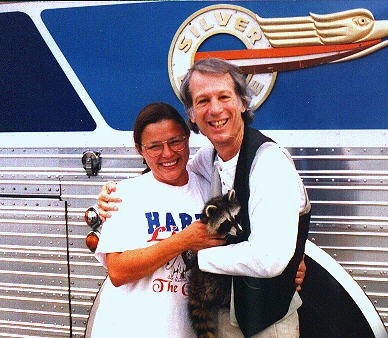
Phyllis Kirk with John Hartford (and her pet raccoon), Harts, Lincoln County, WV, c.1995

Phyllis Kirk (and her pet raccoon) with John Hartford, Harts, Lincoln County, WV, c.1995

In Search of Ed Haley 332

04 Friday Jul 2014

Posted by Brandon Ray Kirk in Calhoun County, Ed Haley, Music

≈ Leave a comment

Tags

Ashland, Brandon Kirk, Calhoun County, Ed Haley Fiddle Contest, Ella Haley, fiddler, fiddling, George Carr, history, Kentucky, Laury Hicks, Madison, midwife, Minnie Hicks, music, Roane County, Spencer, Walker School House, West Virginia, writing

The next day, at the fiddling contest, Brandon met George Carr of Madison, West Virginia. George said Ed was the reason he started playing the fiddle many years ago.

“I was raised in Calhoun County,” he said. “I first saw Ed Haley as a small boy in the one-room Walker School House. Sometime in the early ’30s, about ’34, ’35, I’d say. Him and his wife came and they played for us and he fascinated me with that fiddle. And he had a son called ‘Puckett’ and I don’t know what ever became of him. But Ed and his wife would play on the streets in Spencer where the stock sale was every Friday and they would play there and she pinned a tin cup in her apron and they got nickels and dimes and quarters and fifty cents but no greenbacks. He stayed with a fella by the name of Laury Hicks who was a local fiddler and a self-taught veterinarian. His wife, Minnie Hicks, was a midwife — delivered many, many babies — who held my father in her arms when he was a small baby and he died in ’75 and he was 77 years old.”

Mona Haley with Harold Postalwait

03 Thursday Jul 2014

Posted by Brandon Ray Kirk in Ed Haley, Music

≈ Leave a comment

Tags

Ashland, Ed Haley, Ella Haley, Harold Postalwait, Kentucky, Mona Haley, music, Pat Haley, photos

Mona Haley and Harold Postalwait

Mona Haley and Harold Postalwait at Pat Haley’s house, Ashland, KY, c.1996

In Search of Ed Haley 331

03 Thursday Jul 2014

Posted by Brandon Ray Kirk in Ed Haley, Music

≈ Leave a comment

Tags

Ashland, Brandon Kirk, Clyde Haley, Ed Haley, Ella Haley, genealogy, history, John Hartford, Kentucky, Keyser Creek, life, music, Noah Haley, Pat Haley, Ralph Haley, writing

About an hour later, Brandon showed up at Pat’s, followed by various members of the Haley clan: Noah, Clyde, and a bunch of children and grandchildren. The house was soon full of people — talking and eating. It was a bittersweet moment due to Lawrence’s absence, although his spirit was everywhere. I watched the Haleys — Ed’s children and grandchildren — business executives, gamblers, bar owners — mix with one another. Conversation was friendly between them, although there seemed to be an estrangement — especially among the younger ones. Basically, they were raised up separate from each other (the “Kentucky Haleys” vs. the “Ohio Haleys”); to be honest, it was as if they really didn’t know each other that well.

I realized that the binding force in Ed’s family — the glue that held all of them together — was the music…or at least the memory of it. Children who had never met before were sitting in the floor together or running through the house and yard — some hearing about Ed for the first time. I kept thinking about how one of them might some day pick up a fiddle and naturally crank out some of those “Haley licks.”

Brandon and I sat in the living room with Noah, Clyde, and Mona. Clyde immediately started talking about Ed.

“I used to hate him — hate that man — the way he treated Mom,” he said.

“Evidently, Mom cared for him or she wouldn’t a let it go on,” Noah said.

“I learnt as I got older and got a little tolerance in my mind I learned to forgive my hate for my dad to something else,” Clyde said. “I give it to God or whatever you want to call it.”

“I think the reason you didn’t like him Clyde was because when we stole them ducks there at Keyser Creek, he took each one in a room by ourself and he took a strap and he held us by the arm and he beat the hell out of us,” Noah said, laughing.

“That was Mr. Runyon’s ducks,” Clyde said. “Yeah, he beat us with the buckle part of that belt.”

“Yeah, and I think that’s why you didn’t like him,” Noah said. “I remember that beating we got.”

Clyde said, “Oh, we got a good one, didn’t we?”

I asked where Ed lived when that happened and Clyde said, “That was a four-room house. Ralph, our oldest brother, he had made a trapdoor in that floor and he used to bootleg moonshine through that trapdoor.”

“Clyde, you remember the cow he stole and kept it under the porch?” Noah asked.

Clyde said, “Yeah, Ralph did that. That wasn’t a cow. That was a calf. Our house stood up on stilts and Ralph or somebody had fenced that all in to keep that calf in. Got that while he was in the CCCs.”

Noah said, “And he built a trapdoor so he could go down through the floor…”

“In the bedroom,” Mona added.

Clyde laughed and said, “Ralph got that calf in the house and he was trying to put that calf up in Mom’s lap and it done something all over Mom.”

In Search of Ed Haley 330

02 Wednesday Jul 2014

Posted by Brandon Ray Kirk in Ed Haley, Music

≈ Leave a comment

Tags

Ashland, Ashland Daily Independent, Benny Martin, Brad Leftwich, Bruce Molsky, Buddy Spicher, Charlie Acuff, Earl Scruggs, Ed Haley Fiddle Contest, Ella Haley, fiddling, Fletcher Bright, history, Hoot Hester, Jim Wood, John Hartford, Kentucky, mandolin, Mike Compton, Mona Haley, music, My Happy Childhood Days Down on the Farm, Nashville, Pat Gray, Pat Haley, Patsy Haley, Poage Landing Days, writing

Meanwhile, plans were underway for an “Ed Haley Fiddle Festival” in Ashland. The whole idea was conceived by Pat Gray, a local real estate agent who’d been inspired by an article in the Ashland Daily Independent regarding our interest in Ed’s life. Pat incorporated the “festival” (which was actually a fiddling contest) into Ashland’s Poage Landing Days, a citywide carnival-like celebration centered on the downtown area. The fiddle contest was scheduled to take place in the basement/auditorium of a Presbyterian church in Ashland. Pat declared me the “Grand Marshall” of the Poage Landing Parade, booked my band and I for an evening show and even offered to put us up at her place.

We pulled into Ashland on September 20th, 1996 and parked the bus in a church parking lot just down the hill from Pat Haley’s. Mike Compton, my mandolin player, and I walked up to Pat’s for breakfast (at her invitation) where I found her entertaining Mona and Patsy (Jack’s wife). Mona had written out the words to some of Ed’s songs for me, like “My Happy Childhood Days Down on the Farm”:

When a lad I used to dwell

In a place I loved so well

Far away among the clover and the bees.

Where the morning glory vine

‘Round our cabin door did twine

And the robin red breast sang among the trees.

In my happy boyhood days down on the farm.

There was a father old and gray

And a sister young and gay

And a mother dear to keep us from all harm.

There I passed life’s sunny hours

Running wild among the flowers

In my happy boyhood days down on the farm.

It was obvious that Mona had been thinking a lot about Ed’s music, so I didn’t waste any time getting my fiddle out for her. She caught me a bit off guard when she asked me if she could accompany me using Mike’s mandolin. The next thing I knew, she was playing right along with me — scarily like her mother. After we’d finished a tune everyone got really quiet, then Patsy looked at Mike and said, “You’ve just lost your job.”

Several tunes later, I asked Mona about Ed’s bowing style. There was a lot of conflicting information on that, so I wanted to get her opinion again. She said Ed “mixed things up,” or more specifically, that he varied his bowing between long and short strokes.

I had kinda figured that was true and had even come to think that maybe he had “area bowings,” much like his “area tunes.” It’s really a very natural thing. I play different tunes and different ways when I’m with the Goforths and Hawthornes in Missouri than when I’m with Earl Scruggs and Benny Martin in Nashville, or Fletcher Bright, or Jim Wood, or Bruce Molsky and Brad Leftwich, or Charlie Acuff, or Buddy Spicher, or Hoot Hester.

I should say here that all this business of bow holds, short and long bow strokes, and whether Ed held the fiddle under his chin or not, should never be taken as Scripture. In my own experience, I’ve held the fiddle under my chin, on my arm, on my chest, with all kinds of chin rests, no chin rests, shoulder rests, and used different kinds of bows. (I even used to tape a tin penny nail or two on the bow shaft for weight when I pulled it for long square dances so I wouldn’t have to press down with my index finger.) I’ve bowed heavy, light, long strokes, short strokes, off-string, on-string, and so forth. I’m sure that Ed’s technique — like mine or probably any musician — was constantly changing. What I have tried to document with Ed is who saw him play a certain way, where and when. It’s important to keep that in mind so as to not get lost in the contradictions.

In Search of Ed Haley 328

26 Thursday Jun 2014

Posted by Brandon Ray Kirk in Big Harts Creek, Ed Haley, Lincoln County Feud, Music

≈ Leave a comment

Tags

Andy Mullins, banjo, Bernie Adams, Bill Adkins, Bill Monroe, Billy Adkins, Black Sheep, blind, Bob Dingess, Brandon Kirk, Buck Fork, Claude Martin, Dingess, Dobie Mullins, Drunkard's Hell, Ed Haley, Floyd Mullins, George Baisden, George Mullins, Green McCoy, Grover Mullins, guitar, Harts Creek, history, Hollene Brumfield, John Hartford, Logan County, Maple Leaf on the Hill, measles, Michigan, Millard Thompson, Milt Haley, Mona Haley, moonshine, music, Naaman Adams, Roxie Mullins, Smokehouse Fork, Ticky George Hollow, Trace Fork, West Virginia, Williamson, Wilson Mullins, writing

From Naaman’s, we drove out of Trace and on up Harts Creek to see Andy Mullins, who Brandon had met a few months earlier at Bill Adkins’ wake. Andy had just relocated to Harts after years of living away in Michigan; he had constructed a new house in the head of Ticky George Hollow. Andy was a son to Roxie Mullins, the woman who inspired my fascination with Harts Creek. Andy, who we found sitting in his yard with his younger brother Dobie, was very friendly. He treated us as if we had known him for years.

“I was just catting when you fellas come up through there,” Andy said to us. “One of the girls lost a cat down there over the bank last night — a kitten. This morning I went down there and it was up in that rock cliff and I took its mother down there and it whooped the mother. And I took one of the kittens down there and it whooped the kitten. The old tomcat, he come down there and he whooped it. It went back up under that damn rock.”

I liked Andy right away.

We all took seats in lawn chairs in the front yard where Andy told about Ed Haley coming to see his parents every summer when he was a boy, usually with his wife. He described him as having a “big, fat belly” and weighing about 200 pounds.

“He wasn’t much taller than Dobie but he was fat,” Andy said. “I can remember his eyes more than the rest of him because his eyes was like they had a heavy puss over them or something. It was real thick-like. Not like they were clouded or anything.”

Even though Ed was blind, he could get around all over Harts Creek and even thread a needle.

Andy had heard that Milt caused Ed’s blindness.

“They said that Ed got a fever of some kind when he was a baby and Milt went out and cut a hole in the ice and stuck him under the ice in the creek to break the fever,” he said.

Andy knew very little about Milt.

“Just that Milt got killed, that was it, over shooting the old lady down at the shoal below Bob Dingess’ at the mouth of Smokehouse,” he said.

“All the old-timers that knows anything about his daddy is probably dead,” Dobie said.

Brandon said we’d heard rumors that Milt and Green were innocent of shooting Hollena Brumfield and Andy quickly answered, “That’s what my father-in-law told me.”

Changing the conversation back to Ed, Andy said, “Ed used to go up on Buck Fork to George Mullins’ to stay a lot and up to Grover Mullins’. He lived just above George’s place — the old chimney is the only thing still standing.”

He also went up in the head of Hoover to see George Baisden, a banjo-picker who’d hoboed with him in his younger days. The two of them had a lot of adventures, like the time Ed caught a train at Dingess and rode it over to Williamson to play for a dance or at a tavern. Just before they rolled into town, George pushed him off the train then jumped off himself. It made Ed so mad that George had to hide from him for the rest of the night.

I asked Andy if Ed ever told those kind of stories on himself and he said, “He told big tales, I’d call them, but I don’t remember what they were. Well, he set and talked with my grandmother and grandfather all the time he was here, and Mom. I never paid any attention to what they talked about really. I guess, man, I run these hills. I was like a goat. Hindsight is 20/20.”

Not long into our visit with Andy, he got out his guitar and showed me what he remembered about Bernie Adams’ guitar style. From there, he took off on Bill Monroe tunes, old lonesome songs, or honky-tonk music, remarking that he could only remember Ed’s tunes in “sketches.”

I asked, “Do you reckon Ed would sing anything like ‘Little Joe’?” and he said, “I don’t know. It’s awful old. I heard him sing ‘The Maple on the Hill’. He played and sang the ‘Black Sheep’.”

“He played loud, Ed did,” Dobie said.

“And sang louder,” Andy said immediately. “He’d rare back and sing, man.”

The tune he best remembered Ed singing was “The Drunkard’s Hell”.

I wanted to know the time frame of Andy’s memories.

“1944, ’45,” he said. “I was thirteen year old at that time. Now in ’46, we lived across the creek up here at Millard’s. Him and Mona Mae and Wilson — they wasn’t married at the time — went somewhere and got some homebrew and they all got pretty looped. That was up on Buck Fork some place. Ed got mad at Wilson and her about something that night and that’s the reason they didn’t play music — him and Claude Martin and Bernie Adams.”

I asked Andy about Ed’s drinking and he said, “Just whatever was there, Ed’d drink. He didn’t have to see it. He smelled it. Ed could sniff it out.”

Brandon wondered if Ed ever played at the old jockey grounds at the mouth of Buck Fork. Andy doubted it, although it sure seemed to me like the kind of place for him to go. There was moonshine everywhere and men playing maybe ten card games at once.

“They’d get drunk and run a horse right over top of you if you didn’t watch,” Andy said. “It was like a rodeo.”

The last jockey ground held at the mouth of Buck Fork was in 1948.

John Hartford’s grave

24 Tuesday Jun 2014

Posted by Brandon Ray Kirk in John Hartford, Music

≈ 1 Comment

Tags

bluegrass, Brandon Kirk, John Hartford, Marie Hartford, music, Nashville, photos, Tennessee

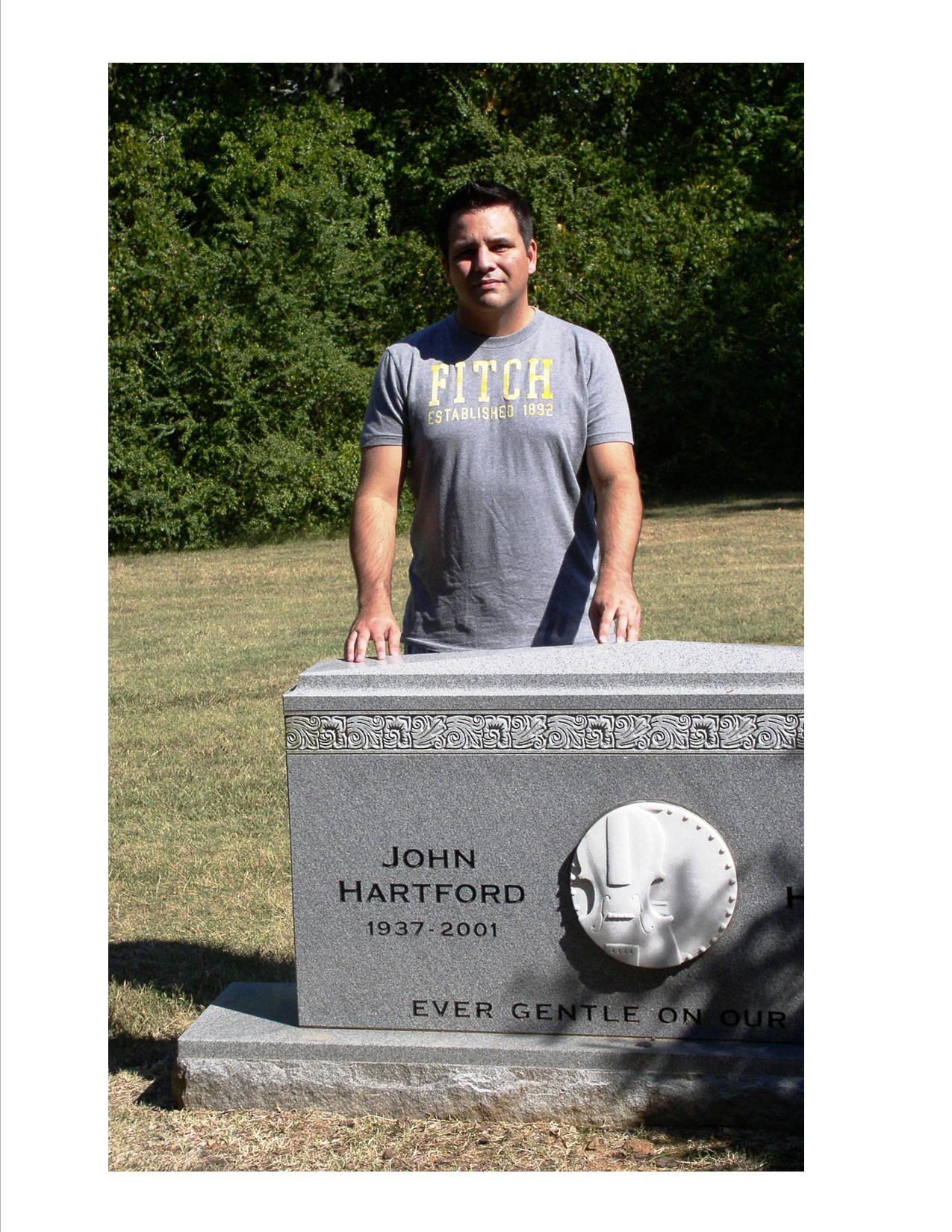
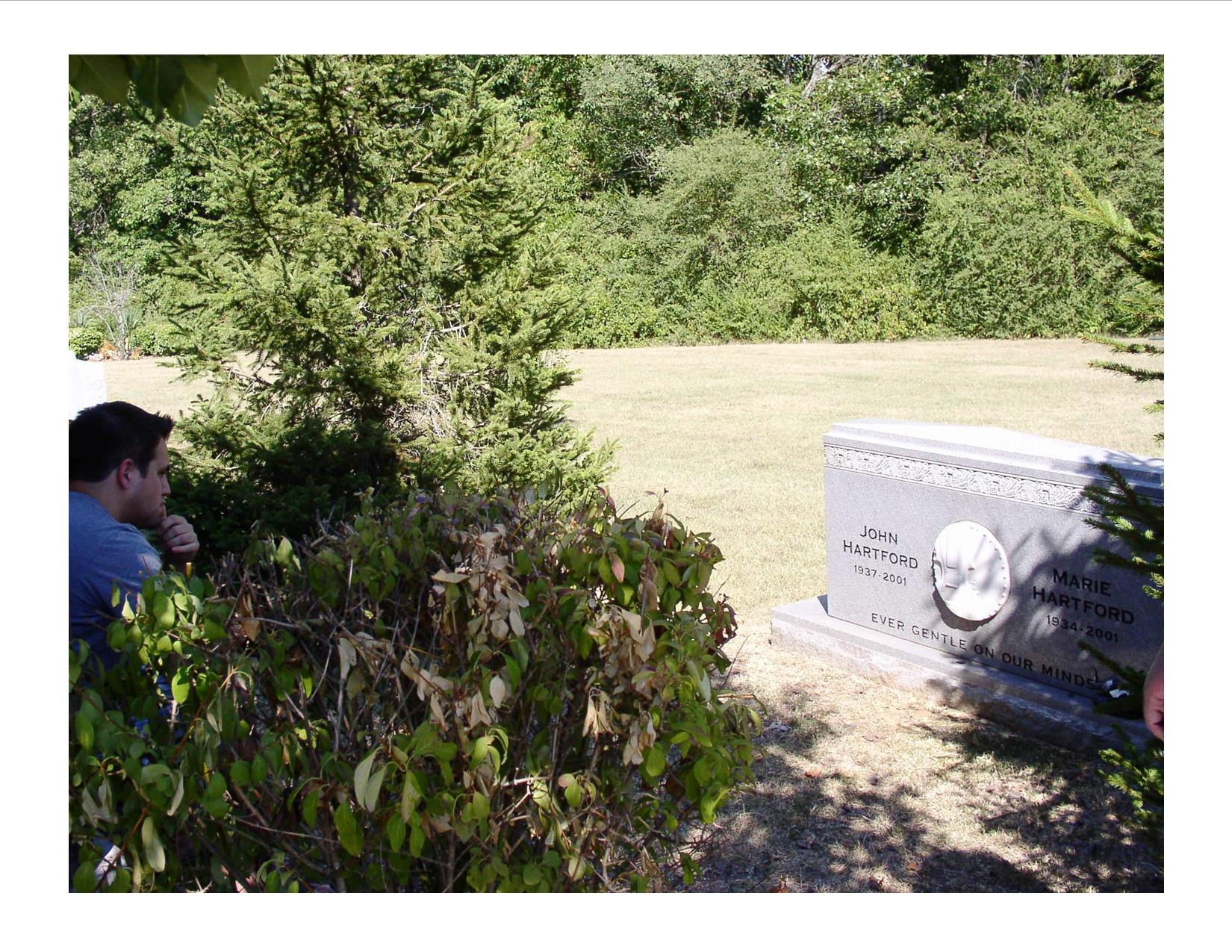
John Hartford's grave, Madison, TN, August 2008

John Hartford’s grave, Madison, TN, August 2008

John 2

John Hartford’s grave, Madison, TN, August 2008

In Search of Ed Haley 325

21 Saturday Jun 2014

Posted by Brandon Ray Kirk in Big Harts Creek, Ed Haley, Logan, Music

≈ Leave a comment

Tags

Billy Adkins, blind, Brandon Kirk, Cacklin Hen, Clyde Haley, Dood Dalton, Ed Haley, Ella Haley, fiddle, fiddling, guitar, Harts, Harts Creek, history, Huntington, John Hartford, Lincoln County, Logan, mandolin, Marshall Kelley, music, West Virginia, writing

That night, Brandon and I congregated at Billy Adkins’ house in Harts Bottom.  In ensuing conversation, Billy told us about Marshall Kelley, an old-timer in the community who remembered Ed. He dialed Marshall up, then put me on the telephone. Marshall said he was seventy-three years old, had been born and raised about three miles up Harts Creek and was the son of a Baptist preacher. He was great: I didn’t have to prod him with questions. He just took off, beginning with a story about seeing Ed walking up toward Dood Dalton’s.

“I was about two or three blocks away from him,” Marshall said. “I lived in a house about 100 yards from the road and I could see the people going and coming up and down the road. And I saw a man — a little bit short — going, walking. It looked like he was carrying a guitar — might have been a mandolin — in one hand and his fiddle in the other hand. Somebody said they believed that was Ed Haley and he was being led by a young man that was just a little taller than him. In other words, this man was holding onto his arm. They were walking side by side. And he went down there and went up a hollow then about half a mile — maybe three quarters of a mile — to the home of Dood Dalton. They were acquainted with each other. Ed played the fiddle the biggest part of the afternoon.”

I asked Marshall if he remembered anything specific about Ed’s fiddling.

“I heard him play the ‘Cacklin’ Hen’ on the fiddle and made her cackle,” he said. “Buddy, he could make that sound just almost exactly like a chicken cackling. And I noticed the sound of that fiddle. And down in those little grooves — places where you could look down in the head of his fiddle — I could see some letters down in there, like a little sticker, that said, ‘Made in Germany.’ And his fiddle looked old cause it didn’t have much varnish on it. Dood made mention about putting new varnish on it and he said he didn’t want to. He said they played better — had a better sound — without any varnish on it. None of them sounded just like his fiddle and he wouldn’t change.”

Marshall said he saw Ed play at Logan and Huntington, too.

Then I heard him two or three times in Logan up around the courthouse singing and playing. One time they was a woman with him somebody said was his wife and she was also blind. I believe she was playing a mandolin. Then the next thing, I grew up a little bit and I went to Huntington. And I was a going down one of the streets and I heard a fiddle a playing. It was far enough away that I couldn’t tell what direction it was in. I stopped once and listened. And after a while, I went on down there and here was a gang of people ganged up and there was him and his wife again a playing. And I thought as I went walking down that way, ‘That sounds just like Ed Haley.’ And sure enough it was.”

Just before Marshall and I hung up, he told me what he knew about the Haley children.

“I only got acquainted with the one named Clyde,” he said. “And I saw him there at Dood Dalton’s house. Just talked with him a little bit. Me and him was approximately the same age. He got to sparking Dood’s girl and I was trying to take her away from him and whenever I seen I couldn’t make no headway I just walked away and left and then she quit him.”

John Hartford’s vest and hat

13 Friday Jun 2014

Posted by Brandon Ray Kirk in John Hartford, Music

≈ Leave a comment

Tags

bluegrass, culture, history, John Hartford, life, Museum of Appalachia, music, Norris, photos, Tennessee, U.S. South

John Hartford's vest and hat, Museum of Appalachia, Norris, TN 5.15.2012

John Hartford’s vest and hat, Museum of Appalachia, Norris, TN 5.15.2012

Ben France: Confederate Soldier and Fiddler of Cabell County, WV

11 Wednesday Jun 2014

Posted by Brandon Ray Kirk in Civil War, Ed Haley, Music

≈ Leave a comment

Tags

Ben France, Cabell County, civil war, Confederate Army, fiddler, fiddling, history, Long Branch, music, photos, West Virginia

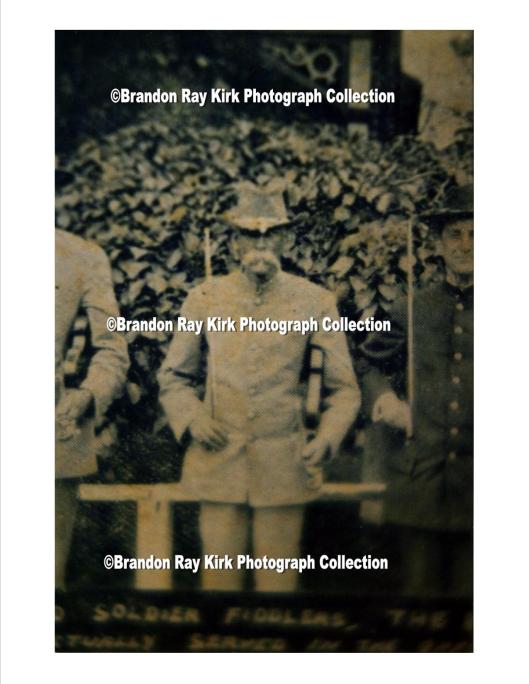
Ben France

Ben France, a Confederate veteran and fiddler from Long Branch area of Cabell County, WV

In Search of Ed Haley 318

11 Wednesday Jun 2014

Posted by Brandon Ray Kirk in Civil War, Ed Haley, Music

≈ Leave a comment

Tags

Appalachia, Army of Tennessee, Battle of Gettysburg, Ben France, Ben Haley, Brandon Kirk, Cabell County, civil war, Confederate Army, Dave Bing, Ed Haley, fiddler, genealogy, Guyandotte Valley, Henry France Cemetery, history, John D. Rockefeller, John Hartford, Long Branch, Milt Haley, music, Old Soldier Fiddlers, Shenandoah Valley, Stonewall Jackson, Wayne County, West Virginia, writing

Around that same time, Brandon located a picture of Ben France in a newsletter called High Notes: Mountain Music from West Virginia (1996). France was the most famous fiddler in the Guyandotte Valley during the 1850s. He may have been acquainted with Ed’s grandfather, Ben Haley, or even influenced Milt or Ed.

“These are the ‘Old Soldier Fiddlers’ — two Union, two Confederate — who toured the country after the Civil War,” the caption read. “The second fiddler from the left is Ben France of Wayne County, a Confederate courier who was second on the scene after Stonewall Jackson was fatally wounded. France was the great-great-great-great-great-uncle of our own Bing Brothers. Thanks to Dave Bing for the use of the photograph.”

A little later, I called Dave Bing, a West Virginia fiddler pretty well known among the traditional festival circuit, to ask him about the picture.

“Uncle Ben was born in what is now Wayne County, West Virginia, in the 1840s,” he said. “He joined the Confederate Army at the age of seventeen and served as a carrier in the Shenandoah Valley campaign. He was in the area on a mission the night Stonewall Jackson was shot and was said to be the second man to come to his aid. During the Battle of Gettysburg, he was wounded and transferred to the Army of Tennessee where he served until the end of the war. Uncle Ben was known as a fine horseman.”

France became somewhat of a professional musician after the war.

“After the war, Uncle Ben and three other war veterans (all fiddlers) toured the country playing resorts and fine hotels,” Bing said. “The group was known as the ‘Blue and the Gray.’ Uncle Ben once played by invitation for John D. Rockefeller, Sr. at his hotel. He was an outstanding banjo player but was more famous for his fiddling. He was well-dressed and always had his fiddle — which he called ‘Sally.’ He never married but was the father of a daughter. He died in 1917. He was buried in Henry France Cemetery located off of Long Branch in Cabell County.”

In Search of Ed Haley 317

10 Tuesday Jun 2014

Posted by Brandon Ray Kirk in Big Harts Creek, Ed Haley, Music

≈ Leave a comment

Tags

Big Branch, Brandon Kirk, Cacklin Hen, Calhoun County Blues, Dood Dalton, Ed Haley, fiddler, fiddling, Garfield's Blackberry Blossom, Harts Creek, history, John Hartford, Lincoln County, music, Tootsie Tomblin, West Virginia, Wild Horse, writing

In that same time frame, Brandon re-visited Tootsie Tomblin, a daughter of Ed Haley’s friend Dood Dalton. She presented him with a reel-to-reel recording of Dood playing the fiddle around 1971. He knew this was an amazing find, somewhat comparable to finding a recording of Laury Hicks, Ed’s fiddling friend in Calhoun County.

Tootsie warned Brandon that the recording wasn’t great because her father had been very old and somewhat crippled in his left hand.

“He was playing with three fingers on his left hand ’cause his fourth finger wouldn’t bend where he’d got it mashed in the mines,” she said.

Brandon sent me a copy of the Dalton recording and when I played it I found that Dood was just what Tootsie said — a man of advanced years whose fingers were tough, stiff and scarred from years of working in the mines — using what sounded like a bow with three hairs and no rosin and a fiddle that had been refinished with floor varnish and strung up with barbed wire and with an action so high you could probably put your shoe under the strings. Still, there he was playing “Wild Horse”, “Cacklin’ Hen”, “Calhoun County Blues”, and “Garfield’s Blackberry Blossom”…and doing it so slowly, as if he were trying to communicate to me through the years that he’d been one hell of a fiddler earlier in his life. His final number was an unaccompanied vocal rendition of an old gospel tune. I came away from the recording thinking that yes, by god, Dood Dalton had been a good fiddler in his day.

John Edward “Ed” Belcher

05 Thursday Jun 2014

Posted by Brandon Ray Kirk in Ed Haley, Logan, Music

≈ 4 Comments

Tags

Appalachia, Ed Belcher, fiddler, fiddlers, fiddling, genealogy, history, Logan, Logan County, music, photos, violin, West Virginia

belcher

John Edward “Ed” Belcher (1886-1970), violinist and resident of Logan, WV

In Search of Ed Haley 314

05 Thursday Jun 2014

Posted by Brandon Ray Kirk in Big Harts Creek, Ed Haley, Logan, Music

≈ Leave a comment

Tags

banjo, Brandon Kirk, Buck Fork, Buffalo Creek, Dixie Mullins, Donna Samson, Ed Belcher, Ed Haley, Falling Water, fiddle, fiddler, genealogy, George Mullins, guitar, Harts Creek, history, James Belcher, Logan, Logan County, Logan Theatre, Mary Belcher, music, piano, Putnam County, Rhoda Mullins, Scott District, timbering, West Virginia, writing

Not long after talking with Vergia, Brandon located Donna Samson, a daughter of Ed Belcher, in Logan, West Virginia. Belcher, we were told, was a multi-instrumentalist who played music with Ed Haley at George Mullins’ home on the Buck Fork of Harts Creek.

John Edward Belcher was born in 1886 or 1889, the son of James and Mary (Thomas) Belcher. The Belchers lived in Scott District, Putnam County, in 1900. Donna thought her father was from Buffalo Creek in Logan County. She said her family was once heavily involved in the sawmill business. As a young man, Ed played music with his brother Henry. At some point, he took music lessons and learned to read and write music. He could play the piano, banjo, guitar, and “could make a violin cry.” In the 1910s and 1920s, he played the violin in an orchestra during silent movies at the Logan Theatre. About that same time, he also operated a boarding house near the train station (likely a convenient “stopping off place” for Ed Haley when he came into Logan).

“He always kept music around his home,” Donna said.

Belcher played ragtime and loved to play “Falling Water” on the piano in his later years.

Donna said her father met her mother Rhoda Mullins (1919-1990) while at a dance in Logan. Rhoda was staying in town with her sister Dixie, who was a local schoolteacher. They were the daughters of George Mullins of Harts Creek. Her father, she added, was some thirty years older than her mother, who was his second wife.

Ed Belcher died in 1970. His death record gives his occupation as “Piano repair, tuner.”

← Older posts
Newer posts →

Feud Poll 1

If you had lived in the Harts Creek community during the 1880s, to which faction of feudists might you have given your loyalty?

Categories

  • Adkins Mill
  • African American History
  • American Revolutionary War
  • Ashland
  • Atenville
  • Banco
  • Barboursville
  • Battle of Blair Mountain
  • Beech Creek
  • Big Creek
  • Big Harts Creek
  • Big Sandy Valley
  • Big Ugly Creek
  • Boone County
  • Breeden
  • Calhoun County
  • Cemeteries
  • Chapmanville
  • Civil War
  • Clay County
  • Clothier
  • Coal
  • Cove Gap
  • Crawley Creek
  • Culture of Honor
  • Dingess
  • Dollie
  • Dunlow
  • East Lynn
  • Ed Haley
  • Eden Park
  • Enslow
  • Estep
  • Ethel
  • Ferrellsburg
  • Fourteen
  • French-Eversole Feud
  • Gilbert
  • Giles County
  • Gill
  • Green Shoal
  • Guyandotte River
  • Halcyon
  • Hamlin
  • Harts
  • Hatfield-McCoy Feud
  • Holden
  • Hungarian-American History
  • Huntington
  • Inez
  • Irish-Americans
  • Italian American History
  • Jamboree
  • Jewish History
  • John Hartford
  • Kermit
  • Kiahsville
  • Kitchen
  • Leet
  • Lincoln County Feud
  • Little Harts Creek
  • Logan
  • Man
  • Matewan
  • Meador
  • Midkiff
  • Monroe County
  • Montgomery County
  • Music
  • Native American History
  • Peach Creek
  • Pearl Adkins Diary
  • Pecks Mill
  • Peter Creek
  • Pikeville
  • Pilgrim
  • Poetry
  • Queens Ridge
  • Ranger
  • Rector
  • Roane County
  • Rowan County Feud
  • Salt Rock
  • Sand Creek
  • Shively
  • Spears
  • Sports
  • Spottswood
  • Spurlockville
  • Stiltner
  • Stone Branch
  • Tazewell County
  • Timber
  • Tom Dula
  • Toney
  • Turner-Howard Feud
  • Twelve Pole Creek
  • Uncategorized
  • Warren
  • Wayne
  • West Hamlin
  • Wewanta
  • Wharncliffe
  • Whirlwind
  • Williamson
  • Women's History
  • World War I
  • Wyoming County
  • Yantus

Feud Poll 2

Do you think Milt Haley and Green McCoy committed the ambush on Al and Hollene Brumfield in 1889?

Blogroll

  • Ancestry.com
  • Ashland (KY) Daily Independent News Article
  • Author FB page
  • Beckley (WV) Register-Herald News Article
  • Big Sandy News (KY) News Article
  • Blood in West Virginia FB
  • Blood in West Virginia order
  • Chapters TV Program
  • Facebook
  • Ghosts of Guyan
  • Herald-Dispatch News Article 1
  • Herald-Dispatch News Article 2
  • In Search of Ed Haley
  • Instagram
  • Lincoln (WV) Journal News Article
  • Lincoln (WV) Journal Thumbs Up
  • Lincoln County
  • Lincoln County Feud
  • Lincoln County Feud Lecture
  • LinkedIn
  • Logan (WV) Banner News Article
  • Lunch With Books
  • Our Overmountain Men: The Revolutionary War in Western Virginia (1775-1783)
  • Pinterest
  • Scarborough Society's Art and Lecture Series
  • Smithsonian Article
  • Spirit of Jefferson News Article
  • The Friendly Neighbor Radio Show 1
  • The Friendly Neighbor Radio Show 2
  • The Friendly Neighbor Radio Show 3
  • The Friendly Neighbor Radio Show 4
  • The New Yorker
  • The State Journal's 55 Good Things About WV
  • tumblr.
  • Twitter
  • Website
  • Weirton (WV) Daily Times Article
  • Wheeling (WV) Intelligencer News Article 1
  • Wheeling (WV) Intelligencer News Article 2
  • WOWK TV
  • Writers Can Read Open Mic Night

Feud Poll 3

Who do you think organized the ambush of Al and Hollene Brumfield in 1889?

Recent Posts

  • Logan County Jail in Logan, WV
  • Absentee Landowners of Magnolia District (1890, 1892, 1894)
  • Charles Spurlock Survey at Fourteen Mile Creek, Lincoln County, WV (1815)

Ed Haley Poll 1

What do you think caused Ed Haley to lose his sight when he was three years old?

Top Posts & Pages

  • Halcyon 4.10.1919
  • Civil War Gold Coins Hidden Near Chapmanville, WV
  • Halcyon-Yantus 12.08.1911
  • Ran'l McCoy's Final Months (1914)
  • Blood in West Virginia: Brumfield v. McCoy (2014)

Copyright

© Brandon Ray Kirk and brandonraykirk.wordpress.com, 1987-2023. Unauthorized use and/or duplication of this material without express and written permission from this blog’s author and/or owner is strictly prohibited. Excerpts and links may be used, provided that full and clear credit is given to Brandon Ray Kirk and brandonraykirk.wordpress.com with appropriate and specific direction to the original content.

Archives

  • February 2025
  • January 2025
  • October 2023
  • September 2023
  • December 2022
  • November 2022
  • May 2022
  • April 2022
  • February 2022
  • November 2021
  • October 2021
  • September 2021
  • June 2021
  • May 2021
  • April 2021
  • March 2021
  • February 2021
  • January 2021
  • December 2020
  • November 2020
  • October 2020
  • July 2020
  • June 2020
  • May 2020
  • April 2020
  • March 2020
  • February 2020
  • January 2020
  • December 2019
  • November 2019
  • October 2019
  • September 2019
  • August 2019
  • July 2019
  • June 2019
  • May 2019
  • April 2019
  • March 2019
  • February 2019
  • January 2019
  • December 2018
  • November 2018
  • October 2018
  • September 2018
  • August 2018
  • July 2018
  • June 2018
  • May 2018
  • April 2018
  • March 2018
  • February 2018
  • January 2018
  • December 2017
  • November 2017
  • October 2017
  • September 2017
  • August 2017
  • July 2017
  • June 2017
  • May 2017
  • April 2017
  • March 2017
  • February 2017
  • January 2017
  • December 2016
  • November 2016
  • October 2016
  • September 2016
  • August 2016
  • July 2016
  • June 2016
  • May 2016
  • April 2016
  • March 2016
  • February 2016
  • January 2016
  • December 2015
  • November 2015
  • October 2015
  • September 2015
  • August 2015
  • July 2015
  • June 2015
  • May 2015
  • April 2015
  • March 2015
  • February 2015
  • January 2015
  • December 2014
  • October 2014
  • September 2014
  • August 2014
  • July 2014
  • June 2014
  • May 2014
  • April 2014
  • March 2014
  • February 2014
  • January 2014
  • December 2013
  • November 2013
  • October 2013
  • September 2013
  • August 2013
  • July 2013
  • June 2013
  • May 2013
  • April 2013
  • March 2013
  • February 2013
  • January 2013
  • December 2012
  • November 2012

Enter your email address to follow this blog and receive notifications of new posts by email.

Join 2,927 other subscribers

Tags

Appalachia Ashland Big Creek Big Ugly Creek Blood in West Virginia Brandon Kirk Cabell County cemeteries Chapmanville Charleston civil war coal Confederate Army crime culture Ed Haley Ella Haley Ferrellsburg feud fiddler fiddling genealogy Green McCoy Guyandotte River Harts Harts Creek Hatfield-McCoy Feud history Huntington John Hartford Kentucky Lawrence Haley life Lincoln County Lincoln County Feud Logan Logan Banner Logan County Milt Haley Mingo County music Ohio photos timbering U.S. South Virginia Wayne County West Virginia Whirlwind writing

Blogs I Follow

  • OtterTales
  • Our Appalachia: A Blog Created by Students of Brandon Kirk
  • Piedmont Trails
  • Truman Capote
  • Appalachian Diaspora

BLOOD IN WEST VIRGINIA is now available for order at Amazon!

Blog at WordPress.com.

OtterTales

Writings from my travels and experiences. High and fine literature is wine, and mine is only water; but everybody likes water. Mark Twain

Our Appalachia: A Blog Created by Students of Brandon Kirk

This site is dedicated to the collection, preservation, and promotion of history and culture in Appalachia.

Piedmont Trails

Genealogy and History in North Carolina and Beyond

Truman Capote

A site about one of the most beautiful, interesting, tallented, outrageous and colorful personalities of the 20th Century

Appalachian Diaspora

  • Subscribe Subscribed
    • Brandon Ray Kirk
    • Join 789 other subscribers
    • Already have a WordPress.com account? Log in now.
    • Brandon Ray Kirk
    • Subscribe Subscribed
    • Sign up
    • Log in
    • Report this content
    • View site in Reader
    • Manage subscriptions
    • Collapse this bar
 

Loading Comments...