• About

Brandon Ray Kirk

~ This site is dedicated to the collection, preservation, and promotion of history and culture in my section of Appalachia.

Brandon Ray Kirk

Category Archives: Big Harts Creek

Taylor Books

05 Friday Jun 2015

Posted by Brandon Ray Kirk in Big Harts Creek, Harts, Lincoln County Feud

≈ Leave a comment

Tags

Appalachia, Blood in West Virginia, Brandon Ray Kirk, Charleston, genealogy, Gretna, history, Lincoln County Feud, Louisiana, Paris Brumfield, Pelican Publishing Company, photos, Taylor Books, West Virginia, writers, writing

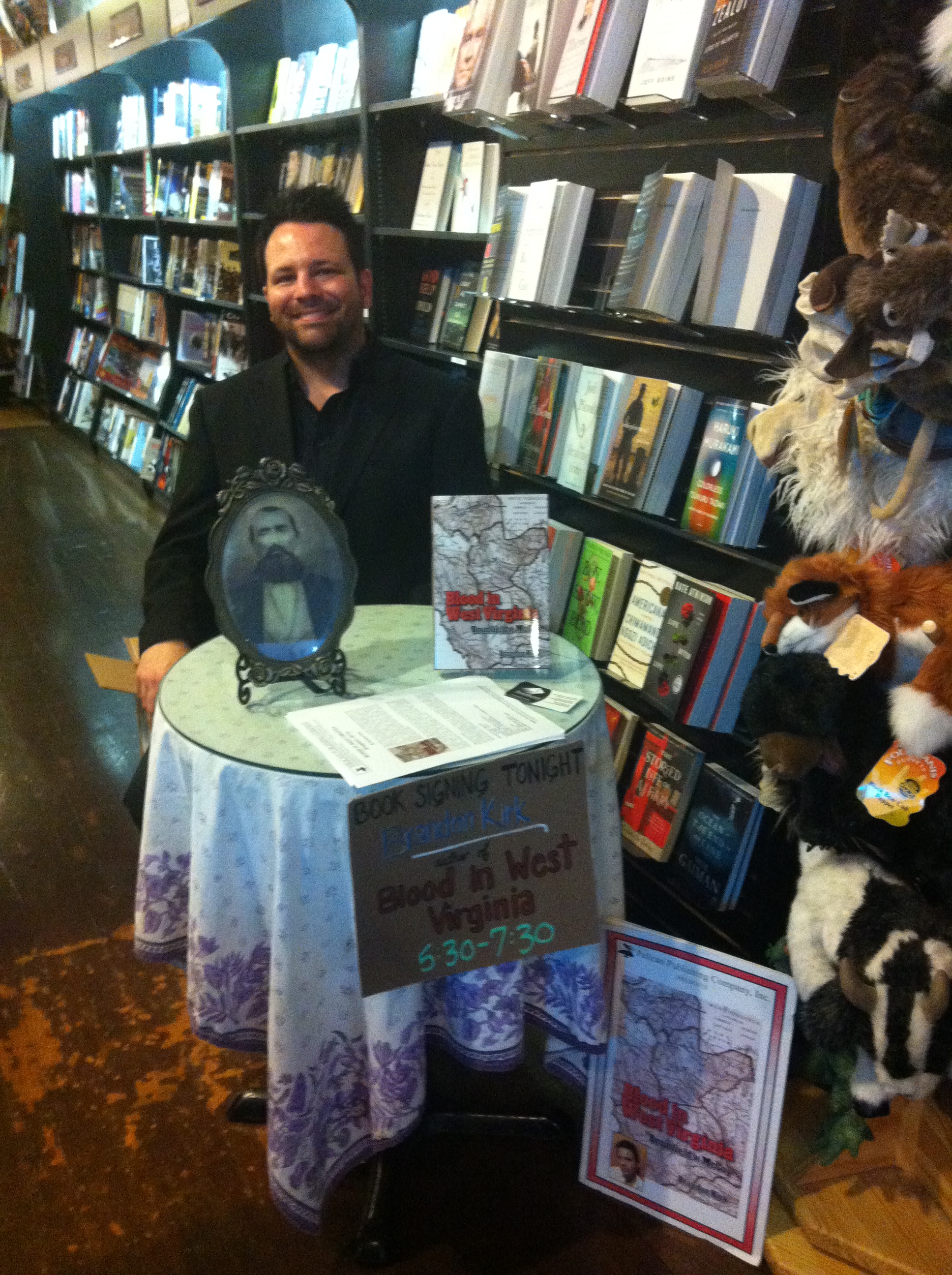
Here I am meeting wonderful people at Taylor Books in Charleston, WV

Here I am meeting wonderful people on 30 May 2015 at Taylor Books in Charleston, WV

Henderson Dingess as juror (1866)

26 Tuesday May 2015

Posted by Brandon Ray Kirk in Big Harts Creek, Lincoln County Feud

≈ Leave a comment

Tags

Appalachia, Blood in West Virginia, circuit clerk, crime, genealogy, Henderson Dingess, history, Lincoln County Feud, Logan, Logan County, U.S. South, West Virginia

IMG_0763

Henderson Dingess and others serve as jurors (March Term of Court, 1866). Source: Law Orders Book A (1868-1875), p. 146, Logan County Circuit Clerk’s Office, Logan, WV.

Melvin Kirk Family Cemetery (2015)

26 Tuesday May 2015

Posted by Brandon Ray Kirk in Big Harts Creek, Cemeteries

≈ 4 Comments

Tags

Albert J. Kirk, cemeteries, Clarence Kirk, David Kirk, Dola Kirk, Dora D. Workman, Dorothy Ann Gore, Dortha Kirk, Edwin Drury McCann, Elsa Kirk, Ema Jean Kirk, Fannie McCann, French McCann, genealogy, Harry L. Kirk, Harts Creek, history, Hugh Farris, Jack Kirk, James Edward Kirk, Jimmy C. Kirk, Ken Neri, Lawrence Kirk, Logan County, Manuel Kirk, Mary Kirk, Mattie workman, Melvin Kirk, Melvin Kirk Family Cemetery, Melvin Kirk Jr., Michael Lawrence Kirk, Mima Kirk, Musco Kirk, Phillip Ray Kirk, Piney, Robert Workman, Rosco Kirk, Sallie Kirk, Sharon Kirk, Susan Farris, Susie Neri, Thomas Kirk, West Fork, West Virginia, William T. McCann

The Melvin Kirk Family Cemetery, which I visited on May 25, 2015, is located on Piney at West Fork of Big Harts Creek in Logan County, West Virginia.

Row 1

James Edward Kirk (15 January 1965-02 March 2008)

Jimmy C. Kirk (19 August 1938-20 July 1966); s/o Musco and Sallie (Workman) Kirk; SP4 US ARMY

Musco Kirk (13 October 1901-13 March 1984); son of Melvin and Susan (Thompson) Kirk

Sallie Kirk (09 April 1911-06 December 1990); d/o Fletcher and Rachel (Messer) Workman; m. Musco Kirk

Row 2

Infant Williams (09 April 1951-09 April 1951); d/o Henry and M. Iris (Kirk) Williams

Jack Kirk (1926-1927); son of Pat and Eva (Brumfield) Kirk

Phillip Ray Kirk (1941-1948); d/o Shelby and Hollie M. (Justice) Kirk

Row 3

Dola Kirk (1914-1915); d/o Pat and Eva (Brumfield) Kirk

Elsa Kirk (1916-1917); d/o Pat and Eva (Brumfield) Kirk

Michael Lawrence Kirk (24 June 1940-10 April 1960); s/o Lawrence and Mima (Gore) Kirk

Mima Gore Kirk (02 February 1920-29 March 2009); d/o Joseph A. and Flora M. (Dingess) Gore; m. Lawrence Kirk

Lawrence Kirk (17 July 1918-07 May 2011); s/o Pat and Eva (Brumfield) Kirk

Row 4

Albert J. Kirk (28 November 1898-07 September 1960); son of Melvin and Susan (Thompson) Kirk

Thomas Kirk (1937-1938); s/o Albert and Pearl (Kirk) Kirk

Harry L. Kirk (01 January 1944-08 March 1944); s/o Albert and Pearl (Kirk) Kirk

Sharon Kirk (01 January 1944-08 January 1944); d/o Albert and Pearl (Kirk) Kirk

David Kirk (29 November 1946-02 December 1946); s/o Albert and Pearl (Kirk) Kirk

Row 5

Dortha Kirk (1920-1992); d/o Ben T. and Hattie Alice (Headley) Kirk; m. Melvin Kirk, Jr.

Melvin Kirk, Jr. (1910-1974); s/o Melvin and Susan (Thompson) Kirk

Dora D. Workman (10 August 1912-21 January 1916); d/o William and Minnie B. (Thompson) Workman

Mary Kirk (06 March 1975-06 March 1975)

gap between graves

Kenneth Morris Neri (07 July 1927-24 January 2004); US ARMY TSGT US AIR FORCE WWII KOREA

Susie Neri (1940-still alive); d/o Melvin and Dortha (Taylor) Kirk, Jr.

Row 6

Teresa M. Kirk (20 January 1954-still alive)

Manuel Kirk (28 February 1938-

Helen J. Kirk (22 May 1945-17 August 2008)

Clarence Kirk (03 December 1936-03 December 1936); s/o Melvin and Dortha (Taylor) Kirk, Jr.

Melvin Kirk (18 February 1862-25 February 1911); s/o Thomas and Elizabeth (Maynard) Kirk

Susan Kirk Farris (15 June 1867-08 May 1953); d/o Patton and Delanie (Tomblin) Thompson; m1. Melvin Kirk; m2. Hugh Farris

Hugh Farris (15 May 1885-12 May 1952); s/o William and Elizabeth A. (Conley) Farris

Row 7

French McCann (30 June 1913-26 September 1931); s/o William T. and Ida (Kirk) McCann

Fannie McCann (13 January 1916-08 November 1918); d/o William T. and Ida (Kirk) McCann

William T. McCann (20 December 1882-14 January 1929); s/o Kerrick and Elizabeth (Dalton) McCann

William T. McCann, Jr. (29 May 1921-30 July 1998); s/o William T. and Ida (Kirk) McCann

Row 8

Edwin Drury McCann (26 January 1935-28 January 1935)

gap in graves

Dorothy Ann Gore (1961-1983)

Kimber Nicole Workman (October 1991)

Baylee Danielle Workman (13 November 2004-13 November 2004)

Kaleb James Workman (27 March 2010-09 November 2010)

Row 9

Matilda “Mattie” Vance Workman (21 December 1873-XXX); d/o Addison and Theresa (Ross) Vance; m. Robert Workman

Robert Workman (February 1861-12 May 1922); s/o William M. and Mary J. (Thompson) Workman

Row 10

Rosco Kirk (03 March 1935-

Ema Jean Kirk (09 March 1934-02 September 1992); d/o William E. and Lula (Vance) Fowler; m. Rosco Kirk

Tammy Browning (14 June 1961-20 October 2014); d/o Rosco and Ema Jean (Fowler) Kirk
Memories Recalled (1946)

25 Monday May 2015

Posted by Brandon Ray Kirk in Big Harts Creek, Poetry, Spottswood

≈ Leave a comment

Tags

Appalachia, Belle Dora Adams, Daisy Adams, genealogy, Harts Creek, history, Howard Adams, Logan County, Major Adams, poetry, Trace Fork, West Virginia, writing

This history of early life in Logan County, West Virginia, was written by Howard and Daisy Adams. Howard (1906-1976) and Daisy (b.1915) were children of Major and Belle Dora Adams of Trace Fork of Harts Creek. Titled “The life of pioneers during the latter half of the eighteenth century and the beginning of the 19th century” and written in the late 1960s or early 1970s, their history marks the only known attempt by local people to reconstruct the story of pioneer life. This poem, dedicated to their father, appears at the end of the history. It is dated March 15, 1946.

There by the road stands our dear old home

Where once we did dwell.

With Mother and Dad we would roam

O’er our homestead we loved so well.

We would sit by the fire on a winter night

Talking happy and gay.

Sometimes Dad would read while the fire burns bright,

The Bible, and then, he would pray

That God would watch over his loved ones dear

And our neighbors all around.

We would feel God’s presence near

As we knelt in that circle round.

Mother was a favorite of us all.

Dad loved her very dear.

We did love to hear her call

When the evening time was near.

She could soothe away our worries and frowns

And make us want to smile.

Oh, how I wish we could now sit down

With Mother and Dad for a while.

On January tenth, nineteen and thirty-nine,

I shall never forget that day,

God called our mother, leaving us behind

To worry along on life’s way.

God needed another angel fair

To live in His heavenly domain,

So He took our mother, with her love so rare,

To dwell in that home of fame.

We sure loved our dear old dad,

Though he ruled us with a vim.

He was the best friend we ever had

And we thought the world of him.

I shall never forget that Saturday night,

As the clock was striking nine,

As we sat around the fireside bright

Dad left us behind.

It was on December 16, 1944,

While our friends were standing around,

We had done all we could and could do no more.

The Death Angel of the Lord came down.

He took the breath from our darling dad,

And Dad will suffer no more,

But our hearts will always be lonesome and sad

Until we meet on that golden shore.

The Life of Pioneers 12

18 Monday May 2015

Posted by Brandon Ray Kirk in Big Harts Creek

≈ Leave a comment

Tags

Appalachia, Belle Dora Adams, culture, Daisy Adams, history, Howard Adams, Logan County, Major Adams, U.S. South, West Virginia

This history of early life in Logan County, West Virginia, was written by Howard and Daisy Adams. Howard (1906-1976) and Daisy (b.1915) were children of Major and Belle Dora Adams of Trace Fork of Harts Creek. Titled “The life of pioneers during the latter half of the eighteenth century and the beginning of the 19th century” and written in the late 1960s or early 1970s, their history marks the only known attempt by local people to reconstruct the story of pioneer life. This final part of the history includes information regarding sugar-making.

So the time of year for sugar making has arrived. You see, the sugar and syrup supplied on the farm came from big sugar maple trees. This operation began usually in the early spring and lasted about 30 days. First the trees had to be tapped. To do this a large 2 inch auger was used to bore holes at a 45 degree angle downward in the tree or if no auger was available deep cup like notches were cut in the trees with an ax. Then a small auger was used to bore holes slanting upward into the holes made by boring with larger auger or ax. Now a little hollow piece of wood called a spline was needed. To get this elder bushes were used. A piece about a foot long with the ___ removed forming a pipe. This was driven up ___ in the small holes in the tree. he spline extended out from the tree far enough to reach buckets or troughs. The juice from the trees poured out through the splines into the troughs. The troughs were made by cutting down a buckeye or basswood tree about 16 inches in diameter and sawing in block about 3 feet long. These blocks were splint in halves and each half or the flat side chopped or dug out as it was called. A foot adz was used for this operation. These troughs, which held at least 5 gallons were placed under the splines in trees to catch the sap or juice. They usually had 75 to 100 trees tapped. Several large kettles were set in rock and clay furnaces. Also the molasses pan was used, too. The sugar water or juice from the trees was carried and poured in these kettles and the evaporator pan. Fires were built and it was boiled in to syrup and sugar. Boy, this took a lot of work and long hours. I’ve heard Granny tell many times about sugar making time. I have eaten some of this sugar and syrup and it was sure good. Even if the old pioneer lived a hard life I’ll say one thing: He sure had better food than we have now.

Whirlwind 04.24.1925

07 Thursday May 2015

Posted by Brandon Ray Kirk in Big Harts Creek, Whirlwind

≈ Leave a comment

Tags

Bill Mullins, Bulwark, Flora Tomblin, genealogy, General Bryant, George Bryant, Harts Creek, history, James Mullins, Joe Blair, Josiah Tomblin, Leona Kinser, Logan Banner, Logan County, Nickitie Tomblin, Oma Bryant, Shegon, Squire Sol Adams, Troy Town, West Virginia, Whirlwind

An unnamed local correspondent at Whirlwind in Logan County, West Virginia, offered the following items, which the Logan Banner printed on 24 April 1925:

James Mullins is about to open the new store at Bulwark.

Squire Sol Adams made a flying trip to Logan this week.

Joe Blair is visiting home folks.

Mr. and Mrs. Geo. Bryant of Shegon were welcome guests of General Bryant.

Mrs. Nickitie Tomblin has been ill for some time.

Miss Oma Bryant was shopping at Whirlwind this week.

J.S. Tomblin was seen around Troy Town today.

Bill Mullins has rented Leona Kinser’s farm for this year.

George Bryant was calling on Miss Floory, Sunday.

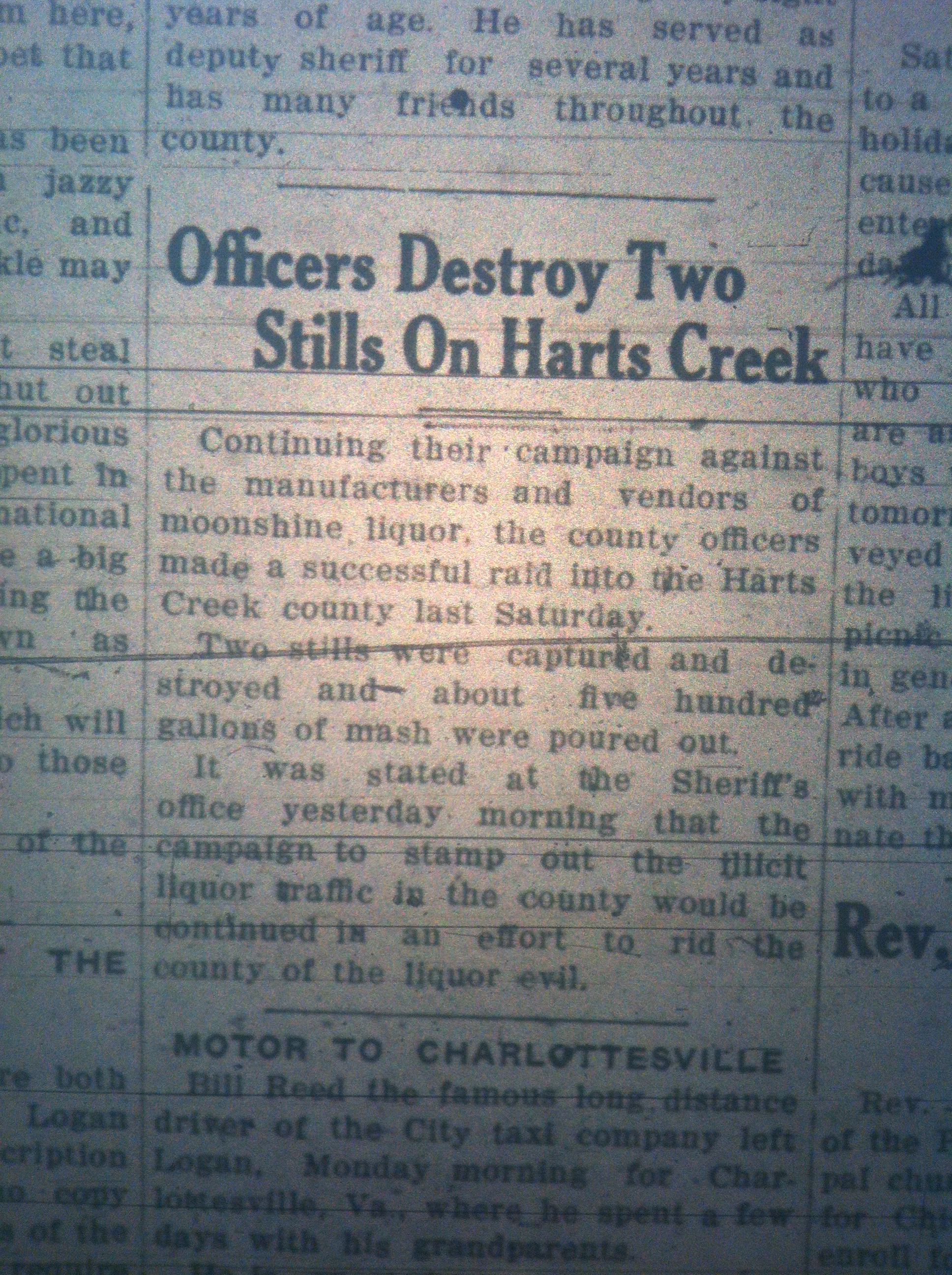
Harts Creek moonshine stills destroyed (1925)

02 Saturday May 2015

Posted by Brandon Ray Kirk in Big Harts Creek

≈ Leave a comment

Tags

Harts Creek, history, Logan Banner, Logan County, moonshine, Prohibition, West Virginia

Harts Creek stills destroyed, Logan County Banner, 19 June 1925.

Harts Creek stills destroyed, Logan Banner, 19 June 1925.

Floyd Dingess grave (2015)

25 Saturday Apr 2015

Posted by Brandon Ray Kirk in Big Harts Creek, Lincoln County Feud

≈ Leave a comment

Tags

Appalachia, Blood in West Virginia, cemeteries, crime, Floyd Dingess, genealogy, Harts Creek, Henderson Dingess Family Cemetery, history, Lincoln County Feud, Logan County, photos, U.S. South, West Virginia

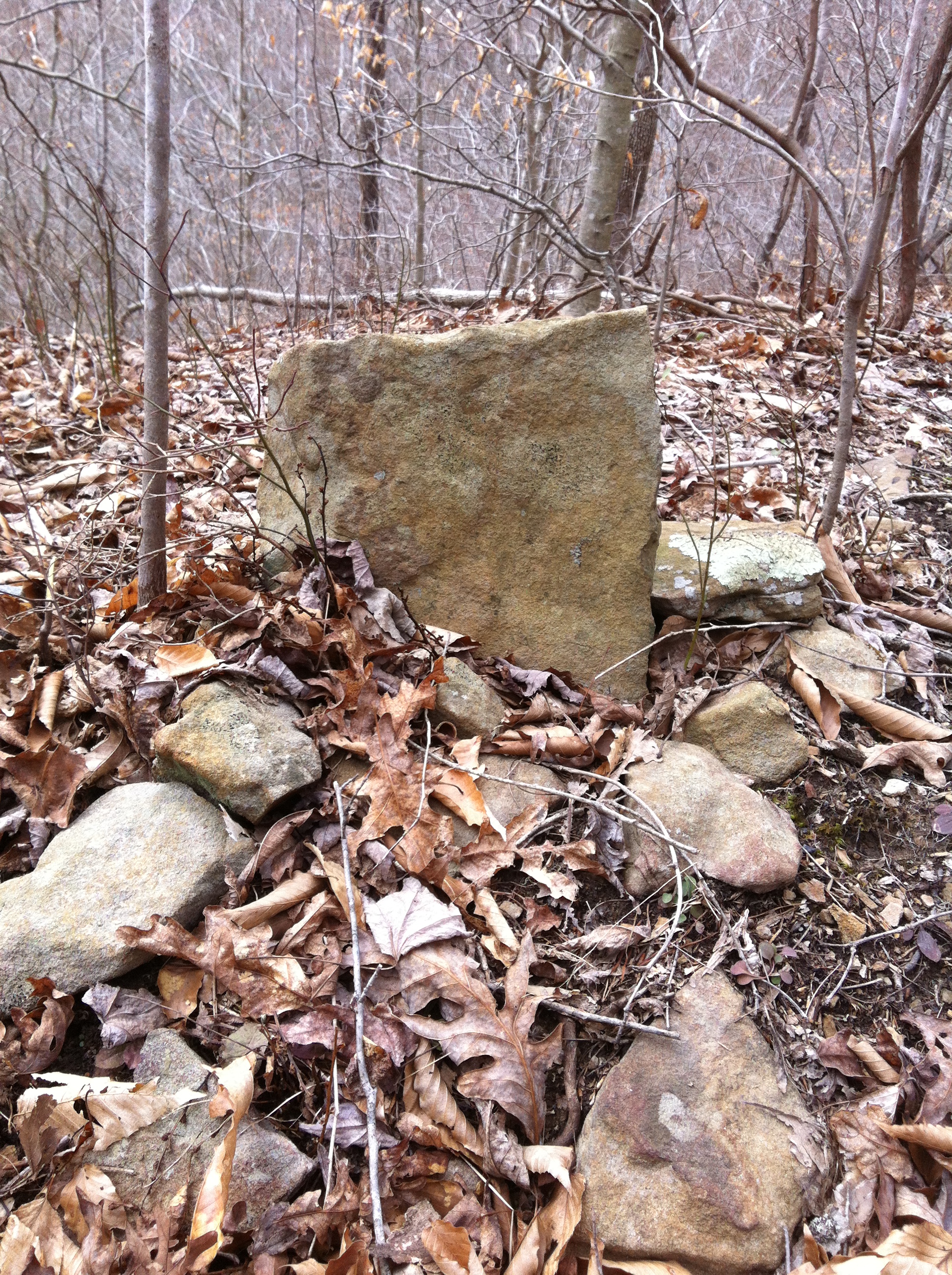
Floyd Dingess grave, located on Smokehouse Fork of Harts Creek, Logan County, WV.

Floyd Dingess grave, located on Smokehouse Fork of Harts Creek, Logan County, WV.

The Life of Pioneers 11

22 Wednesday Apr 2015

Posted by Brandon Ray Kirk in Big Harts Creek, Timber

≈ Leave a comment

Tags

Appalachia, Belle Dora Adams, Daisy Adams, Harts Creek, history, Howard Adams, Logan County, logging, Major Adams, timbering, Trace Fork, U.S. South, West Virginia

This history of early life in Logan County, West Virginia, was written by Howard and Daisy Adams. Howard (1906-1976) and Daisy (b.1915) were children of Major and Belle Dora Adams of Trace Fork of Harts Creek. Titled “The life of pioneers during the latter half of the eighteenth century and the beginning of the 19th century” and written in the late 1960s or early 1970s, their history marks the only known attempt by local people to reconstruct the story of pioneer life. This part of the history includes information regarding timbering and rafting.

Now the timbering began. The men and boys would go into the forest and cut and saw down big trees. They would cut off the limbs and top the logs off, then peel all the bark off. Now the logs were slipped down the hills into the branch or valley. The next step was to get the logs to the creek. So this was done by hauling with teams of mules, horses, or oxen. Most folks done their hauling with a big ox team. The ox team consisted of from 4 to 8 yoke of oxen. A yoke was a heavy piece of wood carved and shaped to fit the necks of the steers. It was about 5 feet long and had two curved bows on each end called ox bows. They were put up around the oxen’s neck and through holes in the yoke and held in the yoke by a piece of wood called a key. A steeple of iron was installed in the center of the yoke used for hooking the chain and coupling the teams together. Now after the team was driven up and turned around in front of a log, a long chain called a draft chain was hitched around the log or a pair of “grabs” driven in the log and the chain hitched to them.

So the big ox driver cracked his whip and away the trek began toward the creek bank which was where the logs were hauled till enough logs were banked, as it was called, to make a raft when it rained and the creek arose up big enough to float the logs. They were rolled in the creek with cant hooks or log ______.

The logs were floated down near the river and caught by a device called a boom. Here the logs were placed side by side and end to end. Then poles were nailed to the logs by chain dogs. A chain dog was two wedge-shaped pieces of iron fastened together with a chain about one foot long. These wedge-shaped irons were driven into the logs, holding them to the poles.

Now the raft was made. A raft usually was about 20 feet wide and maybe 300 feet long. A gadget called an oar blade was put on each end of the raft. An oar blade was a board about 12 feet long, 12 inches wide, and 1/2 inch thick on one end and two inches thick on the other end. The thick end was nailed on a pole about four inches in diameter and 20 feet long. A ____ was driven in the end of a log on each end of raft. Then the pole blade had a hole drilled in it. Now it was placed on the peg in the log, making it swivel or work on a pivot. Two men run each raft. They had a large cable or rope about 100 feet long used for tying up the raft when they wanted to stop overnight.

Tying a raft up to a tree was a hard job and very dangerous. Many men were drowned at it. The raft was pushed or guided close to the bank of the river and one man would jump off and run along the river bank beside the raft and the other man on the raft would throw the end of the cable out to the man on the bank and he would put the raft around a big tree and tie the raft up. It took quick men who knew their job to do this type of work.

After tying up their raft, a buyer was found and he came and measured their logs and paid them and they walked back home, sometimes 100 miles. When the men got back home from the timber cruise, they paid off their debts and bought a few clothes, coffee, flour, salt, etc. And time marched on.

Melvin Kirk Family Cemetery

17 Friday Apr 2015

Posted by Brandon Ray Kirk in Big Harts Creek, Cemeteries, Halcyon

≈ Leave a comment

Tags

cemeteries, genealogy, Harts Creek, history, Logan County, Melvin Kirk Family Cemetery, photos, Piney Fork, U.S. South, West Fork, West Virginia

OLYMPUS DIGITAL CAMERA

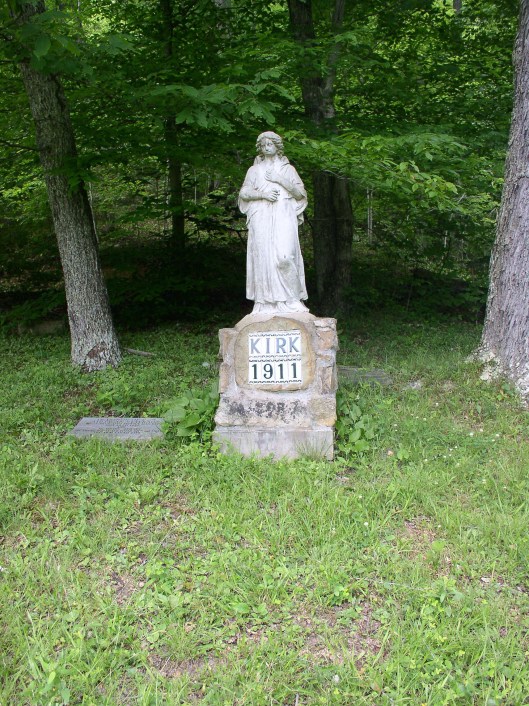
Kirk Cemetery, Piney Fork of West Fork of Harts Creek, Logan County, WV

Warren Post Office (1890)

15 Wednesday Apr 2015

Posted by Brandon Ray Kirk in Big Harts Creek, Warren

≈ Leave a comment

Tags

A.B. Lowe, Aracoma, Cabell County, Harts Creek, history, Huntington, Island Creek, Lincoln County, Logan County, Logan County Banner, mail, Mud Fork, post offices, Trace Fork, Twelve Pole Creek, Warren Post Office, Wayne, Wayne County, West Virginia

This brief editorial regarding Warren Post Office appeared in the 6 March 1890 issue of the Logan County Banner, printed in Logan, WV.

“Warren, in Lincoln county, from which all the people on Harts Creek and upper Twelve Pole receive their mail, is eighteen miles from this place, but it takes us a full week to get a letter from that place. A letter arriving to this place from Warren has to go by Brownstown, thence by the C. & O. Ry. to Huntington, thence by Wayne C.H., and thence to Warren, a distance of two hundred miles. The route from Wayne C.H. to Warren should be extended up Harts Creek and Twelve Pole and then down the Mud Fork of Island Creek to this place, with new offices at the Mouth of the Trace Fork of Harts Creek and at or near A.B. Lowe’s on Twelve Pole.”

The Life of Pioneers 10

15 Wednesday Apr 2015

Posted by Brandon Ray Kirk in Big Harts Creek

≈ Leave a comment

Tags

Appalachia, Belle Dora Adams, culture, Daisy Adams, farming, Harts Creek, history, Howard Adams, hunting, life, Logan County, Major Adams, West Virginia

This history of early life in Logan County, West Virginia, was written by Howard and Daisy Adams. Howard (1906-1976) and Daisy (b.1915) were children of Major and Belle Dora Adams of Trace Fork of Harts Creek. Titled “The life of pioneers during the latter half of the eighteenth century and the beginning of the 19th century” and written in the late 1960s or early 1970s, their history marks the only known attempt by local people to reconstruct the story of pioneer life. This part of the history includes information regarding fall food preparation, the making of molasses, and hunting.

In the late summer and fall months, people were kept busy preparing and putting up or canning food for winter. Vegetables were pickled berries, picked and canned through the summer and fall. Corn and beans were pickled by cooking and putting in a big barrel. Salt was added and a good lid put on the barrel to keep out rats and insects. Boy, these were good in winter. Apples, peaches, pears, cherries, and plums were gathered and canned from the orchard, which had been set out earlier.

Now that good old molasses making took place. First, large stacks of wood were prepared and dried. Now the cane had to be cut and the blades pulled off or stripped and the heads cut off. Now a furnace built and an evaporator pan set on the furnace. A machine with cogs and wheels and a long crooked pole on top with a horse or mule pulling the pole round and round: this was called a cane mill. You see, as the mule went around the stalks of cane were put in between two or three big rollers set close together and the juice squeezed out of the stalks. The juice was caught in a big tub and then transferred to the big pan to be boiled into sorghum. I liked to lick sorghum from a paddle swiped through the molasses pan. Everybody had a good time at “lassy makin’ time,” even though it was hard work.

Cushaws, squashes and pumpkin were gathered into the cellar or crib. Corn gathering was done by pulling corn of the stalks some time it had been cut and shocked up. It was hauled into the crib with mules or horses or cattle.

Now that everything was gathered in, a little pleasure followed. Squirrel , rabbit, quail, pheasant, and coon and possum hunting was done by most all the pioneers. They obtained lots of their meat supply by hunting wild game. Some folks hunted animals for their skins, which were sold, bringing in a little cash.

Harvey and Polly (Hall) Gore graves (2011)

13 Monday Apr 2015

Posted by Brandon Ray Kirk in Big Harts Creek, Cemeteries, Halcyon

≈ Leave a comment

Tags

Appalachia, cemeteries, genealogy, Harts Creek, Harvey Gore, Harvey Gore Family Cemetery, history, Logan County, Polly Gore, U.S. South, West Fork, West Virginia

Harvey Gore grave

Harvey Gore grave, located on West Fork of Harts Creek in Logan County, WV.

Polly Hall Gore grave

Polly (Hall) Gore grave, located on West Fork of Harts Creek in Logan County, WV.

The Life of Pioneers 9

12 Sunday Apr 2015

Posted by Brandon Ray Kirk in Big Harts Creek

≈ Leave a comment

Tags

Appalachia, banjo, Daisy Adams, farming, fiddle, guitar, Harts Creek, history, Howard Adams, Logan County, music, square dances, U.S. South, West Virginia

This history of early life in Logan County, West Virginia, was written by Howard and Daisy Adams. Howard (1906-1976) and Daisy (b.1915) were children of Major and Belle Dora Adams of Trace Fork of Harts Creek. Titled “The life of pioneers during the latter half of the eighteenth century and the beginning of the 19th century” and written in the late 1960s or early 1970s, their history marks the only known attempt by local people to reconstruct the story of pioneer life. This part of the history includes information regarding industry, clearing of land, farming, and square dances.

The chief industries in those days were farming, raising stock, and timbering. Farming began with axes, saws, and mattocks all swinging. A good piece of land was chosen and clearing it began by chopping and sawing down all the trees on it. The trees had to be trimmed up. That was cutting off all the branches as limbs and putting them in big heaps or piles. The logs of the trees had to be sawed in lengths so they could be rolled together in piles for hauling. All small bushes were grubbed up and put on the brush piles. Clearing land was done mostly during winter months as soon as the land was cleared of all trees and brush and it piled up. Then began the burning of brush and logs. This usually took two or three days and it was hard work. After the burning off was completed, a nice big field or new ground as it was called was now the farmer’s pride. Planting began by sowing seed beds and planting vegetables. Corn was planted in late April or early May. Usually it was hoed two times, once when about 8 to 12 inches high and again when it was about 24 to 30 inches high. People in those days swapped work or had “corn hoeing.” Everybody for several miles around came to help at the workings or corn hoeing. The women came along, too. They usually had quilting parties and also helped with the cooking. Boy, they sure had plenty to eat at the big workings. They had chicken and dumplings, beans, bacon, onions, and corn dodger and lots of other eats from the farm. Everybody gathered around after the day’s work was over.

As soon as supper was over and the dishes washed and put away the beds were moved out of the room called the big house. Then the young men and young women began dancing. Square dancing was a thrilling experience. Some one who knew how called out the reels. The dancers then performed the instruction of the caller. A string band consisting of a fiddle, banjo, and sometimes a guitar furnished the music for the dance. They had refreshments of wine or liquor most all the men took part in the drinking. The girls seldom ever drank. If anyone got drunk he was put out of the dancing or off the floor as they called it. Sometimes the boys would have fist fights over the girls which never amounted to much. After the dance was over, the beds were put back in the big house room and the neighbors all said good night and went home tired and sleepy. All these things happened as time moved along.

Salena Vance grave (2015)

06 Monday Apr 2015

Posted by Brandon Ray Kirk in Big Harts Creek, Cemeteries, Lincoln County Feud

≈ 2 Comments

Tags

Appalachia, Blood in West Virginia, Brandon Ray Kirk, cemeteries, Harts Creek, history, Lincoln County, Lincoln County Feud, photos, Salena Vance, U.S. South, West Fork, West Virginia

At or near the Salena Vance grave on West Fork of Harts Creek, Lincoln County, WV. Salena appears as a character in my book, "Blood in West Virginia: Brumfield v. McCoy."

At or near the Salena Vance grave on West Fork of Harts Creek, Lincoln County, WV. Salena appears as a character in my book, “Blood in West Virginia: Brumfield v. McCoy.”

The Life of Pioneers 8

06 Monday Apr 2015

Posted by Brandon Ray Kirk in Big Harts Creek, Spottswood

≈ Leave a comment

Tags

Appalachia, Belle Dora Adams, culture, Daisy Adams, farming, Harts Creek, history, Howard Adams, life, Logan County, Major Adams, Trace Fork, U.S. South, West Virginia

This history of early life in Logan County, West Virginia, was written by Howard and Daisy Adams. Howard (1906-1976) and Daisy (b.1915) were children of Major and Belle Dora Adams of Trace Fork of Harts Creek. Titled “The life of pioneers during the latter half of the eighteenth century and the beginning of the 19th century” and written in the late 1960s or early 1970s, their history marks the only known attempt by local people to reconstruct the story of pioneer life. This part of the history includes information regarding hogs and the smoke house.

The hogs furnished the main meat supply. Most farmers let their hogs run loose out on the mast as they called it till late fall. Nuts were plentiful in those days. Around the last of November some of the largest hogs were called in and put up in a floored pen with a big trough placed inside the pen so the hogs could be watered and fed often. They were fed plenty of corn till around Christmas. Then they were butchered or killed for meat.

Hog killing time was a lot of fun and good eating. It began with the hogs being well fattened as they called it. Some big kettles were set in a furnace and filled with water, then a fire was built around the kettles to heat the water. Firewood was plentiful and they sure used a lot of it. A large barrel was set down in the ground about 2 feet. The barrel was tilted over to about a 45 degree angle. Next a board platform was made around 6 feet square. It was moved up till it touched the barrel. Now a hog was either shot or hit in the head with a hammer. Either way it was killed neat. A butcher knife was plunged in the hog’s neck, the point of the knife touching the heart. Now after the hog had bled most all of the blood out of it they dragged him up on the platform before the barrel. Now the hot water from the kettles was poured in the scalding barrel, then the hog would be pushed into the barrel by men and rolled over a time or two. Now they changed ends, with the hog scalding the whole hog. Well, the hair was scraped off with big knives. Now he was hanged up about 6 feet on some object. A stick called a gammor stick, which was about 2 feet long and 2 inches in diameter sharp on both ends, it was struck through the _____ of the hind legs of hog. This held him up while the intestines were removed by splitting the hog down his belly. Now some folks come from a long way just to roast the kidneys and _____. Next Mr. Hog was carried to the smoke house, laid on a heavy table and cut up as they called it.

First after the hog was laid on the cutting table its feet and head were cut off neat all the lean meat was cut out for making sausage. A lot of the fat was cut out for rendering lard. Now the 2 hams and 2 shoulders were cut off, leaving 2 big middlings. Now the pieces were carried in the smoke house, salted, and stacked in a big trough that had been made from a large log being chopped or dug out with a tool called a foot adz and axe. This trough was made to hold the pork. Now the meat had to be hung and smoked so a lot of hickory limbs about the size of your big finger and 3 feet long with a fork on the big end, these were tied to form a loop. These loops were slipped over poles laid on the joist in the smoke house. Now the meat had holes cut in it and the meat was hooked to the loop on the joist. Now for smoking: A fire made from green hickory wood was built on the ground under the meat so the smoke filtered up through the meat and it got smoked in the process. After it had been smoked several weeks it was taken down and sprinkled and covered with a mixture of black pepper, sugar, ashes, saltpeter, etc. Now it was again stacked in the big trough and covered up to keep out rats, mice, etc. Boy it was good eatin’.

The smoke house was also used to keep meat, a barrel of flour, a barrel of salt, a can of lard, and I remember we always kept a pair of old scales to weight farm products on. Also the family weighed each other to see who was the heaviest. Boy, this smoke house took a lot of paper and time but it played an important part in the lives of the pioneers.

Haley-McCoy grave (2015)

29 Sunday Mar 2015

Posted by Brandon Ray Kirk in Big Harts Creek, Lincoln County Feud

≈ Leave a comment

Tags

Appalachia, Blood in West Virginia, Brandon Ray Kirk, cemeteries, Edwards Park, genealogy, Green McCoy, Haley-McCoy grave, Harts Creek, history, Lincoln County, Milt Haley, photos, Smithsonian magazine, U.S. South, West Fork, West Virginia

Haley-McCoy grave, located on West Fork of Harts Creek, Lincoln County, WV. In 2000, Smithsonian magazine featured the grave (and myself) in a story written by Edwards Park.

Haley-McCoy grave, located on West Fork of Harts Creek, Lincoln County, WV. In 2000, Smithsonian magazine featured the grave (and myself) in a story written by Edwards Park. Photo taken 27 March 2015

Haley-McCoy grave, located on West Fork of Harts Creek, Lincoln County, WV. In 2000, Smithsonian magazine featured the grave (and myself) in a story written by Edwards Park.

Haley-McCoy grave, located on West Fork of Harts Creek, Lincoln County, WV. In 2000, Smithsonian magazine featured the grave (and myself) in a story written by Edwards Park. Photo taken 27 March 2015

The Life of Pioneers 7

29 Sunday Mar 2015

Posted by Brandon Ray Kirk in Big Harts Creek

≈ Leave a comment

Tags

Appalachia, Belle Dora Adams, Daisy Adams, farming, Harts Creek, history, Howard Adams, Logan County, Major Adams, Trace Fork, U.S. South, West Virginia

This history of early life in Logan County, West Virginia, was written by Howard and Daisy Adams. Howard (1906-1976) and Daisy (b.1915) were children of Major and Belle Dora Adams of Trace Fork of Harts Creek. Titled “The life of pioneers during the latter half of the eighteenth century and the beginning of the 19th century” and written in the late 1960s or early 1970s, their history marks the only known attempt by local people to reconstruct the story of pioneer life. This part of the history includes information regarding coffee, livestock, and pets.

Coffee in those days came in the green berries split in half so you had to roast the berries then put them in a little machine known as a coffee mill. It had a little crank on top which you turned by hand, grinding the coffee up in small pieces. Now it could be put in the pot, add water, build a fire, and make coffee.

A farmer had to raise a large crop of corn along with grass, some for hay and some for pasture or grazing.

The livestock on a farm consisted of horses, cattle, sheep, hogs, chicken, turkeys, geese, ducks, dogs, cats, etc. The horses were used to ride and pull heavy loads around the farm. Cattle were used for beef, also for hauling big loads. They got milk from the cows too. Sheep were used for mutton. Wool from them supplied much of the family’s clothes. Wool was sheared off the sheep, then it was carded by using two small boards, one foot long, five inches wide, about three fourth of an inch thick. The cards had short stiff wife about 1/2 inch long on one side and one handle on each. The wool was put on the wire side of the cards in small amounts and the cards pulled back and forth over the wool and finally the wool was rolled in a roll about 1 inch in diameter and 2 feet long. Now it was ready for the spinning wheel. The spinning made the thread from the rolls of wool. Then the wool was put in the loom and woven into cloth. Warm winter clothes were made from the woolen cloth. Boy it took a lot of work to produce clothes this way but they were well worth it. The duck and geese furnished meat and feathers. The feathers were used for making pillows and big feather beds to put on the shuck or straw mattress. Boy you sure could sleep well on those beds if it wasn’t for the big old clock striking often and so loud. The chickens and turkeys furnished meat and eggs also. The ducks and geese furnished eggs too. Yes, and the rooster was the alarm clock. The dogs were used as watch dogs for chasing away varmints and running squirrel and rabbit, etc. The cats caught lots of mice and chipmunks.

Haley-McCoy grave (2015)

29 Sunday Mar 2015

Posted by Brandon Ray Kirk in Big Harts Creek, Harts, Lincoln County Feud

≈ Leave a comment

Tags

Appalachia, Blood in West Virginia, Brandon Ray Kirk, genealogy, Green McCoy, Haley-McCoy grave, Harts Creek, history, Lincoln County, Lincoln County Feud, Milt Haley, photos, U.S. South, West Fork, West Virginia

Here I stand at the Haley-McCoy grave on West Fork of Harts Creek, Lincoln County, WV. I first saw the grave in 1995.

Here I stand on 27 March 2015 at the Haley-McCoy grave on West Fork of Harts Creek, Lincoln County, WV. I first saw the grave in 1995.

Jackson Browning grave (2014)

22 Sunday Mar 2015

Posted by Brandon Ray Kirk in Big Harts Creek, Cemeteries, Civil War

≈ Leave a comment

Tags

129th Regiment Virginia Militia, 34th Battalion Virginia Cavalry, Appalachia, cemeteries, civil war, Confederate Army, genealogy, Harts Creek, history, Jack Browning Hollow, Jackson Browning, Lincoln County, U.S. South, West Virginia

IMG_1573

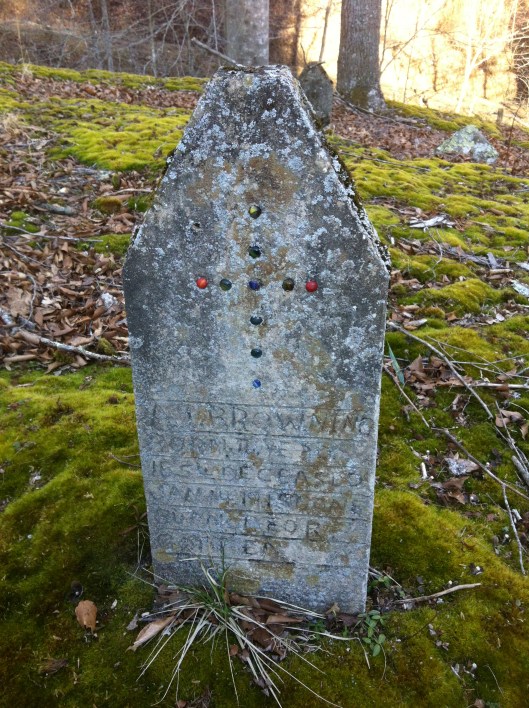
Andrew Jackson Browning grave (March 2014), located at Jack Browning Hollow of Harts Creek, Lincoln County, WV. During the Civil War, Jack served in the 129th Regiment Virginia Militia (Carter’s and Buchanan’s companies) and the 34th Battalion Virginia Cavalry (Company D).


← Older posts
Newer posts →

Feud Poll 1

If you had lived in the Harts Creek community during the 1880s, to which faction of feudists might you have given your loyalty?

Categories

  • Adkins Mill
  • African American History
  • American Revolutionary War
  • Ashland
  • Atenville
  • Banco
  • Barboursville
  • Battle of Blair Mountain
  • Beech Creek
  • Big Creek
  • Big Harts Creek
  • Big Sandy Valley
  • Big Ugly Creek
  • Boone County
  • Breeden
  • Calhoun County
  • Cemeteries
  • Chapmanville
  • Civil War
  • Clay County
  • Clothier
  • Coal
  • Cove Gap
  • Crawley Creek
  • Culture of Honor
  • Dingess
  • Dollie
  • Dunlow
  • East Lynn
  • Ed Haley
  • Eden Park
  • Enslow
  • Estep
  • Ethel
  • Ferrellsburg
  • Fourteen
  • French-Eversole Feud
  • Gilbert
  • Giles County
  • Gill
  • Green Shoal
  • Guyandotte River
  • Halcyon
  • Hamlin
  • Harts
  • Hatfield-McCoy Feud
  • Holden
  • Hungarian-American History
  • Huntington
  • Inez
  • Irish-Americans
  • Italian American History
  • Jamboree
  • Jewish History
  • John Hartford
  • Kermit
  • Kiahsville
  • Kitchen
  • Leet
  • Lincoln County Feud
  • Little Harts Creek
  • Logan
  • Man
  • Matewan
  • Meador
  • Midkiff
  • Monroe County
  • Montgomery County
  • Music
  • Native American History
  • Peach Creek
  • Pearl Adkins Diary
  • Pecks Mill
  • Peter Creek
  • Pikeville
  • Pilgrim
  • Poetry
  • Queens Ridge
  • Ranger
  • Rector
  • Roane County
  • Rowan County Feud
  • Salt Rock
  • Sand Creek
  • Shively
  • Spears
  • Sports
  • Spottswood
  • Spurlockville
  • Stiltner
  • Stone Branch
  • Tazewell County
  • Timber
  • Tom Dula
  • Toney
  • Turner-Howard Feud
  • Twelve Pole Creek
  • Uncategorized
  • Warren
  • Wayne
  • West Hamlin
  • Wewanta
  • Wharncliffe
  • Whirlwind
  • Williamson
  • Women's History
  • World War I
  • Wyoming County
  • Yantus

Feud Poll 2

Do you think Milt Haley and Green McCoy committed the ambush on Al and Hollene Brumfield in 1889?

Blogroll

  • Ancestry.com
  • Ashland (KY) Daily Independent News Article
  • Author FB page
  • Beckley (WV) Register-Herald News Article
  • Big Sandy News (KY) News Article
  • Blood in West Virginia FB
  • Blood in West Virginia order
  • Chapters TV Program
  • Facebook
  • Ghosts of Guyan
  • Herald-Dispatch News Article 1
  • Herald-Dispatch News Article 2
  • In Search of Ed Haley
  • Instagram
  • Lincoln (WV) Journal News Article
  • Lincoln (WV) Journal Thumbs Up
  • Lincoln County
  • Lincoln County Feud
  • Lincoln County Feud Lecture
  • LinkedIn
  • Logan (WV) Banner News Article
  • Lunch With Books
  • Our Overmountain Men: The Revolutionary War in Western Virginia (1775-1783)
  • Pinterest
  • Scarborough Society's Art and Lecture Series
  • Smithsonian Article
  • Spirit of Jefferson News Article
  • The Friendly Neighbor Radio Show 1
  • The Friendly Neighbor Radio Show 2
  • The Friendly Neighbor Radio Show 3
  • The Friendly Neighbor Radio Show 4
  • The New Yorker
  • The State Journal's 55 Good Things About WV
  • tumblr.
  • Twitter
  • Website
  • Weirton (WV) Daily Times Article
  • Wheeling (WV) Intelligencer News Article 1
  • Wheeling (WV) Intelligencer News Article 2
  • WOWK TV
  • Writers Can Read Open Mic Night

Feud Poll 3

Who do you think organized the ambush of Al and Hollene Brumfield in 1889?

Recent Posts

  • Logan County Jail in Logan, WV
  • Absentee Landowners of Magnolia District (1890, 1892, 1894)
  • Charles Spurlock Survey at Fourteen Mile Creek, Lincoln County, WV (1815)

Ed Haley Poll 1

What do you think caused Ed Haley to lose his sight when he was three years old?

Top Posts & Pages

  • Halcyon 4.10.1919
  • Halcyon-Yantus 12.08.1911
  • Civil War Gold Coins Hidden Near Chapmanville, WV
  • Ran'l McCoy's Final Months (1914)
  • Buskirk Cemetery at Buskirk, KY (2015)

Copyright

© Brandon Ray Kirk and brandonraykirk.wordpress.com, 1987-2023. Unauthorized use and/or duplication of this material without express and written permission from this blog’s author and/or owner is strictly prohibited. Excerpts and links may be used, provided that full and clear credit is given to Brandon Ray Kirk and brandonraykirk.wordpress.com with appropriate and specific direction to the original content.

Archives

  • February 2025
  • January 2025
  • October 2023
  • September 2023
  • December 2022
  • November 2022
  • May 2022
  • April 2022
  • February 2022
  • November 2021
  • October 2021
  • September 2021
  • June 2021
  • May 2021
  • April 2021
  • March 2021
  • February 2021
  • January 2021
  • December 2020
  • November 2020
  • October 2020
  • July 2020
  • June 2020
  • May 2020
  • April 2020
  • March 2020
  • February 2020
  • January 2020
  • December 2019
  • November 2019
  • October 2019
  • September 2019
  • August 2019
  • July 2019
  • June 2019
  • May 2019
  • April 2019
  • March 2019
  • February 2019
  • January 2019
  • December 2018
  • November 2018
  • October 2018
  • September 2018
  • August 2018
  • July 2018
  • June 2018
  • May 2018
  • April 2018
  • March 2018
  • February 2018
  • January 2018
  • December 2017
  • November 2017
  • October 2017
  • September 2017
  • August 2017
  • July 2017
  • June 2017
  • May 2017
  • April 2017
  • March 2017
  • February 2017
  • January 2017
  • December 2016
  • November 2016
  • October 2016
  • September 2016
  • August 2016
  • July 2016
  • June 2016
  • May 2016
  • April 2016
  • March 2016
  • February 2016
  • January 2016
  • December 2015
  • November 2015
  • October 2015
  • September 2015
  • August 2015
  • July 2015
  • June 2015
  • May 2015
  • April 2015
  • March 2015
  • February 2015
  • January 2015
  • December 2014
  • October 2014
  • September 2014
  • August 2014
  • July 2014
  • June 2014
  • May 2014
  • April 2014
  • March 2014
  • February 2014
  • January 2014
  • December 2013
  • November 2013
  • October 2013
  • September 2013
  • August 2013
  • July 2013
  • June 2013
  • May 2013
  • April 2013
  • March 2013
  • February 2013
  • January 2013
  • December 2012
  • November 2012

Enter your email address to follow this blog and receive notifications of new posts by email.

Join 2,927 other subscribers

Tags

Appalachia Ashland Big Creek Big Ugly Creek Blood in West Virginia Brandon Kirk Cabell County cemeteries Chapmanville Charleston civil war coal Confederate Army crime culture Ed Haley Ella Haley Ferrellsburg feud fiddler fiddling genealogy Green McCoy Guyandotte River Harts Harts Creek Hatfield-McCoy Feud history Huntington John Hartford Kentucky Lawrence Haley life Lincoln County Lincoln County Feud Logan Logan Banner Logan County Milt Haley Mingo County music Ohio photos timbering U.S. South Virginia Wayne County West Virginia Whirlwind writing

Blogs I Follow

  • OtterTales
  • Our Appalachia: A Blog Created by Students of Brandon Kirk
  • Piedmont Trails
  • Truman Capote
  • Appalachian Diaspora

BLOOD IN WEST VIRGINIA is now available for order at Amazon!

Blog at WordPress.com.

OtterTales

Writings from my travels and experiences. High and fine literature is wine, and mine is only water; but everybody likes water. Mark Twain

Our Appalachia: A Blog Created by Students of Brandon Kirk

This site is dedicated to the collection, preservation, and promotion of history and culture in Appalachia.

Piedmont Trails

Genealogy and History in North Carolina and Beyond

Truman Capote

A site about one of the most beautiful, interesting, tallented, outrageous and colorful personalities of the 20th Century

Appalachian Diaspora

  • Subscribe Subscribed
    • Brandon Ray Kirk
    • Join 789 other subscribers
    • Already have a WordPress.com account? Log in now.
    • Brandon Ray Kirk
    • Subscribe Subscribed
    • Sign up
    • Log in
    • Report this content
    • View site in Reader
    • Manage subscriptions
    • Collapse this bar
 

Loading Comments...