Tags
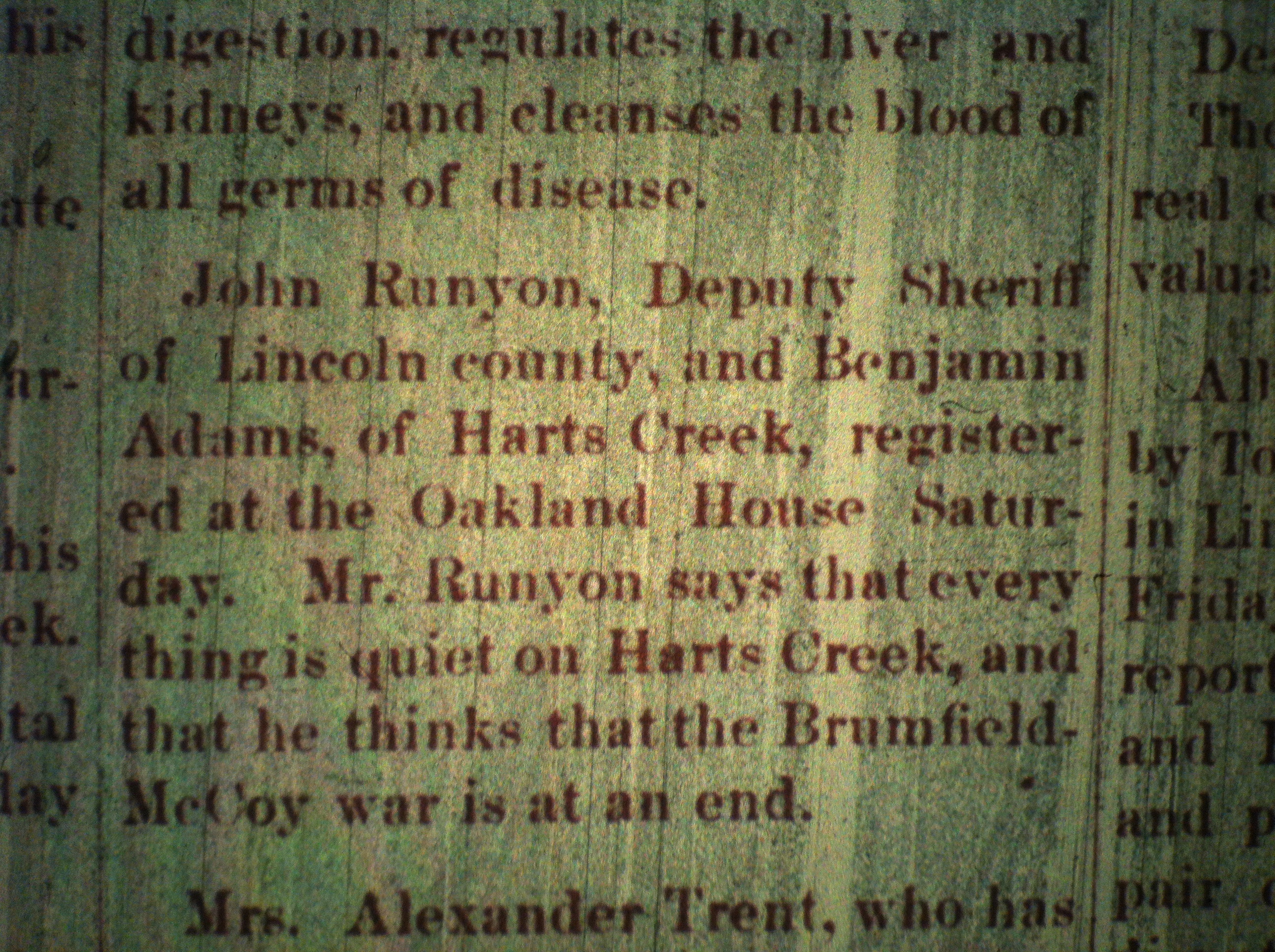
Appalachia, Ben Adams, Blood in West Virginia, books, Brumfield-McCoy war, genealogy, Harts Creek, history, John W Runyon, Lincoln County, Lincoln County Feud, Logan, Logan County Banner, U.S. South, West Virginia

15 Sunday Mar 2015
Posted in Big Harts Creek, Lincoln County Feud, Logan
14 Saturday Mar 2015
Posted in Chapmanville
Tags
apoplexy, Appalachia, Dr. French, genealogy, history, John Hale, Lewis Dingess, Logan County, Peter Dingess, West Virginia
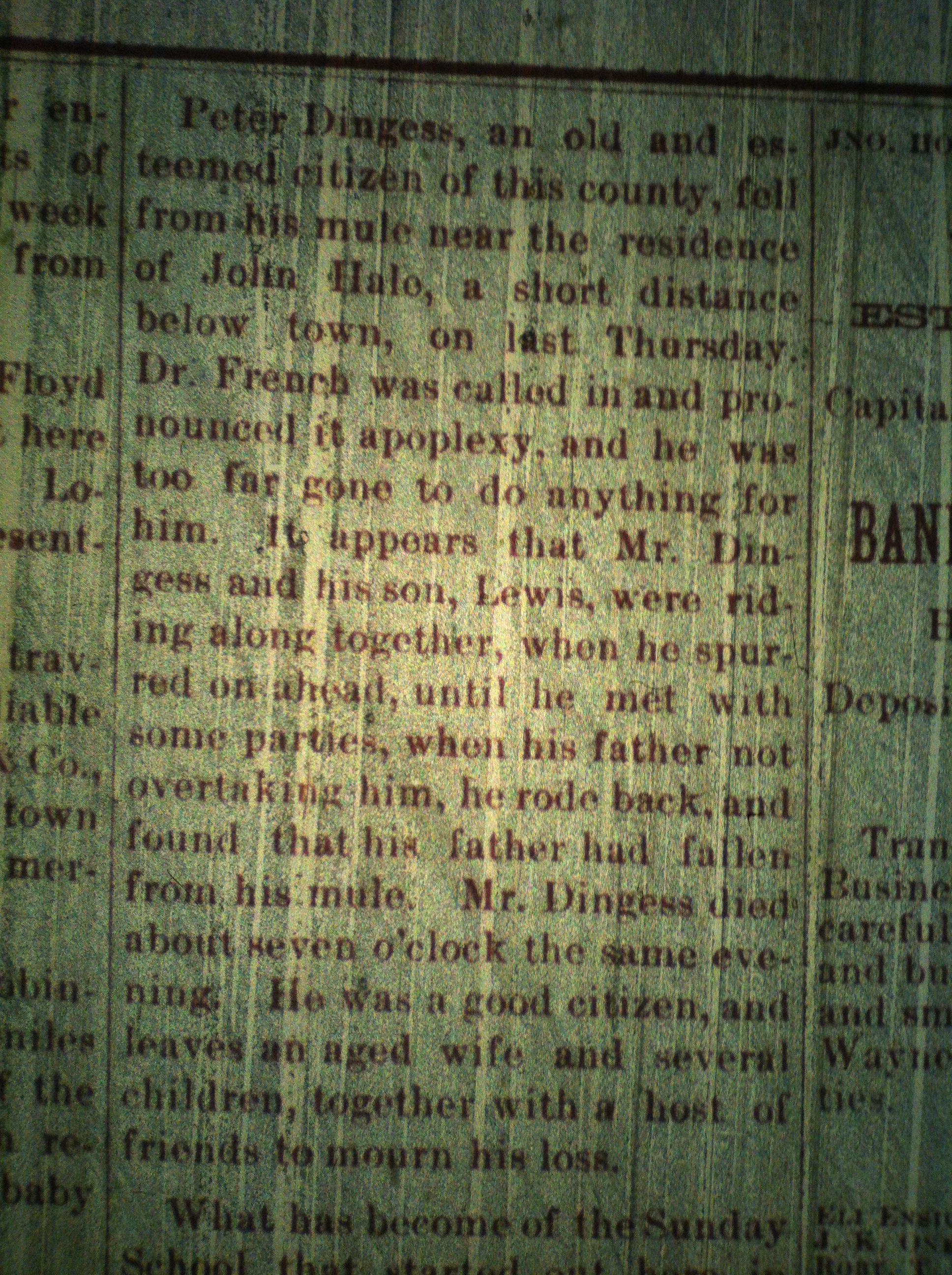
Peter “Coffee Pete” Dingess obituary, Logan County (WV) Banner, 23 January 1890.
14 Saturday Mar 2015
Posted in Dingess
Tags
Dingess, farming, genealogy, history, Logan County, Logan County Banner, Mary Chafin, Mingo County, Norfolk and Western Railroad, Smith Dingess, teacher, W.F. Farley, West Virginia
“Jim Yats,” a local correspondent at Dingess in present-day Mingo County, West Virginia, offered the following items, which the Logan County Banner printed on June 26, 1890:
Farming is at a stand still in this locality on account of so much rain.
Railroading is lively along this part of the line. Mr. King is working two crews, one at day, the other at night.
W.F. Farley is teaching our public school at this place.
Smith Dingess and Mary Chafin were united in the holy bonds of matrimony at this place last Friday.
13 Friday Mar 2015
Posted in Culture of Honor, Hatfield-McCoy Feud
Tags
Appalachia, crime, Ellison Hatfield, feud, feuds, genealogy, Hatfield-McCoy Feud, history, Kentucky, Kentucky Penitentiary, Logan County Banner, Pharmer McCoy, Tolbert McCoy, true crime, Valentine Wall Hatfield, West Virginia

Logan County (WV) Banner, 13 March 1890.
13 Friday Mar 2015
Tags
Al M. Rodgers, Appalachia, Don Chafin, Francis M. Chafin, genealogy, history, Logan, Logan County, Logan County Banner, painter, sheriff, West Virginia

Don Chafin, later Sheriff of Logan County, WV, during the Mine Wars, nearly drowned at the age of two years. Logan County (WV) Banner, 15 May 1890
13 Friday Mar 2015
Posted in Culture of Honor, Hatfield-McCoy Feud
Tags
Appalachia, Bill Smith, Catlettsburg, Enquirer, Frank Phillips, genealogy, Hatfield-McCoy Feud, history, Johns Creek, Kentucky, Logan, Logan County Banner, Pike County, Rebel Bill Smith, U.S. South, West Virginia
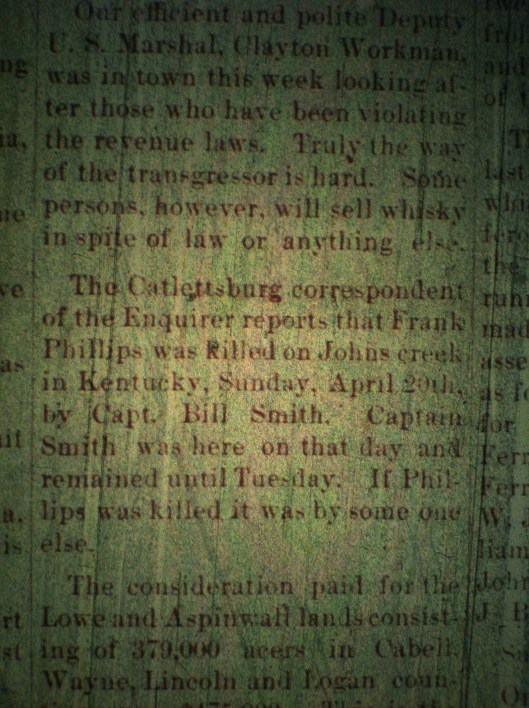
Logan County (WV) Banner, 1 May 1890
09 Monday Mar 2015
Posted in Big Harts Creek, Lincoln County Feud, Timber
Tags
Blood in West Virginia, Brown's Run, Burl Farley, Cabell County, feud, genealogy, Harts Creek, history, Lincoln County Feud, Logan County, photos, rafting, Roach, Smokehouse Fork, timber, timbering, U.S. South, West Virginia

Burl Farley, timber boss and feudist, resident of Browns Run of Smokehouse Fork of Harts Creek, Logan County, WV
09 Monday Mar 2015
Posted in Logan
Tags
county clerk, Ella E. Altizer, genealogy, Guyandotte River, Henry H. Hardesty, history, James N. Altizer, Julia Y. Altizer, Logan County, Logan Court House, Mary E. Altizer, Montgomery County, Nellie G. Altizer, R.A. Brock, Roxie Altizer, Roxie E. Altizer, Simon S. Altizer, Superintendent of Schools, Virginia, Virginia and Virginians, West Virginia, William E.A. Altizer
From “Virginia and Virginians, 1606-1888,” published by H.H. Hardesty, we find this entry for Simon S. Altizer, who resided at Logan Court House, West Virginia:
Present clerk of the county court, residing at Logan C.H., W.Va., is a native of Montgomery county, Va., where he was born Oct. 26, 1846. He is descended from a family that has always ranked as one of the most honorable and most highly respected of the State. The esteem in which he is held by his county people has been shown by the offices of trust to which they have frequently elected him, among others that of superintendent of public schools in Logan county, to which he was elected in 1880, and served until 1882; was for 10 years a member of the public school teachers’ examining board; was first appointed clerk of the county court in 1886, and after serving for one year was re-elected by ballot, and ever since has continued to hold this office with the same honor and integrity that has always distinguished him in all business and social relations. He owns a handsome residence in the town Logan Court House, and a large and valuable farm five miles from that place, situated on mineral lands adjacent to Guyandotte River. The records of his wife and children: Roxie Lawson, born in Logan county, W.Va., Oct. 5, 1856, married to Simon S. Altizer in same county, Sept. 7, 1870. Children: Ella E., born Dec. 7, 1872, died Sept. 21, 1886; Julia Y., born Aug. 13, 1875; Mary E., born Nov. 28, 1878; Nellie G., born Oct. 22, 1880; Roxie E., born Feb. 24, 1883; William E.A., born Aug. 4, 1885; James N., born Feb. 5, 1888; all residing with their parents.
Source: Dr. R.A. Brock, Virginia and Virginians, 1606-1888 (Richmond, VA: H.H. Hardesty, Publisher, 1888), 815.
06 Friday Mar 2015
Tags
Blood in West Virginia, Brandon Ray Kirk, Greg Kirk, history, Lincoln County Feud, Ohio, photos, William McKinley

Posted by Brandon Ray Kirk | Filed under Lincoln County Feud
05 Thursday Mar 2015
Posted in Big Harts Creek
Tags
Appalachia, Belle Dora Adams, culture, Daisy Adams, Harts Creek, history, Howard Adams, life, Logan County, Major Adams, Trace Fork, U.S. South, West Virginia
This history of early life in Logan County, West Virginia, was written by Howard and Daisy Adams. Howard (1906-1976) and Daisy (b.1915) were children of Major and Belle Dora Adams of Trace Fork of Harts Creek. Titled “The life of pioneers during the latter half of the eighteenth century and the beginning of the 19th century” and written in the late 1960s or early 1970s, their history marks the only known attempt by local people to reconstruct the story of pioneer life. This part of the history includes information regarding the well and bathing.
To get the water supply, a large hole was dug in the earth down till water was reached. Then a flat rock wall was made around the edge of the well to keep the dirt from falling in and filling up. Also the rocks kept the water clean and clear. Some folks had springs nearby from which they got their water. To get the water from a well a large post 12 or 15 feet high with forks on the top of it was set in the ground near the well. Then a long pole about 30 feet long was laid up in the fork of the post and a pin put through forks and pole. It worked as a swivel or pivot and was called a well sweep or ______. These words were not found in any dictionary. They were pioneer slang and to convey messages or to tell the idea to each other.
Back to getting the water out of the well. A long wire, chain, rope, or grapevine was tied on top of the pivot pole and the bottom end of the rope was tied to a oaken bucket. The bucket was made of oak staves and hoops or bands. The bucket was lowered in the well by pulling down the pivot pole. When the bucket was filled with water the pole or pivot drew the water up out of the well. So that was one way of getting water. It always worked too. Some pioneers had a wheel called a pulley with a chain or rope run through it and a bucket on each end of rope so you lowered one bucket in the well to be filled with water, then you pulled water up by hand at the same time lowering the other empty bucket.
Bathrooms were unheard of in those days. So to get a bath you put water in a big kettle, heated it with firewood, then poured the water in a big trough made from a big log that had been chopped out, or dug out as they said, which formed a basin for holding water. Then in you got and washed off, as it was called. If they did not have a trough or big tub for a bath, they just went down to the creek to the old swimming hole and stripped off all clothes and got in and washed off. Boy, I bet there were lots of peeping Toms in those days.
05 Thursday Mar 2015
Posted in John Hartford
Tags
book, books, Brandon Ray Kirk, Ed Haley, history, John Hartford, Madison, photos, Tennessee, writing
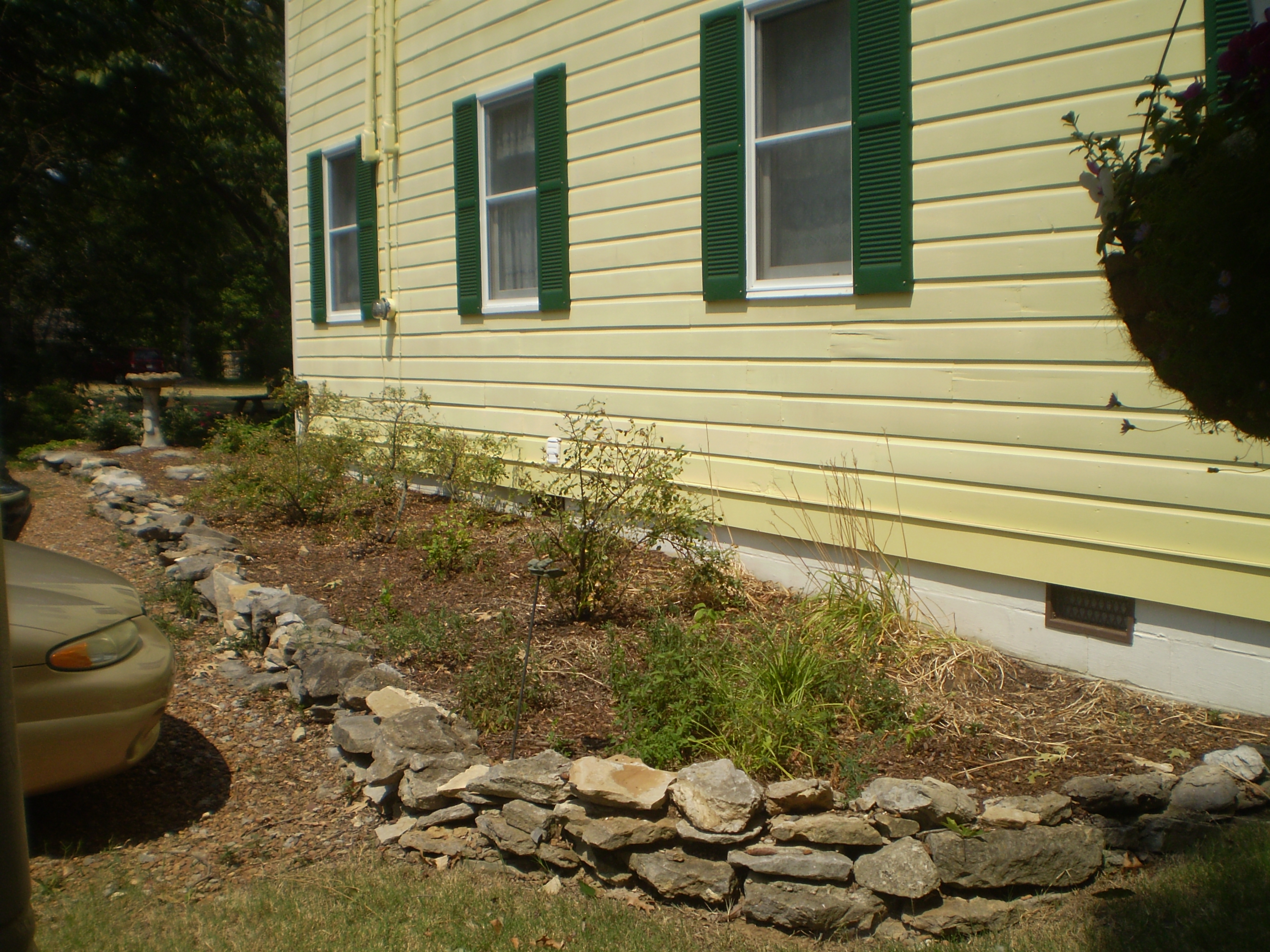
John Hartford’s home in Madison, TN. The windows shown at right belonged to the “upper office,” where I worked almost daily on the Ed Haley manuscript for three years.
05 Thursday Mar 2015
Posted in Man
Tags
Aaron Altizer, Aaron L. Altizer, Andrew B. Altizer, Appalachia, Charlest T. Altizer, Corilda B. Altizer, deputy sheriff, Emory Altizer, farming, Floyd County, genealogy, George R. Altizer, Henry Altizer, Henry H. Hardesty, history, Joseph Altizer, justice of the peace, Logan County, Man, Margaret Altizer, Mary Altizer, Mary M. Altizer, Montgomery County, Parthenia Altizer, Perry G. Altizer, Pittsylvania County, postmaster, Roanoke County, Sarah Altizer, Virginia, Virginia and Virginians, West Virginia, William Altizer
From “Virginia and Virginians, 1606-1888,” published by H.H. Hardesty, we find this entry for Aaron Altizer, who resided at Man, West Virginia:
Son of Emory and Margaret (Griffith) Altizer, was born July 23, 1826, in Floyd county, Va. His father was born Mar. 5, 1788, in Montgomery county, Va., and died there Jan. 10, 1875. His mother was born June 6, 1781, in Pittsylvania county, Va., and died Mar. 16, 1883, in Montgomery county. On May 27, 1847, he was married to Sarah Scaggs, the marriage occurring in Montgomery county, where she was born Mar. 22, 1828. She died June 7, 1876, leaving 10 living children and two deceased: Perry G., born Mar. 20, 1848; Joseph, born Aug. 23, 1849; Mary M., born April 6, 1851; Corilda B., born Sept. 8, 1853, and died Aug. 11, 1854; Charles T., born April 12, 1855; Parthenia, born Feb. 9, 1857, and died May 18, 1858; George R., born Jan. 30, 1859; Andrew B., born May 23, 1861; Emory, born April 9, 1863; William, born April 26, 1865; Aaron L., born May 8, 1868, and Henry, born April 6, 1871. On April 15, 1878, Mr. Altizer was married to Mary Aliff, who was born June 10, 1839, in Roanoke county, Va. Mr. Altizer was elected justice of the peace in 1865, serving until 1870; elected county superintendent, serving one term; elected deputy sheriff, serving from 1873 to 1875; again in 1884 he was elected justice of the peace, serving four years; is at present postmaster at Man, Logan county, W.Va., and is engaged in farming.
Source: Dr. R.A. Brock, Virginia and Virginians, 1606-1888 (Richmond, VA: H.H. Hardesty, Publisher, 1888), 814-815.
05 Thursday Mar 2015
Posted in Big Harts Creek, Civil War, Lincoln County Feud, Shively, Warren
Tags
Appalachia, genealogy, Harts Creek, Henderson Dingess, history, Lincoln County Feud, Logan County, photos, Smokehouse Fork, U.S. South, West Virginia

Henderson Dingess, resident of Smokehouse Fork of Harts Creek, Logan County, WV. Photo courtesy of Lily Ray.
04 Wednesday Mar 2015
Posted in Big Harts Creek
Tags
Appalachia, Belle Dora Adams, Daisy Adams, Harts Creek, history, Howard Adams, log cabins, Logan County, Major Adams, Trace Fork, West Virginia
This history of early life in Logan County, West Virginia, was written by Howard and Daisy Adams. Howard (1906-1976) and Daisy (b.1915) were children of Major and Belle Dora Adams of Trace Fork of Harts Creek. Titled “The life of pioneers during the latter half of the eighteenth century and the beginning of the 19th century” and written in the late 1960s or early 1970s, their history marks the only known attempt by local people to reconstruct the story of pioneer life. This part of the history includes information regarding interior furnishings of log cabins.
For light they had candles and oil lamps which usually set on the, you guessed it, the dresser. Also the pills and bottles of medicine such as Samaraten oil, Turpentine, Iodine, Castor oil, Epsom salts, swamp root, Raymond’s pills, etc. all were setting on dresser. Some of these were put on a long board over the fire place. This board was called a fire board mantel. Now maybe a little table called a stand table and a trunk. This was about all the big house had in the way of furniture.
The people always had plenty of quilts and blankets and feather bed and shuck or straw mattresses, good big pillows. Boy, you sure could sleep soundly if it wasn’t for the big old clock striking so loud.
The kitchen had a table for eating with a long bench behind it next to the wall. Also a small table to set water and other things on. Yes, they had a cupboard safe to keep food and dishes, knives and forks, spoons, butcher knives, etc. in. And as to the way of cooking, some people cooked the old way over a big wood fire in the fireplace using what was known as a skillet and lid. Later they had stoves. A little stove with a step-up in the middle of it. They called it a step stove. The skillets, pots, pans and etc. were hung on the nails driven in the wall near the stove.
They had old time flat irons which were used to iron or press their linens and clothes with. Not too much pressing was done.
The kitchen had a small cellar under the floor. It was cribbed or boarded up and had shelves for storing canned vegetables and sweet potatoes.
To keep out the cold air the cracks between the logs of house were filled with clay. It was called chinking or daubing the house.
04 Wednesday Mar 2015
Posted in Ferrellsburg, Lincoln County Feud, Women's History
Tags
Appalachia, Clementine Adkins, Ferrellsburg, genealogy, history, Jake Adkins, Lettie Kib Adkins, life, Lincoln County, photos, West Virginia
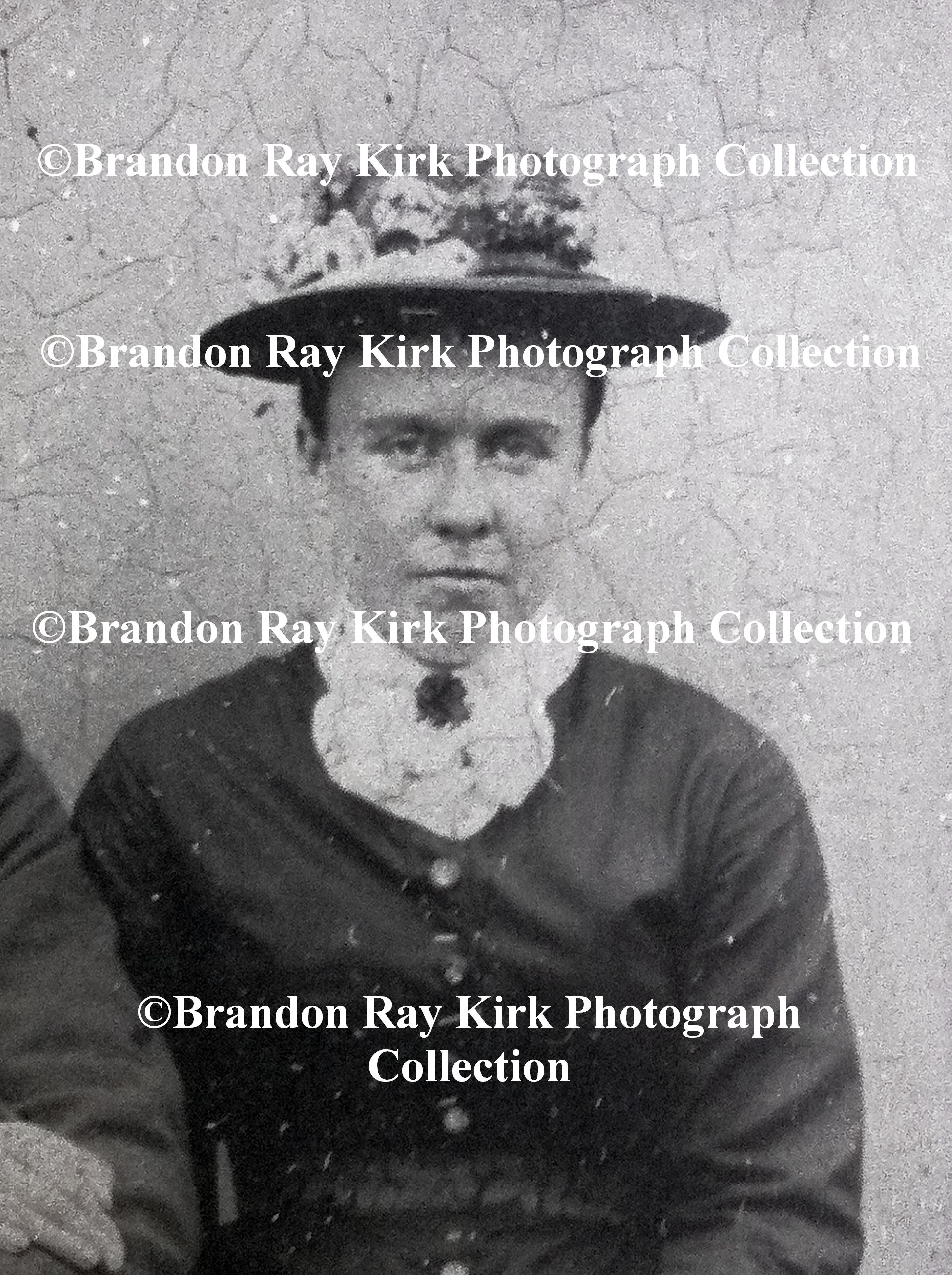
Clementine “Tine” Adkins (1857-1944), daughter of Enos “Jake” and Lettie M. (Toney) Adkins of Ferrellsburg, WV
04 Wednesday Mar 2015
Posted in Logan
Tags
Alice B. Aldredge, Appalachia, Cora B. Aldredge, Floyd County, genealogy, George L. Aldredge, Henry H. Hardesty, history, James S. Aldredge, Logan County, Logan Court House, R.A. Brock, Richmond, Stanton Aldredge, surveyor, Thomas E. Aldredge, Virginia, Virginia and Virginians, West Virginia
From “Virginia and Virginians, 1606-1888,” published by H.H. Hardesty, we find this entry for James S. Aldredge, who resided at Logan Court House in Logan County, West Virginia:
Late Logan county surveyor, residing at Logan Court House, W.Va., was born in Floyd county, Va., Jan. 26, 1859; was married in Logan county, W.Va., on Mar. 16, 1879, to Miss Alice B. Perry, who was born in Logan county Aug. 14, 1855; their home has been brightened by the following sons and daughters, all now residing with their mother: Stanton and George L., born Feb 10, 1880; Cora B., born Jan. 31, 1882; Thomas E., born June 21, 1884; James C., born Jan. 2, 1887. Mr. J.S. Aldredge was elected surveyor of Logan county in 1884, which office he filled most acceptably until his death, Aug. 4, 1887. This sad occurrence was deeply lamented by all who had known him. He was a man of the highest nobility of character, and though cut down in the prime of his young manhood, yet had done much to endear him to many friends who regret his untimely death. His widow and children reside in the beautiful home he had made for them at Logan Court House, [W]Va.
Source: Dr. R.A. Brock, Virginia and Virginians, 1606-1888 (Richmond, VA: H.H. Hardesty, Publisher, 1888), 814.
01 Sunday Mar 2015
Posted in Big Harts Creek, Lincoln County Feud, Warren
Tags
Appalachia, Ben Adams, Blood in West Virginia, genealogy, Harts Creek, history, life, Lincoln County Crew, Logan County, miller, millstone, photos, West Virginia
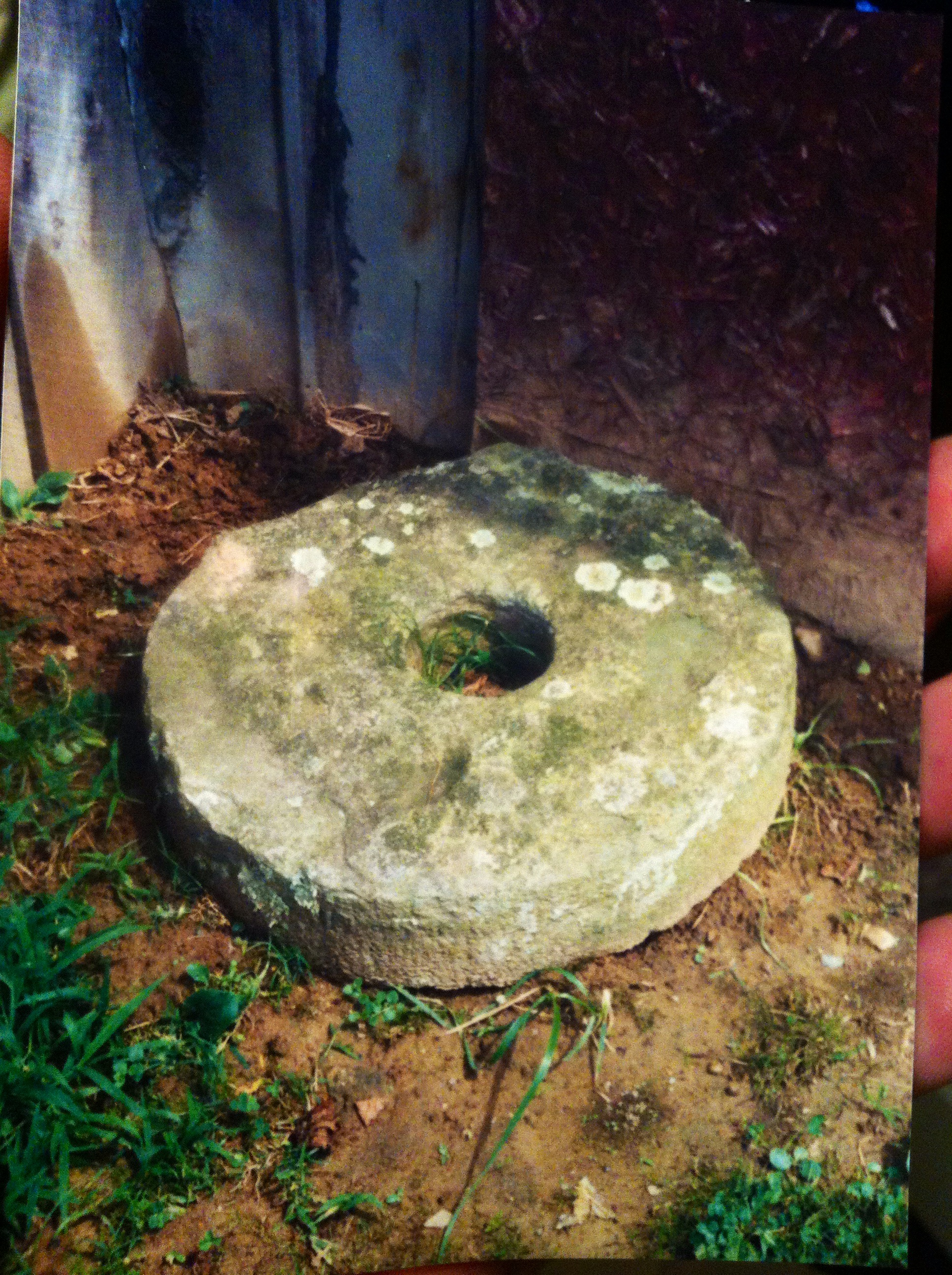
I took this photograph in August 1996 on Trace Fork of Harts Creek.
01 Sunday Mar 2015
Posted in Civil War, Wyoming County
Tags
45th Virginia Volunteer Infantry, Battle of Cross Lanes, Bland County, civil war, Confederate Army, Floyd County, Francis M. Alderman, Frank W. Alderman, George W. Alderman, Giles County, Harman H. Alderman, Henry H. Hardesty, James F. Alderman, Ollie C. Alderman, R.A. Brock, Sun Hill, Virginia, Virginia and Virginians, Virginia O. Comesford, West Virginia, Wyoming County
From “Virginia and Virginians, 1606-1888,” published by H.H. Hardesty, we find this entry for Francis M. Alderman, who resided in Wyoming County, West Virginia:
Francis M. Alderman was born Dec. 10, 1836, in Floyd county, Va. He enlisted in the service of the Confederate States in 1861 in Co. F, 45th Va. V., I., serving until the close of the war; was wounded in the battle of Cross Lanes, Va. On Mar. 14, 1864, in Bland county, Va., he was united in marriage with Virginia O. Comesford, who was born April 18, 1843, in Giles county, Va. The result of this union has been five children: George W., born July 14, 1866, married; Harman H., born Feb. 14, 1868, married; James F., born Oct. 26, 1871; Frank W., born Nov. 25, 1873; and Ollie C., born Nov. 24, 1885. Mr. Alderman is engaged in farming near Sun Hill, Wyoming county, W.Va., which is his address.
Source: Dr. R.A. Brock, Virginia and Virginians, 1606-1888 (Richmond, VA: H.H. Hardesty, Publisher, 1888), 814.
01 Sunday Mar 2015
Tags
Alderson B. Rutherford, culture, genealogy, history, Laurel Hill District, life, Lincoln County, photos, West Virginia
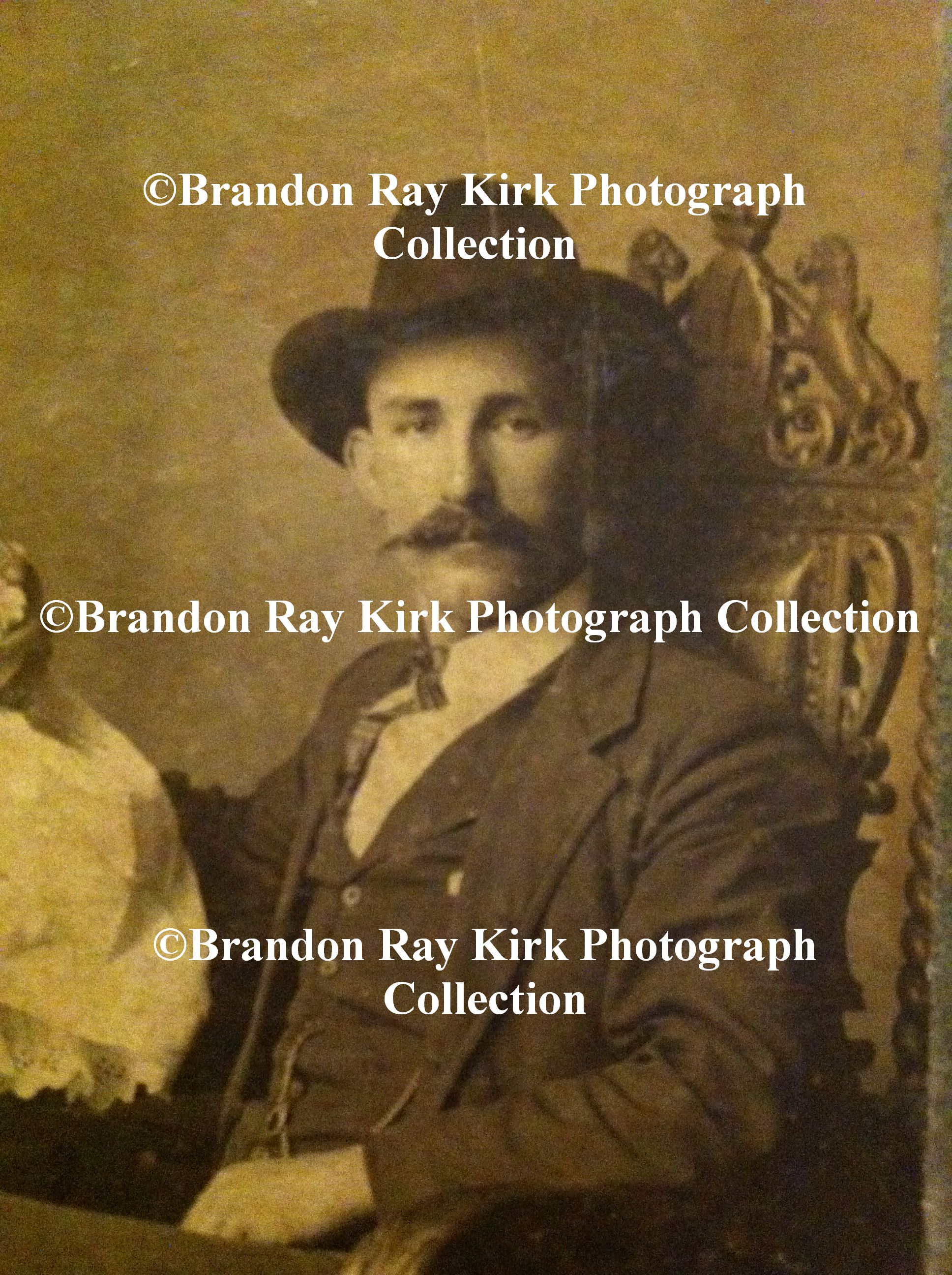
Alderson B. Rutherford (born c.1880), resident of Laurel Hill District, Lincoln County, WV
01 Sunday Mar 2015
Tags
Albert M. Adkins, Albert Neace, Alexander C. Collins, Alta M. Farley, Andrew Elkins, Earl McCoy, Elihu D. Burdett, Fourteen Post Office, genealogy, Henry H. Sias, history, James Wilson Sias, Laurel Hill District, Lincoln County, postmaster, Ranger, Rayburn Adkins, Tice Elkins, Vinson Ramey, West Virginia, Wewanta Post Office, William A. Sias, Winfield S. Enochs
Fourteen Mile Creek, located in Harts Creek District and Laurel Hill District of Lincoln County, West Virginia, has hosted two post offices: Fourteen (1877-1933) and Wewanta (1903-1947). Today, no post office exists on Fourteen Mile Creek. I descend from several of these postmasters.
Fourteen Post Office (1877-1933)
Albert M. Adkins: 10 January 1877 – 27 April 1880
Andrew Elkins: 27 April 1880 – 22 June 1898
William A. Sias: 22 June 1898 – 26 July 1898
James W. Sias: 26 July 1898 – 6 July 1905
Tice Elkins: 2 January 1907 – 6 February 1907
Albert Neace: 6 February 1907 – 19 August 1916
Henry H. Sias: 19 August 1916 – 15 October 1918
Post office discontinued: 30 September 1918, effective 15 October 1918, mail to Wewanta
Alta M. Farley: 14 April 1926 – 30 December 1933
Post office discontinued: 9 December 1933, effective 30 December 1933, mail to Ranger
Wewanta Post Office (1903-1947)
Alexander C. Collins: 6 May 1903 – 30 September 1903
Elihu D. Burdett: 30 September 1903 – 4 May 1904
Winfield S. Enochs: 4 May 1904 – 14 February 1921
Rayburn Adkins: 14 February 1921 – 23 February 1923
Earl McCoy: 23 February 1923 – 18 November 1924
A. Vinson Ramey: 18 November 1924 (9 December 1924, assumed charge) – 15 September 1947
Post office discontinued: 3 September 1947, effective 15 September 1947, mail to Ranger
Source: U.S. Appointments of Postmasters, 1832-1971, maintained by the National Archives and Records Administration.
Writings from my travels and experiences. High and fine literature is wine, and mine is only water; but everybody likes water. Mark Twain
This site is dedicated to the collection, preservation, and promotion of history and culture in Appalachia.
Genealogy and History in North Carolina and Beyond
A site about one of the most beautiful, interesting, tallented, outrageous and colorful personalities of the 20th Century
 Brandon Ray Kirk