• About

Brandon Ray Kirk

~ This site is dedicated to the collection, preservation, and promotion of history and culture in my section of Appalachia.

Brandon Ray Kirk

Tag Archives: U.S. South

In Search of Ed Haley 52

18 Friday Jan 2013

Posted by Brandon Ray Kirk in Ed Haley

≈ Leave a comment

Tags

Appalachia, Ashland, Ed Haley, Ella Haley, genealogy, history, John Hartford, Kentucky, Lawrence Haley, life, Milt Haley, Noah Haley, U.S. South, writing

     Lawrence Haley and I spent an hour or so driving around Ashland looking at many of the sites where Ed had lived in town. Not one single residence was still standing. As we visited each site, I noticed that the Haley residences seemed to have been in poor areas of town…although I didn’t suggest this to Lawrence.

     “They never did own a home,” Lawrence said of his parents. “They always rented. About eight different places in Ashland and one in Catlettsburg that I can remember.”

     In 1933, according to city directories, Ed and Ella lived at 805 45th Street. The next year, Ella received a postcard at 1030 45t Street. The 45th Street area of Ashland — renamed Blackburn Avenue in recent years — was a long street situated to the back of town, with schools and churches intermixed occasionally with small residences. It was the longest street in town.

     Lawrence guided me to 37th Street, also known as Ward Hollow, where the Haleys settled around 1937-38. Ward Hollow, I discovered, was recently cleared entirely of homes and filled with dirt as part of some planned business development. It was nothing like Lawrence or Curly Wellman remembered it.

     “This was a two-lane road at that time,” Lawrence said, looking up the hollow where he once lived. “And they was a bunch of houses sat up on the bank. There wasn’t too many trees up through there. About twelve to fifteen houses — small homes, twenty-five or thirty foot long. We lived in a three-bedroom house. I was just a kid then.”

     In 1944, the Haleys moved downtown to 105 17th Street, the spot where Haley made his home recordings. From this location, presently occupied by a dull gas building and a partially empty lot near the floodwall, Haley could easily walk up 17th Street past City Hall to the post office or Central Park.

     In 1947, the Haleys were briefly at 5210 45th Street, before settling at 1040 Greenup Avenue. Two years later, Ella was listed in city directories at 932 45th Street. Today, this spot is almost wiped out, although a Little Caesar’s pizza is on the corner of a modern building at 933 45th Street.

     Around 1950, the Haleys lived at 2144 Greenup Avenue. This spot, where Ed Haley died in 1951, is the current site of a Boyd County Ford parking lot and Pathways, Inc. “They’ve got a mental health center there where Pop died,” Lawrence said.

     In 1952, Ella lived at 932 45th Street.

     As Lawrence and I made our way around town, I suggested going to see his older brother Noah who had recently moved back to town.

     “Well that’ll be fine John, but if he’s playing cards I ain’t even gonna go around him because that’s one of his vices,” he said. “He used to go down there to Covington, Kentucky, some and lose his shirt. Two or three shady people have been after him to collect his debts.”

     It seemed as if each of the Haley children had some kind of a major hang-up, which kept me thinking about Milt Haley’s genetics — as well as Ed’s. I asked Lawrence if Noah was a drinker and he said, “He doesn’t drink any more. I think he’s got to the point where drinking aggravates his system too much.” There was also the restlessness. Milt Haley came to Harts Creek from “over the mountain” — probably the Tug Valley — and married a local girl. After the trouble with Al Brumfield, he hid out in Kentucky. Ed Haley, perhaps taking a genetic cue from his father, left Harts Creek at a young age and roamed throughout West Virginia and eastern Kentucky. Even after marrying and settling down in Ashland, it was a Haley ritual to always be on the go — moving through town or taking off on a season-long jaunt. Lawrence Haley did not seem to “inherit” that desire, preferring to live the quiet life of a laborer and postman in Ashland. But his half-brother Ralph had went overseas during World War II and then on to live in Cincinnati. His brother Clyde had been all over the United States — everywhere from Alaska to New Orleans. Likewise, Jack had moved away to Cleveland and Mona had been in different cities in Ohio.

     Noah, a veteran of the Pacific Theater and longtime resident of Cleveland, was apparently a roamer, too. “He moves around,” Lawrence said. “The last place he lived was up on Winchester Avenue in an apartment out over a garage. He’s getting ready to go out to California, I guess. He’s about 71.”
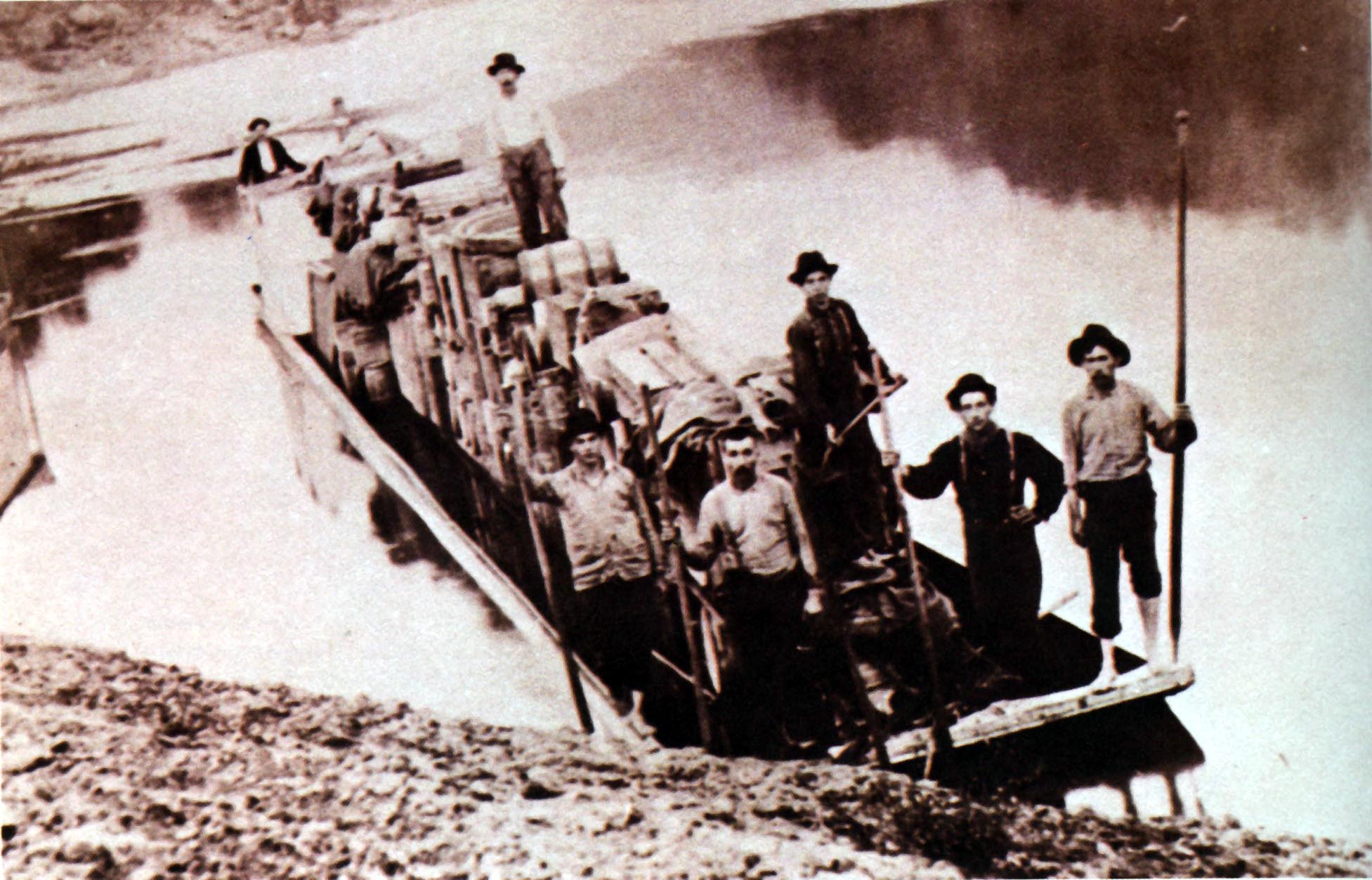
Big Sandy Boat

16 Wednesday Jan 2013

Posted by Brandon Ray Kirk in Big Sandy Valley

≈ 1 Comment

Tags

Appalachia, Big Sandy River, culture, history, Kentucky, life, photos, U.S. South, West Virginia

Taken sometime between 1885 and 1920

Taken sometime between 1885 and 1920

Doc Workman Home

16 Wednesday Jan 2013

Posted by Brandon Ray Kirk in Big Harts Creek, Culture of Honor, Halcyon

≈ 4 Comments

Tags

Appalachia, crime, culture, Doc Workman, genealogy, Harts Creek, history, Logan County, murder, mystery, photos, true crime, U.S. South, West Fork, West Virginia, Workman Fork

West Virginia Murder

Wilson “Doc” Workman Home, about 2002

In Search of Ed Haley 51

16 Wednesday Jan 2013

Posted by Brandon Ray Kirk in Ed Haley

≈ Leave a comment

Tags

Appalachia, Big Sandy River, blind, Catlettsburg, Center Street, Ed Haley, Elks Building, Gunnel Block, history, Horse Branch, Kenova, Kentucky, Lawrence Haley, life, Louisa Street, Ohio River, Pat Haley, U.S. South, West Virginia, writing, Yates Building

Catlettsburg, Kentucky — the place where Ed Haley lived from the mid-twenties until the early thirties — was a booming timber town in its hey-day. Located at the mouth of the Big Sandy River and across the Ohio River from Kenova, West Virginia, it was laid out in 1849 and incorporated in 1858.

Catlettsburg is a blue-collar town. As of 1990, its population was 2231 with 98% registering as white. Downtown Catlettsburg extends from the courthouse area on Louisa Street between 30th and 28th streets to the vicinity of the Elks Building on 26th street, with evidence of old structures just beyond. The courthouse, which was erected in 1930, is neat and surrounded by a spacious yard. It is flanked by annexes, a few small new buildings, and an old red brick two-story building on 28th that offers apartments to the public. On a moist day, the smell of wet garbage or a strong musty odor pervades the central part of town. Down Louisa Street from the courthouse exist a few churches and a couple of old buildings now occupied by an antique store and pizzeria. Across the street, toward the river, sits a string of more old buildings, but mostly newer stuff. Continuing toward the Elks Building is Center Street. The floodwall — a hideous but necessary structure — is positioned to the right, with a few old storefronts and a bingo place where Pat Haley runs a kitchen business. On its Center Street side, the Elks Building has a carving that reads: “Gunnel Block 1906.” Toward its back is a tall slender addition called “The Yates Building 1911.” Across Center Street, evidence of a business district extends one more block to 25th Street. The town continues on but the old downtown seems to end there. Near the floodwall, just back of the old district are the backs of little houses and a few narrow two-story frame houses facing the river — or wall. On 26th Street up past the Elks Building is City Hall and a beautiful little church. The street ends at four sets of railroad tracks. Turning left onto Chestnut Street, which runs east to the back of the courthouse are nice two-story white or red brick residences with a funeral home and law office. Across the tracks, which are elevated slightly above the old part of town, is Route 23 and beyond are larger homes on the hill.

While Ed Haley spent countless days walking on most of these streets, especially in the vicinity of the courthouse, he actually lived at the western edge of town on Horse Branch. Today, Horse Branch offers a flood-prone playground, a Freewill Baptist church and old single story frame shacks crowded together against a narrow paved road. The only thing new on the creek seems to be trailers. Lawrence Haley said the old family home there was long-gone.

Wilson “Doc” Workman

14 Monday Jan 2013

Posted by Brandon Ray Kirk in Big Harts Creek, Halcyon

≈ 5 Comments

Tags

Appalachia, Doc Workman, Harts Creek, history, Logan County, photos, U.S. South, West Fork, West Virginia, Workman Fork, World War I

Dock Workman

Wilson “Doc” Workman, veteran of the First World War, resident of Workman Fork of West Fork of Harts Creek, Logan County, WV

Parkersburg Landing 49

11 Friday Jan 2013

Posted by Brandon Ray Kirk in Ed Haley

≈ Leave a comment

Tags

Appalachia, Ashland, Clark Kessinger, culture, Curly Wellman, Ed Haley, fiddler, history, John Hartford, Kentucky, Lawrence Haley, life, music, U.S. South, writing

     Not long after meeting with Lawrence Haley in Tennessee, I found myself heading toward his home in Ashland. As soon as I arrived in town, he suggested that we speak with Curly Wellman, a local musician who had often visited his parents’ home during the Depression. Lawrence had no memories of Curly’s visits but listened as he told all about them at a recent chance-type meeting at a local grocery store. “I was too young to remember him coming,” Lawrence said to me. Curly had told Lawrence to be sure and visit anytime, so we made a quick call to make sure it was okay for us to drop in, then headed out the door.

     “I used to see him on the Ralph Shannon Show years ago,” Lawrence said, as we piled into the car. Curly was still quite the entertainer. We found him more than ready for us — wearing a big grin and dressed in a fruity-striped button-up shirt with a large medallion around his neck. There was no real need for questions or prompting on our part. His memory was very clear.

     “I don’t think there was anybody that ever drawed a bow that played country like he did,” Curly said of Ed. “The biggest finger on his hand wasn’t as big as my little one. Smallest hands you ever looked at in your life. Just a natural touch. I mean everything — tone, ear, perfect pitch… The whole thing. I would carry my flat top and I’d go up to Uncle Ed’s and go in and he’d grab the fiddle. Well, all he would do was throw the fiddle under his neck and run his fingers across the strings — before he ever heard my guitar — then all I had to do was rake across it and we were together. That was Ed Haley. I’ve followed him since I was about twelve or thirteen and I’m 74 now and I’ve worked with a lot of them and, well, I think he was the greatest.”

     Curly didn’t even catch his breath in bragging on Ed.

     “The bow work is the secret to Ed Haley’s music,” he said. “All of the bow work was strictly in the wrist. More like watching an artist that plays classical stuff — the bow arm. He could get more notes out of the length of the bow than any other man I ever watched or heard in my life. It was all fingers. Just so easy. And double stops were nothing for him. I’ve heard him catch three notes on a fiddle. Terrific! Terrific! I started playing when I was about fourteen and I played for him just for pleasure and lived close to the family and knew them all personally — marvelous people. He had a boy that played the guitar pretty fair. Now there was one other fiddle player in this country that thought he was that good, but he wasn’t. His name was Clark Kessinger. Now Clark played a lot of fiddle. I have to give him credit for what he did play. But I don’t believe he could tune Ed’s fiddle. Clark’s a good imitation of Ed.”

     Curly said he’d give anything to hear Ed’s music again.

     Just then, Lawrence, who’d been sitting quiet as a mouse, pulled out some of his father’s tapes and said warmly, “Hey, put these on.”

     Curly got everything set up and stood mesmerized listening to Ed’s music. He kept saying things like, “Listen how true his notes are. The tone quality. And when this was taped, they didn’t have this stuff to work with that they’ve got today. They make you sound like what they want you to sound like. Ah, he was a fine man. Is that his wife playing the mandolin? She could do it. I used to watch that poor old soul down here in town and she’d bring one of the little girls with her to take her to and from places. She’d sit down there on a little folding stool with her mandolin and play for change and this and that. They were hard-working people.”

     Ed’s music gave Curly’s memories a boost.

     “At the time that I knew him, I was a kid. The thing between me and Ed was just love for one another, I suppose, and love for music. And he loved a guitar that could back him up. And he didn’t want no sixth-string chord — you better not strike one in his presence because he’d tell you to crawl back down on the neck. He said if he wanted a snare drum, he’d get one. He was the type of guy that said what he thought. That was his nature. And if you didn’t like it, you’d just well to get up and go out. He was a man that had the flattest delivery with speech when he said something to you. I mean it was just flat out straight. It didn’t make any difference to him.”

     Ed hated to be pitied or touched and liked to get around by himself. Because Curly had seen his “vicious temper,” he never asked him about his background.

     “I was a kid and as blunt as he was there was a lot of things I would like to’ve known that I wouldn’t even ask,” he said. “In other words, I might just say something that he would completely turn me off, me being that young. But, well, he had a big heart.”

Parkersburg Landing

06 Sunday Jan 2013

Posted by Brandon Ray Kirk in Ed Haley

≈ Leave a comment

Tags

Appalachia, culture, Ed Haley, genealogy, Harts Creek, John Hartford, Lawrence Haley, life, photos, U.S. South, West Virginia

Connie Mullins and Lawrence Haley, 1991

Connie Mullins and Lawrence Haley, Harts Creek, WV, 1991

Parkersburg Landing 47

06 Sunday Jan 2013

Posted by Brandon Ray Kirk in Ed Haley

≈ Leave a comment

Tags

Blackberry Blossom, blind, culture, Ed Haley, fiddler, Half Past Four, history, John Hartford, Lawrence Haley, life, music, Steve Haley, Tennessee, U.S. South, writing

     Later that summer, I met Lawrence Haley at the home of his oldest son, Steve Haley, in Hendersonville, Tennessee. Steve was a music enthusiast and computer expert. Lawrence graciously loaned me the four Junius Martin records, which contained his father’s signature tune, “Garfield’s Blackberry Blossom”. I asked him about “Poplar Bluff,” one of the tunes on the records, and wondered if it was connected to the small Missouri town by that name. Lawrence said he didn’t know but that it sounded like Pop was mad when he was playing it on the record.

     “Well, he was either mad or they had taken some strong drink with them and Pop had got into that pretty heavy,” he said.

     I said, “What about a tune like ‘Stonewall Jackson’?”

     “No, he was playing fine music there,” he said. “I don’t think when these records was made at home he had a drop to drink. But I’ll tell you John, he done an exceptional job then because before I went into the service he would shake his left hand trying to get some of the numbness out and I guess that was from a heart problem right there. If he had any decay in his muscle reaction, it didn’t show too much. Of course, he had to go downhill at that age from what he used to be when he was a young man.”

     I played a tune for Lawrence that was unnamed on the records, then said, “This guy I know, Bruce Greene, he collected a lot of stuff, and I played it for him over the telephone and he said, ‘Oh, that’s ‘Indian Squaw’. But then it could have had another name. Like that ‘Yellow Barber’ tune that your dad plays, they call that ‘Arthur Berry’.”

     Lawrence said, “I don’t think he called that ‘Indian Squaw’. I never heard anybody request it. Pop played a piece of music called ‘Indian Nation’.”

     I’d been listening to Ed’s recordings a lot in the last few months and was focused on how he got a “real swing” in his music.

     Lawrence agreed, “That’s what I say. That’s what I was trying to tell you. When Pop was playing and enjoying it, he put a lot of drive in his music. You could see it. You could watch him and just see that he was enjoying it.”

     I asked if Ed played with his whole body and Lawrence said, “Well, yeah he’d do a little, maybe, dance on his chair.”

     Would he ever come up off his chair?

     “No, no, not like that. But you could tell that when he was playing with somebody that fit in with his style or if his accompaniment was doing their job right then he always enjoyed it.”

     Now what would his feet be doing?

     “Well, he’d just be patting his foot or his heel one or the other, most of the time. Not too loud. It was a subdued type of enjoyment, but you could see the drive that he was putting into it. I mean, he could slur a bow and pull a bow and put different pressures on the strings and you’d know that he was enjoying it, or I felt that he was.”

     I played a lot of Ed’s tunes for Lawrence, hoping to jar some of his memories. When I played “Ida Red”, he said his father used to sing, “Ida Red, Ida Red. I’m in love with Ida Red.”

     I told him I loved “Half Past Four”.

     “That’s one of my favorite tunes of all time,” I said. “I get to playing that and I can’t stop playing that tune. Now, that’s one he wrote, isn’t it?”

     Lawrence said, “Yeah, it seems to me like my mother told us that one time. That one of us, I’m not for sure which one it was, but we were delivered at about that time in the morning and Pop had been up all night, I guess. He just sat down and started playing because he was happy he had another boy, I guess. Or it might have been the girl, I don’t know.”

Timber

05 Saturday Jan 2013

Posted by Brandon Ray Kirk in Timber

≈ Leave a comment

Tags

Appalachia, culture, history, life, Lincoln County, logging, photos, timbering, U.S. South, West Hamlin, West Virginia

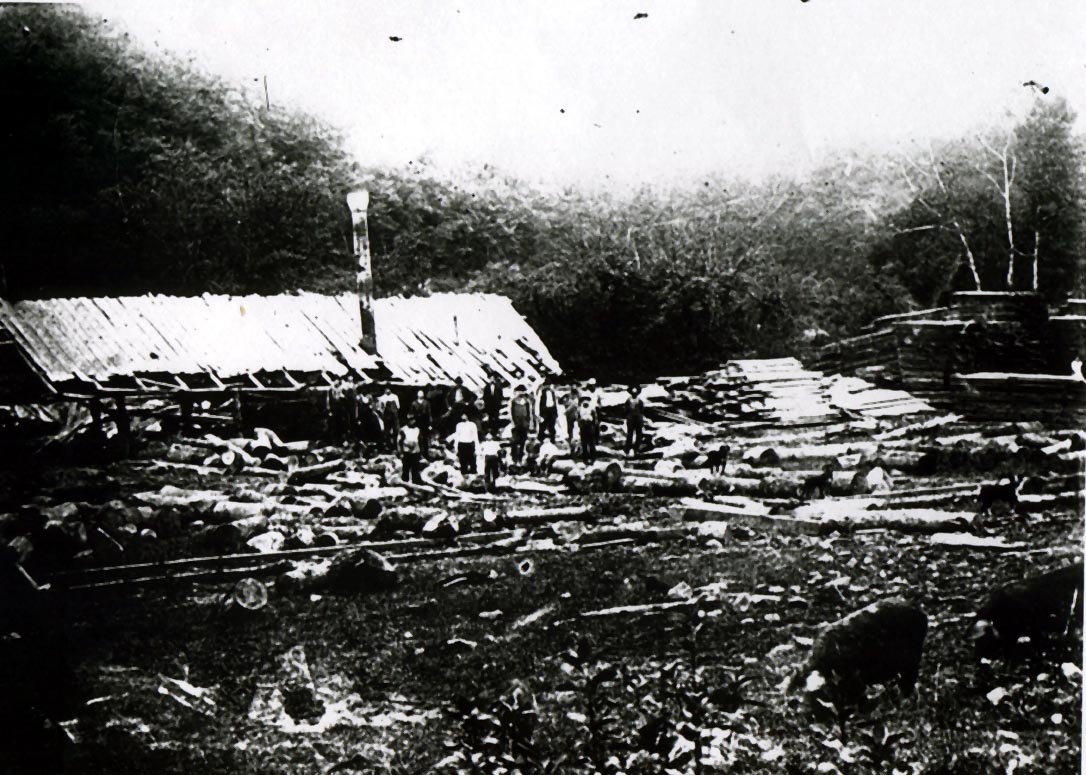
Lincoln County Sawmill, 1895-1920

West Virginia Sawmill, 1895-1920

Three Kinsmen

05 Saturday Jan 2013

Posted by Brandon Ray Kirk in Ferrellsburg

≈ Leave a comment

Tags

Appalachia, culture, Frank Davis, genealogy, Harts Creek, history, life, Lincoln County, photos, U.S. South, West Virginia, writers

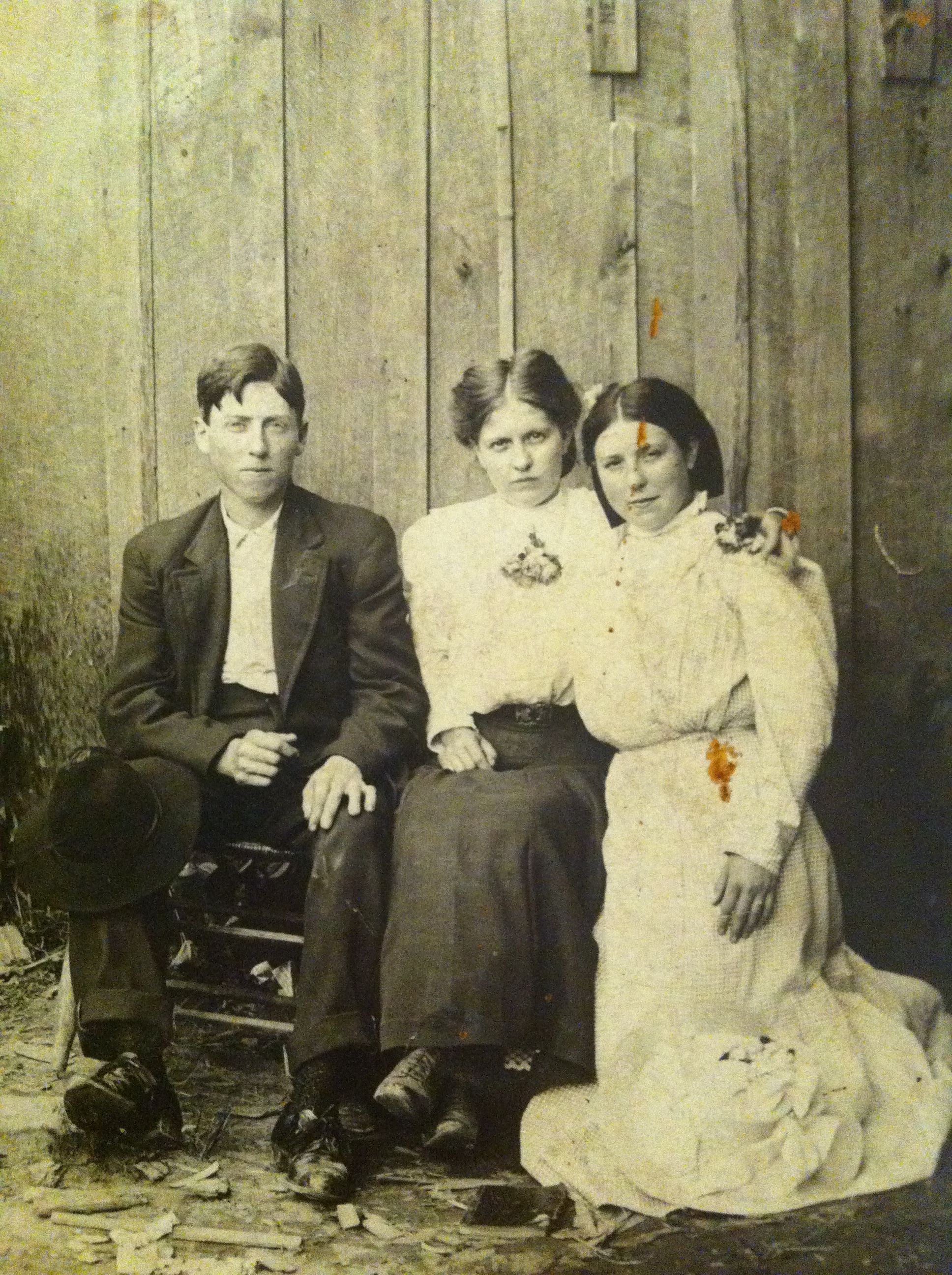
Harts Creek Resident, 1910-1920

Harts Creek Residents, 1910-1920

Pearl Adkins Diary

03 Thursday Jan 2013

Posted by Brandon Ray Kirk in Harts, Pearl Adkins Diary, Women's History

≈ Leave a comment

Tags

Appalachia, culture, Harts, history, inspiration, life, Lincoln County, Pearl Adkins, photos, U.S. South, West Virginia, writers, writing

Pearl Adkins, West Virginia Diarist, 1920-1950

Pearl Adkins, West Virginia diarist, 1920-1950

Who Killed Doc Workman? 3

03 Thursday Jan 2013

Posted by Brandon Ray Kirk in Big Harts Creek, Culture of Honor

≈ 8 Comments

Tags

Abbotts Branch, Appalachia, Ben Workman, Buster Stollings, crime, Doc Workman, Flora Workman, Gene Wilson Dingess, Harlen Mullins, Harts Creek, history, Logan County, murder, mystery, true crime, U.S. South, Weddie Mullins, West Virginia, Workman Fork, writers, writing

In the early morning hours of April 20, 1956, someone shot Doc Workman in the abdomen with a 20-gauge shotgun as he stood at the doorway to his little house on Workman Fork. “I heard the shot fired that killed him,” said Gene Wilson Dingess, a neighbor, in a 2004 interview. “It was way up in the morning. My sister Mildred and Mommy heard it, too. No one thought anything about it. People roamed all hours of the night with guns and shot rabbits and possoms.”

Upon learning the true nature of the incident, residents of Workman Fork reacted with shock and surprise. Nothing like this had ever happened on Workman Fork. Located somewhat remotely in the headwaters of Harts Creek, the fork constituted one of the most peaceful sections of the community. Moonshining was quite common, but murder? Doc’s killing — any killing — was unprecedented on Workman Fork. People were horrified.

Most everyone agreed that Doc knew the identity of his killer. “Doc knew the person at his door,” Dingess said. “He answered the door in his pajamas.” The killer’s choice of weaponry was a source of great interest. First of all, the 20-gauge shotgun used to commit the murder reportely belonged to Mr. Workman himself. Secondly, a 20-gauge shotgun was the type of low-powered firearm that a teenager or woman (or an old man) might use at close range, say, within 30-40 yards. And, oddly, it was left lying across Workman’s leg presumably without fingerprints. “It looked like someone had been standing by his door where they stood and plotted,” said the late late Roma Elkins in a 2004 interview.

One of the initial suspects in the murder was Doc’s former wife, Flora Lilly. Police also questioned Doc’s former brother-in-law, Weddie Mullins, a son of Harlen Mullins. Buster Stollings, who boarded with Flora, was another suspect. Other suspects were two men named Jake and Bill who were out that night riding mules and stealing corn. Apparently locals were so incensed by the tragedy that they investigated the matter themselves. Early the morning of the murder, one eyewitness saw two young men, dubbed as “Frank” and “Jesse” here to hide their true identities, run by as she milked cows on Abbott’s Branch. “Ben Workman said he saw tracks from a woman in high-heeled shoes leading from the mouth of Workman Fork up to the mouth of Long Branch,” Dingess said. “Now who would’ve wore high heels on this creek back then?”

Today, so many years later, it appears that two young men dubbed as “Frank” and “Jesse” were involved in the murder. Although suspects at the time of the killing, they were never questioned by authorities. Jesse’s own mother believed him to be the killer. “When Jesse come in at the house that morning he had a whole roll of money as big as your fist,” his mother later said. “Him and Wed Mullins was in on that killing together.” Reportedly, Frank was haunted by the murder years later when he was on his deathbed. “My uncle went up to Logan and Frank was in the hospital about to die,” Dingess said. “There was a preacher there and Frank said he couldn’t get forgiveness because he’d helped kill a man.”

Timber

02 Wednesday Jan 2013

Posted by Brandon Ray Kirk in Timber

≈ Leave a comment

Tags

Appalachia, culture, history, Huntington, life, logging, photos, timbering, U.S. South, West Virginia

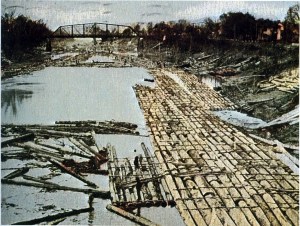
Log Rafts at Huntington, West Virginia, 1895-1905

Log Rafts at Huntington, West Virginia, 1895-1905

Parkersburg Landing

01 Tuesday Jan 2013

Posted by Brandon Ray Kirk in Ed Haley

≈ Leave a comment

Tags

Appalachia, culture, family, genealogy, history, Kentucky, life, Morehead, music, photos, Ralph Haley, U.S. South

Ralph Haley, 1915-1920

Ralph Haley, 1915-1920

Who Killed Doc Workman? 2

01 Tuesday Jan 2013

Posted by Brandon Ray Kirk in Big Harts Creek, Culture of Honor, Halcyon

≈ 4 Comments

Tags

Appalachia, Buck Mullins, crime, Dennie Workman, Doc Workman, Flora Workman, Gene Wilson Dingess, Harlen Mullins, Harts Creek, history, Lloyd Farley, Logan, Logan County, Martha Workman, murder, mystery, Thomas B. Workman, true crime, U.S. South, Weddie Mullins, West Fork, West Virginia, Workman Fork, World War I, writing

Doc Workman was born on January 20, 1893 at Halcyon in Logan County, West Virginia. His parents were Thomas B. and Martha (Hill) Workman. Doc served in the First World War. According to his draft registration record, he was blue-eyed, had dark brown hair and was of medium build. “I think he got gased over there and he just barely made it,” said Gene Wilson Dingess, a close relative and namesake, in a 2004 interview. “They were in foxholes most of the time.” A decorated veteran and prisoner of war, Mr. Workman spoke little of his war experience after returning home. “He never told big tales about his service,” Dingess said. “If you asked him about it, he’d answer you in about thirty seconds and then change the subject.”

In 1919, Doc married Flora Mullins, the pretty red-haired daughter of Harlen Mullins, a local farmer. For many years, the couple enjoyed a happy marriage. By the early 1930s however, according to neighborhood gossip, both began affairs. Doc, who some called “Slick” because of his charms with women, reportedly courted a sister-in-law, while Flora reportedly sparked a Dingess. The family remained intact until at least 1940. Some time thereafter, Doc and Flora separated and eventually divorced. Mr. Workman built himself a small dwelling house just below his wife where he lived with a stepson, Dennie. Around that time, perhaps in related events, a few homes were burned in the neighborhood.

A 1942 draft registration record described Dock as six-feet tall, 178 pounds, of ruddy complexion, with gray hair and blue eyes. In the opinion of most people on Workman Fork, he made for a good neighbor. Lloyd Farley, a son-in-law, in a 2005 interview, said, “Doc was a fine fellow. He was hard to get to know but he would give you the shirt off of his back.” Mr. Dingess also had fond memories of the old gentleman. “We stopped there at Doc’s every day after school to see him,” he said. “He had candy and marshmallows and he always offered us a dollar to let him bust an egg between our eyes.” Dingess recalled that Doc was an excellent marksman. “Doc kept a loaded gun just inside his door to shoot foxes when they got after his chickens,” Dingess said. “He could shoot a fox from 100 yards away.”

In his last days, Doc received a pension for his service in the Great War and began to carry a significant amount of cash on his person. “He drew a veteran’s pension,” said Mr. Farley. “He often packed one-thousand dollars on him.” Not long before his murder, he loaned fifty dollars to his brother-in-law, Buck Mullins, who then lived in Logan. (Mullins soon repaid the loan.) Neighbors spoke of Dock’s money, of his pension… Family members cautioned him against keeping so much cash on hand, afraid that someone might rob him. Adding fuel to the fire of neighborhood gossip, Doc occasionally disappeared from the creek. “Doc would go out of here and be gone for a month at a time when I was young,” Dingess said. “We never did know why he left.” Just a few weeks before the murder, his son Dennie moved away to find a job. “Dennie had just left to work away from here two or three weeks when Dock was killed,” Dingess said. About one week before the killing, according to Farley, Weddie Mullins, Doc’s former brother-in-law, caught him with his arm around his wife’s waist. He told him that he “better not do it again.”

Ella Haley

31 Monday Dec 2012

Posted by Brandon Ray Kirk in Ed Haley

≈ Leave a comment

Tags

Appalachia, culture, Ella Haley, genealogy, history, Kentucky, life, Morehead, music, photos, U.S. South

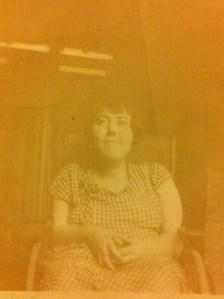
Ella Trumbo Haley, 1910-1920

Ella Trumbo Haley, 1908-1920

Pearl Adkins Diary

31 Monday Dec 2012

Posted by Brandon Ray Kirk in Harts, Pearl Adkins Diary, Women's History

≈ Leave a comment

Tags

Appalachia, culture, Ed Zane Adkins, life, Lincoln County, Pearl Adkins, photos, Rinda Adkins, U.S. South, West Virginia, writers, writing

Pearl Adkins (center), 1940s

Pearl Adkins (center), 1940s

Who Killed Doc Workman? 1

31 Monday Dec 2012

Posted by Brandon Ray Kirk in Big Harts Creek, Culture of Honor

≈ 1 Comment

Tags

Appalachia, crime, Doc Workman, Ferrellsburg, Flora Workman, genealogy, Harts Creek, history, life, Logan Banner, Logan County, murder, mystery, Ray Watts, Roma Elkins, Simpkins Cemetery, true crime, U.S. South, West Fork, West Virginia, Workman Fork, World War I, writing

Fifty-six years ago, someone shot Wilson “Doc” Workman in cold blood at the front door of his little frame house on Harts Creek. Today, his unsolved murder is  largely forgotten.

“Workman, 63, was found dead by his estranged wife, Mrs. Flora Workman, at 6 a.m. Friday at his home on Workman Fork of the West Fork of Harts Creek in Logan County,” the Logan Banner reported on Monday, April 23, 1956. “The victim died as a result of a stomach wound inflicted by a 20-gauge single barrel shotgun which was found lying across his left leg.”

Doc Workman was a man in the twilight of his life. By all accounts, he was a well-liked resident of the community. He was a quiet farmer, a former timberman, a veteran of the Great War and the father of nine children.

“Daddy and Mommy sure liked him,” said the late Roma Elkins, a native of nearby Ferrellsburg, in a 2004 interview. “He’d bring us a big water bucket full of eggs and wouldn’t let us pay him for them.”

Initially, Logan County sheriff Ray Watts and state law enforcement officers suspected robbery as the motive for Workman’s murder.

“Reports said Workman had been known to carry large sums of money around on his person and was believed to have between $400 and $500 at the time of his death,” the Banner reported. “Only a few dollars was found in the home after the shooting.”

On Sunday, April 22, Workman’s funeral was held at his home on Workman Fork. The service began at 2 p.m. and concluded with the burial at Simpkins Cemetery on West Fork.

On Monday, the Banner ran Workman’s obituary on its front page, listing his wife, nine children, four brothers and three sisters, most of whom lived in Logan County.

West Virginia Guitar Player 3

29 Saturday Dec 2012

Posted by Brandon Ray Kirk in Music

≈ Leave a comment

Tags

Appalachia, culture, Ferrellsburg, guitar, history, Jap Mullins, life, Lincoln County, music, photos, U.S. South, West Virginia

Jap Mullins of Ferrellsburg, circa 1936-1945

Jap Mullins of Ferrellsburg, 1936-1945

Heavy Heart

29 Saturday Dec 2012

Posted by Brandon Ray Kirk in Harts, Pearl Adkins Diary, Women's History

≈ 3 Comments

Tags

Appalachia, Cora Adkins, history, inspiration, life, Lincoln County, love, Pearl Adkins, U.S. South, West Virginia, writers, writing

“My dear, dear dream boy came one evening,” Pearl wrote in May or June. “He stayed all night. After supper I was sitting on the porch. Cora was out there. My heart dearest came and sit down at my feet. He talked to Cora of first one thing then another. He changed the subject all at once and asked Cora if the doctors thought there was any chance for me ever to walk. I don’t remember the talk for I felt slighted and hurt. To think he would sit at my feet and then ask some one else about my walking powers, if there was any chance of me ever.

“Well, I spent another sleepless night for he slept in the next room. I can now see him as I write next morning at the breakfast table. I looked across the table straight into those clear but sad eyes — those eyes which sent the blood over my neck and face to burn my fevered brain. He is gone and left a heavier heart and a sadder face behind him than was there when he came. I don’t guess he ever thought of the joy he brings to a sad and lonely woman when he comes or even dreamed of such a thing that I loved him. Well, I don’t care if he ever knows. I love him just the same.”

← Older posts
Newer posts →

Feud Poll 1

If you had lived in the Harts Creek community during the 1880s, to which faction of feudists might you have given your loyalty?

Categories

  • Adkins Mill
  • African American History
  • American Revolutionary War
  • Ashland
  • Atenville
  • Banco
  • Barboursville
  • Battle of Blair Mountain
  • Beech Creek
  • Big Creek
  • Big Harts Creek
  • Big Sandy Valley
  • Big Ugly Creek
  • Boone County
  • Breeden
  • Calhoun County
  • Cemeteries
  • Chapmanville
  • Civil War
  • Clay County
  • Clothier
  • Coal
  • Cove Gap
  • Crawley Creek
  • Culture of Honor
  • Dingess
  • Dollie
  • Dunlow
  • East Lynn
  • Ed Haley
  • Eden Park
  • Enslow
  • Estep
  • Ethel
  • Ferrellsburg
  • Fourteen
  • French-Eversole Feud
  • Gilbert
  • Giles County
  • Gill
  • Green Shoal
  • Guyandotte River
  • Halcyon
  • Hamlin
  • Harts
  • Hatfield-McCoy Feud
  • Holden
  • Hungarian-American History
  • Huntington
  • Inez
  • Irish-Americans
  • Italian American History
  • Jamboree
  • Jewish History
  • John Hartford
  • Kermit
  • Kiahsville
  • Kitchen
  • Leet
  • Lincoln County Feud
  • Little Harts Creek
  • Logan
  • Man
  • Matewan
  • Meador
  • Midkiff
  • Monroe County
  • Montgomery County
  • Music
  • Native American History
  • Peach Creek
  • Pearl Adkins Diary
  • Pecks Mill
  • Peter Creek
  • Pikeville
  • Pilgrim
  • Poetry
  • Queens Ridge
  • Ranger
  • Rector
  • Roane County
  • Rowan County Feud
  • Salt Rock
  • Sand Creek
  • Shively
  • Spears
  • Sports
  • Spottswood
  • Spurlockville
  • Stiltner
  • Stone Branch
  • Tazewell County
  • Timber
  • Tom Dula
  • Toney
  • Turner-Howard Feud
  • Twelve Pole Creek
  • Uncategorized
  • Warren
  • Wayne
  • West Hamlin
  • Wewanta
  • Wharncliffe
  • Whirlwind
  • Williamson
  • Women's History
  • World War I
  • Wyoming County
  • Yantus

Feud Poll 2

Do you think Milt Haley and Green McCoy committed the ambush on Al and Hollene Brumfield in 1889?

Blogroll

  • Ancestry.com
  • Ashland (KY) Daily Independent News Article
  • Author FB page
  • Beckley (WV) Register-Herald News Article
  • Big Sandy News (KY) News Article
  • Blood in West Virginia FB
  • Blood in West Virginia order
  • Chapters TV Program
  • Facebook
  • Ghosts of Guyan
  • Herald-Dispatch News Article 1
  • Herald-Dispatch News Article 2
  • In Search of Ed Haley
  • Instagram
  • Lincoln (WV) Journal News Article
  • Lincoln (WV) Journal Thumbs Up
  • Lincoln County
  • Lincoln County Feud
  • Lincoln County Feud Lecture
  • LinkedIn
  • Logan (WV) Banner News Article
  • Lunch With Books
  • Our Overmountain Men: The Revolutionary War in Western Virginia (1775-1783)
  • Pinterest
  • Scarborough Society's Art and Lecture Series
  • Smithsonian Article
  • Spirit of Jefferson News Article
  • The Friendly Neighbor Radio Show 1
  • The Friendly Neighbor Radio Show 2
  • The Friendly Neighbor Radio Show 3
  • The Friendly Neighbor Radio Show 4
  • The New Yorker
  • The State Journal's 55 Good Things About WV
  • tumblr.
  • Twitter
  • Website
  • Weirton (WV) Daily Times Article
  • Wheeling (WV) Intelligencer News Article 1
  • Wheeling (WV) Intelligencer News Article 2
  • WOWK TV
  • Writers Can Read Open Mic Night

Feud Poll 3

Who do you think organized the ambush of Al and Hollene Brumfield in 1889?

Recent Posts

  • Logan County Jail in Logan, WV
  • Absentee Landowners of Magnolia District (1890, 1892, 1894)
  • Charles Spurlock Survey at Fourteen Mile Creek, Lincoln County, WV (1815)

Ed Haley Poll 1

What do you think caused Ed Haley to lose his sight when he was three years old?

Top Posts & Pages

  • Early Coal Mines in Logan County, WV
  • Harrison Blair Was Early Sheriff in Logan County, WV (1937)
  • Jack Dempsey’s Broadway Restaurant Location in New York City (2019)
  • Adam Pauley finds gold in Boone County, WV (1894)
  • Aracoma Memorial in Logan, WV (1936)

Copyright

© Brandon Ray Kirk and brandonraykirk.wordpress.com, 1987-2023. Unauthorized use and/or duplication of this material without express and written permission from this blog’s author and/or owner is strictly prohibited. Excerpts and links may be used, provided that full and clear credit is given to Brandon Ray Kirk and brandonraykirk.wordpress.com with appropriate and specific direction to the original content.

Archives

  • February 2025
  • January 2025
  • October 2023
  • September 2023
  • December 2022
  • November 2022
  • May 2022
  • April 2022
  • February 2022
  • November 2021
  • October 2021
  • September 2021
  • June 2021
  • May 2021
  • April 2021
  • March 2021
  • February 2021
  • January 2021
  • December 2020
  • November 2020
  • October 2020
  • July 2020
  • June 2020
  • May 2020
  • April 2020
  • March 2020
  • February 2020
  • January 2020
  • December 2019
  • November 2019
  • October 2019
  • September 2019
  • August 2019
  • July 2019
  • June 2019
  • May 2019
  • April 2019
  • March 2019
  • February 2019
  • January 2019
  • December 2018
  • November 2018
  • October 2018
  • September 2018
  • August 2018
  • July 2018
  • June 2018
  • May 2018
  • April 2018
  • March 2018
  • February 2018
  • January 2018
  • December 2017
  • November 2017
  • October 2017
  • September 2017
  • August 2017
  • July 2017
  • June 2017
  • May 2017
  • April 2017
  • March 2017
  • February 2017
  • January 2017
  • December 2016
  • November 2016
  • October 2016
  • September 2016
  • August 2016
  • July 2016
  • June 2016
  • May 2016
  • April 2016
  • March 2016
  • February 2016
  • January 2016
  • December 2015
  • November 2015
  • October 2015
  • September 2015
  • August 2015
  • July 2015
  • June 2015
  • May 2015
  • April 2015
  • March 2015
  • February 2015
  • January 2015
  • December 2014
  • October 2014
  • September 2014
  • August 2014
  • July 2014
  • June 2014
  • May 2014
  • April 2014
  • March 2014
  • February 2014
  • January 2014
  • December 2013
  • November 2013
  • October 2013
  • September 2013
  • August 2013
  • July 2013
  • June 2013
  • May 2013
  • April 2013
  • March 2013
  • February 2013
  • January 2013
  • December 2012
  • November 2012

Enter your email address to follow this blog and receive notifications of new posts by email.

Join 2,927 other subscribers

Tags

Appalachia Ashland Big Creek Big Ugly Creek Blood in West Virginia Brandon Kirk Cabell County cemeteries Chapmanville Charleston civil war coal Confederate Army crime culture Ed Haley Ella Haley Ferrellsburg feud fiddler fiddling genealogy Green McCoy Guyandotte River Harts Harts Creek Hatfield-McCoy Feud history Huntington John Hartford Kentucky Lawrence Haley life Lincoln County Lincoln County Feud Logan Logan Banner Logan County Milt Haley Mingo County music Ohio photos timbering U.S. South Virginia Wayne County West Virginia Whirlwind writing

Blogs I Follow

  • OtterTales
  • Our Appalachia: A Blog Created by Students of Brandon Kirk
  • Piedmont Trails
  • Truman Capote
  • Appalachian Diaspora

BLOOD IN WEST VIRGINIA is now available for order at Amazon!

Blog at WordPress.com.

OtterTales

Writings from my travels and experiences. High and fine literature is wine, and mine is only water; but everybody likes water. Mark Twain

Our Appalachia: A Blog Created by Students of Brandon Kirk

This site is dedicated to the collection, preservation, and promotion of history and culture in Appalachia.

Piedmont Trails

Genealogy and History in North Carolina and Beyond

Truman Capote

A site about one of the most beautiful, interesting, tallented, outrageous and colorful personalities of the 20th Century

Appalachian Diaspora

  • Subscribe Subscribed
    • Brandon Ray Kirk
    • Join 789 other subscribers
    • Already have a WordPress.com account? Log in now.
    • Brandon Ray Kirk
    • Subscribe Subscribed
    • Sign up
    • Log in
    • Report this content
    • View site in Reader
    • Manage subscriptions
    • Collapse this bar
 

Loading Comments...