Tags
Appalachia, banjo, culture, genealogy, Harts Creek, history, life, Logan County, music, photos, Stella Mullins, U.S. South, West Virginia

Stella Baisden Mullins, a resident of Trace Fork of Harts Creek, Logan County, West Virginia, 1930-1955

22 Monday Apr 2013
Posted in Music
Tags
Appalachia, banjo, culture, genealogy, Harts Creek, history, life, Logan County, music, photos, Stella Mullins, U.S. South, West Virginia
Stella Baisden Mullins, a resident of Trace Fork of Harts Creek, Logan County, West Virginia, 1930-1955
17 Wednesday Apr 2013
Posted in Music
Tags
Andy Mullins, Appalachia, culture, Dobie Mullins, genealogy, history, life, Logan County, music, photos, U.S. South, West Virginia

Mullins family of Harts Creek, Logan County, 1935-1955
26 Tuesday Mar 2013
Posted in Big Harts Creek, Ed Haley, John Hartford, Lincoln County Feud, Spottswood
Tags
Appalachia, culture, Ed Haley, genealogy, Harts Creek, history, John Hartford, life, Logan County, photos, Sol Bumgarner, Trace Fork, U.S. South, West Virginia

Sol Bumgarner, a key source of information about Ed Haley and the history of Trace Fork of Harts Creek, Logan County, WV, 1993
10 Sunday Mar 2013
Posted in Music
Tags
Appalachia, banjo, culture, fiddle, fiddler, history, life, music, photos, Telmage Godfrey, U.S. South, West Virginia, William Bertie Lester, Wyoming County

Telmage Godfrey and William Bertie Lester of Wyoming County, 1922
10 Sunday Mar 2013
Posted in Culture of Honor, Whirlwind
Tags
Appalachia, culture, genealogy, Harts Creek, history, Logan County, photos, U.S. South, West Virginia, Whirlwind

Couple from Whirlwind, West Virginia, 1890-1915
04 Monday Mar 2013
Posted in Big Harts Creek, Ed Haley, Music
Tags
Appalachia, banjo, Boone County, Ed Haley, fiddler, genealogy, history, Johnny Hager, Logan County, music, photos, U.S. South, West Virginia
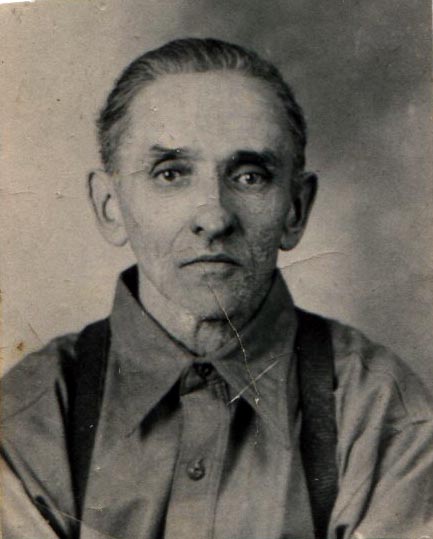
Johnny Hager (1876-1955), a banjo player and fiddler who lived in Boone County, West Virginia
26 Tuesday Feb 2013
Posted in Timber
Tags
Appalachia, culture, history, life, logging, photos, timbering, U.S. South, West Virginia
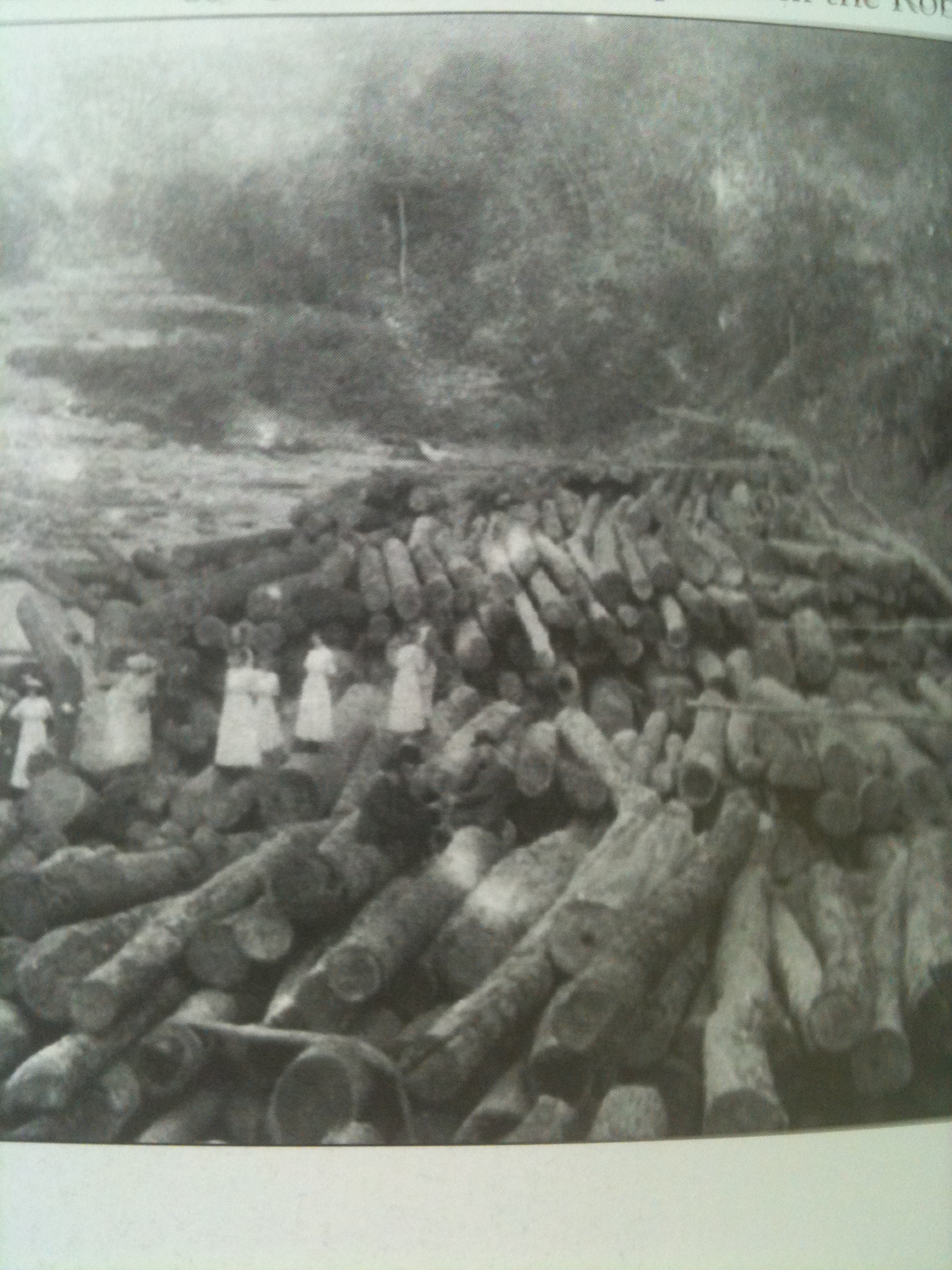
1885-1920
24 Sunday Feb 2013
Posted in Music
Tags
Appalachia, banjo, culture, history, music, photos, U.S. South, West Virginia, William Bertie Lester, Wyoming County
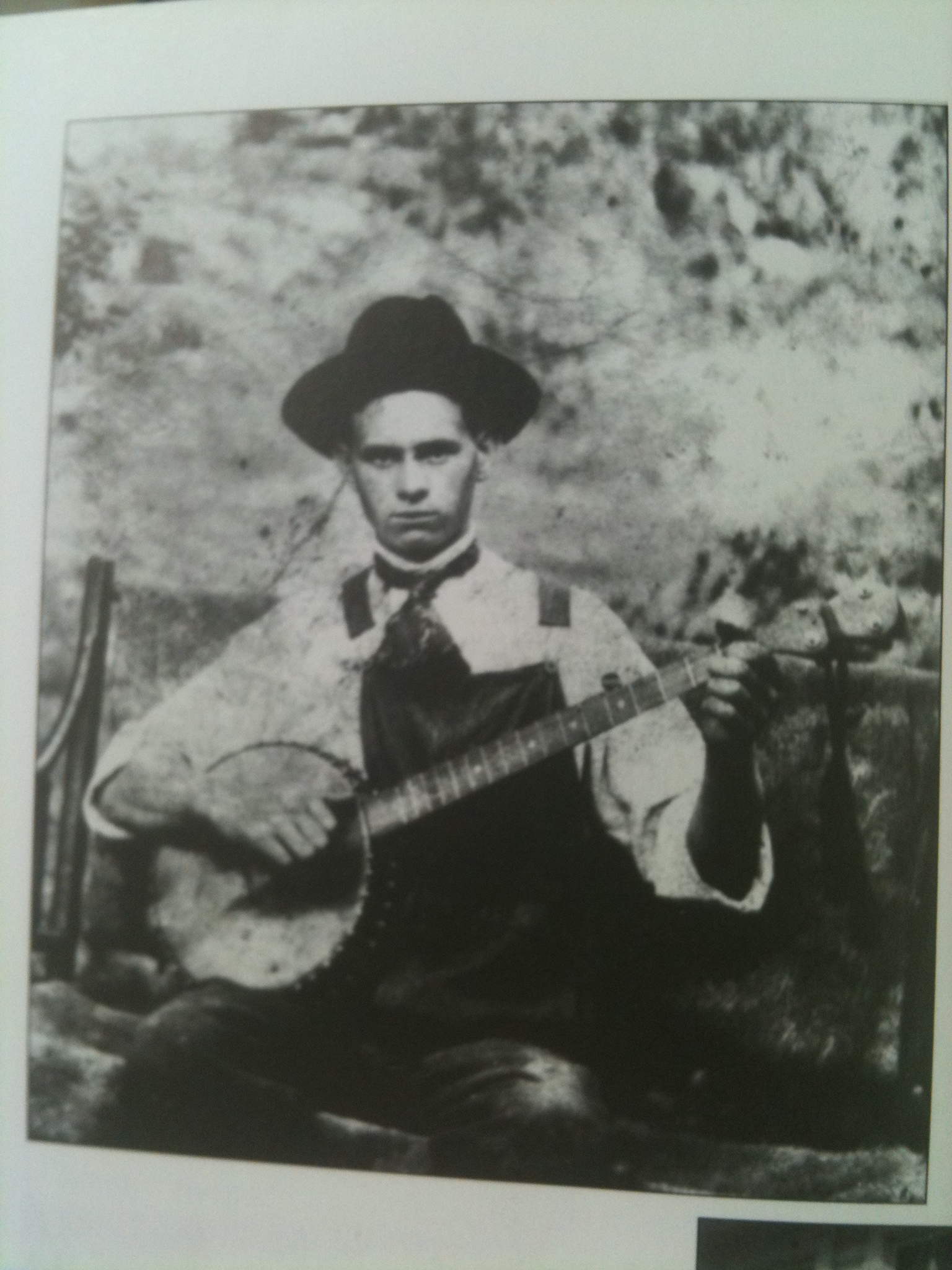
William Bertie Lester, Wyoming County, 1900-1925
21 Thursday Feb 2013
Posted in Ed Haley, Women's History
Tags
Appalachia, blind, Ella Haley, genealogy, history, Kentucky, Lexington, photos, U.S. South

Ella Trumbo postcard, c.1910
21 Thursday Feb 2013
Posted in Ed Haley
Tags
Appalachia, Ashland, banjo, Bonaparte's Retreat, Ed Haley, fiddler, history, John Hartford, Kentucky, Lawrence Haley, music, Pat Haley, Red Apple Rag, U.S. South, writing
That night, I played some of Ed’s tunes for Lawrence in his kitchen. In spite of the great story opening up about Milt Haley, I didn’t lose sight of the music and my quest to understand it. As I played, Lawrence was brutally honest.
“Notice how you’re using a fourth of the bow?” he said. “Pop played all over it.”
“Did you hear a few real strong driving notes in that and then some really weak ones that didn’t hardly get out?” he asked.
“Pretty good — but never just like my dad,” he stated flatly.
The closest I came to gaining his approval was when I played “Bonaparte’s Retreat”.
“You got a pretty good version of that,” he said. “Nothing too wrong with that.”
“Your cannons sounded very good,” Pat added politely.
When I played Ed’s “Red Apple Rag”, Lawrence said there was one part — what I call the “House of David Blues” part — that didn’t belong in the song, even though I knew Ed had played it there in the home recordings. He remembered his father playing “House of David Blues” as a separate tune and singing:
Bring it on down to my house honey,
Ain’t nobody home but me.
Bring it on down to my house honey,
I need the company.
Now a nickel is a nickel
And a dime’s a dime.
You show me yours and I’ll show you mine.
Bring it on down to my house honey,
Ain’t nobody home but me.
I asked again about Haley’s banjo and Pat said she remembered that it was still around when she first came to Ashland in the late 1940s. She thought it belonged to Ella, but Lawrence said, “No, Mom played what they call a banjo-mandolin. It wasn’t too many years that I remember her playing one. Pop probably had a banjo. He’d just as soon sit down and play the banjo a lot of times. Or he’d play the guitar a lot. He played it like he did the fiddle. He’d make runs and everything else. He could sit down and play a organ or piano if he wanted to. I’ve seen him sit down on that old pump organ we had and he’d start pumping and he’d just play it for a while.”
I wondered if Ed’s talent as, or even fondness for, being a multi-instrumentalist had been somewhat overstated. It seemed a little odd that, among the hundreds of home recordings, there was not one single sample of him playing anything but the fiddle. Of course, I didn’t bring this up to Lawrence because I totally believed him. Besides, he seemed a little cranky.
Pat said she remembered Ed playing something about “going down the Mississippi” and Lawrence said it was the “Battle of New Orleans”.
“Pop used to play that a long time ago,” he said. “That and ‘Soldier’s Joy’ and all those old pieces like that. ‘Arkansas Traveler’ and ‘Mississippi Sawyer’.”
18 Monday Feb 2013
Posted in Big Harts Creek, Culture of Honor
Tags
Appalachia, Charlie McCoy, crime, Frank Fleming, genealogy, Harts Creek, history, John Fleming, John Henan Fry, life, Lincoln County, U.S. South, West Virginia, writing

Newspaper article, 1909
13 Wednesday Feb 2013
Posted in Ed Haley
Tags
Appalachia, Ashland, blind, Ed Haley, Ed Morrison, fiddler, history, John Hartford, Kentucky, Lawrence Haley, life, music, U.S. South, writers, writing
About an hour later, Lawrence and I headed back to his house where we spent the evening talking at his kitchen table. I hung onto his every word hoping for some little detail about Ed.
“Pop smoked a pipe,” he said. “He’d fill it up with tobacco and then he might take a cut apple and put apples in it to flavor it. He enjoyed his tobacco. He would go to a lot of places to people he knew and they’d give him maybe a hand of tobacco and he’d make his own twists out of it. Mom never could stop him from chewing. He was fairly clean with it around the house. He usually kept a good size vegetable can for a spittoon. If he was setting in a chair, he’d put it down in the chair and he’d pick it up and hold it up close to his mouth and spit in it.”
Lawrence spoke more about the extent of his father’s travels.
“Pop’s range was northeastern Kentucky mostly,” he said. “West Virginia and southeastern Ohio. In West Virginia, he might’ve took it all in except maybe the far panhandle up in there. I think he’d been as far as Morgantown. I can remember being up the Big Sandy River with them on the West Virginia side and at Louisa.”
Lawrence didn’t think Ed made it to Hazard and Harlan.
I asked if there was much money to be made in the coalfields and he said, “They had money, I guess, when mines were running good. And I guess during the timber business when them guys grabbed logs down out of the Sandy at Catlettsburg.”
I really wanted to get at the source of Ed’s music, but Lawrence said his father never discussed his early life or musical influences with any of the kids. Lawrence never heard him talk about those things with buddies either because most of them stopped coming around by the time he was a teenager.
I jarred his memory a little bit when I mentioned the name Ed Morrison, whose father (Christopher Columbus Morrison) had learned “Blackberry Blossom” from General Garfield during the War Between the States.
“Ed Morrison, as far as I know, lived right out here on Belmont Street for a while,” he said. “He was a buddy of Pop’s.”
Thinking back to Ed’s experience on Harts Creek, I wondered if a lot of his music came from pain.
“No, I don’t think Pop was…,” Lawrence said. “He mighta been…”
“Anger?” I asked.
“Anger, yeah, maybe.”
That made sense to me. He sure had a lot to be angry about.
30 Wednesday Jan 2013
Posted in Big Sandy Valley, Ed Haley, Huntington, Music, Pikeville, Williamson
Tags
Appalachia, Beaver Creek, Big Sandy River, Bill Necessary, Carter Caves State Park, Curly Wellman, Ed Haley, Ella Haley, fiddler, fiddling, Floyd County, Fraley Family Festival, Grayson, history, Huntington, J P Fraley, John Hartford, Kentucky, Lawrence Haley, Levisa Fork, Lynn Davis, Mingo County, Molly O Day, Molly O'Day, Mona Hager, music, Nashville, Paintsville, Prestonsburg, Snake Chapman, Tug Fork, U.S. South, Ugee Postalwait, West Virginia, Williamson, writers, writing
A few months later, I met Lawrence Haley at the Fraley Family Festival at Carter Caves State Park near Grayson, Kentucky. Lawrence and I spoke with Bill Necessary, a musician who saw Ed and Ella all over the Big Sandy Valley when he was about twenty years old. He said they rode a train up Levisa Fork to Paintsville, the seat of government for Johnson County, where they spent the day playing music at the courthouse. From there, they continued by train to Prestonsburg, county seat of Floyd County. At times, they went into the nearby coal camps of Beaver Creek and played at theatres. From Prestonsburg, they took the train to Pikeville, the county seat of Pike County, and then continued over to the Tug River around Williamson, county seat of Mingo County, West Virginia.
“Aw, they took in the whole dern country up through there,” Bill said. “By the time they made that circuit, why it’d be time for them to come again. I guess they’d tour a couple of weeks. By God, I just followed them around, son.”
Lawrence didn’t remember going to all of those places with Ed but did remember staying with Molly O’Day’s family around Williamson. Bill said Molly’s widow Lynn Davis was still living around Huntington, West Virginia.
Bill said Ed always wore a long overcoat — “rain or shine” — and even played in it. He never sang or entered contests.
“He was pretty up to date on music at that time,” Bill said. “His notes were real clear, boy.”
Back in Nashville, I worked really hard trying to figure out Ed’s bowing. There was a lot of contradictory information to consider. Snake Chapman said he bowed short strokes, indicating a lot of sawstrokes and pronounced note separation. J.P. Fraley, Slim Clere, Lawrence and Mona said that he favored the long bow approach and only used short strokes when necessary, like for hoedowns. Preacher Gore, Ugee Postalwait and Curly Wellman spoke about how smooth his fiddling was, which kind of hinted at him being a long bow fiddler. All were probably accurate in some respect. It seemed plain to me that one reason why there were so many contrasting and sometimes completely opposite accounts of how or even what Ed played was that everyone I’d talked to witnessed him playing at different times and places during his musical evolution. All along the way, he was experimenting, looking for that “right combination” or playing the style needed to create the sounds popular in a certain area. Even what I could actually hear on his home recordings was really just a glimpse into the world of his fiddling as it existed at that moment toward the end of his lifetime.
26 Saturday Jan 2013
Posted in Ed Haley
Tags
Appalachia, blind, culture, Ed Haley, Ella Haley, genealogy, history, life, music, photos, U.S. South
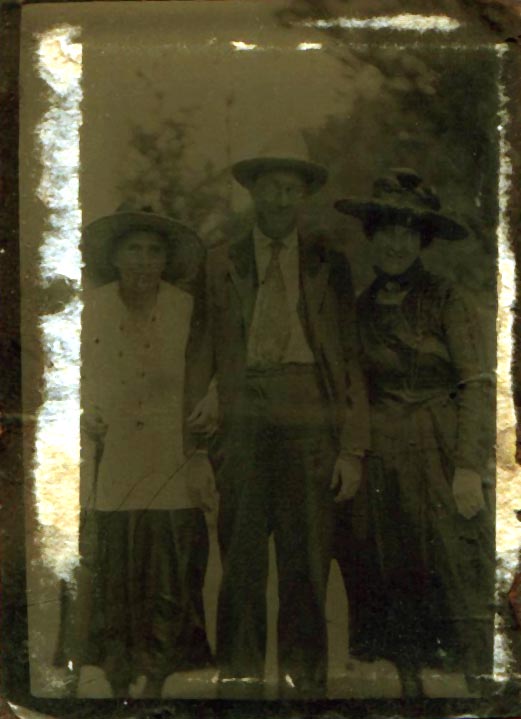
Ella Haley, Ed Haley, Margaret Arms, 1925-1945
26 Saturday Jan 2013
Posted in Ed Haley
Tags
Appalachia, Ashland, blind, Clayton McMichen, Ed Haley, fiddler, history, John Hartford, Kentucky, life, music, Riley Puckett, Slim Clere, U.S. South, writing
Curly Wellman had also recommended that I talk with Slim Clere, an Ashland-born fiddler whose telephone number I secured from a friend, Curly Fox. As I told him about my interest in Ed Haley, he was very rigid and formal; he kept referring to me as “sir.” Things loosened up once I mentioned the name Curly Wellman and asked if he had learned anything from watching Ed play.
“Well, I would say yes that I did,” he said. “He had a style of his own. Now I picked up my backward bowing from him. What he would do, he noted out a lot of stuff. Like he was playing ‘Devil’s Dream’, he bowed it out with a straight slur all the way down. And you didn’t hear him return his bow from one end to the other. Ed was the smoothest violin player. Mostly always long bow, but you never would know it. He never made a bobble and he wasn’t a double-noter. Now, he was not a waltz man. He could play a waltz, though.”
Slim said Ed had a unique bow hold.
“What he did when he bowed his violin… You know when you put your finger under the frog on the stick? He gripped the whole thing with his thumb under the whole frog, like you’d do a butcher knife.” As for Ed’s fiddle placement: “He played it right on top of his collar bone there. He let it sit on his wrist.”
“He was hot stuff,” Slim said. “He didn’t know what a different position was — he just reached up and got it — but he knew where it was. His favorite tune was ‘Blackberry Blossom’ and ‘Cacklin’ Hen’. And there was nobody in the world that could beat him playing ‘Dill Pickle Rag’.”
Slim remembered playing against Ed in a contest one time at the Paramount Theatre in Ashland during the Depression.
“Every contest Ed ever got into, he won. They had a contest down there at the Paramount Theatre at Ashland one time — that’s our home. He and I was both born in the same place. There was four or five fiddle players in the contest and they drew numbers: 1, 2, 3, 4, 5… They didn’t allow anybody else to play the same tune the guy played before and his heart was set on playing ‘Cacklin’ Hen’. A guy got up and he said, ‘I’m gonna play ‘Cacklin’ Hen’.’ Ed smiled. I told the guy that was playing with me, I said, ‘He’s got a trick up his sleeve.’ He said, ‘Why?’ and I said, ‘This guy played his tune. When he looks like that, you know that he’s thinking and he’s gonna win.’ And they came around to Ed and said, ‘What’re you gonna play Mr. Haley?’ and he said, ‘I’m gonna play ‘The Speckled Pullet’ and she cackles, too.’ And he played ‘Cacklin’ Hen’ and cackled himself into first place. I thought that was the cutest thing I ever heard in my life.”
Slim’s memories of Ed were broken up with stories about his own musical career. We knew a lot of the same people. I asked him again about Ed playing in contests — something no one seemed to remember in great detail.
“Oh yea, he played in contests all the time,” Slim said. “He liked the money. They had them a bunch of theatres in Ashland. They had the Paramount and the Grand and the Capital and they would have contests in county fairs. Then he used to do a lot of barnstorming on courthouse steps. See, by being blind he didn’t have to get permits or anything like that.”
Slim said he bumped into Ed all over West Virginia.
“I’ve seen him in Logan, I’ve seen him in Williamson, in Grantsville, seen him in Spencer, in Charleston, Huntington. And he could always smell me when I was around him. He’d say, ‘I smell Slim Clere.’ Everybody had a smell to him and all you had to do was say, ‘How’re you doing, Ed?’ and he knew you by name just right now, see. He was an old trooper. He knew what it was all about. He wasn’t a dummy. He used to come down there to Central Park and I’d go down there and sometimes I’d play his fiddle. He liked to hear other people play because he got his ideas that way.”
Slim said he wanted to play me some music by Ernie Hodges, an old fiddling teacher who he felt was as good as Ed. I could hear him over the telephone trying to get a tape working in the cassette player — buttons popping, an occasional “dad-burn-it,” etc. As he struggled with the tape, he talked more about some of the people he’d worked with back in his radio days. “Curly Fox, he was with the old school that I was with. McMichen and John Carson and Gid Tanner — all of them. I worked with them down in Georgia. I worked with Bert Layne and Riley Puckett in Gary, Indiana, till they sent for me to come to Atlanta. Ed reminded me so much of Riley.”
25 Friday Jan 2013
Posted in Ed Haley, Huntington, Music
Tags
Ashland, Boyd County, Curly Wellman, Dixie Lee, Ed Haley, history, Huntington, Hymns from the Hills, John Hartford, Kentucky, Laverne Williamson, Lawrence Haley, Lynn Davis, McVeigh, Molly O Day, Molly O'Day, Mountain Fern, Mountaineer Jamboree, music, Nashville, Snake Chapman, U.S. South, WEMM-FM, West Virginia, writers, writing
Back in Nashville, I followed up on some leads from Curly Wellman. I focused in on Molly O’Day, the famous singer who grew up hearing Ed’s music at her parents’ home in McVeigh, Kentucky. Snake Chapman and Lawrence Haley had both implied a strong connection between she and Ed. Named Laverne Williamson at birth, she initially used the stage names Dixie Lee and Mountain Fern. In 1941, she married Lynn Davis; the following year, she changed her name to Molly O’Day. During the 1940s, she was one of the leading female vocalists in country music.
“Uncomfortable with fame, Lynn and Molly found consolation in religion and evangelism from 1950,” according to Mountaineer Jamboree. “More often than not Huntington or its suburbs has been their home and since 1974 they have had a program called ‘Hymns from the Hills’ on WEMM-FM radio which features country gospel records and inspirational talk. Molly O’Day continued as a familiar voice on WEMM-FM radio in Huntington until she was diagnosed with cancer. She ‘went home to be with the Lord’ on December 4, 1987, and Lynn Davis has continued their radio ministry alone.”
I definitely wanted to look up Molly’s widower the next time I was in Ashland.
22 Tuesday Jan 2013
Posted in Ed Haley
Tags
Christmas, history, John Hartford, Lawrence Haley, life, music, Nashville, Pat Haley, photos, Steve Haley, Tennessee, U.S. South
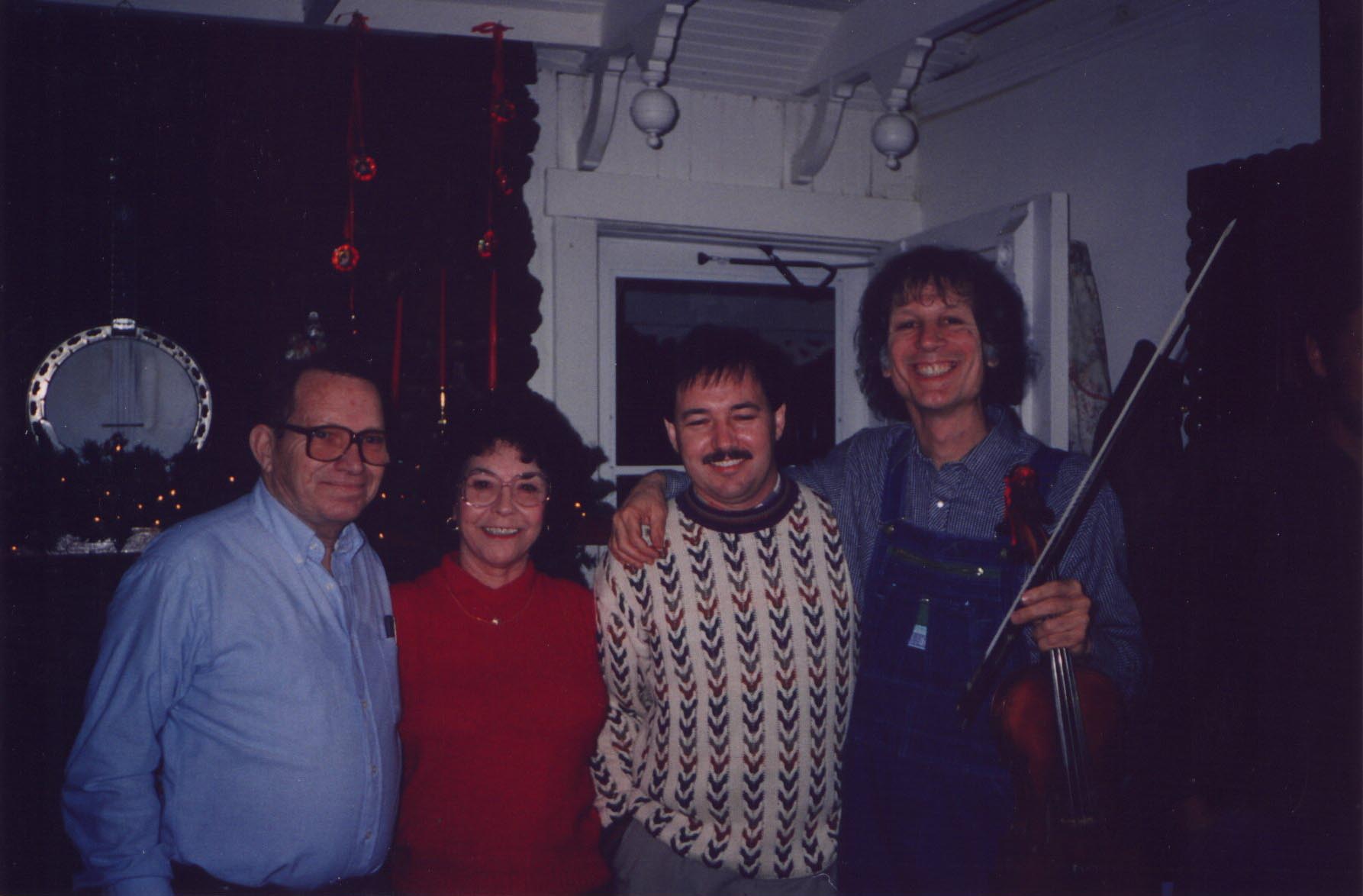
Lawrence Haley, Pat Haley, Steve Haley, and John Hartford at a Hartford Christmas Party, Madison, TN, 1991-1994
22 Tuesday Jan 2013
Posted in Ed Haley
Tags
Ashland, culture, Ed Haley, history, Ironton, John Hartford, Kentucky, life, Mona Haley, music, Ohio, Ralph Haley, U.S. South, writing
Mona was about fourteen years old when Ed made the dining room recordings at 17th Street. I had some detailed questions for her, since — unlike Lawrence, who was away in the service — she had first-hand memories of the whole experience.
Mona: My brother played a guitar…
Me: And you played the mandolin on some of them?
Mona: I don’t remember which one. I don’t remember but you can hear it in the background.
Me: What kind of room were those records made in?
Mona: Dining room.
Me: How big a room was it?
Lawrence: Not very big. Twelve feet by twelve feet, I guess.
Me: You put the recorder on the table and he’d sit up next to the table and play?
Mona: Yeah, it was on the table. It was an old one where they had to brush the curls off the record. He wasn’t holding the fiddle over the table.
Me: What time of the day were they made in?
Mona: Different times. He didn’t make them all in one day.
Lawrence: It mostly depended on when Ralph had the time, I guess.
Mona: Yeah and — again — it depended on whether Pop felt like it.
Me: Was he drinking during any of those records?
Mona: No.
Me: Do you think those records were a pretty good representation of how he played or do you think he played a lot better than what’s on those records?
Mona: He played a lot better than what was on the records because some of them was a little too fast. You know, the speed on them. When he was in a good mood you could just hear the happiness in it.
Me: So a lot of that’s not on the records?
Mona: No, a lot of it’s lost forever.
In the car on the way home, Lawrence told me more about why he thought Ed never recorded commercially. “He was a kind of a proud man. But I’m like Curly Wellman: if he’d been alive back when these people first started coming to me back thirty years ago he could’ve made a bundle of money if he’d a wanted to. If he hadn’t been afraid of being taken by recording companies and things.”
As we made our way through town, Lawrence pointed out a spot on Greenup Avenue where Pop used to play: “Right here on this empty corner there used to be a two or three story building. It was a big restaurant called Russ’ place. Pop used to play on the sidewalk out here on his own when he felt like it, if the weather was good. He’d go in there and stay all day and play a while and drink a while and talk a while and go back and play a while.”
21 Monday Jan 2013
Posted in Ed Haley
Tags
culture, Doc Holbrook, Ed Haley, fiddler, history, Ironton, John Hartford, Lawrence Haley, life, Mona Haley, music, Ohio, U.S. South, writing
I asked Mona and Lawrence how they passed the day when they were young and traveling with Ed.
“Oh, I’d probably go to a movie,” Mona said. “Mom would give me money and send me to a walk-in movie. Just go get something to eat. Or sit around and watch them. All the people was standing around and most of them was dancing.”
She and Lawrence said Ella kept a cup attached to the head of her mandolin to catch the money; Pop only put a hat out when playing by himself. He was very serious about his work, Mona said.
“Most of the time he worked hard,” she said. “When he was working he wouldn’t drink.”
Lawrence agreed, “He didn’t get much to drink, you know, when he was sitting out on the courthouse square — they wouldn’t have stood for that, for one thing. Maybe at a fair or something he might take a drink or two. Or out on the streets.”
“Or unless he was at a square dance and somebody would bring him a beer and that’d get him started,” Mona added.
Mona remembered Pop getting in “a lot” of fiddlers’ contests but didn’t recall any specifically. She said he paid Doc Holbrook for her delivery with 25 dollars and a silver cup he’d won in a contest.
“We never could get that silver cup back,” she said.
Lawrence figured Doc’s son had the cup.
“He’s got a fiddle of Pop’s, too,” he said. “He’s right in Ashland.”
I wanted to know more about Ed being in contests but everyone kind of drew a blank about it. Mona joked with Lawrence about a time they were in a contest as children.
“Mom made up a song for me,” she said. “Had me a dress made.”
I got her to sing it for me.
See my pretty ruffled dress.
See my pretty pocket.
See my pretty handkerchief.
See my pretty locket.
Lawrence said Mona won first prize in the contest and I was very quick to tell her that to be Ed’s daughter she probably had a lot of musical talent. She wasn’t willing to admit that but said, “I think I got more than any of the boys had.”
I asked if she ever tried playing the fiddle and she said, “Yeah, I could play ‘Over the Waves’ on a fiddle and that’s it.”
Okay — I was very curious.
I asked if she could show me how Ed held the bow and she said sure — that he held it like she holds a pool stick, “real loose with straight fingers.”
I reached my fiddle and bow to her and she showed me how Pop held the bow (little finger on top of the stick), then started playing “Over the Waves”. Her hands had an incredible economy of motion — almost as if they were “miniaturizing” the music. In watching her, I got a real feel for Ed’s technique and it was hard not to imagine Ed playing in a way similar to Vassar Clements. Mona clapped when I played for her but said I only played “a little bit” like Pop.
18 Friday Jan 2013
Posted in Ed Haley
Tags
Ashland, culture, history, Kentucky, Lawrence Haley, life, photos, U.S. South

Lawrence Haley, 1945-1955
Writings from my travels and experiences. High and fine literature is wine, and mine is only water; but everybody likes water. Mark Twain
This site is dedicated to the collection, preservation, and promotion of history and culture in Appalachia.
Genealogy and History in North Carolina and Beyond
A site about one of the most beautiful, interesting, tallented, outrageous and colorful personalities of the 20th Century
 Brandon Ray Kirk