Tags
Appalachia, banjo, culture, fiddle, fiddler, history, life, music, photos, Telmage Godfrey, U.S. South, West Virginia, William Bertie Lester, Wyoming County

Telmage Godfrey and William Bertie Lester of Wyoming County, 1922
10 Sunday Mar 2013
Posted in Music
Tags
Appalachia, banjo, culture, fiddle, fiddler, history, life, music, photos, Telmage Godfrey, U.S. South, West Virginia, William Bertie Lester, Wyoming County
Telmage Godfrey and William Bertie Lester of Wyoming County, 1922
10 Sunday Mar 2013
Posted in Culture of Honor, Whirlwind
Tags
Appalachia, culture, genealogy, Harts Creek, history, Logan County, photos, U.S. South, West Virginia, Whirlwind

Couple from Whirlwind, West Virginia, 1890-1915
26 Tuesday Feb 2013
Posted in Timber
Tags
Appalachia, culture, history, life, logging, photos, timbering, U.S. South, West Virginia
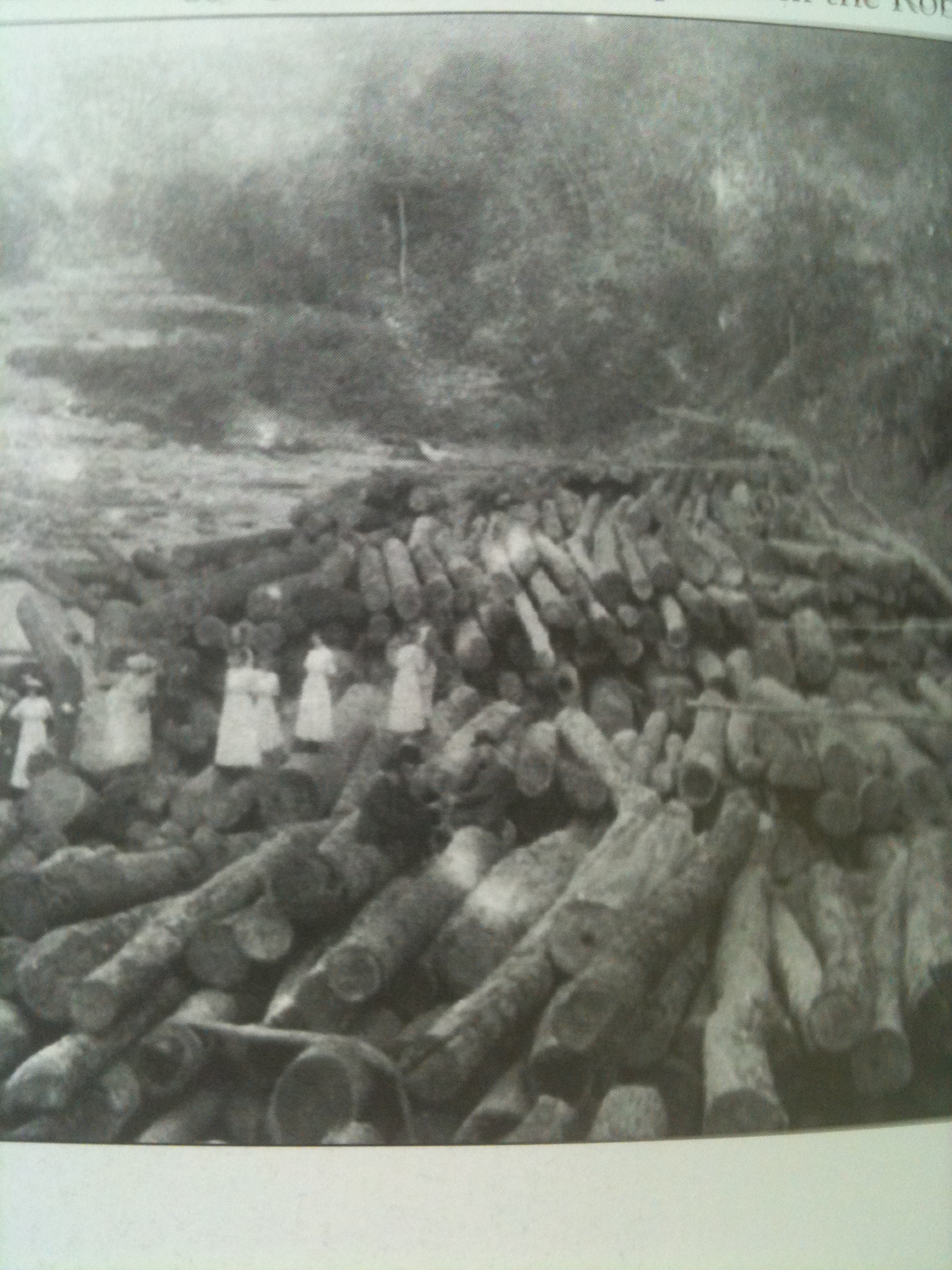
1885-1920
24 Sunday Feb 2013
Posted in Music
Tags
Appalachia, banjo, culture, history, music, photos, U.S. South, West Virginia, William Bertie Lester, Wyoming County
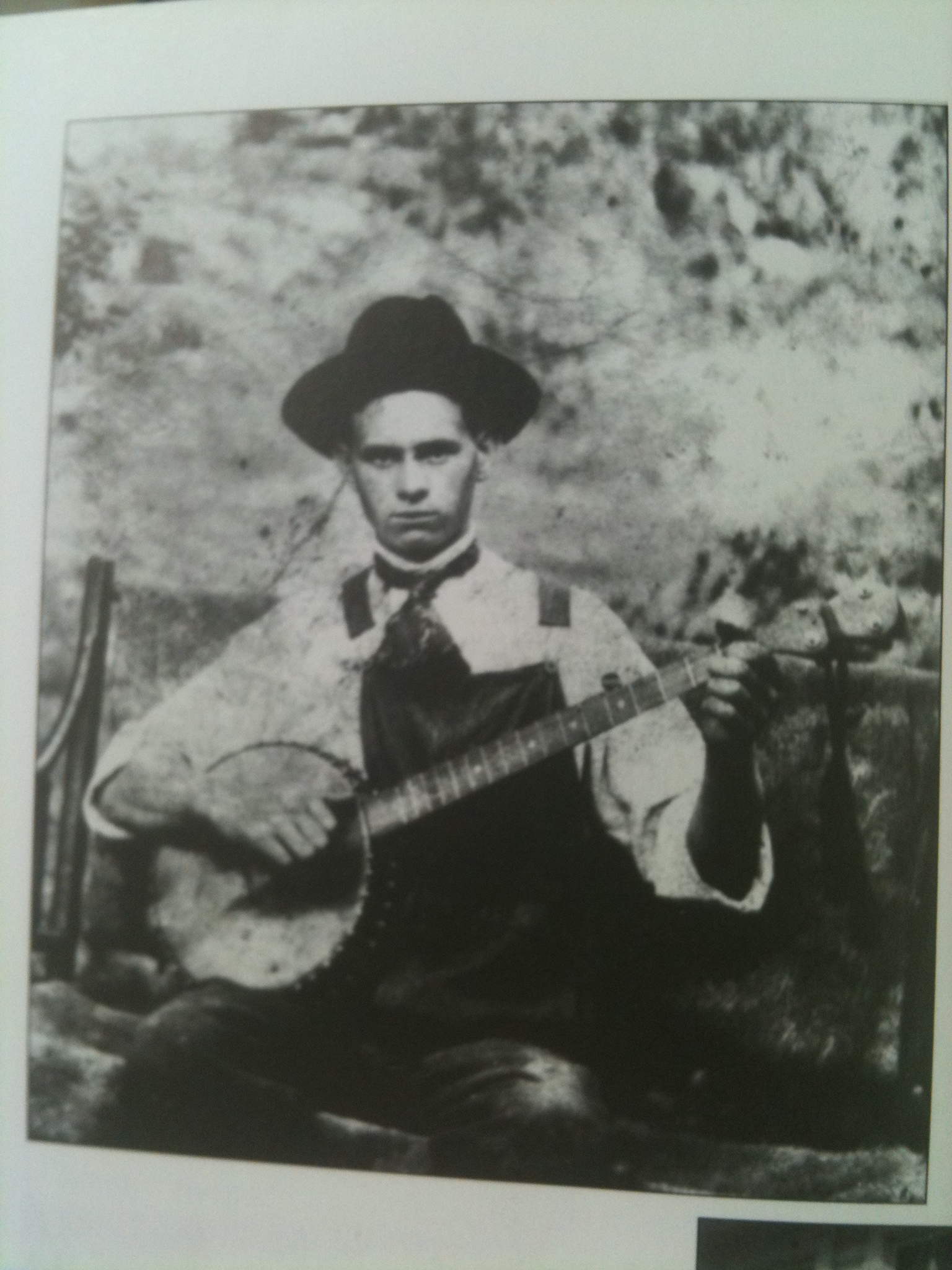
William Bertie Lester, Wyoming County, 1900-1925
27 Sunday Jan 2013
Posted in Ed Haley, John Hartford, Music
Tags
Appalachia, Ashland, Boyd County, culture, Ed Haley, fiddle, history, John Hartford, Kentucky, Lawrence Haley, photos

Lawrence Haley with his father’s fiddle, Ashland, KY, 1991. Photo by John Hartford.
26 Saturday Jan 2013
Posted in Ed Haley
Tags
Appalachia, blind, culture, Ed Haley, Ella Haley, genealogy, history, life, music, photos, U.S. South
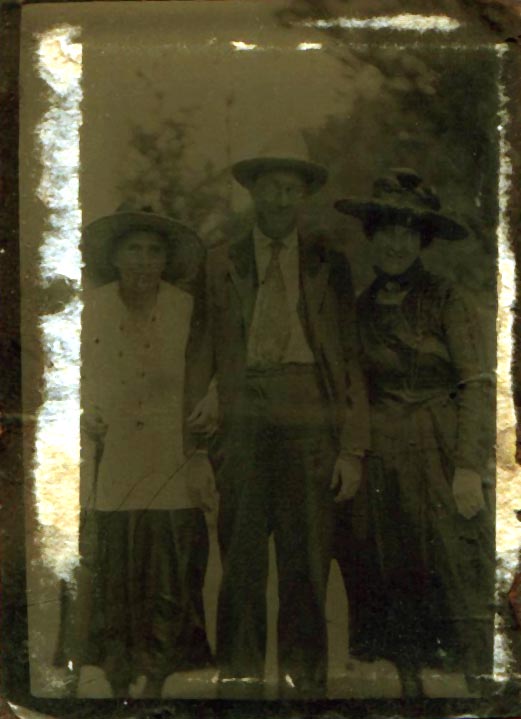
Ella Haley, Ed Haley, Margaret Arms, 1925-1945
22 Tuesday Jan 2013
Posted in Ed Haley
Tags
Ashland, culture, Ed Haley, history, Ironton, John Hartford, Kentucky, life, Mona Haley, music, Ohio, Ralph Haley, U.S. South, writing
Mona was about fourteen years old when Ed made the dining room recordings at 17th Street. I had some detailed questions for her, since — unlike Lawrence, who was away in the service — she had first-hand memories of the whole experience.
Mona: My brother played a guitar…
Me: And you played the mandolin on some of them?
Mona: I don’t remember which one. I don’t remember but you can hear it in the background.
Me: What kind of room were those records made in?
Mona: Dining room.
Me: How big a room was it?
Lawrence: Not very big. Twelve feet by twelve feet, I guess.
Me: You put the recorder on the table and he’d sit up next to the table and play?
Mona: Yeah, it was on the table. It was an old one where they had to brush the curls off the record. He wasn’t holding the fiddle over the table.
Me: What time of the day were they made in?
Mona: Different times. He didn’t make them all in one day.
Lawrence: It mostly depended on when Ralph had the time, I guess.
Mona: Yeah and — again — it depended on whether Pop felt like it.
Me: Was he drinking during any of those records?
Mona: No.
Me: Do you think those records were a pretty good representation of how he played or do you think he played a lot better than what’s on those records?
Mona: He played a lot better than what was on the records because some of them was a little too fast. You know, the speed on them. When he was in a good mood you could just hear the happiness in it.
Me: So a lot of that’s not on the records?
Mona: No, a lot of it’s lost forever.
In the car on the way home, Lawrence told me more about why he thought Ed never recorded commercially. “He was a kind of a proud man. But I’m like Curly Wellman: if he’d been alive back when these people first started coming to me back thirty years ago he could’ve made a bundle of money if he’d a wanted to. If he hadn’t been afraid of being taken by recording companies and things.”
As we made our way through town, Lawrence pointed out a spot on Greenup Avenue where Pop used to play: “Right here on this empty corner there used to be a two or three story building. It was a big restaurant called Russ’ place. Pop used to play on the sidewalk out here on his own when he felt like it, if the weather was good. He’d go in there and stay all day and play a while and drink a while and talk a while and go back and play a while.”
21 Monday Jan 2013
Posted in Ed Haley
Tags
culture, Doc Holbrook, Ed Haley, fiddler, history, Ironton, John Hartford, Lawrence Haley, life, Mona Haley, music, Ohio, U.S. South, writing
I asked Mona and Lawrence how they passed the day when they were young and traveling with Ed.
“Oh, I’d probably go to a movie,” Mona said. “Mom would give me money and send me to a walk-in movie. Just go get something to eat. Or sit around and watch them. All the people was standing around and most of them was dancing.”
She and Lawrence said Ella kept a cup attached to the head of her mandolin to catch the money; Pop only put a hat out when playing by himself. He was very serious about his work, Mona said.
“Most of the time he worked hard,” she said. “When he was working he wouldn’t drink.”
Lawrence agreed, “He didn’t get much to drink, you know, when he was sitting out on the courthouse square — they wouldn’t have stood for that, for one thing. Maybe at a fair or something he might take a drink or two. Or out on the streets.”
“Or unless he was at a square dance and somebody would bring him a beer and that’d get him started,” Mona added.
Mona remembered Pop getting in “a lot” of fiddlers’ contests but didn’t recall any specifically. She said he paid Doc Holbrook for her delivery with 25 dollars and a silver cup he’d won in a contest.
“We never could get that silver cup back,” she said.
Lawrence figured Doc’s son had the cup.
“He’s got a fiddle of Pop’s, too,” he said. “He’s right in Ashland.”
I wanted to know more about Ed being in contests but everyone kind of drew a blank about it. Mona joked with Lawrence about a time they were in a contest as children.
“Mom made up a song for me,” she said. “Had me a dress made.”
I got her to sing it for me.
See my pretty ruffled dress.
See my pretty pocket.
See my pretty handkerchief.
See my pretty locket.
Lawrence said Mona won first prize in the contest and I was very quick to tell her that to be Ed’s daughter she probably had a lot of musical talent. She wasn’t willing to admit that but said, “I think I got more than any of the boys had.”
I asked if she ever tried playing the fiddle and she said, “Yeah, I could play ‘Over the Waves’ on a fiddle and that’s it.”
Okay — I was very curious.
I asked if she could show me how Ed held the bow and she said sure — that he held it like she holds a pool stick, “real loose with straight fingers.”
I reached my fiddle and bow to her and she showed me how Pop held the bow (little finger on top of the stick), then started playing “Over the Waves”. Her hands had an incredible economy of motion — almost as if they were “miniaturizing” the music. In watching her, I got a real feel for Ed’s technique and it was hard not to imagine Ed playing in a way similar to Vassar Clements. Mona clapped when I played for her but said I only played “a little bit” like Pop.
20 Sunday Jan 2013
Posted in Ed Haley, Music, Women's History
Tags
Appalachia, culture, Ed Haley, Ella Haley, genealogy, history, Kentucky, Mona Haley, photos
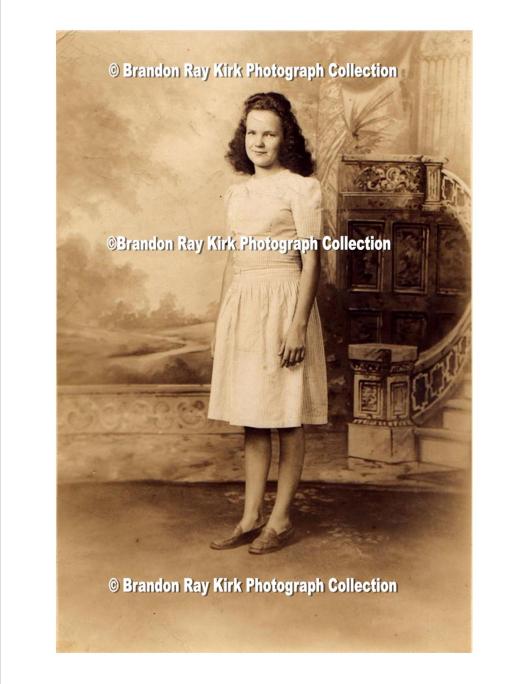
Mona Haley, daughter of J.E. “Ed” Haley and Ella (Trumbo) Haley
18 Friday Jan 2013
Posted in Ed Haley
Tags
Appalachia, culture, Ed Haley, genealogy, Harts Creek, history, John Hartford, life, Logan County, photos, Roxie Mullins, West Virginia

Roxie Mullins, 1991
18 Friday Jan 2013
Posted in Ed Haley
Tags
Ashland, culture, history, Kentucky, Lawrence Haley, life, photos, U.S. South

Lawrence Haley, 1945-1955
16 Wednesday Jan 2013
Posted in Big Sandy Valley
Tags
Appalachia, Big Sandy River, culture, history, Kentucky, life, photos, U.S. South, West Virginia
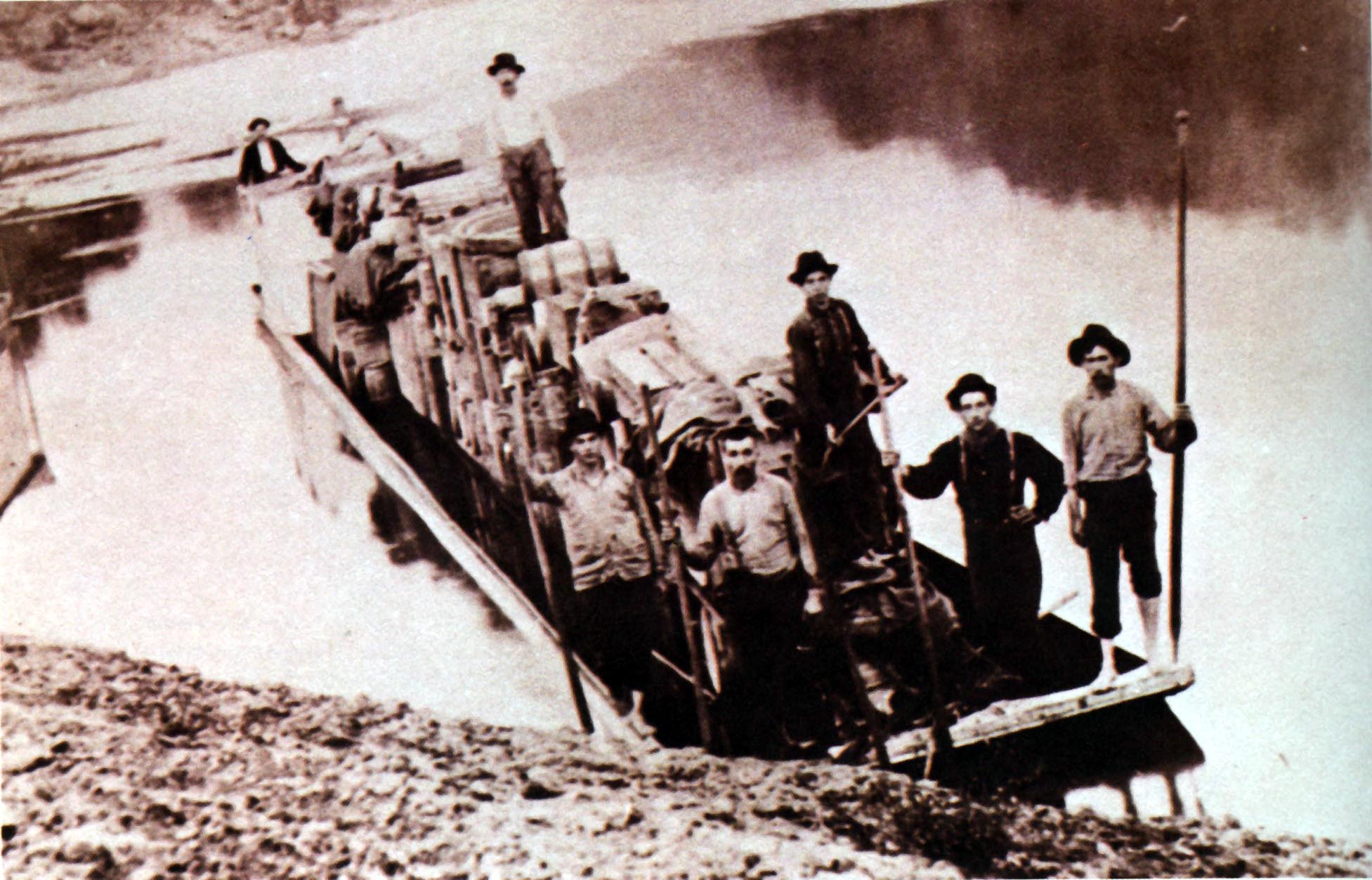
Taken sometime between 1885 and 1920
16 Wednesday Jan 2013
Posted in Big Harts Creek, Culture of Honor, Halcyon
Tags
Appalachia, crime, culture, Doc Workman, genealogy, Harts Creek, history, Logan County, murder, mystery, photos, true crime, U.S. South, West Fork, West Virginia, Workman Fork

Wilson “Doc” Workman Home, about 2002
13 Sunday Jan 2013
Posted in Ed Haley
Tags
Appalachia, Ashland, culture, Curly Wellman, Ed Haley, guitar, history, John Hartford, Kentucky, life, music, photos
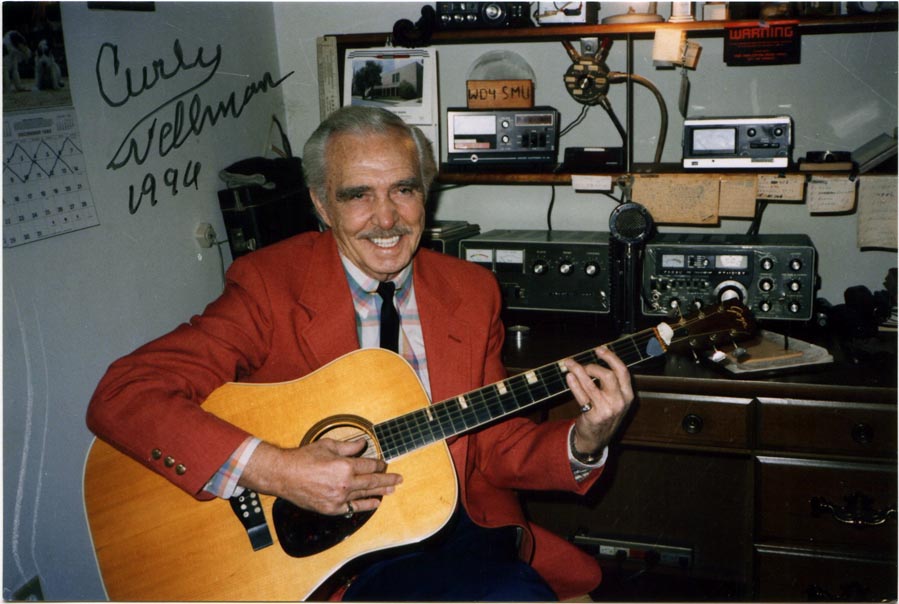
Curly Wellman, Kentucky Musician
13 Sunday Jan 2013
Posted in Ed Haley
Tags
Appalachia, Ashland, banjo, Billy in the Lowground, Blackberry Blossom, blind, Cacklin Hen, Catlettsburg, Clark Kessinger, Clayton McMichen, culture, Curly Wellman, Curt Polton, Ed Haley, Elvis Presley, fiddler, Floyd Collins, Forked Deer, Grand Ole Opry, guitar, Hatfield-McCoy Feud, history, Horse Branch, Huntington, Ivan Tribe, John Hartford, Kentucky, Lawrence Haley, Logan County, Mid-Day Merry-Go-Round, Morehead, Mountain Melody Boys, Mountaineer Jamboree, music, National Fiddling Association, Old Sledge, Poplar Bluff, Rowan County Crew, Ugee Postalwait, Ward Hollow, WCHS, WCMT, Westphalia Waltz, writing, WSAZ
I asked Curly if he remembered any of Ed’s tunes and he said, “Ah, I remember ‘Forked Deer’ and I remember ‘Billy in the Lowground’ and I remember the ‘Old Sledge’ and I remember ‘Poplar Bluff.’ ‘Blackberry Blossom.’ The longer he played a tune, the meaner he got on it. If he got the feel, it hit him. And the more he played the better he got and the more tunes come to him. He played one waltz — ‘Westphalia Waltz’ — and that’s really the only waltz that I can recall that he played. And it was all double stop fiddle.”
Curly never heard Ed sing a note — a very surprising recollection considering the way that Ugee Postalwait had hyped Haley’s singing abilities.
“I got a copy of a song from him,” Curly said. “He had somebody to write it down. Because at this time, out at Morehead, Kentucky, they had a feud out there. And they had a shoot-out there on the steps and then somebody wrote this song called ‘Rowan County Crew.’ And Ed, they tell me, would sing that at different places throughout Kentucky. At that time, it was like Floyd Collins that was in the cave and like the Hatfields and the McCoys — only this was called the ‘Rowan County Crew.’ Well, at that time it was hot as a pistol through the state. Now evidently he sang that song, but he never sang it for me.”
Curly said, “Ed could have been as great as the Blue Yodeler or any of those people. He could have been right on those records with them but under no reason did he want to record commercially. Had he been living today and with the equipment they’ve got today, he would’ve been in more demand than Elvis Presley ever was. Nobody played ‘Cacklin’ Hen’ like him. And a very humble man. I never heard Ed down anybody else, I never heard him put anybody below him and I never had him to tell me how good he was. In fact, I wonder sometimes if he knew how good he was. But I knew it. He was a brilliant man. He’d just about keep a check up on everything during his lifetime. He knew the news, he knew the political field, he knew what was going on in the state.”
I asked Curly about the first time he ever saw Haley play.
“I played with Ed when I was a kid — twelve, thirteen years old — and we lived at a place called Horse Branch. That’s as you enter Catlettsburg, Kentucky. And I was a kid carrying an old flat-top guitar — no case — trying to learn how to play. In the evening, he’d come out on the front porch after dinner and Ralph would get the guitar and the mother would get the mandolin and the neighborhood would gather because at that time radio was just coming into being. And I’d go down there and sit and bang while they were playing. And that’s where I first heard Ed Haley.”
Curly lost track of Ed when he started playing music out on his own at the age of fifteen. Throughout the mid-thirties, he played over the radio on Huntington’s WSAZ and Ashland’s WCMT with the “Mountain Melody Boys,” then made several appearances on the Grand Ole Opry and Knoxville’s Mid-Day Merry-Go-Round with Curt Polton’s band. It was during that time, he said, around 1936, that Ed got into a contest with Clark Kessinger and Clayton McMichen at the WCHS radio station in Charleston. Clayton was the National Fiddling Champion, while Clark was the National Fiddling Association’s champion of the East. The whole thing was “built up for months — it was a showdown.” In the contest, each fiddler got to play two tunes and someone named Banjo Murphy seconded every one using a three-finger picking style on a four-string banjo. First prize was a “live baby” (a little pig) and the winner was determined by a clapping meter. Curly wasn’t sure what tunes Ed played (probably “Cacklin’ Hen,” his contest specialty) but remembered the results clearly.
“Ed Haley beat the two men on stage,” he said. “McMichen was out of it in a little bit but it took several rounds to eliminate Clark Kessinger.”
Curly returned to Ashland in the early forties and found Ed living in the bottom of a weather-boarded, two-story apartment building on 37th Street (Ward Hollow). He started visiting Haley again, usually on cold days when he knew that he’d be close to home. He’d put his D-18 flat-top Martin guitar in the trunk of his car and “go pick up a pint or a half a pint of moonshine,” then head on over to Ed’s house.
I’d go in. I wouldn’t take the guitar in at all. I’d just knock on the door and go in and I’d say, “Hi, Uncle Ed.” “Hi, Curly.” He knew me by my voice. And I’d go in and sit down, you know, and say, “How’s the weather?” and “How’s things?” and “How’s the family?” and so forth and so on. We’d sit around there and talk a little bit. I’d say, “Ed, been playing any lately?” “No, I haven’t felt like it. I just haven’t felt like it.” I’d say, “Well, how about a little nip? You think that would help?” “Well now you know you might have something there.” So I’d go on to the car and I’d get the bottle and come in and we’d sit back down and I’d pass it to him. He’d hit it. He’d sit right there a little bit you know and I’d say, “Take another little nip, Ed.” “Well, I believe I will,” he’d say. “It’s too wet to plow.” And he’d sit there and he’d rock a little bit in that chair and… Being blind, he talked a little loud. “Hey, did I ever play that ‘Old Sledge’ for you?” I’d say, “Well, I can’t remember Ed. Just can’t remember.” Well, he’d get up and he’d go over and he’d lay his hand right on that fiddle laying on the mantle of the fireplace. By that time I’d be out the door and getting the Martin. I’d come back in and he’d tune ‘er up there and feel her across you know and touch her a little bit here and there. He’d take off on it.
Curly and I got our instruments out and played a few of Haley’s tunes. He showed me the type of runs he used to play behind Ed and gave me a few more tips about his fiddling. He said Ed was “all fingers…so smooth” and could play all over the fingerboard — even in second and third positions. He “put a lot of his upper body into the fiddling” and patted one foot to keep time. If he fiddled for a long time, he put a handkerchief under his chin for comfort (never a chinrest) and dropped the fiddle down to his arm and played with a collapsed wrist.
Just before Lawrence and I left, Curly said, “I’ll tell you somebody that’s still living in Charleston and he’s a hell of a fiddle player — or was. They called him Slim Clere. He’s about 82. He knew Ed. In fact, he was the man that Clere looked up to as he was learning. And he could probably give you more information than I could because he’s followed the fiddle all of his life.”
Curly also recommended Mountaineer Jamboree (1984), a book written by Ivan Tribe that attemped to detail West Virginia’s contributions to country music. It briefly mentioned Ed: “Blind Ed Haley (1883-1954), a legendary Logan County fiddler who eventually settled in Ashland, Kentucky, repeatedly refused to record, but did belatedly cut some home discs for his children in 1946.”
11 Friday Jan 2013
Posted in Ed Haley
Tags
Appalachia, Ashland, Clark Kessinger, culture, Curly Wellman, Ed Haley, fiddler, history, John Hartford, Kentucky, Lawrence Haley, life, music, U.S. South, writing
Not long after meeting with Lawrence Haley in Tennessee, I found myself heading toward his home in Ashland. As soon as I arrived in town, he suggested that we speak with Curly Wellman, a local musician who had often visited his parents’ home during the Depression. Lawrence had no memories of Curly’s visits but listened as he told all about them at a recent chance-type meeting at a local grocery store. “I was too young to remember him coming,” Lawrence said to me. Curly had told Lawrence to be sure and visit anytime, so we made a quick call to make sure it was okay for us to drop in, then headed out the door.
“I used to see him on the Ralph Shannon Show years ago,” Lawrence said, as we piled into the car. Curly was still quite the entertainer. We found him more than ready for us — wearing a big grin and dressed in a fruity-striped button-up shirt with a large medallion around his neck. There was no real need for questions or prompting on our part. His memory was very clear.
“I don’t think there was anybody that ever drawed a bow that played country like he did,” Curly said of Ed. “The biggest finger on his hand wasn’t as big as my little one. Smallest hands you ever looked at in your life. Just a natural touch. I mean everything — tone, ear, perfect pitch… The whole thing. I would carry my flat top and I’d go up to Uncle Ed’s and go in and he’d grab the fiddle. Well, all he would do was throw the fiddle under his neck and run his fingers across the strings — before he ever heard my guitar — then all I had to do was rake across it and we were together. That was Ed Haley. I’ve followed him since I was about twelve or thirteen and I’m 74 now and I’ve worked with a lot of them and, well, I think he was the greatest.”
Curly didn’t even catch his breath in bragging on Ed.
“The bow work is the secret to Ed Haley’s music,” he said. “All of the bow work was strictly in the wrist. More like watching an artist that plays classical stuff — the bow arm. He could get more notes out of the length of the bow than any other man I ever watched or heard in my life. It was all fingers. Just so easy. And double stops were nothing for him. I’ve heard him catch three notes on a fiddle. Terrific! Terrific! I started playing when I was about fourteen and I played for him just for pleasure and lived close to the family and knew them all personally — marvelous people. He had a boy that played the guitar pretty fair. Now there was one other fiddle player in this country that thought he was that good, but he wasn’t. His name was Clark Kessinger. Now Clark played a lot of fiddle. I have to give him credit for what he did play. But I don’t believe he could tune Ed’s fiddle. Clark’s a good imitation of Ed.”
Curly said he’d give anything to hear Ed’s music again.
Just then, Lawrence, who’d been sitting quiet as a mouse, pulled out some of his father’s tapes and said warmly, “Hey, put these on.”
Curly got everything set up and stood mesmerized listening to Ed’s music. He kept saying things like, “Listen how true his notes are. The tone quality. And when this was taped, they didn’t have this stuff to work with that they’ve got today. They make you sound like what they want you to sound like. Ah, he was a fine man. Is that his wife playing the mandolin? She could do it. I used to watch that poor old soul down here in town and she’d bring one of the little girls with her to take her to and from places. She’d sit down there on a little folding stool with her mandolin and play for change and this and that. They were hard-working people.”
Ed’s music gave Curly’s memories a boost.
“At the time that I knew him, I was a kid. The thing between me and Ed was just love for one another, I suppose, and love for music. And he loved a guitar that could back him up. And he didn’t want no sixth-string chord — you better not strike one in his presence because he’d tell you to crawl back down on the neck. He said if he wanted a snare drum, he’d get one. He was the type of guy that said what he thought. That was his nature. And if you didn’t like it, you’d just well to get up and go out. He was a man that had the flattest delivery with speech when he said something to you. I mean it was just flat out straight. It didn’t make any difference to him.”
Ed hated to be pitied or touched and liked to get around by himself. Because Curly had seen his “vicious temper,” he never asked him about his background.
“I was a kid and as blunt as he was there was a lot of things I would like to’ve known that I wouldn’t even ask,” he said. “In other words, I might just say something that he would completely turn me off, me being that young. But, well, he had a big heart.”
06 Sunday Jan 2013
Posted in Ed Haley
Tags
Appalachia, culture, Ed Haley, genealogy, Harts Creek, John Hartford, Lawrence Haley, life, photos, U.S. South, West Virginia

Connie Mullins and Lawrence Haley, Harts Creek, WV, 1991
06 Sunday Jan 2013
Posted in Ed Haley
Tags
Blackberry Blossom, blind, culture, Ed Haley, fiddler, Half Past Four, history, John Hartford, Lawrence Haley, life, music, Steve Haley, Tennessee, U.S. South, writing
Later that summer, I met Lawrence Haley at the home of his oldest son, Steve Haley, in Hendersonville, Tennessee. Steve was a music enthusiast and computer expert. Lawrence graciously loaned me the four Junius Martin records, which contained his father’s signature tune, “Garfield’s Blackberry Blossom”. I asked him about “Poplar Bluff,” one of the tunes on the records, and wondered if it was connected to the small Missouri town by that name. Lawrence said he didn’t know but that it sounded like Pop was mad when he was playing it on the record.
“Well, he was either mad or they had taken some strong drink with them and Pop had got into that pretty heavy,” he said.
I said, “What about a tune like ‘Stonewall Jackson’?”
“No, he was playing fine music there,” he said. “I don’t think when these records was made at home he had a drop to drink. But I’ll tell you John, he done an exceptional job then because before I went into the service he would shake his left hand trying to get some of the numbness out and I guess that was from a heart problem right there. If he had any decay in his muscle reaction, it didn’t show too much. Of course, he had to go downhill at that age from what he used to be when he was a young man.”
I played a tune for Lawrence that was unnamed on the records, then said, “This guy I know, Bruce Greene, he collected a lot of stuff, and I played it for him over the telephone and he said, ‘Oh, that’s ‘Indian Squaw’. But then it could have had another name. Like that ‘Yellow Barber’ tune that your dad plays, they call that ‘Arthur Berry’.”
Lawrence said, “I don’t think he called that ‘Indian Squaw’. I never heard anybody request it. Pop played a piece of music called ‘Indian Nation’.”
I’d been listening to Ed’s recordings a lot in the last few months and was focused on how he got a “real swing” in his music.
Lawrence agreed, “That’s what I say. That’s what I was trying to tell you. When Pop was playing and enjoying it, he put a lot of drive in his music. You could see it. You could watch him and just see that he was enjoying it.”
I asked if Ed played with his whole body and Lawrence said, “Well, yeah he’d do a little, maybe, dance on his chair.”
Would he ever come up off his chair?
“No, no, not like that. But you could tell that when he was playing with somebody that fit in with his style or if his accompaniment was doing their job right then he always enjoyed it.”
Now what would his feet be doing?
“Well, he’d just be patting his foot or his heel one or the other, most of the time. Not too loud. It was a subdued type of enjoyment, but you could see the drive that he was putting into it. I mean, he could slur a bow and pull a bow and put different pressures on the strings and you’d know that he was enjoying it, or I felt that he was.”
I played a lot of Ed’s tunes for Lawrence, hoping to jar some of his memories. When I played “Ida Red”, he said his father used to sing, “Ida Red, Ida Red. I’m in love with Ida Red.”
I told him I loved “Half Past Four”.
“That’s one of my favorite tunes of all time,” I said. “I get to playing that and I can’t stop playing that tune. Now, that’s one he wrote, isn’t it?”
Lawrence said, “Yeah, it seems to me like my mother told us that one time. That one of us, I’m not for sure which one it was, but we were delivered at about that time in the morning and Pop had been up all night, I guess. He just sat down and started playing because he was happy he had another boy, I guess. Or it might have been the girl, I don’t know.”
05 Saturday Jan 2013
Posted in Timber
Tags
Appalachia, culture, history, life, Lincoln County, logging, photos, timbering, U.S. South, West Hamlin, West Virginia
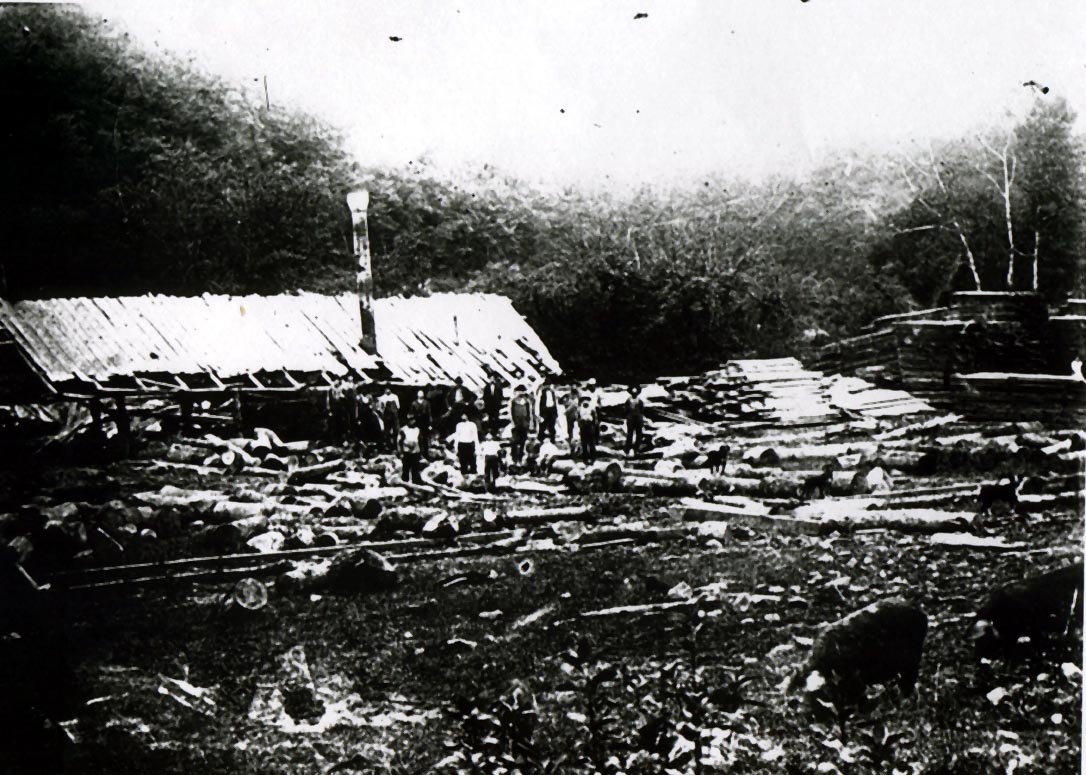
West Virginia Sawmill, 1895-1920
05 Saturday Jan 2013
Posted in Ferrellsburg
Tags
Appalachia, culture, Frank Davis, genealogy, Harts Creek, history, life, Lincoln County, photos, U.S. South, West Virginia, writers
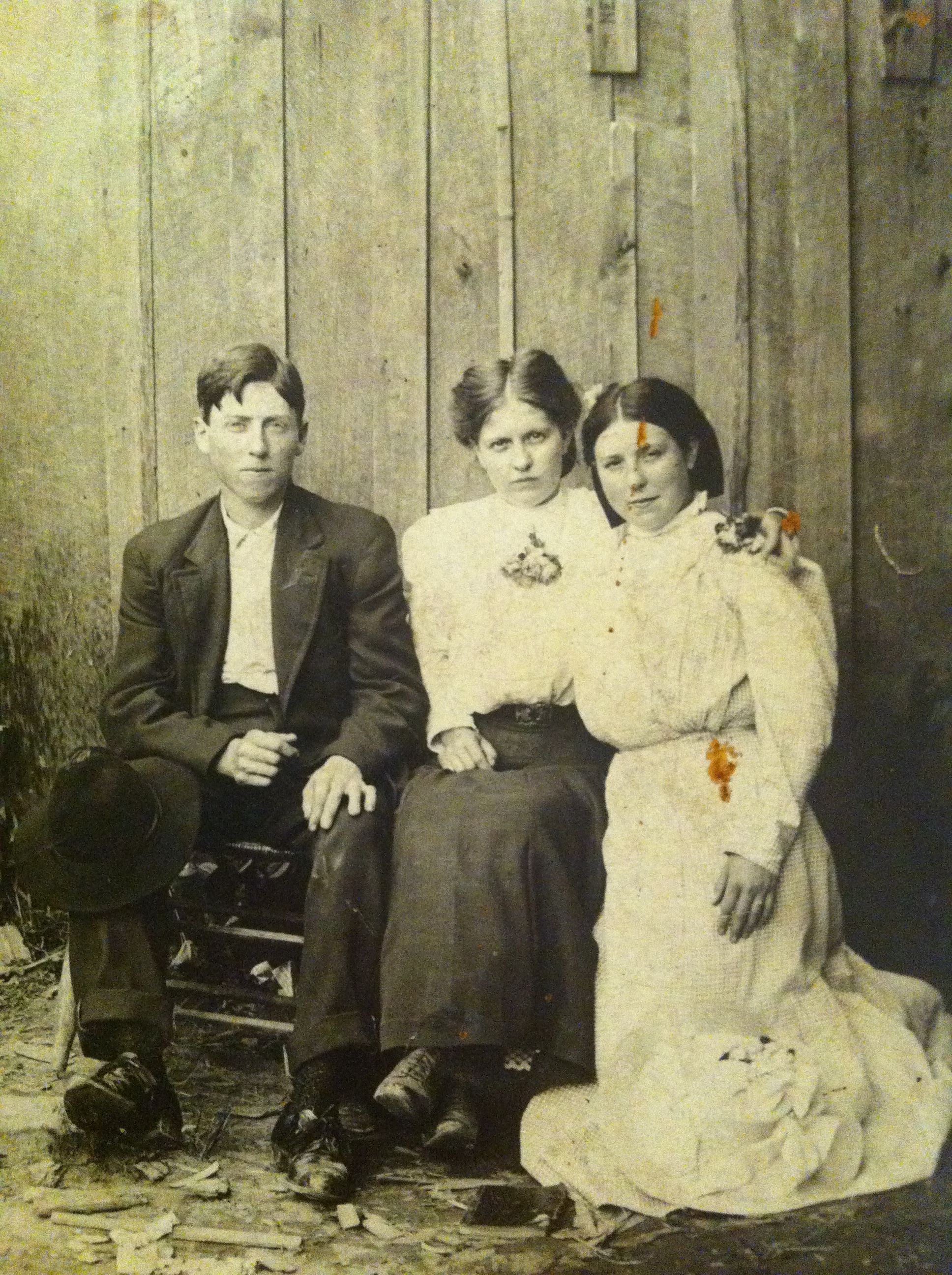
Harts Creek Residents, 1910-1920
Writings from my travels and experiences. High and fine literature is wine, and mine is only water; but everybody likes water. Mark Twain
This site is dedicated to the collection, preservation, and promotion of history and culture in Appalachia.
Genealogy and History in North Carolina and Beyond
A site about one of the most beautiful, interesting, tallented, outrageous and colorful personalities of the 20th Century
 Brandon Ray Kirk