For a brief period of time in the 1880s, Archibald Harrison, a veteran officer of the Civil War, made his home in the Harts Creek District of Lincoln County, West Virginia, where he labored as a farmer and timberman.
Archibald was born in January of 1837 to Guy P. and Cleme (Harmon) Harrison in Tazewell County, Virginia. In 1850 census records for Tazewell County, he was listed with his father and stepmother, Nancy Jane Bruster, as well as his brothers and sisters.
By 1860, Harrison had made his way to Wayne County, where he was listed in the census with his older brother, Thomas, aged 35. Later in the year, he married Mary Spurlock, a daughter of Burwell and Nancy Spurlock. Mary’s father was a preacher who, among other things, established a Methodist Episcopal (South) Church at Trout’s Hill (Wayne) in 1846 with 36 charter members.
Archibald and Mary had three children: Laura P., born August 8, 1861, who died in 1879; Nancy C. “Nannie,” born February 1, 1863; and Lemuel, born September 18, 1865, died 1942. Daughters Laura and Nannie apparently spent their lives in Wayne County, while son Lem is probably the same person of that name who shows up in Logan County census records on Mud Fork and at Cherry Tree in 1910 and 1920.
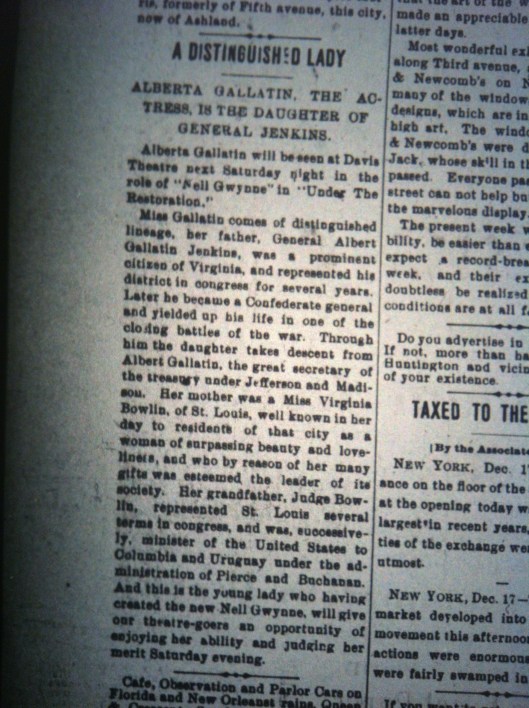
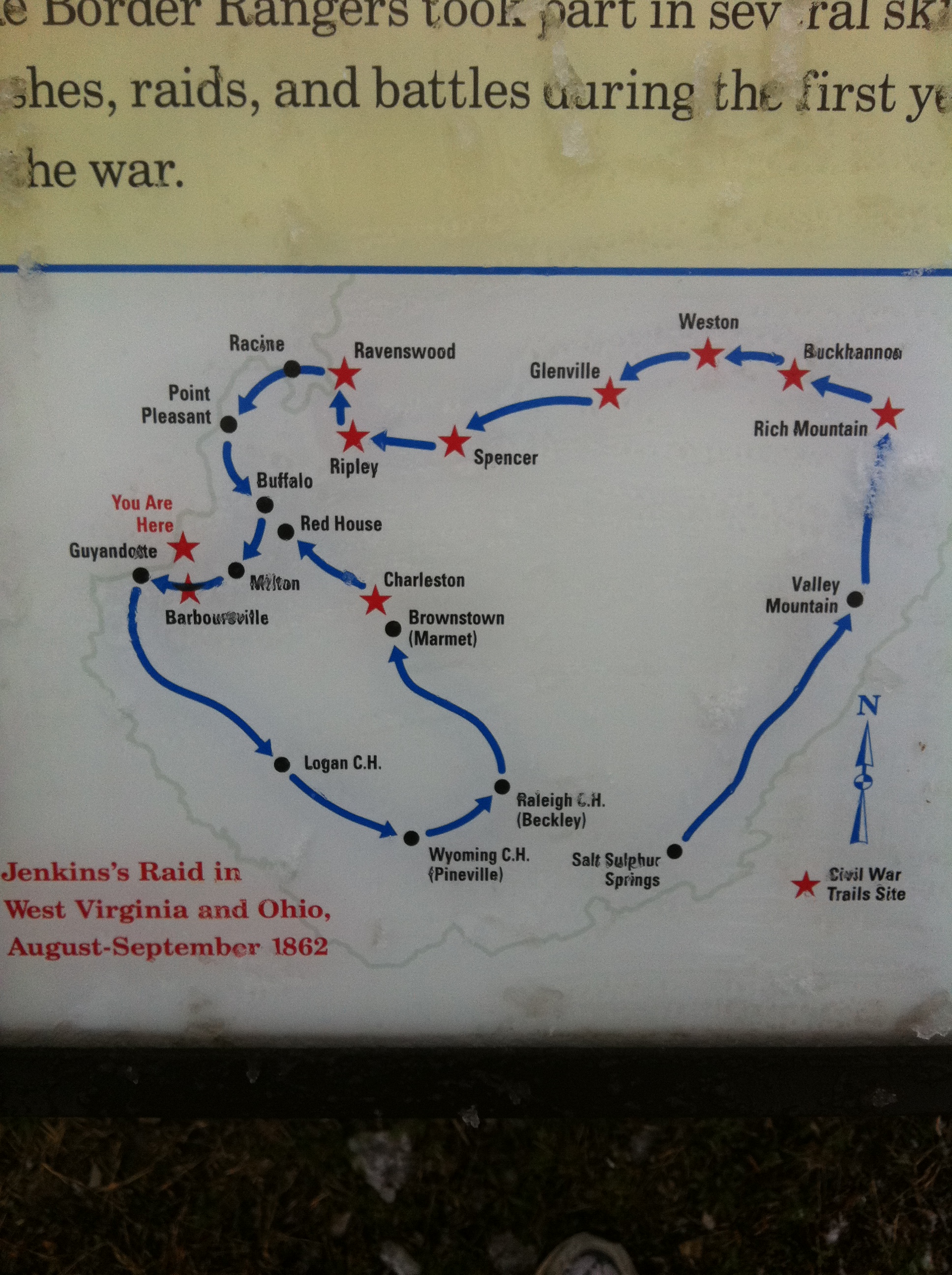
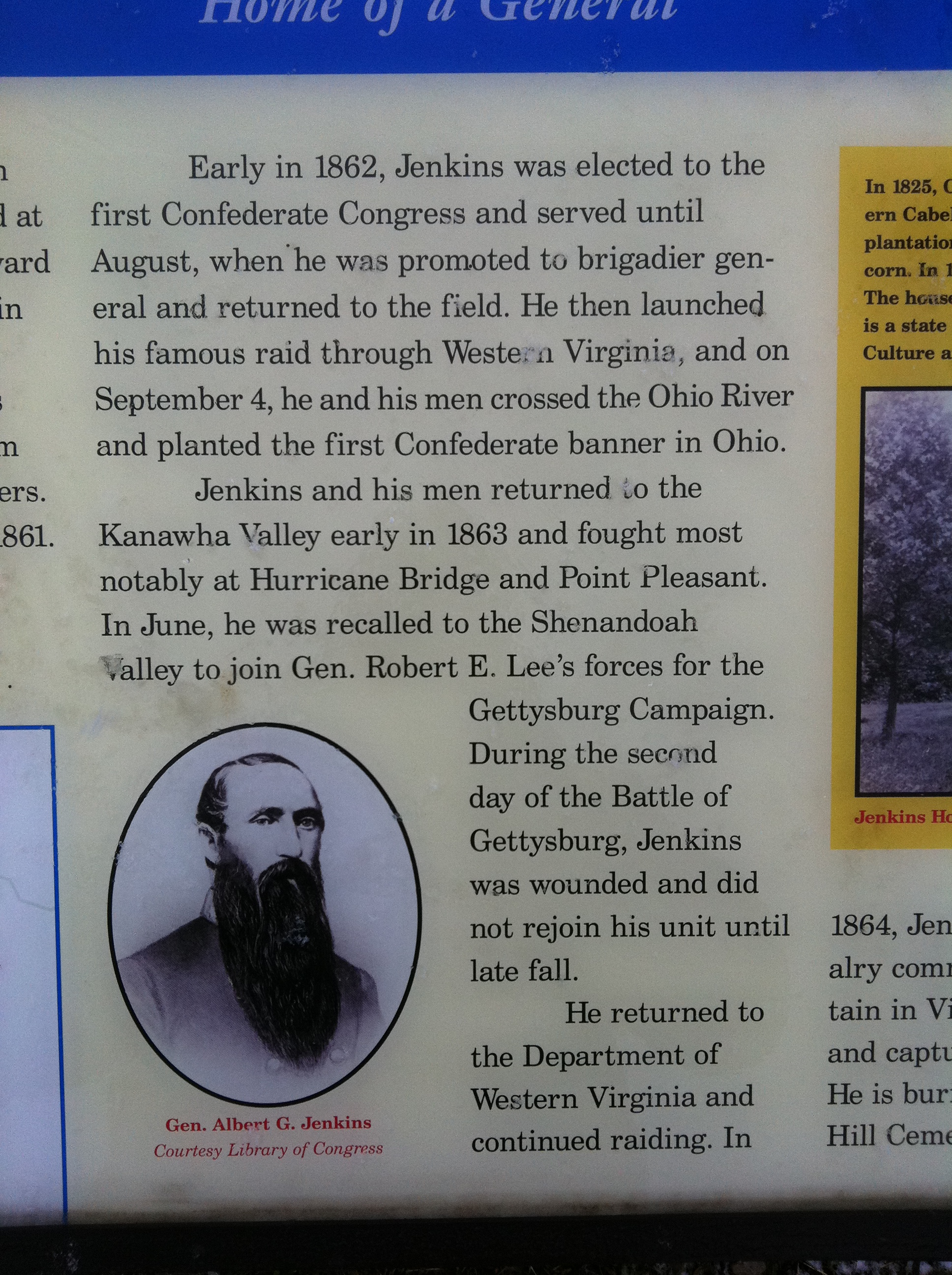
During the Civil War, Harrison served in the Confederate Army and was a participant in many important events: namely General Albert Gallatin Jenkins’ famous march to Ohio in 1862, where his companions became the first Confederates to invade the Buckeye State; at Gettysburg, Pennsylvania under General J.E.B. Stuart in 1863; and at Chambersburg, Pennsylvania under John McCausland in 1864.
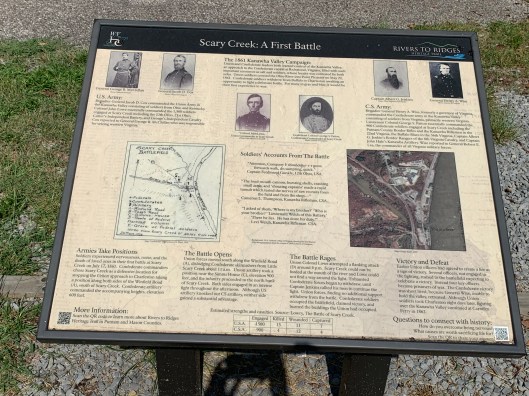
In 1861, the first year of the war, Harrison enlisted with the Fairview Rifles, an unorganized Confederate detachment under the command of Captain Milton J. Ferguson of Wayne County. He fought with them at Barboursville (July 14, 1861), at Scary Creek in Putnam County (July 17, 1861) at Carnifex Ferry in Nicholas County (September 10, 1861) and at Lewisburg in Greenbrier County (May 23, 1862). Most of these engagements were Confederate losses.
In August 1862 Harrison and the Fairview Rifles got a huge morale boost when they marched with Colonel Jenkins’s force from Monroe County to the Ohio River, occupying the towns of Buckhannon, Weston, Glenville, Spencer, Ripley, and Ravenswood along the way. At the Ohio, Jenkins and about half of his troops crossed the river and captured Racine (they were the first Confederates to enter Ohio) before re-entering (West) Virginia and heading to Point Pleasant.
On September 15, 1862, the Fairview Rifles were renamed Ferguson’s Battalion and officially mustered into service at Wayne Courthouse. Harrison, who was only 24 years old, was made second lieutenant of Captain Hurston Spurlock’s Company. (Spurlock was probably an in-law.)
On January 15, 1863, the 16th Regiment of Virginia Cavalry was formed when five companies from Ferguson’s Battalion merged with four companies of Major Otis Caldwell’s Battalion. Captain Ferguson was promoted to colonel and placed in command of the 16th, while Lt. Harrison and a majority of Spurlock’s Company were designated as Company E.
In the early summer of 1863, the 16th was attached to General Jenkins’ Brigade and sent north as part of General Robert E. Lee’s invasion force. In June, they moved through the Shenandoah Valley toward Pennsylvania where they fought at 2nd Winchester, Virginia, between June 14-15. They also saw action at Gettysburg on June 26, Harrisburg, Pennsylvania, on June 28-29 and at East Cavalry Battlefield near Gettysburg on July 3.
In the fall of 1863, on November 6, Harrison and the 16th fought at Droop Mountain in Pocahontas County, where the Confederates were defeated by a Union force that helped ensure Union control of the new state. Later in the month, the 16th participated in a siege of Knoxville, Tennessee, until December, 1863.








 Brandon Ray Kirk